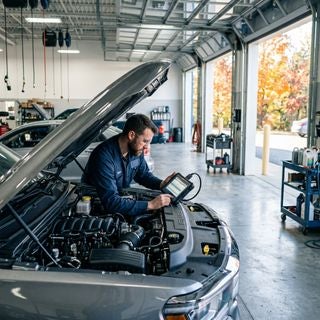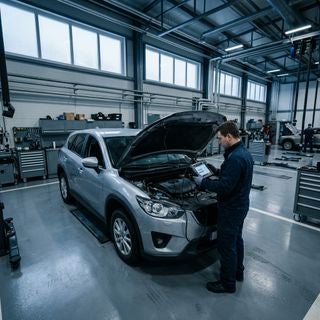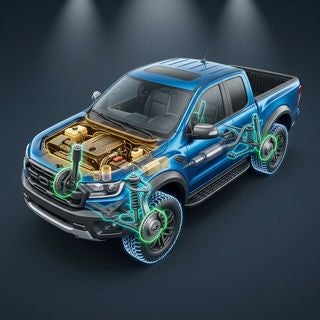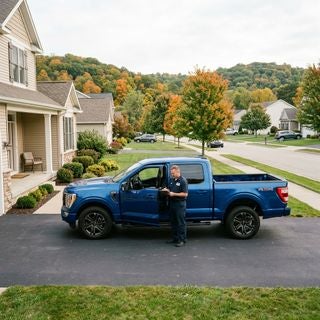
Using a factory-trained Ford technician ensures your vehicle is repaired by a specialist educated directly by Ford Motor Company on proprietary diagnostic software, model-specific wiring, and factory engineering standards. These technicians complete specialized coursework covering Ford engines, transmissions, electrical architectures, and safety systems, using genuine OEM parts to maintain factory warranty coverage, vehicle longevity, and optimal safety. Modern automobiles feature interconnected electronic control modules, complex multiplex wiring networks, and advanced driver-assist computer systems. When a warning light illuminates or a mechanical component underperforms, standard generic code scanners often retrieve broad error codes that fail to pin down the root cause. Factory-trained technicians utilize the Professional Technician System (PTS) network to access precise vehicle technical service bulletins, exact electrical schematics, and factory repair procedures designed specifically for your model year. Engineers at Ford design vehicles with specialized tolerances and unique mechanical assemblies. For example, servicing the SelectShift transmission or diagnosing the twin-turbo system on a 3.5L EcoBoost engine in a 2026 Ford F-150 rated for 10,400 lbs of towing capacity requires direct familiarity with Ford engineering. Drivers navigating the rolling hills and local commutes along State Route 170 in Calcutta rely on precise engine calibration and braking response, which factory-trained technicians verify using model-specific software calibrations. When you bring your vehicle to our service bay, you receive care from professionals who work on Ford powertrains and chassis every single day. If you want to discuss your vehicle's performance or set up a routine checkup, you can give our team a quick call or drop by our service center location to speak directly with an expert advisor. Table of Contents What Are the Certification Levels and Training Hours for Ford Technicians? Is ASE Certification Required at a Ford Dealership Service Department? Do Independent Mechanics Have Access to Ford FDRS Diagnostic Software? What Specialized Training Do Ford Technicians Receive for Electric and Hybrid Vehicles? How Much Does Service Cost at a Ford Dealership and What Records Protect Your Warranty? Common Questions About Ford Service and Technician Training Trust Your Vehicle to Factory-Trained Experts at Tri State Ford What Are the Certification Levels and Training Hours for Ford Technicians? Ford structures technician advancement through distinct certification tiers within the STARS framework, beginning at Registered Technician and progressing to Senior Master Technician. Achieving higher certification levels requires completing hundreds of hours of Web-Based Training and hands-on classroom instruction over several years. The Ford technician certification pathway includes five primary recognition levels: Registered Technician: Foundations in vehicle inspection, safety protocols, routine fluid maintenance, and fundamental shop practices. Certified Technician: Completion of core technical modules covering braking systems, steering, suspension, and basic electrical diagnosis. Specialty Trained Technician: Mastery in specific mechanical areas such as diesel engine repair, automatic transmissions, or electrical system diagnostics. Master Technician: Comprehensive expertise across multiple specialty areas, validated by passing rigorous written and practical examinations alongside active industry credentials. Senior Master Technician: The highest level of factory recognition, requiring a minimum of five consecutive years as a Master Technician plus complete mastery across engine performance, transmission overhauls, chassis systems, and high-voltage drive units. Many professional technicians begin their career through the Automotive Student Service Educational Training (ASSET) program. This two-year college cooperative education program combines classroom instruction at participating colleges with paid, hands-on apprenticeship inside a Ford dealership service center. Students in the Automotive Student Service Educational Training (ASSET) curriculum rotate between academic lectures on engine theory and real-world shop operations, logging hundreds of hours on current-model vehicles. Beyond initial education, Ford technicians undergo continuous training whenever new vehicle platforms or updated components launch. Whether adjusting safety parameters on a 2026 Ford Explorer equipped with a 2.3L engine or servicing heavy-duty driveline assemblies, certified technicians use authentic replacement components. You can conveniently order OEM parts online directly through our dealership to ensure your vehicle retains original factory specifications. Is ASE Certification Required at a Ford Dealership Service Department? ASE certification is not strictly mandatory for entry-level dealership service roles, but Ford requires technicians to earn specific National Institute for Automotive Service Excellence credentials to achieve advanced Master and Senior Master Technician status. The Automotive Service Excellence certification represents an independent, industry-wide benchmark testing general automotive knowledge across various vehicle systems. While general mechanics at independent repair shops often hold individual ASE certifications to demonstrate general competency, Ford factory credentials focus specifically on Ford engineering, proprietary software, and factory repair procedures. A technician working on a Ford vehicle benefits from combining both universal automotive testing and manufacturer-specific instruction. In our dealership service center, entry-level technicians start with web-based foundational modules and routine maintenance services while working under the guidance of senior mentors. As technicians progress toward Master status, they must maintain valid ASE certifications in areas such as engine repair, automatic transmission/transaxle, manual drive train and axles, suspension and steering, brakes, electrical systems, heating and air conditioning, and engine performance. Combining universal ASE testing with specialized Ford factory training gives technicians a complete understanding of both general mechanical principles and brand-specific technology. Whether your vehicle requires routine inspection or specialized care, you can schedule a service appointment online to reserve time with our team. If you are experiencing starting issues or electrical glitches, review our specialized battery maintenance guidance before visiting. For major mechanical repairs or extended component replacements, drivers can consult our finance department to explore available payment management options. Do Independent Mechanics Have Access to Ford FDRS Diagnostic Software? Independent mechanics can purchase subscription access to Ford Diagnosis and Repair System (FDRS) software and Integrated Diagnostic System (IDS) tools, but many third-party shops opt for generic aftermarket scanners due to software licensing fees and hardware requirements. The Ford Diagnosis and Repair System (FDRS) is the current-generation diagnostic software designed for Ford vehicles utilizing modern vehicle communication networks. Earlier vehicle platforms utilize the Integrated Diagnostic System (IDS) program. These software suites allow technicians to perform complete vehicle module re-flashing, clear deep-level diagnostic trouble codes, run automated actuator tests, reprogram key fobs, and recalibrate advanced driver-assist camera and radar sensors following alignment or body service. While independent repair facilities can legally purchase software licenses directly from Ford Motor Company, doing so requires investing in specialized hardware interface tools, such as the official VCM III vehicle communication module. Furthermore, independent shops must pay recurring subscription fees to maintain active software access. Because independent garages service dozens of different vehicle makes each week, maintaining active OEM diagnostic subscriptions for every manufacturer is often cost-prohibitive. Consequently, many general repair shops rely on multi-brand aftermarket scan tools. While aftermarket tools can read generic OBD-II engine codes, they frequently lack the capability to communicate with proprietary Ford computer modules, execute deep module resets, or install factory software updates. A factory-trained technician operating Ford Diagnosis and Repair System (FDRS) inside a dealership service department connects directly to Ford factory servers, downloading exact software calibrations designed for your specific vehicle identification number. What Specialized Training Do Ford Technicians Receive for Electric and Hybrid Vehicles? Ford technicians undergo specialized high-voltage training covering battery pack diagnostics, high-voltage safety isolation, electric drive module maintenance, and Ford Pro Charging infrastructure. Working on high-voltage electrified vehicles requires rigorous safety protocols that go beyond traditional internal combustion engine maintenance. Technicians complete coursework on personal protective equipment (PPE) usage, high-voltage rubber insulating glove testing, and precise battery de-energizing procedures before performing any work inside high-voltage enclosures. This training ensures technician safety while preventing electrical damage to sensitive vehicle control units. The technical curriculum for electrified powertrains includes: Diagnostic isolation of high-voltage battery cell imbalances and module testing. Thermal management system maintenance, including dedicated cooling loops and electric water pump diagnostics. Servicing integrated electric drive units, single-speed transmissions, and rotor position sensors. Inspection and troubleshooting of onboard charging modules, AC/DC converters, and charging port assemblies. Calibration of regenerative braking systems that balance friction braking with electric motor deceleration. When servicing complex hybrid systems or high-voltage battery arrays, factory-trained technicians use insulated hand tools rated for high-voltage isolation alongside factory software monitoring routines. This specialized training ensures that hybrid and all-electric Ford models operate safely, efficiently, and reliably throughout their service lives. How Much Does Service Cost at a Ford Dealership and What Records Protect Your Warranty? Ford dealership labor rates and routine maintenance costs vary by vehicle and service needs; contact our service department for current pricing. While independent garages may advertise lower hourly shop rates, dealership service departments deliver higher initial repair accuracy and long-term value. Factory-trained technicians complete repairs faster because they utilize model-specific technical manuals, exact diagnostic routines, and specialized hand tools. Installing genuine Motorcraft fluids, filters, and mechanical components helps eliminate fitment issues and premature wear, ensuring your vehicle remains dependable over thousands of miles. To maintain your vehicle's factory warranty coverage—such as the standard 3-year/36,000-mile bumper-to-bumper warranty or the 5-year/60,000-mile powertrain warranty —you must maintain detailed service documentation. If a warrantable component fails, the vehicle manufacturer may request proof that required maintenance was performed according to the owner's manual schedule. To ensure your factory warranty remains valid, maintain an organized service folder containing: Itemized repair orders showing the date of service and exact vehicle mileage at the time of work. The full Vehicle Identification Number (VIN) clearly printed on every service receipt. Part numbers and descriptions verifying that factory-approved fluids, such as Motorcraft engine oil, were used. Complete receipts for all purchased parts and fluids if minor self-service tasks are performed. When managing the steep riverfront bluffs and hill climbs in East Liverpool, keeping up with routine transmission fluid changes and brake pad replacements ensures maximum engine braking efficiency and long-term drivetrain protection. Servicing your vehicle at an authorized dealership helps keep your maintenance records organized, but you should still save copies of all service receipts. If you are looking for trusted maintenance care, you can find our service center easily, contact our service team by calling (330) 462-7578, or obtain driving directions to our service bays for your next maintenance visit. Common Questions About Ford Service and Technician Training Q: What is the main difference between a factory-trained technician and a general mechanic? A factory-trained technician receives direct education from Ford Motor Company focusing on proprietary vehicle software, specific engine architectures, and factory service bulletins. General mechanics service many different automotive brands using aftermarket tools, whereas factory-trained technicians specialize exclusively in Ford engineering and utilize OEM diagnostic hardware connected directly to factory database servers. Q: How long does it take for a mechanic to become a Ford Master Technician? Becoming a Ford Master Technician typically takes several years of dedicated work. Mechanics must complete hundreds of hours of Web-Based Training and classroom instruction, gain years of hands-on dealership service experience, and pass multiple ASE certification tests across core mechanical areas before earning Master Technician recognition. Q: Will servicing my vehicle at an independent shop void my Ford factory warranty? Servicing your vehicle at an independent shop does not automatically void your factory warranty. Under federal law, you have the right to have routine maintenance performed at any repair facility. However, you must keep complete, itemized receipts showing that correct fluids and parts were installed at recommended mileage intervals, and any damage caused by improper aftermarket repairs or substandard parts will not be covered under warranty. Q: What diagnostic equipment is used during a Ford dealership multi-point inspection? During a multi-point inspection, technicians utilize the Ford Diagnosis and Repair System (FDRS) software to check electronic control modules for stored fault codes. They also perform physical evaluations using specialized precision tools to measure brake pad thickness, tire tread depth, battery cold-cranking amps, and cooling system pressure levels. Q: How often do Ford technicians need to renew or update their certifications? Ford technicians undergo continuous training throughout the year. Whenever Ford introduces new vehicle platforms, updated powertrain options, or new electrical architectures, technicians must complete mandatory Web-Based Training modules and classroom instruction to maintain active certification status for those specific systems. Trust Your Vehicle to Factory-Trained Experts at Tri State Ford Keeping your Ford operating smoothly requires proper diagnostic technology, genuine OEM replacement parts, and technicians trained directly by the manufacturer. Whether your vehicle needs routine fluid service, brake inspection, or advanced powertrain diagnostic work, relying on certified professionals ensures the job gets done right the first time. Our service team is dedicated to delivering clear communication, efficient turnarounds, and expert care for every driver who walks through our doors. To experience reliable vehicle maintenance tailored to your schedule, schedule your next service appointment online or call our service department today. © 2026 Tri State Ford. All rights reserved. Vehicle specification data © JATO Dynamics Limited. Factory-Trained Ford Technicians in East Liverpool OH | Tri State Ford