
How Do You Reset the Maintenance Light After Ford Brake Service?
Resetting the maintenance light after Ford brake service requires exiting electronic brake service mode through the driver instrument cluster or scan tool, which restores the electric parking brake calibration and automatically clears the dashboard warning message. If a warning prompt remains, toggling to the Information or Settings menu on the steering wheel controls and selecting Reset clears any lingering service message.
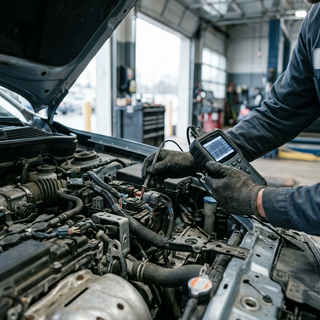
In my 10 years as Service Manager, I see plenty of vehicle owners complete a rear pad replacement only to find a persistent warning prompt on their dash. Modern Ford vehicles equipped with an Electronic Parking Brake (EPB) utilize a dedicated maintenance routine. When replacing rear pads, technicians enter brake service mode to retract the electric caliper actuators. Once new pads are installed and hydraulic pressure is pumped back into the pedal, you must deactivate service mode. Turning the ignition key on, pressing the accelerator pedal to the floor while holding the EPB switch down, and cycling the ignition exits the procedure. The caliper motor then self-calibrates against the new friction lining, extinguishing the main brake system indicator.
If the red brake warning light stays lit after exiting service mode, the cause usually stems from low fluid in the reservoir or an unseated sensor. Ford braking systems monitor reservoir level closely; installing new, thicker pads pushes fluid back into the reservoir, but if fluid was topped off previously, improper levels can trigger an alert. If you hit a roadblock during a home repair or prefer expert handling, our technicians at Tri State Ford are here to help. You can easily reach our team by scheduling your next service appointment online or by giving our service desk a quick call. If you want to stop in directly, you can easily find our service center location on Pennsylvania Ave.
Table of Contents
- What Is Included in a Standard Ford Multi-Point Brake Inspection?
- How Long Do Ford Original Brake Pads and Rotors Last?
- Why OEM Motorcraft Brake Pads Outperform Aftermarket Alternatives
- What Happens If You Force Rear Brake Pistons Back Without Service Mode?
- Resurfacing vs Replacing Ford Rotors and Specified Brake Fluid Standards
- What Is the Average Cost to Replace Ford Brake Pads and Rotors?
What Is Included in a Standard Ford Multi-Point Brake Inspection?
A standard Ford multi-point brake inspection includes a digital measurement of brake pad lining thickness, a visual scan of rotors and drums for heat cracking or scoring, an inspection of hydraulic lines and calipers for fluid leaks, and a check of brake fluid moisture levels. Technicians also evaluate caliper slide pin lubrication and test parking brake actuation.
During an inspection, our factory-certified technicians measure pad friction material using precision feeler gauges. New friction material typically measures around 12 mm in thickness. When pads wear down to 3 mm, replacement is strongly recommended to protect the rotor surface and maintain optimal stopping distance. We also check the rotors for minimum thickness specifications stamped into the metal hat. Rust buildup on the rotor edge or uneven pad wear points to sticking slide pins or worn hardware clips that require cleaning and fresh high-temperature grease.
Underneath the vehicle, we inspect flexible rubber brake hoses for cracking, dry rot, or bulging under pressure. We also inspect the master cylinder reservoir to verify fluid clarity and measure moisture concentration. Because moisture lowers the boiling point of hydraulic fluid, keeping fresh fluid in the lines prevents soft pedal feel during hard stops. For local drivers balancing busy work schedules, taking advantage of our Ford mobile service van allows routine vehicle maintenance and multi-point inspections to be completed right in your driveway.
How Long Do Ford Original Brake Pads and Rotors Last?
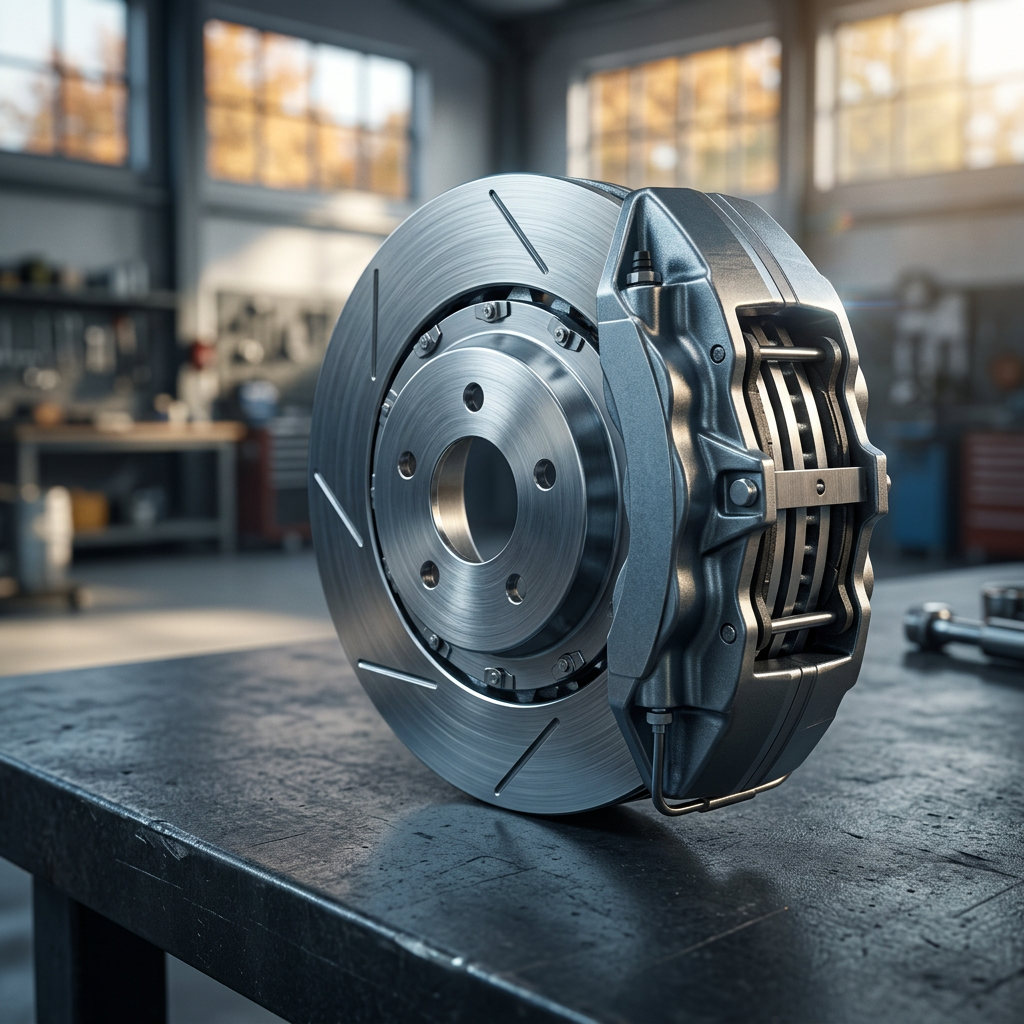
Ford original factory brake pads typically last between 30,000 and 70,000 miles, while original rotors usually endure 60,000 to 100,000 miles before reaching their minimum discard thickness. Actual longevity depends on vehicle weight, cargo demands, and daily driving habits.
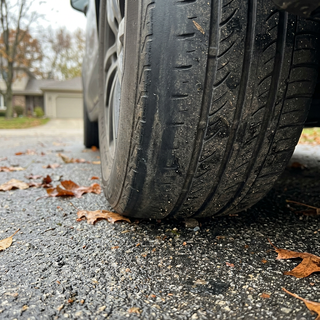
Heavy-duty driving conditions accelerate friction wear significantly. For instance, a 2026 Ford F-150 pulling a heavy trailer utilizing its 10,400 lbs maximum towing capacity puts far higher thermal demands on its braking components than a lightweight 2026 Ford Escape used purely for daily highway commuting. Stop-and-go driving along the riverfront bluffs in East Liverpool creates frequent friction heat that wears pad material faster than steady open-highway travel.
Rotors generally survive through two complete sets of brake pads if the pads are replaced before metal-to-metal contact occurs. Allowing pads to wear down to the steel backing plate causes severe grooves that ruin the rotor face instantly. To keep your vehicle running smoothly without taking time out of your day, you can utilize our Ford pickup and delivery service to have your vehicle serviced and returned without leaving home.
Why OEM Motorcraft Brake Pads Outperform Aftermarket Alternatives
OEM Motorcraft brake pads outperform generic aftermarket pads because they are engineered specifically for Ford chassis dynamics, offering precise stopping distances, noise reduction, and low-dust formulations.
Generic aftermarket pads are designed to fit dozens of different vehicle makes and models using a one-size-fits-most friction compound. In contrast, genuine Motorcraft pads utilize model-specific formulations tailored to your vehicle's weight and anti-lock braking calibration. They feature factory-bonded noise-damping shims and chamfered friction edges that prevent low-speed brake squeal without requiring aftermarket shims or anti-squeal pastes.
Furthermore, aftermarket pads with improper backing plate tolerances can bind inside the caliper bracket. This binding causes pads to stay in constant contact with the rotor, leading to premature wear, warped rotors, and reduced fuel efficiency. When replacing friction components, ordering genuine OEM components ensures your stopping performance matches factory standards.
What Happens If You Force Rear Brake Pistons Back Without Service Mode?
Forcing rear brake pistons back manually on a Ford with an Electronic Parking Brake without activating service mode destroys the internal caliper motor spindle gear, causing complete parking brake failure and requiring full caliper replacement.
Modern Ford rear calipers integrate a small electric motor that drives a threaded internal spindle shaft. This shaft pushes the hydraulic piston outward when you engage the parking brake switch. If a technician or home mechanic applies a manual C-clamp or rotation tool to push the piston back without retracting that internal motor electronically, the force strips the fine gear teeth on the spindle shaft.
When those gear teeth break, the caliper can no longer hold hydraulic pressure properly or engage the parking brake, leaving a permanent warning message on the instrument cluster. Replacing a destroyed caliper assembly costs significantly more than a standard pad change. Because low battery voltage can sometimes interfere with electronic caliper retract commands during service, keeping up with routine battery voltage checks helps ensure all vehicle electronics operate properly.
Resurfacing vs Replacing Ford Rotors and Specified Brake Fluid Standards
Resurfacing Ford rotors restores a smooth friction surface at a lower cost than replacement, provided the remaining metal thickness stays above the minimum discard specification after turning. Modern Ford models specify Motorcraft High Performance DOT 4 LV brake fluid to support rapid electronic valve cycling.
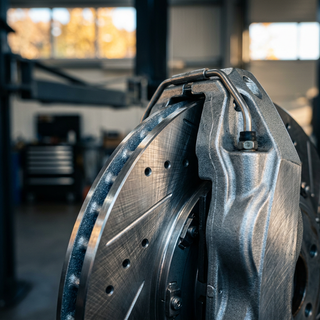
Resurfacing, or turning, involves mounting the rotor on a precision lathe to shear away minor scoring, rust ridges, or lateral runout. However, if severe heat checking or deep grooves require removing too much metal, the rotor will fall below its safe minimum thickness. Thin rotors lose their ability to dissipate heat, leading to rapid brake fade and warping under heavy load. When rotor thickness is marginal, installing new factory rotors is the safest option.
Regarding hydraulic fluid, Ford specifies DOT 4 LV (Low Viscosity) fluid for modern vehicles. The low-viscosity formulation allows the fluid to flow quickly through tiny internal valves within the ABS and electronic stability control modules, particularly in freezing winter temperatures. Standard high-viscosity brake fluids can slow valve response times during emergency anti-lock stops. Ford recommends flushing brake fluid according to your vehicle's model-specific maintenance schedule to prevent internal corrosion.
What Is the Average Cost to Replace Ford Brake Pads and Rotors?
For current brake pad and rotor replacement pricing, please contact our service team for an estimate based on your vehicle and needs. Larger trucks and performance SUVs sit on the higher end of that spectrum due to larger rotor mass and heavy-duty hardware.
Front brake components generally cost slightly more than rear components because front brakes handle roughly 70 percent of total stopping force, requiring larger calipers, wider pads, and thicker rotors. For example, compact vehicles like a 2026 Ford Escape require smaller friction surfaces than a 2026 Ford Explorer carrying a full family load. For suburban drivers making daily trips along State Route 170 in Calcutta, keeping brakes in top condition prevents costly emergency repairs down the road.
Investing in complete pad and rotor replacement on both sides of an axle ensures balanced braking performance and prevents steering wheel pull during sudden stops. If you have questions about your brake wear or want an accurate estimate for your vehicle, visit our dealership address or give our service desk a call at (330) 462-7578.