Blog / Maintenance & Service, Recall Information, Safety & Reliability, Vehicle Ownership Care, Parts &

Blog

All Maintenance & Service, Recall Information, Safety & Reliability, Vehicle Ownership Care, Parts & Maintenance & Service, Expert Repairs & Diagnostics, Genuine Parts & Accessories, Engine Care & New Vehicle Reviews, Buying Guides, Financing & Insurance, Model Comparisons, Automotive News Automotive News, New Vehicle Reviews, Buying Guides, Financing & Insurance, Seasonal Driving Tips Used Vehicle Guides, Financing & Insurance, Buying Guides, Trade-In Advice, Certified Pre-Owned Maintenance & Service, Warranty & Service Contracts, Repair & Diagnostics, Parts & Components Compare Cars Maintenance & Service, Battery Care & Diagnostics, Electric Vehicle (EV) Maintenance, Seasonal Used Vehicle Guides, Financing & Insurance, Buying Guides, Vehicle Warranty Information, Pre-Owned Vehicle Trade-In Advice, Financing & Insurance, Buying Guides, Used Vehicle Guides, New Vehicle Maintenance & Service, Essential Vehicle Care, Preventive Maintenance Tips, Vehicle Longevity Buying Guides, Financing & Insurance, New Vehicle Reviews, Model Comparisons, Sales & Promotions Maintenance & Service, Parts & Accessories, Vehicle HVAC Care, Seasonal Vehicle Maintenance, DIY Tips Used Vehicle Guides, Financing & Insurance, Buying Guides, Pre-Owned Vehicle Sales, Vehicle New Vehicle Reviews, Buying Guides, Model Comparisons, Financing & Insurance, Inventory & Sales Buying Guides, Financing & Insurance, New Vehicle Reviews, Model Comparisons, Technology & Maintenance & Service, Brake Systems & Repair, Vehicle Parts & Accessories, Towing & Load Vehicle Trade-In Tips, Financing & Insurance, Buying Guides, Dealership Sales Strategies, Inventory Community Events & Customer Appreciation, New Vehicle Reviews, Financing & Trade-In Guides, Leasing & Lease Deals, Financing & Insurance, New Vehicle Sales, Commercial Vehicle Leasing, Maintenance & Service, Warranty & Recalls, Repair & Diagnostics, Parts & Accessories, Vehicle New Vehicle Reviews, Buying Guides, Financing & Insurance, Model Comparisons, Automotive Technology Vehicle Sales Events, New Vehicle Pricing & Incentives, Financing & Lease Options, Trade-In & Maintenance & Service, Vehicle Lighting & Electrical Systems, Automotive Safety & Inspection, OEM Maintenance & Service, Vehicle Pickup & Delivery, Mobile Service & On-Site Repairs, Oil Change & Model Comparisons, New Vehicle Reviews, Technology & Innovation, Safety Features, Buying Guides Commercial Truck Sales, Fleet Vehicle Financing, Custom Work Truck Upfits, Commercial Vehicle Commercial Vehicle Sales, Financing & Leasing, Small Business Vehicle Incentives, Fleet Purchasing Commercial Vehicle Sales, Fleet Purchasing & Management, Financing & Leasing for Businesses, New & Community Events, New Vehicle Buying Guides, Financing & Insurance, Maintenance & Service, Local Dealership Events & Promotions, Financing & Trade-In Options, Maintenance & Service Specials, Maintenance & Service, Vehicle Ownership Care, Mobile Repair Services, Genuine Parts & Certified New Vehicle Reviews, Buying Guides, Financing & Insurance, Model Comparisons, Used Vehicle Guides Used Vehicle Guides, Financing & Insurance, Buying Guides, New Vehicle Reviews, Commercial Vehicle Vehicle Sales Process, Financing & Credit Applications, New and Used Vehicle Inventory, Pickup and Buying Guides, Financing & Insurance, New Vehicle Reviews, Commercial Fleet Sales, Custom Orders & Buying Guides, New Vehicle Reviews, Financing & Insurance, Commercial Vehicle Sales, Model Commercial Vehicle Sales, Fleet Leasing & Management, Commercial Financing & Tax Incentives, Financing & Insurance, Leasing Benefits, Model Comparisons, Technology & Innovation, Buying Guides Leasing & Financing Options, Buying Guides, Model Comparisons, Negotiation Tips, Inventory & Leasing & Financing Options, Buying Guides, New Vehicle Reviews, Model Comparisons, Technology & Maintenance & Service, Automotive Detailing, Paint Protection & Care, Seasonal Vehicle Care, Maintenance & Service, Automotive Electrical Systems, Battery Care & Replacement, Vehicle Lighting Maintenance & Service, Automotive Fluids & Lubricants, Vehicle Care & Ownership, Dealership Service Maintenance & Service, Brake System Care, Vehicle Safety & Inspection, Parts Quality & Replacement, Maintenance & Service, Brake System Care, Vehicle Safety & Inspections, Parts & Repairs, Expert Maintenance & Service, Mobile Vehicle Services, Vehicle Care & Ownership, Genuine Parts & Repairs, Maintenance & Service, Safety Features, Technology & Innovation, Seasonal Driving Tips, Parts & Maintenance & Service, Technology & Innovation, Vehicle Diagnostics & Telematics, Fleet Management Maintenance & Service, Tire Care & Repair, Roadside Assistance, Vehicle Safety & Inspections, Maintenance & Service, Tire Care & Repair, Wheel Alignment & Balancing, Suspension Maintenance, Maintenance & Service, Vehicle Inspection & Diagnostics, Parts & Repairs, Warranty & Resale Value, Maintenance & Service, Vehicle Inspections, Oil Change & Fluid Services, Tire Care & Battery Maintenance & Service, Vehicle Interior Care, Technology & Innovation in Service, Professional Maintenance & Service, Vehicle Software Updates, Safety Features, Technology & Innovation, Recall & New Vehicle Reviews, Buying Guides, Financing & Insurance, Model Comparisons, Inventory Highlights New Vehicle Reviews, Buying Guides, Financing & Insurance, Model Comparisons, Inventory Updates New Vehicle Reviews, Buying Guides, Model Comparisons, Maintenance & Service, Technology & New Vehicle Reviews, Buying Guides, Technology & Innovation, Safety Features, Seasonal Driving Tips Vehicle Sales Events, New Vehicle Purchasing, Incentives & Discounts, Financing & Pre-Approval, Buying Guides, Financing & Insurance, Used Vehicle Guides, New Vehicle Reviews, Cross-Border Buying Guides, Financing & Insurance, Vehicle Inventory & Offers, Dealership Visit Preparation, Commercial Leasing Options, Business Fleet Solutions, Financing & Leasing Programs, Commercial Commercial Truck Sales, Fleet Purchasing Guides, Financing & Lease Options, Work Truck Community Engagement & Events, New Vehicle Promotions, Financing & Trade-In Options, Maintenance & Community Events & Dealership News, New Vehicle Promotions & Incentives, Maintenance & Service Community Events & Dealership News, New Vehicle Reviews, Financing & Insurance, Maintenance & Custom Ordering & Build Process, New Vehicle Inventory & Offers, Financing & Trade-In Guidance, East Liverpool, OH Ford Dealer East Liverpool, OH Used Cars Financing & Insurance, Buying Guides, Commercial Vehicle Solutions, Fleet Management, Inventory and Financing & Insurance, Buying Guides, New Vehicle Reviews, Used Vehicle Guides, Automotive Sales Financing & Insurance, Buying Guides, New Vehicle Reviews, Used Vehicle Guides, Automotive Sales & Financing & Insurance, Buying Guides, New Vehicle Reviews, Used Vehicle Guides, Model Comparisons Financing & Insurance, Buying Guides, Used Vehicle Guides, New Vehicle Reviews, Automotive Sales Financing & Insurance, Buying Guides, Used Vehicle Guides, Trade-In Tips, New Vehicle Sales Financing & Insurance, Buying Guides, Vehicle Inventory & Offers, Trade-In & Appraisal, Dealership Financing & Insurance, Buying Guides, Vehicle Trade-In Tips, Dealership Sales Process, New Vehicle Leasing & Financing Options, New Vehicle Leasing Guides, Buying Guides, Inventory Spotlight, Trade Leasing Options, Financing & Insurance, New Vehicle Reviews, Buying Guides, Technology & Innovation Leasing Options, Financing & Insurance, New Vehicle Sales, Buying Guides, Vehicle Inventory Maintenance & Service, Air Conditioning Repair, Genuine Parts & Accessories, Dealer-Authorized Maintenance & Service, Automotive Air Conditioning Repair, Vehicle Cooling System Care, Diagnostic Maintenance & Service, Automotive Detailing & Cleaning, Seasonal Vehicle Care, Vehicle Protection & Maintenance & Service, Automotive Detailing & Paint Care, Vehicle Exterior Protection, Paint Repair Maintenance & Service, Automotive Detailing & Protection, Corrosion & Rust Prevention, Paint & Maintenance & Service, Automotive Detailing, Vehicle Care & Protection, Off-Road Vehicle Maintenance & Service, Automotive Electrical Systems, Battery Care & Replacement, Diagnostics & Maintenance & Service, Automotive Glass Repair, Safety Features, Technology & Innovation, Mobile & Maintenance & Service, Automotive Lighting & Electrical, Vehicle Safety & Visibility, DIY Vehicle Maintenance & Service, Automotive Parts & Accessories, Seasonal Vehicle Care, Vehicle Safety & Maintenance & Service, Automotive Parts & Accessories, Vehicle Air Quality & HVAC Care, Preventive Maintenance & Service, Automotive Parts & Accessories, Vehicle Ownership Care, Engine Care & Maintenance & Service, Automotive Parts & Accessories, Vehicle Safety & Repair, Warranty & Maintenance & Service, Automotive Parts & Components, Vehicle Safety & Repair, Warranty & Service Maintenance & Service, Automotive Parts & Repairs, Vehicle Warranty & Protection, Service Center Maintenance & Service, Automotive Repair Tips, Service Team Selection, Warranty & Service Policies, Maintenance & Service, Automotive Repair, Mobile & Remote Vehicle Service, Warranty & Roadside Maintenance & Service, Automotive Repair, Parts & Accessories, Vehicle Ownership Care, Technology & Maintenance & Service, Automotive Repair, Parts & OEM Components, Vehicle Longevity & Care, Service Maintenance & Service, Automotive Technology & Diagnostics, Vehicle Electronics & Sensors, Seasonal Maintenance & Service, Automotive Technology & Software Updates, Warranty & Recall Service, Mobile Maintenance & Service, Battery Care & Replacement, Vehicle Electrical Systems, Seasonal Vehicle Maintenance & Service, Brake System Care, OEM Parts & Replacement, Vehicle Safety & Inspections, Maintenance & Service, Brake System Care, Vehicle Repair Tips, Automotive Parts & Components, Maintenance & Service, Brake System Care, Vehicle Safety & Inspection, Automotive Repair Tips, Maintenance & Service, Brake System Care, Vehicle Safety & Inspections, Parts & Components, Maintenance & Service, Brake System Care, Vehicle Safety Inspections, Automotive Repair Tips, OEM Maintenance & Service, Certified Technician Insights, Warranty & Service Coverage, Genuine OEM Maintenance & Service, Cooling System Repairs, Vehicle Ownership Care, Diagnostic & Maintenance & Service, Diagnostic Services, Vehicle Health & Diagnostics, Service Tips & Advice, Maintenance & Service, Engine Care & Performance, Parts & Accessories, Genuine vs. After Maintenance & Service, Paint Protection & Detailing, Vehicle Exterior Care, Seasonal Vehicle Maintenance & Service, Parts & Accessories, Engine Care & Repair, Vehicle Longevity Tips, OEM Parts Maintenance & Service, Parts & Replacements, Vehicle Care Tips, Seasonal Maintenance, DIY Vehicle Maintenance & Service, Recall Updates & Safety Notices, Genuine Parts & Accessories, Truck Care & Maintenance & Service, Repair & Diagnostics, OEM Parts & Accessories, Warranty & Recall Maintenance & Service, Repair & Diagnostics, Parts & Accessories, Vehicle Ownership Care, Service Maintenance & Service, Repair & Diagnostics, Parts & Components, Preventive Care & Tips, Warranty & Maintenance & Service, Repair & Diagnostics, Tire & Wheel Care, Vehicle Safety & Inspection, Parts Maintenance & Service, Repair & Diagnostics, Warranty & Service Coverage, Genuine OEM Parts & Maintenance & Service, Repair & Parts, Vehicle Ownership Care, Safety Features, Technology & Maintenance & Service, Repair & Parts, Vehicle Ownership Care, Transmission Maintenance & Service, Repair Solutions, Vehicle Ownership Care, Parts & Accessories, Diagnostic Maintenance & Service, Repair Tips & Techniques, Vehicle Care & Ownership Maintenance & Service, Safety Features, Automotive Recalls & Repairs, Parts & Warranty Services, Maintenance & Service, Safety Features, Automotive Recalls & Repairs, Technology & Innovation, Maintenance & Service, Safety Features, Automotive Recalls, Vehicle Ownership Care, Parts & Repairs Maintenance & Service, Safety Features, Parts & Repairs, Vehicle Ownership Care, Automotive Service Maintenance & Service, Safety Features, Recall & Repair Updates, Parts & Repairs, Vehicle Ownership Maintenance & Service, Safety Features, Recall & Safety Campaigns, Vehicle Inspection & Repairs, Maintenance & Service, Safety Features, Recall & Warranty Information, Vehicle Diagnostics & Maintenance & Service, Safety Features, Recall Repairs & Safety Campaigns, Parts & Genuine Maintenance & Service, Safety Features, Recalls & Repairs, Parts & Accessories, Vehicle Ownership Maintenance & Service, Safety Features, Repair & Recall Updates, Parts & Components, Vehicle Maintenance & Service, Safety Features, Repair & Replacement, Vehicle Care & Inspection, Parts & Maintenance & Service, Safety Features, Seasonal Driving Tips, Technology & Innovation, Parts & Maintenance & Service, Safety Features, Technology & Innovation, Automotive Electrical Systems, Maintenance & Service, Safety Features, Technology & Innovation, Automotive News, Parts & Repairs Maintenance & Service, Safety Features, Technology & Innovation, Automotive Parts & Accessories, Maintenance & Service, Safety Features, Technology & Innovation, Automotive Recalls, Parts & Repairs Maintenance & Service, Safety Features, Technology & Innovation, Automotive Recalls, Vehicle Maintenance & Service, Safety Features, Technology & Innovation, Automotive Service Tips, Recall & Maintenance & Service, Safety Features, Technology & Innovation, Parts & Repairs, Seasonal Driving Maintenance & Service, Safety Features, Technology & Innovation, Parts & Repairs, Vehicle Ownership Maintenance & Service, Safety Features, Technology & Innovation, Recall & Warranty Information, Maintenance & Service, Safety Features, Technology & Innovation, Repair & Recall Information, Parts Maintenance & Service, Safety Features, Technology & Innovation, Tire Care & Replacement, Maintenance & Service, Safety Features, Vehicle Inspections, DIY Vehicle Care, Repair & Diagnostics Maintenance & Service, Safety Recalls & Repairs, Vehicle Safety & Compliance, Powertrain & Maintenance & Service, Seasonal Driving Tips, Model Comparisons, Technology & Innovation, Safety Maintenance & Service, Seasonal Driving Tips, Safety Features, Technology & Innovation, Automotive Maintenance & Service, Seasonal Driving Tips, Safety Features, Technology & Innovation, Parts & Maintenance & Service, Seasonal Driving Tips, Vehicle Care & Ownership, Brake System Maintenance, Maintenance & Service, Seasonal Driving Tips, Vehicle Care & Ownership, Parts & Accessories, Safety Maintenance & Service, Seasonal Driving Tips, Vehicle Care & Ownership, Safety Features, Maintenance & Service, Seasonal Driving Tips, Vehicle Care & Protection, Brake Maintenance, Tire Maintenance & Service, Seasonal Driving Tips, Vehicle Care & Warranty, Service Specials & Packages, Maintenance & Service, Seasonal Driving Tips, Vehicle Cooling Systems, Automotive Safety Features, Maintenance & Service, Service Scheduling & Convenience, Vehicle Repair & Diagnostics, Parts & Maintenance & Service, Technology & Innovation, Automotive Service Transparency, Digital Vehicle Maintenance & Service, Technology & Innovation, Safety Features, Parts & Warranty, Vehicle Maintenance & Service, Tire Care & Replacement, Seasonal Vehicle Care, Safety Features, Automotive Maintenance & Service, Tire Care & Replacement, Vehicle Safety & Handling, Seasonal Vehicle Maintenance & Service, Tire Care & Replacement, Vehicle Safety & Inspection, Emergency Roadside Maintenance & Service, Tire Care & Replacement, Vehicle Safety & Inspections, Seasonal Vehicle Maintenance & Service, Transmission Care & Repair, Vehicle Fluid Services, Automotive Diagnostics, Maintenance & Service, Transmission Care, Repair & Parts, Vehicle Ownership Care, Common Vehicle Maintenance & Service, Vehicle Care & Longevity, Scheduled Service Packages, Oil Changes & Fluid Maintenance & Service, Vehicle Care Tips, Parts & Accessories, Seasonal Vehicle Maintenance, Maintenance & Service, Vehicle Detailing & Care, Parts & Accessories, Seasonal Vehicle Preparation, Maintenance & Service, Vehicle Detailing & Cosmetic Care, Automotive Cleaning & Protection, Service Maintenance & Service, Vehicle Detailing & Cosmetic Care, Service Scheduling & Convenience, Maintenance & Service, Vehicle Detailing & Protection, Repair & Inspection, Parts & Accessories, Maintenance & Service, Vehicle Detailing & Protection, Vehicle Care Tips, Seasonal Vehicle Maintenance & Service, Vehicle Diagnostics & Repair, Engine Performance & Troubleshooting, Fuel Maintenance & Service, Vehicle Fluids & Lubrication, Engine Care & Repair, Parts & Accessories, Maintenance & Service, Vehicle Ownership Care, Parts & Accessories, Repair & Diagnostics, Certified Maintenance & Service, Vehicle Repair & Diagnostics, Parts & Accessories, DIY Vehicle Care, Safety Maintenance & Service, Vehicle Repair & Diagnostics, Parts & Accessories, Hybrid & Electric Vehicle Maintenance & Service, Vehicle Repair & Diagnostics, Parts & Accessories, Seasonal Driving Tips, Maintenance & Service, Vehicle Repair & Diagnostics, Parts & Accessories, Service Lane Tips & Maintenance & Service, Vehicle Repair & Diagnostics, Parts & Accessories, Towing & Performance Maintenance & Service, Vehicle Repair & Parts, Service Convenience & Customer Care, Roadside Maintenance & Service, Vehicle Repair Tips, Parts & Accessories, Safety Features, Technology & Maintenance & Service, Vehicle Service Warranties, Repair & Coverage Plans, Ownership & Vehicle Model Comparisons, Buying Guides, New Vehicle Reviews, Financing & Insurance, Inventory Updates Model Comparisons, Buying Guides, New Vehicle Reviews, Technology & Innovation, Safety Features Model Comparisons, Buying Guides, Technology & Innovation, Safety Features, Maintenance & Service Model Comparisons, New Vehicle Reviews, Buying Guides, Technology & Innovation, Financing & Model Comparisons, New Vehicle Reviews, Buying Guides, Technology & Innovation, Safety Features Model Comparisons, New Vehicle Reviews, Safety Features, Technology & Innovation, Seasonal Driving Model Comparisons, New Vehicle Reviews, Technology & Innovation, Buying Guides, Maintenance & Model Comparisons, New Vehicle Reviews, Technology & Innovation, Maintenance & Service, Buying Model Comparisons, Towing & Hauling Guides, Maintenance & Service, Technology & Innovation, New New Vehicle Promotions, Buying Guides, Financing & Insurance, New Vehicle Reviews, Inventory New Vehicle Reviews, Buying Guides, Financing & Insurance, Model Comparisons, Automotive Sales New Vehicle Reviews, Buying Guides, Financing & Insurance, Model Comparisons, Commercial & Work New Vehicle Reviews, Buying Guides, Financing & Insurance, Model Comparisons, Vehicle Customization New Vehicle Reviews, Buying Guides, Financing & Insurance, Model Comparisons, Vehicle Inventory New Vehicle Reviews, Buying Guides, Financing & Insurance, New Vehicle Specials, Trade-In & Value New Vehicle Reviews, Buying Guides, Financing & Insurance, Used Vehicle Guides, Inventory Updates New Vehicle Reviews, Buying Guides, Financing & Insurance, Used Vehicle Guides, Model Comparisons New Vehicle Reviews, Buying Guides, Financing & Insurance, Vehicle Inventory & Specials, Model New Vehicle Reviews, Buying Guides, Financing & Insurance, Vehicle Inventory, Model Comparisons New Vehicle Reviews, Buying Guides, Model Comparisons, Financing & New Vehicle Reviews, Buying Guides, Safety Features, Technology & Innovation, Model Comparisons New Vehicle Reviews, Buying Guides, Technology & Innovation, Safety Features, Maintenance & Service New Vehicle Reviews, Financing & Insurance, Buying Guides, New Vehicle Specials, Model Comparisons New Vehicle Reviews, Financing & Insurance, Buying Guides, Technology & Innovation, Automotive New Vehicle Reviews, Financing & Insurance, Buying Guides, Used Vehicle Guides, Model Comparisons New Vehicle Reviews, Model Comparisons, Buying Guides, Technology & Innovation, Safety Features New Vehicle Reviews, Model Comparisons, Commercial Truck Guides, Technology & Innovation, New Vehicle Reviews, Model Comparisons, Financing & Insurance, Technology & Innovation, Safety New Vehicle Reviews, Model Comparisons, Off-Road Adventures, Technology & Innovation, Maintenance & New Vehicle Reviews, Model Comparisons, Safety Features, Technology & Innovation, Buying Guides New Vehicle Reviews, Model Comparisons, Technology & Innovation, Financing & Insurance, Maintenance New Vehicle Reviews, Model Comparisons, Technology & Innovation, Safety Features, Buying Guides New Vehicle Reviews, Model Comparisons, Technology & Innovation, Safety Features, Maintenance & New Vehicle Reviews, Off-Road Capabilities, Outdoor Adventure Vehicles, Technology & Innovation, New Vehicle Reviews, Technology & Innovation, Buying Guides, Maintenance & Service, Model New Vehicle Reviews, Technology & Innovation, Buying Guides, Safety Features, Model Comparisons New Vehicle Reviews, Technology & Innovation, Safety Features, Maintenance & Service, Buying Guides New Vehicle Sales, Financing & Incentives, Trade-In & Appraisal, Special Sales Events, Electric New Vehicle Sales, Financing & Incentives, Trade-In & Value Guides, Manufacturer Promotions, New Vehicle Sales, Financing & Insurance, Buying Guides, Manufacturer Incentives & Discounts, New Vehicle Sales, Vehicle Delivery & Logistics, Financing & Credit Applications, Trade-In & Trucks Used Vehicle Guides, Buying Guides, Financing & Insurance, Model Comparisons, Selling Your Car Used Vehicle Guides, Financing & Insurance, Buying Guides, Model Comparisons, Local Dealership Vehicle Sales Events, Financing & Leasing, Trade-In & Trade-Up Guides, New Vehicle Inventory Vehicle Sales Events, New Vehicle Buying Guides, Financing & Incentives, Dealership Inventory Vehicle Sales Events, New Vehicle Pricing, Financing & Credit Applications, Trade-In & Loyalty Vehicle Sales Process, Online Vehicle Purchasing, Financing & Loan Approval, Trade-In & Vehicle Vehicle Sales Promotions, New Vehicle Buying Guides, Financing & Credit Applications, Dealership Vehicle Sales Promotions, New Vehicle Buying Guides, Financing & Incentives, Trade-In & Valuation, Vehicle Sales, Online Car Buying, Financing & Incentives, Trade-In Guides, New Vehicle Delivery
l

Is Servicing a 2027 Ford at a Dealership Worth the Higher Price?

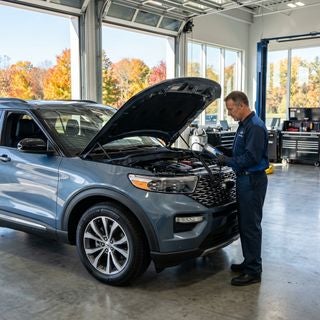
Servicing a 2027 Ford at a dealership is worth the higher initial price for complex electrical repairs, safety recalls, and warranty-backed maintenance, even though independent shops often charge less for routine fluid changes. Dealership service provides factory-trained technicians, proprietary diagnostic equipment, and direct factory-server connectivity for software flashes, helping ensure long-term vehicle reliability and preserving warranty coverage without unexpected out-of-pocket expenses. Drivers evaluating overall ownership costs often compare upfront repair estimates with the long-term protection offered by specialized factory care. While independent repair facilities may offer lower posted hourly rates, dealership technicians work on specific models daily and follow official technical service bulletins. A June 2026 report citing Ford research indicated that average maintenance costs can vary between dealerships and independent shops. This demonstrates that dealer care is not systematically more expensive when evaluating the full scope of routine vehicle maintenance. Mode rn vehicles, such as the 2027 Ford Explorer equipped with a 2.3L EcoBoost engine and a SelectShift® transmission, feature interconnected electronic control modules that govern safety systems, fuel delivery, and engine management. Diagnosing complex issues on these platforms requires accurate sensor calibration and direct factory programming. When routine maintenance or specialized repairs are performed at our service center location, every procedure strictly aligns with engineered factory guidelines. Choosing factory service also provides complete records in Ford's centralized vehicle database, which helps protect resale value and simplifies warranty administration. When you reach out to (330) 462-7578, our advisors can review your vehicle's full maintenance history and check for open safety recalls or outstanding module updates in one step. Table of Contents How Do Ford Dealership Labor Rates Compare to Independent Repair Shops? What Diagnostic Systems and Software Updates Do Dealership Technicians Use? Does Servicing Your Vehicle at an Independent Shop Void the Ford Warranty? Do Independent Repair Shops Use Genuine Ford Motorcraft Parts? Which Maintenance Services Are Best Handled at a Dealership Versus an Independent Shop? Essential Questions About Ford Service and Maintenance Options Maintaining Long-Term Reliability for Your Ford Vehicle How Do Ford Dealership Labor Rates Compare to Independent Repair Shops? Ford dealership labor rates can vary depending on regional economic factors and service specialization, and independent repair facilities may have different hourly rates. While independent mechanics feature lower base labor rates, higher dealership rates account for ongoing factory technician certifications, specialized repair tooling, and dedicated customer amenities. A 2026 Jacksonville-area service comparison estimated local Ford dealer labor and major scheduled service costs that varied based on vehicle model, required parts, labor hours, and local market conditions. However, actual totals vary based on vehicle model, required parts, labor hours, and local market conditions. Lower hourly rates do not automatically equal lower total repair costs if a non-specialized mechanic requires additional diagnostic time to resolve complex powertrain or electrical issues. Dealership service department pricing reflects significant investments in facility overhead and specialized training programs: Master-certified technicians complete regular factory training on current powertrain architectures and high-voltage electrical platforms. Specialized hydraulic lifts, wheel alignment racks, and recalibration rigs ensure exact physical setup. Direct connectivity to factory technical databases provides exact repair time estimates based on standardized labor guides. Built-in multi-point inspection procedures catch minor component wear before it leads to roadside mechanical failure. For drivers managing daily commutes across the elevated rolling terrain and back roads around Calcutta, keeping suspension components and brake systems maintained with exact factory specs prevents accelerated component wear. Visiting our local Ford dealership service department ensures every task is completed efficiently by technicians who specialize in your specific model. What Diagnostic Systems and Software Updates Do Dealership Technicians Use? Ford dealership technicians utilize proprietary Ford Diagnostic and Repair System (FDRS) software and Integrated Diagnostic System (IDS) hardware platforms connected directly to factory servers for vehicle system updates and module programming. Independent repair facilities lack automated factory links, relying instead on generic third-party scan tools or purchased aftermarket subscriptions that may not support real-time module flashing. Modern vehicles contain dozens of interconnected computers managing driver-assist features, transmission shift logic, infotainment operations, and engine timing. When a sensor detects an anomaly, diagnosing the root cause requires software capable of reading proprietary diagnostic trouble codes and analyzing live data streams. Dealership service bays connect directly to Ford engineering databases to install firmware updates, clear false fault codes, and complete technical service bulletin procedures. Key differences between factory service technology and independent shop equipment include: Direct factory server connection provides immediate updates to powertrain control modules and safety controllers. Proprietary FDRS diagnostics execute guided tests engineered specifically for each vehicle model year. Automated alignment tool integration recalibrates radar units and cameras for lane-keeping and blind spot monitoring systems. Immediate access to technical service bulletins allows technicians to address known factory software issues without guessing. Third-party shops can purchase temporary access to certain software packages, but they do not automatically receive real-time factory alerts or automated service bulletin pushes. Relying on outdated scan software can result in incomplete diagnostic testing or misdiagnosed electrical faults. Does Servicing Your Vehicle at an Independent Shop Void the Ford Warranty? Having a 2027 Ford serviced at an independent repair shop does not void the manufacturer warranty, provided all scheduled maintenance is performed according to factory specifications and supported by detailed service records. The federal Magnuson-Moss Warranty Act protects vehicle owners from having their warranty coverage denied simply because routine maintenance was performed outside a franchised dealership. The 2027 Ford F-150 includes a 3-year/36,000-mile limited warranty alongside a 5-year/60,000-mile powertrain warranty. To maintain full coverage under these programs, owners must ensure that oil changes, filter replacements, and fluid flushes occur within the specified mileage and time intervals outlined in the official owner's manual. If an independent shop uses non-compliant fluids or improperly installs a filter that subsequently causes engine damage, warranty coverage for that specific failure may be affected. To keep your factory warranty intact when using third-party repair facilities, maintain a thorough record-keeping system: Save itemized receipts showing exact part numbers, fluid specifications, and service dates. Ensure the vehicle identification number and current odometer mileage are clearly printed on every repair order. Follow the official Ford scheduled maintenance guide rather than generic shop recommendations. Keep detailed logs of all self-performed maintenance, including receipts for purchased parts and fluids. While independent service keeps your basic warranty active, factory recall campaigns and covered warranty repairs are typically completed at an authorized Ford dealership. Drivers preparing for a custom factory vehicle order or reviewing current manufacturer service specials can consult our service department to verify how routine care plans align with factory warranty guidelines. Do Independent Repair Shops Use Genuine Ford Motorcraft Parts? Independent repair shops usually default to aftermarket components to keep estimates lower, but they can order and install genuine Motorcraft parts when specifically requested by the customer. Ford dealerships install engineered Motorcraft and original equipment parts exclusively, ensuring exact fitment, factory tolerances, and full warranty backing on every replacement part. Original equipment parts are designed and tested by Ford engineers to meet strict performance and durability standards. Aftermarket manufacturers often create standardized parts designed to fit multiple vehicle makes and models, which can lead to slight variations in material quality, noise levels, and wear rates. Installing genuine parts maintains original factory specifications for fuel efficiency, braking performance, and vehicle safety. Feature / Benefit Genuine Motorcraft / OEM Parts Generic Aftermarket Parts Engineering Fit Exact vehicle-specific dimensions Multi-vehicle standardized dimensions Factory Warranty Coverage Covered by 2-year/unlimited-mileage warranty Varies by manufacturer and retailer Quality Control Rigorous manufacturer testing Broad range of material standards Availability Stocked at authorized dealership parts counters Sourced from third-party auto parts distributors When you order genuine Motorcraft parts online through our parts center, every component carries a 2-year/unlimited-mileage limited warranty that covers both parts and labor when installed at an authorized dealership. This warranty protection offers peace of mind that low-cost aftermarket alternatives cannot match. Which Maintenance Services Are Best Handled at a Dealership Versus an Independent Shop? Safety recall repairs, complex module programming, warranty-covered repairs, and high-voltage hybrid service are best handled at a dealership, whereas basic tasks like tire rotations or wiper blade changes can be performed by an independent shop. Dealerships possess the specialized equipment and direct manufacturer support necessary to resolve intricate mechanical and electronic issues quickly. Routine service tasks compare across service providers in several distinct ways: Safety Recalls and Warranty Work: Must be performed at an authorized dealership to receive full coverage at no charge to the owner. Powertrain Diagnostics and Module Flashing: Best completed at a dealership using FDRS equipment connected to factory servers. Brake Replacement and Suspension Service: Can be handled by independent shops, though dealership installation ensures genuine Motorcraft friction materials and exact sensor calibration. Oil Changes and Tire Maintenance: Suitable for independent facilities, provided factory-grade oil viscosity and certified filters are utilized. For daily commuters traveling along the busy commercial stretches of Boardman, keeping a rigid service schedule prevents unpredicted downtime. Ford also offers complimentary Ford Mobile Service for eligible routine maintenance items, allowing certified technicians to handle select services right in your driveway or workplace parking lot. When your vehicle requires technical attention, visiting our East Liverpool facility ensures complete access to specialized tools and factory-trained personnel. You can call our service team to ask about specific vehicle systems or easily schedule a service appointment online at your convenience. Essential Questions About Ford Service and Maintenance Options Q: How does Ford Mobile Service operate for routine vehicle maintenance? Ford Mobile Service dispatches a factory-trained technician equipped with specialized tools directly to your home or workplace to complete qualifying maintenance. Eligible services include oil and filter changes, brake inspections, tire rotations, cabin air filter replacements, and software updates. This program offers the same genuine Motorcraft parts and factory expertise found in our dealership service bays, allowing you to maintain your vehicle without taking time out of your busy workday. Q: Why do hourly labor rates vary between different automotive service centers? Labor rates vary based on regional living costs, facility overhead, specialized equipment investments, and technician certification requirements. Dealership service departments invest heavily in proprietary diagnostic hardware, continuous factory training, and comfortable customer lounges. These investments ensure complex electronic systems and powertrain components are serviced correctly according to official factory repair guidelines, reducing overall diagnostic time and preventing repeat visits. Q: Can independent mechanics complete official Ford safety recall repairs for free? Independent mechanics typically do not complete official Ford safety recall repairs free of charge. Recall repairs are generally performed by authorized brand dealerships to ensure that updated parts and factory-approved repair procedures are used. If your vehicle has an open safety recall, an authorized dealership will complete the required inspection, software flash, or component replacement at no cost to you. Q: What documentation must owners maintain to safeguard their factory warranty? Vehicle owners should retain itemized repair orders and parts receipts showing the date of service, current odometer reading, vehicle identification number, and specific fluids or part numbers used. These records prove that routine maintenance was performed at the correct mileage intervals specified in the owner's manual. Keeping organized paper or digital records protects your warranty coverage if a component failure requires verification of prior maintenance history. Q: Are vehicle software updates automatically performed during regular dealership maintenance? Dealership technicians check for open module updates and technical service bulletins whenever your vehicle is connected to the Ford Diagnostic and Repair System (FDRS) during scheduled service visits. If an update is recommended for your powertrain control module, transmission controller, or safety systems, technicians can install the latest factory firmware directly. This proactive software maintenance helps optimize fuel efficiency, shift quality, and overall vehicle performance over time. Maintaining Long-Term Reliability for Your Ford Vehicle Keeping your vehicle running safely requires choosing the right service partner for routine care and complex repairs alike. While independent repair shops offer a viable option for quick, basic services, the specialized tools, factory-trained technicians, and genuine Motorcraft parts available at the dealership deliver unmatched precision and long-term protection. Investing in proper factory maintenance helps protect your vehicle's resale value, preserves your factory warranty, and gives you complete confidence on every journey. When your Ford requires routine maintenance, diagnostic inspection, or recall service, our team is ready to deliver fast, transparent care. Explore our available maintenance packages and book your next appointment through our convenient online service scheduling tool today. © 2026 Tri State Ford. All rights reserved. Vehicle specification data © JATO Dynamics Limited. 2027 Ford Servicing in East Liverpool OH | Tri State Ford
;

What Should You Do When You Receive a Vehicle Recall Notice?

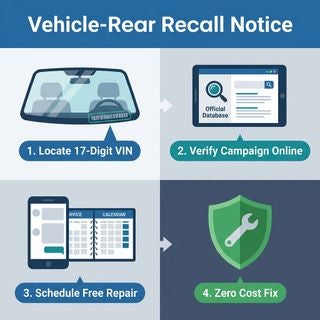
When you receive a vehicle recall notification, locate your 17-character VIN on your vehicle or registration card, verify the campaign status through official recall databases, and contact an authorized dealership to schedule a free repair. Federal law requires vehicle manufacturers to correct safety defects and noncompliance issues without charging owners for parts or labor, regardless of whether your vehicle is still under its original factory warranty. An official recall is issued when a manufacturer or federal safety regulators determine that a vehicle component fails to meet safety standards or creates an unreasonable safety risk on the road. These campaigns cover a wide range of issues, including mechanical steering linkages, fuel lines prone to leaks, software glitches in anti-lock braking systems, and sensor faults within driver-assist features like blind spot monitoring. When automakers file a campaign with federal regulators, each recall receives an official NHTSA campaign number to track remedy completion rates across every registered vehicle. Checking your vehicle for active campaigns requires verifying your vehicle identification number rather than relying strictly on the model year or trim name. You can find this 17-digit code stamped on the lower driver-side corner of the windshield, visible from outside the vehicle, as well as on the driver-side door jamb sticker, state registration card, and insurance documentation. Entering this sequence into official online databases or tracking software like the Ford App reveals any uncompleted safety repairs assigned to your exact vehicle. When a notification arrives in your mailbox, review the documentation carefully for specific operational details. The notice explains the underlying technical defect, describes potential safety hazards, outlines the official repair remedy, and states whether replacement parts are currently available at service departments. To confirm open campaign status or arrange an appointment, you can reach our service team at (330) 462-7578 or visit our East Liverpool facility location for professional assistance. Table of Contents Is It Safe to Drive Your Vehicle After Receiving a Recall Notice or Do Not Drive Warning? What Should You Do If Recall Parts Are Backordered or Not Yet Available? How Long Do Recall Repairs Take, and Are Towing or Rental Expenses Covered? How Do You Claim Pre-Recall Repair Reimbursements and Resolve Dealership Refusals? Questions Drivers Ask Most About Recall Repairs and Service Logistics Schedule Your Free Recall Inspection and Service Is It Safe to Drive Your Vehicle After Receiving a Recall Notice or Do Not Drive Warning? You can typically continue driving your vehicle after receiving a standard recall notice unless the manufacturer or safety regulators issue an explicit "Do Not Drive" or "Park Outside" advisory. Standard recalls involve minor mechanical adjustments or routine control module updates that allow normal operation while replacement components are being manufactured and routed to your local service center. Understanding the severity level listed on your recall notice determines whether continued driving poses an immediate risk to your family: Standard Safety Recall: Permits regular vehicle operation while you schedule a convenient service appointment. Components are replaced during a standard shop visit without immediate hazard under typical driving conditions. Park Outside Advisory: Indicates an electrical or fuel system defect that could trigger a vehicle fire even when the engine is turned off and the ignition key is removed. Vehicles subject to this warning should be parked in open driveways away from garages, carports, and residential structures until the free repair is completed. Do Not Drive Warning: Signals an urgent, high-risk mechanical or structural defect that could cause sudden control loss, severe injury, or vehicle destruction. Critical examples include degraded Takata airbag inflators subject to rupture, fractured steering columns, and sudden hydraulic master cylinder failures. If your vehicle notice contains a "Do Not Drive" instruction, immediately pull off the road or leave the vehicle parked in a safe space. Do not attempt to drive the vehicle to the dealership for repair. Contact the manufacturer's emergency support line or your dealer's service lane right away to arrange flatbed transportation. Service advisors can log your 17-character VIN into the priority queue and explain alternative transportation arrangements available while your car is held for service. For drivers commuting along State Route 170 in Calcutta, keeping steering, braking, and occupant protection systems operating properly is vital for navigating local traffic safely. Drivers evaluating vehicle performance after a system update or inspection can coordinate with our staff when scheduling a vehicle evaluation session to ensure every safety component functions as intended. What Should You Do If Recall Parts Are Backordered or Not Yet Available? If a recall notification indicates that replacement parts are backordered or not yet available, review the interim safety guidance provided in the notice, confirm your contact details with the manufacturer, and monitor official recall portals for inventory updates. Dealerships cannot perform permanent remedies until factory-approved components arrive, but service advisors can document your vehicle in the national distribution queue. Automakers frequently issue safety recall announcements before replacement assemblies are fully manufactured in quantities sufficient to service millions of affected vehicles. During this initial phase, the manufacturer sends an interim notice informing owners of the safety issue while factories scale up production of redesigned components. When replacement parts arrive at regional distribution centers, a follow-up letter instructs owners to book an appointment for the free repair. While waiting for replacement parts to clear backorder status, follow these practical steps to protect your vehicle and stay informed: Read the interim notice thoroughly to identify any temporary operational adjustments, such as disabling a specific feature or avoiding heavy cargo loads. Contact your authorized dealer to register your 17-character VIN on the parts backorder list, ensuring components are reserved as soon as shipments arrive. Verify that your current mailing address and phone number are updated with the vehicle manufacturer to receive prompt notification when remedies become available. Check official recall lookup tools every few weeks to monitor campaign status updates for your vehicle. When owners bring a vehicle into the service lane after getting a notice, they usually ask whether the fix requires leaving the vehicle all day or if it can be completed while they wait in the lounge. Service advisors can review the specific technical service guidelines to explain expected timelines and component availability. If your vehicle requires routine maintenance while waiting for recall parts, ordering replacement components through our dedicated parts department ensures your vehicle stays in prime running condition. How Long Do Recall Repairs Take, and Are Towing or Rental Expenses Covered? Most recall repairs take between one and two hours for software flashes or simple component swaps, while complex mechanical work can require several days. If your recall notice specifies a "Do Not Drive" warning, manufacturers typically cover flatbed towing to the dealership, and many offer pre-approved rental car or loaner vehicle coverage during extended component delays. The time required to complete a recall depends entirely on the technical scope of the bulletin: Repair Category Typical Duration Repair Process Overview:--:--:-- Electronic Module Reprogramming 30 to 60 Minutes Technicians connect factory diagnostic tools to reflash control software for engine, transmission, or Ford Co-Pilot360 modules. Minor Hardware Replacement 1 to 2 Hours Involves swapping accessible components like door latches, wiring harnesses, tail lamp assemblies, or seatbelt anchors. Major Mechanical Overhaul 4 to 8+ Hours Requires significant disassembly, such as replacing fuel tanks, steering racks, brake master cylinders, or internal engine assemblies. When a severe recall involves a "Do Not Drive" or "Park Outside" directive, vehicle manufacturers arrange and pay for flatbed towing directly to an authorized service facility. Operating a vehicle under an active stop-drive order voids roadside assistance protections for driven miles, so utilizing manufacturer-funded flatbed transport protects both occupant safety and vehicle integrity. If replacement components are delayed or if a repair requires more than a single day in the service bay, automakers routinely reimburse out-of-pocket rental car expenses or provide complimentary loaner vehicles. To qualify for rental reimbursement, the rental must be pre-authorized through the dealership service department or manufacturer customer care team. Always retain itemized rental agency receipts, rental agreements, and official service work orders to submit with your reimbursement claim. How Do You Claim Pre-Recall Repair Reimbursements and Resolve Dealership Refusals? To claim reimbursement for repairs paid out-of-pocket before a recall was announced, submit your original itemized repair invoice, proof of payment, and work order directly to the manufacturer customer care department. If a dealership refuses to perform an open recall repair, request a written explanation from the service manager, contact the manufacturer national customer support line, and report the refusal directly to federal safety regulators. Under federal regulations, vehicle owners who paid for repairs to fix a defect prior to an official recall announcement are entitled to full financial reimbursement from the automaker. To process a successful refund claim, gather the following required documentation: An itemized repair invoice showing the vehicle identification number, date of service, specific parts installed, and labor performed. Proof of payment, such as a canceled check, credit card statement, or paid dealer receipt confirming out-of-pocket costs. Documentation demonstrating that the prior repair directly addressed the exact mechanical or electrical fault identified in the subsequent safety campaign. A copy of your official state vehicle registration proving ownership at the time the repair was completed. If an authorized dealer refuses to perform a free recall repair, understand that federal law mandates franchise dealerships complete open safety recalls on affected vehicles regardless of vehicle age, mileage, or warranty status. Refusals occasionally stem from miscommunications regarding part availability or regional dealer scope, but dealers cannot decline valid recall work. To resolve a refusal, ask to speak directly with the dealership service director to clarify campaign details. If the issue remains unresolved, contact the automaker's national customer assistance center to open a formal case file. You can also file an official complaint with the National Highway Traffic Safety Administration online or by calling the Vehicle Safety Hotline at 888-327-4236. Seeking authorized local Ford dealership support ensures your vehicle receives certified care backed by factory standards. Questions Drivers Ask Most About Recall Repairs and Service Logistics Q: How do I verify if my vehicle has an open recall? You can verify open recalls by entering your 17-character VIN into official safety lookup tools online or through mobile applications like the Ford App. Your VIN is located on the lower driver-side windshield and state registration card. The search results show any uncompleted safety campaigns associated with your specific vehicle. Q: Do safety recall repairs expire if I wait too long? Safety recall campaigns for mechanical components, structural assemblies, and software modules do not expire and remain active for the life of the vehicle. Federal law mandates free repairs regardless of vehicle age or mileage. The primary exception involves tire recalls, which must be claimed within 60 days of owner notification. Q: Will an open recall affect my vehicle history report or resale value? Open safety recalls appear on vehicle history reports as uncompleted safety campaigns until an authorized franchise dealership completes the repair. Having the free remedy performed updates official databases, clearing the record on future history checks and protecting vehicle safety and market value. Q: Can software-related recalls be updated without a physical shop visit? Certain module updates can be completed remotely through Over-The-Air software installations if your vehicle supports connected vehicle technology. However, recalls requiring hardware inspections, physical module recalibrations, or mechanical adjustments still require a dedicated appointment at an authorized service bay. Q: What should I do if I suspect a safety defect that has not been recalled yet? Document the specific failure symptoms and file a detailed safety complaint online with federal regulators or by calling the Vehicle Safety Hotline at 888-327-4236. Individual complaints are analyzed by safety engineers to investigate recurring technical patterns and determine whether a new safety recall is necessary. Schedule Your Free Recall Inspection and Service Resolving an open safety recall promptly protects your family on every journey, preserves mechanical reliability, and keeps your vehicle compliant with federal safety standards. Because all recall remedies are completely free of charge and performed by factory-certified technicians using genuine OEM parts, getting your vehicle updated is simple and stress-free. Commuters traveling toward the commercial hubs around Boardman rely on fully functioning safety systems during daily highway driving. If your vehicle requires routine electrical checks or module updates alongside recall work, routine battery maintenance guide details can help keep your electrical system operating smoothly in all weather conditions. Our dedicated team at Tri State Ford is ready to assist you with VIN verification, parts availability checks, and quick service scheduling. You can get started today by scheduling a service appointment online or by giving our service advisors a call at (330) 462-7578. You can also visit our service center to speak with our certified staff in person and ensure your vehicle stays safe on the road. © 2026 Tri State Ford. All rights reserved. Vehicle Recall Assistance in East Liverpool, OH | Tri State Ford

Escape

Why Do Car Batteries Fail in Cold Weather?

Car batteries fail in sub-freezing temperatures because low thermal energy slows the internal chemical reactions that generate electrical current while simultaneously increasing internal resistance. At 32°F, a standard 12-volt lead-acid battery loses approximately 35% of its starting power, dropping to less than 50% capacity at 0°F. Combined with engine oil thickening in severe cold, the battery must supply up to double the electrical power to turn over a cold crankshaft precisely when its available energy output reaches its annual low point. Inside a traditional automotive battery, lead plates soak in an electrolyte solution of sulfuric acid and water. When you turn the ignition key or press the start button, a chemical reaction transfers electrons between the plates to create electrical current. Cold ambient air slows this ionic exchange, creating a severe bottleneck in power delivery. Older or weak batteries that function adequately during warm summer months frequently fail during the first sudden frost because their chemical efficiency degrades past the threshold required to turn the engine starter motor. Winter driving conditions also introduce significant parasitic electrical loads before the engine even starts. Heated seats, rear window defrosters, blower fans, and steering wheel heaters all demand immediate current from the 12-volt electrical system. For drivers navigating the steep riverfront bluffs around East Liverpool, cold morning starts force the starting system to work against dense, cold motor oil and heavy auxiliary power draws. If a battery is already compromised by age or sulfation, it cannot produce the necessary voltage under load. Proactive battery maintenance prevents sudden winter failure before sub-zero temperatures arrive. Drivers noticing slow cranking or flickering interior lights can reach out to our service advisors by giving us a quick call or stopping by our East Liverpool service facility for a comprehensive voltage and load test. Table of Contents How Does Freezing Weather Affect Battery Capacity and Cold Cranking Amps? Why Do AGM Batteries Withstand Freezing Temperatures Better Than Flooded Batteries? How Does a Battery Maintainer or Trickle Charger Prevent Winter Battery Failure? How Much Electric Vehicle Driving Range Can Cold Weather Impact? Common Questions About Winter Battery Care and Cold-Weather Performance Get Reliable Winter Battery Testing and Replacement How Does Freezing Weather Affect Battery Capacity and Cold Cranking Amps? Freezing weather drastically reduces a battery’s available output power while increasing the mechanical resistance of the engine. The critical metric for measuring winter starting capability is Cold Cranking Amps, which measures the current a fully charged 12-volt battery can deliver for 30 seconds at 0°F while maintaining at least 7.2 volts. Under the official SAE J537 testing protocol, battery performance ratings separate winter capability from warm-weather output. While standard Cranking Amps measures output at a mild 32°F, Cold Cranking Amps subjects the battery to a rigorous 0°F test environment. Understanding this distinction explains why an older battery might start a vehicle effortlessly during autumn but struggle to turn over the engine during a midwinter freeze. Battery Metric Testing Temperature Output Capability at 0°F Primary Purpose Cranking Amps 32°F (0°C) Approximately 65% of rated capacity Measures mild-weather engine starting capability Cold Cranking Amps 0°F (-18°C) 50% or less of rated capacity on weak units Measures severe sub-zero winter starting strength Reserve Capacity 80°F (27°C) Reduced runtime under continuous load Measures emergency electrical supply duration As ambient temperatures drop, motor oil viscosity increases significantly. Thicker oil resists movement across pistons and crankshaft bearings, forcing the starter motor to draw anywhere from 100% to 200% more amperage to rotate the engine at starting speed. If a battery has lost 40% of its rated Cold Cranking Amps due to cold chemical slowdown, it cannot fulfill the elevated starter demand. Engineering guidelines recommend choosing a replacement battery with a rating at least 20% higher than factory minimums if your vehicle frequently parked outdoors in freezing climates. Scheduling routine diagnostic checks ensures your starting system meets OEM specifications before peak winter hits. You can learn more about proper voltage testing and replacement intervals through our specialized battery maintenance guidelines. Why Do AGM Batteries Withstand Freezing Temperatures Better Than Flooded Batteries? Absorbent Glass Mat batteries resist severe freezing conditions far better than traditional flooded batteries because their liquid electrolyte is completely absorbed into micro-fiberglass mat separators. This sealed design prevents electrolyte stratification, lowers internal electrical resistance, and eliminates the risk of internal case cracking caused by expanding fluid. In a standard flooded lead-acid battery, continuous charge cycles can cause water and sulfuric acid to separate, a process known as acid stratification. The heavier acid settles at the bottom of the casing while dilute water remains near the top. If a flooded battery becomes discharged, this top layer of dilute electrolyte can freeze solid at 32°F, expanding and permanently damaging the internal lead plates or cracking the outer plastic case. An AGM battery eliminates liquid separation entirely. Because the electrolyte solution stays tightly bound against thin lead plates inside absorbent glass material, the internal chemical reaction remains consistent across the entire cell surface. Key physical and operational advantages include: Micro-fiberglass mats hold electrolyte in direct contact with lead plates, reducing internal resistance. Sealed cell construction prevents fluid evaporation and liquid acid stratification. Higher vibration resistance protects internal components on rough winter road surfaces. Faster charge acceptance allows the alternator to replenish spent energy more rapidly on short drives. Vehicles equipped with heavy electrical loads, such as a 2026 Ford Explorer or a 2026 Ford F-150 with winter comfort features, rely heavily on rapid charge acceptance. An AGM battery accepts high-current charging from the alternator much faster than a standard flooded unit, ensuring the battery restores its state of charge even during low-speed winter driving. How Does a Battery Maintainer or Trickle Charger Prevent Winter Battery Failure? A smart battery maintainer prevents winter failure by supplying a continuous, low-amperage float charge that offsets natural self-discharge and prevents lead sulfation. By maintaining cell voltage above 12.4 volts during idle periods, a maintainer ensures the chemical electrolyte remains fully active and capable of delivering maximum output. Lead-acid batteries experience natural self-discharge when left parked, losing roughly 10% of their charge per month in mild weather and discharging faster when parasitic electronic draws remain active. Keyless entry receivers, alarm sensors, and engine control modules draw continuous milliamps from the 12-volt battery even when the vehicle is locked and turned off. If battery voltage drops below 12.4 volts, sulfur from the electrolyte begins forming permanent lead sulfate crystals on the internal plates. This process, known as sulfation, permanently reduces total storage capacity. Using a modern smart maintainer provides significant winter protection benefits: Microprocessor controls automatically adjust charge rates based on ambient temperature. Float mode maintains maximum voltage without overcharging or boiling off internal fluids. Prevents electrolyte freezing by keeping the battery at a full state of charge. Desulfation modes help dissolve soft sulfate deposits to restore electrical efficiency. Drivers navigating short suburban commutes along State Route 170 in Calcutta often start their engines, run seat heaters and defrosters for ten minutes, and turn off the vehicle before the alternator can fully restore the energy used during startup. Connecting a smart battery maintainer overnight counteracts these short-trip discharge cycles, extending overall battery lifespan through long stretches of sub-freezing weather. How Much Electric Vehicle Driving Range Can Cold Weather Impact? Cold weather temporarily reduces electric vehicle driving range by approximately 15% to 30% during severe winter conditions. This range reduction stems from decreased lithium-ion cell chemical efficiency combined with the significant energy required to heat the passenger cabin and keep the high-voltage traction battery within its optimal operating temperature window. Lithium ions move more slowly through liquid electrolyte when temperatures drop, increasing internal resistance within the high-voltage battery pack. This temporary chemical slowdown limits maximum available acceleration power and reduces energy recovery from regenerative braking. Furthermore, while internal combustion engines use waste heat to warm the interior, an electric vehicle like a 2026 Ford Escape Plug-In Hybrid or all-electric model must pull energy directly from the traction battery to power high-voltage resistance heaters or heat pumps. Modern battery management systems protect high-voltage packs from permanent degradation through active thermal controls. Charging a freezing lithium-ion cell at high currents can cause lithium plating—a condition where metallic lithium deposits on the anode rather than inserting cleanly into the graphite structure. To prevent permanent damage, onboard control modules automatically limit charging speeds and draw grid power to heat the battery pack before accepting high-rate DC fast charging. To minimize range loss and optimize battery protection during winter, owners can follow proven operational strategies: Precondition the cabin and battery pack while the vehicle remains connected to an external charger. Park inside an enclosed garage whenever possible to buffer against sub-zero wind chills. Utilize heated seats and steering wheel controls, which draw less energy than cabin air heaters. Maintain steady driving speeds to allow thermal management systems to stabilize pack temperatures. Drivers seeking seasonal service inspections or looking to explore new electrification technologies can browse our current manufacturer vehicle specials or explore options to custom order a new vehicle configured with cold-weather packages. Common Questions About Winter Battery Care and Cold-Weather Performance Q: How long should you drive a vehicle to fully recharge the battery after a cold jump start? You should drive continuously at highway speeds for at least 30 to 45 minutes with non-essential electrical accessories turned off after receiving a jump start. This extended runtime allows the alternator to deliver a consistent charging current back into the 12-volt battery. Short trips under 15 minutes or idling in a driveway will not generate sufficient alternator output to fully restore a deeply discharged battery, leaving you vulnerable to another dead battery on your next start. Q: At what ambient temperature does a car battery freeze? A fully charged lead-acid battery will not freeze until ambient temperatures drop below -76°F because its electrolyte solution contains a high concentration of sulfuric acid. However, a fully discharged battery with a voltage reading near 12.0 volts consists mostly of water, causing it to freeze at 32°F. Once internal fluid freezes, expanding ice can bend internal lead plates, rupture internal separators, and crack the outer plastic casing, inflicting permanent structural damage. Q: Why does an engine crank slowly when starting on cold winter mornings? Sluggish engine cranking occurs because extreme cold simultaneously reduces battery current output and thickens motor oil. Sub-freezing temperatures slow the chemical reactions inside your 12-volt lead-acid battery, cutting available Cold Cranking Amps by up to 50%. At the same time, cold motor oil becomes viscous, creating severe mechanical drag across internal engine components that forces the starter motor to draw significantly more electrical power to rotate the crankshaft. Q: Does parking inside a garage really protect battery health during severe cold snaps? Parking inside an enclosed garage provides substantial protection by insulating the vehicle from harsh wind chills and keeping ambient temperatures several degrees warmer than outdoor air. This temperature buffer slows the rate of battery heat loss overnight, preserving available Cold Cranking Amps for morning starts. Garaged parking also reduces the initial energy demand required by cabin heaters and defrosters, allowing the alternator to concentrate its power output on recharging the battery immediately after startup. Q: What is the main difference between Cold Cranking Amps and Cranking Amps? Cold Cranking Amps measures the maximum current a fully charged battery can deliver for 30 seconds at 0°F while maintaining at least 7.2 volts, serving as the industry standard for winter performance. Cranking Amps measures output at 32°F, resulting in a higher numerical rating that reflects mild-weather capability. Always reference the Cold Cranking Amps specification when selecting a replacement battery for reliable operation in freezing climates. If you suspect your starting system is struggling, you can easily schedule a service appointment online for a comprehensive electrical system evaluation. Get Reliable Winter Battery Testing and Replacement Cold weather exposes subtle weaknesses in aging vehicle batteries, turning minor voltage drops into unexpected morning breakdowns. Simple preventative care—such as verifying terminal cleanliness, checking charge system voltage, and testing cold-cranking capability—ensures your vehicle starts dependably throughout the coldest winter months. Our factory-trained technicians at Tri State Ford possess specialized diagnostic equipment to test your battery’s state of health, reserve capacity, and cold-weather performance. If testing reveals a weakened cell, we install genuine Motorcraft batteries built to original equipment specifications, backed by comprehensive nationwide warranty coverage. Do not wait for sub-zero temperatures to leave you stranded. To prepare your vehicle for winter driving, give our service team a quick call, stop by our service center on Pennsylvania Avenue, or conveniently order replacement parts online today. © 2026 Tri State Ford. All rights reserved. Cold Weather Car Battery Tips in East Liverpool OH | Tri State Ford

Article image

Understanding the 2025 Ford F-150 Axle Hub Recall: What Tri-State Owners Need to Know

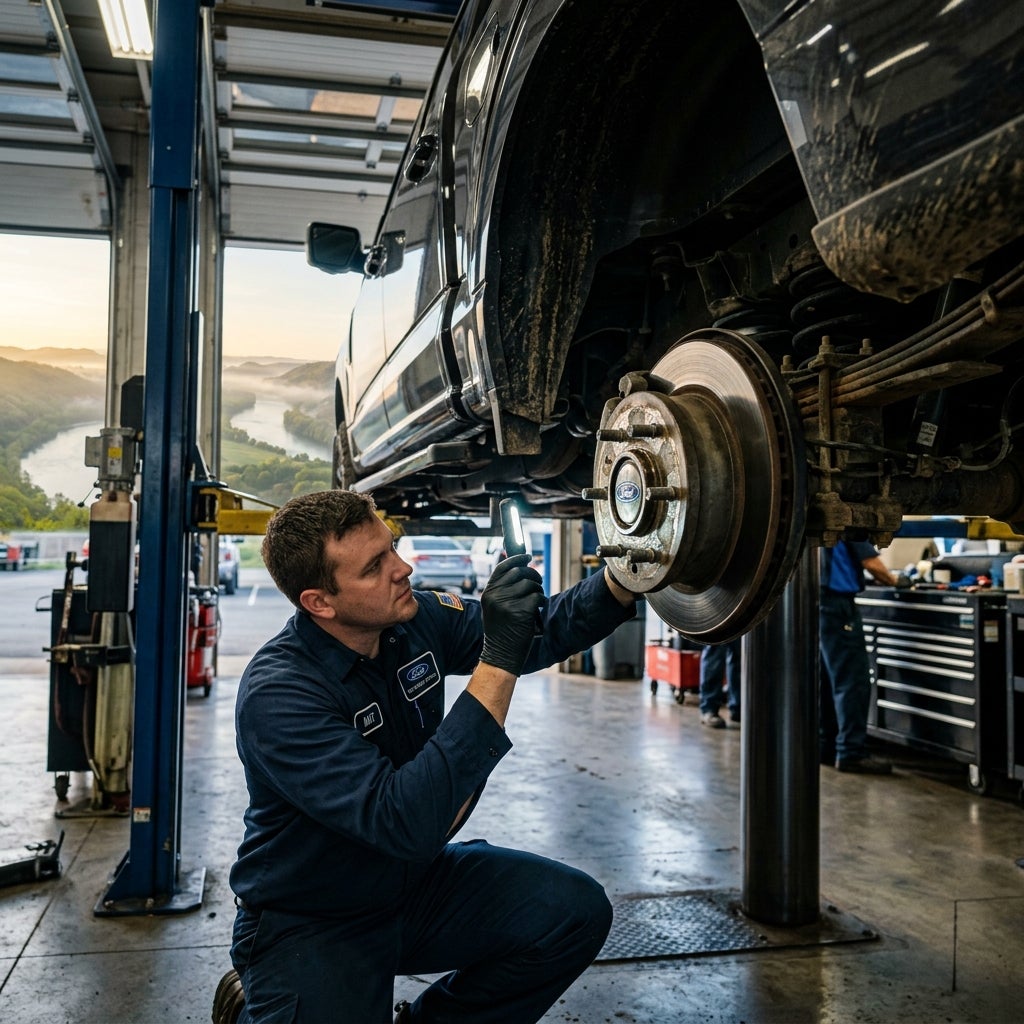
Understanding the 2025 Ford F-150 Axle Hub Recall: What Tri-State Owners Need to Know As a Service Manager at Tri State Ford with over a decade of experience, I want to provide clear, practical insights to help our community in East Liverpool and surrounding areas understand the recent axle hub recall affecting 2025 Ford F-150 trucks. The recall involves a critical safety component—the axle hub bolts—which, if compromised, can lead to serious drivability issues or safety risks. The axle hub is a vital part of your F-150’s drivetrain, responsible for securing the wheel assembly to the axle shaft and ensuring smooth rotation. In the 2025 model, certain manufacturing or material defects have led to the possibility that these axle hub bolts might fail prematurely. This creates a risk where the affected wheel could lose secure attachment, potentially causing loss of power or, worse, the truck rolling away when parked. For families and hardworking professionals who rely on their F-150 daily—whether commuting from Calcutta or hauling equipment to sites near Boardman—understanding this recall is crucial for your safety and peace of mind. Ford has proactively issued this recall to replace the affected axle hubs at no cost to owners. At Tri State Ford, we treat these recalls seriously. Our certified technicians use genuine Ford parts to ensure your truck meets the highest safety and reliability standards after repair. We emphasize prompt service because the longer a potentially faulty axle hub remains unaddressed, the greater the risk to you and your passengers. If you own a 2025 F-150, it’s important to verify whether your vehicle is included in the recall. The process is straightforward, and our service department is ready to assist you in checking your Vehicle Identification Number (VIN) and scheduling any necessary repairs. We know the importance of transparency and clear communication in handling recalls, so you can trust our team to guide you through every step. For easy access, you can get directions to Tri State Ford or call us at (330) 462-7578 to speak with a service advisor. We prioritize your safety and vehicle care, aiming to keep you on the road without hassle. In summary, the 2025 F-150 axle hub recall is a vital safety alert for Tri-State owners. Acting quickly helps protect your investment and, more importantly, your family’s safety. Our team at Tri State Ford is here to provide expert service and support through this recall process with transparency and care. Table of Contents How to Identify Early Signs of Axle Hub Bolt Failure in Your F-150 Step-by-Step Guide to Checking If Your 2025 F-150 Is Part of the Axle Hub Recall What to Expect During the Axle Hub Recall Repair Process at Tri State Ford Safety Considerations: Can You Drive Your F-150 With a Pending Axle Hub Recall? Real-World Reliability Challenges with 2025 F-150 Axles and How Service Can Help How to Identify Early Signs of Axle Hub Bolt Failure in Your F-150 Recognizing the early warning signs of a failing axle hub bolt on your 2025 Ford F-150 is crucial for safety and preventing more extensive damage. From my years managing service operations at Tri State Ford, I’ve seen firsthand that catching these issues early can save both time and money and avoid unsafe driving conditions. One of the most common signs is a noticeable humming or grinding noise coming from the front or rear wheels, especially when turning. This noise often signals that the axle hub bolt is loosening or experiencing wear. You might also feel vibrations through the steering wheel or vehicle body, which become more pronounced at higher speeds. Another indicator is uneven or rapid tire wear. When the axle hub bolt fails to hold the wheel assembly securely, it causes alignment issues, resulting in abnormal tire wear patterns. Additionally, if you notice difficulty steering or a pulling sensation to one side, that could point to axle-related problems. Visual inspections during routine maintenance may reveal rust or corrosion around the axle hub area, or even loose components if you’re comfortable checking. If any of these symptoms appear, it’s important to schedule a thorough inspection promptly. Keeping an eye out for these early signs helps maintain the dependable performance Ford trucks are known for. For trusted, expert care and timely repairs related to your F-150's axle system, our service team at Tri State Ford is ready to assist. You can always count on us to help keep your truck in top shape. Be sure to explore our Truck Inventory to find the perfect Ford truck that suits your needs. Step-by-Step Guide to Checking If Your 2025 F-150 Is Part of the Axle Hub Recall If you own a 2025 Ford F-150, it’s important to verify whether your vehicle is included in the axle hub recall. The process is straightforward and ensures your safety on the road. First, locate your Vehicle Identification Number (VIN). This 17-character code is found on the driver’s side dashboard near the windshield, or inside the driver’s door frame. Your registration or insurance documents also contain the VIN. Next, visit the official Ford recall lookup website or the National Highway Traffic Safety Administration (NHTSA) recall page. Enter your VIN accurately in the provided search field. This will tell you if your specific F-150 is affected by the recall. Alternatively, you can call Ford’s customer service with your VIN for assistance. If your vehicle is part of the recall, it’s crucial to schedule service promptly. At Tri State Ford, our trained technicians will perform the necessary inspection and repairs using genuine Ford parts, ensuring your truck maintains its reliability and safety. Remember to keep your VIN handy and check periodically, especially if you’ve recently purchased the vehicle or had it serviced elsewhere. Staying proactive helps prevent unexpected issues and keeps your family safe during daily drives across communities like Calcutta, OH, and East Liverpool. What to Expect During the Axle Hub Recall Repair Process at Tri State Ford When your 2025 Ford F-150 is part of the axle hub recall, the repair process at Tri State Ford is designed to be straightforward and efficient, minimizing disruption while ensuring your vehicle’s safety and reliability. Our certified technicians begin by performing a thorough inspection to confirm the recall status and assess the specific condition of your truck’s axle hubs. The primary repair involves replacing the affected axle hub bolts with updated, reinforced components designed to meet Ford’s rigorous safety standards. This replacement helps prevent potential hub failure that could lead to loss of vehicle control. We use only genuine Ford parts to maintain your F-150’s integrity and uphold manufacturer warranty protections. Typically, the repair is completed within a few hours, but the exact time can vary based on your truck’s configuration and service bay availability. Our team works diligently to complete the job promptly without compromising quality. Throughout the process, we keep you informed about the repair status and answer any questions you might have. Additionally, we perform a comprehensive safety check of related components, such as bearings and suspension parts, to ensure no further issues remain. After the repair, we test drive your vehicle to confirm everything operates smoothly and safely. Scheduling your recall repair at Tri State Ford means receiving expert care backed by up-to-date technical knowledge and quality service. Our technicians are accustomed to handling these repairs and understand the importance of restoring your truck’s dependability for your peace of mind on roads through places like Calcutta, OH, and East Liverpool. Safety Considerations: Can You Drive Your F-150 With a Pending Axle Hub Recall? When it comes to driving your 2025 Ford F-150 with a pending axle hub recall, safety must be the top priority. The axle hub is crucial for maintaining wheel attachment and proper vehicle control, so any concerns related to its integrity should not be taken lightly. If you notice any unusual noises, vibrations, or handling issues, it’s best to avoid driving until the recall repair is completed. However, if your F-150 shows no signs of axle hub failure, limited driving under cautious conditions is generally considered acceptable. Still, I always advise Tri-State owners to minimize use and get their vehicle inspected by certified technicians as soon as possible. Driving a truck with a known recall defect carries risks that can escalate quickly, especially when hauling loads or navigating rough terrain common around Calcutta, OH. Prioritize scheduling your recall repair promptly to ensure your truck remains safe and reliable for your daily tasks. Real-World Reliability Challenges with 2025 F-150 Axles and How Service Can Help The 2025 Ford F-150’s axle hubs have proven robust in general, but the recent recall highlights real-world challenges that can affect their reliability. Axle hub bolts may loosen or fail due to manufacturing defects or wear, risking loss of power or unintended vehicle movement. This is especially concerning for drivers navigating rugged routes or hauling heavy loads around places like East Liverpool or Calcutta, OH. Regular inspection and maintenance play a crucial role in identifying these issues early. At Tri State Ford, our certified technicians use advanced diagnostic tools to detect axle hub wear and address any emerging problems before they escalate. Timely service helps maintain the truck’s performance and safety, reducing downtime and costly repairs. If you notice unusual noises, vibrations, or handling changes, don’t wait—contact our service department at Call us at (330) 462-7578 or get directions to Tri State Ford for a thorough inspection. Our team is here to keep your F-150 running safely and reliably. © 2026 Tri State Ford. All rights reserved.

Contact Us

Fill out this form below and we'll contact you shortly
*Required Fields