
Blog / Maintenance & Service, Tire Care & Replacement, Vehicle Safety & Handling, Seasonal Vehicle

Blog

All Maintenance & Service, Tire Care & Replacement, Vehicle Safety & Handling, Seasonal Vehicle Maintenance & Service, Expert Repairs & Diagnostics, Genuine Parts & Accessories, Engine Care & Used Vehicle Guides, Financing & Insurance, Buying Guides, Trade-In Advice, Certified Pre-Owned Automotive News, New Vehicle Reviews, Buying Guides, Financing & Insurance, Seasonal Driving Tips Maintenance & Service, Battery Care & Diagnostics, Electric Vehicle (EV) Maintenance, Seasonal Maintenance & Service, Warranty & Service Contracts, Repair & Diagnostics, Parts & Components New Vehicle Reviews, Buying Guides, Financing & Insurance, Model Comparisons, Automotive News Buying Guides, Financing & Insurance, New Vehicle Reviews, Model Comparisons, Sales & Promotions Used Vehicle Guides, Financing & Insurance, Buying Guides, Vehicle Warranty Information, Pre-Owned Vehicle Trade-In Advice, Financing & Insurance, Buying Guides, Used Vehicle Guides, New Vehicle Maintenance & Service, Parts & Accessories, Vehicle HVAC Care, Seasonal Vehicle Maintenance, DIY Maintenance & Service, Essential Vehicle Care, Preventive Maintenance Tips, Vehicle Longevity Compare Cars Used Vehicle Guides, Financing & Insurance, Buying Guides, Pre-Owned Vehicle Sales, Vehicle Maintenance & Service, Brake Systems & Repair, Vehicle Parts & Accessories, Towing & Load New Vehicle Reviews, Buying Guides, Model Comparisons, Financing & Insurance, Inventory & Sales Tips Vehicle Sales Events, New Vehicle Pricing & Incentives, Financing & Lease Options, Trade-In & Vehicle Sales Process, Financing & Credit Applications, New and Used Vehicle Inventory, Pickup and Vehicle Trade-In Tips, Financing & Insurance, Buying Guides, Dealership Sales Strategies, Inventory Buying Guides, Financing & Insurance, New Vehicle Reviews, Model Comparisons, Technology & Leasing & Lease Deals, Financing & Insurance, New Vehicle Sales, Commercial Vehicle Leasing, Maintenance & Service, Recall Information, Safety & Reliability, Vehicle Ownership Care, Parts & Maintenance & Service, Vehicle Pickup & Delivery, Mobile Service & On-Site Repairs, Oil Change & Community Events & Customer Appreciation, New Vehicle Reviews, Financing & Trade-In Guides, Maintenance & Service, Warranty & Recalls, Repair & Diagnostics, Parts & Accessories, Vehicle Used Vehicle Guides, Financing & Insurance, Buying Guides, New Vehicle Reviews, Commercial Vehicle Maintenance & Service, Automotive Technology & Software Updates, Warranty & Recall Service, Mobile Maintenance & Service, Vehicle Ownership Care, Mobile Repair Services, Genuine Parts & Certified New Vehicle Reviews, Buying Guides, Financing & Insurance, Model Comparisons, Automotive Technology Commercial Truck Sales, Fleet Vehicle Financing, Custom Work Truck Upfits, Commercial Vehicle Dealership Events & Promotions, Financing & Trade-In Options, Maintenance & Service Specials, Maintenance & Service, Mobile Vehicle Services, Vehicle Care & Ownership, Genuine Parts & Repairs, Maintenance & Service, Vehicle Inspections, Oil Change & Fluid Services, Tire Care & Battery Maintenance & Service, Vehicle Lighting & Electrical Systems, Automotive Safety & Inspection, OEM Model Comparisons, New Vehicle Reviews, Technology & Innovation, Safety Features, Buying Guides New Vehicle Reviews, Buying Guides, Financing & Insurance, Model Comparisons, Used Vehicle Guides Commercial Vehicle Sales, Financing & Leasing, Small Business Vehicle Incentives, Fleet Purchasing Commercial Vehicle Sales, Fleet Purchasing & Management, Financing & Leasing for Businesses, New & Community Events, New Vehicle Buying Guides, Financing & Insurance, Maintenance & Service, Local Maintenance & Service, Brake System Care, Vehicle Safety & Inspection, Parts Quality & Replacement, Maintenance & Service, Safety Features, Technology & Innovation, Seasonal Driving Tips, Parts & Maintenance & Service, Tire Care & Repair, Roadside Assistance, Vehicle Safety & Inspections, Maintenance & Service, Tire Care & Repair, Wheel Alignment & Balancing, Suspension Maintenance, Maintenance & Service, Tire Care & Replacement, Vehicle Safety & Inspection, Emergency Roadside Maintenance & Service, Vehicle Software Updates, Safety Features, Technology & Innovation, Recall & New Vehicle Reviews, Buying Guides, Model Comparisons, Maintenance & Service, Technology & Used Vehicle Guides, Buying Guides, Financing & Insurance, Model Comparisons, Selling Your Car Vehicle Sales Events, New Vehicle Purchasing, Incentives & Discounts, Financing & Pre-Approval, Buying Guides, Financing & Insurance, New Vehicle Reviews, Commercial Fleet Sales, Custom Orders & Buying Guides, Financing & Insurance, Vehicle Inventory & Offers, Dealership Visit Preparation, Buying Guides, New Vehicle Reviews, Financing & Insurance, Commercial Vehicle Sales, Model Commercial Truck Sales, Fleet Purchasing Guides, Financing & Lease Options, Work Truck Commercial Vehicle Sales, Fleet Leasing & Management, Commercial Financing & Tax Incentives, Financing & Insurance, Leasing Benefits, Model Comparisons, Technology & Innovation, Buying Guides Leasing & Financing Options, Buying Guides, Model Comparisons, Negotiation Tips, Inventory & Leasing & Financing Options, Buying Guides, New Vehicle Reviews, Model Comparisons, Technology & Maintenance & Service, Automotive Detailing, Paint Protection & Care, Seasonal Vehicle Care, Maintenance & Service, Automotive Electrical Systems, Battery Care & Replacement, Vehicle Lighting Maintenance & Service, Automotive Fluids & Lubricants, Vehicle Care & Ownership, Dealership Service Maintenance & Service, Automotive Repair, Mobile & Remote Vehicle Service, Warranty & Roadside Maintenance & Service, Brake System Care, Vehicle Safety & Inspection, Automotive Repair Tips, Maintenance & Service, Brake System Care, Vehicle Safety & Inspections, Parts & Repairs, Expert Maintenance & Service, Technology & Innovation, Vehicle Diagnostics & Telematics, Fleet Management Maintenance & Service, Vehicle Care & Longevity, Scheduled Service Packages, Oil Changes & Fluid Maintenance & Service, Vehicle Inspection & Diagnostics, Parts & Repairs, Warranty & Resale Value, Maintenance & Service, Vehicle Interior Care, Technology & Innovation in Service, Professional New Vehicle Reviews, Buying Guides, Financing & Insurance, Model Comparisons, Inventory Highlights New Vehicle Reviews, Buying Guides, Financing & Insurance, Model Comparisons, Inventory Updates New Vehicle Reviews, Buying Guides, Technology & Innovation, Safety Features, Seasonal Driving Tips New Vehicle Reviews, Financing & Insurance, Buying Guides, Used Vehicle Guides, Model Comparisons New Vehicle Reviews, Model Comparisons, Commercial Truck Guides, Technology & Innovation, Buying Guides, Financing & Insurance, Used Vehicle Guides, New Vehicle Reviews, Cross-Border Commercial Leasing Options, Business Fleet Solutions, Financing & Leasing Programs, Commercial Community Engagement & Events, New Vehicle Promotions, Financing & Trade-In Options, Maintenance & Community Events & Dealership News, New Vehicle Promotions & Incentives, Maintenance & Service Community Events & Dealership News, New Vehicle Reviews, Financing & Insurance, Maintenance & Custom Ordering & Build Process, New Vehicle Inventory & Offers, Financing & Trade-In Guidance, East Liverpool, OH Ford Dealer East Liverpool, OH Used Cars Financing & Insurance, Buying Guides, Commercial Vehicle Solutions, Fleet Management, Inventory and Financing & Insurance, Buying Guides, New Vehicle Reviews, Used Vehicle Guides, Automotive Sales Financing & Insurance, Buying Guides, New Vehicle Reviews, Used Vehicle Guides, Automotive Sales & Financing & Insurance, Buying Guides, New Vehicle Reviews, Used Vehicle Guides, Model Comparisons Financing & Insurance, Buying Guides, Used Vehicle Guides, New Vehicle Reviews, Automotive Sales Financing & Insurance, Buying Guides, Used Vehicle Guides, Trade-In Tips, New Vehicle Sales Financing & Insurance, Buying Guides, Vehicle Inventory & Offers, Trade-In & Appraisal, Dealership Financing & Insurance, Buying Guides, Vehicle Trade-In Tips, Dealership Sales Process, New Vehicle Leasing & Financing Options, New Vehicle Leasing Guides, Buying Guides, Inventory Spotlight, Trade Leasing Options, Financing & Insurance, New Vehicle Reviews, Buying Guides, Technology & Innovation Leasing Options, Financing & Insurance, New Vehicle Sales, Buying Guides, Vehicle Inventory Maintenance & Service, Air Conditioning Repair, Genuine Parts & Accessories, Dealer-Authorized Maintenance & Service, Automotive Air Conditioning Repair, Vehicle Cooling System Care, Diagnostic Maintenance & Service, Automotive Detailing & Cleaning, Seasonal Vehicle Care, Vehicle Protection & Maintenance & Service, Automotive Detailing & Paint Care, Vehicle Exterior Protection, Paint Repair Maintenance & Service, Automotive Detailing & Protection, Corrosion & Rust Prevention, Paint & Maintenance & Service, Automotive Detailing, Vehicle Care & Protection, Off-Road Vehicle Maintenance & Service, Automotive Electrical Systems, Battery Care & Replacement, Diagnostics & Maintenance & Service, Automotive Glass Repair, Safety Features, Technology & Innovation, Mobile & Maintenance & Service, Automotive Lighting & Electrical, Vehicle Safety & Visibility, DIY Vehicle Maintenance & Service, Automotive Parts & Accessories, Seasonal Vehicle Care, Vehicle Safety & Maintenance & Service, Automotive Parts & Accessories, Vehicle Air Quality & HVAC Care, Preventive Maintenance & Service, Automotive Parts & Accessories, Vehicle Ownership Care, Engine Care & Maintenance & Service, Automotive Parts & Accessories, Vehicle Safety & Repair, Warranty & Maintenance & Service, Automotive Parts & Components, Vehicle Safety & Repair, Warranty & Service Maintenance & Service, Automotive Parts & Repairs, Vehicle Warranty & Protection, Service Center Maintenance & Service, Automotive Repair Tips, Service Team Selection, Warranty & Service Policies, Maintenance & Service, Automotive Repair, Parts & Accessories, Vehicle Ownership Care, Technology & Maintenance & Service, Automotive Repair, Parts & OEM Components, Vehicle Longevity & Care, Service Maintenance & Service, Automotive Technology & Diagnostics, Vehicle Electronics & Sensors, Seasonal Maintenance & Service, Battery Care & Replacement, Vehicle Electrical Systems, Seasonal Vehicle Maintenance & Service, Brake System Care, OEM Parts & Replacement, Vehicle Safety & Inspections, Maintenance & Service, Brake System Care, Vehicle Repair Tips, Automotive Parts & Components, Maintenance & Service, Brake System Care, Vehicle Safety & Inspections, Parts & Components, Maintenance & Service, Brake System Care, Vehicle Safety Inspections, Automotive Repair Tips, OEM Maintenance & Service, Certified Technician Insights, Warranty & Service Coverage, Genuine OEM Maintenance & Service, Cooling System Repairs, Vehicle Ownership Care, Diagnostic & Maintenance & Service, Diagnostic Services, Vehicle Health & Diagnostics, Service Tips & Advice, Maintenance & Service, Engine Care & Performance, Parts & Accessories, Genuine vs. After Maintenance & Service, Paint Protection & Detailing, Vehicle Exterior Care, Seasonal Vehicle Maintenance & Service, Parts & Accessories, Engine Care & Repair, Vehicle Longevity Tips, OEM Parts Maintenance & Service, Parts & Replacements, Vehicle Care Tips, Seasonal Maintenance, DIY Vehicle Maintenance & Service, Recall Updates & Safety Notices, Genuine Parts & Accessories, Truck Care & Maintenance & Service, Repair & Diagnostics, OEM Parts & Accessories, Warranty & Recall Maintenance & Service, Repair & Diagnostics, Parts & Accessories, Vehicle Ownership Care, Service Maintenance & Service, Repair & Diagnostics, Parts & Components, Preventive Care & Tips, Warranty & Maintenance & Service, Repair & Diagnostics, Tire & Wheel Care, Vehicle Safety & Inspection, Parts Maintenance & Service, Repair & Diagnostics, Warranty & Service Coverage, Genuine OEM Parts & Maintenance & Service, Repair & Parts, Vehicle Ownership Care, Safety Features, Technology & Maintenance & Service, Repair & Parts, Vehicle Ownership Care, Transmission Maintenance & Service, Repair Solutions, Vehicle Ownership Care, Parts & Accessories, Diagnostic Maintenance & Service, Repair Tips & Techniques, Vehicle Care & Ownership Maintenance & Service, Safety Features, Automotive Recalls & Repairs, Parts & Warranty Services, Maintenance & Service, Safety Features, Automotive Recalls & Repairs, Technology & Innovation, Maintenance & Service, Safety Features, Automotive Recalls, Vehicle Ownership Care, Parts & Repairs Maintenance & Service, Safety Features, Parts & Repairs, Vehicle Ownership Care, Automotive Service Maintenance & Service, Safety Features, Recall & Repair Updates, Parts & Repairs, Vehicle Ownership Maintenance & Service, Safety Features, Recall & Safety Campaigns, Vehicle Inspection & Repairs, Maintenance & Service, Safety Features, Recall & Warranty Information, Vehicle Diagnostics & Maintenance & Service, Safety Features, Recall Repairs & Safety Campaigns, Parts & Genuine Maintenance & Service, Safety Features, Recalls & Repairs, Parts & Accessories, Vehicle Ownership Maintenance & Service, Safety Features, Repair & Recall Updates, Parts & Components, Vehicle Maintenance & Service, Safety Features, Repair & Replacement, Vehicle Care & Inspection, Parts & Maintenance & Service, Safety Features, Seasonal Driving Tips, Technology & Innovation, Parts & Maintenance & Service, Safety Features, Technology & Innovation, Automotive Electrical Systems, Maintenance & Service, Safety Features, Technology & Innovation, Automotive News, Parts & Repairs Maintenance & Service, Safety Features, Technology & Innovation, Automotive Parts & Accessories, Maintenance & Service, Safety Features, Technology & Innovation, Automotive Recalls, Parts & Repairs Maintenance & Service, Safety Features, Technology & Innovation, Automotive Recalls, Vehicle Maintenance & Service, Safety Features, Technology & Innovation, Automotive Service Tips, Recall & Maintenance & Service, Safety Features, Technology & Innovation, Parts & Repairs, Seasonal Driving Maintenance & Service, Safety Features, Technology & Innovation, Parts & Repairs, Vehicle Ownership Maintenance & Service, Safety Features, Technology & Innovation, Recall & Warranty Information, Maintenance & Service, Safety Features, Technology & Innovation, Repair & Recall Information, Parts Maintenance & Service, Safety Features, Technology & Innovation, Tire Care & Replacement, Maintenance & Service, Safety Features, Vehicle Inspections, DIY Vehicle Care, Repair & Diagnostics Maintenance & Service, Safety Recalls & Repairs, Vehicle Safety & Compliance, Powertrain & Maintenance & Service, Seasonal Driving Tips, Model Comparisons, Technology & Innovation, Safety Maintenance & Service, Seasonal Driving Tips, Safety Features, Technology & Innovation, Automotive Maintenance & Service, Seasonal Driving Tips, Safety Features, Technology & Innovation, Parts & Maintenance & Service, Seasonal Driving Tips, Vehicle Care & Ownership, Brake System Maintenance, Maintenance & Service, Seasonal Driving Tips, Vehicle Care & Ownership, Parts & Accessories, Safety Maintenance & Service, Seasonal Driving Tips, Vehicle Care & Ownership, Safety Features, Maintenance & Service, Seasonal Driving Tips, Vehicle Care & Protection, Brake Maintenance, Tire Maintenance & Service, Seasonal Driving Tips, Vehicle Care & Warranty, Service Specials & Packages, Maintenance & Service, Seasonal Driving Tips, Vehicle Cooling Systems, Automotive Safety Features, Maintenance & Service, Service Scheduling & Convenience, Vehicle Repair & Diagnostics, Parts & Maintenance & Service, Technology & Innovation, Automotive Service Transparency, Digital Vehicle Maintenance & Service, Technology & Innovation, Safety Features, Parts & Warranty, Vehicle Maintenance & Service, Tire Care & Replacement, Seasonal Vehicle Care, Safety Features, Automotive Maintenance & Service, Tire Care & Replacement, Vehicle Safety & Inspections, Seasonal Vehicle Maintenance & Service, Transmission Care & Repair, Vehicle Fluid Services, Automotive Diagnostics, Maintenance & Service, Transmission Care, Repair & Parts, Vehicle Ownership Care, Common Vehicle Maintenance & Service, Vehicle Care Tips, Parts & Accessories, Seasonal Vehicle Maintenance, Maintenance & Service, Vehicle Detailing & Care, Parts & Accessories, Seasonal Vehicle Preparation, Maintenance & Service, Vehicle Detailing & Cosmetic Care, Automotive Cleaning & Protection, Service Maintenance & Service, Vehicle Detailing & Cosmetic Care, Service Scheduling & Convenience, Maintenance & Service, Vehicle Detailing & Protection, Repair & Inspection, Parts & Accessories, Maintenance & Service, Vehicle Detailing & Protection, Vehicle Care Tips, Seasonal Vehicle Maintenance & Service, Vehicle Diagnostics & Repair, Engine Performance & Troubleshooting, Fuel Maintenance & Service, Vehicle Fluids & Lubrication, Engine Care & Repair, Parts & Accessories, Maintenance & Service, Vehicle Ownership Care, Parts & Accessories, Repair & Diagnostics, Certified Maintenance & Service, Vehicle Repair & Diagnostics, Parts & Accessories, DIY Vehicle Care, Safety Maintenance & Service, Vehicle Repair & Diagnostics, Parts & Accessories, Hybrid & Electric Vehicle Maintenance & Service, Vehicle Repair & Diagnostics, Parts & Accessories, Seasonal Driving Tips, Maintenance & Service, Vehicle Repair & Diagnostics, Parts & Accessories, Service Lane Tips & Maintenance & Service, Vehicle Repair & Diagnostics, Parts & Accessories, Towing & Performance Maintenance & Service, Vehicle Repair & Parts, Service Convenience & Customer Care, Roadside Maintenance & Service, Vehicle Repair Tips, Parts & Accessories, Safety Features, Technology & Maintenance & Service, Vehicle Service Warranties, Repair & Coverage Plans, Ownership & Vehicle Model Comparisons, Buying Guides, New Vehicle Reviews, Financing & Insurance, Inventory Updates Model Comparisons, Buying Guides, New Vehicle Reviews, Technology & Innovation, Safety Features Model Comparisons, Buying Guides, Technology & Innovation, Safety Features, Maintenance & Service Model Comparisons, New Vehicle Reviews, Buying Guides, Technology & Innovation, Financing & Model Comparisons, New Vehicle Reviews, Buying Guides, Technology & Innovation, Safety Features Model Comparisons, New Vehicle Reviews, Safety Features, Technology & Innovation, Seasonal Driving Model Comparisons, New Vehicle Reviews, Technology & Innovation, Buying Guides, Maintenance & Model Comparisons, New Vehicle Reviews, Technology & Innovation, Maintenance & Service, Buying Model Comparisons, Towing & Hauling Guides, Maintenance & Service, Technology & Innovation, New New Vehicle Promotions, Buying Guides, Financing & Insurance, New Vehicle Reviews, Inventory New Vehicle Reviews, Buying Guides, Financing & Insurance, Model Comparisons, Automotive Sales New Vehicle Reviews, Buying Guides, Financing & Insurance, Model Comparisons, Commercial & Work New Vehicle Reviews, Buying Guides, Financing & Insurance, Model Comparisons, Vehicle Customization New Vehicle Reviews, Buying Guides, Financing & Insurance, Model Comparisons, Vehicle Inventory New Vehicle Reviews, Buying Guides, Financing & Insurance, New Vehicle Specials, Trade-In & Value New Vehicle Reviews, Buying Guides, Financing & Insurance, Used Vehicle Guides, Inventory Updates New Vehicle Reviews, Buying Guides, Financing & Insurance, Used Vehicle Guides, Model Comparisons New Vehicle Reviews, Buying Guides, Financing & Insurance, Vehicle Inventory & Specials, Model New Vehicle Reviews, Buying Guides, Financing & Insurance, Vehicle Inventory, Model Comparisons New Vehicle Reviews, Buying Guides, Model New Vehicle Reviews, Buying Guides, Model Comparisons, Financing & New Vehicle Reviews, Buying Guides, Safety Features, Technology & Innovation, Model Comparisons New Vehicle Reviews, Buying Guides, Technology & Innovation, Safety Features, Maintenance & Service New Vehicle Reviews, Financing & Insurance, Buying Guides, New Vehicle Specials, Model Comparisons New Vehicle Reviews, Financing & Insurance, Buying Guides, Technology & Innovation, Automotive New Vehicle Reviews, Model Comparisons, Buying Guides, Technology & Innovation, Safety Features New Vehicle Reviews, Model Comparisons, Financing & Insurance, Technology & Innovation, Safety New Vehicle Reviews, Model Comparisons, Off-Road Adventures, Technology & Innovation, Maintenance & New Vehicle Reviews, Model Comparisons, Safety Features, Technology & Innovation, Buying Guides New Vehicle Reviews, Model Comparisons, Technology & Innovation, Financing & Insurance, Maintenance New Vehicle Reviews, Model Comparisons, Technology & Innovation, Safety Features, Buying Guides New Vehicle Reviews, Model Comparisons, Technology & Innovation, Safety Features, Maintenance & New Vehicle Reviews, Off-Road Capabilities, Outdoor Adventure Vehicles, Technology & Innovation, New Vehicle Reviews, Technology & Innovation, Buying Guides, Maintenance & Service, Model New Vehicle Reviews, Technology & Innovation, Buying Guides, Safety Features, Model Comparisons New Vehicle Reviews, Technology & Innovation, Safety Features, Maintenance & Service, Buying Guides New Vehicle Sales, Financing & Incentives, Trade-In & Appraisal, Special Sales Events, Electric New Vehicle Sales, Financing & Incentives, Trade-In & Value Guides, Manufacturer Promotions, New Vehicle Sales, Financing & Insurance, Buying Guides, Manufacturer Incentives & Discounts, New Vehicle Sales, Vehicle Delivery & Logistics, Financing & Credit Applications, Trade-In & Trucks Used Vehicle Guides, Financing & Insurance, Buying Guides, Model Comparisons, Local Dealership Vehicle Sales Events, Financing & Leasing, Trade-In & Trade-Up Guides, New Vehicle Inventory Vehicle Sales Events, New Vehicle Buying Guides, Financing & Incentives, Dealership Inventory Vehicle Sales Events, New Vehicle Pricing, Financing & Credit Applications, Trade-In & Loyalty Vehicle Sales Process, Online Vehicle Purchasing, Financing & Loan Approval, Trade-In & Vehicle Vehicle Sales Promotions, New Vehicle Buying Guides, Financing & Credit Applications, Dealership Vehicle Sales Promotions, New Vehicle Buying Guides, Financing & Incentives, Trade-In & Valuation, Vehicle Sales, Online Car Buying, Financing & Incentives, Trade-In Guides, New Vehicle Delivery
f

Are Winter Tires Necessary for Driving in Ohio and Pennsylvania?

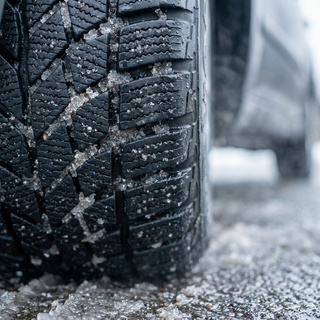
Winter tires are not legally mandated in Ohio or Pennsylvania, but dedicated winter tires are necessary for drivers seeking maximum safety whenever daily temperatures consistently fall below 45°F. Specialized winter tire compounds remain flexible in severe cold to maintain grip on snow and glare ice, whereas standard all-season rubber hardens in cold weather and significantly increases stopping distances. Navigating freezing precipitation, slush, and frozen river valley moisture along the riverfront bluffs of East Liverpool requires consistent tire friction. When temperatures hover around freezing, standard all-season tires lose elasticity. This chemical hardening reduces the tire surface area clinging to the pavement, making routine stops unpredictable. Equipping four dedicated winter tires ensures that your vehicle retains optimal traction on icy asphalt, packed snow, and wet pavement throughout the coldest months of the year. Our service team at Tri State Ford helps local drivers prepare their vehicles for harsh regional weather with complete tire inspections and seasonal changeover services. To verify your current tread depth or discuss tire packages tailored to your driving habits, stop by our service center on Pennsylvania Avenue or give our certified technicians a call at (330) 462-7578 today. Table of Contents What Are the Legal Minimum Tread Depths and Equipment Laws in Ohio and Pennsylvania? What Happens If You Put Winter Tires on Only the Front Drive Wheels? How Do Winter Tires Compare to All-Wheel Drive and All-Season Tires on Ice? Can You Drive All-Weather Tires Year-Round or Use Winter Tires in Warm Weather? How Much Does Winter Tire Mounting, Balancing, and Seasonal Changeover Cost? Frequently Asked Questions About Winter Tire Care and Safety Keep Your Vehicle Safe This Winter with Certified Tire Service at Tri State Ford What Are the Legal Minimum Tread Depths and Equipment Laws in Ohio and Pennsylvania? Ohio and Pennsylvania state codes establish a legal minimum tire tread depth of 2/32 inch for passenger vehicles, though automotive safety standards recommend at least 6/32 inch for driving in snow and slush. Neither state requires drivers to install winter tires by law, but law enforcement officers can issue traffic citations for operating an unsafe vehicle if worn tires fail to maintain traction during winter conditions. Both states strictly regulate specialized traction equipment like studded tires to protect road surfaces from pavement wear. State traffic codes permit studded snow tires between November 1 and April 15 in both Ohio and Pennsylvania. Outside of this legal window, driving on studded tires can result in fines. Maintaining adequate tread depth is vital because deep tread channels, known as lugs, act as water and slush pumps. As a tire rolls over wet snow, these deep grooves push slush away from the center contact patch, allowing the rubber edges to bite into the road surface. Once tread wears down below 4/32 inch, a tire loses its physical capability to clear slush, dramatically increasing the risk of hydroplaning or skidding across icy intersections. Regular tire inspections at our service facility help identify uneven tread wear and low depth before winter weather hits. Drivers looking to maintain their vehicle hardware can order OEM tire accessories and parts online directly through our service department. What Happens If You Put Winter Tires on Only the Front Drive Wheels? Installing winter tires on only the front drive wheels of a front-wheel-drive vehicle creates a dangerous handling imbalance that causes the rear tires to lose traction unexpectedly on slippery roads. This uneven grip frequently triggers vehicle spin-outs and extreme oversteer during routine cornering or emergency braking maneuvers. When a front-wheel-drive vehicle has high-traction winter tires on the front axle and hard, cold-stiffened all-season tires on the rear axle, the vehicle develops unequal cornering capabilities: The front wheels grip the snow and initiate a sharp turn, but the rear wheels lack the lateral grip needed to hold the vehicle's tail in line. The rear axle swings outward around the turning axis, causing the back end of the vehicle to slide out of control. Vehicle electronic stability control systems struggle to compensate because the physical traction difference between the front and rear tires exceeds system correction limits. Automotive tire safety standards mandate fitting a complete, matching set of four winter tires on all passenger vehicles, regardless of whether the vehicle is FWD, rear-wheel drive, or AWD. Equipping four identical winter tires ensures balanced traction during acceleration, steering, and stopping, keeping the front and rear axles working in harmony across frozen asphalt. Drivers who want to evaluate how proper tire balance affects handling stability under controlled guidance can schedule a test drive with our team to explore modern driver-assist systems and vehicle dynamics. How Do Winter Tires Compare to All-Wheel Drive and All-Season Tires on Ice? Dedicated winter tires stop up to 30 percent faster on ice than all-season tires mounted on an all-wheel-drive vehicle because tread compound flexibility governs braking friction rather than the number of powered wheels. While AWD systems assist with forward acceleration out of deep snow, they offer no additional traction during braking or lateral cornering on ice. Vehicle braking and cornering rely entirely on the rubber compound staying soft enough to conform to microscopic surface imperfections on glare ice. Standard all-season rubber compounds harden when ambient temperatures drop, causing the tire to skate across ice like a plastic block. Tests show that stopping distance on packed snow can triple compared to dry roads, and stopping distance on glare ice can extend to ten times the dry-road baseline. From a speed of just 10 mph on ice, studless winter tires can stop a vehicle in roughly 21 feet, whereas standard all-season tires require nearly 40 feet to come to a complete stop. Cornering stability on frozen roads reveals a similar performance gap. An AWD system distributes engine torque to four wheels to keep a vehicle moving forward, but engine torque cannot prevent lateral sliding if the tire rubber lacks grip. When entering a slippery turn, an AWD vehicle on all-season tires will slide wide toward the outside shoulder, while a vehicle equipped with dedicated winter tires maintains steering control and stays safely within its lane. Can You Drive All-Weather Tires Year-Round or Use Winter Tires in Warm Weather? Drivers can leave all-weather tires bearing the 3-Peak Mountain Snowflake symbol on their vehicles all year long, but driving dedicated winter tires in warm temperatures above 50°F rapidly degrades the soft tread compound and compromises handling precision. All-weather tires differ from standard all-season tires by utilizing hybrid rubber compounds and specialized tread patterns designed to meet official snow-traction performance thresholds without deteriorating quickly during summer heat. For commuters navigating the suburban hill terrain in Calcutta, all-weather tires eliminate the need for biannual seasonal tire swaps while providing dependable cold-weather traction. Conversely, dedicated winter tires are engineered strictly for freezing weather: The specialized silica compounds and micro-sipes that stay flexible in sub-zero temperatures soften excessively when exposed to warm asphalt. High heat accelerates tread wear, causing the soft rubber lugs to squirm and wear down prematurely within a single summer season. Warm-weather driving on winter tires creates a vague, spongy steering feel and increases stopping distances on dry pavement. Drivers looking to select the proper tire type for their vehicle model and driving routine can utilize our online tire finder tool to browse recommended tire options across all seasonal ratings. How Much Does Winter Tire Mounting, Balancing, and Seasonal Changeover Cost? A seasonal tire changeover service typically costs between $80 and $150 per visit for mounting and high-speed balancing when transferring tires onto a single set of wheels. Vehicle owners can reduce long-term changeover costs by mounting their winter tires on a dedicated secondary set of steel or aluminum wheels. Setting up winter tires on dedicated wheels provides several distinct advantages for long-term ownership care: Eliminates the labor cost of dismounting and remounting rubber tires from the rims twice every year. Allows technicians to perform quick wheel swaps, reducing shop turnaround times during peak seasonal changeover periods. Protects custom factory alloy wheels from harsh winter road salt, chemical de-icers, and curb scrapes hidden under snowbanks. Extends overall tire casing lifespan by avoiding repeated bead stress caused by mounting tools. Investing in a secondary wheel package pays for itself over several winter seasons through reduced installation fees while keeping your primary wheels in pristine condition. Frequently Asked Questions About Winter Tire Care and Safety Q: What is the recommended cold tire pressure during severe winter cold snaps? Check tire inflation pressure when tires are cold and maintain the exact pressure specified on the vehicle driver-side door-jamb label. Air pressure drops by approximately 1 pound per square inch for every 10-degree drop in outside temperature. Never inflate tires to the maximum pressure stamped on the tire sidewall, as that number represents the maximum pressure the casing can support, not the operational specification for your vehicle. Q: How does tire tread depth affect stopping performance on wet and slushy roads? Sufficient tread depth allows the tire grooves to channel water and slush away from the rubber contact patch. While 2/32 inch is the absolute legal limit, winter driving safety declines sharply once tread depth drops below 6/32 inch. Shallow tread traps slush beneath the tire surface, causing the vehicle to float above the pavement and significantly extending emergency braking distances. Q: What should you do if your vehicle suffers a flat tire or breakdown in hazardous winter weather? If you experience a flat tire or mechanical issue during inclement weather, safely pull as far off the roadway as possible, turn on your hazard lights, and remain inside your vehicle for safety. Ford owners can contact Ford Roadside Assistance at (800) 241-3673 for complimentary 24/7 flat tire changes, towing to an authorized service center, and emergency jump-starts. Q: Where is the proper location to store winter tires during the summer months? Store off-season tires indoors in a cool, dark, and dry environment away from direct sunlight and electric motors that generate ozone. Clean the tires to remove road salt and brake dust, then place them in airtight tire storage bags. Storing tires on their sides if mounted on wheels, or upright if unmounted, prevents casing distortion and preserves the rubber compound. Q: Why do my vehicle tire pressure monitoring system lights turn on during cold winter mornings? Cold overnight temperatures cause the air inside your tires to contract, lowering the internal air pressure below the vehicle sensor alert threshold. Once you drive a few miles, friction warms the tire air and may cause the light to shut off. However, persistent low pressure warnings indicate that your tires require additional air to reach the proper cold inflation setting listed on your vehicle door jamb. If you have questions about winter tire storage, tread depth inspections, or tire pressure resets, stop by our service center location or give us a quick call at (330) 462-7578 to speak with our service advisors. You can also schedule a service appointment online at your convenience. Keep Your Vehicle Safe This Winter with Certified Tire Service at Tri State Ford Preparing your vehicle for freezing temperatures, snow, and ice is the single most effective step you can take to safeguard your family on winter roads. From thorough multi-point tire inspections and digital alignment checks to complete seasonal wheel changeovers, our factory-trained technicians provide transparent, trusted maintenance tailored to regional driving conditions. Protect your vehicle investment and maintain uncompromised stopping power all season long by booking your seasonal tire service with our expert care team today. © 2026 Tri State Ford. All rights reserved. Winter Tires for East Liverpool OH Drivers | Tri State Ford
f

How Do You Know If Your Vehicle Is Ready for Winter?

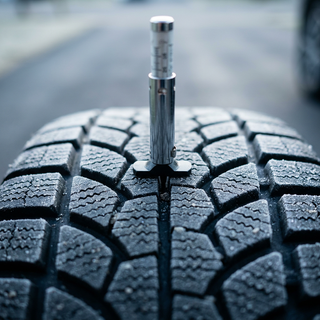
A vehicle is winter-ready when its 12-volt battery maintains strong Cold Cranking Amps under load, tire tread depth exceeds 6/32-inch on flexible rubber, coolant mixture tests to -34 degrees Fahrenheit freeze protection, and windshield wipers clear slush without streaking effectively. If an engine cranks slowly, tire pressure warnings trigger after a temperature drop, or heating response lags, critical maintenance is required before severe winter weather sets in. Driving across the region brings challenging cold-weather conditions, from navigating steep riverfront bluffs in East Liverpool during icy morning commutes to handling freezing rain along regional highways. Sub-freezing temperatures stress every mechanical system in a vehicle. Engine oil thickens, battery chemical output drops, and rubber components lose elasticity. Ensuring your vehicle is prepared requires evaluating core systems before snow and ice arrive on local roads. Proactive seasonal care keeps your vehicle operating dependably when temperatures drop. A comprehensive multi-point check identifies aging components before they fail on cold mornings. Drivers seeking professional vehicle evaluation can visit our service center location or give our service team a call at (330) 462-7578 to confirm their car is fully prepared for cold weather. Table of Contents What Are the Main Signs Your Vehicle Isn't Ready for Winter Weather? What Tire Tread Depth and Rubber Compound Limits Impact Winter Traction? How Do You Test Battery Cold Cranking Amps to Avoid Winter Failure? What Antifreeze Mixture and Coolant Tools Protect Your Engine in Sub-Freezing Weather? What Specific Maintenance Checks Are Included in a Standard Winter Inspection Package? Quick Answers to Common Winter Vehicle Maintenance Questions Schedule Your Winter Maintenance Inspection What Are the Main Signs Your Vehicle Isn't Ready for Winter Weather? A vehicle shows clear warning signs of winter unreadiness through hesitant engine starting, dimming exterior lighting, degraded wiper blade action, persistent low tire pressure alerts, and insufficient cabin heat. Ignoring these early mechanical signals drastically increases the risk of cold-weather breakdowns and compromised roadway traction. Five specific mechanical indicators demonstrate that a vehicle requires immediate maintenance before winter weather worsens: Engine Cranking Delays: Cold weather reduces 12-volt battery power output while motor oil thickens, creating heavy electrical resistance during ignition. If the starter turns over sluggishly or makes a metallic clicking sound, the battery or charging system is failing. Dimming Exterior and Interior Lights: Weak electrical output from an aging battery or worn alternator causes headlights and cabin displays to flicker or dim, especially when idling at intersections. Wiper Blade Streaking and Squeaking: Cold temperatures harden natural rubber wiper elements, causing tearing, chatter, and poor windshield clearing during snowstorms. Hardened rubber cannot conform to windshield glass curves, leaving dangerous blind spots. Low Tire Pressure Monitoring Alerts: Ambient temperature drops cause internal tire air pressure to drop by roughly 1 PSI for every 10 degrees Fahrenheit decrease. Driving on underinflated tires reduces fuel economy, accelerates tread wear, and compromises traction on wet roads. Slow Defroster and Heater Output: A sticking thermostat, low coolant levels, or air pockets in the heater core lead to cold cabin air and slow windshield defrosting, creating severe visibility hazards during winter storms. Addressing these warning signs early protects your engine and ensures family safety during harsh weather. Vehicle owners can review current factory maintenance information for seasonal service savings or order genuine Ford parts online to replace worn wiper blades and air filters. What Tire Tread Depth and Rubber Compound Limits Impact Winter Traction? Safe winter driving requires a minimum tire tread depth of 6/32-inch to channel snow and slush away from the contact patch, as opposed to the 2/32-inch legal limit for dry pavement. Furthermore, standard all-season rubber compounds begin stiffening at 45 degrees Fahrenheit, causing a significant loss of road grip regardless of remaining tread depth. Tire performance in winter conditions depends on two distinct factors: tread geometry and rubber chemistry. Tread grooves physically clear standing water, slush, and packed snow. When tread wears down below 4/32-inch, tires lose the ability to evacuate slush, leading to hydroplaning. Measuring tread depth using a specialized depth gauge across inner, center, and outer tread ribs ensures even tire wear. The rubber compound itself plays an equally crucial role. All-season tires use tread formulations designed for high-temperature durability, but these compounds harden when temperatures drop below 45 degrees Fahrenheit. As the rubber stiffens, it loses flexibility, reducing friction on cold asphalt. Winter tires and winter-rated all-weather tires use specialized silica-rich compounds that remain pliable in sub-freezing temperatures, providing shorter stopping distances on ice. Sub-freezing squalls across the rolling hills and State Route 170 elevation changes around Calcutta demand maximum tire grip. Capable vehicles like the 2026 Ford Escape with All-Wheel Drive or the 2026 Ford Explorer with 4x4 rely directly on flexible rubber compounds and adequate tread depth to transmit engine torque to icy pavement safely. How Do You Test Battery Cold Cranking Amps to Avoid Winter Failure? Automotive battery cold performance is evaluated by measuring Cold Cranking Amps ( CCA), which quantifies the number of amperes a 12-volt battery delivers at 0 degrees Fahrenheit for 30 seconds while maintaining at least 7.2 volts. Passenger vehicles operating in cold climates typically require a battery rated between 600 to 800 CCA to guarantee reliable engine starting. At 32 degrees Fahrenheit, a standard lead-acid or AGM battery loses approximately 20% of its available starting power. When temperatures fall to 0 degrees Fahrenheit, battery output drops by roughly 50%. At the same time, cold engine oil thickens, requiring up to twice as much current to turn the crankshaft. This combination makes winter the most common season for sudden battery failure. Professional battery testing goes beyond simple voltage measurement. Service technicians use digital conductance testers to measure internal resistance and cold-cranking capacity under simulated load. Batteries older than three to five years should undergo routine conductance testing before winter. If test results indicate reduced cold-cranking capacity, replacing the unit prevents unexpected strandings. Vehicle owners can schedule specialized battery inspection and service to verify electrical health, or explore new vehicle options by booking time to schedule a test drive in an All-Wheel Drive Ford model equipped with advanced winter packages. What Antifreeze Mixture and Coolant Tools Protect Your Engine in Sub-Freezing Weather? Engine coolant freezing point protection is tested using an optical refractometer or a hydrometer, which measures fluid specific gravity to determine exact temperature limits. A standard 50/50 ratio of ethylene glycol antifreeze to distilled water protects against freezing down to -34 degrees Fahrenheit, while a 70/30 winter concentration lowers protection to -84 degrees Fahrenheit. An optical refractometer provides the most accurate measurement of coolant health. By placing a drop of coolant on the refractometer prism and looking through the eyepiece, technicians measure light refraction to read exact freezing and boiling thresholds. While floating-bulb hydrometers are also used, they are sensitive to fluid temperature variations and can give misleading readings if the coolant is warm. Maintaining the proper coolant mixture is vital for engine longevity. Water alone expands when freezing, which can crack engine blocks, burst radiator cores, and rupture heater hoses. Antifreeze prevents freezing while raising the boiling point and providing anti-corrosion additives that protect internal aluminum and cast-iron engine components. Coolant ratios should never exceed 70% antifreeze concentrate. Pure antifreeze freezes at a higher temperature than a glycol-water mixture and has poor heat-transfer properties. Over time, protective corrosion inhibitors break down, making regular fluid testing and factory-recommended flushes essential for winter preparation. What Specific Maintenance Checks Are Included in a Standard Winter Inspection Package? A standard winter car inspection package incorporates comprehensive diagnostics across electrical systems, braking components, tires, thermal fluids, windshield visibility gear, and drive belts. Each inspection systematically evaluates critical components under sub-freezing operating conditions to prevent winter breakdowns. Professional technicians complete a thorough winter inspection checklist covering key vehicle systems: Electrical & Battery Diagnostics: Conductance testing to measure Cold Cranking Amps against factory ratings, checking terminal posts for lead-acid corrosion, and verifying alternator charging voltage output. Tire & Suspension Audit: Measuring tread depth across all four tires using a digital depth gauge, inspecting sidewalls for cracking or impact bulges, setting cold inflation pressures, and checking wheel alignment. Cooling System & Thermal Protection: Refractometer testing of coolant freeze point, pressure testing radiator caps and cooling lines for microscopic leaks, and verifying thermostat opening operation. Brake System Assessment: Measuring brake pad friction material thickness, inspecting rotors for rust pitting or heat scoring, and testing brake fluid moisture content to prevent pedal fade. Visibility & Safety Equipment: Checking wiper arm spring tension, inspecting wiper blade rubber elements, filling the washer reservoir with winter de-icer fluid, testing rear defroster grid heating, and auditing exterior light bulb operation. Underhood Belts & Hoses: Measuring drive belt tension, inspecting serpentine belts for rubber cracking, and checking heater hose flexibility to ensure reliable engine cooling. A complete seasonal inspection identifies minor wear before it causes major repairs in cold weather. Drivers can easily book a winter maintenance appointment online to have factory-trained technicians inspect their vehicle. Quick Answers to Common Winter Vehicle Maintenance Questions Q: How do cold temperatures affect electric vehicle battery range? Cold ambient temperatures temporarily reduce electric vehicle driving range by 15% to 30% on severe winter days due to slowed lithium-ion chemical reactions and increased cabin heating power demands. Ford electric vehicle owners can mitigate cold-weather range loss by preconditioning the cabin and battery while plugged into a charger before departure and utilizing heated seats and steering wheels, which use significantly less energy than cabin climate blowers. Q: Can all-season tires be used safely through an Ohio winter? All-season tires remain suitable for light snow provided tread depth exceeds 6/32-inch and temperatures remain moderate. However, because all-season tread compounds begin stiffening at 45 degrees Fahrenheit, dedicated winter tires or 3-Peak Mountain Snowflake rated all-weather tires provide superior stopping distances and cornering stability on packed snow and icy surfaces during prolonged sub-freezing conditions. Q: Why does a tire pressure light turn on during the first cold morning of winter? Pneumatic tire pressure drops by approximately 1 PSI for every 10 degrees Fahrenheit decrease in ambient air temperature due to thermal gas contraction. When overnight temperatures plunge, tire pressure frequently drops below the vehicle's minimum threshold, triggering the tire pressure monitoring system indicator. Drivers should adjust pressures when tires are cold according to the vehicle door jamb label. Q: What should be stored in a vehicle emergency winter kit? A properly equipped winter emergency kit should contain heavy-duty jumper cables, a durable ice scraper with a snow brush, a flashlight with extra batteries, a collapsible shovel, thermal blankets, and a tow strap. Carrying non-perishable snacks, bottled water, and a portable phone power bank provides vital safety support if stranded in remote cold-weather locations. Q: How often should windshield wiper blades be replaced in cold climates? Windshield wiper blades operating in cold climates should be replaced every 6 to 12 months, or immediately when streaking, chattering, or tearing occurs. Freezing temperatures harden wiper rubber, while heavy snow accumulation and windshield ice accelerate edge wear. Installing beam-style winter wiper blades with protective rubber covers prevents ice buildup within the wiper frame. Schedule Your Winter Maintenance Inspection Ensuring your vehicle is fully prepared for sub-freezing weather requires proactive maintenance before snow and ice arrive on local roads. Taking simple preventative steps—such as testing battery Cold Cranking Amps, verifying coolant freeze protection, and inspecting tire tread—prevents unexpected breakdowns and keeps your family safe all season long. If emergency roadside issues occur during severe weather, eligible Ford owners benefit from manufacturer-backed emergency support by contacting Ford Roadside Assistance: 1-800-241-3673 for towing, flat tire replacement, fuel delivery, and jump-starts. Our factory-trained technicians at Tri State Ford use genuine OEM parts and specialized diagnostic tools to ensure your vehicle handles tough winter driving with complete confidence. Visit our dealership at 1503 Pennsylvania Ave, East Liverpool, OH 43920 or reach our service team directly at (330) 462-7578 to schedule your comprehensive winter inspection today. © 2026 Tri State Ford. All rights reserved. Vehicle specification data © JATO Dynamics Limited. Winter Vehicle Maintenance in East Liverpool OH | Tri State Ford

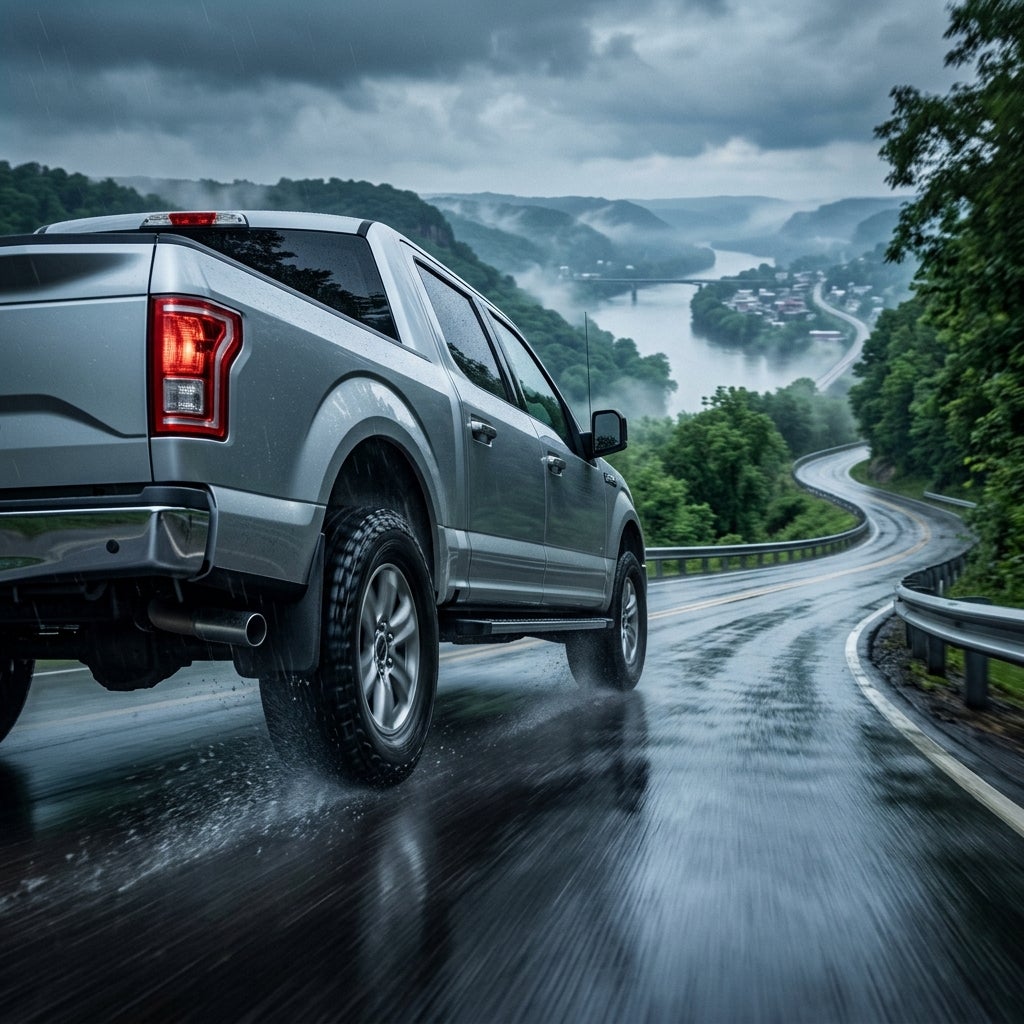
Low-angle cinematic tracking shot of a modern silver f-150 vehicle navigating a winding asphalt road overlooking the Ohio River bluffs, lush rolling hills and misty riverfront of East Liverpool in the background, dramatic overcast sky with light rain, shimmering wet pavement reflecting the vehicle's

The Science of Balanced Traction on Ohio Roads

The Science of Balanced Traction on Ohio Roads Maintaining balanced traction is the foundation of vehicle safety, especially when navigating the rolling hills and riverfront bluffs around East Liverpool. When you install a single new tire alongside three worn ones, you create a traction imbalance that can lead to unpredictable handling. A new tire typically starts with about 10/32" or 12/32" of tread depth, while your existing tires may have worn down to 4/32" or less. This difference means one corner of your vehicle has significantly more grip and a different ability to channel water than the others. During heavy rain or light snow along the Ohio River, this imbalance becomes a serious liability. The new tire will resist hydroplaning much better than the worn ones, which sounds like a benefit until you realize that mismatched grip levels can cause the vehicle to pull or pivot unexpectedly during hard braking. Tire manufacturers and safety experts generally recommend replacing tires in pairs on the same axle to ensure that both wheels provide a consistent response to the road surface. This symmetry allows your vehicle to track straight and remain stable during emergency maneuvers. Our service team often sees how the varied terrain in this region accelerates uneven wear if maintenance is deferred. If you are concerned about your current tread depth or notice your vehicle pulling to one side, you can reach out to our technicians at (330) 462-7578 for a professional inspection. We focus on ensuring your vehicle is prepared for the local climate, providing honest advice on whether a partial or full set is necessary for your safety. For those planning a visit, our service center location is easily accessible for drivers throughout the tri-state area. Table of Contents Why Replacing Tires in Pairs or Sets of Four Protects Your Drivetrain The Safety Risks of Mismatched Tread Depth and Single-Tire Replacements When a Single-Tire Replacement Is Acceptable Maximizing Tire Lifespan with Regular Rotation and Maintenance Common Questions About Tire Replacement and Care Trusted Tire Service and Expert Care at Tri State Ford Why Replacing Tires in Pairs or Sets of Four Protects Your Drivetrain Modern vehicles are equipped with complex mechanical and electronic systems that rely on all four wheels spinning at nearly identical speeds. On an all-wheel-drive (AWD) vehicle, the drivetrain is designed to distribute power based on detected wheel slip. If one tire is significantly newer and larger in diameter than the others, it will rotate fewer times per mile. The AWD system may interpret this constant speed difference as wheel slip, causing the center differential or transfer case to remain partially engaged even on dry pavement. Over time, this mechanical strain can lead to overheating and premature failure of expensive drivetrain components. Many automakers specify that all four tires must be within a certain tolerance—often within 2/32" or 3/32" of each other in tread depth—to prevent this damage. Even on front-wheel-drive vehicles, having mismatched diameters on the drive axle puts unnecessary stress on the differential, as it must constantly compensate for the two wheels spinning at different rates while traveling in a straight line. When you bring your vehicle in, we use precision gauges to measure the remaining life on your current set. If the difference is too great, we may recommend a full set to protect your long-term mechanical reliability. You can easily book a maintenance appointment online to have our experts evaluate your drivetrain and tire health. If you already know which specifications you need, our online tool helps you find the right tires for your model from the comfort of home. For those who want to feel how a fresh set of tires improves the ride quality of a similar vehicle, we invite you to schedule a time to visit and experience our latest service loaners or models firsthand. The Safety Risks of Mismatched Tread Depth and Single-Tire Replacements The relationship between your tires and your vehicle's safety technology is more integrated than most drivers realize. Systems like Electronic Stability Control (ESC) and Anti-lock Braking Systems (ABS) use wheel speed sensors to monitor how each tire is interacting with the road. If one tire has a larger rolling radius due to deeper tread, it sends a different signal to the computer than the worn tires. This can cause the safety systems to calibrate incorrectly or intervene when they shouldn't, potentially lengthening your stopping distance in a crisis. Furthermore, the placement of new tires is critical for preventing dangerous spin-outs. It is a common industry standard to place the tires with the deepest tread on the rear axle, even on front-wheel-drive vehicles. This is because deeper rear tread provides better lateral stability and helps prevent the rear of the car from "fishtailing" or hydroplaning on wet roads. If you only replace one tire, you are essentially creating a vehicle with four different levels of grip, which makes the car's behavior much harder for both the driver and the onboard computers to predict. Our parts department stocks a wide range of OEM-approved tires designed specifically to work with your vehicle's safety calibrations. You can request specific components through our team to ensure you are getting the exact match for your existing set. For those managing a fleet of vehicles or larger equipment, we also provide specialized support for used work truck maintenance and tire care. If you have questions about the long-term costs of vehicle maintenance versus replacement, our finance specialists are available to discuss service protection plans that can help cover these essential safety items. ​ When a Single-Tire Replacement Is Acceptable While replacing in pairs or sets is the gold standard, there are specific scenarios where replacing just one tire is a practical and safe decision. If your vehicle is nearly new and the remaining three tires have minimal wear—typically 10/32" of tread or more—a single replacement is usually fine. The key is ensuring the new tire is the exact same brand, model, size, and speed rating as the others. This maintains the intended handling characteristics and ensures the rubber compounds react to temperature and road conditions consistently. Another rare exception involves "shaving" a new tire. Some specialized service centers can take a brand-new tire and mechanically remove tread until it perfectly matches the depth of your remaining three. This is often done for AWD owners who suffer a puncture on a set that still has plenty of life left but is worn enough to be outside the drivetrain's tolerance. However, for most drivers in Calcutta, the most cost-effective and safest route is to look for current service and parts offers that make replacing a pair more affordable. We understand that unexpected tire damage can be a burden on the family budget, especially for those who rely on high-duty vehicles like Transit work vans for their livelihood. Our team is here to provide a transparent assessment of your tread life to see if a single tire is a viable option or if it would compromise your safety. For our commercial partners, we also maintain a robust inventory of work-ready vehicles and can provide expert advice on maintaining heavy-duty tires under constant load. Maximizing Tire Lifespan with Regular Rotation and Maintenance The best way to avoid the dilemma of replacing multiple tires prematurely is to commit to a strict rotation schedule. Most manufacturers recommend rotating your tires every 5,000 to 7,500 miles, which usually aligns with your scheduled oil change. In a front-wheel-drive vehicle, the front tires handle the majority of the braking, steering, and acceleration forces, causing them to wear much faster than the rears. By moving them to the back in a specific pattern, you spread that wear across all four tires, ensuring they reach the end of their useful life at the same time. Regular rotations also provide our technicians with an opportunity to inspect your tires for "cupping" or "feathering," which are often signs of alignment or suspension issues. Catching these problems early can save you from having to replace a set of tires that still has plenty of tread but has become too noisy or vibratory due to uneven wear. For those who use their vehicles for heavy towing or work in Chester, keeping tires properly inflated and rotated is essential for maintaining the 7,500-lb or higher towing capacities found in our current truck inventory. If you are looking to keep your vehicle in peak condition for years to come, we can help you set up a long-term maintenance plan. Whether you are interested in a custom-ordered new vehicle or are maintaining an existing fleet, our service department uses specialized equipment to ensure every rotation and balance is performed to factory standards. We also offer dedicated support for F-Series work trucks, ensuring that the tires on your most dependable tools are ready for the job site every morning. Common Questions About Tire Replacement and Care Q: Does vibration at highway speeds mean I need a rotation or a replacement? Vibration felt through the steering wheel at higher speeds usually points to a balance issue rather than a need for rotation. Our technicians use high-speed balancers to ensure weight is distributed evenly around the wheel assembly. However, if the vibration is caused by a shifted belt or a flat spot from a locked brake, a replacement will be necessary. Q: Can I mix different tire brands if the size is the same? We strongly discourage mixing brands or even different models within the same brand on the same axle. Different tires use unique rubber compounds and tread patterns that provide varying levels of grip. This can cause the vehicle to pull during braking or behave unpredictably on wet surfaces, even if the tread depth is identical. Q: How do I know if my tires are too old even if they have good tread? Tires have a "shelf life" due to the natural breakdown of rubber over time, a process called dry rot. Most manufacturers recommend replacing tires after six to ten years, regardless of tread depth. You can find the manufacture date on the sidewall—look for a four-digit code where the first two digits are the week and the last two are the year. Q: Will a single new tire affect my fuel economy? While the impact on a single tank of gas might be small, mismatched tires can slightly decrease efficiency. If the tires are different diameters, the vehicle's computer may struggle to optimize shift points or AWD engagement. Keeping a matched set at the correct PSI is the best way to maintain your vehicle's intended fuel economy. If you are considering an upgrade and want to see how your current vehicle's condition affects its value, you can get an instant cash offer online. We also invite you to explore current vehicle specials if you find that your maintenance needs are beginning to outweigh the value of your current ride. For those specifically looking for heavy-duty options, our truck inventory includes models designed for maximum durability and tire longevity. Trusted Tire Service and Expert Care at Tri State Ford Our team is dedicated to keeping your family safe on the road with transparent, expert tire care. We know that your time is valuable, which is why we offer convenient options like pickup and delivery for service and mobile service vans that can come to your home or workplace for basic maintenance. Whether you need a simple rotation, a battery health check, or a full set of new tires, we use only genuine parts to ensure your vehicle runs like new. Before you book your next visit, be sure to check our monthly service specials for savings on tires and other essential maintenance. We are proud to be your local Ford service authority, serving the hardworking families of our community with integrity. You can find us at 1503 Pennsylvania Ave, East Liverpool, OH 43920 or give our service desk a quick call to discuss your tire needs today. © 2026 Tri State Ford. All rights reserved.

Contact Us

Fill out this form below and we'll contact you shortly
*Required Fields