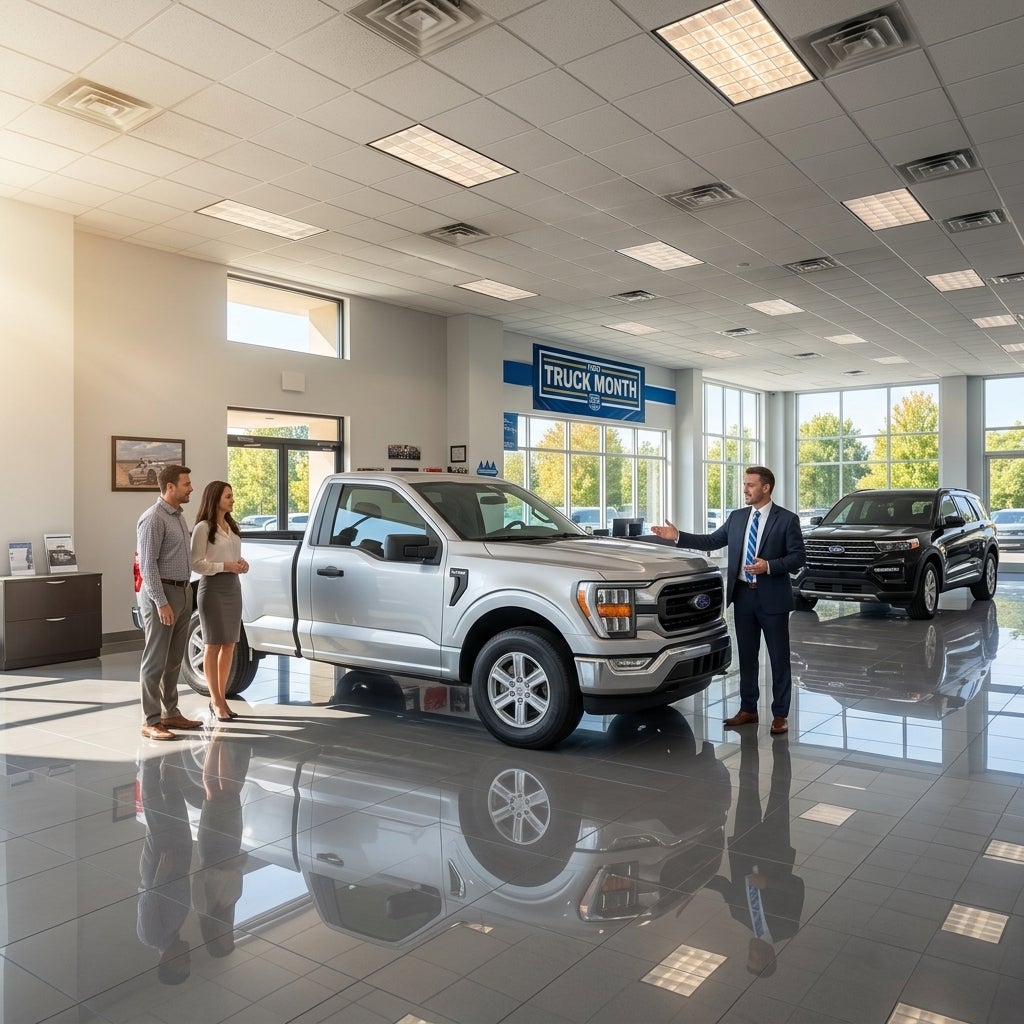

Buying a pre-owned vehicle with a documented minor accident history is a smart financial move if the car retains a clean title, suffered no structural frame damage or airbag deployment, and received high-quality repairs. Because reported cosmetic damage creates an potentially lower market value compared to identical clean-history vehicles, informed buyers can secure substantial savings on a completely safe, reliable automobile. Navigating the pre-owned market requires balancing price advantage against vehicle condition. When a vehicle history report notes minor damage—such as a scraped bumper from parallel parking or a shallow door dent from a shopping cart—the actual structural integrity of the automobile remains untouched. For commuters traveling along State Route 170 through Calcutta, acquiring a late-model pre-owned vehicle with minor cosmetic history offers modern technology and dependable performance without the higher purchase price of a flawless history report. The primary benefit of considering these vehicles is value optimization. You pay significantly less upfront for minor surface blemishes that may have already been professionally restored to original factory specifications. Furthermore, pre-owned inventory with clean titles and light past damage still qualifies for standard auto loans and full insurance coverage. To explore our current selection of thoroughly vetted pre-owned models, buyers can visit our showroom location or give our sales team a quick call to discuss specific vehicle history reports and background records. Table of Contents What Qualifies as a Minor Accident on a Vehicle History Report? How Does Past Minor Body Damage Affect Modern Safety Systems and Structural Alignment? What Tools and Inspection Techniques Detect Hidden Repairs and Long-Term Frame Bends? Does a Previous Minor Accident Impact Insurance Coverage, Financing, and Future Trade-In Value? Frequently Asked Questions About Buying Used Vehicles With Reported Damage How to Confidently Evaluate and Purchase a Reliable Pre-Owned Vehicle What Qualifies as a Minor Accident on a Vehicle History Report? A minor accident entry on a vehicle history report indicates light cosmetic damage to outer body panels, light assemblies, or bumper covers without structural unibody distortion or mechanical component failure. Insurance companies and reporting agencies classify collisions under roughly $3,000 in repair costs with zero airbag deployment as minor incidents. Vehicle history services aggregate VIN-based records from state motor vehicle departments, law enforcement accident filings, insurance claim databases, and certified collision repair facilities. When a vehicle is involved in a low-speed impact, the event is categorized based on severity metrics: Cosmetic Exterior Damage: Minor scratches, shallow door dings, or scraped bumper covers that require simple refinishing or panel replacement. Non-Structural Component Repair: Replacing cracked headlight housings, side mirrors, or exterior trim pieces that do not alter the vehicle chassis. Zero Airbag Deployment: Collisions where impact forces were insufficient to trigger primary safety restraint systems. Intact Unibody Frame: No bending, cracking, or compromise to the core structural frame rails or passenger safety cage. Understanding these distinctions helps shoppers separate minor cosmetic incidents from serious collisions. A vehicle that suffered a parking lot scrape and received a replacement bumper cover remains mechanically identical to one with an unblemished record. Buyers looking at newer model years can also review current manufacturer incentives on new models or explore a custom vehicle factory order if they prefer a brand-new build with zero history entries. How Does Past Minor Body Damage Affect Modern Safety Systems and Structural Alignment? A minor cosmetic collision does not compromise overall vehicle safety as long as modern driver-assist sensors located inside bumper covers and grilles are properly recalibrated during body repair. Modern vehicles rely on precise unibody engineering and electronic safety networks that require professional attention after any front or rear impact. Contemporary automobiles use unibody construction where outer sheet metal, crumple zones, and frame rails function as an integrated safety cell. In low-speed impacts, impact-absorbing bumper bars capture collision energy before forces reach the primary frame. However, because modern vehicles incorporate advanced driver-assistance technology—such as Pre-Collision Assist, blind-spot radar modules, and ultrasonic parking sensors—even a light bumper tap can misalign critical monitoring hardware. When evaluating a pre-owned vehicle with previous front or rear bumper work, verification of camera and sensor calibration is essential. If radar brackets are tilted by even a single degree during panel replacement, features like adaptive cruise control or automatic emergency braking can deliver false alerts or fail to detect obstacles correctly. Professional repair documentation should confirm that electronic safety systems underwent digital re-alignment alongside physical panel fitting. What Tools and Inspection Techniques Detect Hidden Repairs and Long-Term Frame Bends? Automotive technicians utilize digital paint depth gauges, electronic wheel alignment racks, and three-dimensional laser frame measuring systems to verify underlying structural integrity and reveal hidden body filler. A thorough pre-purchase inspection on a hoist exposes inconsistencies between a vehicle history summary and real-world condition. Buyers evaluating pre-owned models on our lot frequently ask how to verify if a reported bumper collision reached the underlying unibody. Professional technicians follow a systematic physical and digital inspection process: Digital Paint Depth Gauges: Measuring paint thickness in mils across every panel identifies underlying body filler, heavy primer layers, or aftermarket resprays. Computerized 3D Laser Frame Measuring: Mounting the vehicle on an alignment rack uses laser targets to measure factory datum points, confirming frame rails and unibody dimensions remain within millimeter tolerances. Seam Sealer and Weld Inspection: Examining engine bay seams, trunk floors, and door jambs reveals whether factory seam sealers are intact or if aftermarket welding and cutting occurred. Wheel Alignment and Suspension Geometry: Digital alignment checks confirm that camber, caster, and toe settings meet factory specifications, ruling out bent control arms or subframe shifts. Poorly executed repairs leave noticeable warning signs, including uneven panel gaps, water intrusion inside headlight housings, overspray on rubber door seals, and premature rust along unsealed panel edges. Confirming precise alignment and clean factory seams ensures the automobile will perform reliably for miles to come. Does a Previous Minor Accident Impact Insurance Coverage, Financing, and Future Trade-In Value? A vehicle with a reported minor accident on a clean title remains fully eligible for standard auto financing and comprehensive insurance coverage, though it experiences a modest reduction in resale market value. Because total loss branding is absent, lenders evaluate the vehicle using standard loan-to-value guidelines. Insurance underwriters make no distinction between a clean-history vehicle and one with a clean-title minor damage report when offering collision, liability, and comprehensive coverage. Because the title remains normal (non-branded), major auto insurance carriers issue standard policies without elevated premium surcharges. From a financing perspective, auto lenders issue loans based on official wholesale and retail valuation guides. While minor damage history lowers the baseline book value slightly, borrowers secure standard interest rates and loan terms. To streamline your purchase, you can complete our secure online credit application to review financing parameters tailored to your budget. When it comes to future trade-in value, vehicles with prior damage entries trade at a slight discount compared to clean-history equivalents. However, because you purchase the vehicle at a lower market value initially, the net depreciation curve mirrors that of any other pre-owned automobile. Local drivers negotiating the riverfront bluffs and hill climbs of East Liverpool can easily calculate their potential equity by taking advantage of our online tool to value your trade-in before visiting our dealership. Frequently Asked Questions About Buying Used Vehicles With Reported Damage Q: What is the main difference between a minor accident and structural damage on a Carfax report? Vehicle history reports often classify minor accidents as incidents involving only superficial damage, which rarely affects the car's mechanical performance or safety features. Structural damage entries indicate that the central unibody, frame rails, roof pillars, or main crash supports were bent, cracked, or compromised, severely impacting crash protection and resale value. Q: Can I fully insure a used car that has a minor accident listed on its record? Yes, insurance companies provide complete coverage—including liability, collision, and comprehensive plans—for vehicles with minor accident histories, provided the title remains clean and non-branded. Because cosmetic repairs do not alter the vehicle's legal status or structural integrity, premium rates remain consistent with standard market standards. Q: How much does a minor accident lower a used car's purchase price? A reported minor accident typically reduces a used car's market value by 10 to 15 percent compared to an equivalent clean-history vehicle. This initial price discount offers significant savings for buyers while providing identical mechanical reliability when proper body repairs have been completed. Q: How can I confirm that driver-assist sensors were properly calibrated after a minor collision repair? Verification requires reviewing the repair facility's detailed work order to ensure digital camera and radar sensor recalibration procedures were performed. During a test drive, you should also test driver-assist systems like lane-keeping alerts and blind-spot monitoring to confirm they operate smoothly without warning lights. Q: Does a past minor accident prevent a car from being financed by a bank? No, national lenders and credit unions regularly finance pre-owned vehicles with minor damage entries on clean titles. Standard loan terms apply because the vehicle carries a normal title status rather than a branded salvage or reconstructed designation. You can explore our latest new vehicle selection or browse our single-owner pre-owned vehicles to find a model that fits your finance plans. How to Confidently Evaluate and Purchase a Reliable Pre-Owned Vehicle Acquiring a pre-owned vehicle with a minor accident record allows smart shoppers to maximize their purchasing power without sacrificing safety, modern features, or long-term durability. By verifying repair documentation, confirming clean title status, and ensuring electronic driver-assist systems are properly calibrated, you can drive home in a high-value automobile with total peace of mind. At Tri State Ford, every pre-owned automobile undergoes a comprehensive physical and mechanical inspection by our certified technicians before reaching our inventory lot. We provide transparent vehicle history reports on every car, truck, and SUV so you can review background details with complete confidence. When you are ready to take the next step, our team is here to assist you through every stage of the buying process: Explore our high-quality certified pre-owned inventory to find rigorously inspected vehicles backed by factory warranty coverage. Get turnkey directions to our East Liverpool dealership to inspect our pre-owned lineup in person. Reach out to our friendly sales team by giving us a quick call to schedule your test drive today. Keep Your Vehicle Running Strong Keep your vehicle performing at its best with our service team: Order Parts Schedule Service Appt © 2026 Tri State Ford. All rights reserved. Used Cars with Minor Accident History in East Liverpool OH | Tri State Ford