Blog / Used Vehicle Guides, Financing & Insurance, Buying Guides, Trade-In Advice, Certified Pre-Owned

Blog

All Used Vehicle Guides, Financing & Insurance, Buying Guides, Trade-In Advice, Certified Pre-Owned Maintenance & Service, Expert Repairs & Diagnostics, Genuine Parts & Accessories, Engine Care & Automotive News, New Vehicle Reviews, Buying Guides, Financing & Insurance, Seasonal Driving Tips Maintenance & Service, Battery Care & Diagnostics, Electric Vehicle (EV) Maintenance, Seasonal Maintenance & Service, Warranty & Service Contracts, Repair & Diagnostics, Parts & Components New Vehicle Reviews, Buying Guides, Financing & Insurance, Model Comparisons, Automotive News Buying Guides, Financing & Insurance, New Vehicle Reviews, Model Comparisons, Sales & Promotions Used Vehicle Guides, Financing & Insurance, Buying Guides, Vehicle Warranty Information, Pre-Owned Vehicle Trade-In Advice, Financing & Insurance, Buying Guides, Used Vehicle Guides, New Vehicle Maintenance & Service, Parts & Accessories, Vehicle HVAC Care, Seasonal Vehicle Maintenance, DIY Maintenance & Service, Essential Vehicle Care, Preventive Maintenance Tips, Vehicle Longevity Compare Cars Used Vehicle Guides, Financing & Insurance, Buying Guides, Pre-Owned Vehicle Sales, Vehicle Maintenance & Service, Brake Systems & Repair, Vehicle Parts & Accessories, Towing & Load New Vehicle Reviews, Buying Guides, Model Comparisons, Financing & Insurance, Inventory & Sales Tips Vehicle Sales Events, New Vehicle Pricing & Incentives, Financing & Lease Options, Trade-In & Vehicle Sales Process, Financing & Credit Applications, New and Used Vehicle Inventory, Pickup and Vehicle Trade-In Tips, Financing & Insurance, Buying Guides, Dealership Sales Strategies, Inventory Buying Guides, Financing & Insurance, New Vehicle Reviews, Model Comparisons, Technology & Leasing & Lease Deals, Financing & Insurance, New Vehicle Sales, Commercial Vehicle Leasing, Maintenance & Service, Recall Information, Safety & Reliability, Vehicle Ownership Care, Parts & Maintenance & Service, Vehicle Pickup & Delivery, Mobile Service & On-Site Repairs, Oil Change & Community Events & Customer Appreciation, New Vehicle Reviews, Financing & Trade-In Guides, Maintenance & Service, Warranty & Recalls, Repair & Diagnostics, Parts & Accessories, Vehicle Used Vehicle Guides, Financing & Insurance, Buying Guides, New Vehicle Reviews, Commercial Vehicle Maintenance & Service, Automotive Technology & Software Updates, Warranty & Recall Service, Mobile Maintenance & Service, Vehicle Ownership Care, Mobile Repair Services, Genuine Parts & Certified New Vehicle Reviews, Buying Guides, Financing & Insurance, Model Comparisons, Automotive Technology Commercial Truck Sales, Fleet Vehicle Financing, Custom Work Truck Upfits, Commercial Vehicle Dealership Events & Promotions, Financing & Trade-In Options, Maintenance & Service Specials, Maintenance & Service, Mobile Vehicle Services, Vehicle Care & Ownership, Genuine Parts & Repairs, Maintenance & Service, Vehicle Inspections, Oil Change & Fluid Services, Tire Care & Battery Maintenance & Service, Vehicle Lighting & Electrical Systems, Automotive Safety & Inspection, OEM Model Comparisons, New Vehicle Reviews, Technology & Innovation, Safety Features, Buying Guides New Vehicle Reviews, Buying Guides, Financing & Insurance, Model Comparisons, Used Vehicle Guides Commercial Vehicle Sales, Financing & Leasing, Small Business Vehicle Incentives, Fleet Purchasing Commercial Vehicle Sales, Fleet Purchasing & Management, Financing & Leasing for Businesses, New & Community Events, New Vehicle Buying Guides, Financing & Insurance, Maintenance & Service, Local Maintenance & Service, Brake System Care, Vehicle Safety & Inspection, Parts Quality & Replacement, Maintenance & Service, Safety Features, Technology & Innovation, Seasonal Driving Tips, Parts & Maintenance & Service, Tire Care & Repair, Roadside Assistance, Vehicle Safety & Inspections, Maintenance & Service, Tire Care & Repair, Wheel Alignment & Balancing, Suspension Maintenance, Maintenance & Service, Tire Care & Replacement, Vehicle Safety & Handling, Seasonal Vehicle Maintenance & Service, Tire Care & Replacement, Vehicle Safety & Inspection, Emergency Roadside Maintenance & Service, Vehicle Software Updates, Safety Features, Technology & Innovation, Recall & New Vehicle Reviews, Buying Guides, Model Comparisons, Maintenance & Service, Technology & Used Vehicle Guides, Buying Guides, Financing & Insurance, Model Comparisons, Selling Your Car Vehicle Sales Events, New Vehicle Purchasing, Incentives & Discounts, Financing & Pre-Approval, Buying Guides, Financing & Insurance, New Vehicle Reviews, Commercial Fleet Sales, Custom Orders & Buying Guides, Financing & Insurance, Vehicle Inventory & Offers, Dealership Visit Preparation, Buying Guides, New Vehicle Reviews, Financing & Insurance, Commercial Vehicle Sales, Model Commercial Truck Sales, Fleet Purchasing Guides, Financing & Lease Options, Work Truck Commercial Vehicle Sales, Fleet Leasing & Management, Commercial Financing & Tax Incentives, Financing & Insurance, Leasing Benefits, Model Comparisons, Technology & Innovation, Buying Guides Leasing & Financing Options, Buying Guides, Model Comparisons, Negotiation Tips, Inventory & Leasing & Financing Options, Buying Guides, New Vehicle Reviews, Model Comparisons, Technology & Maintenance & Service, Automotive Detailing, Paint Protection & Care, Seasonal Vehicle Care, Maintenance & Service, Automotive Electrical Systems, Battery Care & Replacement, Vehicle Lighting Maintenance & Service, Automotive Fluids & Lubricants, Vehicle Care & Ownership, Dealership Service Maintenance & Service, Automotive Repair, Mobile & Remote Vehicle Service, Warranty & Roadside Maintenance & Service, Brake System Care, Vehicle Safety & Inspection, Automotive Repair Tips, Maintenance & Service, Brake System Care, Vehicle Safety & Inspections, Parts & Repairs, Expert Maintenance & Service, Technology & Innovation, Vehicle Diagnostics & Telematics, Fleet Management Maintenance & Service, Vehicle Care & Longevity, Scheduled Service Packages, Oil Changes & Fluid Maintenance & Service, Vehicle Inspection & Diagnostics, Parts & Repairs, Warranty & Resale Value, Maintenance & Service, Vehicle Interior Care, Technology & Innovation in Service, Professional New Vehicle Reviews, Buying Guides, Financing & Insurance, Model Comparisons, Inventory Highlights New Vehicle Reviews, Buying Guides, Financing & Insurance, Model Comparisons, Inventory Updates New Vehicle Reviews, Buying Guides, Technology & Innovation, Safety Features, Seasonal Driving Tips New Vehicle Reviews, Financing & Insurance, Buying Guides, Used Vehicle Guides, Model Comparisons New Vehicle Reviews, Model Comparisons, Commercial Truck Guides, Technology & Innovation, Buying Guides, Financing & Insurance, Used Vehicle Guides, New Vehicle Reviews, Cross-Border Commercial Leasing Options, Business Fleet Solutions, Financing & Leasing Programs, Commercial Community Engagement & Events, New Vehicle Promotions, Financing & Trade-In Options, Maintenance & Community Events & Dealership News, New Vehicle Promotions & Incentives, Maintenance & Service Community Events & Dealership News, New Vehicle Reviews, Financing & Insurance, Maintenance & Custom Ordering & Build Process, New Vehicle Inventory & Offers, Financing & Trade-In Guidance, East Liverpool, OH Ford Dealer East Liverpool, OH Used Cars Financing & Insurance, Buying Guides, Commercial Vehicle Solutions, Fleet Management, Inventory and Financing & Insurance, Buying Guides, New Vehicle Reviews, Used Vehicle Guides, Automotive Sales Financing & Insurance, Buying Guides, New Vehicle Reviews, Used Vehicle Guides, Automotive Sales & Financing & Insurance, Buying Guides, New Vehicle Reviews, Used Vehicle Guides, Model Comparisons Financing & Insurance, Buying Guides, Used Vehicle Guides, New Vehicle Reviews, Automotive Sales Financing & Insurance, Buying Guides, Used Vehicle Guides, Trade-In Tips, New Vehicle Sales Financing & Insurance, Buying Guides, Vehicle Inventory & Offers, Trade-In & Appraisal, Dealership Financing & Insurance, Buying Guides, Vehicle Trade-In Tips, Dealership Sales Process, New Vehicle Leasing & Financing Options, New Vehicle Leasing Guides, Buying Guides, Inventory Spotlight, Trade Leasing Options, Financing & Insurance, New Vehicle Reviews, Buying Guides, Technology & Innovation Leasing Options, Financing & Insurance, New Vehicle Sales, Buying Guides, Vehicle Inventory Maintenance & Service, Air Conditioning Repair, Genuine Parts & Accessories, Dealer-Authorized Maintenance & Service, Automotive Air Conditioning Repair, Vehicle Cooling System Care, Diagnostic Maintenance & Service, Automotive Detailing & Cleaning, Seasonal Vehicle Care, Vehicle Protection & Maintenance & Service, Automotive Detailing & Paint Care, Vehicle Exterior Protection, Paint Repair Maintenance & Service, Automotive Detailing & Protection, Corrosion & Rust Prevention, Paint & Maintenance & Service, Automotive Detailing, Vehicle Care & Protection, Off-Road Vehicle Maintenance & Service, Automotive Electrical Systems, Battery Care & Replacement, Diagnostics & Maintenance & Service, Automotive Glass Repair, Safety Features, Technology & Innovation, Mobile & Maintenance & Service, Automotive Lighting & Electrical, Vehicle Safety & Visibility, DIY Vehicle Maintenance & Service, Automotive Parts & Accessories, Seasonal Vehicle Care, Vehicle Safety & Maintenance & Service, Automotive Parts & Accessories, Vehicle Air Quality & HVAC Care, Preventive Maintenance & Service, Automotive Parts & Accessories, Vehicle Ownership Care, Engine Care & Maintenance & Service, Automotive Parts & Accessories, Vehicle Safety & Repair, Warranty & Maintenance & Service, Automotive Parts & Components, Vehicle Safety & Repair, Warranty & Service Maintenance & Service, Automotive Parts & Repairs, Vehicle Warranty & Protection, Service Center Maintenance & Service, Automotive Repair Tips, Service Team Selection, Warranty & Service Policies, Maintenance & Service, Automotive Repair, Parts & Accessories, Vehicle Ownership Care, Technology & Maintenance & Service, Automotive Repair, Parts & OEM Components, Vehicle Longevity & Care, Service Maintenance & Service, Automotive Technology & Diagnostics, Vehicle Electronics & Sensors, Seasonal Maintenance & Service, Battery Care & Replacement, Vehicle Electrical Systems, Seasonal Vehicle Maintenance & Service, Brake System Care, OEM Parts & Replacement, Vehicle Safety & Inspections, Maintenance & Service, Brake System Care, Vehicle Repair Tips, Automotive Parts & Components, Maintenance & Service, Brake System Care, Vehicle Safety & Inspections, Parts & Components, Maintenance & Service, Brake System Care, Vehicle Safety Inspections, Automotive Repair Tips, OEM Maintenance & Service, Certified Technician Insights, Warranty & Service Coverage, Genuine OEM Maintenance & Service, Cooling System Repairs, Vehicle Ownership Care, Diagnostic & Maintenance & Service, Diagnostic Services, Vehicle Health & Diagnostics, Service Tips & Advice, Maintenance & Service, Engine Care & Performance, Parts & Accessories, Genuine vs. After Maintenance & Service, Paint Protection & Detailing, Vehicle Exterior Care, Seasonal Vehicle Maintenance & Service, Parts & Accessories, Engine Care & Repair, Vehicle Longevity Tips, OEM Parts Maintenance & Service, Parts & Replacements, Vehicle Care Tips, Seasonal Maintenance, DIY Vehicle Maintenance & Service, Recall Updates & Safety Notices, Genuine Parts & Accessories, Truck Care & Maintenance & Service, Repair & Diagnostics, OEM Parts & Accessories, Warranty & Recall Maintenance & Service, Repair & Diagnostics, Parts & Accessories, Vehicle Ownership Care, Service Maintenance & Service, Repair & Diagnostics, Parts & Components, Preventive Care & Tips, Warranty & Maintenance & Service, Repair & Diagnostics, Tire & Wheel Care, Vehicle Safety & Inspection, Parts Maintenance & Service, Repair & Diagnostics, Warranty & Service Coverage, Genuine OEM Parts & Maintenance & Service, Repair & Parts, Vehicle Ownership Care, Safety Features, Technology & Maintenance & Service, Repair & Parts, Vehicle Ownership Care, Transmission Maintenance & Service, Repair Solutions, Vehicle Ownership Care, Parts & Accessories, Diagnostic Maintenance & Service, Repair Tips & Techniques, Vehicle Care & Ownership Maintenance & Service, Safety Features, Automotive Recalls & Repairs, Parts & Warranty Services, Maintenance & Service, Safety Features, Automotive Recalls & Repairs, Technology & Innovation, Maintenance & Service, Safety Features, Automotive Recalls, Vehicle Ownership Care, Parts & Repairs Maintenance & Service, Safety Features, Parts & Repairs, Vehicle Ownership Care, Automotive Service Maintenance & Service, Safety Features, Recall & Repair Updates, Parts & Repairs, Vehicle Ownership Maintenance & Service, Safety Features, Recall & Safety Campaigns, Vehicle Inspection & Repairs, Maintenance & Service, Safety Features, Recall & Warranty Information, Vehicle Diagnostics & Maintenance & Service, Safety Features, Recall Repairs & Safety Campaigns, Parts & Genuine Maintenance & Service, Safety Features, Recalls & Repairs, Parts & Accessories, Vehicle Ownership Maintenance & Service, Safety Features, Repair & Recall Updates, Parts & Components, Vehicle Maintenance & Service, Safety Features, Repair & Replacement, Vehicle Care & Inspection, Parts & Maintenance & Service, Safety Features, Seasonal Driving Tips, Technology & Innovation, Parts & Maintenance & Service, Safety Features, Technology & Innovation, Automotive Electrical Systems, Maintenance & Service, Safety Features, Technology & Innovation, Automotive News, Parts & Repairs Maintenance & Service, Safety Features, Technology & Innovation, Automotive Parts & Accessories, Maintenance & Service, Safety Features, Technology & Innovation, Automotive Recalls, Parts & Repairs Maintenance & Service, Safety Features, Technology & Innovation, Automotive Recalls, Vehicle Maintenance & Service, Safety Features, Technology & Innovation, Automotive Service Tips, Recall & Maintenance & Service, Safety Features, Technology & Innovation, Parts & Repairs, Seasonal Driving Maintenance & Service, Safety Features, Technology & Innovation, Parts & Repairs, Vehicle Ownership Maintenance & Service, Safety Features, Technology & Innovation, Recall & Warranty Information, Maintenance & Service, Safety Features, Technology & Innovation, Repair & Recall Information, Parts Maintenance & Service, Safety Features, Technology & Innovation, Tire Care & Replacement, Maintenance & Service, Safety Features, Vehicle Inspections, DIY Vehicle Care, Repair & Diagnostics Maintenance & Service, Safety Recalls & Repairs, Vehicle Safety & Compliance, Powertrain & Maintenance & Service, Seasonal Driving Tips, Model Comparisons, Technology & Innovation, Safety Maintenance & Service, Seasonal Driving Tips, Safety Features, Technology & Innovation, Automotive Maintenance & Service, Seasonal Driving Tips, Safety Features, Technology & Innovation, Parts & Maintenance & Service, Seasonal Driving Tips, Vehicle Care & Ownership, Brake System Maintenance, Maintenance & Service, Seasonal Driving Tips, Vehicle Care & Ownership, Parts & Accessories, Safety Maintenance & Service, Seasonal Driving Tips, Vehicle Care & Ownership, Safety Features, Maintenance & Service, Seasonal Driving Tips, Vehicle Care & Protection, Brake Maintenance, Tire Maintenance & Service, Seasonal Driving Tips, Vehicle Care & Warranty, Service Specials & Packages, Maintenance & Service, Seasonal Driving Tips, Vehicle Cooling Systems, Automotive Safety Features, Maintenance & Service, Service Scheduling & Convenience, Vehicle Repair & Diagnostics, Parts & Maintenance & Service, Technology & Innovation, Automotive Service Transparency, Digital Vehicle Maintenance & Service, Technology & Innovation, Safety Features, Parts & Warranty, Vehicle Maintenance & Service, Tire Care & Replacement, Seasonal Vehicle Care, Safety Features, Automotive Maintenance & Service, Tire Care & Replacement, Vehicle Safety & Inspections, Seasonal Vehicle Maintenance & Service, Transmission Care & Repair, Vehicle Fluid Services, Automotive Diagnostics, Maintenance & Service, Transmission Care, Repair & Parts, Vehicle Ownership Care, Common Vehicle Maintenance & Service, Vehicle Care Tips, Parts & Accessories, Seasonal Vehicle Maintenance, Maintenance & Service, Vehicle Detailing & Care, Parts & Accessories, Seasonal Vehicle Preparation, Maintenance & Service, Vehicle Detailing & Cosmetic Care, Automotive Cleaning & Protection, Service Maintenance & Service, Vehicle Detailing & Cosmetic Care, Service Scheduling & Convenience, Maintenance & Service, Vehicle Detailing & Protection, Repair & Inspection, Parts & Accessories, Maintenance & Service, Vehicle Detailing & Protection, Vehicle Care Tips, Seasonal Vehicle Maintenance & Service, Vehicle Diagnostics & Repair, Engine Performance & Troubleshooting, Fuel Maintenance & Service, Vehicle Fluids & Lubrication, Engine Care & Repair, Parts & Accessories, Maintenance & Service, Vehicle Ownership Care, Parts & Accessories, Repair & Diagnostics, Certified Maintenance & Service, Vehicle Repair & Diagnostics, Parts & Accessories, DIY Vehicle Care, Safety Maintenance & Service, Vehicle Repair & Diagnostics, Parts & Accessories, Hybrid & Electric Vehicle Maintenance & Service, Vehicle Repair & Diagnostics, Parts & Accessories, Seasonal Driving Tips, Maintenance & Service, Vehicle Repair & Diagnostics, Parts & Accessories, Service Lane Tips & Maintenance & Service, Vehicle Repair & Diagnostics, Parts & Accessories, Towing & Performance Maintenance & Service, Vehicle Repair & Parts, Service Convenience & Customer Care, Roadside Maintenance & Service, Vehicle Repair Tips, Parts & Accessories, Safety Features, Technology & Maintenance & Service, Vehicle Service Warranties, Repair & Coverage Plans, Ownership & Vehicle Model Comparisons, Buying Guides, New Vehicle Reviews, Financing & Insurance, Inventory Updates Model Comparisons, Buying Guides, New Vehicle Reviews, Technology & Innovation, Safety Features Model Comparisons, Buying Guides, Technology & Innovation, Safety Features, Maintenance & Service Model Comparisons, New Vehicle Reviews, Buying Guides, Technology & Innovation, Financing & Model Comparisons, New Vehicle Reviews, Buying Guides, Technology & Innovation, Safety Features Model Comparisons, New Vehicle Reviews, Safety Features, Technology & Innovation, Seasonal Driving Model Comparisons, New Vehicle Reviews, Technology & Innovation, Buying Guides, Maintenance & Model Comparisons, New Vehicle Reviews, Technology & Innovation, Maintenance & Service, Buying Model Comparisons, Towing & Hauling Guides, Maintenance & Service, Technology & Innovation, New New Vehicle Promotions, Buying Guides, Financing & Insurance, New Vehicle Reviews, Inventory New Vehicle Reviews, Buying Guides, Financing & Insurance, Model Comparisons, Automotive Sales New Vehicle Reviews, Buying Guides, Financing & Insurance, Model Comparisons, Commercial & Work New Vehicle Reviews, Buying Guides, Financing & Insurance, Model Comparisons, Vehicle Customization New Vehicle Reviews, Buying Guides, Financing & Insurance, Model Comparisons, Vehicle Inventory New Vehicle Reviews, Buying Guides, Financing & Insurance, New Vehicle Specials, Trade-In & Value New Vehicle Reviews, Buying Guides, Financing & Insurance, Used Vehicle Guides, Inventory Updates New Vehicle Reviews, Buying Guides, Financing & Insurance, Used Vehicle Guides, Model Comparisons New Vehicle Reviews, Buying Guides, Financing & Insurance, Vehicle Inventory & Specials, Model New Vehicle Reviews, Buying Guides, Financing & Insurance, Vehicle Inventory, Model Comparisons New Vehicle Reviews, Buying Guides, Model New Vehicle Reviews, Buying Guides, Model Comparisons, Financing & New Vehicle Reviews, Buying Guides, Safety Features, Technology & Innovation, Model Comparisons New Vehicle Reviews, Buying Guides, Technology & Innovation, Safety Features, Maintenance & Service New Vehicle Reviews, Financing & Insurance, Buying Guides, New Vehicle Specials, Model Comparisons New Vehicle Reviews, Financing & Insurance, Buying Guides, Technology & Innovation, Automotive New Vehicle Reviews, Model Comparisons, Buying Guides, Technology & Innovation, Safety Features New Vehicle Reviews, Model Comparisons, Financing & Insurance, Technology & Innovation, Safety New Vehicle Reviews, Model Comparisons, Off-Road Adventures, Technology & Innovation, Maintenance & New Vehicle Reviews, Model Comparisons, Safety Features, Technology & Innovation, Buying Guides New Vehicle Reviews, Model Comparisons, Technology & Innovation, Financing & Insurance, Maintenance New Vehicle Reviews, Model Comparisons, Technology & Innovation, Safety Features, Buying Guides New Vehicle Reviews, Model Comparisons, Technology & Innovation, Safety Features, Maintenance & New Vehicle Reviews, Off-Road Capabilities, Outdoor Adventure Vehicles, Technology & Innovation, New Vehicle Reviews, Technology & Innovation, Buying Guides, Maintenance & Service, Model New Vehicle Reviews, Technology & Innovation, Buying Guides, Safety Features, Model Comparisons New Vehicle Reviews, Technology & Innovation, Safety Features, Maintenance & Service, Buying Guides New Vehicle Sales, Financing & Incentives, Trade-In & Appraisal, Special Sales Events, Electric New Vehicle Sales, Financing & Incentives, Trade-In & Value Guides, Manufacturer Promotions, New Vehicle Sales, Financing & Insurance, Buying Guides, Manufacturer Incentives & Discounts, New Vehicle Sales, Vehicle Delivery & Logistics, Financing & Credit Applications, Trade-In & Trucks Used Vehicle Guides, Financing & Insurance, Buying Guides, Model Comparisons, Local Dealership Vehicle Sales Events, Financing & Leasing, Trade-In & Trade-Up Guides, New Vehicle Inventory Vehicle Sales Events, New Vehicle Buying Guides, Financing & Incentives, Dealership Inventory Vehicle Sales Events, New Vehicle Pricing, Financing & Credit Applications, Trade-In & Loyalty Vehicle Sales Process, Online Vehicle Purchasing, Financing & Loan Approval, Trade-In & Vehicle Vehicle Sales Promotions, New Vehicle Buying Guides, Financing & Credit Applications, Dealership Vehicle Sales Promotions, New Vehicle Buying Guides, Financing & Incentives, Trade-In & Valuation, Vehicle Sales, Online Car Buying, Financing & Incentives, Trade-In Guides, New Vehicle Delivery
f

What Should You Verify Before Buying a Used Vehicle?

What Should You Verify Before Buying a Used Vehicle? Before buying a used vehicle, verify the Vehicle Identification Number (VIN) against official records, inspect the physical title and vehicle history report for undisclosed damage or safety recalls, request an itemized out-the-door price breakdown including taxes and fees, and obtain a comprehensive pre-purchase inspection from a qualified technician. Verifying these critical elements protects your financial investment and ensures total transparency before signing any purchase contract. Purchasing a pre-owned car, truck, or SUV involves evaluating both physical mechanical condition and legal background. A thorough pre-purchase audit prevents costly surprises after taking delivery. Experienced car buyers begin by checking documentation long before reaching the final negotiation stage. When reviewing a prospective pre-owned vehicle, start with a physical walkaround and documentation review. Confirm that the vehicle history report matches the current odometer reading and shows a consistent maintenance record. It is also essential to verify whether the vehicle has been operated under strenuous driving conditions, such as commercial hauling or heavy trailer towing. At Tri State Ford, our team provides full transparency across our entire pre-owned lineup. We supply detailed vehicle history reports for our pre-owned inventory, allowing you to review ownership history, past service records, and title status. Whether you are considering a fuel-efficient commuter, a spacious family crossover, or a capable work truck, inspecting key paperwork upfront ensures complete peace of mind. Before making your decision, you can explore current manufacturer vehicle specials or give our team a call directly at (330) 462-7578 to ask about specific pre-owned models in stock. If you prefer to stop by in person, you can easily find our East Liverpool showroom address and test-drive your top choices. Table of Contents Why Is Asking for the Vehicle Identification Number (VIN) Critical When Buying a Used Car? What Mechanical Questions Should You Ask About Used Engine and Transmission History? What Is the Itemized Out-the-Door Price Including Taxes and Fees? Is a Factory Certified Pre-Owned Warranty Fully Transferable to Subsequent Buyers? What Questions Should You Ask If You Plan to Trade In a Vehicle? What Legal Paperwork and Title Documents Are Required When Purchasing a Used Car? Essential Used Car Buying Questions Answered Step Into Your Next Vehicle with Confidence at Tri State Ford Why Is Asking for the Vehicle Identification Number (VIN) Critical When Buying a Used Car? Asking for the Vehicle Identification Number (VIN) is critical because it unlocks the vehicle's complete operational and legal history, revealing prior accident records, title brands, ownership counts, and uncompleted safety recalls. The unique 17-character alphanumeric code acts as a vehicle's permanent fingerprint, allowing buyers to verify that the physical car matches its legal registration and title documentation. Every modern vehicle manufactured for North America carries a standardized 17-digit VIN. This sequence encodes essential engineering data, including the country of manufacture, vehicle manufacturer, chassis type, engine displacement, model year, assembly plant, and unique production sequence number. Beyond decoding specs, the VIN serves as the primary key for querying public and private automotive databases. Checking the VIN protects buyers from several severe risks: Title Branding Warnings: Running a VIN check highlights severe title designations such as salvage, rebuilt, flood damage, hail damage, or lemon law buybacks. Vehicles carrying branded titles have often suffered catastrophic structural or electronic damage, compromising passenger safety and severely reducing future trade-in value. Unfilled Safety Recalls: The National Highway Traffic Safety Administration (NHTSA) maintains an open recall lookup tool. Entering a vehicle's VIN reveals whether outstanding safety recall repairs remain unperformed. Factory safety recalls are performed free of charge at authorized franchised dealerships. Odometer Fraud Detection: Comparing historical VIN entries across state registration filings, emissions checks, and service entries exposes mileage discrepancies or odometer rollback attempts. Cloning and Theft Protection: Criminals occasionally attempt vehicle cloning by placing a fraudulent VIN plate over the original dashboard marker. Cross-referencing the VIN on the dashboard with the driver-side door jamb sticker, engine frame stamping, and official title prevents purchasing a stolen vehicle. To verify physical VIN consistency, locate the stamped metal plate visible through the lower driver-side windshield corner. Compare this number directly with the safety compliance label attached to the driver door pillar, the engine compartment stamping, and the printed certificate of title. Any discrepancy between these physical locations indicates potential structural repair, panel replacement, or fraudulent tampering. Shoppers researching available models can easily complete an online credit application to secure financing terms prior to visiting. While researching pre-owned options, visitors can also check out new vehicle specials or browse new Ford inventory to compare brand-new models against pre-owned pricing steps. What Mechanical Questions Should You Ask About Used Engine and Transmission History? Evaluating a used vehicle's engine and transmission history requires asking direct questions regarding past maintenance schedules, recent mechanical repairs, fluid condition, and past usage intensity. Buyers should request documented service records, inquire when major wear components were last serviced, and confirm that no diagnostic trouble codes were recently cleared to hide active powertrain defects. A vehicle's powertrain represents its most complex and expensive mechanical assembly. When inquiring about engine condition, ask specifically whether scheduled oil changes occurred at recommended manufacturer intervals. On modern turbocharged engines, such as Ford's 2.3L EcoBoost engine or 3.5L EcoBoost V6 engine, consistent oil change history is vital for turbocharger bearing longevity and internal valve cleanliness. Inquire if drive belts, timing chains, spark plugs, and engine coolant have been replaced according to the owner's manual maintenance schedule. Key mechanical powertrain questions to present to the seller include: Have there been any recent fluid leaks around the engine valve covers, oil pan, radiator, or transmission casing? Has the transmission fluid been serviced or flushed according to recommended mileage intervals? Has the vehicle experienced any transmission slippage, delayed gear engagement, or harsh shifting between gears? Has the vehicle ever overheated, and have major cooling components like the water pump or thermostat been replaced? Has the vehicle been used extensively for heavy trailer towing or snow plowing? Checking the undercarriage for salt-belt corrosion is especially important for local buyers. Cold winter road treatments accelerate frame and line oxidation. A vehicle driven regularly across hilly terrain around Calcutta benefits from a documented transmission service history to ensure shifting clutches remain crisp. For added peace of mind regarding ownership history, shoppers often choose to explore our pre-owned Carfax 1-owner inventory. Vehicles with a single previous owner frequently feature meticulous service documentation, making it easier to verify engine and transmission maintenance logs. What Is the Itemized Out-the-Door Price Including Taxes and Fees? The itemized out-the-door price is the complete final dollar amount required to purchase and take ownership of a used vehicle, encompassing the agreed sales price, state and local sales taxes, official title and registration fees, and dealer documentation fees. Requesting a written, itemized price quote before signing ensures complete financial clarity and eliminates unexpected cost additions at closing. Understanding how sales tax applies to vehicle purchases in Ohio prevents budgeting errors. Ohio charges a base state sales tax rate of 5.75% under state law. In addition to the state base rate, individual counties add permissive local taxes and transit authority surcharges, resulting in combined sales tax rates ranging from 6.50% to 8.00% across most areas. It is critical to recognize that sales tax is determined by the buyer's county of residence, not the county where the dealership operates. For instance, commuters living in Boardman who commute along local commercial corridors pay the combined tax rate established by Mahoning County, regardless of where the purchase transaction takes place. An itemized out-the-door quote breaks down into clear fee categories: Out-the-Door Cost Component Description and Statutory Framework Agreed Vehicle Purchase Price The negotiated base cost of the pre-owned vehicle before applicable taxes and government fees [4]. State and Local Sales Tax Combined state base tax (5.75%) plus local county/transit taxes calculated on taxable purchase price [4]. Certificate of Title Fee Official statutory fee ($18 statewide; $23 in counties with local Clerk of Courts surcharges) [4]. Registration and License Plate Fees State passenger vehicle registration ($36 annual base) plus deputy registrar service fees and local permissive taxes [4]. Dealer Documentation Fee Statutory fee covering administrative title preparation, capped by Ohio law at the lesser of $398 or 10% of contract price [4]. A critical detail involves how trade-ins affect sales tax calculations. Under Ohio Revised Code 5739.01(H), trade-in allowance reductions on taxable price apply exclusively when purchasing a brand-new vehicle from a licensed new motor vehicle dealer. When purchasing a pre-owned vehicle, Ohio sales tax is calculated on the full agreed purchase price, regardless of whether an old vehicle is traded in as part of the transaction. Is a Factory Certified Pre-Owned Warranty Fully Transferable to Subsequent Buyers? Most factory Certified Pre-Owned (CPO) warranties are fully transferable to subsequent private buyers, although exact transferability terms, administrative fees, and coverage durations vary by vehicle manufacturer. OEM-backed certified warranties offer comprehensive protection that stays attached to the vehicle's VIN, enhancing long-term value retention. Unlike generic aftermarket service contracts sold by third-party vendors, a factory Certified Pre-Owned warranty is backed directly by the vehicle manufacturer. For Ford vehicles, the Ford Blue Advantage program provides structured certification tiers that include rigorous multi-point mechanical inspections, comprehensive limited warranty protection, powertrain limited warranty coverage, and 24/7 Ford Roadside Assistance. Key warranty transfer guidelines to verify prior to purchase include: Factory Warranty Transferability: Most OEM CPO coverage automatically transfers to subsequent private owners for the remainder of the specified warranty time or mileage limit. Some manufacturers require submitting a simple transfer form within 30 days of sale along with a small transfer fee. Coverage Duration and Scope: Verify the exact expiration date and mileage threshold of both the bumper-to-bumper comprehensive coverage and the powertrain limited warranty. Included Owner Privileges: Confirm whether complimentary benefits, such as 24/7 roadside assistance or trip interruption coverage, transfer alongside the primary mechanical warranty. Authorized Repair Facilities: Factory CPO coverage ensures that covered mechanical repairs are performed by factory-trained technicians using genuine OEM parts at franchised dealerships across the country. Buyers searching for factory-backed pre-owned vehicles can browse our certified pre-owned Ford inventory to explore models that have passed thorough factory multi-point inspections and carry comprehensive warranty coverage. What Questions Should You Ask If You Plan to Trade In a Vehicle? When planning to trade in a vehicle while purchasing a used car, buyers should ask for a standalone written trade-in appraisal, inquire how existing loan balances will be satisfied, and ask how the transaction paperwork handles title transfer details. Separating the trade-in valuation from the replacement vehicle purchase price ensures total clarity on both sides of the deal. Establishing a clear trade-in process begins with an objective physical inspection and market valuation. Ask the dealership sales team what market tools and physical criteria they use to evaluate trade-in offers. Providing maintenance logs, spare key fobs, and original equipment helps maximize your trade-in appraisal value. Essential trade-in questions to ask include: Is the trade-in appraisal value a firm cash offer that remains valid if I decide to complete the purchase later? How does the finance department handle contacting my current lender to obtain an accurate 10-day payoff amount? If my trade-in has negative equity (owing more on the loan than the vehicle's current market value), how will that balance be structured into the new agreement? Will the dealership handle all official title assignment filings and lien release transfers with the state BMV? Before visiting the showroom, buyers can easily value your trade-in online using our integrated trade-in tool. If you decide that a new vehicle fits your long-term plans better than pre-owned inventory, you can also explore how to custom order a new Ford vehicle tailored to your exact feature preferences. What Legal Paperwork and Title Documents Are Required When Purchasing a Used Car? Purchasing a used car requires executing legal documentation to ensure valid ownership transfer, clear title status, and proper state registration. Required documents include a signed certificate of title, a bill of sale, an odometer disclosure statement, a lien release certificate if a prior loan existed, and official state registration filings. When buying a used vehicle from a private seller, verifying title details requires strict attention. The buyer must ensure the seller's name printed on the front of the physical title matches their driver's license exactly. The seller must sign the title assignment over to the buyer in the presence of a notary public where required. In Ohio, title applications must be filed with the County Clerk of Courts Title Office within 30 days of the sale date to avoid statutory late penalties. When completing a vehicle transaction, ensure the following legal documents are fully executed: Original Certificate of Title: The official state title showing clean ownership without undisclosed active liens or salvage brands. Notarized Bill of Sale: A written document signed by both parties stating the exact sale price, transaction date, buyer and seller details, and vehicle VIN. Odometer Disclosure Statement: A federally mandated statement confirming the exact current mileage reading on the vehicle's odometer at the time of transfer. Lien Release Documentation: If the vehicle was previously financed, an official lien release statement from the lender confirming the loan has been paid in full. Completing a private transaction carries legal risks regarding price disclosure. Knowingly understating the purchase price on title paperwork constitutes falsification under Ohio Revised Code 2921.13, which is a legal misdemeanor. The Ohio Department of Taxation cross-checks reported vehicle sale prices against state valuation databases and assesses additional use taxes if reported figures fall below realistic market value. When you purchase a pre-owned vehicle at Tri State Ford, our professional financial and administrative desk handles all title transfers, lien processing, state tax filings, and registration paperwork directly. This eliminates paperwork stress and guarantees proper legal compliance. For assistance with pre-owned buying paperwork or inventory questions, give our sales desk a call at (330) 462-7578 or visit our East Liverpool showroom to speak with our team. Essential Used Car Buying Questions Answered Q: How can you confirm that the physical vehicle matches its title documentation? Verify that the physical vehicle matches its title documentation by checking the 17-digit VIN stamped on the lower driver-side dashboard through the windshield and comparing it to the compliance label on the driver-side door jamb. Confirm that both physical VINs match the exact number printed on the certificate of title, registration paperwork, and vehicle history report. Any mismatch indicates structural component replacement or potential title fraud. Q: Where can buyers locate official safety recall details for a used Ford? Buyers can locate official safety recall information by entering the vehicle's 17-digit VIN into the NHTSA online recall lookup tool or visiting Ford's owner support portal. These databases detail open recall campaigns, safety advisories, and service campaign statuses. Safety recall repairs are performed free of charge at authorized franchised Ford dealerships regardless of vehicle age or mileage. Q: What should you do if a private seller cannot produce a clean title? Walk away from the transaction if a private seller cannot produce a clean, physical certificate of title in their name. Purchasing a vehicle without a clear title creates severe legal risks, preventing registration, legal insurance coverage, and proper ownership transfer. If an outstanding bank lien exists, complete the transaction directly at the lienholder's financial branch to ensure the loan is fully satisfied and the title is released legally. Q: Does a cash down payment lower the sales tax on a used vehicle purchase in Ohio? A cash down payment does not reduce the taxable price of a used vehicle in Ohio. Sales tax is calculated on the agreed purchase price of the vehicle itself, rather than the net amount financed through a lender. Putting cash down reduces monthly loan payments and interest charges over the loan term, but state and county sales taxes apply to the full negotiated vehicle purchase price. Q: How long does the dealership buying process take compared to a private sale? Purchasing a used vehicle at an authorized dealership typically takes between two and four hours when test-driving, arranging financing, and completing registration paperwork in one visit. Buyers who arrive with financing pre-approval and clear trade-in documentation streamline the desk process significantly. Private sales often require several days to coordinate seller schedules, arrange independent mechanical inspections, visit notary offices, and file title documents at the Clerk of Courts office. Step Into Your Next Vehicle with Confidence at Tri State Ford Selecting the right pre-owned vehicle requires complete confidence in its mechanical quality, vehicle history, and purchase value. By asking the right questions regarding VIN history, maintenance records, title status, and out-the-door pricing, you protect your budget and ensure years of dependable driving. At Tri State Ford, our team is dedicated to providing an enjoyable, transparent buying experience for drivers across the tri-state area. Whether you need a rugged pre-owned truck for heavy towing, a spacious crossover for family trips, or a fuel-efficient daily driver, our extensive pre-owned selection undergoes thorough mechanical inspections before hitting the lot. Take the next step in your vehicle search today. Browse our online pre-owned inventory, evaluate your current vehicle's trade value, or schedule a test drive with our friendly sales team. Visit our East Liverpool dealership or contact us online to experience the Ford commitment to quality and service firsthand. Keep Your Vehicle Running Strong Keep your vehicle performing at its best with our service team: Order Parts Schedule Service Appt © 2026 Tri State Ford. All rights reserved. Vehicle specification data © JATO Dynamics Limited. Used Vehicle Buying Guide in East Liverpool OH | Tri State Ford

5

What Is the Best Overall Used SUV Under $20,000?

What Is the Best Overall Used SUV Under $20,000? The best overall used SUV under $20,000 is a 2015 to 2018 compact crossover such as the Toyota RAV4, Honda CR-V, or pre-owned Ford Escape equipped with all-wheel drive and under 100,000 miles. These models deliver the ideal combination of crash-test protection, practical cabin utility, and manageable routine maintenance costs, keeping total cost of ownership low over years of daily driving. Shopping for a dependable pre-owned vehicle requires balancing initial purchase price against expected ownership expense. In the sub-$20,000 price band, compact and midsize crossovers represent the sweet spot for budget-conscious buyers. Vehicles in this range frequently feature modern amenities including backup cameras, Bluetooth connectivity, and advanced safety equipment, providing high value without forcing buyers into high-mileage risks. When evaluating pre-owned crossover options, overall condition and detailed maintenance documentation matter just as much as the badge on the grille. Modern engine engineering allows well-maintained crossovers to easily pass 150,000 miles without major component failure. Selecting a vehicle with documented oil changes, fresh brake pads, and clean structural history ensures long-term driving confidence. At Tri State Ford, our pre-owned inventory is selected to provide reliable transportation options across all budget levels. If you want to experience pre-owned models in person, you can visit our showroom on Pennsylvania Avenue or give our sales team a call to check current vehicle availability and set up a test drive. Table of Contents Which Used SUVs Under $20,000 Offer the Highest Reliability Scores? How Many Miles Is Too Much for a Used SUV Under $20,000? Is a Used Toyota RAV4 or Honda CR-V Better Under $20,000? Which Used 3-Row SUVs and Hybrids Can You Buy Under $20,000? Is a Used Lexus RX 350 Reliable Compared to German Luxury SUVs? Common Questions About Buying a Used SUV Under $20,000 Which Used SUVs Under $20,000 Offer the Highest Reliability Scores? Model years between 2015 and 2019 for the Toyota RAV4, Honda CR-V, Mazda CX-5, and Ford Escape consistently earn high marks for mechanical longevity while fitting comfortably under a $20,000 cap. These vehicles utilize proven naturally aspirated or efficient turbocharged engines paired with durable multi-speed or continuously variable transmissions. Among compact entries, the 2015-2017 Toyota RAV4 features a simple 2.5L four-cylinder engine paired with a traditional 6-speed automatic transmission, avoiding complex mechanical systems that increase long-term service costs. Similarly, the 2015-2016 Honda CR-V relies on a robust 2.4L engine known for mechanical durability. For drivers navigating the gently rolling hills and suburban commutes along State Route 170 in Calcutta, choosing a model equipped with all-wheel drive ensures surefooted traction during wet spring rains and icy winter mornings. American options offer strong competitive value in this pricing tier. Pre-owned Ford Escape models from the 2017-2019 model years feature refined EcoBoost engine options, tight handling, and available intelligent AWD. A pre-owned Ford Escape with a 1.5L engine delivers an EPA-rated 26 city / 32 hwy mpg, offering excellent efficiency for daily driving. Toyota RAV4 (2015–2017): Known for low repair frequency and standard Toyota Safety Sense P on 2017 models. Honda CR-V (2015–2016): Strong engine reliability with up to 31 hwy mpg in front-wheel drive configurations. Ford Escape (2017–2019): Modern interior tech, available Sync 3 smartphone integration, and sharp exterior design. Mazda CX-5 (2016–2018): Premium interior appointments paired with an energetic 2.5L SkyActiv-G powertrain. To streamline your purchase, you can explore our Carfax 1-owner pre-owned vehicles or look into certified pre-owned Ford inventory that includes factory-backed inspection coverage. If you are replacing an existing car, our instant cash offer online tool provides a quick valuation to apply directly toward your down payment. How Many Miles Is Too Much for a Used SUV Under $20,000? For a pre-owned SUV listed under $20,000, 100,000 miles serves as a practical target threshold, while models with up to 120,000 miles remain sound purchases if supported by clear maintenance records. Modern crossovers engineered with precision tolerances routinely operate beyond 200,000 miles when serviced according to factory intervals. Mileage should always be evaluated in context with the vehicle's age and service history. A five-year-old vehicle with 90,000 highway miles often exhibits less mechanical component wear than an eight-year-old vehicle with 60,000 short-trip stop-and-go miles. Highway driving keeps engine temperatures stable and reduces strain on transmission clutches, suspension bushings, and brake rotors. Buyers examining pre-owned vehicles with 80,000 to 110,000 miles should inspect major wear items rather than focusing strictly on the odometer number. Crucial maintenance check items at this mileage tier include: Timing Belt or Chain Condition: Verifying whether engine designs require periodic timing belt replacement or utilize lifetime timing chains. Suspension Components: Checking struts, shocks, and ball joints for fluid leaks or excessive play over rough pavement. Brake System Wear: Measuring remaining pad thickness and checking brake rotors for heat scoring or corrosion. Fluid Service History: Ensuring transmission fluid, differential fluid, and engine coolant have been refreshed near the 60,000 to 90,000-mile mark. Planning your purchase budget involves understanding the value of your current ride. You can estimate your trade-in value online to see how much equity you can put toward securing a lower-mileage vehicle. Is a Used Toyota RAV4 or Honda CR-V Better Under $20,000? The 2015–2018 Honda CR-V is the better choice for buyers who prioritize total interior cargo volume and rear-seat legroom, while the 2015–2017 Toyota RAV4 holds the advantage in standard driver-assist safety technology on 2017+ trims and higher long-term resale value retention. Comparing these two segment leaders reveals distinct engineering priorities. The 2017 Honda CR-V LX introduced a 1.5L turbocharged engine producing 190 hp, paired with a continuously variable transmission that achieves an EPA-rated 28 city / 34 hwy mpg. Its interior provides 39 cubic feet of cargo space behind the second row, which expands to 76 cubic feet with the rear seats folded flat. The lower load floor makes loading heavy gear or dog crates straightforward. The 2017 Toyota RAV4 utilizes a 2.5L naturally aspirated engine delivering 176 hp and 172 lb-ft of torque, delivering an EPA rating of 23 city / 30 hwy mpg in front-wheel drive. While offering slightly less overall cargo volume at 38 cubic feet behind the rear seats, Toyota made its safety package standard across all trims for the 2017 model year. This package includes Pre-Collision System with Pedestrian Detection, Lane Departure Alert, and Dynamic Radar Cruise Control. Feature / Spec Axis 2017 Toyota RAV4 LE AWD 2017 Honda CR-V EX FWD Engine Type 2.5L 4-Cylinder 1.5L Turbo 4-Cylinder Horsepower 176 hp 190 hp EPA Fuel Economy 22 city / 28 hwy mpg 28 city / 34 hwy mpg Cargo Volume (Seats Up) 38 cubic feet 39 cubic feet Standard Safety Package Toyota Safety Sense P Optional on LX / Standard on EX Our sales team observes that shoppers comparing these two pre-owned models on our lot frequently inspect the rear-seat folding mechanisms and tailgate opening heights before taking a test drive. Both vehicles represent top-tier pre-owned investments, so selecting between them comes down to whether you value the CR-V's fuel economy advantage or the RAV4's standard safety feature suite. Which Used 3-Row SUVs and Hybrids Can You Buy Under $20,000? Under $20,000, buyers seeking three rows of seating can find 2016–2019 Ford Explorer, 2014–2017 Toyota Highlander, and 2015–2018 Honda Pilot models, while hybrid shoppers can access 2016–2018 Toyota RAV4 Hybrid and pre-owned Ford Escape Hybrid models that deliver up to 40 combined mpg. Growing families needing third-row seating find excellent practical capability in the 2016–2019 Ford Explorer. Powered by a standard 3.5L V6 engine producing 290 hp, the Explorer comfortably accommodates up to seven passengers while offering a max towing capacity of 5,000 lbs when properly equipped. For commuters driving through the Market Street retail corridor in Boardman, a three-row crossover provides the flexibility to haul kids, sports gear, or hardware store materials in a single trip. For drivers prioritizing reduced fuel bills, hybrid pre-owned crossovers are increasingly available in the sub-$20,000 inventory pool. The 2016 Toyota RAV4 Hybrid combines a 2.5L engine with electric motors to produce 194 hp while achieving an EPA-rated 34 city / 30 hwy mpg. Standard electronic all-wheel drive on the RAV4 Hybrid uses a dedicated rear electric motor to supply instant traction without mechanical driveshaft losses. Ford Explorer (2016–2019): Spacious 3-row layout, bold exterior styling, and strong 5,000 lb tow rating. Toyota Highlander (2014–2016): Smooth 3.5L V6 powertrain with refined cabin quietness. Honda Pilot (2015–2017): Excellent passenger room across all three rows and intelligent traction management. Toyota RAV4 Hybrid (2016–2018): Impressive 33 combined mpg with standard all-weather AWD capability. If you are exploring your buying options, you can explore our new Ford inventory to compare new features against pre-owned pricing, or fill out our secure online credit application to get pre-approved for competitive auto financing terms before visiting us. Is a Used Lexus RX 350 Reliable Compared to German Luxury SUVs? A pre-owned 2010–2015 Lexus RX 350 is significantly more reliable and costs far less to maintain long-term than competing German luxury crossovers like the BMW X5, Audi Q5, or Mercedes-Benz GLE-Class. The long-term ownership advantage of the Lexus RX 350 lies in its underlying mechanical architecture. The 2010–2015 RX 350 relies on Toyota's proven 3.5L 2GR-FE V6 engine paired with a heavy-duty 6-speed automatic transmission. This naturally aspirated engine avoids complex twin-turbochargers, high-pressure direct-injection failure points, and delicate air suspensions that frequently require expensive repairs on aging European luxury vehicles. European luxury crossovers often require specialized diagnostic tools, expensive synthetic fluids, and imported replacement components. In contrast, the Lexus RX 350 shares many core mechanical, filter, and braking components with high-volume Toyota models. This component sharing means routine replacement parts are widely available at reasonable price points, keeping annual service expenses manageable even past 100,000 miles. Furthermore, the 2012 model year RX 350 was recalibrated to operate efficiently on standard unleaded gasoline rather than premium fuel, providing continuous savings at the gas pump. Combined with standard luxury features such as real leather upholstery, 10 airbags, heated and ventilated front seats, and available power liftgates, a pre-owned Lexus RX 350 delivers true luxury comfort backed by reliable Japanese engineering. Common Questions About Buying a Used SUV Under $20,000 Q: What is the single most important document to check when buying a used SUV under $20,000? The single most important document to review is a comprehensive vehicle history report, such as a Carfax, paired with detailed service records. A clear history report confirms title status, verifies that the odometer reading is accurate, and reveals whether the crossover was involved in reported accidents or structural frame damage. Service records verify that the previous owner performed regular oil changes and addressed factory recall notices on time. Q: Are all-wheel drive used SUVs more expensive to maintain than front-wheel drive models? All-wheel drive models incur slightly higher long-term maintenance needs because they feature additional mechanical components, including a transfer case, rear differential, and extra drive shafts. These components require periodic fluid drain and fill services, typically every 30,000 to 60,000 miles. Additionally, all-wheel drive systems require replacing all four tires simultaneously when tread wears down to prevent strain on the center differential. Q: Can I finance a used SUV under $20,000 with an older model year or over 100,000 miles? Yes, financing is widely available for pre-owned crossovers that are ten model years old or newer with up to 120,000 miles. National auto lenders and local credit unions regularly finance pre-owned vehicles in this price bracket. Bringing a structured down payment, proof of steady income, and current driver's license documentation helps secure favorable loan terms and competitive interest rates regardless of vehicle mileage. Q: Should I buy an extended protection plan for a pre-owned SUV with 80,000 miles? Purchasing an extended protection plan provides financial protection against unexpected mechanical failures in major components like air conditioning compressors, steering racks, or infotainment screens. While durable powertrains rarely fail, modern electronic driver-assist sensors and climate control modules can be costly to replace out of pocket. Reviewing coverage exclusions and deductible terms helps determine if a protection plan fits your vehicle budget. Q: What key features should I test during a pre-owned SUV test drive? During a test drive, test all climate control settings, power windows, touchscreen functions, and backup camera clarity before setting off. On the road, accelerate smoothly to feel for hesitation in the transmission, apply firm braking pressure on a straight road to check for steering wheel vibration, and drive over rough surfaces to listen for suspension clunks or rattles. Finding the right pre-owned crossover requires comparing clear specs, mechanical condition, and total ownership costs. At Tri State Ford, our team is ready to walk you through our pre-owned selection, answer vehicle history questions, and help you secure auto financing that fits your budget. To take the next step, you can get directions to our dealership or call our team directly at (330) 462-7578 to set up a test drive today. Keep Your Vehicle Running Strong Keep your vehicle performing at its best with our service team: Order Parts Schedule Service Appt © 2026 Tri State Ford. All rights reserved. Vehicle specification data © JATO Dynamics Limited. Used SUVs Under 20k in East Liverpool OH | Tri State Ford

v

When Should You Trade In a Car Instead of Repairing It?

Trading in a vehicle is financially wiser than repairing it when a single mechanical estimate exceeds 50 percent of the vehicle's current market value, or when expected annual repair bills surpass the total cost of twelve months of replacement vehicle financing payments. Transitioning into a reliable automobile makes sense when chronic breakdowns disrupt daily transportation, safety systems become compromised, or factory warranty protection has completely lapsed. Evaluating an aging automobile requires looking closely at total long-term ownership expenses rather than focusing solely on immediate shop estimates. While a minor fix like replacing a belt or sensor is reasonable, spending thousands of dollars on an out-of-warranty powertrain issue often yields zero return on investment. Major repair expenditures rarely increase a vehicle's resale value dollar-for-dollar. Investing heavily in a depreciating vehicle simply locks capital into an older platform that remains vulnerable to subsequent mechanical failures. When drivers evaluate an older vehicle with impending mechanical work on our lot, our trade-in advisors frequently look at whether the needed work involves wearable maintenance components like brake pads or major assembly repairs before finalizing an appraisal. Vehicles carrying high mileage or documented accident histories face compounding depreciation, meaning each major repair dollar spent provides diminishing practical value. Upgrading to a modern vehicle replaces uncertain repair bills with a predictable payment options, updated safety engineering, and comprehensive factory coverage. For drivers navigating daily commutes along the Ohio River bluffs in East Liverpool, having consistent, trouble-free transport is essential for work and family commitments. To discuss your options with our team, feel free to give us a quick phone call or visit our dealership showroom to review trade appraisals in person. Table of Contents What Financial Formulas Help Determine If a Vehicle Repair Is Worth It? Is It Better to Repair a Vehicle Before Trading It In or Trade It In As-Is? How Do Insurance Costs and Long-Term Ownership Expenses Compare? How Do Major Failures Like Engine Replacements Impact the Trade-In Decision? Frequently Asked Questions About Deciding to Repair or Trade In Maximizing Your Vehicle's Trade Value What Financial Formulas Help Determine If a Vehicle Repair Is Worth It? Studies show that when repair costs surpass half the clean retail value of a vehicle, owners often save money by opting for a replacement instead. Applying clear mathematical thresholds eliminates emotional bias when weighing repair quotes against trade-in opportunities. The standard industry evaluation framework centers on three core quantitative checks: The 50 Percent Threshold Rule: Compare the itemized repair quote directly against current valuation guides. If an aging vehicle is worth $6,000 and requires a $3,500 transmission overhaul, applying the repair costs more than half of what the entire car is worth. Because that repair will not raise the car's resale value to $9,500, trading the vehicle in as-is prevents sinking non-recoverable funds into a depreciating asset. The Annual Repair-to-Payment Ratio: Add up all mechanical receipts and pending estimates over a rolling 12-month period. If maintaining your current vehicle costs $400 per month in continuous repairs and unexpected shop visits, those funds equal a monthly auto loan payment on a brand-new vehicle backed by factory warranty coverage. The Cumulative Depreciation and Mileage Factor: Industry data from AAA notes that 12,000 to 15,000 miles per year represents average driving. Vehicles accumulating significantly higher mileage face accelerated wear across core assemblies, including steering components, suspension bushings, and cooling systems. Once multiple primary systems reach their engineering wear limits simultaneously, repair frequency escalates rapidly. Continuing to pour money into an out-of-warranty vehicle often delays an inevitable vehicle replacement while draining funds that could serve as a down payment. Choosing to trade in allows you to pivot that equity directly into our latest new Ford inventory. Whether you prefer to select a versatile SUV equipped with a 10-speed automatic transmission and Ford Co-Pilot360 driver-assist features or submit a factory custom order tailored to your exact specifications, moving on from a money pit establishes financial predictability. For drivers seeking dependable transportation with lower upfront costs, exploring our pre-owned vehicle selection provides access to reliable cars, trucks, and crossovers with verified maintenance backgrounds and excellent remaining service life. Is It Better to Repair a Vehicle Before Trading It In or Trade It In As-Is? Trading in a vehicle as-is is almost always financially superior to paying for retail repairs prior to negotiating a trade appraisal. Dealerships recondition pre-owned vehicles using wholesale parts pricing and internal service labor rates that are substantially lower than retail repair shop quotes. When a consumer spends $2,000 at a retail repair facility to fix a mechanical defect before trading, the vehicle’s trade-in value rarely increases by that full $2,000 amount. In most circumstances, that $2,000 retail investment might only boost the trade offer by $500 to $1,000, resulting in a net financial loss for the owner. Dealership service departments can perform that exact same reconditioning work internally for a fraction of the consumer cost, allowing the trade value to stay competitive without requiring out-of-pocket cash from the customer. Before making any repair commitments, evaluate which issues are worth addressing versus those better left as-is: Skip Major Mechanical Overhauls: Complex engine repairs, transmission replacements, air conditioning compressor overhauls, and differential rebuilds should be left for the dealer to handle post-trade. Skip Body Shop and Paint Work: Dents, bumper scrapes, and paint touch-ups carry steep retail body shop costs that yield minimal trade return. Perform Simple Cosmetic Detailing: Cleaning the interior, washing the exterior, removing personal items, and replacing burnt-out light bulbs cost very little while presenting the vehicle in its best light. Address Minor Wear Items Only If Essential: If tires or windshield wipers are severely worn, simple low-cost fixes can improve overall vehicle presentation, but major component replacements should be avoided. Suburban families commuting from Calcutta across nearby state lines rely on vehicles with strong capability and generous cargo space for school runs, recreational gear, and winter driving. Sinking funds into repairing an older vehicle takes away from your budget for a modern, family-friendly vehicle, which can provide improved safety and reliability. Exploring current Ford purchase offers makes it seamless to transition into a new model. Drivers can also evaluate our certified pre-owned Ford lineup, where every vehicle undergoes a meticulous multi-point inspection and comes backed by factory warranty coverage, including a 5-year/60,000-mile powertrain limited warranty. How Do Insurance Costs and Long-Term Ownership Expenses Compare? While older vehicles typically carry lower comprehensive and collision insurance premiums due to their lower replacement value, newer vehicles offset higher insurance costs through superior fuel efficiency, advanced safety equipment discounts, and reduced maintenance outlays. A complete financial comparison requires looking at total monthly vehicle operating costs rather than insurance rates alone. An older, paid-off vehicle may seem inexpensive on paper, but unexpected breakdown costs, towing bills, rental car expenses, and poor fuel economy quickly add up. Modern Ford vehicles feature advanced powertrain engineering, such as the 3.5L EcoBoost V6 or hybrid engine options, which deliver substantial fuel savings over older, less efficient engines. Furthermore, standard Ford Co-Pilot360 technologies like pre-collision assist and blind-spot monitoring help mitigate accident risks, qualifying drivers for valuable safety equipment discounts from major auto insurance underwriters. Expense Category Older Repaired Vehicle New or Certified Ford Vehicle Monthly Payment $0 (if paid off) Predictable structured loan payment Warranty Protection Expired (100% out-of-pocket risk) 3-year/36,000-mile bumper-to-bumper warranty Unplanned Maintenance High ($1,000+ potential per incident) $0 for covered warrantable defects Fuel Economy Lower (aging engine efficiency) Optimized EcoBoost or hybrid efficiency Insurance Premiums Moderate (lower ACV replacement cost) Slightly higher (offset by safety discounts) Technology & Connectivity Outdated legacy systems SYNC 4 with smartphone integration When you factor in the financial protection provided by Ford's 3-year/36,000-mile bumper-to-bumper limited warranty alongside standard 24/7 Ford Roadside Assistance: 1-800-241-3673 covering emergency towing, flat tire changes, and fuel delivery, the total ownership cost of a new vehicle becomes surprisingly competitive. Replacing unpredictable shop invoices with a fixed budget protects your household finances. You can start exploring financing terms right away by filling out our online credit pre-approval application. How Do Major Failures Like Engine Replacements Impact the Trade-In Decision? A complete engine replacement ranks among the most expensive mechanical failures a vehicle owner can face, with average replacement costs ranging from $4,000 to over $10,000 depending on displacement, turbocharging, and engine bay complexity. Sinking that level of capital into an older vehicle almost never makes financial sense. When an engine experiences catastrophic internal failure, the vehicle's market value drops instantly to its scrap or core mechanical trade value. However, spending $7,000 to install a remanufactured engine in a car with a non-damaged market value of $8,000 only yields an $1,000 net gain in actual equity. That $7,000 investment is essentially lost, as the rest of the aging vehicle—including the transmission, electrical harness, suspension struts, and climate control system—remains high-mileage and vulnerable to subsequent component failures. Trading in a vehicle with a severe mechanical defect allows the owner to apply the remaining vehicle equity or trade allowance toward a dependable purchase rather than taking on fresh debt for a standalone repair. Transitioning into a model built tough for daily driving ensures that core components like the engine and transmission are protected by Ford factory warranties. Modern Ford vehicles engineered for durability provide space for the whole family, rugged capabilities for weekend getaways, and smooth, refined performance on both highway commutes and rural routes. Frequently Asked Questions About Deciding to Repair or Trade In Q: What is the 50 percent rule when evaluating car repairs? Known as the '50 percent rule,' this guideline helps owners decide when repair costs outweigh the benefits of keeping their current vehicle. Spending $4,000 to repair a car valued at $6,000 locks cash into an aging asset without increasing its overall resale market value by a corresponding amount. Q: Can I trade in a car that currently does not run or start? Yes, dealerships accept non-running vehicles on trade every day. The appraisal will reflect the vehicle's current condition and estimated reconditioning costs, but trading it as-is allows you to capture its remaining core value without paying out-of-pocket for expensive retail shop repairs or engine overhauls. Q: How do dealerships calculate trade-in values for vehicles needing repairs? Dealership trade appraisals consider year, trim, overall mileage, physical condition, and historical vehicle records against current regional wholesale market data. Necessary mechanical reconditioning is factored in using wholesale labor and internal parts costs, which are significantly lower than consumer retail shop quotes. Q: Will fixing minor body damage or scratches increase my trade-in offer enough to cover the cost? Paying for retail body shop repairs or paint touch-ups prior to trade-in rarely yields a positive return on investment. Professional bodywork is expensive at retail rates, whereas simple steps like thoroughly cleaning the cabin, washing the exterior, and presenting service records offer better presentation value at zero to minimal cost. Q: Is roadside assistance included when upgrading to a new Ford? Every new Ford vehicle includes standard Ford Roadside Assistance for 5 years or 60,000 miles, providing 24/7 emergency towing, flat tire changes, lockout support, and winching. This manufacturer-backed service ensures certified care at authorized service locations using genuine OEM parts. Maximizing Your Vehicle's Trade Value Making the final decision between repairing an aging automobile or trading it in comes down to protecting your household budget, ensuring daily driving safety, and eliminating unexpected breakdown stress. Sinking thousands of dollars into out-of-warranty mechanical repairs rarely yields a fair return, whereas trading your vehicle in as-is allows you to capture its remaining value and apply it directly toward a modern, feature-packed Ford. At Tri State Ford, our team is committed to providing clear, transparent appraisals and flexible financing solutions tailored to your goals. Whether you need a spacious SUV with intuitive smartphone integration for daily family errands or a durable truck with impressive towing capacity for weekend trailering, our inventory offers reliable performance and safety features you can trust. To start evaluating your options today, use our digital appraisal tool to value your trade-in online in just a few clicks. You can also give our team a quick call or stop by our showroom address at 1503 Pennsylvania Ave, East Liverpool, OH 43920 to test drive your next new or certified Ford vehicle. Keep Your Vehicle Running Strong Keep your vehicle performing at its best with our service team: Order Parts Schedule Service Appt © 2026 Tri State Ford. All rights reserved. Car Trade-In Advice in East Liverpool OH | Tri State Ford

v

How Do You Know If a Used Car Is a Good Deal?

A used vehicle is a genuine deal when its asking price sits below verified local market benchmarks for its specific trim, mileage, and condition while backed by documented service records and a clean mechanical inspection. Determining real value requires looking past detailed exterior paint to evaluate recent sales data, structural health, and upcoming reconditioning costs. Combining objective valuation tools with a professional mechanical assessment ensures you pay a fair price for actual vehicle quality rather than superficial sales appeal. Shopping for a pre-owned truck or SUV involves balancing your initial purchase budget against long-term operational reliability. A vehicle listed slightly below market average might seem like a bargain at first glance, but undisclosed wear on key mechanical systems can quickly eliminate those initial savings. Evaluating the entire transaction—including the vehicle history, current mechanical condition, warranty protection, and financing terms—gives you complete clarity on whether a listing delivers true value. Determining overall vehicle value also requires understanding how your trade-in asset factors into the final transaction. When you purchase from an established retailer, applying your current car's equity toward your down payment can help reduce your total loan balance. Contact our team for current financing details. If you want to check local vehicle availability or schedule a test drive, you can find our dealership showroom or give our sales team a quick call at (330) 462-7578 to speak with a specialist. Table of Contents What Is the Best Way to Determine Fair Market Value and Vehicle Condition? Is Low Mileage Always Better Than Proven Mechanical Maintenance? Can a Vehicle History Report Miss Past Accidents or Frame Damage? Is Buying a Certified Pre-Owned Vehicle Better Than a Standard Used Car or Private Sale? How Does Financing Compare When Buying from a Private Seller Versus a Dealership? Common Questions About Used Car Values and Buying Choices What Is the Best Way to Determine Fair Market Value and Vehicle Condition? Establishing the fair market value of a used car requires comparing recent regional sale prices across trusted guides such as Kelley Blue Book, Edmunds, and J.D. Power while factoring in the vehicle's exact trim level, options, and physical condition grade. Published pricing guides serve as realistic baselines, but local supply and demand ultimately dictate final transaction pricing. Valuation services break vehicle condition into distinct tiers—typically Fair, Good, Very Good, and Excellent—and moving down a single tier can adjust market value by hundreds or even thousands of dollars. Our sales team frequently walks buyers through these condition adjustments because superficial cosmetic flaws, worn tread, or missing maintenance documentation naturally reduce what a buyer should pay. For drivers commuting along State Route 170 near Calcutta, evaluating suspension component integrity and tire wear over rolling suburban pavement reveals whether a pre-owned crossover is truly ready for daily family transportation. To accurately evaluate market value on your own, examine these core vehicle parameters: Trim Level and Equipment Packages: Premium factory options like leather seating, advanced driver-assist features, and factory towing packages increase fair market value, whereas non-factory aftermarket modifications often lower resale appeal. Geographic Market Variations: Regional demand for all-wheel drive or high-capacity towing vehicles influences local pricing compared to national average charts. Physical and Mechanical Wear: Engine oil cleanliness, brake pad thickness, frame integrity, and interior wear dictate whether a car belongs in a top pricing tier. Once you determine where a vehicle stands in the market, assessing your current vehicle's worth provides a clear financial starting point. You can value your trade-in online to estimate your purchasing power, or explore options to custom order a new Ford if you decide a brand-new factory build better fits your long-term plans. Is Low Mileage Always Better Than Proven Mechanical Maintenance? Low mileage does not automatically make a used car a superior purchase, as prolonged disuse often creates mechanical issues that regular maintenance prevents. An older vehicle with exceptionally low odometer miles may have spent extended periods sitting idle, leading to dried-out rubber gaskets, corroded brake rotors, degraded engine oil, and stiff suspension bushings. Conversely, a vehicle with 80,000 miles that includes complete service records—showing routine fluid flushes, timely filter changes, and highway driving history—frequently offers greater mechanical reliability. Engines and transmissions perform best when operated regularly at normal operating temperatures. When fluids circulate consistently, internal engine components stay lubricated, and electrical systems maintain proper charge cycles. Analyzing odometer mileage requires examining how those miles were accumulated: City Driving vs. Highway Miles: Stop-and-go suburban driving causes greater wear on brake pads, starter motors, and transmissions per mile than continuous highway cruising. Service Consistency: A high-mileage vehicle backed by scheduled oil changes and transmission service presents fewer mechanical risks than a low-mileage vehicle with zero documented service history. Age-Related Rubber and Fluid Degradation: Coolant, brake fluid, and synthetic engine oil degrade over time regardless of mileage, making fresh fluid service critical on low-mileage older models. Focusing on documented mechanical care rather than odometer numbers alone protects your household budget. A well-maintained engine paired with a smooth 10-speed automatic transmission delivers lasting durability for weekend family trips and long-distance travel. Can a Vehicle History Report Miss Past Accidents or Frame Damage? A vehicle history report can fail to show past collision damage or structural repairs if the incident was never submitted to an insurance company, law enforcement agency, or participating repair facility. Reports from providers like CARFAX aggregate data from state titling agencies, insurance pay-outs, and participating service centers, but self-repaired damage or cash transactions often bypass these reporting channels entirely. Relying exclusively on a digital history report creates a false sense of security. Professional body shops can repair cosmetic panel damage seamlessly, hiding structural frame alignment issues or compromised bumper reinforcement bars that only an experienced technician can spot during a physical lift inspection. Having an independent mechanic inspect the vehicle on a hoist remains an essential step before finalizing any purchase agreement. A qualified technician looks for telltale signs of unrecorded collisions: Uneven Frame Welds and Paint Over-Spray: Mismatched paint inside engine bays or fresh undercoating applied over frame rails often indicates structural repair work. Irregular Body Panel Gaps: Misaligned hood seams, trunk lids, or fender margins signal underlying structural shifting from a prior impact. Submerged or Flood Damage Clues: Silt deposits beneath interior carpets, rusted seat mounting hardware, and musty cabin odors suggest undisclosed water damage. Checking available historical data is a smart first step, but pairing digital records with a physical inspection guarantees full transparency. To maximize your buying power on inspected vehicles, check out current manufacturer vehicle specials before visiting the showroom. Is Buying a Certified Pre-Owned Vehicle Better Than a Standard Used Car or Private Sale? Buying a Certified Pre-Owned (CPO) vehicle provides substantially greater long-term value, mechanical protection, and financial security than buying a standard used car or buying from a private seller. While private-party listings may display lower upfront asking prices, they come with zero warranty coverage, no return rights, and no statutory buyer protections. Ford Blue Advantage CPO vehicles undergo exhaustive multi-point mechanical inspections conducted by factory-trained technicians to verify that every component meets rigorous manufacturer standards. Any component that fails inspection is reconditioned or replaced using genuine OEM parts before the vehicle is offered for sale. The Ford certified program offers operational advantages over uncertified inventory. Please contact the dealership or review current manufacturer program details for the latest inspection, warranty, and roadside assistance information. Navigating the steep river bluffs and heavy traffic routes around East Liverpool demands a dependable vehicle that handles steep grades and severe weather with complete composure. Certified vehicles deliver built-in protection through comprehensive factory warranties, giving your family confidence on every daily commute. If you are comparing different buying avenues, take time to explore our new vehicle inventory alongside our certified options. You can also browse pre-owned Carfax 1-owner inventory or directly view our certified pre-owned Ford inventory to find the right balance of warranty protection and pricing for your household budget. How Does Financing Compare When Buying from a Private Seller Versus a Dealership? Securing auto financing through a dealership offers significantly greater convenience, competitive rate options, and flexible structure than applying for a private-party auto loan. Private-party vehicle loans are offered by a limited selection of financial institutions, carry higher average interest rates, and impose strict vehicle age and mileage caps. When purchasing from an individual, lenders treat the transaction with higher risk parameters because private sales lack professional reconditioning, verified title handling, and formal dealer guarantees. Furthermore, financing a private sale requires buyers to manually manage lien release documentation, out-of-state title transfers, and seller bank payoffs—a process that can delay vehicle delivery for days or weeks. Dealership financing simplifies the entire vehicle acquisition process through several clear operational advantages: Multi-Lender Competition: Finance departments work with major banks, regional credit unions, and manufacturer captive finance programs to secure competitive interest rates across diverse credit profiles. Streamlined Equity Application: Trade-in value is calculated and credited directly against your purchase price, reducing taxable amounts and lowering loan balances in a single transaction. One-Step Paperwork Handling: Title transfers, registration filings, and lien documentation are processed instantly on-site without DMV hassle. Starting your purchase journey online saves time at the dealership. You can submit an online credit application to review personalized financing options before visiting, or stop by our local Ford dealership location to discuss custom payment structures with our dedicated finance team. Common Questions About Used Car Values and Buying Choices Q: How long should a test drive take to thoroughly assess a used vehicle? A test drive should take between 15 and 30 minutes, covering 5 to 10 miles across varied road surfaces. Driving at both low neighborhood speeds and highway acceleration speeds allows the engine and transmission to reach normal operating temperature. This operational window gives you adequate time to evaluate brake pedal feel, steering alignment, air conditioning performance, cabin quietness, and driver-assist features under real-world driving conditions. Q: What documents should buyers review before agreeing to buy a used car? Buyers should examine the title status, vehicle history report, detailed maintenance logs, and mandatory Buyers Guide window form. Federal regulations require dealers to display a Buyers Guide stating whether a vehicle includes warranty coverage or is sold as-is. In Ohio, purchasing from a licensed motor vehicle dealer ensures title delivery within 40 days, protecting buyers against undisclosed salvage brands or mileage misrepresentations under state title laws. Q: Does an aftermarket modification increase or decrease a used vehicle's value? Aftermarket modifications like suspension lift kits, non-factory exhaust systems, and unapproved engine tuning software generally lower a used vehicle's fair market value. Valuation guides and pre-owned buyers view non-standard alterations as potential wear indicators that compromise long-term durability. Factory-installed options—such as cargo space organizers, leather upholstery, upgraded infotainment, and factory tow hitches—consistently preserve resale value far better. Q: Can you trade in a used car if you still owe money on your current loan? Yes, you can trade in a vehicle with an existing loan balance at a dealership. Our finance specialists request an official payoff quote from your current lender and subtract that amount from your vehicle's appraised market value. If your car's value exceeds the loan balance, positive equity applies directly toward your purchase down payment. If the balance exceeds market value, the remaining difference can often be structured into your new loan upon lender approval. Q: What is the main difference between Ford Gold Certified and Blue Certified pre-owned cars? Ford Gold Certified covers Ford models up to 6 years old with fewer than 80,000 miles, requiring a 172-point inspection and providing a 12-month/12,000-mile Comprehensive Warranty plus a 7-year/100,000-mile Powertrain Warranty. Ford Blue Certified applies to any make or model up to 10 years old with under 150,000 miles, passing a 139-point inspection and including a 90-day/4,000-mile Comprehensive Warranty. Both tiers feature a 14-day/1,000-mile Money Back Guarantee and 24/7 Roadside Assistance. Evaluating market pricing, vehicle condition, and warranty protection ensures you make a smart investment when selecting your next pre-owned truck or SUV. If you are ready to evaluate pre-owned models in person, get directions to our dealership today or give our sales team a call directly at (330) 462-7578 to schedule your test drive. Keep Your Vehicle Running Strong Keep your vehicle performing at its best with our service team: Order Parts Schedule Service Appt © 2026 Tri State Ford. All rights reserved. Used Car Value Tips in East Liverpool OH | Tri State Ford
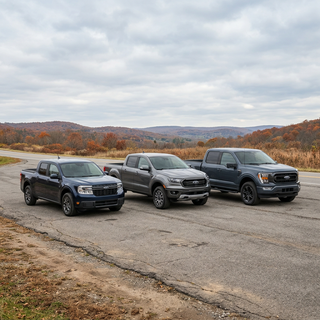
f

Which Ford Pickup Truck Should You Buy: Maverick, Ranger, or F-150?

Which Ford Pickup Truck Should You Buy: Maverick, Ranger, or F-150? You should buy the Ford Maverick if you want ultra-efficient daily commuting with light hauling, the Ford Ranger if you need balanced midsize muscle for towing recreational gear, or the Ford F-150 if maximum payload, full-size interior space, and heavy-duty trailering are non-negotiable requirements. Choosing the right truck depends on matching bed dimensions, towing limits, and daily driving costs to your specific lifestyle. Comparing pickup trucks across different size classes comes down to how you plan to use the vehicle every day. Compact, midsize, and full-size trucks each serve distinct driving demands, from navigating tight parking lots to pulling heavy machinery. The Ford pickup lineup provides a clear ladder of capability, allowing buyers to select exact towing ratings, cabin configurations, and bed lengths without paying for extra vehicle footprint they do not need. At Tri State Ford, our team helps drivers compare these three trucks side by side to evaluate cabin seating, bed utility, and highway performance in real-world conditions. Whether you need a fuel-sipping hybrid for daily cross-town drives or a high-capacity tow vehicle for work equipment, finding the right match starts with understanding key specs. You can easily plan your visit by getting directions to our dealership or giving our sales specialists a quick call at (330) 462-7578 to check current showroom availability. Table of Contents How Do Dimensions, Garage Fit, and Plywood Bed Capacity Compare Across Ford Truck Models? What Engine Options, Fuel Economy Ratings, and Tow Packages Are Available Across the Lineup? How Do Fully Loaded Maverick Prices and Long-Term Maintenance Costs Compare to the Ranger and F-150? Finding the Right Ford Truck Configuration for Your Needs Common Buyer Questions About the Ford Maverick, Ranger, and F-150 Test Drive and Finance Your Ford Maverick, Ranger, or F-150 How Do Dimensions, Garage Fit, and Plywood Bed Capacity Compare Across Ford Truck Models? The compact Ford Maverick measures roughly 200 inches long and fits easily in standard residential garages, while the midsize Ranger spans 211 inches and the full-size F-150 requires a larger bay at over 209 to 243 inches depending on cab setup. Neither the Maverick nor the Ranger can lay a 4x8 sheet of plywood flat between their wheel arches, but both utilize built-in bed slots and adjustable tailgate angles to carry sheet goods elevated above the wheel wells. Vehicle footprint is often the first deciding factor for buyers evaluating home garage space and daily maneuverability. The Maverick features an overall width of about 73 inches without mirrors and a height of 68 inches, making it as effortless to park in suburban tight spaces around Boardman as a midsize crossover. The Ranger increases width to roughly 76 inches and height to 74 inches, offering higher ground clearance while remaining garage-friendly for most standard home bays. By contrast, the full-size F-150 measures about 80 inches wide excluding mirrors, requiring wider parking spaces and a deep garage bay to park indoors comfortably. Interior dimensions reveal significant differences in passenger volume and second-row legroom across the three platforms: Ford Maverick: Offers 36 inches of rear legroom, providing comfortable seating for up to five passengers in a compact crew-cab layout. Ford Ranger: Delivers 35 inches of rear legroom with standard four-door seating, engineered for comfortable family trips and crew transport. Ford F-150: SuperCrew models lead the class with nearly 44 inches of rear legroom, delivering full-size executive stretch-out space for adult passengers. Bed cargo functionality varies directly with total length. The Maverick features a 4.5-foot bed with 33 cubic feet of volume, designed with multi-position tailgate supports that line up with internal bed side slots to balance 4x8 plywood sheets flat across the wheel wells. The Ranger carries a 5-foot bed providing increased cargo volume, while the F-150 offers 5.5-foot, 6.5-foot, and 8-foot bed options capable of laying 4x8 building materials flat across the floor between the wheel arches. Shoppers can start comparing physical bed layouts by exploring our new Ford inventory or reviewing single-owner pre-owned trucks available on our lot. What Engine Options, Fuel Economy Ratings, and Tow Packages Are Available Across the Lineup? The Ford Maverick delivers up to 42 mpg city with its standard 2.5-liter hybrid engine and reaches a 4,000-pound towing limit when spec'd with the optional 4K Tow Package. The Ranger offers a 2.3-liter EcoBoost producing 270 horsepower and tows up to 7,500 pounds with the Trailer Tow Package, while the F-150 tops out at 13,500 pounds of conventional towing and 2,440 pounds of payload when equipped with the 3.5-liter EcoBoost V6. Powertrain choices directly dictate how each truck balances fuel efficiency against heavy pulling power. The Maverick's standard 2.5-liter hybrid front-wheel-drive powertrain yields an EPA-estimated 42 mpg city, 35 mpg highway, and 38 mpg combined, making it an exceptional option for high-mileage commuters. Buyers seeking extra traction can opt for the 2.0-liter EcoBoost four-cylinder engine with all-wheel drive. Standard Maverick models feature a 2,000-pound towing capacity, but selecting the optional 4K Tow Package adds upgraded engine cooling, key axle gear ratios, and a trailer brake controller to double maximum towing capacity to 4,000 pounds. The midsize Ranger moves up to dedicated truck engines, featuring a standard 2.3-liter EcoBoost engine generating 270 horsepower and 310 lb-ft of torque paired with a 10-speed automatic transmission. Available engine upgrades include a 2.7-liter EcoBoost V6 and a high-output 3.0-liter EcoBoost V6 in the Ranger Raptor. Fuel economy for the 2.3-liter EcoBoost reaches up to 21 mpg city and 25 mpg highway. When equipped with the available Trailer Tow Package, the Ranger hauls up to 7,500 pounds, easily handling heavy ski boats, campers, and utility trailers. The full-size F-150 offers the broadest array of engine setups, ranging from efficient V6 engines to high-capacity V8s and hybrid options: 3.5-liter EcoBoost V6: Produces 400 horsepower and 500 lb-ft of torque, delivering maximum conventional towing up to 13,500 pounds when properly configured. Maximum Payload Capacity: Reaches up to 2,440 pounds on properly equipped configurations, perfect for heavy job site materials, gravel loads, and commercial slide-in equipment. Buyers researching pre-owned capability ratings can also inspect options by checking our certified pre-owned Ford inventory to find factory-inspected models equipped with towing packages. How Do Fully Loaded Maverick Prices and Long-Term Maintenance Costs Compare to the Ranger and F-150? A top-tier, fully loaded Ford Maverick Lariat AWD is available at MSRP, overlapping directly with entry to mid-level Ford Ranger pricing. Annual routine maintenance and repair costs average approximately $500 for a Maverick due to smaller fluid capacities, lighter braking components, and compact tires, whereas an F-150 averages roughly $788 per year. Price overlapping between top-tier compact trucks and mid-tier midsize trucks is a common consideration for buyers. A fully equipped Maverick Lariat featuring all-wheel drive, synthetic leather seating, advanced driver-assist systems, and the 4K Tow Package lands in a similar price bracket as a midsize Ranger XLT. Choosing between them comes down to prioritizing high-end interior luxuries and maximum fuel economy against higher raw towing capacity and greater ground clearance. Long-term ownership expenses also favor smaller truck platforms for everyday drivers: Ford Maverick Ownership Costs: Averages around $500 annually in routine maintenance. Compact tire sizes cost less to replace, fluid capacities are smaller during routine oil services, and lighter curb weight reduces wear on brake pads and suspension components. Ford F-150 Ownership Costs: Averages around $788 annually for repair and scheduled service. Larger tire footprints, heavy-duty brake rotors, high-capacity transmission and differential fluids, and larger engine oil capacities increase routine service totals over time. For local drivers navigating the rolling terrain around Calcutta near Beaver Creek State Park, a lightweight, efficient truck like the Maverick or Ranger keeps routine upkeep low while providing ample capability for weekend fishing trips and trail equipment hauling. Evaluating your current vehicle's market value is a great starting point when budgeting for a new truck, and you can quickly start by valuing your trade-in vehicle online. Finding the Right Ford Truck Configuration for Your Needs Selecting the ideal Ford truck configuration requires matching your primary daily driving demands with your heaviest weekly haul or weekend trailer load. Commuters seeking maximum efficiency should target a Maverick Hybrid, active outdoor enthusiasts will find the Ranger midsize footprint optimal, and contractors or heavy-equipment towers require the unmatched cab volume and payload of an F-150. To narrow down the choice, consider these common buyer profiles: The Daily Commuter and DIYer: The Ford Maverick is ideal if you commute long distances across state lines, need to park in suburban garages, and carry home improvement supplies, lawn equipment, or bicycles on weekends. The Outdoor Adventurer: The Ford Ranger fits drivers who need dedicated four-wheel-drive capability, ground clearance for off-road trails, and up to 7,500 pounds of towing capacity for midsize travel trailers or boat launches without the bulk of a full-size truck. The Heavy Hauler and Tradesperson: The Ford F-150 is necessary if you routinely haul heavy commercial payloads, tow livestock or enclosed equipment trailers over 8,000 pounds, or require maximum rear-seat room for adult passengers and crew members. Matching cab configurations, bed lengths, and optional tow packages ensures you purchase a truck that handles your toughest tasks without paying for unnecessary size. Commercial operators and business owners can view targeted specs by viewing available new work trucks in our inventory. Common Buyer Questions About the Ford Maverick, Ranger, and F-150 Q: What package is required for the Maverick to achieve its maximum 4,000 lb towing limit? The Maverick requires the optional 4K Tow Package paired with either the 2.0-liter EcoBoost engine or an all-wheel-drive powertrain. Standard models without this package are limited to a 2,000-pound towing capacity. The package adds heavy-duty engine cooling, a trailer hitch receiver with a seven-pin connector, upgraded drive axle gears, and an integrated trailer brake controller. Q: Can a 4x8 sheet of plywood fit flat in the bed of a Ford Ranger or Maverick? Neither the Maverick nor the Ranger allows a standard 4x8 sheet of plywood to lie completely flat on the bed floor between the rear wheel arches. However, both trucks feature molded bed slots and adjustable tailgate positioners designed specifically to secure 4x8 building materials elevated above the wheel wells for stable transport. The full-size F-150 can lay 4x8 sheets completely flat on the bed floor. Q: How much wider is the F-150 compared to the Ranger and Maverick? The F-150 measures approximately 80 inches wide excluding mirrors, making it roughly 4 inches wider than the midsize Ranger at 76 inches wide and nearly 7 inches wider than the compact Maverick at 73 inches wide. This extra width translates directly into wider shoulder room and greater center console storage inside the cabin, but requires more clearance when maneuvering in narrow parking bays. Q: Which Ford truck delivers the best fuel economy for daily highway driving? The Maverick equipped with the 2.5-liter hybrid powertrain leads the lineup with EPA estimates of 42 mpg city and 35 mpg highway. By comparison, a 2.3-liter EcoBoost Ranger achieves up to 25 mpg highway, while an F-150 yields up to 24 mpg highway depending on engine and axle configuration. Q: How long does an online credit application take to complete before visiting the showroom? Completing our secure pre-approval application online takes under ten minutes when you have basic income, employment, and identification details ready. Submitting your finance profile ahead of time accelerates your showroom visit and allows our team to present personalized loan or lease options immediately upon arrival. You can save time at the dealership by submitting an online credit application today. Test Drive and Finance Your Ford Maverick, Ranger, or F-150 Tri State Ford makes comparing the Maverick, Ranger, and F-150 straightforward with side-by-side inventory walkarounds and tailored financing options. Scheduling a test drive on our showroom floor allows you to evaluate cab comfort, bed accessibility, and road handling firsthand. Our finance specialists work with nationwide and local lenders to secure terms aligned with your household budget. Whether you plan to purchase a compact hybrid, lease a midsize Ranger, or build a heavy-duty F-150 work truck, our team guides you through every step of the sales process. Visit our sales floor at 1503 Pennsylvania Ave in East Liverpool to see all three trucks in person. You can get step-by-step driving directions by getting directions to our dealership, talk directly with a product expert by calling (330) 462-7578, or reserve your spot on the calendar when you schedule a personal test drive online. Keep Your Vehicle Running Strong Keep your vehicle performing at its best with our service team: Order Parts Schedule Service Appt © 2026 Tri State Ford. All rights reserved. Ford Pickup Truck Options in East Liverpool OH | Tri State Ford
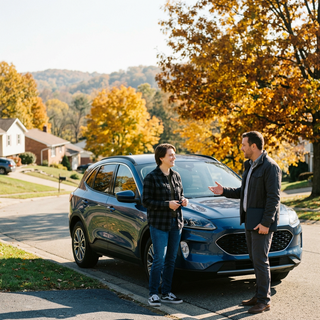
g

How Do You Choose the Right Used Car as a First-Time Buyer?

How Do You Choose the Right Used Car as a First-Time Buyer? The best used vehicle for a first-time buyer is a well-maintained compact car, crossover, or versatile small truck with between 60,000 and 100,000 miles, complete service records, and proven driver-assist safety systems. Choosing the right vehicle requires balancing realistic mileage limits, verifying past maintenance history, calculating total ownership expenses beyond the sticker price, and securing affordable financing tailored to your established budget. Navigating the pre-owned market for your first vehicle can feel overwhelming, but focusing on practical core capabilities keeps the process clear and straightforward. Compact vehicles like a pre-owned crossover or a versatile compact pickup like a used Ford Maverick offer easy maneuvering, practical interior room, and modern safety technology without the high price tag of a brand-new model. For daily travel across the riverfront bluffs and inland hills in East Liverpool, finding a vehicle that combines strong fuel efficiency with dependable handling gives new drivers long-term confidence behind the wheel. Evaluating individual condition and long-term operating costs is far more critical than simply shopping by model name alone. A properly maintained vehicle with slightly higher mileage often delivers greater reliability than a lower-mileage car that suffered from deferred maintenance or inconsistent care. Prioritizing vehicles equipped with standard driver-assist capabilities, thorough inspection reports, and transparent history records ensures your initial automotive investment remains safe, comfortable, and budget-friendly for years to come. When you are ready to explore reliable pre-owned options in person, you can easily visit our dealership showroom located at 1503 Pennsylvania Ave, East Liverpool, OH 43920 or reach out directly to our sales team at (330) 462-7578 to speak with a knowledgeable advisor. Table of Contents What Mileage Range and Maintenance History Should First-Time Car Buyers Look For? What Out-of-Pocket Costs and Fuel Differences Should You Expect Beyond the Sticker Price? How Can First-Time Buyers Secure Auto Financing with No Credit History? Which Safety Features Matter Most and How Do You Verify Vehicle Safety Systems? Common First-Time Buyer Questions About Used Vehicles and Financing Take the Next Step Toward Your First Vehicle at Tri State Ford What Mileage Range and Maintenance History Should First-Time Car Buyers Look For? A target mileage range between 60,000 and 100,000 miles offers the ideal sweet spot for first-time buyers by providing significant purchase price savings while retaining extensive remaining service life. Verifying comprehensive routine maintenance history is essential to ensure critical components like timing belts, cooling systems, and driveline fluids were serviced on schedule. Odometer mileage only tells part of a vehicle's story. A vehicle driven primarily on open highways accumulates far less mechanical wear per mile than one subjected to constant stop-and-go city driving. When evaluating potential vehicles, look for documented service records showing regular oil changes, tire rotations, and scheduled fluid flushes. Vehicles reaching the 100,000-mile mark typically require specific major service items, including spark plug replacements, coolant flushes, transmission fluid changes, and suspension component inspections. Confirming whether these key services have already been performed helps prevent unexpected maintenance expenses immediately following your purchase. Selecting a certified pre-owned vehicle provides an additional layer of security for first-time shoppers. Certified programs require vehicles to undergo rigorous multi-point mechanical and safety inspections before being offered for sale, ensuring that brakes, tires, steering linkage, and engine performance meet strict factory standards. These vehicles frequently include extended powertrain warranty coverage, offering invaluable peace of mind to buyers who want to avoid surprise repair costs during their first years of vehicle ownership. You can easily view our current selection of verified pre-owned options by exploring our certified pre-owned Ford inventory online. Our team notices that first-time buyers evaluating used vehicles usually inspect overall cabin room and daily utility before asking about specific financing terms. Vehicles such as a pre-owned Ford Escape or Ford Bronco Sport deliver excellent versatility for carrying active gear or commuting, making thorough maintenance verification even more valuable for long-term ownership. What Out-of-Pocket Costs and Fuel Differences Should You Expect Beyond the Sticker Price? First-time buyers should budget an additional 10% to 15% above the vehicle's agreed purchase price to cover essential out-of-pocket costs such as state sales tax, title transfer fees, license plate registration, and dealer documentation charges. Additionally, choosing between a compact sedan and a compact SUV can account for an annual fuel expenditure difference of $200 to $450 depending on driving habits and powertrain selection. Understanding the complete financial picture prevents costly surprises when finalizing your purchase. Beyond the initial transaction fees, ongoing ownership expenses include insurance premiums, seasonal maintenance, and daily fuel consumption. Insurance costs vary based on driver age, location, and the specific vehicle identification number, making it wise to request insurance estimates before committing to a purchase. Fuel economy plays a continuous role in your monthly budget. For daily driving around the rolling suburban terrain of State Route 170 in Calcutta, selecting an efficient powertrain significantly reduces operating expenses. A compact sedan typically achieves higher highway efficiency, but modern compact trucks and crossovers equipped with advanced hybrid tech close that gap effectively. For example, a Ford Maverick equipped with the standard 2.5-liter hybrid FWD setup delivers an EPA-estimated 42 mpg city and 35 mpg highway, providing exceptional efficiency alongside a practical 4-foot-5-inch pickup bed with about 33 cubic feet of cargo volume. Trading in an existing family vehicle is a practical strategy to offset these initial out-of-pocket costs and lower your required loan balance. You can get a clear picture of your current vehicle's worth right now when you value your trade online through our simple evaluation tool. How Can First-Time Buyers Secure Auto Financing with No Credit History? First-time buyers without established credit history can successfully secure auto financing by applying with a qualified co-signer, providing a down payment of 15% to 20%, and supplying proof of steady income and employment. Demonstrating financial stability through verifiable pay stubs and personal references gives auto lenders the confidence needed to approve competitive loan terms. Lacking an established credit score is a common challenge for young adults and first-time car buyers, but it does not have to stand in the way of purchasing a dependable used vehicle. Financing institutions look at the complete financial picture rather than a credit score alone. Bringing standard documentation—including recent pay stubs, utility bills verifying your physical residence, bank statements, and a valid driver's license—speeds up the approval process and demonstrates reliability to underwriters. Placing a larger down payment reduces the total amount borrowed, which lowers the lender's risk and directly decreases your monthly payment obligations. A substantial down payment also helps protect you against negative equity, ensuring that your loan balance stays aligned with the vehicle's resale value over time. Working with a dedicated automotive finance department allows you to explore multiple lending channels, including specialized first-time buyer programs designed specifically to help build positive credit history. Taking time to organize your documentation and calculate a comfortable monthly budget allows you to approach the purchase process with confidence. To review available financing options customized to your circumstances, you can complete our secure online credit application from home before visiting the dealership. Which Safety Features Matter Most and How Do You Verify Vehicle Safety Systems? Essential safety features for first-time car buyers include electronic stability control, anti-lock brakes, side-curtain airbags, and active driver-assist technologies such as pre-collision assist with automatic emergency braking and blind-spot monitoring. Verifying that these systems operate properly requires checking dashboard indicator lights during engine startup, running a diagnostic scan, and completing a thorough test drive. Modern safety technology significantly reduces collision risks for newer drivers. Features like electronic stability control —which became mandatory on all light passenger vehicles starting in the 2012 model year—help prevent skids and loss of control in adverse weather conditions. Advanced driver-assist systems utilize forward-facing cameras and radar sensors to monitor traffic patterns, alert drivers to potential hazards, and apply braking force automatically if an impact is imminent. When shopping for a pre-owned Ford Bronco Sport or Ford Escape, verifying the inclusion of Ford Co-Pilot360 tech gives drivers enhanced awareness on busy roadways. Testing and inspecting safety systems is a vital step in the used car shopping process. During your initial walkaround and test drive, ensure that all dashboard warning lights turn on briefly when the ignition key is turned to the ON position and extinguish once the engine runs. If warning lights like the ABS or airbag indicator remain illuminated, the system requires professional diagnosis. Furthermore, camera and radar sensors mounted behind the windshield or front grille must be clean and properly aligned; windshield replacements or prior body repairs can sometimes require system recalibration. If you decide that a factory-fresh model with the very latest active safety technology best fits your needs, you can explore specialized options like a new vehicle custom order directly through our team. You can also review current inventory and contact our team for up-to-date pricing and availability. Common First-Time Buyer Questions About Used Vehicles and Financing Q: What additional out-of-pocket fees should buyers budget for beyond the car purchase price? In many states, additional fees like sales tax and registration can add up to 15% more than the vehicle's sticker price, a crucial factor for first-time buyers to consider. These administrative costs are separate from the vehicle price and are standard across automotive purchases. Factoring these figures into your total budget early ensures a smooth financing process without unexpected upfront payment demands at signing. Q: What major maintenance services are typically needed around 100,000 miles? At 100,000 miles, standard maintenance schedules typically require replacing spark plugs, performing a cooling system flush, replacing transmission fluid, and inspecting brake lines, belts, and suspension components. On vehicles equipped with a timing belt, replacement is usually mandated around this interval to prevent severe engine damage. Verifying whether a pre-owned vehicle has already undergone these scheduled services helps you avoid immediate maintenance bills after purchase. Q: How do annual routine maintenance costs compare between popular compact models? Annual routine maintenance costs for mainstream compact sedans and crossovers are very comparable, generally averaging between $350 and $450 per year for standard items like synthetic oil changes, tire rotations, air filter replacements, and brake pad service. Choosing a vehicle with widely available OEM parts keeps routine upkeep simple and affordable over years of ownership. Q: What is the annual fuel cost difference between a compact sedan and a compact SUV? A compact crossover typically uses between 10% and 20% more fuel than a traditional compact sedan due to its higher ride height, elevated aerodynamic drag, and increased curb weight. Driving 15,000 miles per year usually results in higher annual fuel costs for the crossover, though modern hybrid options can reduce that difference. Q: How can a buyer verify if a used vehicle driver-assist system is functioning properly? Buyers can verify system function by ensuring all diagnostic lights illuminate during startup and turn off completely once running, conducting a diagnostic code scan with an OBD-II tool, and testing blind-spot and lane-keeping features on a test drive. Choosing certified pre-owned vehicles or requesting a professional pre-purchase inspection confirms that sensor calibration and safety modules operate according to original factory specifications. To compare pre-owned selections against factory-fresh inventory options, feel free to explore new Ford lineup options or browse our current inventory of pre-owned single-owner vehicles to find the best fit for your budget. Take the Next Step Toward Your First Vehicle at Tri State Ford Finding the ideal first vehicle comes down to selecting a reliable, well-maintained model that fits your lifestyle and monthly budget without unexpected ownership expenses. Whether you choose an efficient compact truck, a practical crossover, or a reliable pre-owned sedan, taking a methodical approach to mileage, safety verification, and credit approval ensures complete confidence in your decision. Our experienced team is here to guide you through every step of the purchasing process with zero pressure, helping you compare models, explore flexible auto financing options, and find the right vehicle for your daily drive. You can get simple driving route details to visit our showroom by pulling up our dealership directions online, or give our sales staff a quick call today to schedule your first test drive. Keep Your Vehicle Running Strong Keep your vehicle performing at its best with our service team: Order Parts Schedule Service Appt © 2026 Tri State Ford. All rights reserved. Used Cars for First-Time Buyers in East Liverpool OH | Tri State Ford
f

Is a Used AWD Car Worth Buying Over FWD?

A used AWD car is worth buying over FWD if you frequently drive on icy, snowy, or unpaved roads where four-wheel traction helps you accelerate without slipping. For drivers operating primarily on dry or treated paved roads, a used FWD vehicle provides superior fuel economy, lower upfront purchase costs, and lower long-term maintenance expenses. Choosing between all-wheel drive and front-wheel drive on the pre-owned market comes down to weighing physical mechanical advantages against overall ownership expenses. Front-wheel-drive vehicles package the engine and transmission over the front driven wheels, creating a lighter layout that maximizes interior cabin room while delivering efficient performance. All-wheel-drive systems build upon this layout by adding a transfer case, drive shaft, and rear differential to route engine torque to all four wheels when sensors detect slippage. On the pre-owned market, an AWD system typically adds a price premium between $1,000 and $2,500 compared to an equivalent FWD model. Furthermore, the additional mechanical components add 150 to 300 pounds of curb weight, which lowers fuel efficiency by 1 to 3 mpg depending on the vehicle class. At Tri State Ford, our team helps you evaluate your driving routines to select the right drivetrain for your household. You can drop by our showroom at 1503 Pennsylvania Ave to inspect our pre-owned lineup in person, give our sales department a quick call at (330) 462-7578 to ask about current arrivals, or fill out an online credit application to get pre-approved before your visit. Table of Contents What Is the Main Difference Between AWD and FWD in a Used Vehicle? Does AWD Make a Used Car Safer on Winter Roads and Heavy Snow? How Much More Does a Used AWD Car Cost Compared to FWD? What Additional Maintenance Components and Towing Capabilities Come with AWD? When Does Used AWD Make More Sense for Driving Around East Liverpool? Common Questions About Buying a Used AWD or FWD Vehicle What Is the Main Difference Between AWD and FWD in a Used Vehicle? The primary difference between AWD and FWD in a used vehicle lies in mechanical torque distribution: FWD routes engine power strictly to the front two wheels via a transaxle, whereas AWD uses a transfer case, center coupling, and rear differential to route power dynamically to all four wheels when traction loss is detected. In a front-wheel-drive configuration, the front tires bear responsibility for both steering the vehicle and putting engine power onto the pavement. This consolidated layout eliminates the need for a long drive shaft running to the back of the vehicle, which reduces curb weight and allows engineers to design flat interior floorboards with generous passenger legroom. Because FWD drivetrains feature fewer moving parts, they suffer less mechanical friction, contributing to strong everyday fuel economy. All-wheel-drive drivetrains monitor wheel speed continuously through electronic sensors. When the front wheels lose traction on wet leaves, mud, or snow, an electronically controlled clutch pack or viscous coupling engages within milliseconds to send engine torque to the rear axle. Advanced systems can vary torque delivery continuously between front and rear axles to optimize cornering stability even on dry pavement. Pre-owned Ford crossovers demonstrate these drivetrain differences clearly: The 2026 Ford Escape Active AWD utilizes a 1.5L EcoBoost® engine producing 180 hp and 199 lb-ft of torque mated to an automatic 8-speed transmission, providing active four-wheel grip during inclement weather. Front-wheel-drive variants of the same crossover deliver lighter curb weights and lower initial purchase points. Higher-tier models like the Ford Escape ST-Line Elite AWD equip a 2.0L EcoBoost® engine yielding 250 hp and 280 lb-ft of torque through a SelectShift® automatic transmission for responsive passing power. Truck options such as the 2026 Ford Maverick offer a 2.5L hybrid powertrain in both FWD and AWD configurations, giving pre-owned buyers freedom to choose between maximum efficiency or four-wheel traction. When shopping for pre-owned crossovers or trucks, you can explore pre-owned single-owner models for documented maintenance histories, check current manufacturer vehicle offers for incentives, or review custom order options if you prefer ordering a brand-new vehicle built to your exact specifications. Does AWD Make a Used Car Safer on Winter Roads and Heavy Snow? All-wheel drive enhances winter safety primarily during acceleration and hill climbing by engaging four contact patches to prevent wheel spin on snow and ice. However, AWD does not reduce braking distances or improve cornering grip on slick pavement, as stopping performance depends entirely on tire tread compound and braking technology. Many drivers assume that an AWD badge guarantees total winter immunity, but four-wheel propulsion only assists in getting a vehicle moving from a stop or keeping momentum through slush and unplowed drifts. When you apply the brakes on an icy road, every modern vehicle uses four-wheel braking regardless of its drivetrain configuration. Consequently, an AWD crossover and a FWD sedan equipped with identical tires will take the same distance to come to a complete stop from highway speeds. Modern active safety features work alongside physical drivetrains to maintain vehicle stability: Ford Co-Pilot360™ combines Electronic Stability Control, Anti-lock Braking Systems, and traction management to correct directional skids before they escalate. Midsize SUVs like the 2026 Ford Explorer feature Intelligent 4WD paired with the Terrain Management System™, offering a dedicated Slippery drive mode that adjusts throttle mapping and transmission shift points for snow-covered roads. Off-road capability increases further on models like the 2026 Ford Bronco Sport Badlands, which equips Advanced 4x4 technology with a twin-clutch rear drive unit to send power to individual rear wheels. For commuters tackling elevated routes across Calcutta, where sudden winter lake-effect bursts create slushy hill climbs along State Route 170, active four-wheel traction provides valuable confidence when pulling out into traffic. To ensure complete peace of mind when navigating seasonal weather, buyers can browse our certified pre-owned inventory to find rigorously inspected vehicles backed by factory warranty coverage. How Much More Does a Used AWD Car Cost Compared to FWD? On the pre-owned market, an AWD vehicle costs between $1,000 and $2,500 more upfront than an equivalent FWD model of the same year, trim, and mileage. Beyond the initial purchase price, AWD models carry a 1 to 3 mpg fuel economy penalty and slightly higher long-term maintenance costs. The overall financial calculation between FWD and AWD involves three distinct factors: Upfront Purchase Price: All-wheel-drive models command higher resale values on used car lots because regional demand for winter-capable vehicles remains strong. Fuel Costs Over Time: Because an AWD system adds 150 to 300 pounds of drivetrain mass and creates additional rotational drag, it consumes slightly more fuel per mile. For example, while a 2026 Ford Escape Platinum AWD Hybrid achieves an EPA-estimated 39 mpg combined, FWD hybrid variants often gain 1 to 2 extra miles per gallon. Resale and Trade-In Equity: While you pay more for AWD initially, you recover a significant portion of that investment when trading the vehicle in years later, as pre-owned buyers in cold climates prioritize four-wheel traction. Evaluating these ownership costs helps you select a vehicle that fits your monthly household budget. If you plan to upgrade from your current vehicle, you can utilize our online trade-in valuation tool to receive an instant appraisal estimate that can be applied directly toward your down payment. What Additional Maintenance Components and Towing Capabilities Come with AWD? An AWD drivetrain requires periodic fluid servicing for the transfer case and rear differential unit, alongside regular inspections of additional CV boots, universal joints, and center drive shafts. For towing, AWD delivers superior launch traction on steep or slippery ramps, though overall towing capacity is determined by chassis structure, engine cooling, and suspension design. Maintaining an all-wheel-drive vehicle involves servicing several mechanical components that do not exist on front-wheel-drive cars: Transfer Case / Power Transfer Unit (PTU): Takes engine torque from the transaxle and routes it backward to the rear drive shaft. The gear oil inside requires periodic replacement to prevent thermal breakdown. Rear Differential Assembly: Converts the longitudinal rotation of the drive shaft into lateral rotation for the rear axle shafts. Like the PTU, its gear fluid must be changed according to manufacturer maintenance intervals. Drive Shaft and CV Axles: Four axle shafts and a multi-piece drive shaft utilize flexible rubber boots to protect universal joints from road debris and salt corrosion. Tire Matching Requirements: All four tires on an AWD vehicle must share matching tread depth and overall diameter. Replacing only one or two worn tires creates rotational speed variances that put continuous mechanical stress on the center transfer case. Families comparing pre-owned crossovers on our lot often ask whether all-wheel drive adds noticeable maintenance costs before learning that differential fluid exchanges occur at extended factory intervals. When it comes to trailering, all-wheel drive provides a major advantage when pulling heavy loads from a standstill on low-traction surfaces. Pulling a small fishing boat up a slippery, algae-covered concrete launch ramp or hauling a utility trailer over wet gravel tracks causes front tires on a FWD vehicle to spin helplessly. AWD engages all four wheels immediately, preventing wheel spin and providing smooth, controlled momentum. However, maximum total tow weight remains governed by chassis ratings, engine output, and cooling capacity rather than drivetrain layout alone. When Does Used AWD Make More Sense for Driving Around East Liverpool? East Liverpool's steep riverfront bluffs and frequent winter snowfalls make AWD vehicles particularly advantageous for local drivers facing challenging road conditions. FWD remains ideal if your route consists mostly of flat, well-maintained arterial roads where fuel savings take priority. The topography along the Ohio River corridor features sharp elevation shifts and winding bluff climbs that become treacherous during winter snowstorms or freezing rain. Accelerating up a steep, icy grade in a front-wheel-drive car transfers vehicle weight toward the rear wheels, lifting weight off the front drive tires and reducing available traction. An all-wheel-drive system solves this issue by transferring torque to the rear axle, taking advantage of that weight transfer to push the vehicle smoothly up the incline. Pre-owned Ford crossovers excel in these riverfront environments: Compact options like a pre-owned Ford Escape Active AWD deliver agile urban handling paired with automatic foul weather traction. Midsize crossovers like a pre-owned Ford Edge provide a heavier curb weight and wider stance that stabilize the chassis during high-wind river crossings. Three-row models like the Ford Explorer offer standard rear-wheel-drive balance with available Intelligent 4WD, ensuring plenty of passenger room and towing strength for weekend trips along the river. If your daily driving consists primarily of flat, well-plowed highway stretches, a front-wheel-drive model equipped with quality tires provides dependable service while maximizing fuel economy. If your routine requires climbing steep side streets before snowplows arrive, investing in a pre-owned AWD model is a practical decision. Common Questions About Buying a Used AWD or FWD Vehicle Q: Does an AWD system add significant weight to a pre-owned vehicle? An AWD system typically adds 150 to 300 pounds to a vehicle's curb weight due to the transfer case, rear differential, drive shaft, and rear axle shafts. This extra mass slightly reduces fuel efficiency by 1 to 3 mpg compared to a front-wheel-drive counterpart. Q: Can you put two new tires on an AWD car instead of four? Replacing only two tires on an AWD vehicle is not recommended because uneven tire circumference forces the center differential or clutch pack to slip continuously. This rotational speed variance causes mechanical strain, elevated operating temperatures, and potential transfer case failure. Q: Is FWD sufficient for light snow if the vehicle has good winter tires? A FWD vehicle equipped with dedicated winter tires frequently outperforms an AWD vehicle on all-season tires when stopping and turning on snow. Dedicated winter rubber compounds remain flexible in sub-freezing temperatures, providing essential tread grip for everyday winter commutes. Q: Does AWD increase maximum towing capacity over FWD? All-wheel drive does not automatically increase a vehicle's maximum tow rating, as total capacity depends on frame strength, engine torque, transmission cooling, and brake size. However, AWD provides crucial launch traction when pulling a trailer up steep, wet, or unpaved inclines. Q: What documentation is required when financing a used AWD vehicle at the dealership? Buyers applying for pre-owned vehicle financing should bring a valid driver's license, recent pay stubs or proof of income, a utility bill for address verification, and a current auto insurance quote. Gathering these documents in advance helps our finance team process your credit approval quickly. When you are ready to explore pre-owned crossovers or compare new models in person, our team at Tri State Ford is here to guide you through every step of the buying process. You can visit our East Liverpool dealership to test drive our pre-owned selection, call us directly at (330) 462-7578 to speak with a sales specialist, or browse our new Ford models online to see the latest four-wheel-drive technology today. Keep Your Vehicle Running Strong Keep your vehicle performing at its best with our service team: Order Parts Schedule Service Appt © 2026 Tri State Ford. All rights reserved. Used AWD vs FWD Cars in East Liverpool OH | Tri State Ford
f

Should You Choose OEM or Aftermarket Parts for Vehicle Repairs?

Original Equipment Manufacturer (OEM) parts are manufactured directly by or for the vehicle automaker to meet exact factory specifications, dimensions, and material standards. Aftermarket parts are built by third-party companies with varying levels of quality and fitment. Choosing OEM replacement parts guarantees flawless fit, structural integrity, and full factory warranty protection without guesswork, making them the recommended option for mechanical performance and long-term vehicle dependability. When maintaining or repairing a vehicle, component quality directly impacts safety, vehicle operation, and long-term durability. Original Equipment Manufacturer components are identical to the original components installed on the vehicle during initial factory assembly. Because they are engineered specifically for precise vehicle dimensions, installing factory parts eliminates fitment issues and protects crucial mechanical systems. Drivers can confirm part specifications by contacting our service team or visiting our service center location. Aftermarket alternatives often present lower initial costs, but they are built to universal standards to accommodate multiple vehicle makes and model variations. This generalized approach can lead to minor design variations, slight clearance discrepancies, and inconsistent material strength. Over time, these small differences can cause premature component wear, reduced fuel efficiency, or unwanted noise and vibration. Selecting genuine replacement components preserves factory engineering integrity and safeguards ongoing warranty coverage. Vehicle owners looking to maintain top mechanical performance can start by giving a quick call to our service advisors or conveniently scheduling a service appointment online. Table of Contents What Is the Difference Between OEM and Aftermarket Parts? Why Are OEM Parts More Expensive, and What Design Advantages Do They Offer? Which Auto Components Are Best Purchased as OEM Rather Than Aftermarket? Do Insurance Policies Cover OEM Replacement Parts After an Accident? How Do Aftermarket Parts Affect Vehicle Warranties and Emissions Compliance? Common Questions About OEM and Aftermarket Parts Protect Your Vehicle with Genuine Factory Parts at Tri State Ford What Is the Difference Between OEM and Aftermarket Parts? OEM parts are manufactured using the exact specifications, tooling, and materials designated by the original vehicle automaker, ensuring an identical match to factory components. Aftermarket parts are produced by independent companies that create non-factory alternatives, often modifying structural designs or material compositions to lower manufacturing costs or fit a broader spectrum of vehicles. Understanding the technical distinctions between these two manufacturing approaches helps vehicle owners make informed repair choices. The primary differences involve manufacturing standards, testing protocols, component fitment, and ongoing support: Engineering and Specifications: OEM components, such as Motorcraft parts engineered for Ford and Lincoln vehicles, adhere strictly to initial factory blueprints. Aftermarket manufacturers develop parts through reverse engineering, which can introduce subtle dimensional variances. Quality Control and Testing: Factory replacement parts undergo rigorous multi-stage laboratory testing and real-world durability evaluations. Third-party aftermarket components vary widely in quality control, with some lacking formal testing certification. Selection Process: Choosing factory components is straightforward because there is typically only one designated part for a specific vehicle year, trim, and engine configuration. Selecting aftermarket parts requires evaluating dozens of competing brands with differing specifications. Warranty Backing: Genuine factory parts come backed by comprehensive manufacturer warranty terms, whereas aftermarket warranties depend entirely on individual third-party suppliers. Drivers navigating the moderately elevated terrain and rolling hills around Calcutta benefit from replacement parts engineered specifically to handle original chassis loads without premature wear. Factory parts preserve original vehicle dynamics, safety systems, and towing capabilities. Buyers exploring custom builds or specialized options can also review our custom factory build options to learn more about original component configurations. Why Are OEM Parts More Expensive, and What Design Advantages Do They Offer? OEM parts carry a higher price tag because their cost includes initial vehicle engineering development, extensive safety crash testing, precise tooling, and strict quality control licensing. Aftermarket manufacturers avoid these upfront research and development expenses, allowing them to offer lower purchase prices by utilizing lower-grade materials or broad-fitment designs. The price differential reflects significant engineering advantages that benefit the driver over the lifespan of the vehicle: Component Factor OEM Replacement Parts Generic Aftermarket Parts Material Standards High-grade alloys, precise polymer blends Variable material grades Dimensional Fit Exact factory tolerances Multi-vehicle compromise fit Electronic Calibration Plug-and-play factory programming Potential calibration errors Warranty Protection current warranty coverage Variable (often limited terms) Resale Value Impact Preserves original vehicle value May diminish trade-in value Factory replacement parts deliver guaranteed fitment and seamless system integration, eliminating the trial-and-error often associated with third-party components. For example, Motorcraft replacement parts carry a current warranty coverage that includes labor coverage, offering substantial long-term financial security. Investing in genuine components also maintains vehicle resale value and vehicle history appeal. Maintaining comprehensive factory maintenance records with original components helps preserve trade equity, which owners can evaluate anytime using our instant value appraisal tool. Which Auto Components Are Best Purchased as OEM Rather Than Aftermarket? Complex electrical sensors, structural body collision panels, engine control units, ignition modules, and internal transmission components yield the highest benefit when purchased as OEM parts due to their strict integration requirements. While minor cosmetic items or basic wear accessories may be suitable for aftermarket selection, critical mechanical and electronic systems require exact factory specifications to operate safely. Components that should always be replaced with genuine factory parts include: Advanced Driver-Assist Sensors: Modules supporting blind spot monitoring, lane-keeping assistance, adaptive cruise control, and pre-collision braking require exact factory housing dimensions and radar signal transmission values. Powertrain Control Modules: Engine control units and transmission solenoids rely on proprietary software architecture that aftermarket modules frequently fail to replicate accurately. Collision and Body Panels: Crumple zones, high-strength steel crossmembers, and aluminum body panels are engineered to absorb impact energy in accordance with federal motor vehicle safety standards. Internal Engine Components: Timing chains, head gaskets, and fuel injectors demand exact thermal expansion characteristics and pressure tolerances. When vehicle owners ask our technicians about replacing complex sensors, our advisors see that trying to clear error codes with uncalibrated third-party modules usually leads to secondary diagnostic visits. Using genuine factory components ensures that critical vehicle systems communicate seamlessly without triggering false dashboard alerts or unexpected system failures. Do Insurance Policies Cover OEM Replacement Parts After an Accident? Standard auto insurance policies typically cover aftermarket or reconditioned repair parts by default following an accident, unless the policyholder has purchased an optional OEM parts endorsement rider. Insurance providers often select non-factory or reconditioned collision components to minimize total claim settlement costs. Understanding insurance coverage details helps vehicle owners protect their vehicle integrity during accident recovery: Policy Terms: Standard comprehensive and collision coverage policies specify that repairs may utilize "like kind and quality" parts, which typically means certified aftermarket components. OEM Parts Endorsement: Many insurance carriers offer an optional policy add-on that explicitly guarantees the use of brand-new original manufacturer components for covered repairs. State Regulations: State guidelines vary regarding collision repair disclosures, often requiring body shops to notify owners if non-OEM parts are listed on the repair estimate. Out-of-Pocket Options: If an insurance estimate specifies generic aftermarket body panels, policyholders can choose to pay the price difference out of pocket to receive genuine factory sheet metal and lighting assemblies. Drivers along the Ohio River corridor in East Liverpool who face collision repairs after severe riverfront weather should review their policy riders to ensure structural body panels are replaced with genuine factory sheet metal. Owners or repair facilities looking for authentic replacement components can streamline collision repairs by ordering genuine OEM parts online. How Do Aftermarket Parts Affect Vehicle Warranties and Emissions Compliance? Under federal regulations, installing an aftermarket part does not automatically void a vehicle warranty or emissions coverage, but warranty claims for secondary damage caused by a failed third-party component can be legally denied. Automobile manufacturers cannot cancel an overall vehicle warranty simply because non-factory components are installed, but they are not obligated to cover repairs for failures directly linked to those parts. Federal regulations set clear parameters for emissions compliance and warranty enforcement: Emissions Performance Warranty: Under 40 CFR 85.2105, a manufacturer may deny an emissions warranty claim involving an uncertified aftermarket part only if it demonstrates that the component directly caused the vehicle to fail emissions standards. Aftermarket Part Certification: Under 40 CFR 85.2117, certified aftermarket emissions components must be backed by their respective manufacturers to ensure proper function without exceeding federal emissions thresholds. Secondary Mechanical Damage: If an uncertified aftermarket oil filter collapses and causes oil starvation, engine repairs will not be covered under the manufacturer warranty. Magnuson-Moss Warranty Act: This federal law protects consumers by requiring automakers to prove that an aftermarket component caused a failure before denying warranty coverage for that specific repair. Maintaining complete service documentation and using factory-certified components prevents warranty disputes and keeps emissions systems operating at peak efficiency. Drivers seeking guidance on vehicle maintenance can get directions to our East Liverpool service center, learn more by calling our service experts at (330) 462-7578, or save on essential maintenance by exploring our current service specials. Common Questions About OEM and Aftermarket Parts Q: Will using an aftermarket oil filter or air filter void my original vehicle warranty? A: Installing an aftermarket filter does not void your vehicle warranty. Under federal law, automakers cannot deny warranty coverage simply because a non-factory filter was used. However, if a low-quality aftermarket filter fails mechanically and causes internal engine damage, the cost to repair that secondary damage will not be covered under the manufacturer warranty. Q: What warranty coverage comes with genuine Motorcraft replacement parts? A: Genuine Motorcraft replacement parts feature a current warranty coverage that includes both part replacement and labor coverage when installed at an authorized service center. This coverage provides complete protection without mileage limits, giving vehicle owners reliable long-term peace of mind. Q: How can I verify whether my auto insurance policy pays for original factory parts after a crash? A: You can verify your coverage level by reviewing your auto insurance declaration page or contacting your insurance agent directly. Look specifically for an OEM parts coverage endorsement rider, which guarantees that collision repair estimates specify brand-new factory replacement components rather than reconditioned or third-party body panels. Q: What does CAPA certification mean on an aftermarket collision component? A: CAPA (Certified Automotive Parts Association) certification indicates that an aftermarket body panel, bumper, or lighting assembly has undergone independent laboratory testing. This testing verifies that the part's fit, structural integrity, and corrosion resistance closely match factory standards, offering a higher quality baseline than uncertified generic parts. Q: What happens if an aftermarket part causes damage to a major vehicle component? A: If an aftermarket component fails and damages an adjacent factory system, the vehicle manufacturer will deny warranty coverage for the resulting repairs. The vehicle owner must then seek compensation directly from the aftermarket part manufacturer or pay for the required mechanical repairs out of pocket. Protect Your Vehicle with Genuine Factory Parts at Tri State Ford Choosing genuine factory replacement parts is the best way to safeguard your vehicle's performance, safety systems, and long-term resale value. While generic options may appear budget-friendly initially, OEM components eliminate fitting guesswork and deliver backed durability with comprehensive warranty coverage. Our certified service team uses authentic factory parts engineered specifically for your model to ensure smooth operation on every drive. Contact our service advisors today to discuss your maintenance needs or order factory-direct components for your next service visit. © 2026 Tri State Ford. All rights reserved. OEM vs Aftermarket Auto Parts in East Liverpool OH | Tri State Ford
x

Which Used Vehicles Are Best for Ohio Valley Winters?

The best used vehicles for Ohio Valley winters are compact and midsize all-wheel-drive crossovers and four-wheel-drive trucks, led by models like the Ford Bronco Sport, Ford Explorer, Subaru Outback, and Ford F-150. These vehicles deliver essential winter traction, at least 7 to 8 inches of ground clearance to clear unplowed drifts, and active driver-assist technology necessary for handling freezing rain, slush, and icy river-valley inclines. Navigating cold weather requires a vehicle that balances sure-footed mechanical capability with passenger comfort and daily practicality. Crossovers like the pre-owned Ford Edge and Ford Bronco Sport provide versatile all-wheel drive systems that automatically engage when road sensors detect wheel slippage. For larger families requiring third-row seating, cargo space, and serious hauling muscle, midsize and full-size options like the Ford Explorer offer Intelligent 4WD and robust towing capacity to haul trailers or equipment through deep snow. Selecting the right used car or truck means looking beyond basic drivetrain labels. High ground clearance prevents vehicles from getting hung up on deep snow ruts, while modern driver-assist features like electronic stability control and blind-spot monitoring help maintain steering control on slick pavement. Having ample space for the whole family along with winter comfort features like heated front seats, remote start, and smartphone integration ensures every cold-weather commute remains stress-free. At Tri State Ford, our pre-owned inventory features thoroughly inspected SUVs and trucks engineered to handle freezing temperatures and challenging roads. You can explore current manufacturer vehicle offers online, speak directly with our sales team at (330) 462-7578, or stop by our showroom on Pennsylvania Avenue to test drive a winter-ready vehicle today. Table of Contents What Drivetrain and Ground Clearance Features Work Best on Snowy Ohio Valley Roads? Does Adding All-Wheel Drive Significantly Increase the Purchase Price of a Used Vehicle? How Does the Subaru Outback Compare to the Honda CR-V for Winter Driving in East Liverpool? What Essential Safety Features and Winter Tire Timing Keep Drivers Secure? Frequently Asked Questions About Used Winter Vehicles Find Your Next Winter-Ready Vehicle at Tri State Ford What Drivetrain and Ground Clearance Features Work Best on Snowy Ohio Valley Roads? Full-time all-wheel drive (AWD) and selectable four-wheel drive (4WD) paired with a minimum ground clearance of 7 to 8 inches offer the strongest traction and drift clearance on winter roads. Drivetrain systems that proactively distribute engine torque across all four wheels before slippage occurs maintain momentum through heavy slush, unplowed side streets, and freezing rain. Mechanical power delivery determines how a vehicle reacts when surface grip drops unexpectedly. Automatic AWD continuously monitors wheel speed, throttle position, and steering angles to route power where grip exists. For heavier towing tasks and deep snow, selectable 4WD systems lock the front and rear axles together to deliver maximum push through difficult terrain. Ground clearance plays an equally vital role in preventing vehicles from becoming stuck. Standard sedans with less than 6 inches of ride height act like snowplows in deep drifts, packing snow under the chassis until the drive wheels lose contact with the road. Elevated ride heights prevent this high-centering effect: Ford Bronco Sport: Features up to 8.8 inches of ground clearance when equipped with available all-terrain tires, alongside standard G.O.A.T. Modes including Slippery mode to modulate throttle sensitivity on ice. Ford Explorer: Built with standard Intelligent 4WD on rugged trims like the Tremor, combining elevated clearance with selectable terrain management settings. Ford Edge: Offers standard AWD with an elevated seating position, combining car-like handling with SUV snow clearance. The gently rolling suburban hills and elevated neighborhood streets around Calcutta present sharp elevation changes during winter storms, making high clearance and quick-reacting AWD essential for climbing driveways and navigating icy state routes. Commercial buyers and property owners needing commercial hauling capability during winter months can also check our used Ford F-Series work truck inventory or browse our certified pre-owned Ford lineup for factory-backed peace of mind. Does Adding All-Wheel Drive Significantly Increase the Purchase Price of a Used Vehicle? Adding all-wheel drive can increase the purchase price of a used vehicle compared to a front-wheel-drive model of similar age and mileage. However, that upfront premium is largely recovered at trade-in because pre-owned AWD crossovers and trucks retain significantly higher resale value in northern winter climates. While a higher initial price tag requires a modest adjustment in budgeting, buyers gain substantial long-term value through improved safety, reduced risk of winter accidents, and stronger overall demand when it comes time to sell. In cold-weather regions, used front-wheel-drive vehicles depreciate faster on secondary markets, whereas AWD models remain sought after year-round. When buyers compare pre-owned SUVs on our lot, they frequently ask whether the AWD price bump pays for itself over time. Our sales specialists point out that the combination of retained equity at trade-in, superior winter traction, and lower accident risk makes AWD one of the most cost-effective feature upgrades a driver can choose. To help balance your initial investment, flexible auto financing solutions can help tailor a plan to your needs. Shoppers considering either a late-model pre-owned vehicle or a brand-new Ford inventory option can fill out our secure online credit application and calculate their current vehicle's worth using our simple KBB trade-in valuation tool before visiting the dealership. How Does the Subaru Outback Compare to the Honda CR-V for Winter Driving in East Liverpool? The Subaru Outback delivers superior deep-snow and icy incline performance over the Honda CR-V due to its continuous Subaru Symmetrical AWD and standard 8.7 inches of ground clearance. While the Honda CR-V offers high fuel efficiency and a comfortable interior, its slip-activated Real-Time AWD system delays power transfer until wheel spin is detected. Evaluating these two popular pre-owned crossovers highlights key differences in mechanical design and winter handling: Feature Subaru Outback Honda CR-V AWD System Type Continuous Symmetrical AWD Slip-Activated Real-Time AWD Ground Clearance 8.7 inches 7.8 to 8.2 inches Incline Power Transfer Proactive / Always Active Reactive / Post-Slip Deep Snow Traction Excellent Moderate The steep riverfront bluffs and winding hills throughout East Liverpool demand immediate torque delivery when starting from a full stop on icy grades. The Outback's continuous AWD keeps mechanical power applied to all four wheels constantly, preventing dangerous backward slide on frozen hills. In contrast, the CR-V's front-wheel-bias system must detect front tire slippage before routing hydraulic pressure to the rear wheels, which can cause brief wheel spin on slick pavement. For buyers who want an alternative crossover with robust winter engineering, pre-owned Ford models bridge this gap effectively. The Ford Bronco Sport matches top-tier ground clearance with up to 8.8 inches and provides targeted terrain driving modes, while the Ford Explorer adds midsize passenger room, an available 3.5L EcoBoost V6 or 2.3L EcoBoost engine, superior towing capacity, and standard Intelligent 4WD. What Essential Safety Features and Winter Tire Timing Keep Drivers Secure? Essential winter safety features include Electronic Stability Control, Anti-lock Braking Systems, heated exterior mirrors, and active driver-assist features like lane-keeping assist and automatic emergency braking. Drivers in eastern Ohio should install dedicated winter tires in mid-to-late November when average temperatures consistently drop below 45°F, switching back to all-season tires in early April. Modern safety technology relies on a combination of mechanical chassis control and optical sensors. Features like Ford Co-Pilot360 continuously scan surrounding traffic to assist drivers during low-visibility snowstorms. However, Ford guidance notes that drivers should clear packed snow and road salt off the vehicle's grilles, bumpers, and windshield before driving, as accumulation can block the radar sensors and cameras needed for driver-assist systems to operate. Tire rubber compound chemistry is just as critical as your vehicle's drivetrain: All-Season Tires: Standard tread compounds begin to harden below 45°F, losing flexibility and reducing tire grip even on dry asphalt. Winter Tires: Formulated with specialized silica compounds that remain soft in sub-freezing temperatures, offering up to 30 percent shorter stopping distances on packed snow and ice. Pre-Drive Remote Prep: Utilizing remote start systems and heated windshield wiper de-icers melts packed ice off the glass, preserving wiper blades and ensuring maximum visibility. Combining proactive tire seasonal changes with modern electronic traction management ensures your used SUV or truck delivers maximum grip and control through every winter storm. Frequently Asked Questions About Used Winter Vehicles Q: Is all-wheel drive better than four-wheel drive for daily winter driving? All-wheel drive is generally better for everyday winter commutes on mixed road surfaces because it operates automatically without driver intervention. AWD systems smoothly transition power between wheels as surface grip changes from dry pavement to unexpected slush or black ice. Four-wheel drive is ideal for heavy-duty applications, off-road driving, or deep, unplowed snow drifts where locking front and rear axles provides maximum pushing power at lower speeds. Q: How much ground clearance do I need for unplowed winter roads? A vehicle should ideally have at least 7 to 8 inches of ground clearance to navigate typical Ohio Valley winter snowstorms without scraping the undercarriage. Lower ride heights can cause a car to become high-centered on packed snow ruts or heavy street-plow berms. Crossovers like the Ford Bronco Sport offer up to 8.8 inches of clearance, allowing drivers to pass over unplowed snow safely. Q: Do I still need winter tires if my used vehicle has all-wheel drive? While all-wheel drive helps your vehicle accelerate and gain traction on slippery roads, it does not improve braking distance or lateral cornering grip on ice. Dedicated winter tires feature soft rubber compounds and dense siping that bite into snow and ice, significantly reducing stopping distances compared to standard all-season tires regardless of whether your vehicle is FWD, AWD, or 4WD. Q: What should I inspect on a used vehicle before buying it for winter? When evaluating a pre-owned winter vehicle, inspect the battery health, brake pad thickness, heater and defroster operation, and undercarriage condition for severe rust or corrosion caused by road salt. Additionally, check that all-wheel-drive fluids have been serviced, tire tread depth is well above minimum safety thresholds, and driver-assist cameras or sensors integrated into the windshield and bumpers are free of glass cracks or body damage. Q: How does towing capacity affect winter utility in a used truck or SUV? A higher towing capacity indicates a stronger frame, more powerful engine torque, and heavy-duty transmission cooling, all of which benefit winter vehicle performance. Vehicles engineered for towing handle the extra strain of driving through deep snow, hauling heavy winter gear, or pulling utility trailers in cold conditions with greater durability and engine responsiveness. If you are currently researching pre-owned options, you can explore pre-owned Carfax 1-Owner vehicles online or use our custom vehicle order tool to explore factory specifications. Find Your Next Winter-Ready Vehicle at Tri State Ford Selecting a high-quality used vehicle equipped for severe winter weather provides safety, driving confidence, and peace of mind for you and your family. Whether you require a compact AWD crossover for daily commuting, a spacious three-row SUV for family road trips, or a rugged 4WD pickup built for tough jobs, Tri State Ford carries a wide selection of inspected pre-owned models built to handle severe weather. Our sales team is dedicated to helping you find the right vehicle, explore flexible financing packages, and maximize your trade-in value. We invite you to view our pre-owned inventory online, get directions to our East Liverpool showroom, or give our team a call at (330) 462-7578 to schedule your winter test drive today. Keep Your Vehicle Running Strong Keep your vehicle performing at its best with our service team: Order Parts Schedule Service Appt © 2026 Tri State Ford. All rights reserved. Winters?">

d

How Does a Used Ford Escape Compare to a Used Bronco Sport?

A used Ford Escape prioritizes smooth road manners, maximum interior passenger volume, and available hybrid fuel economy, making it an ideal crossover for daily suburban driving. In contrast, a used Ford Bronco Sport delivers rugged boxy styling, standard all-wheel drive, increased ground clearance, and dedicated off-road terrain modes for outdoor adventures. Choosing between them comes down to whether you prefer urban efficiency or trail-ready capability. Both crossover SUVs share the proven Ford C2 platform and offer similar engine choices, yet they serve distinct driving needs. The Ford Escape features a sleek, aerodynamic silhouette designed to minimize wind resistance and maximize fuel efficiency on the highway. Its cabin is engineered around passenger comfort, offering generous legroom and versatile seating configurations that suit growing families and daily commuters. On paved roads, the Escape provides a refined, car-like ride quality with responsive handling that makes parking and tight maneuvering effortless. The Ford Bronco Sport embraces a classic, upright SUV design inspired by its larger off-road sibling. With a higher roofline, shorter front and rear overhangs, and standard 4x4 across all trim levels, the Bronco Sport is engineered for drivers who regularly tackle gravel back roads, rutted trails, or severe winter weather. Inside, the Bronco Sport features durable, easy-to-clean materials, rubberized flooring on select trims, and vertical cargo space designed to haul bicycles, camping gear, and outdoor equipment. At Tri State Ford, our team helps drivers compare these two popular crossovers side by side on the road. Whether you prefer the efficiency of an Escape or the adventure-ready spirit of a Bronco Sport, you can visit our East Liverpool showroom to explore both options in person or give our sales specialists a quick call at (330) 462-7578 to discuss current availability. Table of Contents What Are the Main Mechanical and Exterior Differences Between a Used Escape and Bronco Sport? Is a Used Ford Bronco Sport Significantly Better Off-Road Than a Used Escape? Does a Used Ford Escape Offer Sliding Second-Row Seats and Better Interior Utility? What Is the Fuel Efficiency and Towing Capacity of the 1.5L and 2.0L EcoBoost Engines? How Much Does a Used 2021 to 2024 Ford Escape Cost and What Factors Drive Resale Value? Frequently Asked Questions About Used Ford Escape and Bronco Sport SUVs Why the End of Ford Escape Production Makes Finding the Right Used Model Important What Are the Main Mechanical and Exterior Differences Between a Used Escape and Bronco Sport? The primary mechanical and exterior differences between a used Ford Escape and Ford Bronco Sport center on exterior dimensions, standard drivetrain configuration, and suspension tuning. The Escape features a longer, lower body with standard front-wheel drive, while the Bronco Sport comes standard with all-wheel drive, a shorter overall length, and a taller, upright stance. In terms of exterior dimensions, the Ford Escape measures about 181 inches in overall length and stands roughly 66 inches tall. This lower roofline and extended body yield lower aerodynamic drag and easier entry for passengers of all ages. The Bronco Sport is notably more compact in length at approximately 173 inches, yet it stands taller at nearly 72 inches. The shorter body overhangs on the Bronco Sport improve approach and departure angles, allowing the vehicle to clear steep inclines and trail obstacles without scraping its front or rear bumpers. Underneath the bodywork, both vehicles utilize an eight-speed automatic transmission paired with turbocharged EcoBoost engines, but their chassis tuning reflects different priorities. The Escape suspension is tuned for smooth impact absorption over pavement joints and highway expansion cracks, delivering a cushioned, quiet ride. The Bronco Sport uses a reinforced suspension setup with longer wheel travel to maintain tire contact on uneven off-road paths. Drivetrain Standard: Front-wheel drive is standard on base Escape models with available all-wheel drive, whereas all-wheel drive is standard on every Bronco Sport. Body Length: The Escape is roughly 8 inches longer, providing a sleeker highway profile. Vehicle Height: The Bronco Sport stands over 5 inches taller, creating greater interior headroom and a commanding view of the road. Drivers shopping for a high-quality pre-owned crossover can explore our selection of CARFAX 1-Owner used vehicles or browse our rigorously inspected certified pre-owned Ford inventory to find the ideal match for their lifestyle. Is a Used Ford Bronco Sport Significantly Better Off-Road Than a Used Escape? A used Ford Bronco Sport is significantly better equipped for off-road driving than a used Ford Escape thanks to higher ground clearance, standard all-wheel drive, and specialized terrain management software. While the Escape handles light dirt roads and snow with ease, the Bronco Sport is purpose-built to tackle steep grades, mud, rocks, and deep trail ruts. Ground clearance is a critical metric for off-road capability. A used Ford Escape provides between 7 and 8 inches of ground clearance, which is ideal for clearing winter snowdrifts and suburban curb steps. The Ford Bronco Sport offers between 8 and nearly 9 inches of ground clearance depending on the trim and tire package. That extra elevation protects vulnerable underbody components when driving over loose rocks or fallen branches. The Bronco Sport also features Ford's G.O.A.T. Modes (Goes Over Any Type of Terrain) as standard equipment. This system allows drivers to select tailored driving modes—including Normal, Eco, Sport, Slippery, and Sand—that adjust throttle response, gear shift points, and traction control settings. Top-tier off-road trims like the Bronco Sport Badlands add specialized Mud/Ruts and Rock Crawl modes, an advanced dual-clutch rear differential lock, underbody steel skid plates, and the ability to Ford through up to 24 inches of water. Feature / Capability Used Ford Escape Used Ford Bronco Sport Sta ndard Drivetrain Front-Wheel Drive All-Wheel Drive (4x4) Maximum Ground Clearance Approx. 8.0 inches Approx. 8.8 inches Off-Road Terrain Management Standard Drive Modes G.O.A.T. Modes Rear Differential Lock Not Available Available (Badlands) Maximum Water Fording Standard Road Height Up to 24.0 inches For buyers planning off-road excursions or needing maximum winter traction, our finance team can assist you with getting pre-approved through our simple online financing application. Does a Used Ford Escape Offer Sliding Second-Row Seats and Better Interior Utility? Non-hybrid models of the used Ford Escape feature standard sliding second-row seats that move forward or backward by nearly 6 inches, allowing owners to prioritize rear legroom or rear cargo space as needed. The Ford Bronco Sport uses fixed second-row seating, meaning its rear legroom remains constant regardless of cargo requirements. When the Escape's rear seats are slid back to their rearmost position, second-row passengers enjoy up to 40 inches of legroom, matching many full-size sedans and larger midsize crossovers. Sliding the seats forward expands the rear cargo area while still leaving comfortable seating room for children. In terms of raw cargo volume, non-hybrid Escape models deliver up to 37 cubic feet of space behind the second row and 65 cubic feet with the rear seats folded flat. Hybrid and plug-in hybrid Escape models offer slightly less space at 34 cubic feet behind the second row due to battery placement, but still remain highly practical. The Bronco Sport provides about 32 cubic feet of cargo space behind its rear seats and up to 65 cubic feet total when folded. However, its tall, boxy roofline creates exceptional vertical cargo height. This square cargo opening makes it easy to stand mountain bikes upright using available interior bike racks or pack tall camping bins for weekend trips. For active families in Calcutta loading groceries along State Route 170 or hauling outdoor gear toward Beaver Creek, the Escape's sliding seat flexibility provides unmatched daily convenience. If you are considering trading in your current vehicle for a versatile Ford crossover, you can get an estimated market value in minutes with our instant cash offer tool. What Is the Fuel Efficiency and Towing Capacity of the 1.5L and 2.0L EcoBoost Engines? Both the Ford Escape and Ford Bronco Sport share two turbocharged powertrain options—the 1.5L EcoBoost three-cylinder and the 2.0L EcoBoost four-cylinder—with the Escape offering higher highway fuel economy ratings and additional hybrid variants. The standard 1.5L EcoBoost engine produces 180 horsepower and 190 lb-ft of torque in both vehicles, mated to a smooth 8-speed automatic transmission. In all-wheel-drive configuration, an Escape powered by the 1.5L engine achieves an EPA-estimated 26 mpg city / 31 mpg highway (28 mpg combined). The 1.5L Bronco Sport delivers an EPA-estimated 25 mpg city / 28 mpg highway (27 mpg combined), with its slightly lower highway number resulting from its taller, boxier aerodynamic shape. For drivers seeking enhanced passing power and towing capability, the available 2.0L EcoBoost engine delivers 250 horsepower and 280 lb-ft of torque. When equipped with the factory Class II Trailer Tow Package, both the Ford Escape and Ford Bronco Sport achieve a maximum towing capacity of up to 3,500 pounds, making them capable of hauling small utility trailers, pop-up campers, or personal watercraft. Escape Hybrid Options: The Escape is also available as a 2.5L Atkinson-cycle hybrid returning roughly 40 mpg combined, or a plug-in hybrid (PHEV) offering up to 37 miles of pure electric driving range. Bronco Sport Powertrains: The Bronco Sport is exclusively available with gas EcoBoost engines, reserving the 2.0L motor for performance-focused trims like the Badlands. Engine / Powertrain Horsepower / Torque EPA Fuel Economy Max Tow Capacity 1.5L EcoBoost AWD 180 hp / 190 lb-ft 26 City / 31 Hwy Up to 2,000 lbs 2.0L EcoBoost AWD 250 hp / 280 lb-ft 23 City / 31 Hwy Up to 3,500 lbs 2.5L Escape Hybrid 192 total hp Approx. 40 Combined Up to 1,500 lbs 2.5L Escape PHEV 210 total hp 37 Mi Electric/40 MPG Up to 1,500 lbs How Much Does a Used 2021 to 2024 Ford Escape Cost and What Factors Drive Resale Value? A pre-owned 2021 to 2024 Ford Escape typically ranges between $16,000 and $25,000 on the pre-owned market, depending on vehicle age, total mileage, overall condition, and chosen trim level. Several key factors directly influence the resale value and purchase price of a used Ford Escape: Powertrain Choice: Hybrid and plug-in hybrid Escape models consistently hold higher resale values than base three-cylinder gas models due to strong regional demand for high-fuel-efficiency crossovers. Trim Level & Equipment: Premium trims like the Escape Titanium and Escape Platinum retain stronger long-term value because they come standard with desirable technology packages, including the 12.3-inch digital gauge cluster, leather seating, and Ford Co-Pilot360 Assist+ safety suites. Drivetrain Selection: Models equipped with intelligent all-wheel drive command higher pre-owned prices than front-wheel-drive versions, particularly in regions that experience heavy winter weather. Commuters driving along the Ohio River bluffs near East Liverpool appreciate how the Escape's refined chassis and efficient engine options deliver low long-term operating costs. Our sales team frequently observes shoppers comparing top-tier Escape trims against mid-level Bronco Sports on our display lot to find the ideal balance of luxury features and monthly affordability. To evaluate your current vehicle's worth before shopping, you can use our trade-in value tool to get a fast appraisal, then schedule a test drive appointment with our sales department. Frequently Asked Questions About Used Ford Escape and Bronco Sport SUVs Q: Do used Ford Escape and Ford Bronco Sport models share the same automatic transmission? Yes, both used Ford Escape and Ford Bronco Sport models equipped with the 1.5L or 2.0L EcoBoost engines utilize Ford's eight-speed automatic transmission. While the core mechanical components are identical, the transmission control software in the Bronco Sport is specially calibrated to support off-road driving modes and low-speed trail crawling. Q: How do headlight options differ between pre-owned Escape and Bronco Sport trims? Pre-owned Ford Bronco Sport models feature iconic round LED headlights with signature horizontal light bars standard across every trim level. Used Ford Escape models feature sleek, swept-back headlight housings, with higher trims like the ST-Line Elite and Platinum featuring full LED coast-to-front light bars spanning the front grille. Q: What driver-assist safety systems are standard on both crossovers? Both used crossovers come standard with Ford Co-Pilot360, which includes Pre-Collision Assist with Automatic Emergency Braking, Blind Spot Information System (BLIS) with Cross-Traffic Alert, a Lane-Keeping System, and Auto High-Beam Headlamps. Advanced features like Adaptive Cruise Control with Stop-and-Go are available via optional upgrade packages. Q: How does front-row headroom compare between a used Escape and a Bronco Sport? Due to its safari-style roof design, the Ford Bronco Sport offers roughly 41 inches of front headroom, creating an open, airy cabin feel. The Ford Escape provides approximately 40 inches of front headroom, which is generous for the compact crossover class while maintaining a sleeker, lower profile. Q: What fuel grade is recommended for the turbocharged EcoBoost engines? Both the 1.5L and 2.0L EcoBoost engines run safely on standard 87-octane regular unleaded gasoline. However, Ford recommends using 91-octane or higher premium fuel when towing heavy loads or driving in hot weather to achieve maximum rated horsepower and torque output. Why the End of Ford Escape Production Makes Finding the Right Used Model Important With Ford ending production of the Escape lineup, high-quality pre-owned Escape models represent an increasingly attractive opportunity for buyers seeking a spacious, fuel-efficient compact crossover. The Escape delivers unmatched interior versatility with its sliding rear seating and efficient hybrid powertrains, while the Bronco Sport continues as Ford's primary compact SUV for adventure-minded drivers. At Tri State Ford, our pre-owned inventory is constantly updated with thoroughly inspected Escape and Bronco Sport models to fit every budget and driving requirement. Our team is committed to providing straightforward vehicle information, competitive pricing, and transparent trade-in values to make your purchase smooth and satisfying. When you are ready to take the next step, explore our current inventory of new Ford vehicles online, get directions to our East Liverpool dealership, or call our team at (330) 462-7578 to set up a personalized vehicle walkaround today. Keep Your Vehicle Running Strong Keep your vehicle performing at its best with our service team: Order Parts Schedule Service Appt © 2026 Tri State Ford. All rights reserved. Used Ford Escape vs Bronco Sport in East Liverpool OH | Tri State Ford
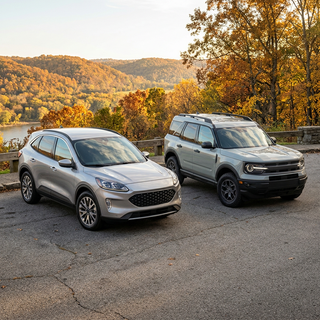
d

Should You Buy a Ford Explorer or Ford Expedition for Your Family?

If you need an agile midsize SUV for daily commutes, seating for up to seven, and standard towing capabilities up to 5,000 pounds, choose the Ford Explorer. If you require spacious adult third-row seating, maximum cargo volume, or heavy-duty towing up to 9,600 pounds for large campers, the full-size Ford Expedition is the right fit for your household. Choosing between these two three-row SUVs comes down to how your family uses interior space and power every day. The Ford Explorer is engineered on a unibody platform that delivers responsive handling and easy parking maneuverability. It easily handles daily school drop-offs and errands while offering a comfortable ride across local suburban streets. Families commuting around State Route 170 in Calcutta often prefer the balanced footprint of the Explorer because it fits effortlessly into standard residential garages while retaining three rows of flexible seating. The Ford Expedition is a body-on-frame full-size SUV designed for maximum utility, passenger room, and muscle. It provides expansive legroom across all three rows and carries larger cargo items without compromising passenger comfort. When you are planning long-distance highway trips or hauling heavy recreational equipment, the Expedition delivers truck-based strength with smooth cabin refinement. At Tri State Ford, our team helps you compare both models side by side on our lot to determine which dimensions and capability levels align with your budget and lifestyle. You can explore our new Ford vehicle inventory online to see current arrivals, or visit our East Liverpool showroom for a personal walk-around. If you have preliminary questions about trim availability or feature packages, feel free to give our team a call before making the trip. Table of Contents What Are the Key Differences in Size, Seating, and Third-Row Space? How Much Cargo Space Does Each SUV Offer Behind the Third Row? What Size Travel Trailer Can You Tow with the Explorer vs. Expedition? Which SUV Trims, Engines, and BlueCruise Tech Offer the Best Value? Quick Answers for Families Comparing the Explorer and Expedition Find Your Next Family SUV What Are the Key Differences in Size, Seating, and Third-Row Space? The Ford Explorer offers a midsize footprint seating up to seven passengers with 32 inches of third-row legroom, ideal for children and teenagers, while the full-size Ford Expedition seats up to eight passengers with 36 inches of third-row legroom that comfortably accommodates full-grown adults on extended road trips. Inside the Ford Explorer, seating configurations depend on your trim choice. Most models feature standard second-row captain's chairs that seat six people total, while an available second-row bench seat expands capacity to seven. The Explorer features an E-Z Entry second-row seat mechanism that slides forward at the touch of a button, allowing passengers to climb into the rear row with minimal effort. While the third row is comfortable for kids and younger family members, adults will notice the lower seat height on longer drives. The Ford Expedition expands interior room dramatically. Available in standard-wheelbase and extended MAX lengths, the Expedition offers expansive shoulder room, hip room, and headroom across all three rows. Second-row seats slide forward and backward to balance legroom between rows, and the third row provides 36 inches of legroom so adults can sit comfortably without their knees touching the front seatback. Power-folding third-row seats come available on higher trims, letting you reconfigure the rear cabin instantly when switching between carpooling and cargo duty. For drivers looking at pre-owned vehicle options, exploring pre-owned single-owner models provides a great opportunity to find well-maintained Explorer and Expedition SUVs with proven maintenance records and low mileage. How Much Cargo Space Does Each SUV Offer Behind the Third Row? The Ford Explorer provides about 18 cubic feet of cargo space behind its third row, which accommodates grocery bags or a compact stroller, whereas the standard Ford Expedition supplies nearly 23 cubic feet and the extended Expedition MAX offers over 37 cubic feet to fit full-sized double strollers and large luggage sets without folding seats down. Cargo versatility is essential for busy households juggling athletic gear, luggage, and everyday supplies. In the Ford Explorer, maximum cargo capacity reaches about 86 cubic feet when both the second and third rows are folded flat. The rear cargo floor includes a hidden underfloor storage compartment to keep smaller items organized and out of sight. A reversible cargo load floor with a plastic surface helps protect interior carpeting when transporting wet sports gear or muddy boots. The Ford Expedition provides superior overall hauling volume. With all seats folded flat, the standard Expedition opens up nearly 109 cubic feet of cargo room, while the Expedition MAX expands total capacity to over 123 cubic feet. When comparing third-row cargo specs against competitive full-size models like the Chevrolet Tahoe, the numbers show a close matchup. The Chevrolet Tahoe offers approximately 25 cubic feet behind its third row, slightly topping the standard Expedition's 23 cubic feet. However, families needing maximum space behind the rear seats find that the Ford Expedition MAX easily outperforms the Tahoe by offering over 37 cubic feet of dedicated rear storage. If you are thinking about upgrading your current vehicle to gain more rear cargo space, you can use our instant cash offer tool to get a fast appraisal on your trade-in. You can also view our certified pre-owned Ford inventory for late-model options that include factory-backed warranty coverage. What Size Travel Trailer Can You Tow with the Explorer vs. Expedition? The Ford Explorer safely hauls single-axle travel trailers, pop-up campers, or lightweight boats weighing up to its 5,000-pound maximum rating, while the Ford Expedition can pull larger dual-axle travel trailers, heavy campers, and horse trailers rated up to 9,600 pounds when properly equipped. Every Ford Explorer comes standard with a Class III Trailer Tow Package, making it ready for towing duty right off the lot. Powered by either the standard 2.3-liter EcoBoost I-4 engine producing 300 horsepower or the available 3.0-liter EcoBoost V6 producing 400 horsepower, the Explorer easily handles pop-up campers, jet skis, and lightweight travel trailers with dry weights around 3,500 to 4,000 pounds. This setup leaves an adequate safety margin for gear, water tanks, and passengers. For heavy-duty recreational towing, the Ford Expedition delivers exceptional muscle. Powered by a standard 3.5-liter EcoBoost V6 engine paired with a 10-speed automatic transmission, standard-wheelbase 4x4 models equipped with the available Heavy-Duty Trailer Tow Package achieve a maximum towing capacity of 9,600 pounds. The Expedition MAX is rated to tow up to 9,000 pounds in 4x4 configuration. Advanced towing technology like Pro Trailer Backup Assist and Pro Trailer Hitch Assist takes the stress out of lining up the hitch ball and backing your trailer into tight campsites or boat ramps along the Ohio River in East Liverpool. To streamline your purchase experience and lock in competitive financing rates before visiting our showroom, you can submit our secure online credit application from home. Which SUV Trims, Engines, and BlueCruise Tech Offer the Best Value? For most families, the Explorer ST-Line and Expedition Platinum represent outstanding value by combining essential driver-assist technologies, premium interior appointments, and access to Ford BlueCruise hands-free highway driving. In the Explorer lineup, the ST-Line trim balances sporty appearance features with practical everyday equipment. It includes synthetic leather seating, a 13.2-inch center touchscreen powered by the Ford Digital Experience infotainment system, and a comprehensive suite of safety features through Ford Co-Pilot360. Drivers wanting maximum performance can step up to the Explorer ST, which comes standard with the 400-horsepower 3.0-liter EcoBoost V6 engine and sport-tuned suspension. For off-road enthusiasts, the Explorer Tremor trim adds an off-road suspension that raises ground clearance to over 8 inches, along with steel underbody skid plates and all-terrain tires. The Expedition lineup begins with the well-equipped Active trim and progresses to luxury-level variants like the Platinum and King Ranch. Under the hood, the 3.5-liter EcoBoost V6 engine has earned a strong reputation for long-term durability when maintained with routine oil changes and scheduled service. Higher trims offer an optional High-Output version of the 3.5-liter engine that boosts output to 440 horsepower and 510 lb-ft of torque. Both vehicles offer available Ford BlueCruise hands-free highway driving technology. Operating on pre-mapped highways across North America, BlueCruise manages steering, braking, and acceleration while keeping the vehicle centered in its lane. The system includes Lane Change Assist and In-Lane Repositioning to reduce driver fatigue during long interstate road trips. Before finalizing your vehicle choice, utilize our trade-in valuation tool to calculate the current equity in your present vehicle toward a new SUV purchase. Quick Answers for Families Comparing the Explorer and Expedition Q: Will a double stroller fit behind the third row of a Ford Explorer? The Ford Explorer's 18 cubic feet of cargo space behind the third row fits a standard side-by-side double stroller, though space is limited. Parents often need to stand the stroller upright or fold down one side of the 50/50 split third row for easier loading. The Ford Expedition provides nearly 23 cubic feet in standard length and over 37 cubic feet in MAX length, allowing double strollers to lie flat with plenty of room remaining for diaper bags and groceries. Q: Is the 3.5L EcoBoost engine reliable in the Ford Expedition? The 3.5-liter EcoBoost V6 engine in the Ford Expedition is a highly reliable powertrain engineered for heavy-duty performance. Twin-turbocharged technology delivers strong low-end torque for quick acceleration and towing. Proper vehicle maintenance, including regular oil changes, air filter replacements, and timely spark plug services, helps ensure long-term mechanical durability and consistent fuel efficiency over high mileage. Q: Does Ford BlueCruise hands-free driving come standard on either SUV? Ford BlueCruise hands-free driving is not standard on base models of either SUV, but it is available on select higher trim levels. On the Ford Explorer, BlueCruise capability can be equipped on ST-Line, Platinum, and ST trims. On the Ford Expedition, BlueCruise comes available on upper trims like the Platinum and King Ranch, providing hands-free highway driving on prequalified section split highways across North America. Q: Which SUV has more cargo space behind the third row: Expedition or Chevrolet Tahoe? The Chevrolet Tahoe provides slightly more standard rear cargo space at approximately 25 cubic feet compared to the standard-wheelbase Ford Expedition's 23 cubic feet. However, buyers who choose the extended-wheelbase Ford Expedition MAX gain over 37 cubic feet of cargo room behind the third row, comfortably surpassing the standard Tahoe for overall family storage capability. Q: What size travel trailer can you tow with a Ford Explorer? A properly equipped Ford Explorer with its standard Class III Trailer Tow Package can tow travel trailers weighing up to its 5,000-pound maximum capacity. This rating allows you to pull single-axle travel trailers, pop-up campers, teardrop trailers, and lightweight utility or boat trailers. For safe towing, always verify that the trailer's loaded weight—including fluids and cargo—stays below the 5,000-pound threshold. Find Your Next Family SUV Selecting the right family SUV comes down to evaluating your daily seating requirements, cargo habits, and towing expectations. The Ford Explorer delivers nimble handling, efficient engine performance, and comfortable three-row seating in a garage-friendly midsize package. The Ford Expedition provides maximum interior volume, adult-friendly third-row legroom, and heavy-duty towing capability for larger families and bigger outdoor adventures. Our sales team at Tri State Ford is ready to walk you through trim options, explain available driver-assist technologies, and organize back-to-back test drives so you can evaluate both cabins in person. Visit our dealership located at 1503 Pennsylvania Ave in East Liverpool, or reach out directly by calling (330) 462-7578 to speak with a sales advisor today. We look forward to helping you drive home in the ideal Ford SUV for your family. Keep Your Vehicle Running Strong Keep your vehicle performing at its best with our service team: Order Parts Schedule Service Appt © 2026 Tri State Ford. All rights reserved. Ford Explorer vs Expedition in East Liverpool OH | Tri State Ford
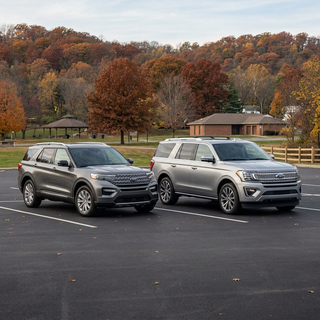
f

Can You Trade In a Car With an Unpaid Loan Balance?

You can trade in a vehicle with an unpaid loan balance. The dealership handles the payoff process directly with your existing lender, subtracting your remaining balance from the vehicle's agreed market trade-in value. If your vehicle is worth more than what you owe, the remaining positive balance serves as equity toward your down payment; if you owe more than the trade value, the unpaid difference can be paid out of pocket or included in your new vehicle loan. Trading in a financed vehicle is a standard transaction managed daily by finance teams. When you bring a vehicle with an active auto loan to Tri State Ford, you do not need to clear the debt independently before shopping for your next vehicle. Our team coordinates directly with your financial institution to secure an accurate account payoff and manage the lien release paperwork on your behalf. To begin the evaluation, our vehicle appraisers determine the fair market value of your current ride based on its age, mileage, overall physical condition, and local market demand. Simultaneously, our finance department obtains an official 10-day payoff statement from your lender. This statement accounts for your principal balance plus daily accrued interest charges up through the anticipated settlement date. Once both values are established, calculating your net trade position is straightforward: Positive Equity: Your vehicle's valuation exceeds your loan balance. For example, if your trade value is an example amount and your payoff is an example amount, you have a positive equity amount in positive equity to apply directly toward reducing the price or principal of your next purchase. Negative Equity: Your vehicle's valuation is lower than your remaining payoff amount. For instance, if your trade value is $14,000 but your loan balance is $17,000, you have a positive equity amount in negative equity (often called being "upside down" or "underwater"). Understanding this balance before signing purchase documents allows you to structure financing that fits your household budget. If you want to review your options in person or schedule a professional appraisal, you can find our showroom location at 1503 Pennsylvania Ave, East Liverpool, OH 43920, or call our team directly at (330) 462-7578 to speak with a financing specialist. Table of Contents How Does Trading In a Financed Vehicle Work and Who Pays Off the Loan? What Is Negative Equity and How Does Rolling It Over Into a New Car Loan Work? What Are the Long-Term Financial Risks of Repeatedly Rolling Over Auto Loans? What Happens to GAP Insurance on a Trade-In and Does It Cover Rolled-Over Negative Equity? How Does Selling a Financed Vehicle Privately Compare to Trading It In? Common Questions About Trading In a Financed Vehicle Plan Your Financed Vehicle Trade-In at Tri State Ford How Does Trading In a Financed Vehicle Work and Who Pays Off the Loan? Trading in a financed vehicle works by allowing the purchasing dealership to pay off your existing loan balance directly to your lender while transferring your vehicle's ownership title. You do not need to write a check to your original lienholder prior to trading in, as the dealership handles the electronic or paper draft transfer as part of the sales contract. When buyers ask our finance team about trading in a financed vehicle, the question we answer first is whether the payoff balance matches their monthly account statement. Monthly statements display your remaining balance on a specific billing date, but auto loans accrue interest on a daily basis. To ensure the loan is cleared down to the exact penny, our finance department contacts your lienholder to request a formal 10-day payoff quote. This 10-day window accounts for daily interest accumulation during the time required for funds to transfer between financial institutions. Once the payoff figure is established, the transaction proceeds through three structured steps: Trade Value Valuation: Our appraisal team inspects your trade-in and establishes its current wholesale market value. Lien Satisfaction: Tri State Ford sends funds directly to your existing lender to satisfy the 10-day payoff amount, freeing the vehicle's title from the original lienholder. Contract Integration: Your net trade balance (positive equity credited or negative equity added) is applied to your new sales agreement. For drivers making regular commutes down Market Street toward Boardman, having our team handle loan payoff logistics eliminates time spent sitting on hold with bank representatives or tracking title documents through the state bureau of motor vehicles. Once the paperwork is signed, your obligation to the original loan terminates as soon as the lender processes the dealer's draft. If you are ready to explore your vehicle options, you can browse our selection of new Ford vehicles online, submit an online credit application to secure pre-approval, or check out our durable Ford Transit commercial vans for commercial work needs. What Is Negative Equity and How Does Rolling It Over Into a New Car Loan Work? Negative equity occurs when the payoff amount on your current vehicle loan is higher than the vehicle's actual trade-in market value. Rolling over negative equity means taking that unpaid deficit and adding it directly into the loan principal of the new vehicle you are purchasing. When a vehicle depreciates faster than the loan principal is paid down, negative equity is created. This situation frequently happens during the first two to three years of a long-term financing agreement, as new vehicles experience their steep curve of depreciation early in ownership. NEGATIVE EQUITY ROLLOVER CALCULATION EXAMPLE Agreed Trade Valuation: $16,000 Existing Lender 10-Day Payoff Quote: - $19,500 Unpaid Deficit (Negative Equity): - an example amount Base Price of New Vehicle: $32,000 Added Rolled-Over Deficit: + an example amount Total New Loan Principal (before fees): $35,500 As illustrated above, adding an example amount of previous vehicle debt increases your starting loan principal on the replacement vehicle. Financial institutions evaluate rollover requests based on strict Loan-to-Value (LTV) ratios. LTV is the percentage calculated by dividing the total financing amount by the wholesale value or MSRP of the new vehicle. Lenders set maximum LTV limits—often between 110% and 125%—to restrict how much extra debt can be attached to an asset. High-value, durable vehicles with strong resale retainment offer better LTV flexibility for accommodating a rollover. For example, local small business owners and contractors negotiating elevated terrain along State Route 170 near Calcutta frequently look at our dependable Ford F-Series lineup or explore our new work truck inventory because these platform trucks maintain strong resale value over time. To offset negative equity without borrowing extra money, buyers can contribute a cash down payment or apply manufacturer rebate incentives directly against the trade deficit. Alternatively, choosing high-quality pre-owned Carfax 1-owner vehicles can help stabilize initial depreciation and minimize total debt exposure. What Are the Long-Term Financial Risks of Repeatedly Rolling Over Auto Loans? According to recent studies, over 30% of car buyers unknowingly increase their debt by rolling negative equity into new auto loans repeatedly. Over time, this compounding debt increases your monthly obligation, forces longer repayment terms, elevates total interest charges, and limits future vehicle trading flexibility. When you roll negative equity from one contract into another, you pay interest on both the purchase price of your new vehicle and the unpaid balance of your previous vehicle. If you trade vehicles every two to three years while consistently carrying over unpaid balances, the cumulative debt can quickly outpace normal vehicle depreciation curves. COMPOUNDING DEBT CYCLE OVER MULTIPLE VEHICLE TRADES Initial Vehicle Purchase: $25,000 Loan Balance Trade-In 1 Deficit: + a positive equity amount Rolled into Vehicle 2 Vehicle 2 Starting Principal: $31,000 ($28,000 MSRP + a positive equity amount Deficit) Trade-In 2 Deficit: + $5,500 Rolled into Vehicle 3 Vehicle 3 Starting Principal: $39,500 ($34,000 MSRP + $5,500 Deficit) The long-term financial consequences of consecutive loan rollovers include: Elevated Monthly Payments: A larger total financed amount directly increases your required monthly payment, putting extra strain on your monthly budget. Extended Loan Terms: Lenders may require 72-month or 84-month financing terms to keep monthly payments manageable, which slows principal reduction and keeps you underwater longer. Higher Cumulative Interest: Paying interest across extended loan terms on inflated principal balances substantially raises the total cost of owning your vehicle. Restricted Trading Flexibility: Excessive debt can push your Loan-to-Value ratio past lender approval thresholds, preventing you from trading until significant cash is paid toward the loan balance. Breaking a compounding loan cycle requires deliberate financing strategies. Keeping your current vehicle until the loan principal drops below its wholesale market value eliminates negative equity entirely. If an immediate vehicle replacement is necessary, applying cash down payments, selecting vehicles with high residual value retainment, or shopping from our certified pre-owned Ford inventory —which includes factory warranty coverage—can help realign your debt with actual market value. What Happens to GAP Insurance on a Trade-In and Does It Cover Rolled-Over Negative Equity? Guaranteed Asset Protection (GAP) insurance attached to your old loan automatically terminates upon trade-in loan payoff, making you eligible for a prorated refund on unearned premiums. Standard GAP policies purchased on a replacement vehicle cover total loss valuation gaps but explicitly exclude negative equity carried over from prior auto loans. When you trade in a vehicle with an active auto loan that includes GAP protection, paying off the loan satisfies the original financing contract. Because the policy coverage ends with the loan, any upfront premium paid for months you will not use must be refunded to you by the policy provider. Our finance team can assist you in filing for a prorated GAP refund during your trade-in paperwork process. HOW STANDARD GAP INSURANCE TREATS ROLLED-OVER NEGATIVE EQUITY Base Vehicle Market Value at Total Loss Event: $22,000 Total Financed Balance (Includes $4,000 Prior Negative Equity): $28,000 Primary Auto Insurance Settlement Check: - $22,000 Remaining Debt Difference: $6,000 Standard GAP Policy Payout (Covers Base Vehicle Gap Only): - $2,000 Excluded Balance Customer Owes Out-of-Pocket: $4,000 (Uncovered Prior Rolled-Over Negative Equity) A common misconception is that purchasing GAP insurance on a new vehicle protects rolled-over debt from past vehicles. Standard GAP policies are designed to cover the difference between your primary auto insurer's actual cash value settlement and the primary loan balance tied directly to that specific vehicle. Insurance guidelines restrict GAP payouts from covering previous loan carryovers, extended service contracts, or unpaid late fees. If a total loss accident occurs, your GAP coverage pays the difference up to the vehicle's market value limit, but leaves the rolled-over debt balance unpaid. To assess your current trade position and see where your loan balance stands relative to market value, you can use our online trade-in valuation tool before finalizing your purchase plans. How Does Selling a Financed Vehicle Privately Compare to Trading It In? Selling a financed vehicle privately can yield a higher gross selling price than a dealer trade valuation, but requires you to arrange loan satisfaction out of pocket before your lender releases the clear title to the private buyer. Trading in at a dealership eliminates private title coordination, protects you from transaction fraud, and offers state sales tax advantages. COMPARISON: PRIVATE SALE VS. DEALERSHIP TRADE-IN WITH FINANCED LOAN TRANSACTION FEATURE PRIVATE SALE DEALERSHIP TRADE-IN Sale Valuation Price Often Higher Wholesale Market Wholesale Title Release Process Complex / Delayed Immediate / Handled Lien Satisfaction Out-of-Pocket Cash First Handled Direct Sales Tax Offset Not Applicable Applicable in Ohio Fraud / Payment Risk Buyer Payment Risks Secure Dealer Draft Selling a vehicle privately with an active lien requires clear communication with your buyer and lender. Because the financial institution holds the physical or electronic title until the payoff draft clears, private buyers are often reluctant to hand over cash or personal checks without receiving a clean title immediately. If your buyer is financing through a separate bank, coordinating lien releases across two external financial institutions can take weeks. Furthermore, if your vehicle has negative equity, you must pay the shortfall balance in cash to your lender before they will release the title to the buyer. Trading in your vehicle at Tri State Ford avoids these obstacles completely: State Sales Tax Savings: In Ohio, trade-in value is deducted from the purchase price of your replacement vehicle before sales tax is calculated. For instance, if you purchase a $35,000 vehicle and trade in your car for an example amount, you only pay sales tax on the remaining $20,000 difference—saving hundreds of dollars in tax obligations. Seamless Lien Settlement: Our team remits electronic payment to your lender immediately, eliminating waiting periods and paperwork hassles for you. Safety and Convenience: You avoid meeting buyers privately, arranging test drives with strangers, or handling unverified funds. If you are ready to evaluate your trade-in options and streamline your next vehicle purchase, you can visit our dealership or give our staff a call at (330) 462-7578 to discuss your financing options. Common Questions About Trading In a Financed Vehicle Q: What is a 10-day payoff quote for a vehicle trade-in? A 10-day payoff quote is an official statement generated by your current auto lender detailing the exact dollar amount required to satisfy your loan contract completely within a ten-day window. This figure includes your unpaid principal balance plus daily accrued interest calculations and processing fees. Finance departments request a 10-day window to ensure that funds transferred electronically or mailed via check satisfy the lien without leaving micro-balances due to daily interest accumulation. Q: How do I request a refund for GAP insurance after trading in my car? You can request a prorated GAP insurance refund by submitting a formal cancellation form along with proof of loan payoff to your GAP policy administrator or selling dealer. When you trade in your vehicle, our finance office provides a copy of the dealer trade agreement and payoff confirmation showing the original financing has been satisfied. Unearned premiums calculated from the date of loan payoff are returned via check or credited to your account according to policy terms. Q: Can I trade in a financed vehicle if my credit score has dropped? You can trade in a financed vehicle even if your credit score has dropped since taking out your original loan. A lower credit score may affect the interest rates and loan terms offered by lenders on your replacement vehicle financing contract. Providing a cash down payment, choosing a vehicle with strong book value retainment, or clearing existing negative equity out of pocket improves lender approval odds and secures better rate tiers. Q: What paperwork do I need to bring when trading in a financed vehicle? When trading in a vehicle with an active loan, you should bring your current vehicle registration card, account information for your current auto lender, a recent account statement, valid driver's licenses for all named title holders, all sets of ignition keys and remote key fobs, and proof of current auto insurance. If you have positive equity, bringing the physical title is helpful if held in your possession, though our team can request title releases electronically from lienholders. Q: How does a trade-in tax credit work on a financed car? State trade-in tax credits apply to the total agreed market trade valuation of your trade vehicle, regardless of whether you owe money on an existing auto loan. The full market trade value is subtracted from the gross sales price of your new vehicle before state and local sales taxes are calculated. Even if you have negative equity that must be added back into the loan principal, your trade-in allowance reduces your taxable purchase total. Plan Your Financed Vehicle Trade-In at Tri State Ford Trading in a vehicle you still owe money on is a manageable, routine transaction when guided by an experienced finance department. Whether you hold positive equity that can reduce your next loan principal or face negative equity that requires strategic contract structuring, understanding your options allows you to make confident purchasing decisions. Our team at Tri State Ford provides transparent vehicle appraisals, straightforward 10-day loan payoff coordination, and competitive financing packages tailored to your budget. To take the next step toward your upgrade, explore our online inventory, get pre-approved through our online credit application, or visit our showroom at 1503 Pennsylvania Ave, East Liverpool, OH 43920 to speak with our staff today. Keep Your Vehicle Running Strong Keep your vehicle performing at its best with our service team: Order Parts Schedule Service Appt © 2026 Tri State Ford. All rights reserved. Trade In Cars with Loans in East Liverpool OH | Tri State Ford

Contact Us

Fill out this form below and we'll contact you shortly
*Required Fields