Blog / Maintenance & Service, Warranty & Service Contracts, Repair & Diagnostics, Parts & Components

Blog

All Maintenance & Service, Warranty & Service Contracts, Repair & Diagnostics, Parts & Components Maintenance & Service, Expert Repairs & Diagnostics, Genuine Parts & Accessories, Engine Care & Used Vehicle Guides, Financing & Insurance, Buying Guides, Trade-In Advice, Certified Pre-Owned Automotive News, New Vehicle Reviews, Buying Guides, Financing & Insurance, Seasonal Driving Tips Maintenance & Service, Battery Care & Diagnostics, Electric Vehicle (EV) Maintenance, Seasonal New Vehicle Reviews, Buying Guides, Financing & Insurance, Model Comparisons, Automotive News Buying Guides, Financing & Insurance, New Vehicle Reviews, Model Comparisons, Sales & Promotions Used Vehicle Guides, Financing & Insurance, Buying Guides, Vehicle Warranty Information, Pre-Owned Vehicle Trade-In Advice, Financing & Insurance, Buying Guides, Used Vehicle Guides, New Vehicle Maintenance & Service, Parts & Accessories, Vehicle HVAC Care, Seasonal Vehicle Maintenance, DIY Maintenance & Service, Essential Vehicle Care, Preventive Maintenance Tips, Vehicle Longevity Compare Cars Used Vehicle Guides, Financing & Insurance, Buying Guides, Pre-Owned Vehicle Sales, Vehicle Maintenance & Service, Brake Systems & Repair, Vehicle Parts & Accessories, Towing & Load New Vehicle Reviews, Buying Guides, Model Comparisons, Financing & Insurance, Inventory & Sales Tips Vehicle Sales Events, New Vehicle Pricing & Incentives, Financing & Lease Options, Trade-In & Vehicle Sales Process, Financing & Credit Applications, New and Used Vehicle Inventory, Pickup and Vehicle Trade-In Tips, Financing & Insurance, Buying Guides, Dealership Sales Strategies, Inventory Buying Guides, Financing & Insurance, New Vehicle Reviews, Model Comparisons, Technology & Leasing & Lease Deals, Financing & Insurance, New Vehicle Sales, Commercial Vehicle Leasing, Maintenance & Service, Recall Information, Safety & Reliability, Vehicle Ownership Care, Parts & Maintenance & Service, Vehicle Pickup & Delivery, Mobile Service & On-Site Repairs, Oil Change & Community Events & Customer Appreciation, New Vehicle Reviews, Financing & Trade-In Guides, Maintenance & Service, Warranty & Recalls, Repair & Diagnostics, Parts & Accessories, Vehicle Used Vehicle Guides, Financing & Insurance, Buying Guides, New Vehicle Reviews, Commercial Vehicle Maintenance & Service, Automotive Technology & Software Updates, Warranty & Recall Service, Mobile Maintenance & Service, Vehicle Ownership Care, Mobile Repair Services, Genuine Parts & Certified New Vehicle Reviews, Buying Guides, Financing & Insurance, Model Comparisons, Automotive Technology Commercial Truck Sales, Fleet Vehicle Financing, Custom Work Truck Upfits, Commercial Vehicle Dealership Events & Promotions, Financing & Trade-In Options, Maintenance & Service Specials, Maintenance & Service, Mobile Vehicle Services, Vehicle Care & Ownership, Genuine Parts & Repairs, Maintenance & Service, Vehicle Inspections, Oil Change & Fluid Services, Tire Care & Battery Maintenance & Service, Vehicle Lighting & Electrical Systems, Automotive Safety & Inspection, OEM Model Comparisons, New Vehicle Reviews, Technology & Innovation, Safety Features, Buying Guides New Vehicle Reviews, Buying Guides, Financing & Insurance, Model Comparisons, Used Vehicle Guides Commercial Vehicle Sales, Financing & Leasing, Small Business Vehicle Incentives, Fleet Purchasing Commercial Vehicle Sales, Fleet Purchasing & Management, Financing & Leasing for Businesses, New & Community Events, New Vehicle Buying Guides, Financing & Insurance, Maintenance & Service, Local Maintenance & Service, Brake System Care, Vehicle Safety & Inspection, Parts Quality & Replacement, Maintenance & Service, Safety Features, Technology & Innovation, Seasonal Driving Tips, Parts & Maintenance & Service, Tire Care & Repair, Roadside Assistance, Vehicle Safety & Inspections, Maintenance & Service, Tire Care & Repair, Wheel Alignment & Balancing, Suspension Maintenance, Maintenance & Service, Tire Care & Replacement, Vehicle Safety & Handling, Seasonal Vehicle Maintenance & Service, Tire Care & Replacement, Vehicle Safety & Inspection, Emergency Roadside Maintenance & Service, Vehicle Software Updates, Safety Features, Technology & Innovation, Recall & New Vehicle Reviews, Buying Guides, Model Comparisons, Maintenance & Service, Technology & Used Vehicle Guides, Buying Guides, Financing & Insurance, Model Comparisons, Selling Your Car Vehicle Sales Events, New Vehicle Purchasing, Incentives & Discounts, Financing & Pre-Approval, Buying Guides, Financing & Insurance, New Vehicle Reviews, Commercial Fleet Sales, Custom Orders & Buying Guides, Financing & Insurance, Vehicle Inventory & Offers, Dealership Visit Preparation, Buying Guides, New Vehicle Reviews, Financing & Insurance, Commercial Vehicle Sales, Model Commercial Truck Sales, Fleet Purchasing Guides, Financing & Lease Options, Work Truck Commercial Vehicle Sales, Fleet Leasing & Management, Commercial Financing & Tax Incentives, Financing & Insurance, Leasing Benefits, Model Comparisons, Technology & Innovation, Buying Guides Leasing & Financing Options, Buying Guides, Model Comparisons, Negotiation Tips, Inventory & Leasing & Financing Options, Buying Guides, New Vehicle Reviews, Model Comparisons, Technology & Maintenance & Service, Automotive Detailing, Paint Protection & Care, Seasonal Vehicle Care, Maintenance & Service, Automotive Electrical Systems, Battery Care & Replacement, Vehicle Lighting Maintenance & Service, Automotive Fluids & Lubricants, Vehicle Care & Ownership, Dealership Service Maintenance & Service, Automotive Repair, Mobile & Remote Vehicle Service, Warranty & Roadside Maintenance & Service, Brake System Care, Vehicle Safety & Inspection, Automotive Repair Tips, Maintenance & Service, Brake System Care, Vehicle Safety & Inspections, Parts & Repairs, Expert Maintenance & Service, Technology & Innovation, Vehicle Diagnostics & Telematics, Fleet Management Maintenance & Service, Vehicle Care & Longevity, Scheduled Service Packages, Oil Changes & Fluid Maintenance & Service, Vehicle Inspection & Diagnostics, Parts & Repairs, Warranty & Resale Value, Maintenance & Service, Vehicle Interior Care, Technology & Innovation in Service, Professional New Vehicle Reviews, Buying Guides, Financing & Insurance, Model Comparisons, Inventory Highlights New Vehicle Reviews, Buying Guides, Financing & Insurance, Model Comparisons, Inventory Updates New Vehicle Reviews, Buying Guides, Technology & Innovation, Safety Features, Seasonal Driving Tips New Vehicle Reviews, Financing & Insurance, Buying Guides, Used Vehicle Guides, Model Comparisons New Vehicle Reviews, Model Comparisons, Commercial Truck Guides, Technology & Innovation, Buying Guides, Financing & Insurance, Used Vehicle Guides, New Vehicle Reviews, Cross-Border Commercial Leasing Options, Business Fleet Solutions, Financing & Leasing Programs, Commercial Community Engagement & Events, New Vehicle Promotions, Financing & Trade-In Options, Maintenance & Community Events & Dealership News, New Vehicle Promotions & Incentives, Maintenance & Service Community Events & Dealership News, New Vehicle Reviews, Financing & Insurance, Maintenance & Custom Ordering & Build Process, New Vehicle Inventory & Offers, Financing & Trade-In Guidance, East Liverpool, OH Ford Dealer East Liverpool, OH Used Cars Financing & Insurance, Buying Guides, Commercial Vehicle Solutions, Fleet Management, Inventory and Financing & Insurance, Buying Guides, New Vehicle Reviews, Used Vehicle Guides, Automotive Sales Financing & Insurance, Buying Guides, New Vehicle Reviews, Used Vehicle Guides, Automotive Sales & Financing & Insurance, Buying Guides, New Vehicle Reviews, Used Vehicle Guides, Model Comparisons Financing & Insurance, Buying Guides, Used Vehicle Guides, New Vehicle Reviews, Automotive Sales Financing & Insurance, Buying Guides, Used Vehicle Guides, Trade-In Tips, New Vehicle Sales Financing & Insurance, Buying Guides, Vehicle Inventory & Offers, Trade-In & Appraisal, Dealership Financing & Insurance, Buying Guides, Vehicle Trade-In Tips, Dealership Sales Process, New Vehicle Leasing & Financing Options, New Vehicle Leasing Guides, Buying Guides, Inventory Spotlight, Trade Leasing Options, Financing & Insurance, New Vehicle Reviews, Buying Guides, Technology & Innovation Leasing Options, Financing & Insurance, New Vehicle Sales, Buying Guides, Vehicle Inventory Maintenance & Service, Air Conditioning Repair, Genuine Parts & Accessories, Dealer-Authorized Maintenance & Service, Automotive Air Conditioning Repair, Vehicle Cooling System Care, Diagnostic Maintenance & Service, Automotive Detailing & Cleaning, Seasonal Vehicle Care, Vehicle Protection & Maintenance & Service, Automotive Detailing & Paint Care, Vehicle Exterior Protection, Paint Repair Maintenance & Service, Automotive Detailing & Protection, Corrosion & Rust Prevention, Paint & Maintenance & Service, Automotive Detailing, Vehicle Care & Protection, Off-Road Vehicle Maintenance & Service, Automotive Electrical Systems, Battery Care & Replacement, Diagnostics & Maintenance & Service, Automotive Glass Repair, Safety Features, Technology & Innovation, Mobile & Maintenance & Service, Automotive Lighting & Electrical, Vehicle Safety & Visibility, DIY Vehicle Maintenance & Service, Automotive Parts & Accessories, Seasonal Vehicle Care, Vehicle Safety & Maintenance & Service, Automotive Parts & Accessories, Vehicle Air Quality & HVAC Care, Preventive Maintenance & Service, Automotive Parts & Accessories, Vehicle Ownership Care, Engine Care & Maintenance & Service, Automotive Parts & Accessories, Vehicle Safety & Repair, Warranty & Maintenance & Service, Automotive Parts & Components, Vehicle Safety & Repair, Warranty & Service Maintenance & Service, Automotive Parts & Repairs, Vehicle Warranty & Protection, Service Center Maintenance & Service, Automotive Repair Tips, Service Team Selection, Warranty & Service Policies, Maintenance & Service, Automotive Repair, Parts & Accessories, Vehicle Ownership Care, Technology & Maintenance & Service, Automotive Repair, Parts & OEM Components, Vehicle Longevity & Care, Service Maintenance & Service, Automotive Technology & Diagnostics, Vehicle Electronics & Sensors, Seasonal Maintenance & Service, Battery Care & Replacement, Vehicle Electrical Systems, Seasonal Vehicle Maintenance & Service, Brake System Care, OEM Parts & Replacement, Vehicle Safety & Inspections, Maintenance & Service, Brake System Care, Vehicle Repair Tips, Automotive Parts & Components, Maintenance & Service, Brake System Care, Vehicle Safety & Inspections, Parts & Components, Maintenance & Service, Brake System Care, Vehicle Safety Inspections, Automotive Repair Tips, OEM Maintenance & Service, Certified Technician Insights, Warranty & Service Coverage, Genuine OEM Maintenance & Service, Cooling System Repairs, Vehicle Ownership Care, Diagnostic & Maintenance & Service, Diagnostic Services, Vehicle Health & Diagnostics, Service Tips & Advice, Maintenance & Service, Engine Care & Performance, Parts & Accessories, Genuine vs. After Maintenance & Service, Paint Protection & Detailing, Vehicle Exterior Care, Seasonal Vehicle Maintenance & Service, Parts & Accessories, Engine Care & Repair, Vehicle Longevity Tips, OEM Parts Maintenance & Service, Parts & Replacements, Vehicle Care Tips, Seasonal Maintenance, DIY Vehicle Maintenance & Service, Recall Updates & Safety Notices, Genuine Parts & Accessories, Truck Care & Maintenance & Service, Repair & Diagnostics, OEM Parts & Accessories, Warranty & Recall Maintenance & Service, Repair & Diagnostics, Parts & Accessories, Vehicle Ownership Care, Service Maintenance & Service, Repair & Diagnostics, Parts & Components, Preventive Care & Tips, Warranty & Maintenance & Service, Repair & Diagnostics, Tire & Wheel Care, Vehicle Safety & Inspection, Parts Maintenance & Service, Repair & Diagnostics, Warranty & Service Coverage, Genuine OEM Parts & Maintenance & Service, Repair & Parts, Vehicle Ownership Care, Safety Features, Technology & Maintenance & Service, Repair & Parts, Vehicle Ownership Care, Transmission Maintenance & Service, Repair Solutions, Vehicle Ownership Care, Parts & Accessories, Diagnostic Maintenance & Service, Repair Tips & Techniques, Vehicle Care & Ownership Maintenance & Service, Safety Features, Automotive Recalls & Repairs, Parts & Warranty Services, Maintenance & Service, Safety Features, Automotive Recalls & Repairs, Technology & Innovation, Maintenance & Service, Safety Features, Automotive Recalls, Vehicle Ownership Care, Parts & Repairs Maintenance & Service, Safety Features, Parts & Repairs, Vehicle Ownership Care, Automotive Service Maintenance & Service, Safety Features, Recall & Repair Updates, Parts & Repairs, Vehicle Ownership Maintenance & Service, Safety Features, Recall & Safety Campaigns, Vehicle Inspection & Repairs, Maintenance & Service, Safety Features, Recall & Warranty Information, Vehicle Diagnostics & Maintenance & Service, Safety Features, Recall Repairs & Safety Campaigns, Parts & Genuine Maintenance & Service, Safety Features, Recalls & Repairs, Parts & Accessories, Vehicle Ownership Maintenance & Service, Safety Features, Repair & Recall Updates, Parts & Components, Vehicle Maintenance & Service, Safety Features, Repair & Replacement, Vehicle Care & Inspection, Parts & Maintenance & Service, Safety Features, Seasonal Driving Tips, Technology & Innovation, Parts & Maintenance & Service, Safety Features, Technology & Innovation, Automotive Electrical Systems, Maintenance & Service, Safety Features, Technology & Innovation, Automotive News, Parts & Repairs Maintenance & Service, Safety Features, Technology & Innovation, Automotive Parts & Accessories, Maintenance & Service, Safety Features, Technology & Innovation, Automotive Recalls, Parts & Repairs Maintenance & Service, Safety Features, Technology & Innovation, Automotive Recalls, Vehicle Maintenance & Service, Safety Features, Technology & Innovation, Automotive Service Tips, Recall & Maintenance & Service, Safety Features, Technology & Innovation, Parts & Repairs, Seasonal Driving Maintenance & Service, Safety Features, Technology & Innovation, Parts & Repairs, Vehicle Ownership Maintenance & Service, Safety Features, Technology & Innovation, Recall & Warranty Information, Maintenance & Service, Safety Features, Technology & Innovation, Repair & Recall Information, Parts Maintenance & Service, Safety Features, Technology & Innovation, Tire Care & Replacement, Maintenance & Service, Safety Features, Vehicle Inspections, DIY Vehicle Care, Repair & Diagnostics Maintenance & Service, Safety Recalls & Repairs, Vehicle Safety & Compliance, Powertrain & Maintenance & Service, Seasonal Driving Tips, Model Comparisons, Technology & Innovation, Safety Maintenance & Service, Seasonal Driving Tips, Safety Features, Technology & Innovation, Automotive Maintenance & Service, Seasonal Driving Tips, Safety Features, Technology & Innovation, Parts & Maintenance & Service, Seasonal Driving Tips, Vehicle Care & Ownership, Brake System Maintenance, Maintenance & Service, Seasonal Driving Tips, Vehicle Care & Ownership, Parts & Accessories, Safety Maintenance & Service, Seasonal Driving Tips, Vehicle Care & Ownership, Safety Features, Maintenance & Service, Seasonal Driving Tips, Vehicle Care & Protection, Brake Maintenance, Tire Maintenance & Service, Seasonal Driving Tips, Vehicle Care & Warranty, Service Specials & Packages, Maintenance & Service, Seasonal Driving Tips, Vehicle Cooling Systems, Automotive Safety Features, Maintenance & Service, Service Scheduling & Convenience, Vehicle Repair & Diagnostics, Parts & Maintenance & Service, Technology & Innovation, Automotive Service Transparency, Digital Vehicle Maintenance & Service, Technology & Innovation, Safety Features, Parts & Warranty, Vehicle Maintenance & Service, Tire Care & Replacement, Seasonal Vehicle Care, Safety Features, Automotive Maintenance & Service, Tire Care & Replacement, Vehicle Safety & Inspections, Seasonal Vehicle Maintenance & Service, Transmission Care & Repair, Vehicle Fluid Services, Automotive Diagnostics, Maintenance & Service, Transmission Care, Repair & Parts, Vehicle Ownership Care, Common Vehicle Maintenance & Service, Vehicle Care Tips, Parts & Accessories, Seasonal Vehicle Maintenance, Maintenance & Service, Vehicle Detailing & Care, Parts & Accessories, Seasonal Vehicle Preparation, Maintenance & Service, Vehicle Detailing & Cosmetic Care, Automotive Cleaning & Protection, Service Maintenance & Service, Vehicle Detailing & Cosmetic Care, Service Scheduling & Convenience, Maintenance & Service, Vehicle Detailing & Protection, Repair & Inspection, Parts & Accessories, Maintenance & Service, Vehicle Detailing & Protection, Vehicle Care Tips, Seasonal Vehicle Maintenance & Service, Vehicle Diagnostics & Repair, Engine Performance & Troubleshooting, Fuel Maintenance & Service, Vehicle Fluids & Lubrication, Engine Care & Repair, Parts & Accessories, Maintenance & Service, Vehicle Ownership Care, Parts & Accessories, Repair & Diagnostics, Certified Maintenance & Service, Vehicle Repair & Diagnostics, Parts & Accessories, DIY Vehicle Care, Safety Maintenance & Service, Vehicle Repair & Diagnostics, Parts & Accessories, Hybrid & Electric Vehicle Maintenance & Service, Vehicle Repair & Diagnostics, Parts & Accessories, Seasonal Driving Tips, Maintenance & Service, Vehicle Repair & Diagnostics, Parts & Accessories, Service Lane Tips & Maintenance & Service, Vehicle Repair & Diagnostics, Parts & Accessories, Towing & Performance Maintenance & Service, Vehicle Repair & Parts, Service Convenience & Customer Care, Roadside Maintenance & Service, Vehicle Repair Tips, Parts & Accessories, Safety Features, Technology & Maintenance & Service, Vehicle Service Warranties, Repair & Coverage Plans, Ownership & Vehicle Model Comparisons, Buying Guides, New Vehicle Reviews, Financing & Insurance, Inventory Updates Model Comparisons, Buying Guides, New Vehicle Reviews, Technology & Innovation, Safety Features Model Comparisons, Buying Guides, Technology & Innovation, Safety Features, Maintenance & Service Model Comparisons, New Vehicle Reviews, Buying Guides, Technology & Innovation, Financing & Model Comparisons, New Vehicle Reviews, Buying Guides, Technology & Innovation, Safety Features Model Comparisons, New Vehicle Reviews, Safety Features, Technology & Innovation, Seasonal Driving Model Comparisons, New Vehicle Reviews, Technology & Innovation, Buying Guides, Maintenance & Model Comparisons, New Vehicle Reviews, Technology & Innovation, Maintenance & Service, Buying Model Comparisons, Towing & Hauling Guides, Maintenance & Service, Technology & Innovation, New New Vehicle Promotions, Buying Guides, Financing & Insurance, New Vehicle Reviews, Inventory New Vehicle Reviews, Buying Guides, Financing & Insurance, Model Comparisons, Automotive Sales New Vehicle Reviews, Buying Guides, Financing & Insurance, Model Comparisons, Commercial & Work New Vehicle Reviews, Buying Guides, Financing & Insurance, Model Comparisons, Vehicle Customization New Vehicle Reviews, Buying Guides, Financing & Insurance, Model Comparisons, Vehicle Inventory New Vehicle Reviews, Buying Guides, Financing & Insurance, New Vehicle Specials, Trade-In & Value New Vehicle Reviews, Buying Guides, Financing & Insurance, Used Vehicle Guides, Inventory Updates New Vehicle Reviews, Buying Guides, Financing & Insurance, Used Vehicle Guides, Model Comparisons New Vehicle Reviews, Buying Guides, Financing & Insurance, Vehicle Inventory & Specials, Model New Vehicle Reviews, Buying Guides, Financing & Insurance, Vehicle Inventory, Model Comparisons New Vehicle Reviews, Buying Guides, Model New Vehicle Reviews, Buying Guides, Model Comparisons, Financing & New Vehicle Reviews, Buying Guides, Safety Features, Technology & Innovation, Model Comparisons New Vehicle Reviews, Buying Guides, Technology & Innovation, Safety Features, Maintenance & Service New Vehicle Reviews, Financing & Insurance, Buying Guides, New Vehicle Specials, Model Comparisons New Vehicle Reviews, Financing & Insurance, Buying Guides, Technology & Innovation, Automotive New Vehicle Reviews, Model Comparisons, Buying Guides, Technology & Innovation, Safety Features New Vehicle Reviews, Model Comparisons, Financing & Insurance, Technology & Innovation, Safety New Vehicle Reviews, Model Comparisons, Off-Road Adventures, Technology & Innovation, Maintenance & New Vehicle Reviews, Model Comparisons, Safety Features, Technology & Innovation, Buying Guides New Vehicle Reviews, Model Comparisons, Technology & Innovation, Financing & Insurance, Maintenance New Vehicle Reviews, Model Comparisons, Technology & Innovation, Safety Features, Buying Guides New Vehicle Reviews, Model Comparisons, Technology & Innovation, Safety Features, Maintenance & New Vehicle Reviews, Off-Road Capabilities, Outdoor Adventure Vehicles, Technology & Innovation, New Vehicle Reviews, Technology & Innovation, Buying Guides, Maintenance & Service, Model New Vehicle Reviews, Technology & Innovation, Buying Guides, Safety Features, Model Comparisons New Vehicle Reviews, Technology & Innovation, Safety Features, Maintenance & Service, Buying Guides New Vehicle Sales, Financing & Incentives, Trade-In & Appraisal, Special Sales Events, Electric New Vehicle Sales, Financing & Incentives, Trade-In & Value Guides, Manufacturer Promotions, New Vehicle Sales, Financing & Insurance, Buying Guides, Manufacturer Incentives & Discounts, New Vehicle Sales, Vehicle Delivery & Logistics, Financing & Credit Applications, Trade-In & Trucks Used Vehicle Guides, Financing & Insurance, Buying Guides, Model Comparisons, Local Dealership Vehicle Sales Events, Financing & Leasing, Trade-In & Trade-Up Guides, New Vehicle Inventory Vehicle Sales Events, New Vehicle Buying Guides, Financing & Incentives, Dealership Inventory Vehicle Sales Events, New Vehicle Pricing, Financing & Credit Applications, Trade-In & Loyalty Vehicle Sales Process, Online Vehicle Purchasing, Financing & Loan Approval, Trade-In & Vehicle Vehicle Sales Promotions, New Vehicle Buying Guides, Financing & Credit Applications, Dealership Vehicle Sales Promotions, New Vehicle Buying Guides, Financing & Incentives, Trade-In & Valuation, Vehicle Sales, Online Car Buying, Financing & Incentives, Trade-In Guides, New Vehicle Delivery
3

How Does Ford Mobile Service Work for Commercial Fleets?

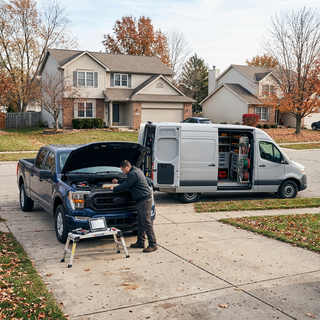
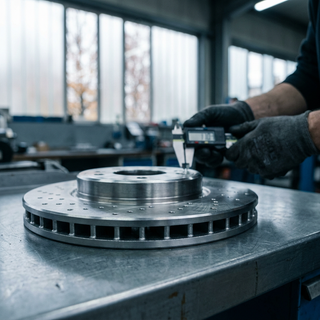
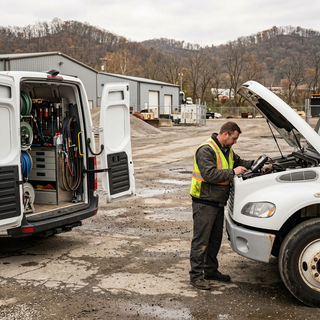
How Does Ford Mobile Service Work for Commercial Fleets? Ford Mobile Service deploys factory-trained technicians directly to your company yard, warehouse, or jobsite in specially outfitted mobile service vans. Our technicians handle scheduled maintenance, light mechanical repairs, diagnostic evaluations, and manufacturer software updates right where your vehicles are parked. Instead of assigning drivers to shuttle trucks to a physical garage and waiting in line, your business schedules on-site appointments during scheduled downtime, keeping your commercial assets road-ready without taking vehicles off their daily routes. Managing a busy lineup of work vehicles requires balancing tight delivery schedules, jobsite commitments, and constant preventative care. When an asset leaves your staging area for maintenance, the hidden costs add up fast: secondary chase vehicles, driver hourly wages spent sitting in waiting rooms, and disrupted route timing. With our mobile service, our team schedules visits around your operating rhythm, servicing vehicles in batches during planned yard stops or between shifts. Our mobile units are equipped with commercial-grade fluid extraction systems, onboard power generators, pneumatic tools, air compressors, and factory calibration equipment. Whether your business operates a local delivery group of Ford Transit vans or runs heavy haulers from our F-Series work truck selection, our mobile technicians carry the specialized tooling required for commercial duty cycles. For local contractors balancing projects near State Route 170 in Calcutta, having scheduled maintenance roll directly onto your lot eliminates route disruptions before morning crews roll out. To discuss setting up a routine commercial care schedule or check our current service perimeter, give our commercial advisors (330) 462-7578 a call. You can also map a route to our service department at 1503 Pennsylvania Ave to coordinate multi-vehicle account setups with our fleet specialists. Table of Contents Can Ford Mobile Service Operate Indoors in a Company Warehouse or Garage? Which Routine Maintenance and Commercial Fleet Services Can Be Performed On-Site? Do Mobile Technicians Have Access to Dealership Diagnostic Systems? How Mobile Maintenance Cuts Fleet Downtime and Supports Mixed Makes with Omnicraft What Do Fleet Managers Need to Know About Ford Mobile Service? Streamline Your Commercial Maintenance Schedule with On-Site Fleet Care Can Ford Mobile Service Operate Indoors in a Company Warehouse or Garage? Indoor service is possible only when a warehouse or garage provides adequate clearance, stable flooring, ventilation, and safe access for the technician. The indoor space must offer adequate overhead door clearance for our tall-roof mobile service vans, a level concrete floor capable of supporting safe jacking, proper airflow, and a facility policy that permits standard commercial automotive fluids on the property. INDOOR FLEET SERVICE CHECKLIST Physical Clearance 10 to 12 feet of overhead door and ceiling clearance for mobile vans Flooring Surface Flat, reinforced concrete clean of debris and rated for commercial jacks Staging Footprint Minimum 4 to 6 feet of perimeter space around each serviced vehicle Facility Ventilation Active air exchange or open bay doors during diagnostic engine cycling Environmental Safety Approved indoor fluid transfer policy and available fire suppression equipment To accommodate our specialized service vans, an indoor facility generally needs a minimum of 10 to 12 feet of vertical clearance at the entry doors and inside the work envelope. Service vans carry internal storage racks, heavy-duty fluid reservoirs, and roof-mounted safety lighting that exceed standard passenger vehicle heights. Staging areas must also provide at least four to six feet of perimeter space around each fleet vehicle so technicians can maneuver tire-handling equipment, roll-around tool cabinets, and digital diagnostic carts without obstruction. Environmental protection is built directly into our on-site processes. Our technicians use closed-loop, vacuum-assisted fluid extraction systems that pull motor oil, transmission fluid, and engine coolant directly through the dipstick tube or sealed access ports into onboard waste recovery tanks. This eliminates open-air gravity pans and drastically lowers the risk of spills on your warehouse floor. Technicians also lay down heavy-duty absorbent containment mats and carry commercial spill kits to comply with property management and industrial health standards. When your warehouse team needs to prepare staging zones or confirm vehicle fitment, you can review our on-site capabilities through our dedicated mobile service overview. If your in-house fleet staff requires replacement filters, hardware, or shop supplies for their own daily checks, you can quickly order commercial maintenance parts through our parts department to keep your staging area fully stocked. Which Routine Maintenance and Commercial Fleet Services Can Be Performed On-Site? Our mobile service handles preventative maintenance, wear-and-tear component replacements, safety inspections, diagnostic troubleshooting, and software-driven recall remedies right at your facility. These capabilities cover up to 80 percent of the routine service events that keep work trucks and cargo vans running through demanding commercial duty cycles. ON-SITE MOBILE SERVICE CAPABILITIES Lubrication & Engine Health Full synthetic and diesel oil changes, oil filters, engine air filters, fuel water separators Brake & Friction Service Pad replacement, rotor replacement, caliper service, hydraulic fluid checks Electrical & Starting Systems Battery conductance testing, AGM/lead-acid replacement, terminal service, alternators Running Gear & Vision Tire rotations, electronic balance checks, tire pressure monitoring reset, wiper sets Diagnostics & Compliance Check engine light diagnostics, factory software updates, safety recall procedures Routine fluid intervals are the foundation of on-site service. Mobile technicians conduct comprehensive oil and filter services on gasoline engines, such as the 3.5L EcoBoost in the Ford F-150, as well as high-capacity Power Stroke turbo diesel engines powering the Ford Super Duty platform. Technicians replace engine air filters, cabin microfilters, and diesel fuel water separators before dirty elements harm fuel efficiency or wear down high-pressure injection pumps. Brake friction components take a beating in urban stop-and-go driving and hilly terrain. Technicians measure pad friction thickness with digital gauges, inspect rotor runout, and replace worn pads and rotors directly on your lot. Mobile vans also carry complete tire service gear, enabling technicians to rotate heavy-ply commercial tires, set cold inflation pressures to load specifications, and reset the Tire Pressure Monitoring System (TPMS) across every axle. To keep commercial vehicles from missing mandated operational windows, dispatchers can schedule fleet service online to book mobile maintenance blocks. Major structural overhauls, internal transmission rebuilds, frame straightening, and tasks requiring multi-post vehicle lifts remain assigned to our main service center, but mobile care handles the regular upkeep that prevents those catastrophic breakdowns. Do Mobile Technicians Have Access to Dealership Diagnostic Systems? Every mobile technician operates with the same factory-level computer diagnostic hardware and proprietary software programs used inside our dealership service bays. Rather than carrying generic handheld code readers that only display basic trouble codes, our mobile units connect directly to Ford Motor Company's engineering database using cloud-linked ruggedized laptops and specialized interface hardware. Our technicians run FDRS (Ford Diagnostic & Repair System) and the legacy IDS (Integrated Diagnostic System) through a genuine Ford VCM 3 (Vehicle Communication Module) vehicle interface. This setup allows technicians to read proprietary controller area network (CAN-bus) live data streams, test individual sensors, and command bidirectional component activations. If a delivery van triggers an illuminated wrench light or enters an engine limp mode, our mobile technician isolates the failing module, checks live pressure readings, and verifies wiring harness voltage on-site. These systems give our mobile units full module programming authority. Technicians can execute: Powertrain Control Module (PCM) software updates to refine transmission shift schedules and engine idle stability Body Control Module (BCM) configurations for auxiliary lighting and upfit electrical circuits Anti-lock braking system calibrations following hydraulic or wheel-speed sensor service Key-fob programming and fleet telematics gateway modem module synchronizations Manufacturer recalls involving module flashes, high-voltage battery software monitoring updates on electric models like the E-Transit, and communications updates are routinely resolved directly on your staging lot. Because our diagnostic tools update over secure cellular networks with real-time factory technical service bulletins, your commercial assets receive identical technical accuracy whether serviced in our shop or parked at your warehouse. How Mobile Maintenance Cuts Fleet Downtime and Supports Mixed Makes with Omnicraft Mobile fleet maintenance slashes non-productive downtime by servicing vehicles when they are naturally parked, eliminating the compounding labor costs of vehicle transport. For operations supporting manufacturing and industrial sites along the river bluffs in East Liverpool, scheduling maintenance between operational runs means zero lost billable hours for drivers and work crews. When a company relies solely on fixed service facilities, the cost of an oil change or brake inspection includes driver wages, fuel burn, and the loss of a revenue-generating vehicle for half a day. Batching mobile service on-site resets this dynamic. While your crews complete paperwork, rest overnight, or load inventory for the next morning, our technicians service three, five, or ten vehicles in a single visit. Dispatchers preserve their scheduled operating hours, vehicle wear from non-revenue travel drops to zero, and your overall fleet availability climbs. FLEET SERVICE METHOD COMPARISON Operational Factor Dealership Bay vs. On-Site Mobile Care Driver Transit Hours 1 to 2 paid driver hours per vehicle vs. 0 driver hours with on-site service Chase Vehicles Required Requires a second driver and chase truck vs. zero external logistics Vehicle Staging Time Sits in off-site holding queue vs. stays parked on company property until finished Service Scheduling Window Strictly during regular shop hours vs. flexible windows during fleet idle time Mixed-Make Support Often requires multiple brand dealers vs. unified care using Motorcraft & Omnicraft Many commercial fleets operate mixed vehicle inventories, combining Ford work trucks with vans and chassis cabs from other manufacturers. Through Ford's Omnicraft parts line, our mobile technicians carry certified, precision-engineered replacement parts designed specifically for non-Ford makes. Omnicraft supplies high-grade brake pads, rotors, starters, alternators, filters, and suspension parts backed by manufacturer warranties. Pairing Omnicraft with genuine Motorcraft components for your Ford vehicles allows you to consolidate all your preventative care into one single mobile vendor. Your fleet administrator handles one service invoice, maintains unified maintenance logs, and avoids juggling accounts across multiple independent repair facilities. What Do Fleet Managers Need to Know About Ford Mobile Service? Q: How many vehicles does my business need to schedule a mobile service visit? A single urgent diagnostic visit and scheduled batch maintenance for dozens of units can both fit into a fleet’s on-site service plan. While servicing multiple vehicles during a single visit maximizes your yard efficiency and technician staging time, single-vehicle visits are regularly scheduled for time-sensitive recalls or critical fluid intervals. Scheduling requirements and travel perimeters depend on technician availability, so contacting our service department allows us to build an appointment window tailored to your lot size. Q: Can mobile technicians service commercial electric vehicles like the E-Transit? Yes, our mobile technicians are certified to perform scheduled maintenance, software updates, and light mechanical repairs on commercial electric vehicles like the Ford E-Transit and F-150 Lightning. On-site EV services include multi-point safety inspections, high-voltage cooling system checks, 12-volt accessory battery testing, cabin air filter replacement, tire rotations, and brake friction maintenance. Mobile technicians also connect factory diagnostic systems to monitor battery cell state-of-health and complete high-voltage battery management software recalibrations right at your fleet charging depot. Q: What happens if an on-site inspection reveals a major mechanical issue? If a technician uncovers severe wear or heavy component failures during an inspection, we document the issue with digital measurements and photographs for your fleet coordinator. The technician establishes whether the vehicle remains safe to operate or requires immediate grounding. For heavy repairs exceeding mobile capabilities, such as transmission replacements, head gaskets, or structural frame alignment, our mobile coordinator helps arrange transport and schedules direct priority entry into our commercial dealership service bays. Q: How do cold winter temperatures and road salt affect mobile maintenance scheduling? Sub-freezing winter weather and heavy road salt usage accelerate undercarriage corrosion and severely strain electrical starting systems. Cold temperatures reduce battery cranking amperage, making proactive conductance testing vital before freezing weather hits. Our commercial battery testing advice explains how our technicians detect failing cells before work trucks fail to crank on winter mornings. If bitter weather or ice storms prevent safe outdoor repairs, mobile visits can transition inside your heated warehouse or be rescheduled to keep technicians safe and equipment operating properly. Q: Is there an added trip charge for scheduling Ford Mobile Service at our facility? Please contact our service department for current mobile service availability and any applicable fees for your location. Your business pays only for the standard parts and labor required for the specific maintenance, inspections, or mechanical repairs performed on your vehicles. Warranty repairs and software-based safety recalls performed on-site are covered according to manufacturer terms with no mobile dispatch fee charged to your commercial account. Streamline Your Commercial Maintenance Schedule with On-Site Fleet Care Protecting commercial vehicle uptime requires a proactive maintenance partner that works around your operating hours rather than disrupting them. Ford Mobile Service from Tri State Ford brings certified technicians, factory-grade diagnostic computers, and original equipment parts straight to your business location. Whether your fleet operates cargo vans, diesel haulers, or mixed-make utility trucks, our mobile units eliminate transit waste and keep your drivers focused on their jobs. Take the friction out of your fleet maintenance schedule by speaking with our commercial service team today. Give us a quick call to set up your company profile, review recurring batch maintenance options, or reserve an upcoming service date. If you prefer to discuss fleet maintenance management in person or inspect our dedicated commercial truck facilities, drop a pin to our service center location and let our commercial team build a maintenance schedule that keeps your business moving forward. © 2026 Tri State Ford. All rights reserved. Vehicle specification data © JATO Dynamics Limited. Ford Mobile Service in East Liverpool, OH | Tri State Ford
c

How Can You Get Car Maintenance Done Without Missing Work?

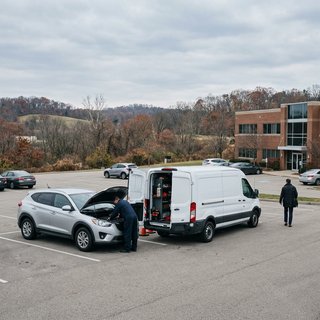
How Can You Get Car Maintenance Done Without Missing Work? You can keep your Ford running smoothly while minimizing workday interruption by utilizing Ford Mobile Service at your workplace, booking complimentary Ford Pickup & Delivery, or taking advantage of secure after-hours key drop facilities. These remote scheduling options can help reduce traditional service lobby wait times by bringing certified auto maintenance directly to your parking spot or transporting your vehicle back and forth while you remain on the clock. For working professionals navigating daily drives down State Route 170 from suburban communities like Calcutta, taking time off for routine vehicle care is often inconvenient. Automotive manufacturers and local service centers have restructured ownership care to eliminate schedule conflicts entirely. Instead of sitting in a waiting room or arranging rides between shifts, vehicle owners can leverage three primary workday options: Mobile On-Site Maintenance: A factory-trained technician drives a equipped service van to your office or worksite to perform essential fluid changes, filter updates, and tire care directly in the parking lot. Valet Pickup and Delivery: Dealership representatives collect your truck, SUV, or sedan directly from your work location, handle required maintenance or repairs at the shop, and return it before your shift ends. After-Hours Key Drop-Off: Drivers drop off their vehicle early in the morning before business hours or late at night using a secure key vault, allowing technicians to perform service during standard operating hours while providing digital updates remotely. Whether you need a quick engine check or standard maintenance, our team at Tri State Ford makes keeping your vehicle healthy seamless. To coordinate your next maintenance visit around your work week, reach out directly at (330) 462-7578 or drop by our service center location to speak with an advisor. Table of Contents What Services Are Included in Mobile Repair and Is There an Extra Fee? How Does Dealership Valet Pickup Work and Do You Need to Be Present? Which Is Faster for Work Schedules: Valet Pickup or Mobile Service? Where Is the Key Drop Box Located for After-Hours Vehicle Drop-Offs? Common Questions About Workday Vehicle Maintenance Options Schedule Convenient Ford Maintenance What Services Are Included in Mobile Repair and Is There an Extra Fee? Ford Mobile Service covers routine scheduled maintenance and light repairs, including engine oil and filter replacements, tire rotations, brake pad replacements, battery testing, wiper blade updates, fluid top-offs, multi-point safety inspections, and recall updates. For vehicles located within standard operational zones, mobile maintenance is typically billed at normal shop rates without added convenience fees. Mobile service vans function as remote service bays, equipped with commercial fluid extraction systems, pneumatic lifts, specialized hand tools, diagnostic equipment, and genuine Motorcraft parts. This equipment allows certified technicians to complete essential care tasks safely and cleanly in commercial parking lots without leaving behind oil drips or waste. Key maintenance tasks performed directly at your job site include: Routine Fluid Maintenance: Synthetic or blend engine oil changes, engine coolant adjustments, transmission fluid checks, and windshield washer reservoir refills. Brake System Care: Front and rear brake pad replacements, rotor inspections, and brake fluid line health assessments. Tire and Wheel Services: Four-wheel tire rotations, air pressure adjustments, tread depth evaluations, and tire wear diagnostics. Electrical and Battery Service: Diagnostic battery health testing, battery terminal cleaning, complete battery replacements, and vehicle software updates. Filter and Accessory Updates: Engine air filter replacements, cabin air filter updates, and wiper blade swaps. Transparent pricing remains a central priority for remote care. Most mobile service programs charge standard labor rates and retail parts costs identical to an in-shop visit. You receive an itemized digital estimate before work begins, allowing complete price clarity before approving any service. To lock in your preferred appointment window, utilize our online service scheduling portal. If you prefer performing basic maintenance tasks yourself or need specific components, you can also explore ordering genuine Ford parts direct from our dealership. How Does Dealership Valet Pickup Work and Do You Need to Be Present? Valet pickup and delivery involves a dealership representative arriving at your designated workplace or home address, exchanging keys, driving your vehicle to the service center for maintenance, and returning it upon completion. You only need to be present for a quick 60-second handoff at the beginning and end of the appointment, though contactless pickup options can often be arranged if work meetings restrict your availability. The Ford Pickup & Delivery workflow is engineered for minimal work interruption: Online or Phone Scheduling: You select a convenient pickup time and specify your vehicle's physical location. Representative Arrival: On service day, a designated dealership driver arrives during your chosen timeframe and notifies you via text message or phone call. Vehicle Inspection and Handover: A brief initial walk-around is performed to document vehicle condition before keys are transferred. Off-Site Repair and Digital Updates: Technicians perform scheduled services at the dealership, sending digital multipoint inspection reports and repair videos straight to your mobile device. Contactless Payment: You review your invoice and submit payment securely through your phone or computer. Return Delivery: The representative delivers your serviced vehicle back to your parking lot and returns your keys. Most dealerships offer complimentary pickup and delivery for qualifying warranty work or standard maintenance within a designated radius, typically 10 to 20 miles from the dealer facility. For services requiring extended shop stays, loaner vehicles can often be arranged during the pickup process. Our service team often notes that commuters scheduling valet service appreciate receiving digital multipoint inspection updates directly to their phones while working, keeping them fully informed without stepping away from their desks. To take advantage of this complimentary convenience, learn more about our Ford Pickup & Delivery program and verify service availability for your work location. Which Is Faster for Work Schedules: Valet Pickup or Mobile Service? Mobile service is generally faster for workday schedules because maintenance begins the moment the technician arrives at your vehicle, avoiding transit travel times and dealership intake lines. However, valet pickup remains the necessary choice when your vehicle requires complex mechanical overhauls, major powertrain repairs, or specialized equipment like wheel alignment machines and heavy shop hoists. Comparing both options helps determine the best fit for your daily schedule: Option Feature Mobile On-Site Service Valet Pickup & Delivery Primary Location Your work parking lot / driveway Dealership service center Typical Downtime 30 to 60 minutes on site 2 to 4 hours (includes transit) Eligible Services Oil changes, batteries, filters, brakes All mechanical, recall, and heavy repairs Vehicle Transit Vehicle remains parked at your work Driven to dealer facility and back Equipment Access Specialized mobile van tools Full dealership workshop and hoists For professionals working near commercial hubs around Market Street in Boardman, choosing mobile service for an oil change or air filter replacement means your vehicle never leaves its space. The entire job is completed while you attend meetings or complete tasks indoors. When a battery dies unexpectedly in the parking structure, requesting a dedicated Ford Mobile Service van allows a technician to handle routine battery testing and replacement right where the car is parked, restoring your vehicle before your workday ends. Where Is the Key Drop Box Located for After-Hours Vehicle Drop-Offs? Our after-hours key drop box is located directly adjacent to the main service department entrance, positioned under exterior security lighting for safe, round-the-clock access. This secure setup allows shift workers, early risers, and late commuters to drop off their vehicle outside regular business hours without needing staff assistance. Using the night drop facility involves simple steps designed for vehicle security and clear communication: Park in Designated Areas: Park your vehicle in a well-lit designated service visitor space near the service bays. Locate the Drop Station: Walk to the illuminated drop box near the main service entrance doors. Fill Out the Envelope: Retrieve a heavy-duty key drop envelope from the dispenser box. Print your contact details, vehicle make, model, and requested services clearly on the envelope face. Lock and Deposit: Lock your vehicle doors, place the key fob inside the envelope, seal it securely, and slide it through the reinforced drop slot into the internal vault. Once service staff open the facility in the morning, an advisor retrieves the key vault envelopes, checks the vehicle into the scheduling system, and contacts you via phone or text to confirm the service plan before work begins. This process ensures your vehicle gets first-tier positioning in the daily service queue. Common Questions About Workday Vehicle Maintenance Options Q: How do I prepare my vehicle for a workplace mobile service visit? Select a relatively flat, open parking space that allows sufficient clearance around your vehicle for the service van. Ensure your vehicle is parked in a publicly accessible area rather than a gated structure with height restrictions, and leave your contact number so the technician can coordinate key access upon arrival. Q: Is Ford Roadside Assistance available if my vehicle breaks down on the way to work? Yes, manufacturer-backed emergency support is available for eligible vehicles during their coverage period. If you experience a flat tire, dead battery, or unexpected breakdown during your morning commute, you can request support by contacting Ford Roadside Assistance: 1-800-241-3673. Certified technicians will respond to provide towing to an authorized dealership, jump-starts, or roadside repairs using genuine components. Q: Can I approve additional repair recommendations remotely while working? Yes, digital multi-point inspection reports are sent directly to your smartphone or email address. These reports include clear photos, video overviews from the technician, and transparent pricing for any recommended maintenance, allowing you to approve or decline specific items with a single tap from your desk. Q: What happens if a mobile inspection reveals a complex mechanical issue? If a mobile technician identifies a major issue requiring specialized workshop machinery—such as extended transmission work or heavy suspension overhauls—the technician documents the finding. Our service center will then coordinate complimentary valet pickup or assist in scheduling a workshop visit to address the repair at our main facility. Q: How far in advance should workday service appointments be scheduled? Booking 3 to 5 business days in advance ensures access to your preferred time window for mobile visits or valet pickup. While urgent repairs can often be accommodated sooner, advance booking secures reserved technician time aligned precisely with your work calendar. Schedule Convenient Ford Maintenance Maintaining your vehicle should never require burning PTO or disrupting your busy work schedule. With flexible mobile care options, complimentary valet pickup, and secure key drop availability, getting certified auto care is simpler than ever. Our factory-trained technicians use only genuine parts and advanced diagnostic tools to keep your Ford running at peak performance. Take control of your workday maintenance routine today. Get in touch with our expert team by giving us a call at (330) 462-7578 or set up directions to visit our East Liverpool facility at your convenience. We look forward to providing the hassle-free service you deserve. © 2026 Tri State Ford. All rights reserved. Car Maintenance Services in East Liverpool OH | Tri State Ford

f

How Do You Set Up Ford Pickup and Delivery Service?

How Do You Set Up Ford Pickup and Delivery Service? Setting up Ford Pickup & Delivery involves selecting the service through the Ford App, contacting our dealership service team by phone, or submitting a request through our online appointment system. You choose an available time window, specify your location, and list the maintenance needed. A dealership representative picks up your vehicle at the designated address, brings it to our service department for care, and returns it to your driveway or workplace once maintenance is complete. Arranging doorstep vehicle care removes the hassle of sitting in a waiting room or arranging rides during a busy workday. Truck owners and commuters balancing tight schedules can organize vehicle maintenance directly from a smartphone or office computer. When setting up your appointment, you specify whether your vehicle will be parked at home or at a work site, establish preferred contact methods for status updates, and approve the initial service scope. For truck owners driving between job sites and residential neighborhoods in Calcutta, setting up service without interrupting daily work routines keeps maintenance on track. Our team confirms the appointment timing and verifies location details prior to dispatching a representative. You can coordinate your next visit by reviewing our service center location on Pennsylvania Ave or by giving our service department a quick call at (330) 462-7578 to speak directly with an advisor. Table of Contents How Does Ford Pickup & Delivery Work on Service Day? How Do You Schedule Ford Pickup & Delivery Through the Ford App? Who Is Eligible for Complimentary Ford Pickup & Delivery? Which Services Qualify for Pickup & Delivery and What Costs Are Excluded? How Does Ford Pickup & Delivery Compare to Ford Mobile Service and Loaner Cars? Common Questions About Ford Remote Service Keep Your Ford Running Smoothly Without Leaving Home How Does Ford Pickup & Delivery Work on Service Day? On your scheduled service day, a dealership representative arrives at your designated address during the agreed time window, conducts a brief vehicle walk-around inspection, and takes possession of your vehicle after providing a digital or paper receipt. Your vehicle is transported to our service facility where factory-trained technicians perform the approved work, after which we deliver your vehicle back to your location and process payment remotely. The handoff process on service day is designed for maximum clarity and safety. Before taking the keys, our representative documents the vehicle's current condition and fuel level while confirming the requested maintenance items. Throughout the day, our service advisors stay in touch using text messages, phone calls, or app updates. If our technicians identify additional maintenance needs during a multi-point inspection, such as worn brake pads or aging wiper blades, you receive a detailed digital estimate to review and approve before any extra work begins. Once maintenance is complete, your vehicle receives a standard check to ensure all work meets factory quality guidelines. The representative cleans key touchpoints and drives or transports the vehicle back to your specified address. Payment is handled securely online or over the phone prior to delivery, meaning you simply receive your keys and completed service document upon return without ever stepping foot inside the dealership. When you are ready to book your next routine care, you can schedule a service appointment online and select genuine components by choosing to order OEM parts directly through our facility. How Do You Schedule Ford Pickup & Delivery Through the Ford App? To schedule Ford Pickup & Delivery using the Ford App, open the application on your smartphone, tap the Service icon, and choose the Pickup & Delivery option. From there, select your required maintenance items, enter your preferred pickup location and appointment date, and tap to confirm your reservation with our dealership. The Ford App streamlines ownership care by storing your vehicle's identification number, service history, and preferred dealership preferences in one central interface. When you open the app to schedule, system diagnostics may automatically flag upcoming maintenance needs based on your mileage and vehicle telemetry. You can select pre-set care packages or type specific notes regarding any vehicle symptoms you want our certified technicians to inspect. Open the Ford App and navigate to the Service tab. Select the Pickup & Delivery option from the available service methods. Check the required maintenance items or enter custom service requests. Input your exact address for pickup and return, such as your home or office. Choose your preferred date and available morning or afternoon time window. Review your contact details and finalize the reservation. After submitting your request, the app sends a push notification confirming that your reservation has been received by our department. As your service date approaches, the app provides real-time updates regarding representative dispatch, vehicle arrival at the shop, work progress, and return timing. You can easily manage these remote features by accessing our dedicated Ford Pickup & Delivery portal to learn more about app compatibility. Who Is Eligible for Complimentary Ford Pickup & Delivery? Complimentary Ford Pickup & Delivery is available to retail owners of Ford vehicles that are currently within their standard 3-year/36,000-mile bumper-to-bumper limited warranty. Owners of out-of-warranty Ford vehicles can still utilize the service for a fee or by redeeming earned Ford owner rewards points at participating dealerships. Vehicle eligibility requires that the vehicle be fully operational, drivable, and safe to transport. Emergency breakdown situations, vehicles with flat tires, or cars involved in roadside collisions do not qualify for standard Pickup & Delivery and must be managed through official roadside support channels instead. Leased Ford vehicles carry full factory warranty coverage during their initial term and are completely eligible for complimentary transport service during that active coverage window. Working-class drivers near the industrial riverfront in East Liverpool who lease a new Ford F-150 or Ford Maverick benefit from factory warranty coverage that includes this doorstep pickup option. Commercial fleet vehicles and heavy-duty trucks like the Ford Super Duty are also eligible at participating locations, provided local distance and transport guidelines are met. Which Services Qualify for Pickup & Delivery and What Costs Are Excluded? Most routine maintenance tasks, minor factory warranty repairs, software updates, and recall services qualify for Ford Pickup & Delivery, including oil changes, tire rotations, brake service, and battery service. The pickup and return vehicle transport is complimentary for eligible warranty owners, but the customer remains responsible for standard parts, labor, and maintenance service charges. Routine maintenance packages like The Works—which combines a synthetic blend oil change, tire rotation, pressure check, brake inspection, and comprehensive multi-point check—are perfectly suited for pickup service. Certified technicians perform all shop work using specialized tools, heavy shop lifts, and diagnostic gear that cannot be carried in a portable service van. Eligible Services Program Exclusions & Requirements Synthetic Oil & Filter Changes Parts and Labor Costs (Customer Pay) Tire Rotations & Wheel Balancing Non-Drivable Vehicles or Flat Tires Multi-Point Safety Inspections Accident/Collision Recovery Work Brake Pad & Rotor Replacements Aftermarket Accessory Installation Battery Testing & Replacement Out-of-Zone Transport Beyond Mileage While transport fees are covered during the warranty period, any out-of-pocket expenses for maintenance items, replacement filters, or worn components are billed directly to the vehicle owner. If a vehicle requires diagnostic testing that reveals out-of-warranty repairs, our service advisors provide clear line-item estimates for approval before work proceeds. Drivers looking to maintain starting power ahead of cold weather can review our guide on battery maintenance and replacement tips to prepare for their appointment. How Does Ford Pickup & Delivery Compare to Ford Mobile Service and Loaner Cars? Ford Pickup & Delivery transports your vehicle to our service facility for shop maintenance, whereas Ford Mobile Service sends a specially outfitted van and technician directly to your location to complete light maintenance in your driveway. If your vehicle requires shop care that spans multiple days, a loaner car can be requested when scheduling Pickup & Delivery, subject to dealer availability. Choosing between remote options depends on the depth of service required. Mobile Service excels at rapid tasks like engine air filter replacements, system software updates, multi-point inspections, and quick battery installations that require minimal heavy equipment. Conversely, Pickup & Delivery is the proper choice when work involves vehicle lifts, lathe turning for brake rotors, complex wheel alignments, or extensive powertrain diagnostics. Ford Pickup & Delivery Ford Mobile Service Vehicle taken to dealer facility Technician travels to customer Uses full shop tools and lifts Uses mobile van and hand tools Ideal for major repairs & brakes Ideal for oil, batteries, recalls Loaner cars available if requested Completed in driveway or lot When heavy-duty truck owners book multi-day maintenance for a Ford Super Duty powered by a 6.7L Power Stroke® V8 Turbo Diesel engine, our service advisors frequently discuss loaner vehicle availability upfront so work schedules remain uninterrupted. If you need a loaner car, requesting it during your initial booking ensures our team can reserve an available vehicle from our fleet. You can review transport availability by checking our service center directions, giving our service staff a call at (330) 462-7578, or exploring our Ford Mobile Service options online. Common Questions About Ford Remote Service Q: Does Ford Pickup & Delivery apply to leased Ford vehicles? Leased Ford vehicles remain eligible for complimentary Pickup & Delivery as long as they are covered under the standard 3-year/36,000-mile bumper-to-bumper warranty. Because leased vehicles carry standard factory warranty coverage, lessees receive the same remote transport benefits as retail buyers for eligible maintenance and warranty repairs. Q: Is there a specific mileage distance limit for vehicle pickup? Participating dealerships establish local transport boundaries based on staffing and travel time, which typically cover a radius of 10 to 15 miles from the facility. You can confirm whether your home or work address falls within our primary pickup zone by entering your address into the Ford App during scheduling or by contacting our service advisors. Q: Can routine oil changes and tire rotations be done with Pickup & Delivery? Routine oil changes, tire rotations, and general maintenance packages like The Works are fully eligible for Pickup & Delivery. Transporting your vehicle to our service facility allows our technicians to perform these maintenance services while utilizing hydraulic lifts for thorough underbody and safety inspections. Q: How do you request a loaner car during Ford Pickup & Delivery? You can request a loaner car while scheduling your appointment through the Ford App or by informing your service advisor over the phone. Loaner availability is managed on a first-come basis, so requesting a loaner vehicle well in advance of major service appointments helps secure temporary transportation. Q: What happens if my vehicle is not drivable or has a flat tire? Vehicles that are non-operational, stuck with a flat tire, or damaged in an accident are not eligible for standard Pickup & Delivery transport. In these situations, owners should contact Ford Roadside Assistance at 1-800-241-3673 to arrange flatbed towing to our certified service center. Keep Your Ford Running Smoothly Without Leaving Home Ford Pickup & Delivery brings professional, factory-backed vehicle care directly to your door, eliminating waiting rooms and commuting hassles. Whether your Ford F-150 needs its scheduled oil change or your Ford Maverick requires routine brake maintenance, our certified technicians ensure your vehicle receives genuine OEM parts and expert attention. Organizing your next service visit takes only a few moments through your smartphone or computer. Contact our service team today to confirm pickup availability for your location, ask about loaner vehicle options, and schedule your next maintenance appointment with total confidence. © 2026 Tri State Ford. All rights reserved. Vehicle specification data © JATO Dynamics Limited. Ford Pickup & Delivery Service in East Liverpool OH | Tri State Ford

f

How Does Ford Mobile Service Work in Your Driveway?

How Does Ford Mobile Service Work in Your Driveway? Ford Mobile Service dispatches factory-certified technicians in specialized support vans directly to your home or workplace to perform routine vehicle maintenance and light repairs. Participating dealers offer this service without an added house-call fee for standard upkeep like oil changes, tire rotations, battery replacements, brake pad service, fluid top-offs, and software updates. Labor and parts fees match standard dealership shop rates, while heavy repairs requiring vehicle lifts or major diagnostic bays are routed to full service facilities. Bringing certified maintenance straight to your parking space eliminates the traditional wait in a customer lounge. Mobile vans come fully equipped with diagnostic computers, fluid extraction systems, pneumatic tools, and genuine OEM motorcraft components. Whether your vehicle is a compact SUV or a hard-working truck, certified technicians follow factory maintenance procedures on site. For example, a heavy-duty model like the Ford F-150 XLT—equipped with a 3.5L V6 engine, SelectShift® automatic transmission, four-wheel drive, and a tow rating up to 10,400 lbs —receives the same systematic fluid checks and filter replacements on your driveway that it would inside a primary workshop bay. Residential service logistics are straightforward. The mobile van requires a relatively flat, paved surface, such as a concrete or asphalt driveway or dedicated parking space, along with adequate clearance around your vehicle to set up tool carts and collection units. Suburban residential driveways throughout Calcutta along State Route 170 provide an ideal layout for routine fluid service and multi-point inspections while owners focus on daily family schedules or work commitments. Our team at Tri State Ford makes mobile care effortless. You can explore Ford Mobile Service capabilities online to see how our remote maintenance fits your schedule. If you prefer to speak with our service department directly, give our advisors a call at (330) 462-7578, or find our dealership location at 1503 Pennsylvania Ave, East Liverpool, OH 43920. Table of Contents What Maintenance Services and Light Repairs Can Be Done at Home? How Does Mobile Care Support Electric and Hybrid Models? Do Prepaid Maintenance Plans and Rewards Points Cover Mobile Service Fees? What Options Exist When Heavy Repairs Require Dealership Shop Facilities? How Do You Schedule a Mobile Appointment in East Liverpool? Common Questions About Driveway Service and Maintenance Logistics What Maintenance Services and Light Repairs Can Be Done at Home? Routine maintenance tasks like oil changes and tire rotations can be completed at home by mobile technicians, saving you a trip to the dealership. A popular choice for remote maintenance is The Works vehicle checkup package. This comprehensive maintenance bundle includes a synthetic blend or full synthetic oil change, filter replacement, tire rotation, tire pressure adjustment, thorough brake inspection, fluid level top-off, battery charge test, and a detailed check of all belts and hoses. For family crossovers such as the Ford Escape—featuring a 1.5L EcoBoost engine, all-wheel drive, and about 38 cubic feet of rear cargo volume—or the Ford Explorer with its 2.3L EcoBoost engine and 5,000 lbs towing capacity, The Works package keeps critical systems protected against daily wear. The scope of mobile maintenance covers a broad variety of common vehicle upkeep needs: Engine oil and filter replacements utilizing manufacturer-recommended oil weights Tire rotation, tread depth inspection, and tire pressure monitoring system adjustments 12V battery testing, terminal cleaning, and full battery replacement Brake pad replacement, rotor thickness measurements, and fluid visual checks Cabin and engine air filter changes, wiper blade replacement, and exterior bulb swaps Computer diagnostic scans, check-engine light evaluation, and over-the-air software recalibrations Minor recall service procedures and factory-approved accessory installations When commercial operators manage multiple work vehicles, remote scheduling keeps fleets operating without taking trucks out of daily service rotations. Drivers can easily schedule a service appointment online for routine maintenance on individual vehicles or review our new Ford F-Series work truck inventory to evaluate how routine mobile service supports fleet uptime. How Does Mobile Care Support Electric and Hybrid Models? Ford Mobile Service equips technicians with high-voltage safety gear and specialized diagnostic tools to service electric vehicles and hybrid powertrains directly at your residence. Mobile units handle 12V battery replacements, high-voltage battery health diagnostics, tire rotations, brake pad inspections, cabin air filter swaps, and over-the-air module updates without requiring a trip to a service bay. Electric and hybrid vehicles demand tailored maintenance attention, particularly regarding thermal management systems and electronic control modules. Certified mobile technicians plug directly into the vehicle's onboard communication network to run complete system health checks, verifying battery cell voltage balance and cooling circuit performance. During cold winter seasons, when low temperatures can temporarily impact battery efficiency by 15% to 30%, mobile diagnostic updates ensure thermal preconditioning systems operate at peak parameters. Brake maintenance on hybrid and electric platforms also presents unique service requirements. Because regenerative braking handles a large portion of daily deceleration, mechanical brake rotors can collect rust or road debris, especially in salt-belt regions where heavy winter road salt accelerates underbody corrosion. Mobile technicians inspect pad wear, clean rotor surfaces, and test mechanical caliper slide pins right on your driveway to ensure smooth stopping power year-round. Do Prepaid Maintenance Plans and Rewards Points Cover Mobile Service Fees? Prepaid maintenance plans, including the Ford Protect Extended Service Plan, may cover eligible routine maintenance delivered by mobile service vans, and owners can redeem Ford Rewards points toward any remaining mobile parts or labor charges. Covered maintenance procedures may be eligible for no additional remote travel surcharges at participating dealerships, allowing vehicle owners to utilize their factory service benefits without leaving home. Redeeming rewards balance points for mobile service follows the exact same process used inside our dealership service drive. Accumulated points can offset the cost of new engine air filters, cabin filters, fresh wiper blades, or brake service. When battery health testing indicates a weakening cell structure, owners can review battery replacement guidance and apply their earned rewards points directly to the purchase of a new original-equipment battery installed right on their driveway. Prepaid factory maintenance plans simplify long-term vehicle budget management by locking in routine service coverage against future price adjustments. Scheduled oil changes, multi-point checks, and tire rotations covered under pre-funded plans apply directly to mobile appointments. Technicians log completed maintenance into the official vehicle service history database immediately upon finishing the job, preserving warranty documentation and supporting future resale value. What Options Exist When Heavy Repairs Require Dealership Shop Facilities? When a vehicle requires major mechanical repairs, internal engine overhauls, transmission rebuilding, frame realignment, or heavy component replacements that demand hydraulic vehicle lifts, Ford Pickup & Delivery provides a seamless alternative to driveway service. Participating dealers send a representative to pick up your vehicle from your residence, transport it safely to our fully equipped service bay, and return it to your driveway once certified technicians complete the repairs. Mobile service vans carry extensive tooling, but safety standards and mechanical requirements dictate that certain complex jobs remain in a controlled workshop environment: Engine removal, internal cylinder head repairs, or complete block replacements Transmission rebuilds, clutch replacements, and transfer case overhauls Four-wheel alignment procedures requiring precision laser alignment racks Structural body repair, frame straightening, and heavy welding projects Major air conditioning compressor rebuilds requiring industrial refrigerant recovery stations For sudden mechanical breakdowns or road emergencies where a vehicle cannot be safely driven, owners rely exclusively on manufacturer coverage. Ford Roadside Assistance: 1-800-241-3673 delivers 24/7 emergency support across North America, providing flat tire changes, battery jump-starts, fuel delivery, lockout assistance, and towing directly to an authorized dealership service center. When your vehicle is in our shop for extended repairs or scheduled mechanical work, our parts department uses only original equipment manufacturer components engineered to exact vehicle specifications. Vehicle owners looking to purchase specific maintenance parts or factory accessories can easily order OEM Ford parts directly through our dedicated online portal. How Do You Schedule a Mobile Appointment in East Liverpool? Scheduling a driveway mobile service appointment requires only a few minutes online through the Ford App, via our dealership service portal, or over the phone with a service advisor. Owners enter their vehicle model details, select the necessary maintenance procedures, input their home or office address, and choose an available calendar time slot that aligns with their daily plans. Before the technician arrives, preparing your parking area helps ensure a smooth and safe appointment: Park your vehicle on a flat, stable surface such as a concrete or asphalt driveway or level parking bay. Ensure at least 4 to 5 feet of clear workspace around the entire perimeter of the vehicle for tool carts and fluid equipment. Keep the driveway clear of parked secondary vehicles, children's toys, or yard debris. Unlock the vehicle doors and have the key fob ready for the technician upon arrival. Residential driveways situated along the riverfront bluffs and elevated valley streets of East Liverpool provide a suitable working environment for mobile service vans when clear, level parking is available. Once work is finished, the technician performs a final system check, reviews the digital multi-point inspection report with you, processes payment or plan coverage electronically, and leaves your driveway as clean as when they arrived. Common Questions About Driveway Service and Maintenance Logistics Q: Does Ford charge an extra travel fee for mobile service coming to your house? Participating Ford dealerships offer mobile service for routine maintenance and light repairs without charging an additional house-call or travel convenience fee. Labor rates and parts pricing for mobile appointments match standard dealership workshop pricing. Specific mileage radii or service area limits may apply depending on your location, so confirming coverage details when booking your appointment ensures transparent service expectations. Q: Can mobile service technicians perform official safety recall repairs in a driveway? Mobile technicians can complete select safety recall repairs right in your driveway, including software recalibrations, door latch updates, wiring harness inspections, and minor component swaps. Complex safety recalls requiring heavy disassembly or specialized workshop machinery must still be performed inside our service bay. When scheduling, provide your vehicle identification number so advisors can verify recall eligibility for remote service. Q: What happens if a mobile technician discovers a major mechanical issue during driveway service? If a mobile technician identifies a complex mechanical issue during a driveway inspection that cannot be safely repaired on site, they document the finding with photos and diagnostic data in your digital multi-point report. The technician explains the repair requirements and helps arrange Ford Pickup & Delivery or schedules a workshop visit at our dealership service facility so certified shop technicians can complete the necessary repairs. Q: Are mobile service technicians factory-certified to perform warranty maintenance? Every mobile service technician dispatched to your home is factory-certified and undergoes the exact same rigorous technical training required for dealership shop staff. All maintenance and light repairs performed during a mobile service visit utilize genuine OEM parts and adhere strictly to factory specifications, fully preserving your original new vehicle limited warranty and any active extended service plans. Q: Can mobile service replace worn brake pads and rotors in a residential driveway? Mobile service vans carry specialized jack stands, pneumatic tools, and precision measurement calipers to replace worn brake pads and rotors directly on your driveway. Technicians measure rotor thickness, inspect caliper slides, flush brake lines when necessary, and perform a complete system safety check before completing the appointment, restoring full stopping performance without requiring a trip to the shop. For any additional questions regarding driveway maintenance logistics, scheduling assistance, or vehicle care, reach out to our service team at (330) 462-7578 or visit our East Liverpool facility to speak with our certified technicians today. © 2026 Tri State Ford. All rights reserved. Vehicle specification data © JATO Dynamics Limited. Ford Mobile Service in East Liverpool OH | Tri State Ford

v

Are OEM Motorcraft Parts Necessary for Maintaining a Ford?

Are OEM Motorcraft Parts Necessary for Maintaining a Ford? OEM Motorcraft parts are not strictly mandatory to keep a vehicle running, but they are essential for preserving exact factory specifications, electronic compatibility, and help support warranty compliance on Ford vehicles. Engineered directly for Ford and Lincoln models, Motorcraft components eliminate fitting discrepancies, prevent premature wear, and include a two-year, unlimited-mileage warranty with labor coverage when installed by authorized technicians. Maintaining a modern truck or SUV requires parts that match original factory tolerances. Standard Original Equipment Manufacturer (OEM) components are produced using the precise metallurgical, electrical, and dimensional blueprints designated by Ford engineering. Third-party aftermarket parts, by contrast, may be designed to fit a range of vehicle makes and models. While a generic component might bolt into place initially, subtle variance in clearance or material strength may contribute to vibration, accelerated wear on adjacent systems, or dashboard warning codes. For critical mechanical assemblies like braking systems, steering linkages, and complex electronic sensors, relying on factory-tested parts ensures that your vehicle performs exactly as designed. Driver-assist systems such as blind spot monitoring, adaptive cruise control, and pre-collision braking rely on precise sensor housing geometry to operate properly. Installing an uncalibrated third-party sensor bracket can disrupt radar signals and compromise active safety functionality. Our advisors see that drivers navigating the gently rolling hills and daily stop-and-go travel along State Route 170 in Calcutta rely on original chassis components to prevent premature suspension wear. Using authentic components protects mechanical longevity and can help simplify future maintenance by matching your specific vehicle identification number (VIN). When your vehicle requires maintenance or repair, you can order OEM Motorcraft components directly from Tri State Ford, visit our dealership address at 1503 Pennsylvania Ave, or speak with our parts specialists by calling (330) 462-7578. Table of Contents Are Motorcraft Parts Made by Ford and Who Manufactures Their Filters? Why Do Dealerships Charge More for Motorcraft Parts and Do Aftermarket Options Void Your Warranty? Is Motorcraft Synthetic Blend Oil and Spark Plugs Right for EcoBoost Engines? Does the Motorcraft Warranty Cover DIY Installation Labor and Battery Replacements? Common Questions About OEM Fitment, Maintenance Standards, and Part Reliability Where East Liverpool Owners Can Confirm Motorcraft Fitment and Get Trusted Service Are Motorcraft Parts Made by Ford and Who Manufactures Their Filters? Motorcraft is Ford Motor Company's official replacement parts brand, but Ford contracts specialized tier-1 automotive manufacturers to produce these components strictly to Ford's proprietary engineering specifications. For example, Motorcraft oil filters are manufactured primarily by Purolator under strict Ford engineering design standards to ensure original equipment performance. Understanding the distinction between Ford Genuine Parts and Motorcraft parts helps clarify how your vehicle was built and serviced. Ford Genuine Parts are the exact components installed on the factory assembly line during vehicle production. Motorcraft parts are engineered specifically as high-quality replacement parts for routine maintenance and repair across Ford and Lincoln vehicles throughout their operational lifespan. Both lines share identical testing standards, structural requirements, and quality control protocols established by Ford engineers. Major automotive suppliers produce components for Motorcraft under strict licensing agreements. Motorcraft oil filters incorporate specific internal features required by Ford, including silicone anti-drain back valves that resist extreme temperatures down to -75 degrees Fahrenheit and up to 450 degrees Fahrenheit. They also feature relief valves positioned specifically to prevent trapped oil bypass contaminants from re-entering the engine during cold winter starts. These internal design details differ significantly from standard off-the-shelf aftermarket filters, which often compromise on bypass location or media density to lower production costs. Maintaining consistent service schedules with original components keeps your vehicle dependable without disrupting your daily routine. Owners who prefer flexible service solutions can take advantage of our mobile service appointment options or set up pickup and delivery maintenance services to have routine oil changes and filter replacements handled seamlessly by our team. Why Do Dealerships Charge More for Motorcraft Parts and Do Aftermarket Options Void Your Warranty? Dealership pricing for Motorcraft parts reflects original vehicle engineering, extensive crash testing, strict quality standards, and manufacturer-backed warranty coverage. Installing non-Motorcraft or aftermarket components does not automatically void your vehicle's factory warranty under federal law, provided the third-party component does not directly cause a mechanical failure. The initial purchase price of an OEM component covers extensive research, multi-stage laboratory testing, and vehicle-specific calibration. Aftermarket manufacturers bypass these upfront development expenses by reverse-engineering existing parts, which allows them to offer lower retail shelf prices. However, generic components often sacrifice material purity, seal durability, or precise electronic compatibility. Under the Magnuson-Moss Warranty Act, an automobile manufacturer cannot invalidate your entire vehicle warranty simply because an aftermarket part was installed. However, if a low-quality aftermarket oil filter collapses and starves the engine of oil pressure, or if an uncertified electrical module shorts out a control unit, repairs for that secondary mechanical damage will not be covered under Ford's factory warranty. Similarly, under federal emissions regulations ( 40 CFR 85.2105), emissions warranty claims can only be denied if an uncertified aftermarket component directly caused the vehicle to fail emissions standards. Factor OEM Motorcraft Parts Generic Aftermarket Parts Engineering Standard Exact factory blueprints and tolerances Reverse-engineered universal designs Material Quality High-grade alloys and specialized polymers Variable material consistency Electronic Integration Direct plug-and-play factory calibration Potential communication errors Warranty Backing 2-year/unlimited-mileage warranty with labor Supplier-dependent (often part-only) Fitment Accuracy Direct VIN-specific match Multi-vehicle compromise fit Choosing factory-certified replacement components protects your mechanical investment and eliminates repair uncertainty, ensuring every component operates in harmony with original factory systems. Is Motorcraft Synthetic Blend Oil and Spark Plugs Right for EcoBoost Engines? Motorcraft 5W-30 Synthetic Blend motor oil and genuine Motorcraft spark plugs are engineered specifically to meet the high thermal and pressure demands of Ford EcoBoost turbocharged engines. Formulated to satisfy Ford specification WSS-M2C961-A1, Motorcraft synthetic blend oil delivers exceptional oxidation resistance and shear stability across factory maintenance intervals. Direct-injected and turbocharged EcoBoost engines generate significantly higher internal cylinder pressures and operating temperatures than naturally aspirated engines. Motorcraft 5W-30 Synthetic Blend oil uses targeted additive packages that resist oil breakdown and minimize deposit formation on intake valves and turbocharger bearings. While full synthetic oil provides maximum extreme-temperature protection, Motorcraft synthetic blend provides robust, factory-validated engine protection for standard daily driving and heavy trailering alike. Ignition performance is equally critical in EcoBoost powertrains. Under turbocharger boost pressure, weak spark energy or improper electrode gaps can cause high-load engine misfires. Motorcraft spark plugs feature precise iridium or platinum alloy tips designed to maintain stable spark energy and match exact factory heat ranges. Many Motorcraft iridium plugs are produced through engineering partnerships with leading manufacturers like NGK to meet Ford's strict combustion requirements. Installing generic spark plugs with incorrect heat ranges can lead to pre-ignition, rough idling, or reduced fuel efficiency. Keeping up with scheduled fluid changes and ignition maintenance protects turbocharger efficiency and engine response over years of ownership. You can easily schedule a service appointment online to have our factory-trained technicians inspect your spark plugs, perform multi-point inspections, and complete factory-spec oil services. Does the Motorcraft Warranty Cover DIY Installation Labor and Battery Replacements? The standard Motorcraft Service Parts Warranty provides two years of unlimited-mileage coverage that includes both part replacement and professional labor costs when installed by an authorized dealer or service center. However, if a Motorcraft part is purchased for DIY self-installation, the warranty covers replacement of the defective component itself but does not reimburse for personal labor or self-installation time. Understanding warranty details ensures you get the full value from every replacement component: Professional Installation Coverage: Parts installed during customer-paid repair orders at authorized facilities carry full two-year coverage with zero mileage limits, including labor reimbursement for removal and reinstallation. DIY Self-Installation Coverage: Over-the-counter part sales retain full two-year component replacement protection, but self-installers must handle physical replacement labor. Commercial and Installer Orders: For qualifying commercial fleet and installer repair orders, labor reimbursement is supported up to $75 per hour. Motorcraft batteries offer tailored replacement warranties based on performance tier. The Motorcraft Tested Tough PLUS battery features a 24-month replacement warranty with pricing available from the dealership. For severe weather demands, the Motorcraft Tested Tough MAX battery carries a 36-month replacement warranty, providing high cold-cranking amps for reliable winter starting. Reviewing proper battery maintenance guidelines helps extend battery life and prevents seasonal electrical failures. Common Questions About OEM Fitment, Maintenance Standards, and Part Reliability Q: Will using non-Motorcraft parts void my Ford factory warranty? A: Installing non-Motorcraft or aftermarket parts does not automatically void your vehicle warranty under the Magnuson-Moss Warranty Act. However, if an aftermarket part fails and directly causes damage to adjacent engine or driveline components, repairs for that secondary damage will not be covered under the factory warranty. Q: Are Motorcraft parts the exact same as Ford Genuine Parts? A: Ford Genuine Parts are the original components installed on the vehicle line during factory assembly. Motorcraft parts are Ford-engineered replacement parts designed specifically for ongoing vehicle service and routine maintenance across Ford and Lincoln models. Both meet identical Ford quality standards. Q: Who manufactures Motorcraft oil filters for Ford vehicles? A: Motorcraft oil filters are produced primarily by Purolator under contract, built strictly according to Ford's OEM engineering specifications. They feature specialized silicone anti-drain back valves and relief valve placements designed to protect Ford engines during cold starts. Q: Does the Motorcraft warranty reimburse labor costs if I install a part myself? A: If you purchase a Motorcraft part over the counter and install it yourself, the two-year warranty covers replacement of the defective part but does not compensate for self-installation labor. Labor coverage is included when parts are installed by an authorized dealership service center. Q: Is Motorcraft synthetic blend oil suitable for turbocharged EcoBoost engines? A: Motorcraft 5W-30 Synthetic Blend oil meets Ford specification WSS-M2C961-A1 and provides proper thermal protection and anti-wear defense for EcoBoost engines under normal service schedules. For extreme thermal demands or prolonged towing, full synthetic oil offers enhanced resistance to high-temperature oxidation. Where East Liverpool Owners Can Confirm Motorcraft Fitment and Get Trusted Service Confirming exact VIN-specific part numbers and securing original factory components is straightforward at Tri State Ford. For drivers traveling along the Ohio River waterfront bluffs in East Liverpool, using authentic components ensures that your truck or SUV maintains optimal braking efficiency, suspension stability, and powertrain longevity across every season. Our service and parts department provides direct access to over 18,000 factory-engineered Motorcraft parts backed by Ford's two-year unlimited-mileage warranty. Whether you require a Tested Tough PLUS battery replacement, fresh 5W-30 Synthetic Blend oil, or factory brake pads, our team works to provide correct fitment and professional installation. To confirm part fitment, check current pricing, or schedule your next maintenance visit, stop by our service department location at 1503 Pennsylvania Ave or call our service team directly at (330) 462-7578. © 2026 Tri State Ford. All rights reserved. OEM Motorcraft Parts in East Liverpool OH | Tri State Ford

d

Does Oil Filter Quality Actually Affect Engine Life?

Does Oil Filter Quality Actually Affect Engine Life? Oil filter quality directly impacts engine life by trapping microscopic abrasive particles before they circulate through precision engine components. A high-quality filter maintains structural integrity, retains fine debris down to 20 microns, and preserves steady oil flow under heavy engine loads. Substandard or clogged filters allow dirt to bypass filtration or restrict oil pressure, causing accelerated wear on bearings, crankshafts, and camshafts over time. Engine oil acts as the primary lubricant and coolant for moving internal parts. As oil flows through the engine, it collects metallic dust, combustion soot, and microscopic debris. Without an effective filter in place, these hard contaminants act like abrasive grit against engine bearings, cylinder walls, and valve trains. Over thousands of miles, unfiltered microscopic particles gradually erode precision clearances, reducing oil pressure and shortening the overall operating life of the powerplant. Commuters navigating daily drives along State Route 170 near Calcutta often ask our technicians during routine oil changes whether premium filters are truly necessary. Practical experience shows that consistent filtration quality prevents subtle, cumulative internal erosion that leads to major mechanical repairs. Ford equips modern vehicles with an Intelligent Oil-Life Monitor that calculates maintenance intervals based on real-world driving conditions. To protect engine longevity, replacing the oil filter at every indicated oil change is essential. For expert vehicle maintenance located at 1503 Pennsylvania Ave, East Liverpool, OH 43920, you can get step-by-step directions to our East Liverpool service center or give our service team a call directly at (330) 462-7578 to consult with a technician. Table of Contents What Is a Micron Rating on an Oil Filter and Why Isn't Lower Always Better? Synthetic vs Cellulose Filter Media: Which Protects Engine Components Better? What Is an Oil Filter Bypass Valve and How Does It Protect Your Engine? How Do Extended-Performance Oil Filters Differ from Basic Options to Prevent Repairs? Does Using an Aftermarket Oil Filter Void Your Warranty or Risk Internal Breakdown? Answers to Common Questions About Engine Oil Filters and Ford Service What Is a Micron Rating on an Oil Filter and Why Isn't Lower Always Better? A micron rating measures the smallest size of particle, in micrometers, that an oil filter media can trap from circulating engine oil. A lower micron rating is not automatically better because an overly restrictive filter can choke oil flow, triggering the internal bypass valve and allowing dirty, unfiltered oil to flood engine bearings. One micrometer equals one-millionth of a meter or roughly 1/25,400th of an inch. A human hair averages 70 microns in diameter, whereas particles as small as 10 to 20 microns can slip into the microscopic clearances between crankshaft journals and engine bearings, causing scoring over time. Evaluating a filter requires balancing three distinct performance metrics: Filtration efficiency: The percentage of particles at a specific micron size trapped during fluid passage. Flow rate: The volume of oil allowed to pass through the media per minute without excessive fluid restriction. Dirt-holding capacity: The total amount of debris the media can hold before oil pressure drops. Achieving an ultra-low micron rating with basic materials requires making the media pores extremely dense. Small media pores create high flow resistance, especially when engine oil is cold and thick during initial startup. When oil flow is restricted, pressure drops downstream. The lubrication system responds by opening the bypass valve to protect the engine from oil starvation, allowing unfiltered oil to circulate. Premium filters balance particle capture, fluid throughput, and total capacity in accordance with Society of Automotive Engineers standards such as SAE J1858. Synthetic vs Cellulose Filter Media: Which Protects Engine Components Better? Synthetic filter media protects engine components far better than conventional cellulose media by using engineered synthetic micro-glass fibers that capture smaller particles with higher efficiency while maintaining lower flow restriction. Synthetic media also offers double the dirt-holding capacity and resists high-temperature chemical degradation during extended oil change intervals. Conventional cellulose filter media consists of natural wood pulp paper fibers with irregular shapes and inconsistent pore sizes. Under heat, moisture, and chemical exposure from engine combustion, cellulose paper fibers swell, harden, and break down over time. Synthetic media features laboratory-engineered micro-glass or polyester fibers woven into a dense, uniform structure. This design enables "depth filtration," trapping contaminants throughout the thickness of the material rather than relying solely on the surface layer. Key Media Performance Differences Trapping efficiency: Synthetic media captures particles as small as 15 to 20 microns at over 99% efficiency, whereas standard cellulose paper filters typically capture 30 to 40 micron particles at lower overall efficiency rates. Flow capability: Micro-glass fibers are significantly thinner than paper fibers, leaving larger open pathways for oil to flow freely during cold starts. Thermal and chemical resistance: Modern turbocharged EcoBoost engines operate under intense heat. Synthetic media withstands severe thermal stress and extended drain schedules up to 10,000 miles without tearing or degrading. When servicing your vehicle, utilizing OEM-spec media ensures proper oil flow and filtration depth. Drivers performing home maintenance can conveniently order factory-approved components through our portal for ordering OEM Motorcraft parts to maintain factory performance standards. What Is an Oil Filter Bypass Valve and How Does It Protect Your Engine? An oil filter bypass valve is a spring-loaded safety mechanism that opens when the pressure differential between the filter's inlet and outlet exceeds a safe threshold. It protects the engine by prioritizing oil volume over oil cleanliness, ensuring moving components never suffer total oil starvation during cold starts or severe filter blockage. The oil pump forces fluid into the outer chamber of the filter housing, through the filter media, and out the center core to the engine. If the filter media becomes heavily clogged with debris or if cold oil is too viscous to pass quickly, pressure builds up on the inlet side. Once this pressure differential reaches a factory-calibrated limit—typically between 8 PSI and 15 PSI —the spring compresses, opening the valve and allowing oil to bypass the media directly to the engine bearings. During sub-zero winter morning starts in Boardman, engine oil thickens considerably. Without a functioning bypass valve, dense oil would be unable to pass through the filter media quickly enough, causing several seconds of destructive friction before fluid pressure normalizes. Working alongside the bypass valve is the anti-drainback valve, a flexible seal located behind the filter inlet holes. It prevents oil from draining out of the filter canister back into the oil pan when the engine is turned off. A durable silicone anti-drainback valve remains soft and pliable across extreme temperature ranges, preventing "dry starts" by maintaining immediate oil pressure upon ignition. How Do Extended-Performance Oil Filters Differ from Basic Options to Prevent Repairs? Extended-performance oil filters differ from basic filters by incorporating heavy-gauge steel canisters, synthetic micro-glass filtration media, wire-mesh media reinforcement, and high-temp silicone valves engineered for extended drain intervals. These heavy-duty components resist structural collapse, hold twice as much debris, and maintain proper pressure, preventing costly engine repairs caused by bearing wear and oil pressure loss. Component Feature Basic Filter Extended-Performance Filter Canister Strength Standard thin-gauge steel Heavy-gauge steel rated above 300 PSI burst pressure Filter Media Organic cellulose paper Synthetic micro-glass with wire-mesh backing Anti-Drainback Valve Nitrile rubber Premium silicone anti-drainback valve Service Rating 3,000 to 5,000 miles 10,000 miles or more End Cap Construction Glued composite or paper Stamped steel or heavy synthetic composite Using a basic filter beyond its rated capacity risks media saturation. Once saturated, the filter operates in continuous bypass mode, circulating microscopic grit that scores camshaft lobes, turbocharger shaft bearings, and variable camshaft timing phasers. Keeping up with filter replacements using high-grade components protects internal mechanical tolerances. Owners can ensure timely maintenance by scheduling a service appointment online with our factory-trained technicians. Does Using an Aftermarket Oil Filter Void Your Warranty or Risk Internal Breakdown? Under the federal Magnuson-Moss Warranty Act, using an aftermarket oil filter does not void a vehicle's factory warranty unless the dealer or manufacturer proves that the specific aftermarket filter caused the engine failure. However, installing low-quality or incorrectly specified filters carries a high risk of internal breakdown, including media shredding and improper bypass valve calibration. Federal law protects consumer choice in routine vehicle maintenance. Vehicle owners may choose replacement parts as long as the part meets original equipment specifications for flow rate, burst strength, and filtration efficiency. However, if an inferior filter collapses, tears, or leaks, the vehicle warranty will not cover the resulting internal engine repairs. Substandard paper filter media can deteriorate under sustained thermal stress, shedding loose fibers into the lubrication stream. These loose fibers and circulating sludge travel directly to sensitive engine components, clogging narrow passages in variable valve timing solenoids, oil pressure sensors, and turbocharger oil supply lines. Severe media restriction leads to sustained low oil pressure, triggering dash warning lights and accelerating wear. To avoid installation failures, always inspect the mounting engine pad to ensure the old rubber gasket did not remain stuck to the filter housing—a condition called "double-gasketing" that causes immediate, severe oil loss upon engine startup. Hand-tighten spin-on filters according to specification, and select factory-tested filters like Motorcraft designed specifically for your Ford engine's flow requirements. Answers to Common Questions About Engine Oil Filters and Ford Service Q: How often should an engine oil filter be replaced? Ford recommends replacing the engine oil filter at every oil change, as directed by your vehicle's Intelligent Oil-Life Monitor. For most modern Ford vehicles driven under normal conditions, this interval ranges between 7,500 and 10,000 miles or once per year. Replacing the filter every time you change the oil ensures fresh dirt-holding capacity and prevents accumulated debris from contaminating fresh fluid. Q: What are the signs of a clogged or failing oil filter? Key warning signs of a failing or restricted oil filter include an illuminated oil pressure warning light, dark or sludgy oil on the dipstick, unusual metallic clattering from the engine during acceleration, and elevated operating temperatures. If the oil pressure warning light comes on while driving, safely pull over immediately and turn off the engine to prevent severe mechanical damage. Q: What is the difference between spin-on and cartridge oil filters? A spin-on oil filter is a self-contained metal canister containing the filter media, anti-drainback valve, and bypass mechanism, which threads directly onto the engine block. A cartridge oil filter consists of a replaceable paper or synthetic filter element that drops into an engine-mounted housing, utilizing a reusable cap and new rubber O-rings. Both perform identical filtration functions when properly matched to the engine design. Q: Can an oil filter cause oil pressure problems? An improper or severely clogged oil filter can cause low oil pressure if the internal media collapses or if the bypass valve fails to open under high restriction. Conversely, installing an incorrectly sized filter with an improper bypass pressure setting can alter flow dynamics within the lubrication system, potentially triggering diagnostic trouble codes or insufficient bearing lubrication. Q: Why should routine multi-point inspections include battery testing alongside oil changes? Routine maintenance is most effective when treating the vehicle as a complete system. Testing the battery during an oil service identifies weak cells before cold weather causes sudden starting failure. Combining oil filter replacements with battery checks, fluid top-offs, and tire pressure adjustments ensures total operational reliability for every drive. Maintaining proper engine lubrication with high-quality filtration is one of the most effective ways to ensure long-term vehicle durability. Whether you need routine maintenance or specific replacement parts, our team provides transparent, trusted service using factory-certified components. You can reach our service team directly at (330) 462-7578, schedule your visit online, or drop by by getting directions to our East Liverpool location. We are also happy to assist with comprehensive electrical checks including routine battery service and testing during your next visit. © 2026 Tri State Ford. All rights reserved. Oil Filter Importance in East Liverpool OH | Tri State Ford

d

What Causes a Car to Vibrate at Highway Speeds?

A car vibrates at highway speeds primarily due to tire and wheel imbalance, uneven tire tread wear, or a bent wheel rim. As vehicle speed increases, even minor weight variations or physical defects create centrifugal force that wobbles the assembly rapidly. Less frequently, warped brake rotors, worn CV joints, unbalanced driveshafts, or loose suspension components cause or magnify high-speed shaking. When a vehicle travels at 55 to 70 mph, its wheel and tire assemblies rotate roughly 800 to 1,000 times per minute. At these rotational speeds, a heavy spot weighing as little as half an ounce exerts strong kinetic force against the hub, steering assembly, and chassis. Identifying the exact source of high-speed shaking requires observing when the sensation occurs, where it is felt inside the cabin, and whether it changes under specific driving actions like braking or accelerating. The location of the vibration inside the passenger cabin offers a reliable diagnostic starting point. Vibrations felt primarily in the steering wheel indicate an issue with the front tires, front wheel rims, or front suspension linkages. Conversely, shaking that resonates through the seat cushions, floorboard, or center console usually points to rear tire imbalance, bent rear wheels, or driveline issues in vehicles equipped with rear-wheel or all-wheel drive systems like the 2026 Ford Explorer ST-Line. Addressing high-speed vibrations promptly prevents secondary mechanical damage. Continuous shaking subjects wheel bearings, ball joints, and tie-rod ends to excessive dynamic stress, leading to premature component failure and irregular tire tread wear. If your vehicle develops a sudden or severe oscillation, our technicians recommend reducing speed safely, inspecting your tires for visible defects, and reaching out to our service department on Pennsylvania Avenue or giving our team a quick call to schedule a thorough inspection. Table of Contents Why Does Your Car Shake Specifically Between 50 and 70 MPH? How Do Unbalanced Tires and Wheel Issues Trigger Vibration? What Mechanical Defects in Brakes, Drivetrain, and Suspension Cause Shaking? Standard vs. Road Force Balancing: When Is Advanced Balancing Worth the Cost? Frequently Asked Questions About Vehicle Vibrations at Speed Expert Diagnostic Service and Precision Wheel Care Why Does Your Car Shake Specifically Between 50 and 70 MPH? A vehicle shakes specifically between 50 and 70 mph because that speed range matches the natural resonant frequency of most automotive tire and suspension setups. At these specific rotational velocities, minor physical imperfections in the wheel assembly align with the wheel's natural bounce rate, magnifying a small weight imbalance into a noticeable wobble. Below 50 mph, the rotational speed of the wheel is too low for centrifugal force to generate enough energy to overcome the dampening resistance of the shocks and struts. Above 70 mph, the frequency of the vibration often increases beyond the suspension system's natural resonance point, which can cause the sensation to smooth out slightly even though the underlying mechanical defect remains present. Our service advisors notice that when drivers bring in vehicles for a high-speed wobble between 50 and 70 mph, they often suspect worn brake rotors first, though tire imbalance is the culprit in the vast majority of cases. During daily commutes across East Liverpool, hitting deep potholes or sharp pavement edges can easily dislodge a small clip-on or adhesive wheel balance weight from an aluminum rim. When a wheel loses a balance weight, the tire no longer rolls uniformly around its center axis. Over time, this uncontrolled hopping motion creates uneven cupping or diagonal tread wear across the tire surface, further amplifying the high-speed shake. Replacing missing weights early or utilizing original equipment components helps restore a smooth ride. You can easily order OEM Ford wheels and tire assemblies directly through our service center to match factory engineering standards. How Do Unbalanced Tires and Wheel Issues Trigger Vibration? Unbalanced tires trigger high-speed vibration because weight distribution across the tire carcass and wheel rim is never mathematically perfect from the factory. As the assembly spins at highway speeds, any concentrated heavy area generates an outward pulling force that causes the wheel to hop vertically or shimmy side-to-side. Dynamic wheel imbalance manifests in two distinct mechanical patterns: Static imbalance: Occurs when a single heavy spot exists on the tire tread, causing the wheel to hop up and down rhythmically against the road surface. Dynamic imbalance: Occurs when weight is unevenly distributed on opposite sides of the wheel centerline, causing the assembly to wobble side-to-side as it spins. Physical wheel damage plays an equally significant role in generating high-speed vibrations. An aluminum or steel wheel rim that suffers impact damage can develop a subtle lateral or radial bend. Even if the tire holds air pressure perfectly, a bent rim prevents the tire bead from seating evenly, resulting in dynamic runout that vibrates through the vehicle body during highway travel. Tire internal construction failures also cause severe high-speed shaking. A broken or shifted steel belt inside the tire carcass creates a localized bulge or flat spot across the tread face. Unlike minor balance weight loss, internal belt separation weakens the structural integrity of the tire and requires immediate replacement to ensure safe vehicle operation on fast-moving highways. What Mechanical Defects in Brakes, Drivetrain, and Suspension Cause Shaking? Mechanical defects in the braking system, drive axles, or suspension linkages cause high-speed vehicle vibration when rotational components warp, develop joint play, or fail to keep the tire firmly anchored to the road. Distinguishing between braking, acceleration, and coasting vibrations helps pinpoint the specific mechanical component at fault. Brake-induced vibration occurs almost exclusively when applying the brake pedal at highway speeds. Over time, thermal stress or improper lug nut torque can cause variation in brake rotor thickness or surface lateral runout. As the brake pads clamp onto a rotor with uneven thickness, the hydraulic system pulses against the caliper piston, transmitting a rapid shaking sensation through the brake pedal and steering wheel. Sticking caliper slides can also hold the brake pad lightly against the rotor during high-speed cruising, generating friction heat that leads to thermal distortion and continuous high-speed drag. Drivetrain and axle issues produce vibration patterns tied directly to engine load and torque delivery: Constant-velocity (CV) joints: Worn inner CV joints or failing u-joints create a rhythmic side-to-side shudder felt mainly during highway acceleration that subsides when you lift off the accelerator pedal. Driveshaft imbalance: On rear-wheel drive models or four-wheel drive trucks like the 2026 Ford F-150 XLT 4x4, a bent driveshaft, missing balance weight, or worn u-joint creates a high-frequency vibration felt in the vehicle floorboard. Differential bearings: Worn pinion or carrier bearings in the axle assembly generate a low-frequency hum and vibration that changes pitch depending on whether the vehicle is cruising, accelerating, or coasting. Suspension wear rarely generates a high-speed vibration on its own, but worn shocks, struts, ball joints, or control arm bushings fail to absorb minor wheel vibrations. When suspension dampening weakens, even minimal tire tread irregularities are transmitted directly into the passenger cabin. Standard vs. Road Force Balancing: When Is Advanced Balancing Worth the Cost? Road force balancing is worth the additional investment when standard spin balancing fails to eliminate high-speed vibration, or when diagnosing firm-riding vehicles equipped with low-profile tires. While standard balancing measures static and dynamic weight balance on a free-spinning axle, road force balancing applies a heavy load roller directly against the spinning tire tread to simulate actual vehicle weight on the highway. Standard tire balancers spin the unmounted wheel assembly in the air and calculate where to place counterweights to neutralize heavy spots. This method successfully addresses weight distribution issues, but it cannot detect internal tire stiffness variations, tread wall hard spots, or minor wheel runout that only manifests when supporting the weight of the vehicle. Road force diagnostics utilize a specialized machine equipped with a hydraulic load roller that presses against the tire tread with up to 1,200 pounds of force as the wheel turns. This process measures radial assembly force variation and pinpoint structural hard spots within the rubber compound. Key benefits of road force balancing include: Force matching: The diagnostic balancer identifies the highest point of structural tire stiffness and matches it to the lowest geometric point on the wheel rim, canceling out radial force variations. Precision weight placement: The machine indicates exact inner and outer rim placement for weight placement, ensuring both lateral and radial balance. Runout verification: Technicians can instantly measure whether a high-speed shake stems from a bent wheel rim or a defective tire belt before replacing parts unnecessarily. Drivers commuting along State Route 170 through Calcutta on firm-riding crossover suspensions, such as the 2026 Ford Escape ST-Line Elite AWD, benefit significantly from road force balancing when mounting new tire sets or troubleshooting persistent 60-mph vibrations. Frequently Asked Questions About Vehicle Vibrations at Speed Q: Can a bad wheel alignment cause my car to vibrate at high speeds? A: Wheel alignment issues primarily cause the vehicle to pull to one side, misalign the steering wheel, or generate rapid, uneven tire tread wear. Alignment misalignments do not typically create a noticeable high-speed vibration on their own. However, severe alignment errors can cause irregular tire wear patterns over time, such as heel-toe feathering, which ultimately leads to a secondary tread vibration at highway speeds. Q: Will driving with unbalanced tires damage my car over time? A: Yes, driving with unbalanced tires subjects your steering and suspension components to continuous, unnecessary stress. The repetitive bouncing motion accelerates wear on shock absorbers, wheel bearings, tie-rod ends, and ball joints. Furthermore, unbalanced tires develop uneven tread wear patches rapidly, which ruins the tire compound prematurely and reduces wet-weather traction. Addressing tire vibration early preserves critical suspension hardware and extends overall tire lifespan. Q: How can I tell if high-speed vibration is coming from the front or rear tires? A: Pay attention to where you feel the vibration most prominently while driving on a smooth stretch of highway. Vibrations felt through the steering wheel or pulsing through your hands almost always originate from the front tires, front wheels, or steering linkages. Vibrations felt through the seat cushion, seatback, floorboard, or center console usually point to an issue with the rear tires, rear brake assemblies, or drive axle hardware. Q: Why does my car vibrate at highway speeds only when I apply the brakes? A: A vibration that occurs exclusively when depressing the brake pedal at highway speeds indicates brake rotor thickness variation or rotor surface warping. As the brake pads clamp against a rotor with microscopic high and low spots, the hydraulic system pulses rapidly, creating a vibration in the pedal and steering wheel. Sticking caliper pins can also cause excessive heat buildup, leading to temporary rotor distortion during long highway drives. Q: How often should I have my vehicle's tire balance checked? A: Our service team recommends having your tire balance checked every 6,000 to 8,000 miles, which conveniently aligns with standard oil change and tire rotation service intervals. You should also request a balance check immediately if you notice a new vibration, after hitting a severe pothole or curb, or whenever you install a new set of tires. Regular balance checks ensure smooth highway operation and maximum tread longevity. Expert Diagnostic Service and Precision Wheel Care Identifying and correcting high-speed vehicle vibration requires specialized diagnostic equipment and experienced automotive technicians. Whether your vehicle requires precise road force tire balancing, brake rotor resurfacing, drive axle replacement, or suspension bushing service, taking action early protects your vehicle investment and restores original ride quality. Our service department utilizes factory-certified equipment, genuine OEM components, and comprehensive multi-point inspection procedures to isolate vibration causes quickly and accurately. We invite local vehicle owners to visit our East Liverpool facility for routine maintenance and diagnostic troubleshooting. You can easily schedule a service appointment online or give our service advisors a quick call to keep your vehicle running smoothly and safely on every journey. © 2026 Tri State Ford. All rights reserved. Vehicle specification data © JATO Dynamics Limited. Car Vibration Solutions in East Liverpool OH | Tri State Ford

d

Is a Free Auto Parts Store Code Scan Accurate Enough to Fix a Car?

A free auto parts store code scan is not accurate enough to fix a car because it only retrieves a generic diagnostic code, not a definitive repair instruction. While a basic code reader identifies which system or sensor flagged an out-of-spec reading, it cannot perform bi-directional component testing, evaluate electrical wiring, or detect underlying mechanical failures, making targeted professional diagnostic testing necessary to avoid replacing functional parts. Basic hand-held code readers used at retail parts stores plug into a vehicle's onboard port to read standard OBD-II powertrain codes. These budget tools read static alphanumeric strings—such as P0171 for a lean fuel mixture or P0301 for a cylinder misfire—and display generic descriptions. However, a code reader cannot command vehicle actuators, run active system self-tests, or access proprietary modules such as body control units, anti-lock braking systems, or advanced safety networks. By contrast, professional diagnostic scan tools used by dealership technicians provide multi-system access, bi-directional control, and real-time live data graphing. Professional tools allow technicians to manually trigger fuel injectors, cycle purge valves, adjust idle speeds, and read specialized manufacturer data streams. For daily suburban commuters negotiating the rolling terrain around Calcutta, relying solely on an unverified parts store code printout often leads to buying unnecessary replacement sensors while leaving the true cause of the malfunction untreated. When a check engine light appears, visiting our dealership facility at 1503 Pennsylvania Ave gives you access to advanced factory diagnostic equipment. Rather than blindly swapping parts, our team can verify system operation, test sensor voltages, and ensure you only order genuine OEM replacement parts when a physical component failure is truly confirmed. If you have questions about an active dashboard light, give our service team a quick call to discuss proper testing options. Table of Contents Why Doesn't an OBD-II Trouble Code Point Directly to the Broken Part? What Is Freeze Frame Data in Vehicle Diagnostics? How Do Mechanical Failures and Bad Wiring Harnesses Trigger False Engine Codes? How Does an EVAP System Smoke Test Differ From Reading Trouble Codes? Why Does the Same Trouble Code Reappear After Installing a New Part? Why Do Service Departments Charge Diagnostic Fees for Trouble Code Inspections? Common Diagnostic Questions from Local Drivers Professional Diagnostic Support at Tri State Ford Why Doesn't an OBD-II Trouble Code Point Directly to the Broken Part? An OBD-II diagnostic trouble code does not point directly to a broken part because it only indicates that a specific electrical circuit or monitored operational parameter has operated outside programmed thresholds under federal 40 CFR 86.010-18 regulations. The code identifies the symptom detected by the engine control module, leaving technicians to investigate whether the root cause is a failed component, a wiring fault, a vacuum leak, or a mechanical defect. Vehicle control units continually monitor sensor inputs using predefined voltage windows. When a reading falls above or below the expected range for a designated duration, the module logs a specific diagnostic trouble code (DTC). For example, code P0301 indicates a misfire detected on cylinder 1. While many drivers assume this code requires replacing the cylinder 1 spark plug, the misfire can stem from numerous distinct causes: A worn or fouled spark plug failing to ignite the air-fuel mixture A cracked or shorted ignition coil boot preventing voltage transfer A clogged or electrically faulted fuel injector starving the combustion chamber Low mechanical cylinder compression caused by a leaking valve or worn piston rings A vacuum leak near the intake runner altering the local air-fuel ratio Control modules also differentiate between pending codes and confirmed codes. A pending code is recorded when a fault occurs during a single driving cycle, allowing the module to track potential issues without immediately illuminating the dashboard light. If the same fault persists across consecutive driving cycles, the module establishes a confirmed code and turns on the malfunction indicator lamp. Because a single fault code represents an entire operational system rather than an individual piece of hardware, systematic elimination testing remains essential for accurate repair. What Is Freeze Frame Data in Vehicle Diagnostics? Freeze frame data is a stored snapshot of real-time engine operating parameters captured automatically by the control module at the exact instant a diagnostic trouble code is triggered. It preserves crucial environmental and mechanical variables—including engine RPM, vehicle speed, engine load percentage, calculated fuel trims, and coolant temperature—giving technicians the exact context needed to replicate and diagnose the fault. Analyzing freeze frame data allows technicians to determine whether an engine issue occurs under cold start conditions, during high-speed highway cruising, or while idling at a stoplight. For instance, if a lean air-fuel code P0171 is recorded alongside fuel trims exceeding positive 20 percent at idle, but those trims normalize at higher engine speeds, the freeze frame context strongly suggests a vacuum leak rather than a failing fuel pump. Engine Speed (RPM): Identifies whether the fault occurred at idle or high engine load. Coolant Temperature: Reveals if the issue is tied to engine warm-up or thermal expansion. Short-Term and Long-Term Fuel Trims: Shows how the control module adjusted fuel delivery to compensate for abnormal air ratios. Vehicle Speed and Calculated Load: Pinpoints whether acceleration, towing, or flat-road cruising triggered the warning lamp. Our service advisors often see drivers clear warning lights with a basic hand-held scanner before visiting the shop, which erases this stored freeze frame record. Clearing the code wipes out the operational snapshot, forcing technicians to start from scratch or wait for the fault to recur before comprehensive testing can begin. How Do Mechanical Failures and Bad Wiring Harnesses Trigger False Engine Codes? Mechanical engine failures and physical wiring harness defects trigger false or misleading engine codes because electronic control units monitor component health strictly through electrical voltage signals. When damaged wiring, corroded ground terminals, or physical mechanical wear disrupt those electrical signals or airflow dynamics, the control module interprets the anomaly as a failing sensor even when the sensor itself is fully functional. An electrical signal travels through a circuit consisting of power leads, harness connectors, internal sensor elements, and ground returns. If a wiring harness rubs against an engine bracket and chafes, the exposed copper can short to ground or create high electrical resistance. That resistance alters the return voltage received by the engine control module, causing it to set a sensor fault code. Replacing the sensor accomplishes nothing because the underlying wiring short remains untouched. Mechanical failures distort sensor readings in a similar manner. Stretched timing chains, sticking internal engine valves, or heavy carbon accumulation across intake ports alter cylinder pressure and airflow velocity. When an engine experiences a mechanical vacuum drop or mechanical timing slip, sensors correctly report the abnormal conditions to the control module. The control module then flags codes for mass airflow sensors, manifold absolute pressure sensors, or oxygen sensors—not because those electronic sensors are broken, but because they are reporting true physical distortion caused by a mechanical breakdown. Drivers commuting through heavy stop-and-go traffic near Boardman often encounter wiring harness wear due to long-term engine bay heat cycling and vibration, illustrating why circuit verification must precede part replacement. How Does an EVAP System Smoke Test Differ From Reading Trouble Codes? An EVAP trouble code only alerts you to an unmetered air leak or pressure loss within the evaporative emissions control system, whereas a smoke test physically pinpoints the precise location of the leak by introducing pressurized, visible vapor into the sealed fuel vapor lines. The evaporative emissions system captures volatile fuel vapors from the gas tank and routes them through a charcoal canister to be burned cleanly during engine operation. To monitor system integrity, the vehicle's computer performs automated pressure decay tests. If the system fails to hold vacuum, the computer logs codes such as P0442 for a small leak or P0455 for a large leak. Diagnostic Method Capabilities Limitations Primary Purpose EVAP Code Reading Identifies system pressure failure; stores code Cannot locate physical hole, crack, or loose fitting Confirms an evaporative leak exists Diagnostic Smoke Machine Delivers dense, low-pressure vapor through lines; illuminates tiny cracks Requires specialized shop equipment and connections Visually isolates exact leak location Relying solely on an EVAP trouble code frequently leads drivers to replace the gas cap or purge valve unnecessarily. In many cases, the true source of the leak is a hairline crack in a plastic vapor line, a degraded filler neck gasket, or a rusted charcoal canister fitting. A diagnostic smoke machine pumps dense vapor mixed with specialized dye into the sealed system at low pressure. As smoke escapes from the precise point of failure, technicians can instantly spot the leak location without guessing or replacing functional components. Why Does the Same Trouble Code Reappear After Installing a New Part? A diagnostic trouble code reappears after installing a new part when the underlying root cause—such as damaged electrical wiring, clogged vacuum passages, poor ground connections, or uncalibrated software—was never resolved during the initial part swap. Replacing a component based strictly on a fault code treats the symptom recorded by the computer rather than the conditions that caused the symptom. Common reasons a trouble code returns after a part installation include: Unresolved Circuit Defects: The new sensor cannot transmit accurate data if the wiring harness has internal corrosion, a backed-out pin connector, or high ground resistance. Secondary System Contamination: Installing a new mass airflow sensor will not fix a code if oil residue from a crankcase breather immediately coats the fresh sensing element. Missing System Recalibrations: Modern vehicles often require adaptive relearn procedures or bi-directional calibration commands using a professional scan tool after replacing throttle bodies, sensors, or actuators. Misdiagnosed Root Cause: Replacing an oxygen sensor when the true issue is a cracked exhaust manifold leaking ambient air upstream forces the computer to log the same fault code during subsequent monitor sweeps. Systematic diagnosis prevents this repetitive cycle by verifying signal integrity, mechanical soundness, and control module responses before any new component is installed. Why Do Service Departments Charge Diagnostic Fees for Trouble Code Inspections? Service departments charge diagnostic fees because retrieving a code is merely the initial step in a multi-stage physical and electrical testing process performed by trained automotive technicians. The fee covers dedicated technical labor, factory scan equipment, multi-meter circuit testing, and specialized diagnostic instruments required to accurately isolate a vehicle's true root cause. A quick code scan takes less than a minute, but interpreting that code and proving which component failed requires extensive technical expertise. Diagnostic testing involves retrieving stored freeze frame parameters, performing guided factory pinpoint routines, inspecting wiring schematics, testing circuit voltages, and conducting mechanical pressure or smoke tests. Paying for targeted diagnostic labor protects vehicle owners from wasting hundreds of dollars on unneeded replacement parts through trial-and-error guessing. When you bring your vehicle to our East Liverpool facility, our certified technicians connect factory-grade scan tools to evaluate complete live data streams and perform active bi-directional component tests. If your check engine light is active, schedule a service appointment online or contact our team directly at (330) 462-7578 to ensure your vehicle receives accurate, professional diagnostic care. Common Diagnostic Questions from Local Drivers Q: What is the difference between a steady check engine light and a flashing check engine light? A steady check engine light indicates an illuminated fault that requires professional inspection but allows brief, cautious driving. A flashing check engine light signals a severe active engine misfire that allows unburned fuel to pour into the exhaust system, creating extreme heat that can rapidly destroy the catalytic converter. If your warning light begins flashing, you should immediately reduce engine load, pull over safely, and arrange vehicle transport to avoid catastrophic exhaust or engine damage. Q: Can a loose gas cap cause a check engine light to turn on? A loose or damaged gas cap prevents the evaporative emissions control system from sealing properly, causing the engine control module to detect a pressure leak and trigger a fault code. Tightening the gas cap securely resolves the physical leak, though it typically takes several complete driving cycles for the control module to run its automated self-test routine and turn off the dashboard light. Q: Will clearing a trouble code fix the vehicle's underlying problem? Clearing a trouble code only resets the dashboard light and erases stored freeze frame data from the control module's memory. It does not repair electrical short circuits, fix mechanical wear, or seal vacuum leaks. If the underlying fault remains uncorrected, the engine control module will detect the anomaly during its next monitoring cycle and re-illuminate the light. Q: Why does my car drive normally even though the check engine light is illuminated? Modern engine control units use pre-programmed default values to maintain operation when certain sensor inputs fail, allowing the vehicle to operate in a fail-safe mode. Although the vehicle may feel normal during casual driving, running on default software maps reduces fuel efficiency, increases tailpipe emissions, and can gradually accelerate wear on secondary emissions hardware over time. Q: How long does a thorough diagnostic inspection take at a service center? A comprehensive diagnostic inspection typically takes between one and two hours depending on the complexity of the fault. Technicians must pull stored module data, execute guided factory pinpoint test procedures, verify circuit voltages with digital meters, and physically test mechanical components to confirm the exact failure point before recommending repairs. Professional Diagnostic Support at Tri State Ford Understanding why a trouble code doesn't tell the whole story saves vehicle owners time and money by preventing unnecessary parts replacement. Diagnostic codes serve as helpful signposts, pointing technicians toward a monitored system, but confirming the exact failure requires professional testing tools, circuit verification, and trained mechanical expertise. At Tri State Ford, our factory-trained service technicians utilize advanced diagnostic equipment to isolate electrical and mechanical issues quickly and accurately. Whether your vehicle requires pinpoint circuit testing, live data stream analysis, or specialized system smoke testing, our team provides transparent, expert care to keep your vehicle running dependably. Contact our service department today to address your check engine light with trusted, thorough diagnostic support. © 2026 Tri State Ford. All rights reserved. Auto Diagnostic Accuracy in East Liverpool OH | Tri State Ford

f

Why Does Ford Technician Certification Matter for Vehicle Repairs?

Ford technician certification matters because modern Ford vehicles utilize complex network architectures, specialized computer module programming, and exact mechanical tolerances that require brand-specific technical expertise. A certified technician completes structured factory instruction to accurately diagnose electronic trouble codes, service high-voltage electric or EcoBoost powertrains, and execute manufacturer recall procedures without trial-and-error part replacement, protecting overall vehicle performance and supporting factory warranty coverage. Vehicles today function as mobile computer networks. A single Ford truck or SUV can contain up to 80 individual electronic control units communicating across high-speed controller area network (CAN-bus) lines. When an engine management light or safety system warning appears, standard multi-brand diagnostic code readers often display generic failure codes that miss underlying Ford-specific module errors. A technician who has completed manufacturer certification understands how these proprietary systems interact, allowing for precise fault isolation and correct repair procedures. Beyond digital diagnostics, mechanical standards on components such as twin-independent variable camshaft timing systems, 10-speed automatic transmissions, and integrated trailer brake controllers demand exact torque specifications and specialized assembly techniques. Factory-trained service specialists receive hands-on instruction using official shop manuals and specialized service tools engineered exclusively for Ford lineups. This specialized training reduces diagnostic time, prevents unnecessary component replacements, and ensures every repair restores the vehicle to original factory engineering standards. For complete ownership care and specialized diagnostics, local drivers can visit our service center on Pennsylvania Avenue to speak directly with our team. If you notice unusual drivability symptoms or require routine maintenance, give us a call at (330) 462-7578 or schedule a service appointment online at your convenience. Table of Contents What Specific Training and Requirements Define a Ford-Trained Technician? What Is Required to Achieve advanced Ford service training status? Why Are Factory Diagnostic Tools and Module Updates Essential for Modern Fords? Can a Mechanic Be Both ASE Certified and Ford Trained? Will Servicing a Ford at an Independent Shop Void the Factory Warranty? Common Questions About Ford Technical Training and Vehicle Service Schedule Factory-Trained Service at Tri State Ford What Specific Training and Requirements Define a Ford-Trained Technician? A Ford-trained technician is defined by completing structured educational tracks administered through Ford Motor Company, combining online technical modules, hands-on classroom instruction, and practical dealership experience. Candidates progress through technical career entry programs like STST (Service Technician Specialty Training) or college-level ASSET (Automotive Student Service Educational Training) courses to master Ford-specific electrical wiring, powertrain management, and chassis control systems. The path to factory credentialing involves multiple structured training tiers: STST Curriculum: Instructor-led classroom and web-based training modules focusing on specific vehicle systems, including engine repair, automatic transmissions, steering and suspension, climate control, and advanced electronics. ASSET Program: A two-year college program partnering higher education institutions with Ford dealerships, balancing classroom instruction with paid dealership co-op work experience. advanced Ford training: A streamlined pathway allowing experienced mechanics holding Automotive Service Excellence certifications to gain credit for general knowledge while completing Ford-specific technical coursework. introductory technical training: An introductory partnership connecting high schools and technical centers with Ford web-based training modules to build foundational knowledge. dealership apprenticeship: A formal dealership apprenticeship structure encompassing 18 to 24 months of training, incorporating about 2,000 hours of hands-on experience and roughly 400 hours of classroom learning across gas, hybrid, and electric vehicle systems. The daily commute across the rolling hills along State Route 170 in Calcutta subjects brake rotors, suspension bushings, and transmission clutches to continuous load shifts. Technicians trained directly by the manufacturer understand how these regional driving conditions accelerate wear on specific Ford components. Rather than relying on generic service guidelines, certified mechanics apply exact fluid specifications, updated software recalibrations, and genuine Motorcraft components tailored to maintain vehicle durability. To maintain vehicle performance without disrupting your daily routine, our team offers options like Ford Mobile Service for light maintenance at your home or workplace. For those performing their own routine maintenance, you can also order genuine OEM Ford parts directly through our service center. What Is Required to Achieve advanced Ford service training status? Achieving advanced Ford service training status requires a technician to earn and continuously maintain Master status across three core specialty tracks—chassis, powertrain, and electronics—for five consecutive calendar years. This credential represents the highest level of service expertise achievable within the Ford dealership network, demanding hundreds of hours of advanced coursework and regular practical examinations. To earn Master certification in each individual track, technicians must complete all foundational and advanced classroom labs, pass comprehensive written examinations, and demonstrate hands-on diagnostic proficiency. The requirements across the three core areas include: Powertrain Master Track: Mastery of engine overhaul procedures, turbocharger diagnostics, fuel-injection mapping, and multi-speed automatic transmission rebuilding. Chassis Master Track: Advanced certification in anti-lock braking systems, electronic stability controls, power steering calibrations, four-wheel-drive transfer cases, and air suspension systems. Electrical/Electronics Master Track: Comprehensive expertise in body control modules, multiplex wiring diagnostics, CAN-bus network troubleshooting, and Ford Co-Pilot360 driver-assist radar and camera alignments. Holding Senior Master status is not a one-time achievement. Vehicle technology evolves rapidly with new model years, introducing updated electrical architectures, high-voltage battery management systems, and over-the-air software capabilities. Senior Master technicians must complete annual update courses and recertification exams every year to retain their active status. Our service team observes that drivers coming in with intricate electrical or multi-system warnings benefit from having Senior Master technicians analyze the live data stream. When complex drivability issues arise, having top-tier technical expertise available ensures accurate fault identification on the first visit. For added maintenance convenience, owners can utilize Ford Pick-Up & Delivery to have their vehicle serviced by our trained staff without leaving home. Why Are Factory Diagnostic Tools and Module Updates Essential for Modern Fords? Factory diagnostic tools and software module updates are essential because contemporary Ford vehicles rely on complex computer software to operate engine management, safety sensors, transmission shift points, and cabin electronics. Specialized diagnostic hardware like the FDRS (Ford Diagnostic & Repair System) and IDS (Integrated Diagnostic Software) interfaces directly with factory servers to read proprietary diagnostic trouble codes and perform computer module reflash updates. General aftermarket scan tools used by non-affiliated repair facilities typically read only generic OBD-II emission codes. While an aftermarket tool might indicate a generic misfire, factory diagnostic software can isolate whether the issue stems from an injector driver signal, a variable camshaft solenoid fault, or a software calibration mismatch inside the powertrain control module. Computer module updates perform several critical functions on modern vehicles: Software Reflashing: Installing updated manufacturer code to fix drivability glitches, improve shift quality, or optimize fuel delivery without physical part replacement. Sensor Calibration: Aligning radar units, camera modules, and steering angle sensors following alignment or bumper service to ensure Ford Co-Pilot360 features function accurately. Guided Component Testing: Executing automated diagnostic sequences that test individual solenoids, relays, and actuators under precise operating conditions. Key and Module Initialization: Security handshake programming required when installing new engine computers, body control modules, or key fobs. Navigating the riverfront slopes in East Liverpool places sustained loads on vehicle transmissions and hill-descent systems. When software updates become available to refine clutch engagement or braking assist software under heavy loads, factory diagnostic equipment ensures those updates are applied correctly. Non-subscribed repair facilities without active access to Ford technical databases cannot reflash or update these proprietary vehicle computers. Can a Mechanic Be Both ASE Certified and Ford Trained? Automotive mechanics can hold both Automotive Service Excellence (ASE) certifications and official Ford factory training credentials simultaneously. Many professional dealership technicians carry active ASE certifications alongside their specialized manufacturer credentials to demonstrate both general automotive knowledge and brand-specific technical expertise. The National Institute for Automotive Service Excellence (ASE) evaluates a technician's understanding of general mechanical and electrical principles through standardized national examinations. ASE certifications cover universal system fundamentals across all vehicle makes and models, such as basic hydraulics, electrical testing theory, and mechanical steering geometry. In contrast, Ford factory training builds upon general mechanical skill by focusing exclusively on Ford engineering, component designs, and proprietary electronic systems. The table below outlines how these two professional credentials complement each other: Certification Type Governing Body Primary Focus Area Testing and Verification ASE Certification National Institute for Automotive Service Excellence Universal automotive repair principles, industry-standard diagnostics, and general mechanical theory across all vehicle brands. Standardized national written exams and verified two-year hands-on work experience requirement. Ford Factory Training Ford Motor Company Technical Career Entry System Brand-specific vehicle architectures, FDRS software reflash procedures, EcoBoost engine diagnostics, and Ford warranty standards. Proctored web modules, hands-on regional center training labs, and mandatory annual update testing. Ford's FAST (Ford Accepted Service Training) program specifically recognizes active ASE certifications, granting experienced mechanics course equivalency credits for general automotive fundamentals. This allows skilled mechanics to transition into specialized Ford training tracks faster, mastering model-specific software and diagnostic tools without repeating entry-level mechanical instruction. Will Servicing a Ford at an Independent Shop Void the Factory Warranty? Servicing a Ford vehicle at an independent repair shop does not void your factory warranty, provided routine maintenance is performed according to manufacturer guidelines and detailed service records are preserved. Under the federal Magnuson-Moss Warranty Act, automobile manufacturers cannot invalidate a vehicle's factory warranty simply because maintenance was completed by a non-dealership facility or using high-quality aftermarket parts. To protect your warranty coverage when using independent service facilities, vehicle owners must keep complete documentation for every maintenance procedure. Essential record-keeping practices include: Detailed Invoices: Retaining receipts that state the date, vehicle mileage, vin number, specific service performed, and exact part numbers installed. Correct Part Specifications: Ensuring non-OEM oil filters, air filters, and synthetic fluids meet the exact Ford material specifications listed in your owner's manual. Maintenance Schedule Adherence: Completing oil changes, tire rotations, spark plug replacements, and fluid flushes within the recommended mileage and time intervals. While routine maintenance like oil changes and tire rotations can legally be performed at independent shops, factory warranty repairs, safety recall campaigns, and complex software reflash procedures must be completed by an authorized Ford dealership. If an independent shop installs an incorrect component or damages a system during repair, any secondary damage caused by that improper service will not be covered under the factory warranty. Using authorized dealership service eliminates documentation friction during future warranty claims because every service record, factory software update, and genuine Motorcraft part installation is automatically logged directly into Ford's centralized vehicle history database. Common Questions About Ford Technical Training and Vehicle Service What specific training and requirements define a Ford-Trained Technician? Ford's technical training program includes comprehensive web modules, rigorous exams, and practical labs to ensure technician proficiency. Training paths like STST and ASSET cover brand-specific electrical networks, EcoBoost powertrains, and high-voltage systems. Can independent shops perform Ford software and computer module updates? Independent shops can only perform module updates if they maintain active subscriptions to Ford's proprietary FDRS or IDS software and possess compatible vehicle communication hardware. Non-subscribed independent shops cannot reflash or calibrate Ford computer modules. What is required to achieve advanced Ford service training status? Earning Senior Master status requires a technician to maintain Master credentials across chassis, powertrain, and electrical specialty tracks for five consecutive years. Technicians must also complete annual update courses on new model year technologies to keep their Senior Master credential active. Can a mechanic be both ASE certified and Ford trained? Mechanics frequently hold both credentials. ASE certification validates general automotive repair knowledge across all vehicle makes, while Ford factory training provides brand-specific expertise on Ford engineering, diagnostic software, and repair procedures. Will servicing a Ford at an independent shop void the factory warranty? Routine service at an independent shop does not void the factory warranty under federal law, provided maintenance meets manufacturer standards and receipts are kept. However, official warranty repair work and recall campaigns must be performed at an authorized dealership. For additional guidance on maintaining your vehicle's performance, view our routine battery testing and replacement guides online. If you need expert diagnostic support, you can reach our team directly at (330) 462-7578 or get step-by-step driving routes for finding our East Liverpool dealership. Schedule Factory-Trained Service at Tri State Ford Maintaining the safety, performance, and long-term value of your Ford requires specialized equipment and up-to-date technical training. From complex computer module reprogramming to routine brake and suspension care, relying on certified service professionals ensures every repair is executed according to exact manufacturer engineering standards. Contact our team today to schedule your next maintenance appointment and keep your vehicle running smoothly for years to come. © 2026 Tri State Ford. All rights reserved. Ford Technician Certification Benefits in East Liverpool OH | Tri State Ford

d

What Causes a Car to Make a Clicking Noise?

A vehicle clicking noise is primarily caused by low electrical current during startup, wear in rotating suspension or drivetrain components, or mechanical clearance issues inside the engine. A rapid click when turning the ignition key points to a weak battery or bad electrical connections, while rhythmic clicking during tight turns signals a failing constant velocity joint, and steady ticking from under the hood indicates valvetrain wear or low oil pressure. Understanding the specific conditions under which a noise occurs helps pinpoint the underlying issue before minor mechanical wear turns into an unexpected vehicle breakdown. Automotive clicking sounds generally fall into four distinct operational categories: Starting System Failures: Rapid or single clicking when attempting to crank the engine, tied to battery voltage drops, terminal corrosion, or starter motor degradation. Drivetrain and Steering Anomalies: Metallic clicking or popping that accelerates with vehicle speed, especially while turning, usually originating from damaged axle boots or worn joints. Engine Mechanical Ticking: Rhythmic ticking synced directly with engine speed (RPM), stemming from hydraulic valve lifters, low oil pressure, or high-pressure fuel injectors. Brake and Wheel Assembly Issues: Clicking heard during low-speed braking or coasting, caused by loose brake pad retaining clips, shifting pads, or debris behind the dust shield. East Liverpool's riverfront bluffs and steep grade changes put consistent mechanical strain on constant velocity joints and steering components, making drivetrain clicks easy to identify during daily driving. When an unfamiliar noise develops, getting a professional system check ensures your vehicle remains reliable and safe. You can drop by our East Liverpool service center at 1503 Pennsylvania Ave or give our team a quick call at (330) 462-7578 to speak directly with an expert diagnostic technician. Table of Contents Why Does a Car Make a Rapid Clicking Noise When Starting? How Do You Tell If a Clicking Start Is Battery or Starter Related? What Is the Difference Between Clicking When Turning and Engine Ticking? Is It Cheaper to Replace Just a CV Boot or the Entire CV Axle? Common Diagnostic Questions About Vehicle Clicking Noises Schedule Professional Vehicle Diagnostic Service Why Does a Car Make a Rapid Clicking Noise When Starting? A rapid clicking sound during vehicle startup occurs when the starter solenoid rapidly engages and disengages because it lacks sufficient electrical amperage from the battery. This rapid cycling happens when battery voltage drops below the required operating threshold, cable terminals suffer from corrosion, or an alternator failure prevents the battery from maintaining its electrical charge reserve. When you turn the ignition key or press the start button, the vehicle electrical system sends power to the starter solenoid coil. The solenoid requires a continuous flow of high amperage to hold the starter energizing plunger in place against its internal return spring. If electrical resistance is high or battery charge is depleted, the electrical circuit energizes the solenoid briefly, but the immediate voltage drop forces the spring to push the plunger back. This continuous cycle of rapid engagement and release creates the fast, machine-gun clicking sound under the hood. Common root causes for rapid starting clicks include: Undersized or depleted battery voltage resulting from age or cold weather capacity loss. Heavy buildup of lead sulfate or corrosion on positive and negative battery terminals. Loose or frayed ground straps between the engine block and chassis. Internal diode failure inside the charging system that leaves the battery undercharged during regular driving. Drivers frequently ask our service advisors whether a rapid click automatically means the starter motor is destroyed, when in reality a simple electrical system test resolves the issue nearly nine times out of ten. Replacing compromised cables or installing genuine Ford battery and electrical parts online restores full cranking power and protects your starter motor from premature wear. How Do You Tell If a Clicking Start Is Battery or Starter Related? To determine if a clicking start stems from the battery or the starter motor, observe cabin lighting behavior and the rhythm of the click during ignition. A rapid multi-click accompanied by dimming interior lights or flickering digital displays points to a depleted battery or poor terminal connection, whereas a single loud click with full dashboard brightness indicates a failed starter solenoid or jammed starter motor. Diagnosing the difference between electrical power loss and starter hardware failure requires checking how the vehicle responds under electrical load. Turn on the vehicle headlights and attempt to crank the engine: Battery or Connection Issues: Headlights will dim significantly or shut off entirely when key engagement occurs. The starting sound presents as a fast series of light clicks. Voltage drop testing across the battery posts usually reveals output under 10.5 volts during load. Starter Motor Issues: Headlights remain strong and clear without flickering. The starting sound presents as a single heavy metallic knock or click as the starter solenoid attempts to engage a worn starter armature or damaged flywheel ring gear. If a weak battery is suspected, jump-starting the vehicle offers immediate diagnostic feedback. Attach positive jumper cables to positive terminals on both vehicles, then clamp the negative cable to an unpainted metal ground on the vehicle needing assistance. Allow the donor vehicle to run for several minutes to transfer surface charge. If the vehicle starts right up after charging, the starter motor is functioning properly, and attention should turn to routine battery maintenance and voltage diagnostics to determine if the battery or charging system needs replacement. What Is the Difference Between Clicking When Turning and Engine Ticking? The core difference between turning clicks and engine ticks lies in what triggers the sound and how its rhythm responds to vehicle movement. Clicking while turning originates in the drivetrain—specifically worn constant velocity joints—and speeds up with wheel rotation, whereas engine ticking stems from internal valvetrain components or fuel injectors and speeds up directly with engine RPM, even while the vehicle is sitting in park. Suburban commuters navigating State Route 170 through Calcutta often spot constant velocity joint clicking when turning sharply into shopping center parking lots under acceleration. Dissecting the characteristics of each noise helps isolate the mechanical system involved: Drivetrain Clicking Characteristics Noise correlates directly with vehicle ground speed, not engine engine revs. Sound intensifies during hard cornering or low-speed turning maneuvers. Caused by worn outer ball bearings inside a constant velocity joint after protective rubber boots split and lose lubrication. Pitch remains steady, but frequency increases as wheel rotation speeds up. Engine Ticking Characteristics Noise correlates directly with engine engine revs (RPM) and remains audible while idling in neutral or park. Sound originates beneath the valve covers or near the intake manifold. Caused by mechanical clearance in hydraulic valve lifters, low engine oil pressure, worn rocker arms, or normal operation of high-pressure direct fuel injectors. Adding engine oil can quiet valvetrain ticking if the oil dipstick shows low fluid levels, as proper oil volume restores hydraulic pressure inside the lifters. Brake hardware can also create localized clicking. Loose brake pad retaining clips allow pads to shift inside calipers when changing direction from drive to reverse, producing a single metallic click that should be inspected during regular service. Is It Cheaper to Replace Just a CV Boot or the Entire CV Axle? Replacing an entire constant velocity axle assembly is generally more cost-effective and reliable than replacing only a torn boot once clicking has begun. While a rubber boot replacement kit costs less in standalone parts, installing it requires identical labor steps to remove the axle shaft, and an actively clicking joint has already suffered permanent metallic damage from lost grease and road debris. When a flexible rubber boot cracks, grease flings outward onto suspension parts while dirt and water enter the bearing housing. This contamination rapidly abrades internal steel bearings and raceways. Comparing the service options highlights why complete replacement is standard practice: Repair Consideration Boot Replacement Only Complete CV Axle Assembly Initial Parts Cost Lower initial cost for rubber boot kit Moderate cost for complete factory axle shaft Labor Hours Required High (requires full disassembly and cleaning) Moderate (direct bolt-in replacement) Fixes Active Clicking? No (cannot repair internal metal wear) Yes (replaces all joint bearings entirely) Long-Term Reliability Risk of premature joint failure remains Full factory component life restored Attempting to save on parts by installing a boot over an already noisy joint leaves damaged bearings inside the drivetrain. Continued driving on a severely worn joint risks complete axle separation, which causes an immediate loss of power to the drive wheels and potential damage to nearby suspension steering arms. To protect your vehicle, you can schedule a service appointment online to have our technicians inspect your drive axles. Common Diagnostic Questions About Vehicle Clicking Noises Q: Can a failing alternator cause a car to click when starting? A damaged alternator fails to recharge the battery while the engine runs, steadily draining reserve battery capacity. Once electrical storage drops below necessary amperage, attempting to turn the ignition key results in a rapid clicking sound as the starter solenoid repeatedly cycles without sufficient power to turn the engine over. Q: Will adding engine oil stop a valve lifter ticking noise? Adding engine oil stops valvetrain ticking only if the noise is caused by low oil level or low oil pressure. Topping off engine oil restores hydraulic pressure to the lifters, but if the noise stems from mechanical wear, internal varnish, or sludge buildup, physical component replacement is necessary. Q: How do you jump-start a car that makes a rapid clicking noise? Connect positive jumper cables to positive battery terminals on both vehicles, then clamp the negative cable to an unpainted metal ground on the engine block of the vehicle with the dead battery. Allow the donor vehicle engine to run for several minutes to transfer charge before attempting to turn the ignition key. Q: Is it safe to drive a vehicle with a noisy CV joint? Driving with an actively clicking constant velocity joint is unsafe because internal bearing failure can cause the drive axle shaft to detach from the wheel hub assembly. Complete joint failure leads to immediate loss of vehicle drive power and potential steering control issues. Q: Why does my vehicle make a clicking sound after turning off the engine? Clicking or pinging sounds immediately after engine shutoff are caused by hot metal components contracting as they cool down. The exhaust manifold, catalytic converter, and heat shields expand under operating heat and emit light metallic clicks as ambient air cools the exhaust system. Schedule Professional Vehicle Diagnostic Service Resolving a vehicle clicking noise quickly prevents minor electrical drain or suspension joint wear from turning into unexpected roadside breakdowns. Our factory-trained service department provides complete battery load testing, drivetrain inspections, and engine diagnostics using specialized OEM equipment to pinpoint exact mechanical causes. Vehicle owners backed by Ford factory protection enjoy standard roadside assistance benefits, including emergency jump-starts and towing support to authorized service facilities. If you encounter an unexpected battery failure on the road, contact Ford Roadside Assistance: 1-800-241-3673 for quick dispatch support. Our service center provides comprehensive care tailored to your daily schedule: Factory-certified technicians using original equipment parts. Advanced diagnostic computers that analyze electrical systems and engine sensors. Comfortable customer lounge area with complimentary connectivity. Convenient online booking and transparent repair estimates. Whether you need a quick battery swap, axle replacement, or local maintenance assistance through our convenient Ford Mobile Service options, our team is ready to help. Visit our dealership address at 1503 Pennsylvania Ave, East Liverpool, OH 43920 or call our service desk directly at (330) 462-7578 to reserve your diagnostic appointment today. © 2026 Tri State Ford. All rights reserved. Car Clicking Noise Diagnostics in East Liverpool OH | Tri State Ford

f

What Should You Do If Your Check Engine Light Starts Flashing?

If your check engine light starts flashing, you must immediately ease off the gas pedal, avoid hard acceleration or heavy towing, pull over to a safe location, and turn off the engine. A blinking light indicates a severe, active engine misfire that dumps unburned fuel directly into the exhaust system, creating an urgent risk of catalytic converter overheating and catastrophic mechanical damage. Continuing to drive with a flashing light can destroy expensive emission components within minutes. Understanding the difference between a steady illumination and a flashing warning is essential for every vehicle owner. A solid check engine light signals a stored diagnostic code for a non-emergency fault, such as an evaporative emissions leak, a loose gas cap, or a malfunctioning oxygen sensor. While a steady light warrants prompt attention during your next routine maintenance visit, a blinking indicator demands emergency action. The vehicle engine control module triggers a flashing alert specifically when an active misfire reaches a severity threshold capable of causing immediate thermal destruction downstream in the exhaust system. When a flashing light occurs, safely signal and navigate your vehicle to the shoulder or a nearby parking area away from active traffic. Once parked, switch off the ignition to cut the fuel supply to the misfiring cylinder. Inspect the dashboard for additional warning indicators, such as elevated engine coolant temperature or low oil pressure readings. Do not attempt to continue driving to your destination, even if the vehicle feels like it is running smoothly at cruising speeds. Arranging for professional towing is the safest choice to protect your vehicle from thousands of dollars in secondary exhaust and engine damage. Our factory-trained Ford service team at 1503 Pennsylvania Ave can accurately scan your onboard diagnostic system, identify the precise root cause of the misfire, and execute trusted repairs using original equipment parts. If you experience a sudden warning on the road, reach out to our service advisors at (330) 462-7578 to coordinate towing and fast diagnostic scheduling. Table of Contents How Do Faulty Spark Plugs and Ignition Coils Trigger an Engine Misfire? Can Driving With a Flashing Check Engine Light Destroy Your Catalytic Converter? What Diagnostic Trouble Codes and Battery Resets Mean for a Flashing Engine Light What Immediate Steps Should You Take If Your Vehicle Shakes or Loses Power? What Is the Estimated Cost to Repair Misfires Versus Replacing a Damaged Catalytic Converter? Common Questions About Flashing Check Engine Lights and Engine Misfires Protect Your Engine with Professional Ford Service in East Liverpool How Do Faulty Spark Plugs and Ignition Coils Trigger an Engine Misfire? Faulty spark plugs or failing ignition coils trigger an engine misfire by failing to deliver the high-voltage electrical arc required to ignite the compressed air-fuel mixture inside the cylinder combustion chamber. Without proper spark ignition, the fuel mixture passes through the cylinder unburned during the exhaust stroke, registering as a combustion failure with the engine control module. This misfire alters engine crankshaft speed, prompting the computer to flash the check engine light. Internal combustion engines rely on precise synchronization between fuel delivery, air intake, compression, and electrical spark timing. Modern vehicles utilize a coil-on-plug ignition configuration where an individual ignition coil sits directly atop each spark plug. The engine control module signals the ignition coil to convert low battery voltage into high-voltage electrical pulses, often exceeding 30,000 volts, which jump across the spark plug electrode gap. Over time, several mechanical degradation factors disrupt this vital process: Spark Plug Electrode Wear: Millions of electrical firings cause the metal center and ground electrodes on the spark plug to wear down, widening the plug gap. A wider gap demands higher voltage from the coil to create a spark, eventually causing intermittent or total spark collapse under heavy engine loads. Carbon and Oil Fouling: Deposits from unburned fuel, carbon buildup, or leaking valve stem seals coat the spark plug tip, short-circuiting the electrical arc and preventing ignition. Ignition Coil Insulation Breakdown: Internal coil windings experience extreme thermal cycling under the hood. As the epoxy or silicone insulation breaks down, electrical current shorts internally, resulting in a weak or absent spark at the plug. Moisture and Oil Contamination: Leaking valve cover gaskets can flood spark plug wells with engine oil, degrading the rubber boots on the ignition coil and causing high-voltage spark arcing directly to the engine block instead of the spark plug. When combustion fails, the affected cylinder produces zero power stroke force, creating an immediate imbalance along the engine crankshaft. Sensor arrays monitoring crankshaft position detect this microscopic drop in rotational speed during the cylinder firing order. If the system detects repeated misfire cycles within a set number of engine revolutions, the computer logs a cylinder-specific fault code and immediately flashes the malfunction indicator lamp to alert the driver. For suburban commuters driving along State Route 170 in Calcutta, keeping up with recommended spark plug replacement intervals is one of the most practical steps to prevent sudden ignition coil stress and unexpected highway misfires. If your vehicle is approaching its factory maintenance mileage threshold, you can easily schedule a service appointment online to have our certified technicians inspect and refresh your ignition components before issues develop. Can Driving With a Flashing Check Engine Light Destroy Your Catalytic Converter? Driving with a flashing check engine light can permanently destroy your catalytic converter because raw, unburned fuel enters the hot exhaust stream and ignites directly inside the catalytic converter honeycomb structure. This secondary ignition raises internal converter operating temperatures far beyond safe limits, melting the internal ceramic core and destroying the precious metal catalyst coatings within minutes of driving. The catalytic converter is designed to clean harmful exhaust gases using internal precious metals, including platinum, palladium, and rhodium. Under normal operating conditions, treated exhaust entering the converter ranges between 800 degrees Fahrenheit and 1,200 degrees Fahrenheit. However, when an ignition coil or spark plug fails, every exhaust stroke pumps a full charge of unburned gasoline vapor and oxygen directly into the red-hot exhaust manifold. CYLINDER MISFIRE PROCESS 1. Spark plug or ignition coil fails to ignite air-fuel mixture. 2. Unburned gasoline vapor passes into the exhaust manifold. 3. Raw fuel enters the hot catalytic converter core. 4. Fuel ignites inside the core, driving temperatures past 1,600°F. 5. Ceramic honeycomb structure melts, deforms, and clogs exhaust. When raw fuel hits the hot ceramic honeycomb of the catalytic converter, it combusts uncontrolled inside the narrow flow channels. Internal operating temperatures quickly spike beyond 1,600 degrees Fahrenheit, reaching levels hot enough to melt the ceramic substrate. As the internal structure melts and collapses, it creates a physical restriction in the exhaust system. This restriction leads to severe engine backpressure, significant power loss, severe overheating, and in extreme cases, underbody vehicle fires. Our technicians frequently see drivers ask whether a brief misfire can damage the exhaust, and the reality is that unburned fuel entering a hot exhaust system ignites directly inside the catalytic converter, causing rapid thermal damage. Even if the misfire clears intermittently, cumulative thermal stress weakens the internal precious metal washes, leading to premature catalyst efficiency failure codes and expensive emissions component replacements later on. What Diagnostic Trouble Codes and Battery Resets Mean for a Flashing Engine Light Diagnostic trouble codes retrieved from the engine control module pinpoint which cylinder is misfiring, while disconnecting the vehicle battery merely clears stored code memory without repairing the underlying mechanical fault. Attempting to clear a flashing engine light by disconnecting the battery terminal only temporarily turns off the dashboard light while allowing destructive misfires to continue damaging your engine upon restart. When an engine misfire triggers a flashing alert, the vehicle computer stores specific Diagnostic Trouble Codes ( DTCs) in its memory. These five-digit alphanumeric codes provide a roadmap for certified technicians performing targeted diagnostic testing: P0300: Indicates a random or multiple cylinder misfire, suggesting system-wide issues such as low fuel pressure, intake vacuum leaks, or a faulty mass air flow sensor. P0301 through P0308: Indicates an active misfire on a specific cylinder number (e.g., P0301 for cylinder 1, P0302 for cylinder 2), directing technicians directly to that cylinder's spark plug, ignition coil, fuel injector, or compression sealing. P0420 / P0430: Indicates that catalyst system efficiency has dropped below threshold limits, often appearing after extended driving with an uncorrected engine misfire. When drivers bring a misfiring vehicle to our service bay, they often ask if disconnecting the battery clears the issue, but our service team explains that clearing the computer memory only hides the light until the next misfire occurs. Disconnecting the 12-volt battery disconnects power to the engine control module, resetting temporary fault memory and clearing system readiness monitors required for state safety and emissions testing. However, as soon as the engine restarts and completes a few crankshaft revolutions, the hardware failure remains. The computer detects the missing combustion event, re-logs the misfire code, and flashes the warning light once again. Relying on battery resets poses significant risks beyond uncorrected misfires. Clearing system memory erases valuable freeze-frame data—a snapshot of engine speed, coolant temperature, fuel trim, and load conditions captured at the exact moment the fault occurred. Our factory-trained technicians rely on this freeze-frame data alongside specialized diagnostic scan tools to isolate root causes accurately. If your vehicle experiences electrical reset attempts or low-voltage symptoms alongside engine alerts, our team can perform full computer diagnostics and comprehensive routine battery and electrical maintenance to ensure your electrical system supports proper engine management. What Immediate Steps Should You Take If Your Vehicle Shakes or Loses Power? Statistics show that over 70% of engine misfires cause noticeable shaking or power loss, signaling the need to stop driving immediately. Physical shaking and severe power reduction indicate that one or more engine cylinders have stopped contributing power, creating severe mechanical vibration and putting your drivetrain under intense stress. A severe engine misfire directly alters engine smoothness and vehicle drivability. Drivers typically experience several distinct physical warning signs alongside the blinking dashboard icon: Severe Engine Vibration: The vehicle chassis shudders violently, particularly at low engine speeds or while stopped at traffic lights, caused by uncompensated rotational mass on the crankshaft. Hesitation and Stumbling: Depressing the accelerator pedal results in a delayed response, jerking, or lack of power as the engine struggles to rev on fewer active cylinders. Exhaust Sputtering and Odors: An abnormal popping or sputtering sound comes from the tailpipe, accompanied by a strong smell of unburned raw gasoline or sulfur. Limp-Home Mode Activation: The engine computer may limit transmission gear selection and engine speed to protect internal components from further stress. Navigating the steep river bluffs in East Liverpool requiring steady engine power can make a sudden loss of acceleration especially hazardous during busy traffic hours. Follow these critical safety steps if power drops unexpectedly: Activate Hazard Lights: Turn on your emergency hazard flashers immediately to alert surrounding motorists that your vehicle is experiencing a mechanical emergency. Smoothly Transition Off the Road: Ease off the throttle and steer gently toward the right shoulder, an emergency turnout, or a safe parking lot. Avoid sudden braking or abrupt steering maneuvers. Turn Off the Engine: Once safely parked, move the gear selector to park, set the parking brake, and turn off the ignition to stop fuel flow and prevent further heat buildup in the exhaust. Call for Professional Towing: Do not attempt to restart or limp the vehicle home. Contact a professional towing service to transport your car directly to a certified repair facility. While addressing urgent engine repairs, vehicle owners can explore our current Ford service and parts information for helpful information on essential maintenance. For long-term vehicle planning or replacing an aging model, customers can also review options for custom vehicle configurations to build a dependable vehicle tailored to daily family needs. What Is the Estimated Cost to Repair Misfires Versus Replacing a Damaged Catalytic Converter? Addressing an engine misfire early by replacing spark plugs or ignition coils typically costs between $200 and $600, whereas ignoring the warning and replacing a heat-damaged catalytic converter can cost between $1,000 and $2,500 or more. Timely maintenance prevents a minor electrical replacement from escalating into a major exhaust overhaul. Repair Service Estimated Parts & Labor Cost Range Key Factors Influencing Cost Primary Risk of Delaying Service Spark Plug Replacement $150 – $350 Number of cylinders, plug material (Iridium/Platinum), intake plenum removal requirements Accelerated ignition coil wear, rough idling, reduced fuel economy Single Ignition Coil Replacement $180 – $350 OEM coil vs aftermarket, cylinder access ease, labor rates Continuous cylinder misfire, raw fuel entering exhaust system Full Set Ignition Coils & Plugs $400 – $750 Engine layout (Inline-4 vs transverse V6), labor time, original equipment parts quality Widespread misfires, total engine power loss, catalyst destruction Catalytic Converter Replacement $1,000 – $2,500+ Vehicle make/model, direct-fit OEM assembly, integrated manifold design, labor complexity Failed emissions inspection, engine exhaust blockage, potential vehicle fire The substantial cost difference stems directly from component materials and labor complexity. Replacing a spark plug or ignition coil involves straightforward electrical component replacement. On inline-four engines, ignition coils sit right on top of the engine valve cover, requiring minimal labor time. Even on complex V6 engines where accessing the rear cylinder bank requires removing the upper intake manifold, labor remains manageable compared to major exhaust work. In contrast, catalytic converters contain precious metals like platinum and rhodium, making the physical replacement part costly. Additionally, exhaust fasteners frequently rust and seize due to extreme heat cycles, requiring specialized shop equipment, cutting, and welding to remove and replace damaged units. Using genuine original equipment manufacturer parts ensures precise fitment, correct heat ranges, and factory-level durability. Low-quality aftermarket spark plugs or off-brand coils often fail prematurely under heavy thermal stress, leading to repeated misfire events. Vehicle owners seeking original components for home maintenance or professional repair can conveniently order genuine Ford parts directly through our dedicated dealership parts department. Common Questions About Flashing Check Engine Lights and Engine Misfires Q: Can I drive my vehicle a short distance if the check engine light is flashing? Driving with a flashing check engine light is not safe, even for short distances. A flashing light indicates an active engine misfire that pumps unburned fuel directly into your exhaust system, risking catalytic converter failure within minutes. Safely pull over, turn off the engine, and arrange for towing to a qualified service facility to prevent severe secondary damage. Q: Will a flashing check engine light turn off on its own if the misfire stops? If an intermittent misfire pauses, the check engine light may stop flashing and remain steady solid. However, the underlying mechanical fault remains stored as a Diagnostic Trouble Code in the computer memory. The misfire will likely return under similar driving loads, so you should have the system diagnosed promptly by a certified technician. Q: Why does my car shake violently when the check engine light flashes? The shaking occurs because one or more cylinders are not firing, creating an immediate power imbalance along the engine crankshaft. Without equal power contributions from every cylinder during the combustion order, the engine produces heavy mechanical vibrations that transfer directly through the motor mounts into the passenger cabin. Q: How do technicians determine which cylinder is causing the misfire? Technicians connect a professional OBD-II diagnostic scan tool to retrieve stored diagnostic codes such as P0301 or P0304, which identify the exact cylinder experiencing ignition failure. They then perform live-data monitoring, ignition scope testing, and compression checks to isolate whether the root cause stems from the spark plug, ignition coil, fuel injector, or internal valve sealing. Q: Can a loose gas cap cause the check engine light to flash? A loose gas cap causes a steady, solid check engine light by triggering an evaporative emissions leak code, but it will never cause the light to flash. A flashing check engine light is reserved exclusively for severe engine misfires that threaten immediate, physical damage to downstream catalytic converter components. Protect Your Engine with Professional Ford Service in East Liverpool A flashing check engine light is your vehicle’s most urgent warning signal, indicating a severe misfire that requires immediate expert care. Ignoring a blinking alert risks turning a simple spark plug or ignition coil replacement into a costly exhaust replacement. Stopping safely and seeking professional diagnostic service is the best way to safeguard your vehicle's engine and longevity. At Tri State Ford, our team of factory-certified technicians possesses the specialized diagnostic equipment, technical expertise, and genuine OEM Ford parts required to restore your vehicle to peak operating condition. We provide clear explanations, straightforward pricing, and reliable service care to keep your vehicle running safely on the road. Do not risk driving with an active engine misfire. If your check engine light is flashing or displaying warning alerts, stop driving and contact our experienced service department at (330) 462-7578 or visit our East Liverpool service facility for trusted diagnostic analysis and expert vehicle repair. © 2026 Tri State Ford. All rights reserved. Check Engine Light Flashing? East Liverpool OH Experts | Tri State Ford

5

Do OBD-II Trouble Codes Tell You Which Part to Replace?

An OBD-II diagnostic trouble code does not specify which part needs to be replaced. Instead, a code identifies a specific system, circuit, or operational threshold where the vehicle computer detected readings outside normal parameters. Determining the exact failing component requires hands-on physical inspection, electrical testing, and live sensor monitoring to distinguish between a broken part, a failed sensor, a wiring defect, or a mechanical engine issue. Modern vehicles contain dozens of electronic sensors constantly transmitting operational data to the powertrain control module. When a sensor reports a value that falls outside pre-programmed parameters for a set duration, the module stores a five-character code and illuminates the check engine light. A code such as P0171 indicates that the system is running lean on bank one, meaning the engine computer is detecting excess oxygen in the exhaust. That lean condition could stem from a torn intake boot, a stuck-open purge valve, low fuel pressure, or a leaking vacuum hose. Replacing the oxygen sensor simply because it reported the lean mixture wastes money without resolving the underlying air or fuel imbalance. Relying solely on a code reader leads drivers to replace perfectly functioning components. Diagnostic trouble codes serve as a starting map for professional technicians rather than a direct prescription. Proper vehicle care involves using specialized diagnostic equipment to trace electrical continuity, check vacuum integrity, and monitor live sensor signals under real load conditions. To get a precise diagnosis for your vehicle, visit our East Liverpool service center or contact our team directly at (330) 462-7578 to speak with a factory-certified technician. Table of Contents What Information Is Contained Within a Standard 5-Digit DTC? Why Can Multiple Trouble Codes or Wiring Issues Mask the Real Problem? Can a Clogged Catalytic Converter Cause Codes That Look Like Engine Misfires? How Much Does Professional Diagnostic Testing Cost and How Does It Save Money? Does Replacing the Part Named in a Trouble Code Fix Your Vehicle? Frequently Asked Questions About Vehicle Diagnostics Schedule Comprehensive Vehicle Diagnostics at Tri State Ford What Information Is Contained Within a Standard 5-Digit DTC? A standard five-character Diagnostic Trouble Code ( DTC) contains structured data that reveals the affected vehicle system, whether the code is standardized or manufacturer-specific, and the precise subsystem experiencing an anomaly. Each position in the alphanumeric code narrows down the electrical or mechanical monitoring parameter without pinpointing the exact physical component failure. Understanding how a five-digit code is constructed helps clarify what the vehicle computer is actually reporting. The Society of Automotive Engineers established a uniform structure for all OBD-II compliant vehicles: First Character (System Category): A letter designating the primary system. P represents the Powertrain (engine, transmission, and fuel systems), B denotes the Body (airbags, climate control, lighting), C covers the Chassis (anti-lock brakes, steering, suspension), and U signifies Network and Communication systems. Second Character (Code Type): A number indicating standardized versus enhanced diagnostic definitions. A 0 or 2 represents a generic code standardized across all vehicle manufacturers, whereas a 1 or 3 indicates a manufacturer-specific code tailored to proprietary software logic. Third Character (Subsystem Category): A number identifying the specific vehicle subsystem. Within powertrain codes, 1 and 2 specify fuel or air metering, 3 indicates the ignition system or misfire detection, 4 covers auxiliary emission controls, 5 relates to vehicle speed and idle control, 6 points to computer output circuits, and 7 or 8 references the transmission system. Fourth and Fifth Characters (Fault Identifier): A two-digit number pinpointing the specific failure condition, such as a particular cylinder misfire or a circuit high/low voltage state. For example, code P0301 translates to a powertrain system fault ( P), generic standard ( 0), ignition or misfire subsystem ( 3), occurring specifically on cylinder one ( 01). While this structure directs attention to cylinder one, it does not reveal whether the misfire stems from a worn spark plug, a failed ignition coil, a clogged fuel injector, or lost cylinder compression. Drivers noticing an active warning light can schedule a professional diagnostic appointment to have certified technicians analyze stored codes alongside live system data. Why Can Multiple Trouble Codes or Wiring Issues Mask the Real Problem? Multiple trouble codes and wiring defects mask the underlying problem because modern vehicle control units rely on shared electrical circuits, common sensor grounds, and cascading feedback loops. A single physical failure—such as a corroded ground wire, a blown fuse, or a damaged harness—can alter reference voltages across several sensors simultaneously, triggering a cascade of false diagnostic codes for completely functional parts. When an engine management system detects an initial failure, secondary systems often react to compensate for the malfunction. An unmetered vacuum leak creates an improper air-fuel ratio, prompting the powertrain control module to log a P0171 lean condition. As the engine computer attempts to correct the fuel mixture by adjusting fuel delivery, combustion becomes unstable, subsequently setting a P0300 random misfire code. Replacing ignition components based on the misfire code leaves the vacuum leak active, causing the replacement parts to foul quickly while the original issue persists. Vehicle computers record diagnostic data in distinct stages that aid in sorting primary faults from secondary reactions: Pending Codes: Stored when the control module detects an operational anomaly during a single driving cycle. Pending codes do not immediately illuminate the check engine light, as the computer waits to verify whether the fault persists across subsequent drive cycles. Confirmed Codes: Established when an anomaly recurs across mandatory evaluation cycles, illuminating the malfunction indicator lamp on the instrument cluster. Freeze-Frame Data: A stored snapshot of real-time engine parameters captured at the exact moment a code sets. This includes engine speed, coolant temperature, fuel trim percentage, vehicle speed, and intake manifold pressure. Reviewing freeze-frame data allows technicians to determine whether multiple codes occurred simultaneously or developed sequentially over time. Physical wiring damage, such as a chafed harness touching an engine block, can pull sensor reference lines to ground and set five or six unrelated sensor codes at once. Identifying these electrical anomalies requires digital multimeters and circuit testing before attempting to order OEM replacement parts for components that may be entirely healthy. Can a Clogged Catalytic Converter Cause Codes That Look Like Engine Misfires? A clogged catalytic converter can directly cause fault codes that resemble primary engine misfires by creating excessive exhaust backpressure that prevents cylinders from expelling spent gases. This trapped exhaust gas dilutes the incoming air-fuel charge during the intake stroke, resulting in incomplete combustion and triggering random cylinder misfire codes like P0300. Inside a catalytic converter, a dense ceramic honeycomb substrate processes engine exhaust to reduce harmful emissions. Over time, internal melting from unburned fuel or heavy carbon accumulation can block the narrow passages within the substrate. When exhaust flow is restricted, spent gases back up into the exhaust manifold and cylinder head. During the exhaust stroke, the piston encounters high physical resistance pushing against trapped exhaust. When the intake valve opens for the next cycle, residual exhaust gas occupies space intended for fresh air and fuel, causing misfires across multiple cylinders. Diagnosing this condition requires distinguishing between a primary misfire that damages the converter and a restricted converter that causes misfires: Primary Misfire leading to Converter Damage: Raw fuel from a failing spark plug enters the hot catalytic converter, igniting inside the substrate and melting the ceramic core. In this scenario, misfire codes like P0301 appear first, followed later by a P0420 catalyst efficiency code. Converter Restriction leading to Misfires: Physical internal collapse or carbon clogging creates backpressure first, generating a P0420 or catalyst pressure condition before secondary P0300 random misfire codes appear due to poor cylinder scavenging. Technicians verify exhaust restrictions by removing the upstream oxygen sensor and connecting a dedicated pressure gauge to measure exhaust manifold backpressure. Normal backpressure remains below 1.5 PSI at engine idle and below 3.0 PSI at 2,500 RPM. When driving across the gently rolling hills around Calcutta, high engine loads can make an exhaust restriction noticeably worse, causing severe power loss when trying to accelerate up grade. How Much Does Professional Diagnostic Testing Cost and How Does It Save Money? A professional vehicle diagnostic test typically costs between $85 and $150 at independent repair facilities and $100 to $250 at factory-authorized dealerships, representing roughly one to one-and-a-half hours of certified technician labor. This investment saves vehicle owners hundreds or thousands of dollars by accurately identifying the root cause of a failure before replacing expensive components unnecessarily. A basic code scan offered by retail auto parts stores merely retrieves the five-digit alphanumeric string stored in computer memory. A full professional diagnostic testing session goes significantly deeper, utilizing specialized equipment to test components directly. Diagnostic testing includes connecting advanced scan tools to monitor live-data streams, checking sensor signal waveforms with digital oscilloscopes, performing smoke tests to locate vacuum or evaporative emissions leaks, and executing pinpoint pin-out voltage checks at harness connectors. Consider the financial comparison between guessing based on a code and investing in proper diagnosis: Scenario A (Parts Replacement Based on Code): A vehicle sets code P0135, defined as an oxygen sensor heater circuit malfunction. Assuming the sensor is bad, a car owner purchases and installs a new OEM oxygen sensor for $200. The check engine light returns immediately because the actual cause was a melted wiring harness or a $5 blown circuit fuse. Total spent: $205+ with the problem unresolved. Scenario B (Professional Pinpoint Diagnostics): A certified technician charges $120 for a diagnostic testing session. The technician checks voltage at the oxygen sensor connector, identifies zero voltage supply, traces the circuit back to a blown fuse caused by a pinched wire, repairs the wire, and replaces the fuse. Total spent: $125 with the vehicle fully repaired. Our service advisors frequently observe drivers arriving with a stored P0300 code assuming they need four new ignition coils, only for our diagnostic pinpoint testing to reveal a simple vacuum leak at an intake manifold gasket. Spending money on systematic diagnosis eliminates trial-and-error parts replacement, protecting your repair budget while ensuring long-term vehicle reliability. Does Replacing the Part Named in a Trouble Code Fix Your Vehicle? Replacing the part named in a trouble code description fails to fix the vehicle problem in a substantial number of cases because diagnostic codes identify system conditions rather than broken parts. A code definition describes the symptom detected by an electronic control unit, leaving the underlying cause—whether electrical, mechanical, or sensor-related—unresolved until thorough diagnostic testing is performed. A common example involves code P0420, defined as "Catalyst System Efficiency Below Threshold." The code name mentions the catalytic converter, leading many drivers to assume the converter must be replaced immediately. In practice, a P0420 code sets when the downstream oxygen sensor detects oxygen levels fluctuating too rapidly behind the catalyst. That condition can be caused by an upstream exhaust manifold leak drawing in outside air, a contaminated oxygen sensor, a sticking fuel injector, or an engine misfire. Replacing a $1,200 catalytic converter while ignoring an air leak or an rich-running fuel condition will destroy the new converter in short order. A complete repair process follows a structured path beyond part installation: Code Extraction and Freeze-Frame Analysis: Retrieving stored, pending, and historical codes while recording operational metrics at the time of failure. Pinpoint Component and Circuit Testing: Using specialized tools to verify ground integrity, power supply, signal output, and physical mechanical function. Targeted Repair or Component Replacement: Fixing the verified root cause, whether it is a sensor, wiring repair, hose replacement, or internal engine component. Verification and Drive Cycle Reset: Clearing stored codes and performing a controlled test drive under conditions matching the original freeze-frame data to verify that all onboard monitors complete and the fault does not recur. When navigating steep riverfront bluffs near East Liverpool, a vehicle that has only had a code cleared without root-cause repair will quickly trigger the check engine light again under heavy climb conditions. Before spending money on unneeded components, visit our service department location or give our service advisors a call to discuss your vehicle's symptoms. You can also explore current service offers and specials to save on essential routine maintenance and professional diagnostic testing. Frequently Asked Questions About Vehicle Diagnostics Q: What is the difference between a pending code and a confirmed code? A pending trouble code indicates that the engine control module detected a system malfunction during a single driving cycle, but the fault has not yet persisted long enough to confirm a persistent failure. A confirmed code occurs after the same fault is detected across multiple consecutive driving cycles, which then officially triggers the check engine light on your dashboard. Q: Why does a check engine light flash instead of staying solid? A flashing check engine light indicates a severe engine misfire that is actively allowing unburned fuel to pass into the exhaust system. This raw fuel ignites inside the catalytic converter, driving temperatures above safe operating thresholds and causing irreversible thermal damage to the converter substrate within minutes. Drivers should reduce speed immediately and pull over safely when the light flashes. Q: Can a weak or dying car battery cause random trouble codes to appear? Yes, low system voltage or a failing battery can cause vehicle control modules to record multiple spurious trouble codes. Electronic sensors rely on stable reference voltages from the engine control unit; when battery voltage drops during cranking or driving, sensors send erratic signals that the computer interprets as system faults across chassis, body, and powertrain circuits. Q: What is freeze-frame data and how do technicians use it? Freeze-frame data is an automated snapshot of vehicle sensor parameters recorded by the engine control module at the exact instant a diagnostic trouble code is triggered. It captures operational metrics including engine speed, vehicle speed, engine load, fuel trim values, and coolant temperature. Technicians review this data to recreate the exact driving conditions under which an intermittent fault occurred. Q: Will clearing a trouble code with an OBD-II scanner fix my car for an emissions inspection? Clearing a trouble code with a basic scanner resets the check engine light, but it also erases all internal OBD-II readiness monitors. State emissions inspection programs check whether these readiness monitors have completed their self-diagnostic cycles. The vehicle computer will register an "incomplete" status until the vehicle is driven through specific drive cycles, at which point any unaddressed fault will illuminate the check engine light again. Schedule Comprehensive Vehicle Diagnostics at Tri State Ford Accurate vehicle repair begins with thorough, professional diagnostics rather than guesswork. Diagnostic trouble codes provide valuable direction, but identifying the true cause of an illuminated check engine light requires expert inspection, advanced diagnostic tools, and pinpoint electrical testing. Addressing warning lights promptly prevents minor sensor or vacuum issues from escalating into costly mechanical repairs. Our factory-trained service technicians at Tri State Ford possess the specialized scanning equipment, factory technical databases, and hands-on experience necessary to diagnose complex driveability issues correctly the first time. Whether your vehicle displays a steady warning light or experiences subtle performance changes, our service team provides transparent evaluation and dependable repair solutions tailored to your vehicle's exact needs. Take the next step in protecting your vehicle's performance and long-term reliability. To book a diagnostic evaluation, call our team at (330) 462-7578, visit our service center at 1503 Pennsylvania Ave in East Liverpool, or use our convenient online service scheduling portal to reserve your appointment today. © 2026 Tri State Ford. All rights reserved. OBD-II Diagnostic Insights in East Liverpool OH | Tri State Ford

Contact Us

Fill out this form below and we'll contact you shortly
*Required Fields