

Blog / Maintenance & Service, Expert Repairs & Diagnostics, Genuine Parts & Accessories, Engine Care &

Are OEM Motorcraft Parts Necessary for Maintaining a Ford?

v

Are OEM Motorcraft Parts Necessary for Maintaining a Ford?

OEM Motorcraft parts are not strictly mandatory to keep a vehicle running, but they are essential for preserving exact factory specifications, electronic compatibility, and help support warranty compliance on Ford vehicles. Engineered directly for Ford and Lincoln models, Motorcraft components eliminate fitting discrepancies, prevent premature wear, and include a two-year, unlimited-mileage warranty with labor coverage when installed by authorized technicians.

Maintaining a modern truck or SUV requires parts that match original factory tolerances. Standard Original Equipment Manufacturer (OEM) components are produced using the precise metallurgical, electrical, and dimensional blueprints designated by Ford engineering. Third-party aftermarket parts, by contrast, may be designed to fit a range of vehicle makes and models. While a generic component might bolt into place initially, subtle variance in clearance or material strength may contribute to vibration, accelerated wear on adjacent systems, or dashboard warning codes.

For critical mechanical assemblies like braking systems, steering linkages, and complex electronic sensors, relying on factory-tested parts ensures that your vehicle performs exactly as designed. Driver-assist systems such as blind spot monitoring, adaptive cruise control, and pre-collision braking rely on precise sensor housing geometry to operate properly. Installing an uncalibrated third-party sensor bracket can disrupt radar signals and compromise active safety functionality.

Our advisors see that drivers navigating the gently rolling hills and daily stop-and-go travel along State Route 170 in Calcutta rely on original chassis components to prevent premature suspension wear. Using authentic components protects mechanical longevity and can help simplify future maintenance by matching your specific vehicle identification number (VIN). When your vehicle requires maintenance or repair, you can order OEM Motorcraft components directly from Tri State Ford, visit our dealership address at 1503 Pennsylvania Ave, or speak with our parts specialists by calling (330) 462-7578.

Table of Contents

Are Motorcraft Parts Made by Ford and Who Manufactures Their Filters?

Motorcraft is Ford Motor Company's official replacement parts brand, but Ford contracts specialized tier-1 automotive manufacturers to produce these components strictly to Ford's proprietary engineering specifications. For example, Motorcraft oil filters are manufactured primarily by Purolator under strict Ford engineering design standards to ensure original equipment performance.

Understanding the distinction between Ford Genuine Parts and Motorcraft parts helps clarify how your vehicle was built and serviced. Ford Genuine Parts are the exact components installed on the factory assembly line during vehicle production. Motorcraft parts are engineered specifically as high-quality replacement parts for routine maintenance and repair across Ford and Lincoln vehicles throughout their operational lifespan. Both lines share identical testing standards, structural requirements, and quality control protocols established by Ford engineers.

Major automotive suppliers produce components for Motorcraft under strict licensing agreements. Motorcraft oil filters incorporate specific internal features required by Ford, including silicone anti-drain back valves that resist extreme temperatures down to -75 degrees Fahrenheit and up to 450 degrees Fahrenheit. They also feature relief valves positioned specifically to prevent trapped oil bypass contaminants from re-entering the engine during cold winter starts. These internal design details differ significantly from standard off-the-shelf aftermarket filters, which often compromise on bypass location or media density to lower production costs.

Maintaining consistent service schedules with original components keeps your vehicle dependable without disrupting your daily routine. Owners who prefer flexible service solutions can take advantage of our mobile service appointment options or set up pickup and delivery maintenance services to have routine oil changes and filter replacements handled seamlessly by our team.
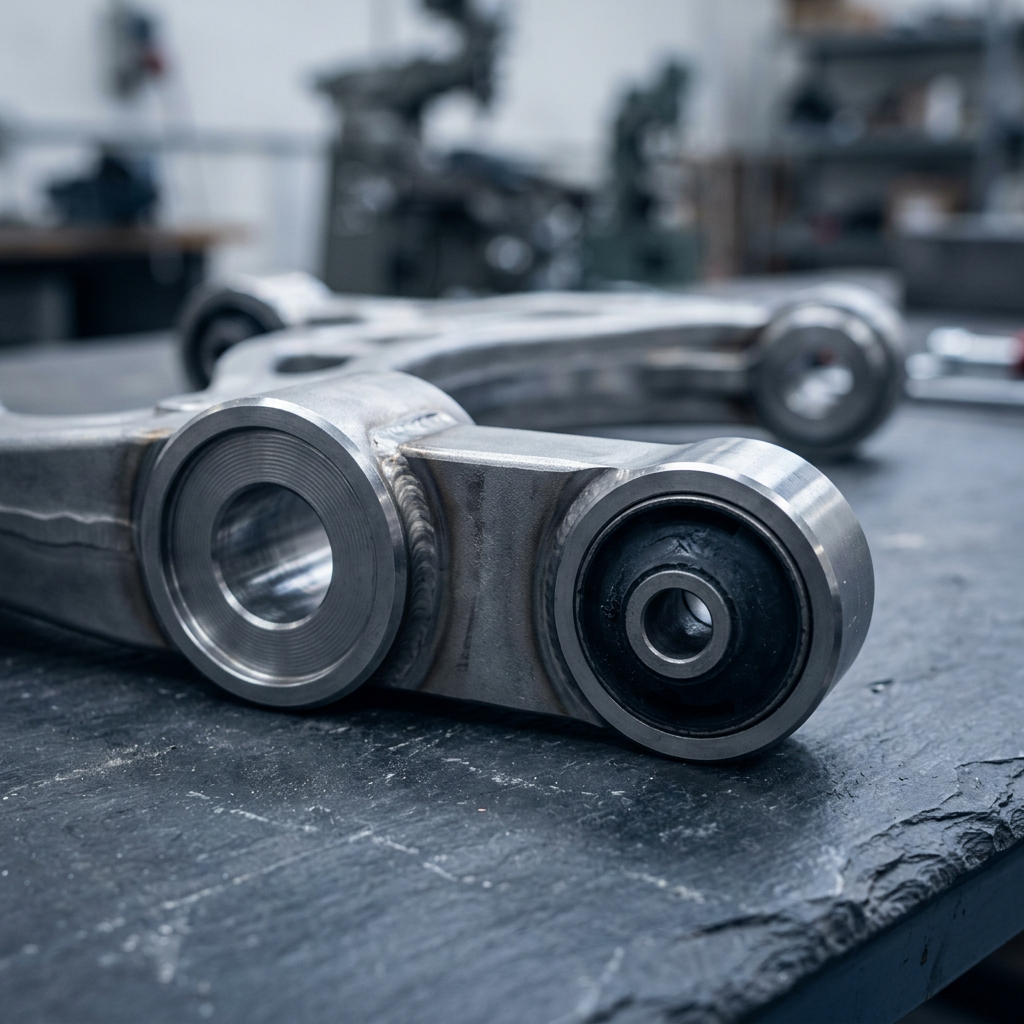
Custom welded metal suspension control arm with rubber bushing resting on a workshop table. (Representative image for illustration purposes only. Actual vehicle may vary based on trim and configuration.)

Why Do Dealerships Charge More for Motorcraft Parts and Do Aftermarket Options Void Your Warranty?

Dealership pricing for Motorcraft parts reflects original vehicle engineering, extensive crash testing, strict quality standards, and manufacturer-backed warranty coverage. Installing non-Motorcraft or aftermarket components does not automatically void your vehicle's factory warranty under federal law, provided the third-party component does not directly cause a mechanical failure.

The initial purchase price of an OEM component covers extensive research, multi-stage laboratory testing, and vehicle-specific calibration. Aftermarket manufacturers bypass these upfront development expenses by reverse-engineering existing parts, which allows them to offer lower retail shelf prices. However, generic components often sacrifice material purity, seal durability, or precise electronic compatibility.

Under the Magnuson-Moss Warranty Act, an automobile manufacturer cannot invalidate your entire vehicle warranty simply because an aftermarket part was installed. However, if a low-quality aftermarket oil filter collapses and starves the engine of oil pressure, or if an uncertified electrical module shorts out a control unit, repairs for that secondary mechanical damage will not be covered under Ford's factory warranty. Similarly, under federal emissions regulations ( 40 CFR 85.2105), emissions warranty claims can only be denied if an uncertified aftermarket component directly caused the vehicle to fail emissions standards.

Factor OEM Motorcraft Parts Generic Aftermarket Parts
Engineering Standard Exact factory blueprints and tolerances Reverse-engineered universal designs
Material Quality High-grade alloys and specialized polymers Variable material consistency
Electronic Integration Direct plug-and-play factory calibration Potential communication errors
Warranty Backing 2-year/unlimited-mileage warranty with labor Supplier-dependent (often part-only)
Fitment Accuracy Direct VIN-specific match Multi-vehicle compromise fit

Choosing factory-certified replacement components protects your mechanical investment and eliminates repair uncertainty, ensuring every component operates in harmony with original factory systems.

Is Motorcraft Synthetic Blend Oil and Spark Plugs Right for EcoBoost Engines?

Motorcraft 5W-30 Synthetic Blend motor oil and genuine Motorcraft spark plugs are engineered specifically to meet the high thermal and pressure demands of Ford EcoBoost turbocharged engines. Formulated to satisfy Ford specification WSS-M2C961-A1, Motorcraft synthetic blend oil delivers exceptional oxidation resistance and shear stability across factory maintenance intervals.

Direct-injected and turbocharged EcoBoost engines generate significantly higher internal cylinder pressures and operating temperatures than naturally aspirated engines. Motorcraft 5W-30 Synthetic Blend oil uses targeted additive packages that resist oil breakdown and minimize deposit formation on intake valves and turbocharger bearings. While full synthetic oil provides maximum extreme-temperature protection, Motorcraft synthetic blend provides robust, factory-validated engine protection for standard daily driving and heavy trailering alike.

Ignition performance is equally critical in EcoBoost powertrains. Under turbocharger boost pressure, weak spark energy or improper electrode gaps can cause high-load engine misfires. Motorcraft spark plugs feature precise iridium or platinum alloy tips designed to maintain stable spark energy and match exact factory heat ranges. Many Motorcraft iridium plugs are produced through engineering partnerships with leading manufacturers like NGK to meet Ford's strict combustion requirements. Installing generic spark plugs with incorrect heat ranges can lead to pre-ignition, rough idling, or reduced fuel efficiency.

Keeping up with scheduled fluid changes and ignition maintenance protects turbocharger efficiency and engine response over years of ownership. You can easily schedule a service appointment online to have our factory-trained technicians inspect your spark plugs, perform multi-point inspections, and complete factory-spec oil services.

Does the Motorcraft Warranty Cover DIY Installation Labor and Battery Replacements?

The standard Motorcraft Service Parts Warranty provides two years of unlimited-mileage coverage that includes both part replacement and professional labor costs when installed by an authorized dealer or service center. However, if a Motorcraft part is purchased for DIY self-installation, the warranty covers replacement of the defective component itself but does not reimburse for personal labor or self-installation time.

Understanding warranty details ensures you get the full value from every replacement component:

  • Professional Installation Coverage: Parts installed during customer-paid repair orders at authorized facilities carry full two-year coverage with zero mileage limits, including labor reimbursement for removal and reinstallation.
  • DIY Self-Installation Coverage: Over-the-counter part sales retain full two-year component replacement protection, but self-installers must handle physical replacement labor.
  • Commercial and Installer Orders: For qualifying commercial fleet and installer repair orders, labor reimbursement is supported up to $75 per hour.

Motorcraft batteries offer tailored replacement warranties based on performance tier. The Motorcraft Tested Tough PLUS battery features a 24-month replacement warranty with pricing available from the dealership. For severe weather demands, the Motorcraft Tested Tough MAX battery carries a 36-month replacement warranty, providing high cold-cranking amps for reliable winter starting. Reviewing proper battery maintenance guidelines helps extend battery life and prevents seasonal electrical failures.

Common Questions About OEM Fitment, Maintenance Standards, and Part Reliability

Q: Will using non-Motorcraft parts void my Ford factory warranty?

A: Installing non-Motorcraft or aftermarket parts does not automatically void your vehicle warranty under the Magnuson-Moss Warranty Act. However, if an aftermarket part fails and directly causes damage to adjacent engine or driveline components, repairs for that secondary damage will not be covered under the factory warranty.

Q: Are Motorcraft parts the exact same as Ford Genuine Parts?

A: Ford Genuine Parts are the original components installed on the vehicle line during factory assembly. Motorcraft parts are Ford-engineered replacement parts designed specifically for ongoing vehicle service and routine maintenance across Ford and Lincoln models. Both meet identical Ford quality standards.

Q: Who manufactures Motorcraft oil filters for Ford vehicles?

A: Motorcraft oil filters are produced primarily by Purolator under contract, built strictly according to Ford's OEM engineering specifications. They feature specialized silicone anti-drain back valves and relief valve placements designed to protect Ford engines during cold starts.

Q: Does the Motorcraft warranty reimburse labor costs if I install a part myself?

A: If you purchase a Motorcraft part over the counter and install it yourself, the two-year warranty covers replacement of the defective part but does not compensate for self-installation labor. Labor coverage is included when parts are installed by an authorized dealership service center.

Q: Is Motorcraft synthetic blend oil suitable for turbocharged EcoBoost engines?

A: Motorcraft 5W-30 Synthetic Blend oil meets Ford specification WSS-M2C961-A1 and provides proper thermal protection and anti-wear defense for EcoBoost engines under normal service schedules. For extreme thermal demands or prolonged towing, full synthetic oil offers enhanced resistance to high-temperature oxidation.

Where East Liverpool Owners Can Confirm Motorcraft Fitment and Get Trusted Service

Confirming exact VIN-specific part numbers and securing original factory components is straightforward at Tri State Ford. For drivers traveling along the Ohio River waterfront bluffs in East Liverpool, using authentic components ensures that your truck or SUV maintains optimal braking efficiency, suspension stability, and powertrain longevity across every season.

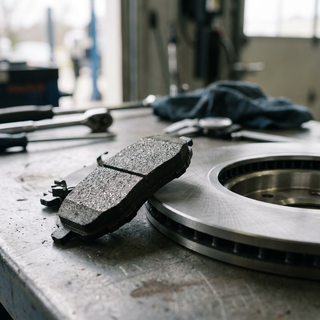
Our service and parts department provides direct access to over 18,000 factory-engineered Motorcraft parts backed by Ford's two-year unlimited-mileage warranty. Whether you require a Tested Tough PLUS battery replacement, fresh 5W-30 Synthetic Blend oil, or factory brake pads, our team works to provide correct fitment and professional installation.

To confirm part fitment, check current pricing, or schedule your next maintenance visit, stop by our service department location at 1503 Pennsylvania Ave or call our service team directly at (330) 462-7578.
© 2026 Tri State Ford. All rights reserved.

OEM Motorcraft Parts in East Liverpool OH | Tri State Ford
Posted in:

Related Posts

l

How Long Do Replacement Car Parts Typically Last?

How Long Do Replacement Car Parts Typically Last? Most routine replacement car parts last between 30,000 miles and 100,000 miles, depending on component engineering, vehicle use, and maintenance habits. Wear items like brake pads and car batteries typically require replacement every 3 to 5 years or 30,000 to 70,000 miles, while high-durability mechanical parts such as shocks, struts, and premium iridium spark plugs routinely reach 100,000 miles. Component Category Average Replacement Lifespan Standard Brake Pads 30,000 to 70,000 miles Brake Rotors 50,000 to 70,000 miles Shocks and Struts 50,000 to 100,000 miles Copper Spark Plugs 20,000 to 30,000 miles Platinum Spark Plugs Up to 60,000 miles Iridium Spark Plugs 100,000 miles or more Replacement Car Battery 3 to 5 years Understanding component lifespans helps prevent sudden breakdowns and keeps vehicles operating safely. Component wear rates vary based on driving patterns, cargo weight, and operating environments. Towing heavy trailers, frequent short trips in cold weather, and driving on unpaved roads subject parts to higher thermal stress and mechanical friction, accelerating wear. Adhering to factory-recommended service intervals ensures wear-and-tear components are evaluated before they fail. Our certified service team inspects critical wear items during routine oil changes to measure remaining material thickness, fluid integrity, and mechanical play. If you need expert guidance on component health or want to drop by, visit our service center location or give our staff a quick phone call to discuss your maintenance schedule. Table of Contents How Long Should Replacement Brake Pads and Rotors Last? How Long Do Replacement Suspension Components Like Shocks and Struts Last? What Is the Longevity Difference Between Copper, Platinum, and Iridium Spark Plugs? How Can You Test If a Replacement Car Battery Is Going Bad? How Does OEM Lifespan Compare to Aftermarket Parts and Warranties? Frequently Asked Questions About Replacement Auto Parts How Long Should Replacement Brake Pads and Rotors Last? Replacement brake pads generally last between 30,000 miles and 70,000 miles, while replacement brake rotors typically last between 50,000 miles and 70,000 miles. Material composition, vehicle weight, and driver braking habits are the primary factors determining where a vehicle falls within these mileage ranges. Friction Material Average Lifespan Key Performance Characteristics Ceramic Brake Pads 50,000 to 70,000 miles Quiet operation, low brake dust Semi-Metallic Brake Pads 30,000 to 50,000 miles High thermal bite, heavy towing The friction material chosen for replacement brake pads impacts both operational lifespan and stopping characteristics: Ceramic brake pads utilize dense ceramic compound formulas blended with copper or aluminum fibers. They routinely last 50,000 to 70,000 miles, generate minimal brake dust, and deliver whisper-quiet stopping during daily commuter driving. Semi-metallic brake pads consist of steel, iron, and copper alloys embedded in synthetic resin. Lasting 30,000 to 50,000 miles, semi-metallic pads wear faster and produce more rotor dust, but offer superior heat dissipation and stronger stopping force for trucks carrying heavy cargo or towing. Brake rotors wear down alongside pads as hydraulic calipers press friction lining against the spinning iron surface. Over time, friction thins the metal disc, while intense thermal cycles can induce minor surface grooving or lateral runout. Rather than replacing rotors blindly at set intervals, technicians measure rotor thickness with a micrometer during maintenance visits to confirm whether the disc meets minimum discard specifications or can be safely resurfaced. Ford factory maintenance guidelines recommend inspecting brake pads, rotors, and fluid lines every 12 months or 10,000 miles. Identifying thin pad friction material early prevents metal-to-metal contact, preserving rotor surfaces and maintaining pedal feel. Drivers can easily schedule a service appointment online to have their braking system fully evaluated. How Long Do Replacement Suspension Components Like Shocks and Struts Last? Replacement shocks and struts reliably last between 50,000 miles and 100,000 miles on modern passenger cars, crossovers, and light trucks. Operational lifespan decreases when vehicles regularly carry heavy payloads, tow trailers, or encounter rough road surfaces. Suspension dampers absorb surface impacts and control spring rebound through hydraulic fluid metered through internal valve passages. Over millions of compression cycles, internal rubber seals degrade, piston valves experience wear, and hydraulic fluid degrades thermally. The gently rolling suburban hills around Calcutta present varied elevation changes and road transitions that require constant suspension movement, accelerating damper wear compared to flat highway cruising. Key indicators that replacement suspension dampers require service include: Excessive vehicle body bounce or floating sensations after traversing road dips or railway crossings. Front-end diving under braking or rear-end squatting during hard acceleration. Visible hydraulic oil weeping down the exterior body of the shock absorber or strut housing. Cupping or scalloped wear patterns across tire tread blocks caused by uneven road contact. When replacing worn struts, installing complete assembly units—including fresh coil springs, upper strut mounts, and bearing plates—restores factory ride height and handling precision. When performing DIY repairs or replacing worn dampers, drivers can directly order genuine replacement components designed specifically for their vehicle chassis. What Is the Longevity Difference Between Copper, Platinum, and Iridium Spark Plugs? Standard copper spark plugs last 20,000 miles to 30,000 miles, single or double platinum plugs last up to 60,000 miles, and advanced iridium spark plugs deliver an operational lifespan of 100,000 miles or more. Spark Plug Material Mileage Lifespan Best Application Copper Core 20,000 to 30,000 miles Older engines, low-voltage ignition Single / Double Platinum Up to 60,000 miles Standard naturally aspirated V6/V8 Premium Iridium 100,000 miles or more Turbocharged & EcoBoost engines Electrode material strength determines how effectively a spark plug resists electrical erosion and chemical corrosion inside the combustion chamber: Copper plugs feature a nickel-alloy shell surrounding a soft copper core. Electrical arc erosion widens the electrode gap rapidly, requiring frequent replacement to prevent engine misfires. Platinum plugs utilize a platinum disc welded to the center electrode. Platinum withstands high combustion temperatures better than nickel-copper alloys, maintaining proper gap spacing for extended intervals. Iridium plugs feature a fine-wire center tip crafted from dense iridium metal. Iridium has a melting point roughly 1,200 degrees Fahrenheit higher than platinum, enabling an ultra-thin center electrode that fires consistently under extreme cylinder pressures. Modern forced-induction powertrains, such as the 3.5L EcoBoost V6 engine family, place high thermal and electrical demands on ignition systems. Ford scheduled maintenance guidelines specify spark plug inspection and replacement at 100,000 miles under normal highway operating conditions. However, vehicles subjected to severe duty—such as commercial delivery routes, frequent trailer towing, or extensive low-speed idling—call for spark plug replacement every 60,000 miles to preserve fuel economy and smooth engine performance. How Can You Test If a Replacement Car Battery Is Going Bad? Testing a replacement car battery requires checking static voltage with a digital multimeter, measuring voltage drop during engine cranking, and conducting a calibrated digital load test. A healthy 12-volt battery displays a resting charge reading of 12.6 volts or higher, whereas a resting reading below 12.4 volts indicates an undercharged cell or sulfated plates. Test Stage Multimeter Voltage Reading Battery Condition Status Resting State (Engine Off) 12.6 volts or higher Fully Charged (100%) Resting State (Engine Off) 12.4 volts Partially Discharged (75%) Resting State (Engine Off) 12.0 volts or lower Severely Discharged / Damaged Engine Cranking Phase Drops below 9.6 volts Failing / Weak Internal Capacity Follow this step-by-step diagnostic procedure to accurately evaluate battery condition: Static Voltage Test: Ensure the engine and all electrical accessories have been turned off for at least 1 hour. Set a digital multimeter to DC volts and connect the red lead to the positive terminal and the black lead to the negative terminal. A fully charged battery shows 12.6 volts. A reading of 12.4 volts represents roughly 75 percent charge, while 12.0 volts or lower indicates a discharged battery needing immediate charging and testing. Engine Cranking Voltage Test: Have an assistant crank the engine while monitoring the multimeter display. If voltage drops below 9.6 volts during startup, the battery lacks sufficient internal capacity to crank the engine reliably. Conductance and Digital Load Testing: Connect a specialized battery load tester to send a simulated current draw through the internal lead plates. The tester measures internal resistance and calculates remaining cold cranking amps ( CCA) against the rating printed on the top label. Visual Inspection: Check the battery case for bulging sides caused by overcharging or freezing, cracked plastic housings, or white oxidation corrosion around the terminal posts. Replacement car batteries typically last 3 to 5 years. Extreme seasonal temperature shifts in northeastern Ohio put heavy demands on automotive chemistry; summer heat speeds up internal grid corrosion, while freezing winter weather lowers available cranking output. You can review detailed testing procedures through our battery service guidance or stop by for a professional charging system check. How Does OEM Lifespan Compare to Aftermarket Parts and Warranties? Original Equipment Manufacturer (OEM) replacement parts are engineered to match factory durability, routinely delivering 50,000 miles to 100,000 miles or more of reliable service. Aftermarket component lifespans vary considerably, ranging from short-lived economy parts to heavy-duty upgraded components designed for off-road use. Certain vehicle systems require strict manufacturing precision and exact electronic calibration, making OEM components essential for long-term reliability: Electronic engine sensors, including mass airflow, oxygen, and crankshaft position sensors that directly communicate with the engine control module. Powertrain and transmission control units that regulate hydraulic shift pressures and torque converter lockup. Complex safety system components, including blind spot monitoring radar modules and airbag impact sensors. Stamped steel or aluminum exterior body panels that maintain precise factory gap alignments and structural crash energy absorption pathways. Understanding warranty coverage helps vehicle owners manage maintenance costs over time. A limited warranty protects against material or manufacturing defects for a specified period or mileage cap, such as 2 years or 24,000 miles, often covering both replacement parts and labor costs when installed at an authorized service center. Conversely, a lifetime warranty promises a replacement part for as long as the original buyer owns the vehicle, though installation labor, incidental damages, and normal friction wear are usually excluded. Frequently Asked Questions About Replacement Auto Parts Q: How often should brake fluid be replaced in a vehicle? Ford factory maintenance schedules specify replacing brake fluid every 3 years regardless of total vehicle mileage. Brake fluid is hygroscopic, meaning it continuously absorbs moisture from ambient air over time. Accumulated water content lowers the boiling point of the fluid—leading to soft pedal feel during hard braking—and causes internal corrosion inside anti-lock braking system valves and brake calipers. Q: What causes replacement suspension struts to wear out early? Driving regularly over severe potholes, carrying heavy cargo loads, and oil contamination from engine leaks accelerate internal strut seal breakdown. Road salt used during winter de-icing operations also pits polished steel strut shafts, causing fluid leaks and premature loss of hydraulic dampening capability. Q: What is the main operational difference between a limited part warranty and a lifetime part warranty? A limited warranty covers manufacturing defects for a specified calendar duration or mileage limit, often covering both parts and labor at certified centers. A lifetime warranty guarantees a replacement component if the original part fails during the purchaser's period of vehicle ownership, but typically excludes installation labor and normal friction wear. Q: Why do replacement batteries fail faster during cold winter weather? Freezing temperatures slow the electrochemical reactions inside a lead-acid battery, reducing available cold cranking output by up to 50 percent. At the same time, cold engine oil increases resistance during startup, forcing the battery to deliver significantly more current to turn over the engine. Q: Can severe driving conditions cut replacement part lifespans in half? Yes. Continuous stop-and-go commuting along busy retail corridors like Market Street in Boardman, frequent trips under 5 miles, heavy trailer towing, and unpaved roads accelerate pad wear, fluid breakdown, and filter clogging. These conditions require service at 60,000 miles rather than standard 100,000-mile intervals. To maintain your vehicle's safety and reliability, keep up with scheduled inspections and address wear symptoms promptly. Our team at 1503 Pennsylvania Ave, East Liverpool, OH 43920 provides complete system diagnostics, genuine factory parts, and expert maintenance support. Call us at (330) 462-7578 or check our current service information before scheduling your next appointment. © 2026 Tri State Ford. All rights reserved. Replacement Car Parts Lifespan in East Liverpool OH | Tri State Ford

f

What Should You Check Before Authorizing Car Repairs?

Before authorizing car repairs, verify an itemized written estimate that breaks down labor, replacement parts, shop supply fees, and diagnostic costs. Confirm whether diagnostic charges roll into the final repair bill, establish a binding limit requiring your explicit permission before work exceeds the estimate by 10 percent, check part types and warranty terms, and clarify the estimated completion timeline. Written estimates serve as your primary financial and legal safeguard during automotive maintenance. In Ohio, administrative rules state that for work costing over $50, service facilities must provide an estimate-choice document before starting labor. Obtaining a detailed written work order ensures a clear mutual understanding between the vehicle owner and the service team, preventing unexpected charges or unapproved work. Asking targeted questions prior to signing repair authorization protects both your vehicle and your budget. Key details to verify include warranty coverage length—such as standard 24-month or 24,000-mile warranties on replacement parts—and whether old or damaged components can be saved for your inspection. For drivers visiting our facility at 1503 Pennsylvania Ave, clear communication remains the foundation of proper vehicle maintenance. You can stop by our East Liverpool service center or give our service advisors a quick call to review diagnostic findings before any repair begins. Table of Contents Will the Shop Contact You and Get Approval Before Exceeding Your Estimate? Are Diagnostic Fees Applied Toward Your Final Repair Costs and Can You See Scan Reports? Which Vehicle Repairs Require Immediate Attention for Driving Safety? Should You Choose OEM Parts and Why Are Components Like Rotors Replaced in Pairs? When Is It Necessary to Choose a Factory Service Center Over an Independent Shop? Common Questions About Auto Repair Estimates, Parts, and Service Approvals Will the Shop Contact You and Get Approval Before Exceeding Your Estimate? A reputable repair center must contact you and receive explicit authorization before performing additional service or exceeding an approved cost estimate. Under administrative rules enforced by the Ohio Attorney General, shops cannot exceed a written repair estimate by 10 percent or more without prior customer approval. When unexpected component wear or secondary mechanical issues surface during teardown, technicians must pause work and present an updated quote. This revised estimate should outline the specific reasons for the additional repairs, required parts, supplemental labor hours, and any change to the projected delivery time. Vehicle owners retain the full legal right to decline supplementary repairs and seek a secondary evaluation. Written authorization protects vehicle owners against unauthorized billing practices. If an automotive facility performs work that was never authorized, state consumer protection guidelines classify unapproved billing as a deceptive business practice. Establishing preferred communication channels upfront—whether text updates, email notifications, or direct phone calls—ensures you remain fully in control of every repair decision throughout the service process. Are Diagnostic Fees Applied Toward Your Final Repair Costs and Can You See Scan Reports? Diagnostic charges are frequently applied toward the total cost of completed repairs when you authorize the necessary service at the testing facility. Vehicle owners have the right to ask whether diagnostic fees roll into total labor charges and can request a complete digital or printed copy of the diagnostic scan report showing active trouble codes and system readings. Diagnostic procedures involve specialized scanning equipment, electrical testing, multimeters, and physical inspection time to pinpoint root causes behind warning lights or operational symptoms. Repair facilities charge diagnostic fees to compensate for technical expertise and testing equipment. Clarifying whether this fee is credited toward the final bill gives you complete cost transparency before disassembly begins. Reviewing diagnostic reports provides clear documentation of vehicle health issues before approving component replacement. Modern diagnostic scans retrieve OBD-II diagnostic trouble codes stored within engine, transmission, or safety control modules. Technicians can walk you through live sensor data, circuit testing results, and physical wear patterns, ensuring you understand exactly why a specific part replacement is recommended. Which Vehicle Repairs Require Immediate Attention for Driving Safety? Repairs impacting primary safety systems—including brakes, steering linkages, suspension components, tires, fuel lines, and engine cooling systems—demand immediate attention before driving continues. Delaying critical safety maintenance increases the risk of sudden mechanical failure, compromised vehicle control, or expensive secondary damage. Brake components require urgent remediation when friction materials wear past safety limits or hydraulic leaks develop. Worn brake pads, thinned rotors, or soft brake pedals significantly lengthen stopping distances. Navigating steep riverfront bluffs along the Ohio River in East Liverpool places elevated demands on braking systems and tires, making prompt attention to grinding noises, fluid spots, or steering wheel vibrations essential for road safety. Suspension and steering deficiencies also represent critical safety concerns that directly affect vehicle stability. Loose ball joints, worn tie rod ends, or leaking shock absorbers impair tire contact with the road, leading to unpredictable handling during sudden emergency maneuvers. Fuel smells signal active leaks that create severe fire hazards, while overheating cooling systems can warp cylinder heads and destroy internal engine parts if driven under severe thermal stress. Should You Choose OEM Parts and Why Are Components Like Rotors Replaced in Pairs? Selecting Original Equipment Manufacturer parts guarantees components are built to exact factory engineering specifications, material standards, and manufacturer warranty protections. Mechanics recommend replacing axle-paired components like brake rotors, brake pads, or shock absorbers simultaneously to maintain balanced vehicle handling, uniform wear rates, and consistent stopping performance. OEM components are designed by the vehicle manufacturer specifically for your model year, ensuring exact fitment and structural durability. In contrast, aftermarket parts vary widely in design standards and may carry separate third-party warranty terms. Choosing genuine factory parts protects existing vehicle warranties and ensures advanced driver-assist sensors operate accurately without calibration errors. Replacing wearable components across an entire axle prevents dangerous imbalances in vehicle dynamics. Installing new brake pads or rotors on only one side causes uneven stopping force, pulling the vehicle sideways during hard braking. During daily suburban driving along State Route 170 in Calcutta, balanced suspension damping and symmetric braking force keep your vehicle predictable and stable across changing weather conditions. When ordering replacement filters, belts, or brake hardware, you can easily order parts directly through our factory parts catalog. When Is It Necessary to Choose a Factory Service Center Over an Independent Shop? Visiting a dealership service center is necessary for active warranty repairs, safety recalls, proprietary software updates, electronic module programming, and complex multi-system vehicle diagnostics. Dealerships possess factory-specific diagnostic software, specialized service tools, and direct support channels from vehicle engineers. Modern vehicles rely on complex internal computer networks governing engine performance, transmission shifts, active safety suites, and high-voltage battery systems. Factory-trained technicians complete regular brand training to stay current on electronic architectures and repair procedures. Independent facilities may lack access to proprietary factory software updates and technical service bulletins required to resolve subtle electronic issues or reflash control modules. Factory service centers also offer specialized vehicle care programs and convenient maintenance solutions. When evaluating starting performance or battery health, checking current battery maintenance guidance helps prevent unexpected starting trouble. For routine maintenance needs, local vehicle owners can utilize our mobile service options to have certified technicians perform select maintenance services right at home or work. Common Questions About Auto Repair Estimates, Parts, and Service Approvals Q: Can I request to see my old or damaged parts after a repair is completed? Yes, under Ohio consumer protection guidelines, vehicle owners have the legal right to inspect or request the return of replaced parts, provided the request is made before repair work begins. Shops must return old parts unless the components must be sent back to the manufacturer under a warranty claim or core exchange agreement. Inspecting removed parts allows you to examine physical wear, cracking, or mechanical damage firsthand. Q: What are shop supply charges or environmental fees on a service bill? Shop supply charges on an auto repair bill cover routine consumable supplies used during service, such as cleaning solvents, shop rags, protective seat covers, grease, small fasteners, and hazardous fluid disposal. These charges are typically calculated as a small percentage of total labor costs or standard flat environmental fees. Service facilities disclose shop fee structures on the initial estimate so there are no unexpected line items on your final invoice. Q: What should I do if a repair shop attempts to charge more than the original estimate? If a repair bill exceeds the authorized written estimate by 10 percent or more without prior approval, state rules allow you to dispute the unauthorized charges. You can review the invoice with the service manager to reconcile charges with your signed approval. If a dispute arises over vehicle possession, owners may pay the authorized total under written protest to recover the vehicle before filing a consumer complaint. Q: How long does a repair warranty usually last on parts and labor? Repair warranties vary depending on the facility and part source, but standard coverage at certified service centers covers parts and labor for 12 months or 12,000 miles, with higher-tier programs providing up to 24 months or 24,000 miles. Written warranties specify duration, mileage limits, potential exclusions, and service location requirements. Always request a physical or digital copy of the written warranty when picking up your serviced vehicle. Q: What diagnostic information should I ask for before approving complex repairs? Ask for the specific OBD-II diagnostic trouble codes, physical inspection findings, and technician measurement logs that identify the failing component. Request that the service advisor explain what caused the code to trigger, whether secondary components are impacted, and whether the repair requires immediate attention for driving safety or can be planned for an upcoming service visit. Taking an informed, proactive approach to vehicle care keeps your vehicle reliable and protects your wallet from surprise expenses. When you need clear diagnostic explanations, transparent estimates, and factory-certified care, our team is ready to assist you. You can easily schedule a service appointment online, look up directions to our East Liverpool dealership, or give our service team a quick call to discuss your maintenance needs today. © 2026 Tri State Ford. All rights reserved. Car Repair Authorization Tips in East Liverpool OH | Tri State Ford

f

What Determines the Total Cost of a Brake Repair?

The total cost of a brake repair depends primarily on which components need replacement, the quality tier of the replacement parts, and the specific labor required for your vehicle's setup. A basic service replacing only friction pads costs significantly less than a full overhaul that includes new rotors, refurbished calipers, hardware replacement, and a complete brake fluid flush. Brake systems rely on multiple components working together to safely slow down your vehicle. When you press the brake pedal, hydraulic pressure forces the caliper to press friction pads against a rotating metal disk called a rotor. Over time, friction wears down the pad material, while heat and mechanical pressure stress the rotors. A simple brake job may only require installing fresh friction pads on an otherwise healthy system. However, if inspection reveals scored rotors, leaking caliper seals, or contaminated fluid, the repair scope expands to return the system to factory safety standards. Parts selection also accounts for major price differences across service quotes. Replacement friction components range from value options to original-equipment specification parts engineered specifically for your vehicle. High-grade friction materials cost more upfront, but they deliver superior stopping power, reduced brake dust, and longer component life. Additionally, labor complexity varies depending on your vehicle's drive layout, rust exposure from regional road treatments, and whether specialized diagnostic tools are required to reset electronic system components. For drivers needing a physical inspection or customized estimate, visiting our service team at 1503 Pennsylvania Ave in East Liverpool will provide a complete breakdown of component health. If you hear unexpected squealing or feel pedal vibration, give our service department a quick call to discuss system performance before minor pad wear turns into major rotor damage. Table of Contents Why Do Brake Repair Quotes Vary Between Auto Shops? What Is the Price Difference Between Organic, Semi-Metallic, and Ceramic Brake Pads? What Is the Cost Difference Between Resurfacing Rotors and Replacing Them? Why Do Initial Quotes Often Change After a Brake Inspection? How Often Should Front Brake Pads Be Replaced Compared to Rear Pads? Do Aftermarket Brake Components Void Your Vehicle Warranty? Common Questions About Brake Repair Costs Schedule Trusted Brake Care at Tri State Ford Why Do Brake Repair Quotes Vary Between Auto Shops? Brake repair quotes vary between auto repair shops because each business calculates labor rates based on local overhead, technician certification levels, and the exact scope of parts included in the estimate. A lower quote frequently covers only basic aftermarket pad installation on a single axle, while a comprehensive estimate includes factory-spec parts, rotor resurfacing or replacement, new hardware, and complete fluid care. The definition of a standard brake job differs across service facilities. Posted prices at independent garages often show a baseline for replacing pad sets on a single axle. When comparing estimates, examining the itemized breakdown reveals whether the price covers pad installation alone or includes crucial secondary maintenance. Proper brake service requires cleaning and lubricating caliper slide pins, replacing anti-rattle hardware clips, and inspecting hydraulic lines. Skipping these detail steps saves short-term labor costs but often leads to premature pad wear, uneven braking, and persistent noise. Technician expertise and facility tooling directly influence shop labor rates. Dealership service centers employ factory-trained technicians who specialize in specific vehicle lineups, utilizing specialized equipment to service complex systems like modern electronic parking brake modules and advanced anti-lock braking controls. Independent repair shops may offer lower hourly labor fees, but they may use generic multi-fit parts tiers. Understanding what is included in your estimate ensures you pay for lasting safety rather than a temporary fix. To maintain optimal stopping performance, you can schedule a service appointment with our technicians for a complete diagnostic evaluation. If you prefer carrying out your own maintenance using factory-approved components, you can easily order original parts directly through our dealership parts counter. Service Level Typical Scope of Included Parts Primary Pricing Drivers Long-Term Service Benefit Basic Pad Replacement Friction pads only value parts, fast turn time Lowest immediate cost for high-margin vehicles Full Axle Service Friction pads, hardware clips, slide pin lube OEM-spec pads, hardware kit labor Prevents uneven pad wear and brake chatter Comprehensive System Overhaul Pads, new rotors, caliper rebuild, fluid flush Premium pads, replacement rotors, full system bleed Restores factory stopping distances and pedal feel What Is the Price Difference Between Organic, Semi-Metallic, and Ceramic Brake Pads? The price difference between brake pad materials reflects their composition and durability, with organic pads being the most affordable, semi-metallic pads sitting in the middle price tier, and ceramic pads commanding the highest cost. Organic pad sets are generally the most affordable, semi-metallic sets fall in the middle, and high-performance ceramic pad sets are typically the most expensive for parts alone. Non-asbestos organic pads are manufactured from materials such as rubber, glass, kevlar, and resin bonding agents. Because these materials are softer, organic pads operate quietly and produce smooth initial pedal response, making them suitable for light daily commuting. However, they wear out faster than other options, create substantial brake dust, and degrade rapidly under high heat, requiring more frequent replacement over the life of your vehicle. Semi-metallic brake pads consist of 30 to 65 percent metal filings, including steel, iron, and copper, combined with synthetic lubricants. This metal composition makes semi-metallic pads extremely durable and efficient at dissipating heat away from the braking system. They are ideal for heavy-duty applications, such as towing trailers or hauling heavy bed payloads, though they generate more rotor wear and audible noise than organic or ceramic alternatives. Ceramic brake pads combine dense ceramic fibers with copper compounds to deliver exceptional heat resistance and consistent stopping power across wide temperature ranges. They produce fine, light-colored dust that does not stick to aluminum wheels and offer long service life with minimal rotor abrasion. While ceramic pads require a higher initial investment, their durability and quiet operation make them a preferred choice for modern passenger cars and family SUVs. What Is the Cost Difference Between Resurfacing Rotors and Replacing Them? Resurfacing brake rotors typically costs less than replacing them, whereas installing replacement rotors generally costs more in parts and labor. While resurfacing reduces initial costs by machining away minor surface imperfections, replacement becomes necessary when rotors wear past minimum safety thickness or develop deep heat cracks. Rotor resurfacing, also known as turning, involves mounting the rotor on a precision lathe to shave off a thin layer of metal, smoothing out light grooves and removing minor warpage. This process creates a pristine surface for new brake pads to grip properly, eliminating pedal pulsation without the expense of purchasing new castings. However, turning a rotor thins the disc material, reducing its ability to absorb and dissipate heat during hard braking. Modern vehicles are increasingly built with lighter, thinner rotors designed to optimize vehicle weight and fuel value. These components often have narrower discard thickness tolerances, meaning they can rarely survive more than one resurfacing cycle before dropping below manufacturer safety specifications. When a rotor is worn too thin, machining it creates a safety risk because the thinned metal can warp rapidly or fracture under intense thermal stress. Deciding between resurfacing and replacement comes down to measured thickness and overall rotor condition. Our advisors see that daily driving around the stop-and-go corridors of State Route 170 in Calcutta frequently causes localized heat buildup on rotors. If an inspection shows sufficient discard thickness remaining, machining provides an economical solution. If severe rust pitting or deep thermal scoring is present, installing fresh replacement rotors ensures reliable, noise-free braking performance over thousands of miles. Why Do Initial Quotes Often Change After a Brake Inspection? Initial brake repair estimates often change after a physical inspection because phone or online quotes only assume a standard pad replacement on an otherwise healthy system. Once a technician removes the wheels, hidden issues such as uneven rotor wear, seized caliper pins, contaminated brake fluid, or damaged hardware frequently require additional parts and service. Visual inspection from outside the wheel assembly provides limited information about internal system wear. Phone estimates rely on the driver's description of symptom noises, which may sound like simple friction indicator squealing but actually stem from metal-to-metal contact. Once the vehicle is hoisted on a service lift and calipers are detached, technicians measure rotor thickness with micrometers and inspect inner pad linings that cannot be seen while mounted. Mechanical components exposed to moisture and road deicing chemicals often exhibit hidden degradation. Guide pins can seize inside caliper brackets due to rust buildup, preventing friction pads from retracting properly after you release the brake pedal. When calipers drag, they overheat the assembly, ruin new pads within months, and boil the hydraulic fluid inside the lines. Identifying these secondary failures during teardown protects you from leaving the shop with unaddressed safety issues. Transparent communication prevents unexpected invoice surprises when physical inspections reveal extra wear. Reliable facilities contact vehicle owners directly after hands-on disassembly, detailing why additional components—such as fresh caliper hardware or hydraulic fluid service—are necessary. Providing clear photos or physical measurements helps drivers understand the exact condition of their stopping equipment before any additional work begins. How Often Should Front Brake Pads Be Replaced Compared to Rear Pads? Front brake pads typically require replacement every 30,000 to 50,000 miles, whereas rear brake pads often last between 50,000 and 70,000 miles under normal driving conditions. Front brakes wear out faster because weight transfers toward the front axle during deceleration, forcing front calipers and pads to absorb roughly 70 percent of the vehicle's total stopping force. Vehicle weight distribution during braking creates a natural imbalance in wear rates between front and rear axles. When you press the pedal, kinetic energy forces the vehicle's mass forward, pressing the front tires firmly onto the pavement. To match this kinetic force, front brake pads and rotors are designed with larger surface areas and thicker friction linings than rear components, yet they still wear faster due to the heavier workload. Rear brake systems handle less stopping pressure, but modern vehicle technology has altered traditional wear patterns. Many current cars and crossovers utilize electronic brake force distribution systems that dynamically adjust hydraulic pressure to the rear axle under light pedal effort, keeping the chassis flat during gentle stops. Additionally, vehicle traction control and stability management systems selectively apply individual rear brakes to correct sway or slip, which can accelerate rear pad wear in bad weather. Navigating steep riverfront bluffs along the Ohio River in East Liverpool places elevated strain on front braking systems during downhill descents. Heavy vehicle loads, aggressive driving habits, and frequent stop-and-go commuting further accelerate friction material loss across both axles. Having your pad thickness checked during routine oil changes and tire rotations ensures you catch uneven wear before metal backings scratch your rotors. Do Aftermarket Brake Components Void Your Vehicle Warranty? Installing aftermarket brake components does not automatically void your original vehicle manufacturer warranty under federal law. However, if a non-original aftermarket component directly causes damage to a covered factory part, the manufacturer can legally deny warranty coverage for that specific failure. Under the federal Magnuson-Moss Warranty Act, auto manufacturers cannot void a bumper-to-bumper or powertrain warranty simply because an owner used non-original replacement parts for maintenance. You have the legal right to service your vehicle at independent facilities or install third-party brake components. The burden of proof rests on the vehicle manufacturer to demonstrate that an aftermarket component directly caused a system failure before refusing a warranty claim. Potential warranty conflicts arise when low-quality aftermarket parts fail and damage surrounding assembly units. For example, if an unapproved aftermarket brake pad disintegrates under heat and damages an original-equipment anti-lock brake sensor or hydraulic caliper, the repair for that sensor or caliper will not be covered under factory warranty. Conversely, installing aftermarket rear pads will never invalidate factory warranty coverage on an engine, transmission, or electrical module. Using original-equipment components, such as factory-spec Motorcraft pads and rotors engineered for Ford models, provides complete assurance that all system parts match strict vehicle tolerances. If you are interested in acquiring a new vehicle, our team can help you build a custom new Ford vehicle order with complete factory warranty protections. For immediate maintenance questions or to review your current coverage, give our team a call or visit our service department at our local East Liverpool showroom. Common Questions About Brake Repair Costs Q: What proportion of a brake job cost is parts versus labor? On average, replacement parts represent 40 to 60 percent of a total brake repair invoice, while shop labor accounts for the remaining 40 to 60 percent. This ratio fluctuates based on vehicle complexity, local labor rates, and component selection. Basic pad swaps involve lower parts expenses, while jobs requiring new rotors, specialized electronic parking brake service modes, or complete hydraulic flushes increase labor time and overall cost. Q: Does an electronic parking brake increase brake service labor costs? Servicing vehicles with an electronic parking brake can slightly increase shop labor time because technicians must put the rear brake calipers into service mode using a diagnostic scanner before retracting the pistons. Attempting to force caliper pistons back manually without activating service mode can destroy internal electric actuator motors, resulting in costly component repairs beyond basic pad replacement. Q: Is brake fluid replacement included in a standard brake job quote? Brake fluid flushes are generally quoted as a separate service from routine pad and rotor replacements. Over time, glycol-based brake fluid absorbs moisture from the atmosphere, lowering its boiling point and inducing corrosion inside internal master cylinder bores and caliper lines. Most vehicle manufacturers recommend flushing fluid every two years or 30,000 miles to preserve responsive pedal feel. Q: How do driving habits in hilly terrain affect brake replacement intervals? Driving regularly in hilly or mountainous terrain forces brakes to dissipate extreme heat during long downhill descents, significantly accelerating friction pad wear and thermal rotor expansion. Drivers who frequently navigate steep inclines may need fresh front pads every 20,000 to 30,000 miles compared to highway commuters who coast smoothly and experience much longer pad lifespans. Q: Does Ford offer any warranty on replacement brake pads? Ford offers warranty coverage on replacement parts through its Motorcraft program, which includes a limited lifetime brake pad guarantee on eligible friction sets for consumer vehicles. This coverage covers replacement pads if the friction material wears out under normal driving conditions, though it explicitly excludes labor installation charges and secondary components like rotors or calipers. Schedule Trusted Brake Care at Tri State Ford Maintaining your vehicle's braking performance is essential for keeping your family safe on every daily commute and weekend trip. Understanding the variables behind brake repair pricing helps you make informed choices about your vehicle's maintenance needs, ensuring you receive high-quality parts and expert installation at transparent rates. Our factory-trained technicians use genuine original-equipment parts engineered to deliver precise fitment, quiet stopping power, and long-term durability. Whether you require a routine pad thickness check, rotor resurfacing, or a complete hydraulic service, our service center provides clear inspections and reliable estimates upfront. Contact our team today to schedule your next service appointment and enjoy complete peace of mind on the road. © 2026 Tri State Ford. All rights reserved. Affordable Brake Repair in East Liverpool OH | Tri State Ford