
Before authorizing car repairs, verify an itemized written estimate that breaks down labor, replacement parts, shop supply fees, and diagnostic costs. Confirm whether diagnostic charges roll into the final repair bill, establish a binding limit requiring your explicit permission before work exceeds the estimate by 10 percent, check part types and warranty terms, and clarify the estimated completion timeline.
Written estimates serve as your primary financial and legal safeguard during automotive maintenance. In Ohio, administrative rules state that for work costing over $50, service facilities must provide an estimate-choice document before starting labor. Obtaining a detailed written work order ensures a clear mutual understanding between the vehicle owner and the service team, preventing unexpected charges or unapproved work.
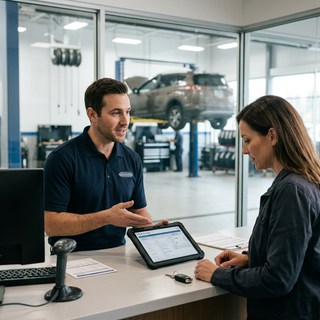
Asking targeted questions prior to signing repair authorization protects both your vehicle and your budget. Key details to verify include warranty coverage length—such as standard 24-month or 24,000-mile warranties on replacement parts—and whether old or damaged components can be saved for your inspection. For drivers visiting our facility at 1503 Pennsylvania Ave, clear communication remains the foundation of proper vehicle maintenance. You can stop by our East Liverpool service center or give our service advisors a quick call to review diagnostic findings before any repair begins.
Table of Contents
- Will the Shop Contact You and Get Approval Before Exceeding Your Estimate?
- Are Diagnostic Fees Applied Toward Your Final Repair Costs and Can You See Scan Reports?
- Which Vehicle Repairs Require Immediate Attention for Driving Safety?
- Should You Choose OEM Parts and Why Are Components Like Rotors Replaced in Pairs?
- When Is It Necessary to Choose a Factory Service Center Over an Independent Shop?
- Common Questions About Auto Repair Estimates, Parts, and Service Approvals
Will the Shop Contact You and Get Approval Before Exceeding Your Estimate?
A reputable repair center must contact you and receive explicit authorization before performing additional service or exceeding an approved cost estimate. Under administrative rules enforced by the Ohio Attorney General, shops cannot exceed a written repair estimate by 10 percent or more without prior customer approval.
When unexpected component wear or secondary mechanical issues surface during teardown, technicians must pause work and present an updated quote. This revised estimate should outline the specific reasons for the additional repairs, required parts, supplemental labor hours, and any change to the projected delivery time. Vehicle owners retain the full legal right to decline supplementary repairs and seek a secondary evaluation.
Written authorization protects vehicle owners against unauthorized billing practices. If an automotive facility performs work that was never authorized, state consumer protection guidelines classify unapproved billing as a deceptive business practice. Establishing preferred communication channels upfront—whether text updates, email notifications, or direct phone calls—ensures you remain fully in control of every repair decision throughout the service process.
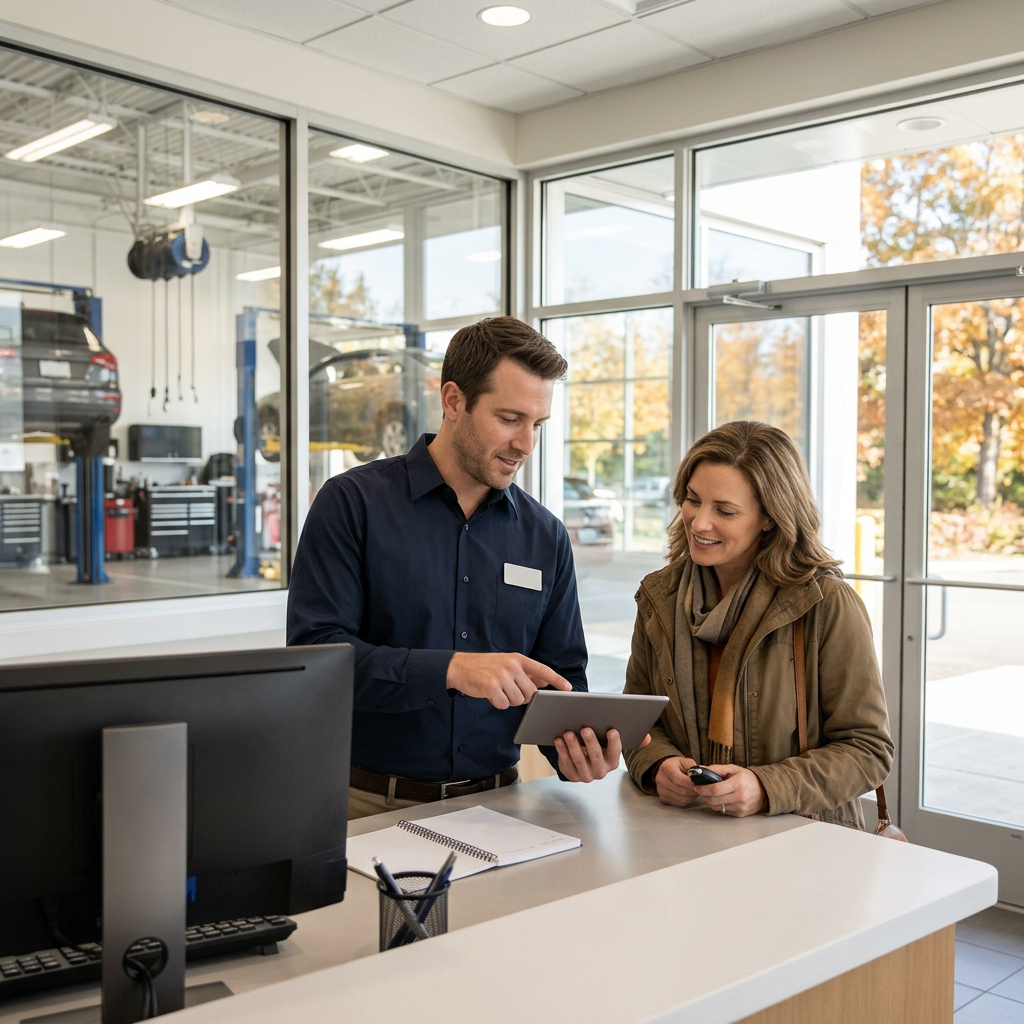
Are Diagnostic Fees Applied Toward Your Final Repair Costs and Can You See Scan Reports?
Diagnostic charges are frequently applied toward the total cost of completed repairs when you authorize the necessary service at the testing facility. Vehicle owners have the right to ask whether diagnostic fees roll into total labor charges and can request a complete digital or printed copy of the diagnostic scan report showing active trouble codes and system readings.
Diagnostic procedures involve specialized scanning equipment, electrical testing, multimeters, and physical inspection time to pinpoint root causes behind warning lights or operational symptoms. Repair facilities charge diagnostic fees to compensate for technical expertise and testing equipment. Clarifying whether this fee is credited toward the final bill gives you complete cost transparency before disassembly begins.
Reviewing diagnostic reports provides clear documentation of vehicle health issues before approving component replacement. Modern diagnostic scans retrieve OBD-II diagnostic trouble codes stored within engine, transmission, or safety control modules. Technicians can walk you through live sensor data, circuit testing results, and physical wear patterns, ensuring you understand exactly why a specific part replacement is recommended.
Which Vehicle Repairs Require Immediate Attention for Driving Safety?
Repairs impacting primary safety systems—including brakes, steering linkages, suspension components, tires, fuel lines, and engine cooling systems—demand immediate attention before driving continues. Delaying critical safety maintenance increases the risk of sudden mechanical failure, compromised vehicle control, or expensive secondary damage.
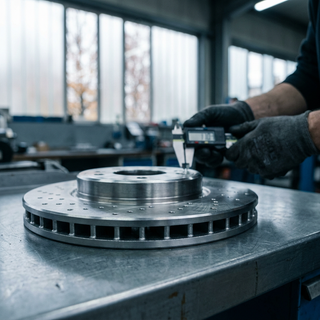
Brake components require urgent remediation when friction materials wear past safety limits or hydraulic leaks develop. Worn brake pads, thinned rotors, or soft brake pedals significantly lengthen stopping distances. Navigating steep riverfront bluffs along the Ohio River in East Liverpool places elevated demands on braking systems and tires, making prompt attention to grinding noises, fluid spots, or steering wheel vibrations essential for road safety.
Suspension and steering deficiencies also represent critical safety concerns that directly affect vehicle stability. Loose ball joints, worn tie rod ends, or leaking shock absorbers impair tire contact with the road, leading to unpredictable handling during sudden emergency maneuvers. Fuel smells signal active leaks that create severe fire hazards, while overheating cooling systems can warp cylinder heads and destroy internal engine parts if driven under severe thermal stress.
Should You Choose OEM Parts and Why Are Components Like Rotors Replaced in Pairs?
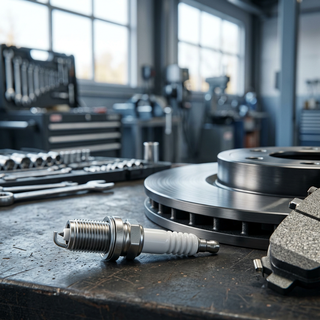
Selecting Original Equipment Manufacturer parts guarantees components are built to exact factory engineering specifications, material standards, and manufacturer warranty protections. Mechanics recommend replacing axle-paired components like brake rotors, brake pads, or shock absorbers simultaneously to maintain balanced vehicle handling, uniform wear rates, and consistent stopping performance.
OEM components are designed by the vehicle manufacturer specifically for your model year, ensuring exact fitment and structural durability. In contrast, aftermarket parts vary widely in design standards and may carry separate third-party warranty terms. Choosing genuine factory parts protects existing vehicle warranties and ensures advanced driver-assist sensors operate accurately without calibration errors.
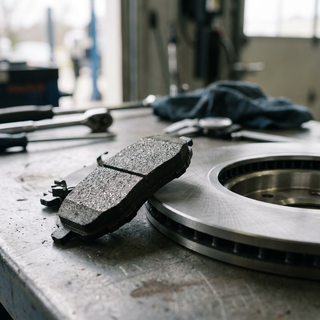
Replacing wearable components across an entire axle prevents dangerous imbalances in vehicle dynamics. Installing new brake pads or rotors on only one side causes uneven stopping force, pulling the vehicle sideways during hard braking. During daily suburban driving along State Route 170 in Calcutta, balanced suspension damping and symmetric braking force keep your vehicle predictable and stable across changing weather conditions. When ordering replacement filters, belts, or brake hardware, you can easily order parts directly through our factory parts catalog.
When Is It Necessary to Choose a Factory Service Center Over an Independent Shop?
Visiting a dealership service center is necessary for active warranty repairs, safety recalls, proprietary software updates, electronic module programming, and complex multi-system vehicle diagnostics. Dealerships possess factory-specific diagnostic software, specialized service tools, and direct support channels from vehicle engineers.
Modern vehicles rely on complex internal computer networks governing engine performance, transmission shifts, active safety suites, and high-voltage battery systems. Factory-trained technicians complete regular brand training to stay current on electronic architectures and repair procedures. Independent facilities may lack access to proprietary factory software updates and technical service bulletins required to resolve subtle electronic issues or reflash control modules.
Factory service centers also offer specialized vehicle care programs and convenient maintenance solutions. When evaluating starting performance or battery health, checking current battery maintenance guidance helps prevent unexpected starting trouble. For routine maintenance needs, local vehicle owners can utilize our mobile service options to have certified technicians perform select maintenance services right at home or work.
Common Questions About Auto Repair Estimates, Parts, and Service Approvals
Q: Can I request to see my old or damaged parts after a repair is completed?
Yes, under Ohio consumer protection guidelines, vehicle owners have the legal right to inspect or request the return of replaced parts, provided the request is made before repair work begins. Shops must return old parts unless the components must be sent back to the manufacturer under a warranty claim or core exchange agreement. Inspecting removed parts allows you to examine physical wear, cracking, or mechanical damage firsthand.
Q: What are shop supply charges or environmental fees on a service bill?
Shop supply charges on an auto repair bill cover routine consumable supplies used during service, such as cleaning solvents, shop rags, protective seat covers, grease, small fasteners, and hazardous fluid disposal. These charges are typically calculated as a small percentage of total labor costs or standard flat environmental fees. Service facilities disclose shop fee structures on the initial estimate so there are no unexpected line items on your final invoice.
Q: What should I do if a repair shop attempts to charge more than the original estimate?
If a repair bill exceeds the authorized written estimate by 10 percent or more without prior approval, state rules allow you to dispute the unauthorized charges. You can review the invoice with the service manager to reconcile charges with your signed approval. If a dispute arises over vehicle possession, owners may pay the authorized total under written protest to recover the vehicle before filing a consumer complaint.
Q: How long does a repair warranty usually last on parts and labor?
Repair warranties vary depending on the facility and part source, but standard coverage at certified service centers covers parts and labor for 12 months or 12,000 miles, with higher-tier programs providing up to 24 months or 24,000 miles. Written warranties specify duration, mileage limits, potential exclusions, and service location requirements. Always request a physical or digital copy of the written warranty when picking up your serviced vehicle.
Q: What diagnostic information should I ask for before approving complex repairs?
Ask for the specific OBD-II diagnostic trouble codes, physical inspection findings, and technician measurement logs that identify the failing component. Request that the service advisor explain what caused the code to trigger, whether secondary components are impacted, and whether the repair requires immediate attention for driving safety or can be planned for an upcoming service visit.
Taking an informed, proactive approach to vehicle care keeps your vehicle reliable and protects your wallet from surprise expenses. When you need clear diagnostic explanations, transparent estimates, and factory-certified care, our team is ready to assist you. You can easily schedule a service appointment online, look up directions to our East Liverpool dealership, or give our service team a quick call to discuss your maintenance needs today.