
How Long Do Replacement Car Parts Typically Last?
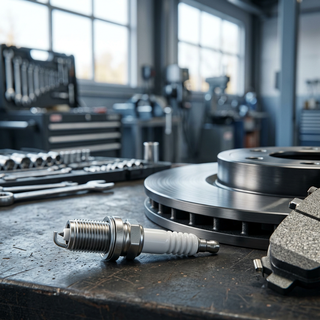
Most routine replacement car parts last between 30,000 miles and 100,000 miles, depending on component engineering, vehicle use, and maintenance habits. Wear items like brake pads and car batteries typically require replacement every 3 to 5 years or 30,000 to 70,000 miles, while high-durability mechanical parts such as shocks, struts, and premium iridium spark plugs routinely reach 100,000 miles.
| Component Category | Average Replacement Lifespan |
|---|---|
| Standard Brake Pads | 30,000 to 70,000 miles |
| Brake Rotors | 50,000 to 70,000 miles |
| Shocks and Struts | 50,000 to 100,000 miles |
| Copper Spark Plugs | 20,000 to 30,000 miles |
| Platinum Spark Plugs | Up to 60,000 miles |
| Iridium Spark Plugs | 100,000 miles or more |
| Replacement Car Battery | 3 to 5 years |
Understanding component lifespans helps prevent sudden breakdowns and keeps vehicles operating safely. Component wear rates vary based on driving patterns, cargo weight, and operating environments. Towing heavy trailers, frequent short trips in cold weather, and driving on unpaved roads subject parts to higher thermal stress and mechanical friction, accelerating wear.
Adhering to factory-recommended service intervals ensures wear-and-tear components are evaluated before they fail. Our certified service team inspects critical wear items during routine oil changes to measure remaining material thickness, fluid integrity, and mechanical play. If you need expert guidance on component health or want to drop by, visit our service center location or give our staff a quick phone call to discuss your maintenance schedule.
Table of Contents
- How Long Should Replacement Brake Pads and Rotors Last?
- How Long Do Replacement Suspension Components Like Shocks and Struts Last?
- What Is the Longevity Difference Between Copper, Platinum, and Iridium Spark Plugs?
- How Can You Test If a Replacement Car Battery Is Going Bad?
- How Does OEM Lifespan Compare to Aftermarket Parts and Warranties?
- Frequently Asked Questions About Replacement Auto Parts
How Long Should Replacement Brake Pads and Rotors Last?
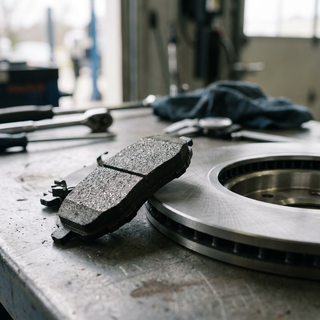
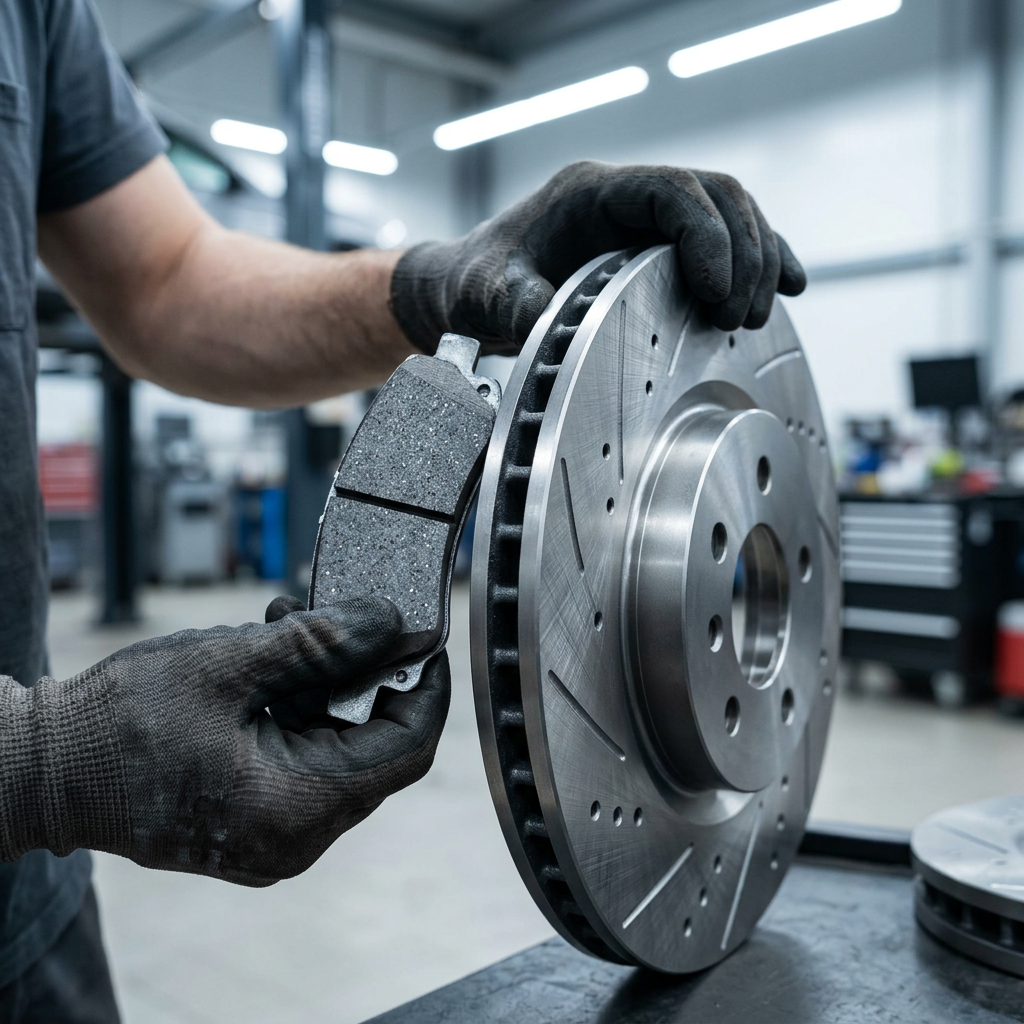
Replacement brake pads generally last between 30,000 miles and 70,000 miles, while replacement brake rotors typically last between 50,000 miles and 70,000 miles. Material composition, vehicle weight, and driver braking habits are the primary factors determining where a vehicle falls within these mileage ranges.
| Friction Material | Average Lifespan | Key Performance Characteristics |
|---|---|---|
| Ceramic Brake Pads | 50,000 to 70,000 miles | Quiet operation, low brake dust |
| Semi-Metallic Brake Pads | 30,000 to 50,000 miles | High thermal bite, heavy towing |
The friction material chosen for replacement brake pads impacts both operational lifespan and stopping characteristics:
- Ceramic brake pads utilize dense ceramic compound formulas blended with copper or aluminum fibers. They routinely last 50,000 to 70,000 miles, generate minimal brake dust, and deliver whisper-quiet stopping during daily commuter driving.
- Semi-metallic brake pads consist of steel, iron, and copper alloys embedded in synthetic resin. Lasting 30,000 to 50,000 miles, semi-metallic pads wear faster and produce more rotor dust, but offer superior heat dissipation and stronger stopping force for trucks carrying heavy cargo or towing.
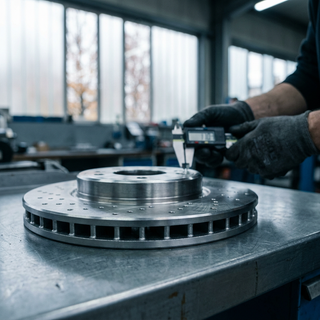
Brake rotors wear down alongside pads as hydraulic calipers press friction lining against the spinning iron surface. Over time, friction thins the metal disc, while intense thermal cycles can induce minor surface grooving or lateral runout. Rather than replacing rotors blindly at set intervals, technicians measure rotor thickness with a micrometer during maintenance visits to confirm whether the disc meets minimum discard specifications or can be safely resurfaced.
Ford factory maintenance guidelines recommend inspecting brake pads, rotors, and fluid lines every 12 months or 10,000 miles. Identifying thin pad friction material early prevents metal-to-metal contact, preserving rotor surfaces and maintaining pedal feel. Drivers can easily schedule a service appointment online to have their braking system fully evaluated.
How Long Do Replacement Suspension Components Like Shocks and Struts Last?
Replacement shocks and struts reliably last between 50,000 miles and 100,000 miles on modern passenger cars, crossovers, and light trucks. Operational lifespan decreases when vehicles regularly carry heavy payloads, tow trailers, or encounter rough road surfaces.
Suspension dampers absorb surface impacts and control spring rebound through hydraulic fluid metered through internal valve passages. Over millions of compression cycles, internal rubber seals degrade, piston valves experience wear, and hydraulic fluid degrades thermally. The gently rolling suburban hills around Calcutta present varied elevation changes and road transitions that require constant suspension movement, accelerating damper wear compared to flat highway cruising.
Key indicators that replacement suspension dampers require service include:
- Excessive vehicle body bounce or floating sensations after traversing road dips or railway crossings.
- Front-end diving under braking or rear-end squatting during hard acceleration.
- Visible hydraulic oil weeping down the exterior body of the shock absorber or strut housing.
- Cupping or scalloped wear patterns across tire tread blocks caused by uneven road contact.
When replacing worn struts, installing complete assembly units—including fresh coil springs, upper strut mounts, and bearing plates—restores factory ride height and handling precision. When performing DIY repairs or replacing worn dampers, drivers can directly order genuine replacement components designed specifically for their vehicle chassis.
What Is the Longevity Difference Between Copper, Platinum, and Iridium Spark Plugs?
Standard copper spark plugs last 20,000 miles to 30,000 miles, single or double platinum plugs last up to 60,000 miles, and advanced iridium spark plugs deliver an operational lifespan of 100,000 miles or more.
| Spark Plug Material | Mileage Lifespan | Best Application |
|---|---|---|
| Copper Core | 20,000 to 30,000 miles | Older engines, low-voltage ignition |
| Single / Double Platinum | Up to 60,000 miles | Standard naturally aspirated V6/V8 |
| Premium Iridium | 100,000 miles or more | Turbocharged & EcoBoost engines |
Electrode material strength determines how effectively a spark plug resists electrical erosion and chemical corrosion inside the combustion chamber:
- Copper plugs feature a nickel-alloy shell surrounding a soft copper core. Electrical arc erosion widens the electrode gap rapidly, requiring frequent replacement to prevent engine misfires.
- Platinum plugs utilize a platinum disc welded to the center electrode. Platinum withstands high combustion temperatures better than nickel-copper alloys, maintaining proper gap spacing for extended intervals.
- Iridium plugs feature a fine-wire center tip crafted from dense iridium metal. Iridium has a melting point roughly 1,200 degrees Fahrenheit higher than platinum, enabling an ultra-thin center electrode that fires consistently under extreme cylinder pressures.
Modern forced-induction powertrains, such as the 3.5L EcoBoost V6 engine family, place high thermal and electrical demands on ignition systems. Ford scheduled maintenance guidelines specify spark plug inspection and replacement at 100,000 miles under normal highway operating conditions. However, vehicles subjected to severe duty—such as commercial delivery routes, frequent trailer towing, or extensive low-speed idling—call for spark plug replacement every 60,000 miles to preserve fuel economy and smooth engine performance.
How Can You Test If a Replacement Car Battery Is Going Bad?
Testing a replacement car battery requires checking static voltage with a digital multimeter, measuring voltage drop during engine cranking, and conducting a calibrated digital load test. A healthy 12-volt battery displays a resting charge reading of 12.6 volts or higher, whereas a resting reading below 12.4 volts indicates an undercharged cell or sulfated plates.
| Test Stage | Multimeter Voltage Reading | Battery Condition Status |
|---|---|---|
| Resting State (Engine Off) | 12.6 volts or higher | Fully Charged (100%) |
| Resting State (Engine Off) | 12.4 volts | Partially Discharged (75%) |
| Resting State (Engine Off) | 12.0 volts or lower | Severely Discharged / Damaged |
| Engine Cranking Phase | Drops below 9.6 volts | Failing / Weak Internal Capacity |
Follow this step-by-step diagnostic procedure to accurately evaluate battery condition:
- Static Voltage Test: Ensure the engine and all electrical accessories have been turned off for at least 1 hour. Set a digital multimeter to DC volts and connect the red lead to the positive terminal and the black lead to the negative terminal. A fully charged battery shows 12.6 volts. A reading of 12.4 volts represents roughly 75 percent charge, while 12.0 volts or lower indicates a discharged battery needing immediate charging and testing.
- Engine Cranking Voltage Test: Have an assistant crank the engine while monitoring the multimeter display. If voltage drops below 9.6 volts during startup, the battery lacks sufficient internal capacity to crank the engine reliably.
- Conductance and Digital Load Testing: Connect a specialized battery load tester to send a simulated current draw through the internal lead plates. The tester measures internal resistance and calculates remaining cold cranking amps ( CCA) against the rating printed on the top label.
- Visual Inspection: Check the battery case for bulging sides caused by overcharging or freezing, cracked plastic housings, or white oxidation corrosion around the terminal posts.
Replacement car batteries typically last 3 to 5 years. Extreme seasonal temperature shifts in northeastern Ohio put heavy demands on automotive chemistry; summer heat speeds up internal grid corrosion, while freezing winter weather lowers available cranking output. You can review detailed testing procedures through our battery service guidance or stop by for a professional charging system check.
How Does OEM Lifespan Compare to Aftermarket Parts and Warranties?
Original Equipment Manufacturer (OEM) replacement parts are engineered to match factory durability, routinely delivering 50,000 miles to 100,000 miles or more of reliable service. Aftermarket component lifespans vary considerably, ranging from short-lived economy parts to heavy-duty upgraded components designed for off-road use.
Certain vehicle systems require strict manufacturing precision and exact electronic calibration, making OEM components essential for long-term reliability:
- Electronic engine sensors, including mass airflow, oxygen, and crankshaft position sensors that directly communicate with the engine control module.
- Powertrain and transmission control units that regulate hydraulic shift pressures and torque converter lockup.
- Complex safety system components, including blind spot monitoring radar modules and airbag impact sensors.
- Stamped steel or aluminum exterior body panels that maintain precise factory gap alignments and structural crash energy absorption pathways.
Understanding warranty coverage helps vehicle owners manage maintenance costs over time. A limited warranty protects against material or manufacturing defects for a specified period or mileage cap, such as 2 years or 24,000 miles, often covering both replacement parts and labor costs when installed at an authorized service center. Conversely, a lifetime warranty promises a replacement part for as long as the original buyer owns the vehicle, though installation labor, incidental damages, and normal friction wear are usually excluded.
Frequently Asked Questions About Replacement Auto Parts
Q: How often should brake fluid be replaced in a vehicle?
Ford factory maintenance schedules specify replacing brake fluid every 3 years regardless of total vehicle mileage. Brake fluid is hygroscopic, meaning it continuously absorbs moisture from ambient air over time. Accumulated water content lowers the boiling point of the fluid—leading to soft pedal feel during hard braking—and causes internal corrosion inside anti-lock braking system valves and brake calipers.
Q: What causes replacement suspension struts to wear out early?
Driving regularly over severe potholes, carrying heavy cargo loads, and oil contamination from engine leaks accelerate internal strut seal breakdown. Road salt used during winter de-icing operations also pits polished steel strut shafts, causing fluid leaks and premature loss of hydraulic dampening capability.
Q: What is the main operational difference between a limited part warranty and a lifetime part warranty?
A limited warranty covers manufacturing defects for a specified calendar duration or mileage limit, often covering both parts and labor at certified centers. A lifetime warranty guarantees a replacement component if the original part fails during the purchaser's period of vehicle ownership, but typically excludes installation labor and normal friction wear.
Q: Why do replacement batteries fail faster during cold winter weather?
Freezing temperatures slow the electrochemical reactions inside a lead-acid battery, reducing available cold cranking output by up to 50 percent. At the same time, cold engine oil increases resistance during startup, forcing the battery to deliver significantly more current to turn over the engine.
Q: Can severe driving conditions cut replacement part lifespans in half?
Yes. Continuous stop-and-go commuting along busy retail corridors like Market Street in Boardman, frequent trips under 5 miles, heavy trailer towing, and unpaved roads accelerate pad wear, fluid breakdown, and filter clogging. These conditions require service at 60,000 miles rather than standard 100,000-mile intervals.
To maintain your vehicle's safety and reliability, keep up with scheduled inspections and address wear symptoms promptly. Our team at 1503 Pennsylvania Ave, East Liverpool, OH 43920 provides complete system diagnostics, genuine factory parts, and expert maintenance support. Call us at (330) 462-7578 or check our current service information before scheduling your next appointment.