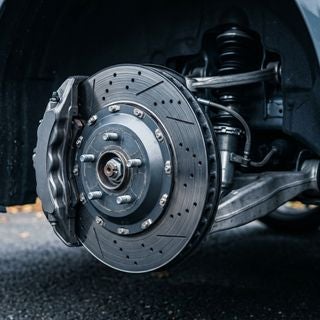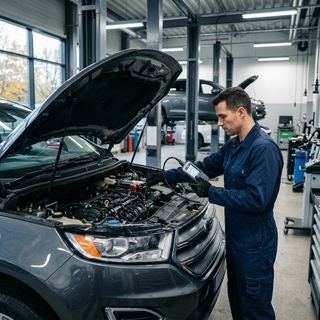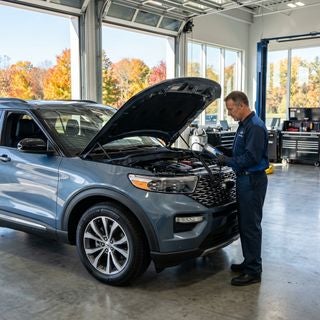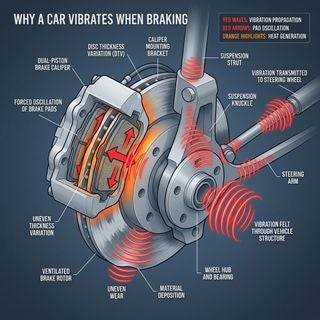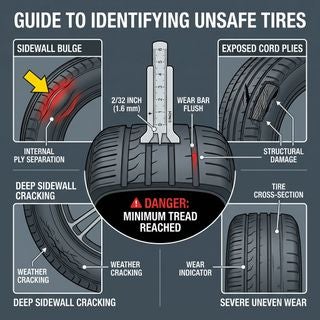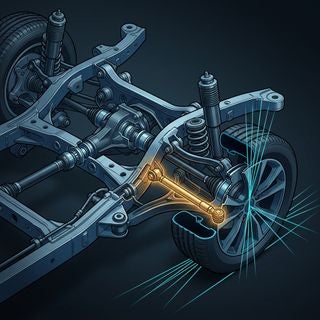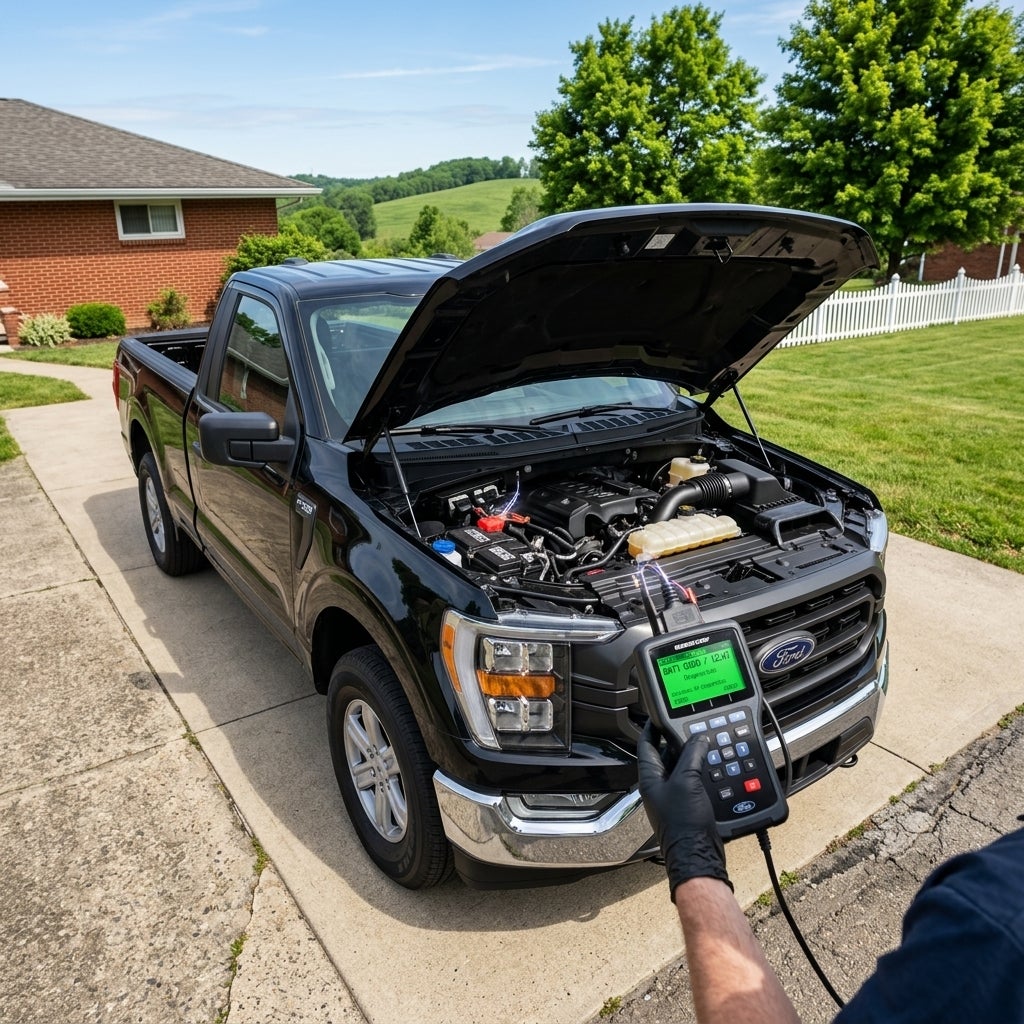

The auto parts most critical for vehicle safety are tires, brake pads and rotors, steering and suspension linkages, replacement airbags, and timing belts. These components directly dictate stopping distance, emergency evasion handling, structural crash protection, and reliable engine timing. Compromising on their quality drastically elevates the risk of mechanical failure, extended stopping times, loss of directional control, and cabin intrusion during a collision. Vehicle mechanical systems operate as an interconnected safety envelope. When a driver presses the brake pedal or turns the steering wheel, every link in that mechanical chain must withstand immediate kinetic pressure. High-grade components undergo rigorous stress testing, thermal validation, and material analysis to handle emergency maneuvers. Substituting lower-grade components weakens this system, transforming standard road hazards into immediate safety threats. For drivers navigating the steep riverfront bluffs and sudden stops around East Liverpool, mechanical precision is essential. Steering tie rods, ball joints, control arms, and coil springs maintain tire contact with the pavement. If budget steering or suspension parts yield under heavy cornering or load shifts, electronic safety systems like stability control and anti-lock braking systems cannot properly function. Maintaining these safety-critical systems with validated components preserves overall operational safety. If you ever suspect wear in your vehicle's core safety mechanics, feel free to stop by our East Liverpool service facility or reach out to our technicians directly by giving us a quick call to discuss an inspection. Table of Contents Why Are Budget Tires Considered a Major Safety Risk? What Are the Risks of Using aftermarket brake pads and rotors? Why Should You Never choose low-quality replacement airbags? Are OES Parts as Good as OEM Parts? Do Detailed Maintenance Records Showing Quality Parts Boost Trade-In Value? Key Service Questions Regarding Vehicle Parts and Safety Trust Tri State Ford for Professional Safety Component Service Why Are Budget Tires Considered a Major Safety Risk? Budget tires are considered a major safety risk because they utilize low-grade synthetic rubber compounds, rigid sidewalls, and shallow tread designs that significantly lengthen stopping distances and reduce wet-weather traction. These structural deficiencies compromise vehicle stability, increase hydroplaning risks, and heighten the probability of sudden tread separation or catastrophic blowouts under load. Tires serve as the sole physical point of contact between a vehicle and the road surface, covering a total contact patch roughly the size of four human palms. Premium and Original Equipment tires are engineered with specific silica-enhanced rubber formulations that remain flexible across broad temperature ranges. In contrast, low-cost tire manufacturers save on production costs by using stiffer, lower-cost petroleum-based compounds. This lack of compound flexibility prevents the tread from conforming to road micro-textures, leading to a substantial drop in cornering grip and stopping performance during unexpected hard braking. The National Highway Traffic Safety Administration identifies 2/32 inch as the absolute minimum tread depth before immediate tire replacement is required. However, budget tires often lose traction well before reaching that wear bar due to poor water-evacuation channels. During heavy rainstorms, inferior tread architecture fails to channel water away from the contact patch, lifting the tire off the pavement and causing severe hydroplaning. Furthermore, the National Highway Traffic Safety Administration advises drivers to check tire inflation pressure at least monthly when the tires are cold, setting levels to the manufacturer's specification found on the driver's door placard rather than the maximum pressure stamped on the tire sidewall. Maintaining optimal tire pressure and monitoring tread depth preserves original handling dynamics and ensures that factory driver-assist features operate as designed. Drivers looking to verify their current tire condition can easily schedule a service appointment online with our certified maintenance team. What Are the Risks of Using aftermarket brake pads and rotors? Using aftermarket brake pads and rotors introduces severe safety risks, including rapid thermal brake fade, uneven rotor warping, excessive stopping distances, and potential complete friction material shear under emergency braking. Low-quality friction compounds lack proper thermal resistance, turning excessive kinetic heat into a slippery glazed layer that leaves the brake pedal feeling spongy and unresponsive. Brake systems rely on converting kinetic energy into thermal energy through friction. High-tier brake pads, such as genuine Motorcraft components, utilize vehicle-specific friction formulations engineered to match the exact weight, braking bias, and thermal demands of the vehicle. These premium pad assemblies include integrated noise-damping insulators, engineered steel shims, and application-specific attaching hardware that ensure precise caliper alignment and even wear distribution. Cheap aftermarket pads frequently skip these critical insulating shims and hardware, resulting in high-pitched brake squeal, severe dusting, and premature rotor scarring. When drivers come into our service facility after noticing longer braking distances on wet roads, our technicians frequently discover low-grade friction pads or budget tires that lack proper thermal resistance. Low-cost brake rotors compound these issues by using inferior cast iron with uneven density, thinner internal cooling vanes, and coarse surface machining. Under repeated stopping cycles, low-grade iron cannot dissipate heat efficiently. This thermal build-up causes the rotor face to warp, creating violent pedal pulsation and steering wheel shudder. In severe cases, extreme heat causes brake fluid contamination and boiling, leading to pedal drop and sudden loss of braking power. To prevent friction failure and maintain proper caliper movement, routine system flushes and hardware replacements are required: Flush brake fluid every two to three years or 30,000 miles to eliminate moisture contamination and maintain hydraulic pressure. Replace caliper slide pins, anti-rattle clips, and stainless steel hardware during every pad replacement to prevent binding. Inspect rotor thickness and lateral runout at every oil change interval to catch uneven wear before damage occurs. Why Should You Never choose low-quality replacement airbags? You should never choose low-quality replacement airbags because non-OEM, unvetted, or counterfeit airbag assemblies can fail to deploy or violently explode during a crash, sending metal fragments into the cabin. Improperly manufactured inflators transform a life-saving restraint into a fatal hazard during otherwise survivable collisions. Airbags rely on precise pyrotechnic charges and chemical propellants calibrated to deploy within milliseconds of an impact signal. According to safety alerts from the National Highway Traffic Safety Administration, unvetted and counterfeit replacement airbag inflators—including banned imported units labeled with suspect identifiers like DTN60DB—pose severe risks of rupture. Rather than safely expanding the fabric cushion to protect vehicle occupants, defective inflator canisters can violently rupture under pressure, propelling sharp metal shrapnel directly toward the driver and passengers. Vehicles involved in previous collisions where airbags deployed require rigorous verification before returning to the road. The National Highway Traffic Safety Administration strongly urges owners of used vehicles repaired after a crash deployment to have their supplemental restraint systems thoroughly inspected by a factory-authorized service center. Non-genuine replacement parts purchased through unregulated online channels or cut-rate body shops often lack safety sensor calibration and chemical propellant stability. Ensuring that every replacement airbag is a genuine OEM unit maintains original crash test ratings and protects human life. Are OES Parts as Good as OEM Parts? Original Equipment Supplier (OES) parts are functionally identical to Original Equipment Manufacturer (OEM) parts because they are produced by the same tier-one manufacturing suppliers using identical engineering drawings, tooling, and quality standards. Choosing OES components provides exact factory-level fitment, material integrity, and operational reliability while frequently offering a lower cost point. Vehicle manufacturers design complex systems but outsource the physical production of specific components—such as alternators, brake calipers, sensors, and spark plugs—to specialized automotive suppliers. When a component is branded with the vehicle manufacturer's logo and packaged in factory boxes, it is categorized as an OEM part. When that exact same supplier packages the identical component under their own brand name, it is sold as an OES part. Both variants share identical metallurgy, dimensions, tolerances, and performance ratings. In contrast, low-tier generic aftermarket parts are reverse-engineered by third-party factories without access to original factory CAD files or proprietary alloy recipes. This often results in improper bolt alignment, electrical resistance variations, and accelerated wear rates. Sticking with OEM or verified OES components preserves factory warranty protections and prevents premature mechanical breakdown. Ford stands behind its official Motorcraft replacement components with a comprehensive two-year unlimited-mileage service-parts warranty, providing long-term confidence for every repair. Owners needing factory-approved parts for upcoming vehicle maintenance can easily order genuine Ford parts directly through our dedicated parts center. Do Detailed Maintenance Records Showing Quality Parts Boost Trade-In Value? Detailed maintenance records showing the exclusive use of high-quality OEM or top-tier OES parts significantly boost trade-in value by eliminating mechanical uncertainty and verifying diligent vehicle stewardship. Dealership appraisers and prospective buyers pay a premium for vehicles with documented maintenance histories because they represent lower reconditioning costs and reduced risk of hidden mechanical defects. When a vehicle enters the dealership appraisal process, evaluators examine overall condition, tire tread wear, brake pad thickness, fluid clarity, and service documentation. A comprehensive logbook filled with receipts for factory-specified fluid changes, genuine filter replacements, and premium safety components signals that the engine, transmission, and chassis have been well preserved. This documented history allows the dealership to classify the vehicle as a high-tier pre-owned candidate, justifying a higher trade-in valuation. For vehicle owners navigating the gently rolling suburban terrain around Calcutta, consistent adherence to the factory maintenance schedule protects core drivetrain longevity. Routine engine oil and filter changes performed according to the vehicle's intelligent oil-life monitor prevent sludge build-up and internal friction. Documenting these services along with timing belt replacements, cooling system flushes, and brake overhauls proves that the vehicle has been operated under optimal maintenance standards, delivering tangible financial returns when it comes time to trade up. Key Service Questions Regarding Vehicle Parts and Safety Q: How often should I check my tire pressure and tread depth? You should inspect tire pressure at least once a month when the tires are cold, using the recommended PSI found on your vehicle's driver-side door placard. Tread depth should be checked during every monthly pressure check or oil change interval using a dedicated gauge. Tires measuring at or below 2/32 inch tread depth require immediate replacement, as severe traction loss and hydroplaning hazards increase drastically below this safety threshold. Q: What are the primary signs that my vehicle's brake pads need replacement? The most common indicators of worn brake pads include high-pitched squealing noises caused by built-in wear indicators, severe pedal pulsation, grinding metallic sounds during braking, and increased stopping distances. If your brake pedal feels unusually soft or spongy when pressed, friction material degradation or brake fluid overheating may be present, requiring an immediate brake inspection to restore system safety. Q: Why is professional installation recommended for steering and suspension parts? Professional installation is critical for steering and suspension components because tierods, ball joints, control arms, and struts require precise torque specifications, specialized press tools, and immediate four-wheel alignment adjustments. Incorrectly installed suspension linkage can cause severe handling instability, uneven tire wear, and failure of electronic driver-assist sensors that rely on accurate steering angle data. Q: How do I know if my timing belt needs to be replaced? Timing belt replacement intervals are vehicle-specific and detailed within your official factory maintenance schedule rather than determined by visual inspection alone. Because timing belts operate inside engine covers and control critical valve-to-piston synchronization, a snapping belt on an interference engine can cause catastrophic internal engine destruction. Following your vehicle's designated mileage interval for timing belt service prevents sudden snapping and costly engine replacement. Q: Can using non-OEM oil filters cause engine damage? Yes, low-quality aftermarket oil filters often utilize poor synthetic or paper filtering media and lack internal anti-drainback valves. This can lead to oil starvation during cold engine starts and allow unfiltered debris to circulate through tight engine tolerances. Using genuine OEM or Motorcraft oil filters ensures proper oil flow rates, pressure regulation, and particle filtration designed specifically for your engine's internal architecture. Trust Tri State Ford for Professional Safety Component Service Tri State Ford provides certified service and genuine OEM parts to ensure every vehicle safety system operates at peak factory standards. Protecting your vehicle with top-tier components prevents unexpected breakdowns, maintains handling precision, and ensures long-term driving safety. Our factory-trained technicians utilize specialized diagnostic equipment, official service protocols, and genuine Motorcraft parts for every repair. Whether your vehicle requires fresh tires, premium brake pads, or routine battery service guidance, our team delivers transparent vehicle care tailored to your driving requirements. When you are ready to experience certified automotive care, visit our local service center at 1503 Pennsylvania Ave, East Liverpool, OH 43920 or give our service advisors a call at (330) 462-7578 to schedule your maintenance appointment today. © 2026 Tri State Ford. All rights reserved. Critical Vehicle Safety Parts in East Liverpool OH | Tri State Ford