
How Do You Know When Your Car Needs Brake Service?
A car needs brake service when you notice continuous high-pitched squealing, harsh metal grinding, steering wheel or pedal pulsation, a soft pedal that sinks toward the floor, or the vehicle pulling to one side. Stopping distances will also increase noticeably as friction material wears thin. Experiencing any of these physical or audible changes indicates that your brake pads, rotors, or hydraulic components require an immediate professional inspection to maintain safe stopping power.
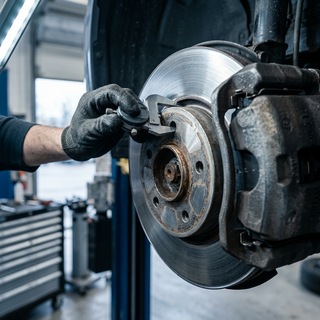
Automotive braking systems rely on hydraulic pressure to force friction pads against spinning steel rotors at each wheel hub. Over thousands of miles, that friction material naturally shears away, converting the kinetic energy of your moving vehicle into thermal energy. In our regional climate zone, prolonged sub-freezing winter conditions and heavy road-salt exposure accelerate wear on caliper slide pins, hydraulic lines, and disc surfaces. Salt crust and moisture can cause hardware to seize prematurely, creating uneven pad contact and reduced clamping efficiency.
Commuters traveling along State Route 170 in Calcutta frequently encounter rolling elevation changes combined with stop-and-go traffic that steadily erodes brake friction linings. When pad thickness drops below safe thresholds, heat dissipates poorly, increasing stopping distances and subjecting internal caliper seals to elevated operating temperatures. Routine multi-point inspections catch this gradual thinning before the steel backing plate gouges the rotor face.
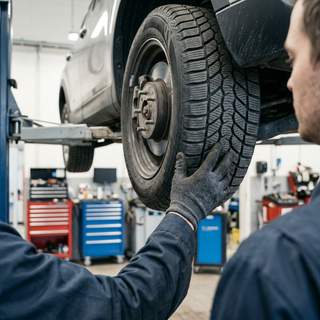
To maintain complete peace of mind on the road, our certified service department inspects pads, rotors, calipers, and brake fluid condition during every scheduled visit. While our technicians evaluate your friction assemblies, we can also perform routine battery and electrical checks to ensure every primary vehicle system remains dependable. If you hear unexpected noises or feel changes in pedal resistance, call our service team directly at (330) 462-7578 or stop by our service center on Pennsylvania Avenue for a comprehensive brake safety evaluation.
Table of Contents
- What Are the Five Main Warning Signs Your Brakes Need Attention?
- What Causes Squealing and Metal-on-Metal Grinding Sounds When Braking?
- Why Does a Vehicle Pull to One Side, Vibrate, or Show a Spongy Pedal?
- What Is the Difference Between Ceramic and Semi-Metallic Brake Pads?
- How Much Does It Typically Cost to Replace Brake Pads and Rotors?
- Can Worn Brake Pads Cause Brake Failure?
- Common Questions About Brake Wear and Maintenance
- Schedule Professional Brake Inspection and Service at Tri State Ford
What Are the Five Main Warning Signs Your Brakes Need Attention?
The five primary indicators that automotive brakes require professional service are audible squealing or grinding, a pulsating brake pedal, a soft or sinking pedal feel, lateral vehicle pulling during stops, and extended stopping distances. Recognizing these distinct mechanical symptoms allows you to address localized friction wear before it damages expensive hydraulic hardware or compromises highway safety.
Monitoring how your vehicle responds under braking reveals developing mechanical issues long before warning lights illuminate on the instrument panel:
- Audible Squealing or Grinding: High-frequency squealing occurs when small steel wear tabs contact the rotor, signaling thin pads. A coarse grinding noise means the friction material is entirely gone, leaving the steel backing plate to grind directly into the rotor face.
- Pedal or Steering Wheel Vibration: A distinct rhythmic shudder in the pedal or steering column while slowing from highway speeds points to rotor thickness variation. Uneven heat buildup warps the flat disc face, preventing the calipers from clamping smoothly.
- Soft, Spongy, or Low Pedal Travel: When the brake pedal travels unusually close to the floorboard before biting, moisture contamination or trapped air bubbles have compromised hydraulic pressure within the brake lines.
- Vehicle Pulling to One Side: If the steering wheel yanks left or right when decelerating, an uneven clamping force is acting on the front axle, frequently caused by a frozen caliper slide pin or a restricted brake hose.
- Noticeably Longer Stopping Distances: Pressing the pedal with standard force without achieving normal deceleration indicates glazed friction linings, overheating pads, or diminished hydraulic assist.
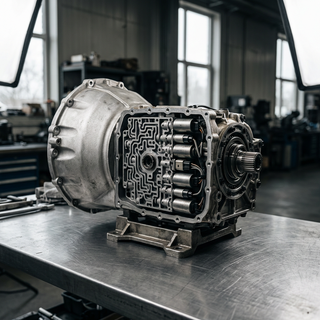
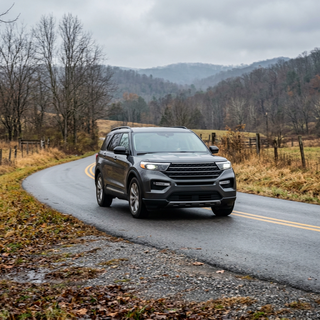
Family SUVs such as the 2026 Ford Explorer with SelectShift transmission or the 2026 Ford Escape with All-wheel drive rely on balanced four-wheel disc setups to maintain stable tracking on slick pavement. When front and rear pads wear unevenly, anti-lock braking and electronic stability controls cannot distribute traction forces as effectively. If you perform your own maintenance, you can order genuine Motorcraft brake parts directly through our dealership to ensure your replacement hardware meets original factory specifications.
What Causes Squealing and Metal-on-Metal Grinding Sounds When Braking?
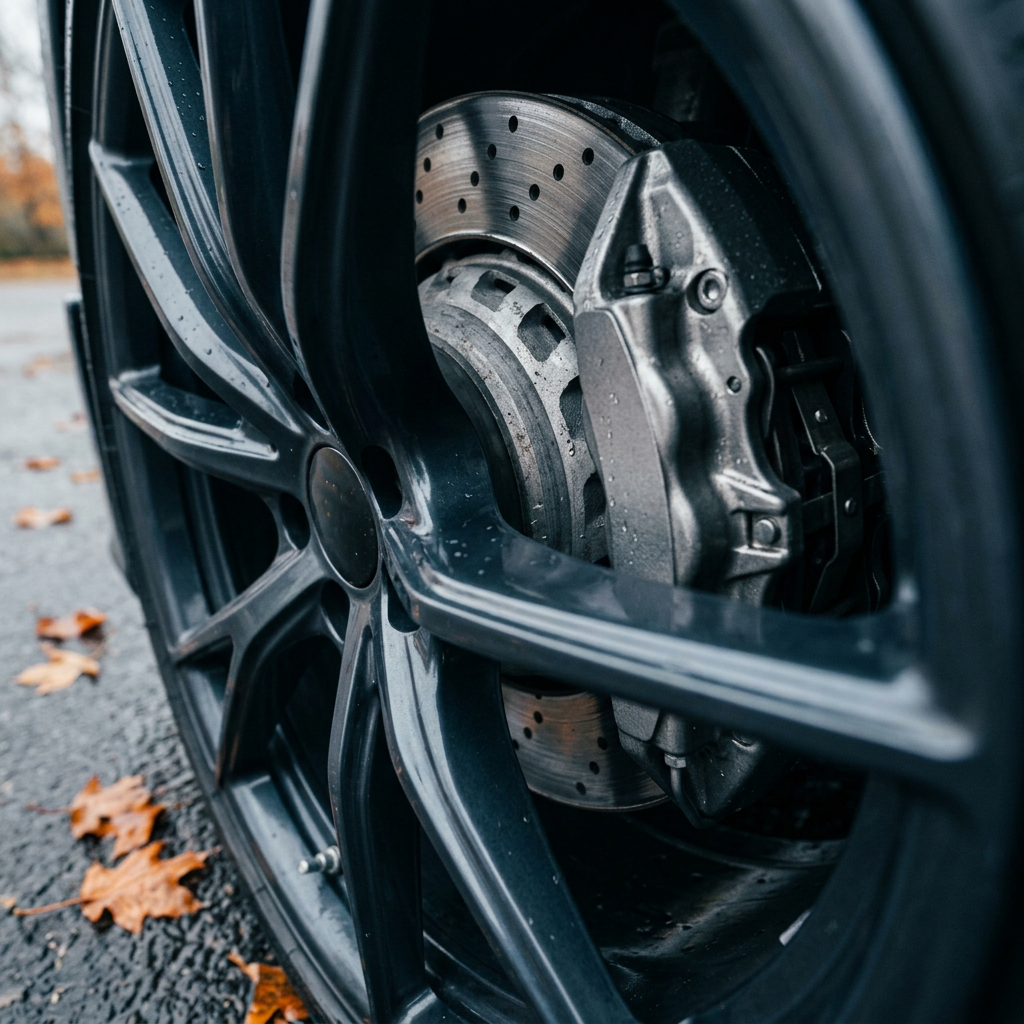
Persistent squealing is engineered into modern brake pads through thin metallic wear indicators that scrape against the rotor once friction material wears down to approximately 2 to 3 millimeters, while grinding indicates that the friction lining is completely gone, allowing the steel backing plate to chew directly into the rotor disc.
Not all brake noise indicates mechanical distress. Light surface rust that forms overnight after heavy rain or humid conditions can generate a temporary squeak during the first two or three stops of the morning. Once the pads sweep the disc clean, that noise should vanish entirely. In contrast, mechanical wear indicators produce a steady, piercing squeal whenever the wheels are turning or when light pedal pressure is applied. These spring-steel tabs serve as an early warning system, giving drivers ample notice to replace the friction pads before bare metal touches bare metal.
When high-pitched squealing is ignored, the remaining millimeter of friction compound rapidly burns away under normal friction heat. The moment the steel backing plate clamps against the cast-iron rotor, an aggressive grinding sound reverberates through the vehicle frame. This direct metal-on-metal friction creates deep score marks, thermal blueing, and severe gouges across the rotor face within a few miles. Driving in this condition ruins components that might have otherwise been resurfaced, increases stopping distances, and generates excessive heat that can boil brake fluid inside the caliper bores.
To help you maintain your vehicle around a busy work week, our Ford Mobile Service van can handle select routine inspections and maintenance tasks right in your driveway, catching early pad wear before costly rotor damage occurs.
Why Does a Vehicle Pull to One Side, Vibrate, or Show a Spongy Pedal?
A vehicle pulls to one side during braking because of uneven hydraulic clamping pressure typically triggered by a sticking caliper slide pin, a frozen piston, or a collapsed flexible brake hose, while vibrations stem from rotor thickness variations and a spongy pedal points to trapped air or moisture inside the hydraulic lines.
Unequal braking force on a single axle forces the vehicle toward the side delivering greater friction. If a caliper slide pin seizes due to road grime and salt intrusion, the inner pad remains trapped against the rotor while the outer pad fails to apply pressure. A restricted rubber brake line can act like a one-way check valve, holding residual fluid pressure on one wheel and causing continuous dragging. Secondary culprits include incorrect front tire pressures, severe suspension bushing wear, or misaligned front steering geometry. Descending the steep riverfront bluffs in East Liverpool places sustained thermal demand on your braking assembly, making uneven caliper clamping and side-to-side pulling immediately noticeable.
Pedal vibration occurs when the brake rotor deviates from a perfectly flat plane. When the caliper squeezes a rotor that has uneven thickness or surface runout, the hydraulic fluid pulses backward through the system, creating a mechanical vibration felt through the pedal pad or steering wheel. This is rarely caused by metal physically warping like a wave; instead, uneven pad material deposits bake onto the rotor face after heavy braking stops, creating microscopic high spots.
A spongy pedal signals a loss of hydraulic integrity. Brake fluid is hygroscopic, meaning it absorbs ambient moisture over time. Under repeated hard stops, that absorbed water boils at lower temperatures than fresh fluid, generating steam pockets. Because gases compress under pressure while liquids do not, pressing the pedal merely collapses the vapor bubbles rather than actuating the wheel calipers, resulting in a soft pedal that sinks toward the floor.
What Is the Difference Between Ceramic and Semi-Metallic Brake Pads?
Ceramic brake pads use dense ceramic compound interwoven with fine copper or brass fibers to deliver quiet operation, minimal light-colored dust, and extended service life for daily driving, whereas semi-metallic pads blend 30% to 70% ferrous metals to provide superior heat dissipation, aggressive initial bite, and higher resistance to brake fade during heavy towing.
Choosing the right pad material depends on vehicle weight, typical cargo loads, and driving habits. Ceramic pads are engineered primarily for comfort, low noise, and clean wheels on commuter sedans and midsize SUVs. Their ceramic matrix operates quietly across normal operating temperatures and produces a fine, non-abrasive dust that will not stain aluminum alloy rims. However, ceramic compounds operate best within moderate temperature bands; under extreme towing or mountainous descents, they can suffer thermal glazing, temporarily diminishing stopping power.
Semi-metallic pads excel under severe thermal loads. The embedded steel wool, iron, and copper particles conduct heat away from the rotor friction surface quickly, channeling thermal energy into the backing plate and caliper housing. This rapid heat dissipation makes semi-metallic friction material the standard choice for work trucks and heavy-duty towing applications.
For instance, a 2026 Ford F-150 equipped with the 3.5L engine and Four-wheel drive, configured to tow up to 10,400 lbs, demands the durable thermal endurance of heavy-duty semi-metallic friction linings to control gross vehicle weights safely on steep grades. Conversely, a 2026 Ford Escape powered by a 1.5L engine running suburban errands benefits from the smooth modulation, quiet operation, and longevity of ceramic friction pads.
How Much Does It Typically Cost to Replace Brake Pads and Rotors?
Replacing brake pads typically costs between $150 and $300 per axle for standard passenger vehicles, while replacing both brake pads and rotors on an axle generally ranges from $350 to $750 depending on vehicle size, component materials, and local labor rates.
Brake service expenses vary depending on whether the job requires routine friction renewal or complete component replacement. When pads are serviced early while rotor surfaces remain smooth, true, and above discard thickness, technicians can install a fresh pad set and service the caliper guide pins for an economical repair. If the rotors are deeply grooved from metal-to-metal wear, corroded by winter road salt, or worn past minimum manufacturer thickness specifications, replacing both the pads and rotors simultaneously is necessary to restore factory stopping performance.
Several variables influence overall brake repair investments:
- Vehicle Classification and Axle Setup: Compact crossovers require smaller rotors and single-piston calipers, keeping parts and labor expenses modest. Full-size trucks and commercial vans utilize heavy dual-piston calipers and thick vented rotors that demand larger component investments.
- Component Materials: Premium ceramic friction pads and coated rust-resistant rotors carry a higher upfront cost than basic organic pads, but their extended lifespan and reduced rotor wear lower long-term cost per mile.
- Rotor Resurfacing vs. Replacement: Modern vehicle manufacturers engineer rotors to tight weight and thickness tolerances. Resurfacing on a brake lathe is only possible if the rotor retains sufficient thickness to stay above discard limits after machining. In many cases, installing fresh rotors is the more reliable and cost-effective approach.
- Hydraulic and Caliper Servicing: If a caliper piston has seized or the slide boots have torn, rebuilding or replacing the caliper adds hardware and fluid bleeding labor to the final invoice.
Investing in timely pad replacement protects expensive rotors and calipers from avoidable collateral damage.
Can Worn Brake Pads Cause Brake Failure?
Completely worn brake pads can cause total braking failure when friction linings erode past the steel backing plate, permitting the caliper piston to overextend, tear its internal hydraulic seal, and release pressurized brake fluid.
When friction material is worn down to zero, the driver must push the pedal significantly farther to bridge the expanded gap between the caliper and the rotor face. Under severe pad loss, the caliper piston travels beyond its engineered bore limit. Once the piston slips past its rubber pressure seal, hydraulic brake fluid sprays across the hot wheel assembly, causing immediate and complete hydraulic pressure loss in that brake circuit.
Modern vehicles employ dual-circuit master cylinders configured in diagonal or front-to-rear splits, ensuring that a fluid leak at one wheel does not disable all four brakes simultaneously. However, losing one hydraulic circuit instantly increases pedal travel and requires dramatically higher leg effort to stop the vehicle. The stopping distance of the vehicle can double or triple, creating a hazardous emergency on crowded roadways. Furthermore, intense metal-on-metal friction can generate sufficient heat to weld the backing plate directly to the rotor disc, causing the wheel to lock up abruptly and throw the vehicle into an uncontrollable skid.
Advanced safety technologies like Ford Emergency brake assist measure the speed and force with which you press the pedal during an impending collision, instantly applying maximum hydraulic force to optimize stopping distance. However, electronic driver aids cannot overcome mechanical degradation; if hydraulic pressure fails or friction surfaces are stripped bare, stopping ability is compromised.
If your vehicle suffers severe hydraulic pressure loss or brake component failure while driving, carefully maneuver toward the road shoulder, engage your mechanical parking brake gradually, and bring the vehicle to a complete stop. Do not attempt to continue driving. Instead, contact Ford Roadside Assistance: 1-800-241-3673 for authorized emergency towing directly to a certified repair facility. Ford Roadside Assistance connects you with trained professionals who understand manufacturer towing protocols, protecting your drivetrain, warranty coverage, and vehicle electronics.
Common Questions About Brake Wear and Maintenance
Q: How often should brake fluid be inspected and flushed?
Brake fluid should be tested for moisture content during every routine oil change and flushed every two to three years regardless of mileage. Because glycol-based brake fluid absorbs moisture from the atmosphere through microscopic rubber hose pores, the fluid's boiling point steadily drops over time. Testing strips determine the copper and moisture content of the fluid; once water content exceeds 3%, flushing the lines with clean fluid prevents internal corrosion in anti-lock brake modulators, master cylinders, and caliper pistons.
Q: Is it safe to replace brake pads on only one side of the vehicle?
Brake pads must always be replaced in complete axle sets, meaning both front wheels or both rear wheels together, never on a single side. Installing new, thick friction pads on one wheel while leaving worn pads on the opposite wheel creates an immediate friction imbalance across the axle. Under heavy deceleration, the vehicle will pull aggressively toward the wheel with higher friction grip, destabilizing chassis balance and causing erratic anti-lock braking engagement during emergency stops.
Q: Can severe winter road salt affect my vehicle's braking hardware?
Heavy winter road-salt applications accelerate corrosion across all exposed underbody brake hardware, particularly targeting caliper slide pins, pad mounting brackets, and rotor cooling vanes. When road salt and road brine enter caliper slider boots, the grease dries out and binds the pin, preventing the caliper from releasing fully after your foot leaves the pedal. This causes continuous pad dragging, rapid friction wear, localized overheating, and degraded fuel economy throughout the winter months.
Q: Why do new brake pads sometimes smell like they are burning after installation?
A distinct chemical or burning odor after installing new brake pads is normal during the initial curing or bedding process. During the first 100 to 200 miles of driving, repeated gentle stops transfer a microscopic, uniform layer of friction material from the new pads onto the rotor face. As manufacturing resins and binding compounds cure under operating temperatures, they release a light odor that dissipates completely once the pads and rotors have fully mated.
Q: What is the minimum safe thickness for brake pad friction material?
Brake pads should be scheduled for replacement when the friction material wears down to 3 millimeters, and 2 millimeters represents the absolute legal safety discard limit. Brand-new brake pads typically measure between 10 and 12 millimeters of friction compound. Once the lining thins to 3 millimeters, heat transfers rapidly into the caliper assembly, increasing the risk of thermal fade and leaving minimal material before the metal wear tabs contact the rotor.
Schedule Professional Brake Inspection and Service at Tri State Ford
Maintaining healthy brakes ensures your vehicle stops predictably and safely in every driving scenario. Our factory-trained technicians use specialized diagnostic tools and genuine Motorcraft components to diagnose squealing noises, resolve pedal vibrations, and flush hydraulic systems back to original factory tolerances.
We inspect friction thickness, evaluate rotor runout, lubricate caliper slide pins, and verify hydraulic line integrity so your family stays secure on daily commutes and weekend road trips. When your vehicle shows any warning signs of brake wear, you can easily schedule a service appointment online to pick a day and time that aligns with your schedule. You can also contact our service advisors directly at (330) 462-7578 to discuss your vehicle's symptoms, or visit our service department at 1503 Pennsylvania Ave for dependable, transparent vehicle maintenance.