

What Is the Average Annual Maintenance and Repair Cost for a Ford Explorer?
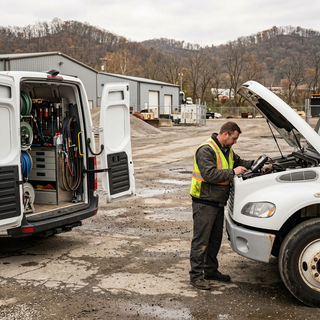
The average annual maintenance and repair cost for a Ford Explorer is approximately $732, placing it right in line with midsize three-row SUV segment benchmarks. Owners typically experience an unscheduled repair frequency of just 0.2 visits per year, which is lower than the 0.4 annual average for the midsize SUV category. While routine maintenance accounts for scheduled visits, major system failures remain relatively uncommon when factory service schedules are followed.
Routine preventative maintenance makes up the majority of those yearly expenditures during early ownership. Standard scheduled tasks like engine oil changes, tire rotations, multi-point visual inspections, and fluid top-offs cost roughly $200 to $350 annually during the first three years. As the odometer accumulates miles, routine wear items like cabin air filters, engine air filters, wiper blades, and brake pads gradually expand the annual budget.
Unscheduled mechanical repairs account for the remaining balance. Industry tracking indicates a 14% probability that an unscheduled repair on an Explorer will be classified as a major issue, defined as a repair exceeding three times the average annual cost. Maintaining factory service intervals minimizes this risk, as our certified technicians identify minor fluid degradation or joint wear before it damages major mechanical assemblies.
For drivers commuting along State Route 170 near Calcutta, regional elevation changes and winter road treatments place extra demands on suspension components and braking hardware. Staying current on scheduled undercarriage inspections preserves factory tolerances and avoids premature component degradation. Drivers can drop by our dealership at 1503 Pennsylvania Ave, East Liverpool, OH 43920 to consult with our factory-certified technicians or give our team (330) 462-7578 to discuss model-specific maintenance schedules.
Table of Contents
- 2027 Ford Explorer 5-Year Ownership Costs: Depreciation, Fuel, and Insurance
- Can Basic Ford Explorer Maintenance Be Handled as DIY to Save Money?
- What Are the Most Common Long-Term Repairs and EcoBoost Turbo Concerns Over 5 to 10 Years?
- Towing Demands and Long-Term Service: How 5,000 Pounds of Pulling Affects Maintenance
- Common Questions About Ford Explorer Ownership and Service Costs
- Plan Your Ford Explorer Ownership Experience with Tri State Ford
2027 Ford Explorer 5-Year Ownership Costs: Depreciation, Fuel, and Insurance
Over a five-year ownership cycle driving 15,000 miles per year, a 2027 Ford Explorer incurs an estimated total cost of ownership ranging from roughly $57,000 to $73,000, depending on trim and powertrain selection. Depreciation represents the largest individual expenditure, followed closely by fuel, financing, insurance, and routine mechanical maintenance.
The entry-level 2027 Ford Explorer starts with a base MSRP of $38,680 for the Active RWD 100A configuration, while the Active 4WD 100A carries a base MSRP of $40,680, each with a $1,795 destination charge. Stepping up through the lineup, the Active RWD 200A lists at $40,615, the Active 4WD 200A at $42,615, the ST-Line RWD at $44,415, the ST-Line 4WD at $46,415, the Tremor 4WD starting at $49,415, the Platinum at $50,875, the Platinum 4WD at $52,875, the performance-tuned ST at $53,875, and the ST 4WD at $55,875. Five-year depreciation is roughly $22,000 to $25,000 on standard Active trims and exceeds $30,000 on upper trims like the ST. In segment comparisons, the Explorer retains value slightly behind the Toyota Highlander and Honda Pilot, which shed around 38% to 42% over five years, but outpaces domestic rivals like the Chevrolet Traverse and Dodge Durango.
Operating costs over 75,000 miles reflect efficient standard powertrains and reasonable insurance ratings:
- Fuel Expenses: The standard 2.3L EcoBoost four-cylinder paired with the SelectShift automatic achieves an EPA-rated 20 city / 28 hwy / 23 combined in rear-wheel-drive configurations like the Active RWD 100A, Active RWD 200A, and ST-Line RWD. Equipping four-wheel drive shifts those numbers to 20 city / 27 hwy / 23 combined on the Active 4WD 100A, Active 4WD 200A, ST-Line 4WD, and Platinum 4WD. The high-output 3.0L EcoBoost V6 delivers 17 city / 25 hwy / 20 combined on the rear-wheel-drive ST and 17 city / 24 hwy / 20 combined on the ST 4WD, while the trail-ready Tremor 4WD checks in at 18 city / 22 hwy / 20 combined. Over five years, fuel budgets typically range from $12,500 to $15,000 based on standard pump averages.
- Insurance Costs: Annual full-coverage insurance premiums for the Explorer average between $1,650 and $1,980 for a driver with a clean record, or roughly $138 to $165 monthly. Standard safety gear, including Pre-Collision Assist with Automatic Emergency Braking, the Blind Spot Information System, and Lane-Keeping System, helps keep underwriting risk competitive with segment averages.
- Factory Protection: Every new Explorer comes guarded by Ford factory warranties, including a 3-year/36,000-mile bumper-to-bumper limited warranty, a 5-year/60,000-mile powertrain warranty, and a 5-year/unlimited-mile corrosion warranty. Ford roadside assistance provides towing to the nearest authorized Ford service center, flat tire changes, battery jump-starts, and lockout assistance. You can reach manufacturer dispatch directly via Ford Roadside Assistance: (800) 241-3673, ensuring factory-backed emergency support. Ford also provides a one-year subscription to the Ford Security Package starting from the original warranty date.
Shoppers evaluating long-term budgets can explore our new Ford inventory to cross-reference equipment packages and window stickers across every available Explorer configuration.
2027 Ford Explorer Pricing
Pricing by trim
| Trim | Base MSRP | Destination charge |
|---|---|---|
| Active 4WD 100A | $40,680 | $1,795 |
| Active 4WD 200A | $42,615 | $1,795 |
| Active RWD 100A | $38,680 | $1,795 |
| Active RWD 200A | $40,615 | $1,795 |
| Platinum | $50,875 | $1,795 |
| Platinum 4WD | $52,875 | $1,795 |
| ST | $53,875 | $1,795 |
| ST 4WD | $55,875 | $1,795 |
| ST-LINE 4WD | $46,415 | $1,795 |
| ST-LINE RWD | $44,415 | $1,795 |
| Tremor 4WD | Starting at $49,415 | $1,795 |
| Utility Police Interceptor 4x4 | $49,050 | $1,795 |
2027 Ford Explorer Fuel Economy
Fuel economy and range by trim
| Trim | MPG |
|---|---|
| Active 4WD 100A | 20 city / 27 hwy / 23 combined |
| Active 4WD 200A | 20 city / 27 hwy / 23 combined |
| Active RWD 100A | 20 city / 28 hwy / 23 combined |
| Active RWD 200A | 20 city / 28 hwy / 23 combined |
| Platinum | 20 city / 28 hwy / 23 combined |
| Platinum 4WD | 20 city / 27 hwy / 23 combined |
| ST | 17 city / 25 hwy / 20 combined |
| ST 4WD | 17 city / 24 hwy / 20 combined |
| ST-LINE 4WD | 20 city / 27 hwy / 23 combined |
| ST-LINE RWD | 20 city / 28 hwy / 23 combined |
| Tremor 4WD | 18 city / 22 hwy / 20 combined |
| Utility Police Interceptor 4x4 | — |
Can Basic Ford Explorer Maintenance Be Handled as DIY to Save Money?
Routine preventative maintenance on a Ford Explorer can be completed at home to save 50% to 70% on standard labor charges. Tasks like swapping engine air filters, replacing cabin air filters, installing fresh wiper blades, exchanging 12-volt starting batteries, and performing basic oil changes require straightforward hand tools and basic mechanical knowledge. However, advanced systems like electronic parking brakes, pressurized cooling loops, and transmission fluid checks require specialized diagnostic interfaces that make professional workshop service preferable.
The simplest do-it-yourself maintenance items deliver high financial returns with minimal investment in garage equipment:
- Engine and Cabin Air Filters: Replacing the engine air filter requires popping four metal retaining clips on the airbox housing, lifting the lid, removing the pleated element, and dropping in an authentic Motorcraft replacement. The cabin air filter sits behind the passenger glove compartment, requiring only the dampener cord to be disconnected and the glovebox dropped down. Completing both tasks at home takes under 20 minutes and saves significant workshop labor fees.
- Wiper Blade Replacement: Standard front and rear wiper assemblies utilize simple pinch-tab or hook connectors that release by hand. Changing blades twice a year preserves clear outward visibility through harsh northeastern weather without requiring a dealership appointment.
- Battery Replacement: Replacing the group-size 12-volt battery requires a 10 mm socket wrench to loosen the terminal clamps (negative terminal first, positive second) and an 8 mm wrench for the hold-down bracket. After installing a fresh unit, the Battery Monitoring System should be reset so the alternator charging profile matches the new battery's internal resistance.
Engine oil and filter changes represent another popular home task, though the Explorer requires proper ramp clearance and oil catch basins. The 2.3L EcoBoost engine uses 6.0 quarts of synthetic-blend or full-synthetic 5W-30 engine oil meeting Ford specification WSS-M2C961-A1. Performing an oil drain and filter replacement at home requires standard jack stands, an oil filter wrench, and a drain pan.
Brake pad and rotor replacement falls into an intermediate category. Standard front or rear brake pad replacement averages between $248 and $305 per axle at a certified shop, where parts cost roughly $126 and labor accounts for $122 to $179. Adding replacement rotors increases the axle cost to between $450 and $600. While mechanically inclined owners can compress caliper pistons and bolt in new pads, modern Explorers incorporate an Electronic Parking Brake on the rear axle. Servicing rear pads at home requires entering a dedicated "Brake Maintenance Mode" via steering wheel dashboard menus or an OBD-II scanner to retract the electric caliper servos; forcing the caliper pistons back mechanically without engaging service mode will strip the electronic actuator gears.
When vehicle shoppers prefer an Explorer that has already undergone comprehensive factory screening, our inventory of CARFAX 1-Owner pre-owned vehicles offers documented service histories showing whether prior upkeep was handled at certified service bays.
What Are the Most Common Long-Term Repairs and EcoBoost Turbo Concerns Over 5 to 10 Years?
Over 5 to 10 years of ownership, total cumulative maintenance and repair expenses for a Ford Explorer average approximately $9,000 to $9,800, with mechanical demands concentrating heavily past the 75,000-mile mark. While the initial five years demand only $2,100 to $2,800 in scheduled fluid services and minor wear items, the second five years bring major wearable mechanical items into play, including suspension bushings, wheel bearings, cooling systems, and ignition hardware.
Turbocharger longevity on both the 2.3L EcoBoost and the 3.0L EcoBoost V6 depends heavily on oil lubrication quality. Because exhaust gases spin the turbine wheel at speeds surpassing 150,000 RPM under heavy boost, operating temperatures within the center bearing cartridge are extreme. The most common EcoBoost turbocharger concerns center around oil coking in the narrow oil feed lines and bearing journal wear. If oil changes are neglected or low-grade conventional oils are used, heat-degraded oil bakes onto the internal bearing surfaces, restricting oil flow and causing premature shaft play. Utilizing full-synthetic motor oils and replacing spark plugs every 30,000 to 45,000 miles help prevent cylinder misfires that could otherwise dump unburned fuel into the exhaust turbine.
Long-term mileage milestones beyond 80,000 miles also bring several predictable repair items:
- Brake Rotors and Friction Surfaces: Heavy three-row SUVs cycle immense thermal energy into braking hardware. Rotors generally require replacement every two pad cycles due to grooving or lateral runout caused by high heat cycling.
- Front Wheel Hub Bearing Assemblies: Road impacts and moisture eventually break down internal bearing seals, resulting in a low rumbling or humming noise that changes pitch while turning at highway speeds.
- Cooling System Components: Thermostat housings, coolant bypass valves, and auxiliary water pumps on EcoBoost engines can develop small seepage points around plastic hose necks and gasket seals after years of thermal expansion and contraction.
- Suspension Bushings and Ball Joints: Front lower control arm bushings and sway bar end links carry the weight of a 4,300-pound curb weight over pavement imperfections, eventually developing rubber tears that cause front-end clunks over road seams.
To safeguard vehicle health, owners can easily order original Motorcraft parts directly from our parts department to ensure direct OEM fitment. For drivers looking to purchase an older model with factory warranty protection, our inventory of certified pre-owned Ford models includes thorough 139-point or 172-point mechanical inspections and comprehensive limited warranty coverage.
2027 Ford Explorer Engine & Performance
Powertrain specs by trim
| Feature | Active 4WD 100A | Active 4WD 200A | Active RWD 100A | Active RWD 200A | Platinum | Platinum 4WD |
|---|---|---|---|---|---|---|
| Standard engine | 2.3L | 2.3L | 2.3L | 2.3L | 2.3L | 2.3L |
| Horsepower | 300 hp | 300 hp | 300 hp | 300 hp | 300 hp | 300 hp |
| Torque | 310 lb-ft | 310 lb-ft | 310 lb-ft | 310 lb-ft | 310 lb-ft | 310 lb-ft |
| Transmission | SelectShift® | SelectShift® | SelectShift® | SelectShift® | SelectShift® | SelectShift® |
| Drivetrain | Four-wheel drive | Four-wheel drive | Rear-wheel drive | Rear-wheel drive | Rear-wheel drive | Four-wheel drive |
Engine & Performance (continued)
| Feature | ST | ST 4WD | ST-LINE 4WD | ST-LINE RWD | Tremor 4WD | Utility Police Interceptor 4x4 |
|---|---|---|---|---|---|---|
| Standard engine | 3L | 3L | 2.3L | 2.3L | 2.3L | 3.3L |
| Horsepower | 400 hp | 400 hp | 300 hp | 300 hp | 300 hp | 318 hp |
| Torque | 415 lb-ft | 415 lb-ft | 310 lb-ft | 310 lb-ft | 310 lb-ft | 260 lb-ft |
| Transmission | SelectShift® | SelectShift® | SelectShift® | SelectShift® | SelectShift® | SelectShift |
| Drivetrain | Rear-wheel drive | Four-wheel drive | Four-wheel drive | Rear-wheel drive | Four-wheel drive | Four-wheel drive |
Towing Demands and Long-Term Service: How 5,000 Pounds of Pulling Affects Maintenance
Properly equipped with the factory Class III Trailer Tow Package, the 2027 Ford Explorer delivers a maximum towing capacity of 5,000 lbs across its entire lineup. Pulling campers, utility trailers, or boats near that maximum weight rating increases thermal stress across the powertrain, prompting Ford to mandate severe-duty maintenance intervals to prevent accelerated wear on the transmission, transfer case, and differentials.
Towing places severe mechanical demands across several critical vehicle systems:
- Transmission Fluid Degradation: Pulling 5,000 pounds causes the torque converter in the 10-speed automatic transmission to generate significantly more heat under sustained hill climbs. Transmission fluid exposed to elevated operating temperatures oxidizes faster, reducing lubricating properties. While normal-duty schedules suggest transmission fluid exchanges at 150,000 miles, regular towing warrants fluid exchanges every 30,000 to 45,000 miles.
- Rear Differential and Transfer Case Fluids: The rear differential and intelligent four-wheel-drive power transfer unit process sustained high torque loads when towing. Heavy trailering degrades gear lubricants, requiring differential oil drain-and-fill services far sooner than typical highway-only operation.
- Brake Pad and Rotor Consumption: Stopping a combined vehicle-and-trailer mass accelerates brake friction material wear. Towing on hilly secondary roads can cut brake pad lifespan in half, making frequent rotor thickness checks essential.
- Tire Wear and Alignment: Towing increases rear axle tongue load, compressing rear coil springs and altering rear wheel camber angles. Rotating tires every 5,000 miles prevents irregular inner-shoulder tread feathering.
Families heading toward Mill Creek MetroParks near Canfield Township with a travel trailer or boat will appreciate how smoothly the Explorer manages heavy tongue loads. When hauling seasonal cargo, scheduling preventative fluid services helps avoid mid-season mechanical stress. You can easily schedule a service appointment online with our certified technicians, or if you are considering stepping into a fresh vehicle with updated towing hardware, our team can help you value your trade-in vehicle to evaluate equity toward your next family hauler.
Common Questions About Ford Explorer Ownership and Service Costs
Q: What is the recommended routine maintenance schedule for a Ford Explorer?
Ford outlines scheduled maintenance intervals primarily every 10,000 miles or 12 months under normal driving conditions, monitored by the Intelligent Oil-Life Monitor system. Every 10,000 miles, the vehicle requires an engine oil and filter change, tire rotation, brake inspection, and multi-point vehicle check. At 20,000 miles, the cabin air filter requires replacement. At 30,000 miles, the engine air filter should be swapped, and the fuel system inspected. Spark plugs on turbocharged EcoBoost engines should be replaced at 60,000 to 70,000 miles for optimal combustion, while engine coolant and automatic transmission fluids should be exchanged by 100,000 miles, or earlier under severe operating conditions.
Q: How does winter driving and road salt impact Explorer maintenance in northeastern Ohio?
Operating in a severe salt-belt environment accelerates exterior corrosion on exposed metal chassis components, brake caliper slide pins, and exhaust hangers. Road salt brine can cause caliper guide pins to seize within their brackets, leading to uneven brake pad wear and premature rotor scoring. Road grit also degrades exposed suspension bushings and rubber ball joint boots over repeated freeze-thaw cycles. We recommend regular undercarriage pressure washes throughout winter months and an annual visual chassis inspection to lubricate caliper pins and protect steel brake lines.
Q: How do cold winter temperatures affect the Explorer's 12-volt battery?
Sub-freezing temperatures reduce a 12-volt automotive battery's chemical reaction speed, cutting available cold cranking amps by up to 30% to 50% during prolonged freezes while the engine requires thicker oil to turn over. Explorers equipped with modern digital instrument clusters, heated seats, and advanced driver aids draw substantial reserve capacity on startup. Testing battery state of health before freezing temperatures arrive prevents unexpected no-start conditions. Drivers experiencing slow engine cranks can view our battery testing and replacement guide for diagnostic advice.
Q: Can I have routine Explorer scheduled maintenance performed at my home or office?
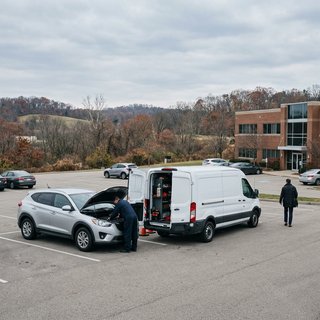
Yes, routine maintenance including engine oil and filter changes, tire rotations, multi-point visual safety checks, wiper blade installations, and battery replacements can be completed at your driveway or workplace through Ford Mobile Service options. Certified technicians bring factory-approved tools and genuine Motorcraft parts directly to your location, providing identical warranty compliance and certified documentation without requiring you to visit a dealership service bay.
Q: What manufacturer warranty coverage comes standard with a new Ford Explorer?
Every new Ford Explorer includes a 3-year/36,000-mile bumper-to-bumper limited warranty covering factory defects in materials or workmanship, alongside a 5-year/60,000-mile powertrain limited warranty protecting the engine, transmission, and drive axles. Additionally, Ford provides a 5-year/unlimited-mile corrosion warranty against sheet metal perforation and 5 years or 60,000 miles of 24/7 roadside assistance. Customers planning their purchase budget can contact us for current financing information before selecting their vehicle.
Plan Your Ford Explorer Ownership Experience with Tri State Ford
Managing Ford Explorer ownership costs is simple when pairing preventative maintenance with factory-certified service support. Whether you plan to handle basic air filter replacements in your own garage or rely on our factory-trained master technicians for scheduled transmission and differential fluid flushes, consistent upkeep protects resale value and ensures long-term powertrain durability.
Our team at Tri State Ford is ready to assist you through every stage of vehicle ownership, from selecting the ideal trim with the right towing hardware to structuring your service plans. Visit our showroom and service facility located at 1503 Pennsylvania Ave, East Liverpool, OH 43920, or give our team (330) 462-7578 today to schedule your next maintenance check or test drive.