Yes, there is an active safety recall on the 2018 Ford Explorer concerning the rear suspension toe link, alongside a separate recall for exterior roof rail body trim. Ford issued recalls covering 2017 through 2019 model-year Explorer vehicles because a seized cross-axis ball joint in the rear suspension can cause the toe link to fracture. This condition can lead to a sudden loss of rear steering control and increase the risk of a crash. Official safety records catalog these actions under NHTSA campaign 26V101 and Ford recall 26S08. Authorized Ford dealerships perform all necessary inspections and repairs completely free of charge to vehicle owners.
Maintaining rear suspension integrity is vital for handling predictability on steep riverfront bluffs and elevation changes around East Liverpool, where road salt and heavy seasonal moisture accelerate undercarriage component stress. A fractured toe link significantly diminishes directional stability, especially when navigating curves or uneven road surfaces. When a toe link breaks, the affected rear wheel can sway out of alignment, causing severe vehicle instability without prior warning to the driver.
In addition to the suspension concern, Ford identified issues with the exterior A-pillar and roof rail covers on 2016 through 2019 Explorer models. The retention clips holding these plastic trim pieces can weaken over time, causing the covers to detach while driving. Detached trim presents a road hazard for following motorists and exposes internal mounting points to environmental moisture.
If you suspect your vehicle is affected by either the rear suspension or exterior trim recalls, our team can verify your status immediately. Drivers can reach our East Liverpool service center for assistance or speak directly with a service advisor by calling (330) 462-7578 to confirm recall details for your specific vehicle.
Table of Contents
- What Is Wrong With the 2018 Ford Explorer Rear Suspension Toe Link Recall?
- What Are the Symptoms of a Failing Rear Suspension Toe Link or Loose Body Trim?
- How Do I Check 2018 Ford Explorer Recall Status by VIN for Free?
- How Does Ford Repair the Rear Toe Link and Trim Issues Free of Charge?
- Common Questions About 2018 Ford Explorer Safety Recalls and Service
- Schedule 2018 Ford Explorer Recall Service
What Is Wrong With the 2018 Ford Explorer Rear Suspension Toe Link Recall?
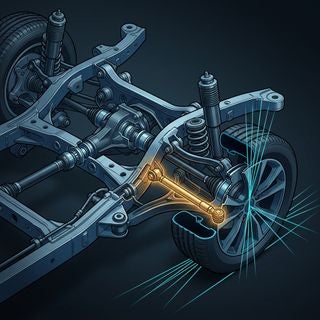
The primary mechanical issue in the 2018 Ford Explorer rear suspension recall centers on the rear toe link cross-axis ball joint, which can seize and cause the structural arm to snap under normal load. Toe links are responsible for keeping the rear wheels aligned parallel to the vehicle's centerline. When the outer ball joint seizes due to corrosion or wear, full suspension travel transfers bending stress directly into the toe link shaft rather than allowing smooth rotational movement.
Over extended driving, repeated suspension flexing causes metal fatigue in the toe link shaft. Eventually, the shaft can fracture entirely. When a rear toe link fractures, the affected rear wheel pivots freely out of alignment, leading to a sudden loss of steering control. Official defect investigations revealed that earlier recall attempts did not encompass all affected production dates, leading to an expanded recall campaign that includes additional 2018 Explorer models equipped with specific cross-axis ball joint configurations.
Winter road conditions introduce persistent challenges for suspension systems. Extended exposure to road salt, combined with slush and temperature swings, accelerates joint seizing in high-mileage vehicles. Vehicles driven on rough pavement or carrying heavy passenger loads experience increased suspension articulation, which compounds stress on compromised ball joints.
Because safety recalls are fully covered by the manufacturer, owners should never defer necessary repairs. To assist busy owners with scheduling maintenance, options like Ford Pickup & Delivery service allow your vehicle to be serviced and returned to your driveway without interrupting your daily schedule.
What Are the Symptoms of a Failing Rear Suspension Toe Link or Loose Body Trim?
A failing rear suspension toe link in a 2018 Ford Explorer typically reveals itself through metallic clunking noises from the rear axle, erratic steering alignment, or a noticeable sway in the rear of the vehicle during lane changes. Loose exterior body trim manifests as heavy wind noise near the windshield pillars, rattling at highway speeds, or visible lifting along the roofline edges.
Common observable symptoms of a compromised rear toe link include:
- Loud metallic clunking or rattling sounds coming from the rear undercarriage over bumps.
- A wandering rear end that feels loose or misaligned when transitioning between speeds.
- Rapid or uneven tread wear along the inner or outer edges of the rear tires.
- The steering wheel sitting off-center while driving straight down a level highway.
When technicians inspect an Explorer in the service bay, drivers often report noticing a subtle rear-end drift during highway driving long before any warning lights or visible component damage appear. This alignment instability is particularly noticeable on daily family routes along State Route 170 near Calcutta, where road transitions demand consistent steering response.
Symptoms of detached or loose roof rail trim are equally distinct:
- Persistent whistling or buzzing wind noise near the A-pillar at speeds above 45 mph.
- Visible gaps between the plastic roof molding and the body sheet metal.
- Plastic trim pieces flexing or lifting up when pushing gently near the retention clips.
Promptly addressing these symptoms prevents secondary vehicle damage. Driving on a cracked toe link risks complete structural separation, while ignored loose trim can tear off completely, causing body panel scratches or creating hazards on public roads.
How Do I Check 2018 Ford Explorer Recall Status by VIN for Free?
Checking whether your 2018 Ford Explorer has open safety recalls requires locating your 17-digit Vehicle Identification Number (VIN) and submitting it to an official Ford query system. The VIN serves as a unique identifier that tracks complete factory build specifications, open safety campaigns, and warranty service history.
You can locate your Explorer's VIN in several quick spots:
- Visible through the driver's side lower corner of the windshield from outside the vehicle.
- Printed on the safety certification label inside the driver's side door jamb.
- Listed on your official vehicle registration document, title card, or auto insurance policy statement.
Once you have your 17-digit VIN, you can run a free check online through the official National Highway Traffic Safety Administration recall lookup tool or the Ford owner service portal. Typing your VIN into these official systems instantly displays any open safety campaigns, including NHTSA campaign 26V101 for the rear suspension toe link or body trim service actions.
If an open recall is listed, the database will indicate whether the remedy has already been completed or if the vehicle remains eligible for free service. You can also contact an authorized Ford dealership directly. A service advisor can query the Ford database using your VIN, confirm part availability, and book your service appointment in a single quick interaction.

How Does Ford Repair the Rear Toe Link and Trim Issues Free of Charge?
Authorized Ford service centers resolve the 2018 Explorer recall by removing the factory rear suspension toe links and replacing them with newly designed, heavy-duty structural components at no cost to the vehicle owner. Technicians inspect the rear suspension assembly, replace both the left and right rear toe links with strengthened parts, and perform a complete four-wheel alignment to restore factory handling geometry.
The standard step-by-step recall repair procedure includes:
- Raising the vehicle on a heavy-duty hoist to perform a complete undercarriage inspection.
- Unbolting the affected rear toe links and inspecting the mounting subframe for wear.
- Installing upgraded, heavy-duty rear toe links built to withstand full suspension articulation.
- Performing a precision four-wheel electronic alignment to ensure correct alignment specs.
- Inspecting exterior A-pillar covers and roof rail trim, applying reinforced retention clips or replacing compromised trim pieces as required.
Replacing rear suspension components requires specialized calibration tools to align the rear wheels accurately. Attempting to repair suspension toe links at home or using non-approved aftermarket parts can lead to premature tire wear or improper steering calibration. Authorized Ford service facilities install factory-engineered components designed specifically to eliminate stress fractures.
Vehicle owners can easily schedule a service appointment online to reserve a dedicated service bay for recall work. If you prefer to consult with our parts specialists regarding replacement hardware or secondary maintenance items, you can order OEM Ford parts directly through our service portal.
Common Questions About 2018 Ford Explorer Safety Recalls and Service
Q: Does completing the rear toe link recall affect my Explorer vehicle warranty or future trade value?
Completing safety recall repairs at an authorized Ford dealership protects your vehicle's long-term resale value and maintains full vehicle integrity. Recall services are documented directly in official Ford system records, demonstrating to future buyers that key safety items were addressed with genuine factory parts. Performing safety recall work does not void or negatively alter any remaining powertrain or limited component warranties.
Q: How long does the rear suspension toe link replacement take in the service bay?
The physical replacement of both rear suspension toe links, combined with a comprehensive four-wheel electronic alignment, typically takes between 1.5 and 2 hours to complete. If your Explorer also requires exterior roof rail trim clip replacement, technicians usually complete all work within the same half-day appointment block.
Q: Are body trim recalls for roof rail covers also covered free of charge regardless of mileage?
Yes, safety recall repairs authorized by Ford are performed completely free of charge to vehicle owners, regardless of vehicle mileage, current warranty status, or whether you are the original owner. If your 2018 Explorer falls within the affected build dates for roof rail trim detachment, the replacement clips or trim covers are provided at zero cost.
Q: What routine service items should be inspected alongside a recall repair visit?
When your Explorer is on the service hoist for recall work, technicians perform a complimentary multi-point inspection. This check covers critical wear items like front and rear brake pad thickness, tire tread depth, suspension bushings, engine coolant clarity, and routine battery health checks to keep your vehicle operating reliably through cold weather.
Q: Can safety recall service be performed without taking time out of my workday?
To make safety maintenance as effortless as possible, vehicle owners can take advantage of convenient options like early bird key drop-off, local shuttle assistance, or the Ford Mobile Service program. Mobile service units allow factory-certified technicians to perform eligible recall inspections and light mechanical work right in your driveway or workplace parking lot.
Schedule 2018 Ford Explorer Recall Service
Promptly completing safety recall repairs ensures your 2018 Ford Explorer remains safe, dependable, and pleasant to drive across all road conditions. Ignoring rear suspension warnings or loose exterior trim compromises vehicle control and risks secondary mechanical damage over time. Because Ford covers all safety recall parts and labor costs entirely, taking action is simple and financially risk-free.
Our certified service department utilizes factory-trained technicians, specialized alignment equipment, and genuine OEM components to complete your recall service quickly and accurately. We understand how important your vehicle is to your family's daily routine, and our team is committed to providing transparent service and clear communication throughout your visit.
Do not wait to address critical safety components on your vehicle. Connect with our service department at 1503 Pennsylvania Ave to book your service in person, or give our team a quick call at (330) 462-7578 to check your VIN status and reserve your recall service appointment today.
© 2026 Tri State Ford. All rights reserved.