Blog / Trucks

The Best Hybrid Trucks Ranked

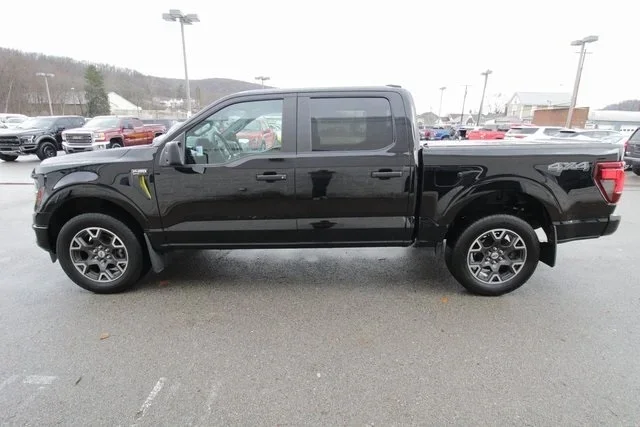
F-150

Hybrid trucks are becoming more popular as buyers look for better fuel efficiency without sacrificing power. With gas prices fluctuating and emission regulations tightening, hybrid pickups are a smart alternative to traditional gas-powered models.

Let’s take a look at the top hybrid truck models and key factors to consider when deciding which is right for you.

Ranking of the Best Hybrid Trucks

1. Ford F-150 PowerBoost Hybrid (Best Hybrid Truck for Towing)

  • Horsepower: 430 hp
  • Torque: 570 lb-ft
  • Towing Capacity: Up to 12,700 lbs
  • MPG: Up to 22 city / 24 highway

The F-150 PowerBoost Hybrid continues to stand out in the segment with class-leading towing capacity and strong fuel economy. It comes with a twin-turbocharged 3.5-liter V-6 engine for instant torque and smooth acceleration. Plus, Ford’s Pro Power Onboard system allows you to use the truck as a mobile generator.

2. Toyota Tundra i-FORCE MAX (Best Pick for Power and Reliability)

  • Horsepower: 437 hp
  • Torque: 583 lb-ft
  • Towing Capacity: Up to 11,450 lbs
  • MPG: Up to 20 city / 24 highway

The Toyota Tundra i-FORCE MAX is built for both power and longevity. Its twin-turbo V6 hybrid system delivers high torque for towing while maintaining Toyota’s reputation for reliability. The interior is loaded with advanced tech and comfort features, making it a solid choice for those who want a balance of power and efficiency.

3. Ram 1500 eTorque (Best Mild-Hybrid System for Budget Buyers)

  • Horsepower: Up to 395 hp (V8)
  • Torque: Up to 410 lb-ft (V8)
  • Towing Capacity: Up to 12,750 lbs
  • MPG: Up to 20 city / 25 highway (4x2)

Unlike full hybrids, the Ram 1500 eTorque uses a mild-hybrid system to improve fuel economy and torque. This affordable hybrid truck option has a smoother start-stop system and slightly better towing performance than the Ford F-150 Hybrid without the price tag of a full hybrid powertrain.

What Is the Best Hybrid Truck?

Among the Ford F-150 PowerBoost Hybrid, Toyota Tundra i-FORCE MAX, Ram 1500 eTorque, and more, the F-150 stands out as the best-selling hybrid truck. According to a recent statement from Ford, over 20,000 units were sold in 2024.

However, the final decision behind which of these is the best hybrid truck for you depends on your specific needs. To help you decide, here are some key factors to consider during your next purchase:

  • Fuel Economy vs. Power – Some hybrids prioritize fuel savings, while others offer boosted torque and horsepower with a mild hybrid system.
  • Towing & Payload Capacity – If you plan on hauling heavy loads, compare towing ratings to ensure the hybrid model meets your needs.
  • Battery Life & Long-Term Costs – Hybrid trucks generally have lower maintenance costs, but battery longevity and replacement costs are important considerations.
  • Technology & Features – Look for infotainment, driver-assist tech, and off-road capabilities to get the best value for your money.

Explore the Latest Hybrid Truck Models

Hybrid trucks are a great option for those who want better fuel economy without sacrificing performance. Whether you need a work truck or a vehicle for everyday commutes, the models in our top hybrid trucks ranking are sure to offer impressive towing, advanced features, and long-term savings.

If you're considering a hybrid vehicle, at Tri State Ford, we can help you find the perfect model with competitive pricing, flexible financing options, and expert guidance. Visit us today at 1503 Pennsylvania, East Liverpool, OH 43920, or browse our inventory online – let’s get you behind the wheel of your next truck!

Posted in:

Recommended Posts

5

What Is the Difference Between Code Reading and Auto Diagnosis?

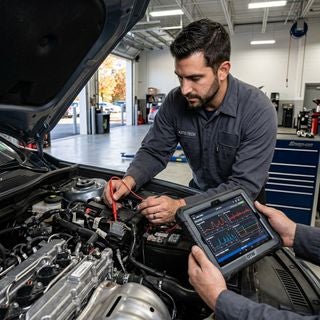
Code reading retrieves an alphanumeric diagnostic trouble code generated by a vehicle's computer when a sensor registers an out-of-spec reading, whereas auto diagnosis is the hands-on mechanical and electrical testing required to identify the root cause of that code. A trouble code identifies the affected monitoring circuit or system, but only a full diagnosis reveals whether the failure stems from a sensor, wiring, mechanical defect, or environmental fault. When a check engine light illuminates, many drivers stop by a local store or hook up a basic scanner to read the stored code. According to the U.S. Environmental Protection Agency standards for On-Board Diagnostics, an OBD-II diagnostic trouble code reports that the onboard monitoring system detected a fault or an out-of-range condition. However, by itself, the code does not confirm which specific component failed. Code reading is simply the first informational step in a multi-step troubleshooting sequence. For drivers navigating daily stop-and-go commutes along State Route 170 in Calcutta, engine management systems process millions of data points every mile. A single sensor variance might trigger a code, but replacing that sensor immediately often wastes money if the underlying issue is a vacuum leak, a corroded ground wire, or mechanical wear. Diagnosing a vehicle requires interpreting live operational metrics, evaluating electrical integrity, and inspecting mechanical assemblies. Our service department at Tri State Ford located at 1503 Pennsylvania Ave, East Liverpool, OH 43920 combines factory diagnostic software with physical testing to isolate the exact cause before any parts are replaced. Drivers can easily reach our team by giving us a quick call or getting directions to our service center for complete diagnostic support. Table of Contents Why Doesn't an OBD-II Trouble Code Tell You Exactly Which Part Is Faulty? Auto Parts Store Code Reads vs. Professional Full Diagnostic Scans What Technical Steps, Live Data, and Pinpoint Testing Are Involved in Proper Diagnosis? How Many Drive Cycles Are Needed to Clear a Permanent OBD-II Code? How Much Does a Diagnostic Fee Cost vs. the Price of a DIY Scanner? Frequently Asked Questions About Vehicle Diagnostics and Error Codes Schedule Accurate Vehicle Diagnostics in East Liverpool Why Doesn't an OBD-II Trouble Code Tell You Exactly Which Part Is Faulty? An OBD-II diagnostic trouble code indicates that a system, sensor, or circuit is operating outside predetermined parameters, not that a specific component has physically broken. The vehicle control computer monitors electrical signals and performance thresholds, logging a code whenever those signals cross an abnormal boundary. Automotive computer systems rely on standardized trouble-code structures established under OBD-II trouble-code guidance. A classic example is code P0420, which indicates that the catalyst-efficiency monitor on Bank 1 detected catalytic performance below its minimum threshold. A superficial reading of this code leads many vehicle owners to buy an expensive replacement catalytic converter. However, documented diagnostic procedures demonstrate that P0420 can be caused by an upstream oxygen sensor fault, damaged sensor wiring, an exhaust manifold leak, or unburned fuel entering the exhaust stream from an engine misfire. Replacing parts solely based on a code string leads to diagnostic guesswork and unnecessary repair expenses. When an engine computer senses abnormal readings, it records the fault based on electrical feedback. If a wire rubbing against an engine bracket loses its insulation, the voltage drop causes the computer to report a sensor failure even though the sensor itself is completely operational. To avoid replacing functional components, technicians treat the code as an invitation to investigate rather than a directive to install new parts. Our certified service technicians review manufacturer service bulletins, analyze system logic, and test secondary components before confirming a repair plan. Drivers experiencing persistent warning lights can easily schedule a service appointment to receive a comprehensive diagnostic evaluation. Auto Parts Store Code Reads vs. Professional Full Diagnostic Scans An auto parts store code read uses a basic handheld device to pull generic Powertrain codes from the main engine computer, whereas a professional full diagnostic scan reads all electronic modules and analyzes active system data streams. Free code-scan services offered at retail parts counters only access generic OBD-II engine codes stored in the primary engine control unit. These handheld tools cannot communicate with body control modules, anti-lock braking systems ( ABS), supplemental restraint systems ( SRS), or electronic transmission control units. Furthermore, simple code readers cannot access freeze-frame data or monitor bidirectional component controls. In contrast, professional scan equipment establishes deep communication with every computer network in the vehicle. Professional equipment reads manufacturer-specific trouble codes, retrieves freeze-frame snapshots recorded at the exact moment of failure, and allows technicians to perform active component tests—such as commanding a fuel pump relay or solenoid valve to cycle on command. When a vehicle requires replacement items following a confirmed diagnosis, installing genuine OEM parts ensures that component specifications match factory electrical tolerances. Our team can help you order genuine Ford parts engineered specifically for your vehicle's electronic networks. What Technical Steps, Live Data, and Pinpoint Testing Are Involved in Proper Diagnosis? Proper automotive diagnosis follows a systematic sequence: code retrieval, freeze-frame analysis, technical service bulletin review, visual inspection, live data stream monitoring, and physical pinpoint electrical testing. A complete diagnostic procedure begins by saving stored fault codes and analyzing freeze-frame data. Freeze-frame data captures engine speed, vehicle speed, engine load, and coolant temperature at the precise instant the diagnostic trouble code was triggered. This snapshot reveals whether the issue occurs during cold starts, under heavy load on steep riverfront bluffs in East Liverpool, or while cruising on open highways. Next, technicians monitor live data streams while the vehicle is running. Live data displays dynamic real-time sensor parameters, including short-term fuel trim, long-term fuel trim, manifold absolute pressure, and oxygen sensor voltage switching speeds. For instance, comparing upstream and downstream oxygen sensor signals on a live graph helps distinguish a degrading catalytic converter from an oxygen sensor output fault. Once live data narrows down the failure path, technicians execute pinpoint electrical testing using digital multimeters, back-probing pins, smoke machines, and oscilloscopes. Pinpoint testing verifies circuit continuity, measures voltage drops across connectors, checks ground integrity, and inspects vacuum lines for tiny leaks. In some cases, verifying dynamic performance under load requires taking the vehicle on a carefully controlled road test; our service clients frequently request scheduling a road test evaluation with a technician to replicate intermittent symptoms under actual driving conditions. How Many Drive Cycles Are Needed to Clear a Permanent OBD-II Code? Clearing a permanent OBD-II code typically requires completing one to three specific drive cycles without the onboard computer detecting any recurring faults. Permanent diagnostic trouble codes were introduced in modern OBD-II protocols to prevent vehicles from passing emissions inspections simply by disconnecting the battery or manually clearing code memory with a scan tool. Unlike standard pending or stored codes, permanent codes cannot be erased using a handheld scanner or by removing power from the engine control unit. To clear a permanent code, the vehicle's engine controller must run its internal self-diagnostic monitor and verify that the underlying fault is fully resolved. A qualifying drive cycle requires specific vehicle operating conditions prescribed by the manufacturer, which usually include: Cold engine start-up with coolant temperatures between specified limits Smooth acceleration to highway speeds between 45 and 65 mph Steady-state cruising for 10 to 15 minutes to allow monitor execution Deceleration without touching the brake pedal to test engine braking signals Extended idling periods in park or drive to complete evaporative system checks Once the internal monitor runs and completes successfully during consecutive drive cycles, the computer automatically erases the permanent code from its internal memory. How Much Does a Diagnostic Fee Cost vs. the Price of a DIY Scanner? A professional car diagnostic fee can vary, so contact us for current pricing, while an entry-level DIY OBD-II scanner is typically more affordable. Purchasing a low-cost DIY scanner is worthwhile for vehicle owners who want to read initial error codes, monitor basic engine parameters, or track overall vehicle maintenance status. However, a consumer-grade scanner lacks the advanced hardware, manufacturer software access, and guided testing trees required to pinpoint complex electrical or mechanical faults. While paying a professional diagnostic fee represents an upfront investment, it prevents the higher costs associated with replacing functional parts through trial and error. Installing an expensive sensor based on a basic code read—only to discover the light remains on due to a broken wiring connector—can cost significantly more than paying for an initial expert diagnosis. Professional diagnostic fees cover not only access to multi-thousand-dollar scan equipment and high-speed scope tools, but also the extensive training and labor time of certified technicians who interpret complex live data streams and perform manual circuit testing. Frequently Asked Questions About Vehicle Diagnostics and Error Codes Q: Can a low car battery trigger false OBD-II trouble codes? Yes, voltage fluctuations caused by a failing battery, weak alternator, or corroded battery terminal can cause electronic control units to log multiple false diagnostic trouble codes. Automotive computers require a steady voltage supply to interpret sensor signals accurately. When system voltage drops during engine cranking, sensors may report out-of-range readings that trigger codes across unrelated systems, such as transmission shift solenoids or throttle position sensors. Testing battery health and charging output is a standard preliminary step before condemning expensive electronic sensors. Q: What happens if I drive my car with the check engine light on? Driving with a steady check engine light is generally safe for short distances to reach a service facility, provided the vehicle displays no severe driveability issues like stalling, violent shaking, or loss of braking power. However, continuing to drive long-term with an active light can cause secondary damage, such as unburned fuel melting internal catalytic converter elements. If the check engine light is flashing rapidly, it indicates a severe engine misfire requiring immediate pulling over and stopping the engine to prevent catastrophic catalytic and powertrain damage. Q: Why does my check engine light turn on and off intermittently? An intermittent check engine light occurs when a fault is triggered only under specific operational conditions, such as high ambient humidity, cold engine starts, or heavy highway load. The computer logs a pending code when the condition is detected during one drive cycle. If the condition does not recur in subsequent drive cycles, the light may turn off, but the history code remains stored in the computer's memory. Intermittent faults are best diagnosed by examining stored freeze-frame data to identify the exact environmental conditions present during failure. Q: Will clearing a trouble code fix the underlying mechanical issue? Clearing a trouble code turns off the dashboard light and erases stored fault memory, but it does not fix the mechanical, electrical, or sensor defect that caused the code. Once the computer completes its next self-test monitor under driving conditions that trigger the fault, the check engine light will turn back on. Resetting codes without performing repairs is ineffective for passing state emissions inspections because clearing memory resets all system readiness monitors to an incomplete status. Q: How do factory Technical Service Bulletins help in diagnosing error codes? Technical Service Bulletins ( TSBs) are official diagnostic advisories issued by vehicle manufacturers to address recurring issues, software glitches, or known component failures across specific vehicle lines. When a technician retrieves a trouble code, checking TSB databases helps identify if the vehicle requires a re-flashed engine control software update, an updated wiring harness routing, or a revised replacement component. Leveraging TSB guidance reduces diagnostic time and ensures repairs follow updated engineering specifications. Schedule Accurate Vehicle Diagnostics in East Liverpool Understanding the difference between a quick code read and a thorough diagnostic scan protects your vehicle's performance and saves money on unnecessary repairs. A diagnostic code provides a clue, but accurate repairs require professional tools, live data analysis, and expert electrical testing. Our service center at Tri State Ford is fully equipped with factory-grade diagnostic software and experienced technicians ready to resolve your check engine light issues correctly the first time. Visit our location at 1503 Pennsylvania Ave, East Liverpool, OH 43920 or give our service department a quick call to schedule your service appointment. You can also get directions to our East Liverpool service center for reliable, transparent vehicle care. © 2026 Tri State Ford. All rights reserved. Auto Diagnostic Services in East Liverpool OH | Tri State Ford

l

How Do You Protect Yourself When Buying a Used Car?

To protect yourself when buying a used car, demand complete written transparency by reviewing the vehicle history report, verifying the FTC Buyers Guide disclosure, obtaining a comprehensive out-the-door price quote, and scheduling an independent pre-purchase inspection before signing any contract. Securing all verbal agreements in writing guarantees that promised repairs or warranty coverages remain legally binding. Purchasing a pre-owned truck, SUV, or sedan offers exceptional value, but navigating the buying process requires a systematic approach to safeguard your investment. Protecting your interests begins long before you sign financial paperwork. It starts by gathering objective data about the car's background, mechanical condition, and total ownership costs. Evaluating a vehicle step by step eliminates uncertainty, giving you complete peace of mind when choosing a ride for your daily routine. A thorough evaluation combines documentary evidence with physical inspection. Requesting title history, verifying service records, and taking a comprehensive test drive help confirm that a vehicle matches its listed condition. For drivers commuting along State Route 170 around Calcutta, reliable daily transportation is essential for balancing work runs, family schedules, and weekend errands. Taking time to inspect steering alignment, brake responsiveness, and cabin comfort under real-world driving conditions ensures the vehicle meets your everyday performance needs. Before finalizing any vehicle purchase, always request a complete itemized pricing breakdown rather than relying on estimated monthly payments. Verifying taxes, title transfer fees, and dealer documentation fees up front prevents unexpected costs at contract signing. If you are ready to explore dependable pre-owned options, you can visit our showroom floor or give our team a quick call to discuss available inventory and schedule a walk-around appointment today. Table of Contents What Key Questions Should You Ask About Vehicle History and Usage? Will a Dealer Allow an Independent Mechanic Inspection and What Does It Cover? What Does the Buyers Guide Reveal About Warranty Coverage and Written Terms? Is Paying Extra for a Certified Pre-Owned Vehicle Worth the Investment? How Do You Negotiate the Best Out-the-Door Price on a Used Vehicle? Quick Answers to Common Questions About Buying Used Vehicles Take the Next Step Toward Your Next Used Vehicle What Key Questions Should You Ask About Vehicle History and Usage? You should ask whether the dealer provides a free vehicle history report detailing title status, prior ownership count, accident records, open safety recalls, and routine service history. Confirming whether a vehicle served as a personal commuter, commercial fleet vehicle, or daily rental reveals how consistently it was maintained and how heavily it was driven. A vehicle history report serves as an essential foundation for evaluating any pre-owned truck, car, or crossover. Reports sourced through platforms like AutoCheck or Carfax compile data from state motor vehicle departments, collision repair facilities, and law enforcement agencies. These documents reveal crucial background details, including title brands such as salvage, flood, or lemon law buyback status. They also record odometer readings over time, helping buyers identify potential mileage rollback discrepancies before committing to a vehicle. Beyond the title history report, asking detailed questions about previous ownership provides context regarding mechanical wear. Shoppers comparing pre-owned trucks on our lot often ask whether a vehicle was owned locally or used as a commercial fleet vehicle before looking at the odometer. While fleet vehicles frequently adhere to strict, manufacturer-recommended maintenance schedules, they may experience higher cumulative wear from multiple drivers. Conversely, single-owner personal vehicles often come with detailed maintenance receipts, showing regular oil changes, tire rotations, and scheduled fluid flushes. It is equally vital to check for unperformed safety recalls using the National Highway Traffic Safety Administration recall lookup tool. Enter the 17-digit Vehicle Identification Number to verify whether the manufacturer has issued safety notices for components like airbag inflators, fuel pumps, or electronic control modules. Our team verifies recall status on incoming inventory, ensuring necessary factory service updates are addressed. If you are considering transitioning to a tailored setup, you can explore our custom vehicle ordering options, check out current new vehicle information, or value your current trade-in online to establish your trade equity before shopping. Will a Dealer Allow an Independent Mechanic Inspection and What Does It Cover? Reputable dealerships allow independent pre-purchase inspections and will permit you to take the vehicle to a certified technician of your choice. A thorough pre-purchase inspection evaluates mechanical components, fluid integrity, electrical systems, brake wear, suspension parts, frame alignment, and diagnostic trouble codes to identify hidden issues before you buy. An independent inspection gives buyers an unbiased, professional assessment of a vehicle's mechanical health. Even when a vehicle has undergone a multi-point dealership reconditioning process, an independent mechanic offers a secondary review tailored directly to your concerns. Most technicians charge between $100 and $200 for a pre-purchase inspection, making it a modest investment that can prevent costly unexpected repairs down the road. During a pre-purchase inspection, a qualified technician places the vehicle on a hydraulic lift to examine undercarriage components that are impossible to inspect on a sales lot. They check for frame corrosion, subframe damage, fluid leaks around the oil pan and transmission housing, and uneven tire wear that indicates alignment or suspension issues. Negotiating the steep riverfront elevation changes along the bluffs in East Liverpool requires strong suspension dampening, healthy brake pads, and tight steering linkages, making an undercarriage check especially valuable for local drivers. The mechanic will also run a full diagnostic scan on the vehicle’s engine control unit to check for cleared or pending diagnostic trouble codes. This scan detects potential sensor failures, transmission slips, or emissions system faults that might not immediately trigger a dashboard warning light during a short test drive. Once the inspection is complete, the mechanic provides an itemized report detailing component conditions, upcoming maintenance requirements, and estimated repair costs, giving you clear leverage during price negotiations. What Does the Buyers Guide Reveal About Warranty Coverage and Written Terms? The window Buyers Guide explicitly states whether a used car is sold as is or with a specific dealer warranty, outlining the exact percentage of repair costs the seller agrees to cover. Federal law requires this disclosure to be displayed on every pre-owned vehicle offered by a dealership, and any verbal promise made on the sales floor must be written directly onto the document to be legally binding. Prominently posted on a vehicle's side window, the FTC Buyers Guide acts as a primary legal disclosure governing your purchase. If the as is - no dealer warranty box is checked, the dealership assumes no financial responsibility for mechanical or electrical failures once you drive off the lot. In an as-is transaction, all future maintenance and repair expenses belong entirely to the buyer. Conversely, if the vehicle includes a dealer warranty, the Buyers Guide will specify whether coverage is full or limited, list the covered systems—such as engine assembly, transmission components, or drive axles—and define the exact duration, such as a 30-day/1,000-mile limited warranty. +-----------------------------------------------------------------------------------+ | FTC BUYERS GUIDE DISCLOSURE | +------------------------------------+----------------------------------------------+ | Coverage Status | Legal Meaning & Financial Responsibility | +------------------------------------+----------------------------------------------+ | As Is - No Dealer Warranty | Buyer pays 100% of all repair costs | | | immediately after delivery. | +------------------------------------+----------------------------------------------+ | Implied Warranties Only | State law limits seller disclaimers; | | | coverage varies by jurisdiction. | +------------------------------------+----------------------------------------------+ | Dealer Warranty (Limited / Full) | Dealer pays specified percentage of parts | | | and labor for designated systems. | +------------------------------------+----------------------------------------------+ | Manufacturer Warranty Remaining | Original factory coverage transfers according| | | to original time and mileage limits. | +------------------------------------+----------------------------------------------+ Never rely on spoken assurances regarding future repairs or physical reconditioning. If a sales representative promises to fix a cracked windshield, replace worn brake pads, or supply a second key fob, insist that those items are explicitly itemized on a written "We Owe" form or directly referenced in the Buyers Guide contract. Written stipulations turn informal promises into enforceable contractual obligations. Understanding warranty terms also helps you structure your auto financing responsibly. Knowing whether key mechanical assemblies are protected allows you to budget accurately for ongoing ownership costs without unexpected repair expenses disrupting your monthly household finances. You can start the buying process from home by completing our secure online credit application to review financing options tailored to your purchasing budget. Is Paying Extra for a Certified Pre-Owned Vehicle Worth the Investment? Purchasing a Certified Pre-Owned (CPO) vehicle is worth the additional cost for buyers seeking factory-backed warranty coverage, rigorous multi-point mechanical inspections, and built-in benefits like emergency roadside assistance. Factory certification minimizes financial risk by ensuring the vehicle meets strict manufacturer standards for age, mileage, and mechanical condition. Unlike standard pre-owned vehicles, certified pre-owned cars, trucks, and crossovers undergo a rigorous factory-mandated evaluation process before earning certification. For instance, Ford Certified Pre-Owned models must pass a detailed inspection covering engine performance, transmission shifting, body panel alignment, frame integrity, interior electronics, and safety systems. Any component that fails to meet strict factory guidelines must be repaired or replaced using genuine OEM parts before the vehicle is offered for sale. +-----------------------------------------------------------------------------------+ | Ford CERTIFIED PRE-OWNED COVERAGE | +----------------------------------+------------------------------------------------+ | Program Tier | Key Benefits & Warranty Terms | +----------------------------------+------------------------------------------------+ | Ford Gold Certified | • 172-point mechanical inspection | | | • 12-month/12,000-mile comprehensive warranty | | | • 7-year/100,000-mile powertrain warranty | | | • 24/7 roadside assistance included | +----------------------------------+------------------------------------------------+ | Ford Blue Certified | • 139-point mechanical inspection | | | • 90-day/4,000-mile comprehensive warranty | | | • 24/7 roadside assistance included | +----------------------------------+------------------------------------------------+ Beyond comprehensive mechanical reconditioning, factory certification provides long-term peace of mind through extended warranty protections. Ford Gold Certified vehicles include a 12-month/12,000-mile comprehensive limited warranty alongside a 7-year/100,000-mile powertrain limited warranty measured from the original factory in-service date. These programs also feature 24/7 emergency support services, reachable anytime via Ford Roadside Assistance: 1-800-241-3673, which covers towing, flat-tire changes, fuel delivery, and lockout assistance across the country. For families prioritizing long-term dependability and modern safety technologies like Ford Co-Pilot360, certified pre-owned inventory strikes an optimal balance between initial affordability and long-term security. You can compare our selection of pre-owned single-owner vehicles or browse our current certified pre-owned Ford inventory to find models that fit your lifestyle requirements. How Do You Negotiate the Best Out-the-Door Price on a Used Vehicle? To negotiate the best out-the-door price, request an itemized quotation including the vehicle sale price, documentation fees, applicable state taxes, and registration charges before discussing monthly financing options. Comparing local market valuation data, leveraging documented inspection findings, and keeping financing negotiations separate from vehicle price discussions ensure you secure a fair deal. Successful price negotiation relies on objective research rather than high-pressure tactics. Before visiting the dealership, consult independent vehicle valuation resources to establish the fair market value range for the specific year, trim level, engine configuration, and mileage you are considering. Knowing the average selling price for comparable models gives you a clear baseline when evaluating a dealer's opening offer. Focusing exclusively on the out-the-door price prevents common negotiation pitfalls. Dealers can alter monthly loan payments by extending financing term lengths or adjusting down payment structures without actually reducing the purchase price of the car. Insist on reviewing an itemized breakdown that clearly separates the vehicle price from mandatory state taxes, license fees, and dealer documentation fees. If an independent mechanic inspection revealed upcoming maintenance items—such as tires needing replacement within 5,000 miles or worn brake rotors—use the written repair estimate to request a corresponding price adjustment. If you plan to trade in your current vehicle, keep the trade-in appraisal discussion separate from the pre-owned vehicle price negotiation. Separating these transactions ensures you receive fair market value for your trade-in based on its condition and current wholesale demand. Before finalizing your terms, be sure to ask our team about eligible national vehicle incentives and manufacturer offers that may apply to your purchase. Quick Answers to Common Questions About Buying Used Vehicles Q: Can you request a free vehicle history report directly from the dealership? Yes, reputable dealerships provide a complimentary Carfax or AutoCheck report on pre-owned vehicles in their inventory. You can request a digital copy via email or view the report directly on the dealership's online listing before visiting the showroom. The report details title status, prior ownership records, accident history, and reported maintenance services. Q: What paperwork should you gather before applying for pre-owned vehicle financing? To streamline your credit approval, bring valid government-issued photo identification, your most recent pay stubs or proof of income, a current utility bill verifying your residential address, and proof of active auto insurance. If you plan to trade in a vehicle, bring its title, current registration card, and payoff information if an outstanding loan exists. Q: What happens if an open safety recall is listed on a used car's VIN? If a pre-owned vehicle has an open safety recall, the manufacturer is responsible for completing the required recall repairs at no charge to the owner through an authorized dealership. You should ask the selling dealer to perform all open recall service procedures before you take delivery, or confirm in writing when the necessary recall parts will be available. Q: Are dealer documentation fees negotiable on a pre-owned vehicle purchase? Dealer documentation fees cover administrative costs associated with processing title transfers, contract preparation, and state registry filings. While the documentation fee rate is typically standardized across a dealership's operations, you can negotiate a reduction in the vehicle's sales price to offset administrative fees if the total out-the-door cost exceeds your target budget. Q: How does trading in a vehicle with an existing loan balance affect your purchase? When trading in a vehicle with an active loan, the dealer contacts your lender to obtain an official payoff quote. If your vehicle's trade-in value exceeds the loan balance, the remaining positive equity applies directly as a down payment toward your purchase. If the loan balance exceeds the vehicle's trade-in value, the remaining equity gap can often be rolled into your new auto loan upon lender approval. To explore current factory options, browse our brand-new vehicle inventory to compare model specs and tech packages. Take the Next Step Toward Your Next Used Vehicle Finding a pre-owned truck, SUV, or sedan begins with clear documentation, verified vehicle history, and a transparent purchasing process. Asking targeted questions about maintenance history, verifying Buyers Guide warranty terms, and scheduling an independent inspection ensure you make an informed decision aligned with your budget and lifestyle. Our team at Tri State Ford is dedicated to providing an honest, straightforward buying experience for every customer. Whether you are looking for a fuel-efficient daily commuter, a spacious family vehicle, or a capable pickup equipped for weekend towing, we offer a wide selection of thoroughly inspected pre-owned vehicles backed by complete vehicle history reports. Ready to take the next step toward your next vehicle? You can get directions to our East Liverpool dealership to explore our lot in person, or give us a quick call to schedule a test drive today. Keep Your Vehicle Running Strong Keep your vehicle performing at its best with our service team: Order Parts Schedule Service Appt © 2026 Tri State Ford. All rights reserved. Used Car Buying Tips in East Liverpool OH | Tri State Ford


d

What Does a Check Engine Light Code Actually Mean for Your Vehicle?

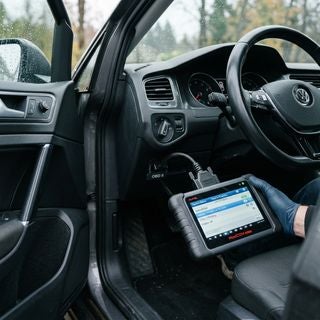
An onboard diagnostic trouble code indicates that your vehicle's engine control computer detected an operating value outside normal factory specifications, but it does not identify the exact component that failed. The alphanumeric code merely reports the specific system, sensor circuit, or mechanical performance anomaly observed by the OBD-II system. Pinpointing the root cause requires step-by-step diagnostic testing of related electrical wiring, vacuum supply lines, and connected mechanical parts. When the malfunction indicator light illuminates on your dashboard, the engine management system stores a standard diagnostic trouble code in its memory bank. According to standards established by SAE International under specification J2012, this five-character code acts as an initial directional signpost rather than a definitive repair instruction. Reading the stored code provides essential context about which vehicle subsystem experienced an operational fault, such as an unexpected voltage reading, an air-fuel ratio variance, or an engine timing offset. Automotive diagnostic systems continuously evaluate hundreds of inputs every minute while your engine runs. If a reading stays outside acceptable tolerances across a set monitoring cycle, the computer records a stored fault code and triggers the dashboard warning light. Understanding this process helps vehicle owners avoid unnecessary part replacements. When dashboard warnings appear during daily driving, drivers can visit our service center location or give our service department a call at (330) 462-7578 to arrange professional diagnostic evaluation. Reviewing current manufacturer service offers also helps maintain essential engine health and routine system inspections at optimal value. Table of Contents Does a Diagnostic Trouble Code Point Directly to a Faulty Part? Why Can a Single Faulty Sensor Cause Multiple Trouble Codes? Code Readers vs. Professional Scanners: What Is Live Data Monitoring? Is It Safe to Drive With a Solid or Flashing Check Engine Light? Frequently Asked Check Engine Light Diagnostic Questions Get Accurate Vehicle Diagnostics Does a Diagnostic Trouble Code Point Directly to a Faulty Part? A diagnostic trouble code describes the electrical condition or operational symptom observed by the powertrain control module, not the definitive broken hardware part. Expecting a single code to serve as an exact auto parts shopping list frequently leads to replacing functional sensors while leaving the underlying mechanical or electrical problem unresolved. Standard OBD-II diagnostic codes follow a structured alphanumeric convention that categorizes the system area and specific fault condition: The initial character defines the major vehicle area: P for powertrain (engine and transmission), B for body systems, C for chassis, and U for network communications. The second character indicates whether the code is standardized generic code ( 0) or manufacturer-specific code ( 1). The third character identifies the precise subsystem, such as fuel metering, ignition system, or auxiliary emission controls. The final two digits designate the specific fault condition being flagged. For example, a common code like P0171 indicates that the air-fuel mixture on Bank 1 is running leaner than expected. While many vehicle owners assume this code requires replacing the front oxygen sensor, the actual root cause could be a torn intake vacuum hose, a dirty mass air flow sensor wire, weak fuel pump pressure, or leaking intake manifold gaskets. Replacing the oxygen sensor without testing the surrounding air intake and fuel delivery hardware leaves the lean condition active, causing the warning light to return shortly after clearing. Similarly, a P0300 code flags random or multiple cylinder misfires, while a P0420 code indicates catalyst system efficiency falling below minimum threshold requirements. Neither code isolates a single failed component. A misfire can stem from worn spark plugs, failing ignition coils, clogged fuel injectors, or low cylinder compression. Professional diagnostics involve checking circuit voltages, inspecting vacuum lines, and testing system pressures before installing any replacement components. Owners facing recurring warning lights can schedule a diagnostic service appointment online for thorough system isolation. Why Can a Single Faulty Sensor Cause Multiple Trouble Codes? A single malfunctioning sensor triggers multiple trouble codes because modern engines rely on tightly integrated feedback loops where one corrupted data signal distorts calculations across multiple downstream vehicle management systems. When a primary sensor reports inaccurate operating data, the engine control module makes improper adjustments that cause secondary sensors to detect abnormal conditions and set additional codes. Our service technicians routinely observe this chain reaction on the diagnostic bay floor: a single primary sensor anomaly cascades through the powertrain control module, setting off three or four seemingly unrelated fault codes across different subsystems. For example, a contaminated or failing mass air flow sensor measuring intake air volume can miscalculate the incoming air mass. Based on that incorrect measurement, the engine computer delivers improper fuel volume, triggering an active P0171 system lean code. As the improper air-fuel mixture burns inefficiently inside the combustion chambers, engine misfires begin, logging a P0300 misfire code. Unburned fuel entering the hot exhaust manifold then skews downstream exhaust readings, setting a secondary oxygen sensor code. Common sensors capable of triggering multi-code cascades include: Mass Air Flow ( MAF) Sensor: Controls primary fuel delivery calculations; causes lean/rich codes and combustion misfires. Engine Coolant Temperature ( ECT) Sensor: Regulates cold-start enrichment and radiator fan timing; causes air-fuel trim faults and transmission shift errors. Throttle Position Sensor ( TPS): Tracks driver pedal input; causes transmission shifting faults, stability control warnings, and engine hesitation codes. Oxygen ( O2) Sensors: Monitors post-combustion exhaust gases; triggers catalytic converter efficiency codes and fuel trim system warnings. This interconnected behavior is especially evident during suburban commuting around Calcutta along State Route 170, where frequent speed changes and elevation shifts place varied loads on the engine management system. Testing individual sensor signal outputs against factory voltage specifications isolates the initial primary failure from secondary code symptoms. Isolating root causes prevents unnecessary component installation, ensuring owners order genuine OEM replacement parts specifically matched to the true failed component. Code Readers vs. Professional Scanners: What Is Live Data Monitoring? Basic consumer code readers only retrieve and erase standard stored fault codes, whereas professional diagnostic scanners access real-time operational data streams, read manufacturer-specific control modules, and perform active bi-directional component testing. Entry-level code readers display basic alphanumeric code strings but lack the analytical depth required to determine why a parameter shifted out of range. Live data monitoring on an advanced diagnostic scanner displays real-time operational metrics directly from running engine sensors. While a vehicle operates, technicians analyze dynamic parameters to spot sensor drift, delayed electrical responses, or intermittent signal drops that do not hold steady long enough to freeze a hard fault code. Essential live data parameters monitored during active diagnosis include: Short-Term and Long-Term Fuel Trims: Measures percentage adjustments made to fuel delivery in response to oxygen sensor readings. Calculated Engine Load and Mass Air Flow Rate: Tracks real-time air intake volume against throttle position and engine RPM. Upstream and Downstream Oxygen Sensor Voltages: Displays rapid switching waveforms to evaluate fuel control and catalytic efficiency. Ignition Timing Advance and Knock Sensor Retard: Identifies pre-ignition trends before severe engine pinging occurs. Freeze-Frame Operating Snapshots: Examines precise engine temperature, vehicle speed, and load parameters recorded the exact second a fault triggered. Consumer interest in vehicle self-testing has grown with the availability of Bluetooth OBD-II adapters designed for smartphone diagnostic applications. Entry-level wireless adapters start near $15 and provide basic code reading and limited gauge displays. Units ranging from $60 to $120 offer advanced sensor graphing, companion app software support, and access to enhanced vehicle network parameters. While smartphone adapters offer convenient basic insight for car enthusiasts, professional multi-system diagnostic scanners remain essential for bi-directional testing, such as commanding fuel injectors or ABS valves on and off to verify mechanical function. Is It Safe to Drive With a Solid or Flashing Check Engine Light? A solid check engine light indicates a non-emergency fault that permits brief, cautious driving to a service facility, whereas a flashing check engine light signifies a severe engine misfire requiring immediate pulling over to prevent catastrophic mechanical and catalytic converter destruction. Continuing to drive while the warning light flashes allows unburned raw gasoline to stream directly into the red-hot exhaust system. Inside the exhaust system, unburned fuel ignites upon hitting the internal ceramic honeycomb structure of the catalytic converter. Internal temperatures rapidly surge beyond 1,800 degrees Fahrenheit, melting the precious metal catalyst elements and clogging the exhaust flow. What could have been a straightforward spark plug or ignition coil replacement turns into a costly repair requiring complete catalytic converter replacement alongside engine component repairs. Important safety and financial guidelines regarding check engine light operation include: Steady Warning Light: Safe for short distance driving if engine performance, temperature, and oil pressure remain normal; schedule diagnostic inspection promptly. Flashing Warning Light: Severe active misfire occurring; safely pull off the roadway immediately, turn off the ignition, and arrange towing. Auxiliary Warning Symbols: If an illuminated check engine light is accompanied by an oil pressure lamp or engine temperature warning, shut down the engine immediately. Auto Insurance Coverage Limits: Standard auto insurance policies do not cover check engine light diagnostic fees or mechanical breakdown repairs unless the damage resulted directly from a covered collision or vandalism incident. During heavy stop-and-go driving along Market Street in Boardman, engine loads fluctuate frequently, accelerating exhaust overheating if a misfire occurs under load. For emergency breakdown situations on the road, vehicle owners should utilize manufacturer-backed roadside protection. Drivers can reach Ford Roadside Assistance at (800) 241-3673 for qualified emergency towing directly to an authorized technical facility. Frequently Asked Check Engine Light Diagnostic Questions Q: How much does a Bluetooth OBD-II adapter for smartphone apps cost? Entry-level Bluetooth OBD-II adapters cost approximately $15 to $30 and offer basic code reading alongside clearing functions. Mid-tier and advanced adapters range from $60 to $120, providing real-time data graphing, multi-module system scans, fast refresh rates, and enhanced companion app diagnostics compatible with iOS and Android devices. Q: Will resetting the check engine light with a scanner fix the underlying mechanical problem? Erasing a diagnostic trouble code with a handheld reader turns off the dashboard light temporarily, but it does not repair the underlying mechanical or electrical fault. The engine control computer will re-detect the out-of-range sensor reading during subsequent drive cycles and illuminate the check engine light again until the root issue is properly repaired. Q: Does auto insurance cover the cost of diagnostic fees at a service center? Standard comprehensive and collision auto insurance policies do not cover diagnostic inspection fees or routine mechanical repairs caused by normal wear and tear. Insurance only covers diagnostic work if the mechanical failure stems directly from an insured accident, fire, fallen object, or act of vandalism. Q: What is the difference between generic and manufacturer-specific OBD-II codes? Generic OBD-II codes begin with P0, B0, C0, or U0 and follow standardized definitions mandated across all vehicle makes sold in North America. Manufacturer-specific codes begin with P1, B1, C1, or U1 and provide specialized diagnostic details engineered specifically for a brand's unique powertrain and body electronics architecture. Q: What is a pending diagnostic trouble code on an OBD scanner? A pending code indicates that the engine control computer detected an operational fault during a drive cycle, but has not yet seen the issue recur frequently enough to set a permanent stored code or illuminate the dashboard light. It serves as an early diagnostic clue during preliminary system troubleshooting. Get Accurate Vehicle Diagnostics Understanding what a check engine light code means protects your vehicle investment and prevents unnecessary component replacements. A stored diagnostic code acts as an informational starting point rather than a final diagnosis. Identifying whether a fault stems from a worn sensor, damaged wiring harness, or underlying mechanical issue requires dedicated diagnostic equipment and professional technical expertise. Our factory-trained service team utilizes advanced factory diagnostic equipment, live data analysis, and targeted component testing to isolate engine faults accurately the first time. Whether your dashboard displays a steady warning light or you need routine maintenance, professional technical care ensures your vehicle remains reliable for every daily journey. Drivers can visit our dealership service facility at 1503 Pennsylvania Ave, East Liverpool, OH 43920 or speak directly with our service team by calling (330) 462-7578. When planning your next vehicle upgrade or replacement, customers can also explore options to custom order a new Ford vehicle tailored to exact family and driving specifications. © 2026 Tri State Ford. All rights reserved. Check Engine Light Codes in East Liverpool OH | Tri State Ford