Blog / Used Vehicle Guides, Financing & Insurance, Buying Guides, Vehicle Warranty Information, Pre-Owned

Q&A: Understanding Used Car Protections with Nick Pirl at Tri State Ford

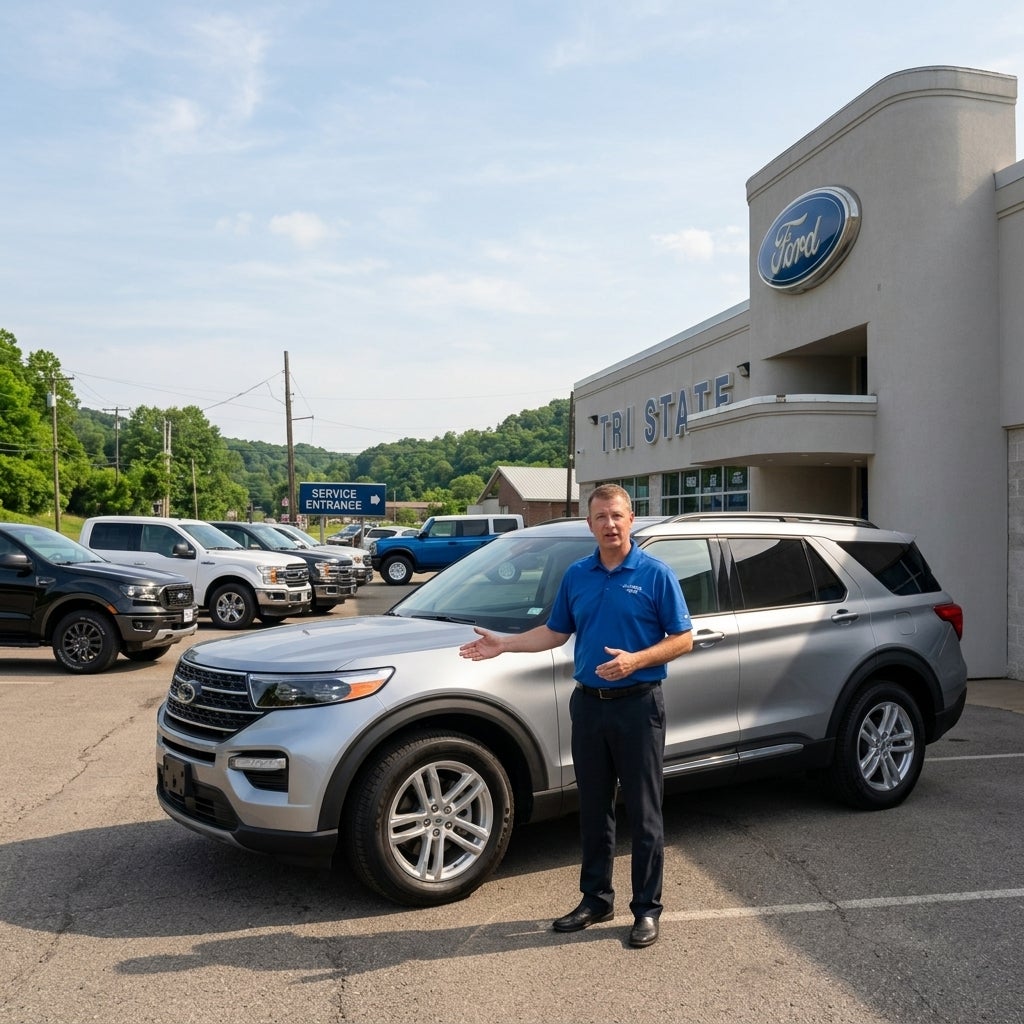
A professional, middle-aged automotive sales manager with a friendly, approachable expression, standing on a paved dealership lot in Calcutta, Ohio, during a bright, clear Tuesday afternoon in late June. He is dressed in a clean, short-sleeved blue polo shirt and dark slacks, gesturing toward a well

Q&A: Understanding Used Car Protections with Nick Pirl at Tri State Ford

Today, we're interviewing Nick Pirl, our Sales Manager at Tri State Ford. With 9 years of experience, Nick is uniquely qualified to answer your questions and provide expert insights on the critical differences between buying a vehicle as-is versus one backed by a dealer warranty. In this discussion, Nick breaks down the legal definitions and practical risks to help you make an informed decision for your family’s next purchase.

Q: Nick, when a shopper is looking at our pre-owned lot, what is the most fundamental difference they need to understand between a vehicle sold as-is and one with a dealer warranty?

A: That is a great question, and it really comes down to who is responsible for the bill if something goes wrong ten minutes after you drive off the lot. According to the Federal Trade Commission, a vehicle sold **as-is** means the buyer assumes every bit of the financial risk for repairs. If the engine light pops on or a window regulator fails, the dealership has no legal obligation to pay for those fixes unless a specific verbal or written promise was made otherwise. It is the most direct way to purchase a vehicle, but it requires the most homework from the shopper.

A: On the flip side, a **dealer warranty** is a formal promise from us to repair or replace specific components for a set amount of time or mileage. When I am talking to middle-class families in the suburban neighborhoods around Calcutta who are driving their kids along State Route 170, they usually lean toward a warranty because it provides a safety net. We offer a variety of options, including high-quality one-owner vehicles that often come with more transparent histories. Whether you are looking at our current pre-owned specials or browsing our used work truck selection, knowing who holds the risk is the first step in your shopping journey. If you ever have questions about a specific window sticker, you can always give us (330) 462-7578 or visit our showroom on Pennsylvania Ave to see the Buyers Guide in person.

Q: There seems to be a common misconception that as-is means the car is in poor condition, but is that always the case in your experience?

A: Not at all. Many people assume that an **as-is** label is a red flag, but in reality, it is often just a reflection of the vehicle's age or mileage. For instance, a perfectly reliable older truck might be sold **as-is** simply because it has aged out of standard factory or CPO programs. In a city like East Liverpool, with our deep industrial roots and working-class heritage, we see a lot of durable vehicles that still have plenty of life left but fall outside of traditional warranty windows. The key is to look at the Buyers Guide, which is the window sticker required by federal law to disclose whether a car has a warranty or not.

A: Even if you are looking at an **as-is** model, we encourage shoppers to use our tools to understand the full value of their purchase. You can estimate your current vehicle's trade-in value to see how it fits into your budget for a more modern replacement. We carry a wide range of inventory, from versatile pickup trucks to reliable Transit work vans, and we want you to feel confident regardless of the warranty status. The label just means you need to be more diligent with your pre-purchase inspection because once the paperwork is signed, the repair costs are your responsibility.

Q: Nick, walk us through the difference between a full warranty and a limited warranty, as those terms show up on those Buyers Guides quite often.

A: This is where the fine print really matters for your long-term budget. A **full warranty** is the gold standard because it typically covers both parts and labor for any covered defect without a deductible, and it often allows the warranty to be transferred if you sell the car. However, these are quite rare on the used market. Most of what you will see are **limited warranties**. A **limited warranty** might only cover specific systems, like the **powertrain**, or it might require the owner to pay a percentage of the repair costs. For example, a dealer might agree to pay **50 percent** of the labor and parts for a **30-day** period.

"The most expensive repair is the one you didn't plan for, which is why understanding the scope of your limited warranty is more important than the price of the car itself."

A: When I am helping a professional find a vehicle from our F-Series work inventory, we look closely at these terms because downtime equals lost money. We want to make sure the coverage matches the way you use the truck. Our specialized finance team can help explain how these protections impact your monthly payment and overall value. Whether you are buying from our standard truck inventory or a specialized model, the distinction between a full and limited promise is what determines your out-of-pocket exposure over the first few months of ownership.

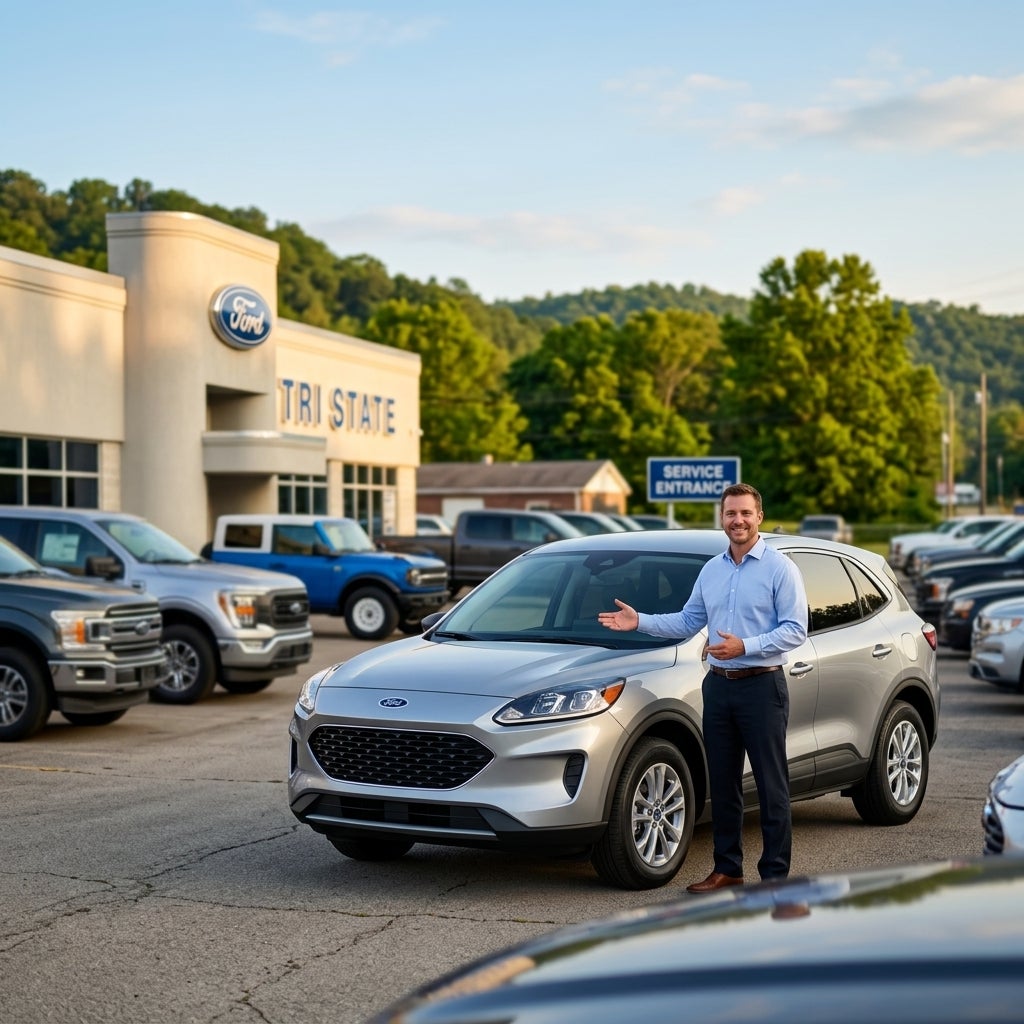
Cinematic photorealistic shot of a professional male sales manager in business-casual attire standing confidently on a pristine pre-owned vehicle lot in the American Midwest, he is gesturing toward a clean silver late-model SUV, the background features a modern Ford dealership with glass architectur

Q: What specific systems are usually included in a standard dealer warranty for a pre-owned vehicle?

A: Most standard dealer warranties focus on the **powertrain**, which includes the engine, transmission, and drive axles. These are the "big ticket" items that would be the most devastating to a family's finances if they failed. A typical **limited warranty** might last for **90 days** or **3,000 miles**, whichever comes first. While it may not cover every sensor or a squeaky trim piece, it ensures that the vehicle's core mechanical systems are sound. We want our customers to drive home knowing that the heavy lifting is covered.

A: Beyond the mechanical basics, we also look for ways to add value to the ownership experience. For example, some buyers use our instant cash offer tool to simplify their transition into a newer vehicle that might still have remaining factory coverage. We even offer conveniences like vehicle pick-up and delivery to make maintaining your purchase easier. Even if you are just looking to find the right tires for your model, our goal is to support the longevity of the vehicle. A standard warranty is essentially a bridge of confidence between the dealership and your driveway.

Q: Is a dealer warranty or an extended service contract actually worth the extra money on a used car?

A: I tell shoppers that it really depends on their financial cushion and the specific vehicle. If you are buying a high-mileage SUV and you do not have **a few thousand dollars** sitting in a savings account for a sudden transmission issue, a warranty is absolutely worth it. It turns an unpredictable emergency into a predictable monthly cost. Modern vehicles are incredibly complex, and even a simple electrical fault can be expensive to diagnose. An **extended service contract**—often called an extended warranty—is an optional purchase that can stretch that peace of mind for years.

A: We also try to help our customers save on the back end by offering monthly manufacturer service specials and even convenient mobile service options for certain repairs. Whether it is routine battery maintenance and testing or more complex work, having a plan in place reduces stress. For many of our neighbors who balance busy work schedules and family life, the cost of the warranty is a small price to pay for the assurance that their daily transport is protected against major mechanical failures.

Q: For those who do decide to buy a vehicle as-is, what steps should they take to protect themselves before they sign the contract?

A: The absolute most important step is a pre-purchase inspection by an independent mechanic. Even though we stand behind our inventory, we always tell shoppers they have the right to get an outside opinion. A mechanic can spot leaks, worn suspension components, or signs of previous accidents that might not be obvious during a quick test drive. You should also review the vehicle history report and check for any lemon-law branding, as suggested by the Ohio Attorney General. Being thorough now prevents a lot of headaches later.

A: If you find that an **as-is** vehicle feels too risky, we have plenty of other options. You can browse our current new inventory or look through our latest new work trucks, many of which come with full factory protections. We also offer incentives on new models and exclusive manufacturer specials that can make a new car more affordable than you might think. Our team can help you apply for credit online or even start a custom order for a new vehicle tailored to your needs. If you want to talk through your options, feel free to give us (330) 462-7578 or stop by our East Liverpool location for a face-to-face conversation.

Understanding the difference between an as-is sale and a dealer warranty is essential for any savvy car buyer. As Nick Pirl explained, the choice ultimately comes down to how much risk you are willing to carry versus the value of long-term peace of mind. At Tri State Ford, we are committed to transparency and helping you find a vehicle that fits both your lifestyle and your budget. Whether you are looking for the rugged durability of a Ford truck or a reliable family SUV, our team is here to ensure you drive away with total confidence in your purchase.

Keep your vehicle performing at its best with our service team:


© 2026 Tri State Ford. All rights reserved.

Posted in:

Related Posts

f

Should You Buy a Used Car with a Minor Accident History?

Buying a used vehicle with a minor accident history is generally a safe and practical choice if the damage was strictly cosmetic, the repairs were completed properly using quality components, and the asking price reflects the historical impact. When structural frame components, suspension geometry, and safety restraint systems remain entirely untouched, a previously repaired vehicle delivers identical long-term reliability and daily safety at a lower overall purchase price. Evaluating a pre-owned vehicle with a reported collision requires looking past the surface notation on a vehicle history report. Services like CARFAX compile records from insurance databases, police reports, and participating repair facilities to document recorded events associated with a Vehicle Identification Number. However, an entry showing a cosmetic incident does not tell the complete story on its own. A parking lot scuff, a cracked tail lamp, or a lightly dented fender skin gets flagged in reporting systems alongside more significant events, even though surface-level panel repairs have no bearing on mechanical durability or road safety. A hands-on evaluation combined with thorough documentation review helps determine whether a pre-owned vehicle represents a good buying opportunity. Before making a purchasing decision, buyers should review repair invoices, inspect panel finish consistency, and confirm that all mechanical components operate smoothly. For commuters traveling along State Route 170 in Calcutta, driving a vehicle with verified alignment and flawless safety features provides total peace of mind on everyday trips. To explore our current selection of thoroughly inspected pre-owned vehicles, contact our team directly at (330) 462-7578 or visit our East Liverpool dealership location for a personal test drive. Table of Contents What Qualifies as a Minor Accident Versus Structural Frame Damage? How Does a Minor Collision Impact Resale Value, Title Status, and Factory Warranty Coverage? How Can Buyers Verify ADAS Sensor Calibration and Repair Quality After an Incident? Is a Used Vehicle with a Past Cosmetic Repair Safe and Reliable for Long-Term Driving? Frequently Asked Questions About Buying Used Vehicles with Accident History How to Inspect Pre-Owned Vehicles and Find Quality Options What Qualifies as a Minor Accident Versus Structural Frame Damage? A minor accident involves surface-level cosmetic damage—such as scraped bumper covers, light fender dings, or cracked light assemblies—that leaves the vehicle's unibody frame, mechanical driveline, and safety restraint systems entirely undamaged. Structural frame damage involves bent unibody frame rails, compromised pillar posts, or crumpled structural crossmembers that permanently alter the vehicle's ability to protect occupants in a subsequent crash. Understanding the difference between outer body panels and structural unibody components helps buyers evaluate physical condition during a vehicle walk-around. Modern vehicles utilize unibody construction, where outer sheet metal panels like front fenders, door skins, and trunk lids attach directly to a rigid internal safety cage. Minor impacts typically affect only these outer, bolt-on components: Outer plastic bumper covers designed to flex and absorb low-speed parking impacts Front fender panels and rear quarter panel outer skins Side door shells, exterior door handles, and side mirror housings Headlamp and taillight assemblies, grille inserts, and decorative trim Underneath exterior body covers sit the vehicle's primary structural components and energy-absorbing crumple zones. The impact bar located directly behind a bumper cover absorbs collision energy, protecting the main unibody rails behind it. If a low-speed collision deforms only the plastic cover and exterior impact bar, a body shop replaces those bolt-on parts without disturbing the vehicle's frame alignment. Conversely, if an impact bends the radiator support, floor pan, A-pillars, or rear frame horns, the damage crosses into structural territory, requiring extensive frame-bench pulling and specialized welding to restore structural integrity. Uneven or misaligned gaps between doors, fenders, hoods, and trunk lids often serve as a visual indicator during physical inspection. While slight panel variance can occasionally occur from factory manufacturing, noticeable tape lines, misaligned body lines, or binding door hinges suggest either poor cosmetic repair execution or underlying unibody distortion that warrants a thorough professional mechanical inspection. How Does a Minor Collision Impact Resale Value, Title Status, and Factory Warranty Coverage? A documented minor accident typically reduces a used vehicle's market value by roughly 5 to 15 percent, creating a built-in pricing advantage for secondary buyers without altering the vehicle's clean title status. A cosmetic incident does not void the remaining factory warranty, though manufacturer coverage will not pay for secondary repairs or component failures caused directly by improper body shop work or non-OEM replacement parts. Evaluating financial trade-offs requires understanding how valuation guides like Kelley Blue Book account for accident history notes. When a vehicle history report lists a cosmetic incident, prospective buyers often negotiate a lower purchase price compared to an identical clean-history model. This market adjustment reflects residual value expectations rather than compromised functionality. For a buyer planning to keep the vehicle for several years, this initial discount offsets future trade-in adjustments, offering extra value up front on a fully functional automobile. Title status remains completely unaffected by minor cosmetic incidents. A clean title indicates that the vehicle has never been written off by an insurance carrier as a total loss. In contrast, salvage and rebuilt titles are reserved exclusively for vehicles where estimated repair costs exceeded actual cash value, or where insurance companies declared a total loss due to severe structural impact, fire, or submergence. Vehicle warranty protections remain active following cosmetic repairs, governed by specific terms: The original 3-year/36,000-mile bumper-to-bumper limited warranty continues covering non-damaged factory systems. The 5-year/60,000-mile powertrain limited warranty stays fully intact for the engine, transmission, and drive axles, provided those mechanical assemblies sustained no impact damage. Components replaced during collision repair are covered under the repairing facility's work guarantee rather than the original manufacturer warranty. To explore dependable pre-owned vehicles that maintain robust coverage, drivers can review our certified pre-owned Ford lineup or evaluate your current trade-in value online to plan your upgrade efficiently. How Can Buyers Verify ADAS Sensor Calibration and Repair Quality After an Incident? Buyers can verify Advanced Driver Assistance Systems (ADAS) sensor calibration by requesting detailed repair records that include electronic diagnostic pre-scan and post-scan reports alongside digital calibration certificates from the body shop. A comprehensive test drive paired with an independent diagnostic scan confirms that front radar modules, windshield cameras, and ultrasonic sensors operate within precise manufacturer specifications. Modern vehicles rely heavily on integrated safety electronics located behind exterior body panels. Front bumper covers house millimeter-wave radar units, windshield glass supports forward-looking cameras, and rear bumper corners contain blind-spot radar modules. Even a low-speed bumper scuff or headlight replacement requires disassembling and reinstalling these sensitive components. If a body shop replaces a front bumper cover without performing a sensor recalibration, safety features may fail to function correctly or trigger false alerts. Verifying proper calibration involves checking specific documentation and vehicle behaviors: Review diagnostic scan printouts showing zero active Diagnostic Trouble Codes (DTCs) across all safety modules. Request the body shop invoice verifying that static target alignment or dynamic driving calibration was completed. Test driver-assist features on the road, including Pre-Collision Assist with Automatic Emergency Braking, Lane-Keeping System, and Blind Spot Information System. Ensure dashboard warning indicators for Ford Co-Pilot360 technologies remain off during engine startup and continuous operation. Proper repair verification includes checking structural fasteners and paint finishes. Inspecting fender mounting bolts under the hood reveals whether factory paint on bolt heads was broken during panel removal. Additionally, checking for paint overspray on rubber door seals, inner wheel well liners, and wiring harnesses confirms whether a repair shop took proper masking precautions during refinishing. When you find a pre-owned vehicle that meets your safety standards, our finance team can assist you with an online credit application to secure competitive financing terms tailored to your personal budget. Is a Used Vehicle with a Past Cosmetic Repair Safe and Reliable for Long-Term Driving? A used vehicle with a past cosmetic repair is fully safe and reliable for long-term daily driving, provided the underlying unibody structure, suspension tracking, and protective anti-corrosion coatings remain in factory-standard condition. Outer panel repairs do not impact engine durability, transmission shifting, or passenger cabin protection when completed correctly using proper materials. Long-term reliability depends heavily on the quality of environmental sealing and rust prevention applied during body repairs. Outer body panels receive multi-layer factory coatings, including electro-dip primers and clear coats designed to resist moisture and road salt. Qualified body shops restore these protective barriers using OEM-grade primers and corrosion-resistant seam sealers on inner panel joints. For drivers navigating the riverfront terrain and changing seasonal conditions in East Liverpool, verifying that underbody seams and wheel arch liners are properly sealed prevents premature surface rust from developing near past repair areas. Suspension alignment and tire wear patterns serve as primary indicators of long-term mechanical health following a minor incident. A vehicle that sustained a light side impact or curb contact must undergo a four-wheel computer alignment check. Even tire tread wear across the front and rear axles confirms that suspension arms, strut towers, and steering linkages maintain factory geometry, ensuring predictable handling and maximum tire life over thousands of commuting miles. To find vehicles with verified maintenance and collision histories, explore our pre-owned single-owner inventory or view our current featured vehicle selection to discover excellent pre-owned values today. Frequently Asked Questions About Buying Used Vehicles with Accident History Q: Does a minor accident automatically show up on a CARFAX history report? A: A minor accident only appears on a history report if the incident was reported to police, submitted through an insurance claim, or repaired at a body shop that shares data with reporting services. Private repairs paid out of pocket by a previous owner may not appear on a report, which is why a physical pre-purchase inspection remains essential. Q: Will a minor collision history increase my auto insurance rates on a used car? A: Purchasing a clean-title vehicle with a past minor accident does not increase your comprehensive or collision insurance premiums. Insurance rates are determined by your driving record, geographic location, vehicle make and model, and vehicle age, rather than previous cosmetic repairs documented on a clean title. Q: Can uneven panel gaps on a pre-owned vehicle indicate underlying frame damage? A: Uneven panel gaps often point to misaligned body panels or sub-standard cosmetic repair execution, but they can occasionally indicate underlying unibody distortion from a past impact. Having a qualified technician measure frame alignment points clarifies whether gap variances are strictly surface-level or structural. Q: How can I confirm that airbags were not deployed during a past minor impact? A: Airbag deployment is recorded on detailed vehicle history reports and usually flagged in insurance claim data. Additionally, a physical inspection confirms that original steering wheel covers and dashboard seam covers remain intact, while a diagnostic scan verifies that the Supplemental Restraint System (SRS) module contains no crash history codes. Q: Is financing more difficult for a used car with a documented minor accident on a clean title? A: Financial institutions evaluate used car loan applications based on the vehicle's clean title status, current book value, and the borrower's credit profile. Because a minor accident leaves the clean title intact, lenders treat the vehicle like any other pre-owned automobile, offering standard interest rates and loan terms. To look over our latest vehicle arrivals or explore new vehicle options, browse our brand-new Ford inventory or investigate custom factory order choices tailored directly to your lifestyle. How to Inspect Pre-Owned Vehicles and Find Quality Options Evaluating a pre-owned vehicle with a minor accident history requires following a systematic inspection checklist to ensure total purchase confidence. By combining electronic record checks with physical evaluations, buyers can easily distinguish high-quality cosmetic repairs from poorly executed body work. When inspecting a pre-owned vehicle on the lot, perform these critical checks: Compare paint color consistency and clear coat finish across adjacent body panels in natural daylight. Run your fingers along inner door edges, hood seams, and trunk gutters to check for rough paint masking lines. Inspect tire tread depth evenly across all four tires to confirm correct suspension alignment and tracking. Test all safety technology features during your test drive, ensuring camera views and parking sensors function clearly. Request written repair invoices and pre-purchase diagnostic scan reports showing zero active fault codes. Our team at Tri State Ford carefully inspects every pre-owned vehicle on our lot to guarantee that our inventory meets strict safety, structural, and performance standards. We provide transparent vehicle history documentation so you can select the right car, truck, or SUV with complete confidence. Visit our showroom address at 1503 Pennsylvania Ave, East Liverpool, OH 43920 today to compare our pre-owned lineup, or speak directly with our friendly sales advisors by calling (330) 462-7578 to schedule your test drive. Keep Your Vehicle Running Strong Keep your vehicle performing at its best with our service team: Order Parts Schedule Service Appt © 2026 Tri State Ford. All rights reserved. Used Cars with Minor Accident History in East Liverpool OH | Tri State Ford

5

Is a Used Ford F-150 a Good Truck to Buy?

A used Ford F-150 is one of the most reliable, capable, and practical full-size pickup trucks available on the pre-owned market. Built with a high-strength, military-grade aluminum-alloy body on a fully boxed steel frame, it delivers long-term rust resistance, exceptional resale value, class-leading towing performance, and manageable ownership costs compared to rival trucks. Buying a pre-owned Ford F-150 allows truck shoppers to avoid the steepest initial depreciation curve while acquiring proven towing power and modern driver-assist safety tech. Ford engineered this chassis to handle demanding workloads, whether hauling equipment through work sites near the East Liverpool riverfront bluffs or pulling a recreational camper for a weekend getaway. Because the F-150 body panels are crafted from aluminum alloy rather than conventional sheet metal, older models maintain their exterior cosmetic appearance without the typical wheel-well rust that plagues standard steel trucks in cold-winter salt-belt climates. At Tri State Ford, our pre-owned truck lineup gives buyers access to diverse cab styles, bed lengths, and proven EcoBoost® or V8 powertrains. Every pre-owned F-150 on our lot undergoes a thorough mechanical evaluation to confirm that steering components, brakes, four-wheel-drive transfer cases, and electrical networks operate to manufacturer standards. Shoppers can plan their visit using our showroom address at 1503 Pennsylvania Ave, or give our sales team a call to verify current truck inventory. If your operations require specialized commercial capabilities, you can also explore our commercial work truck inventory to evaluate heavy-duty cab-chassis options. Table of Contents Which Ford F-150 Engine Offers the Highest Towing Capability? How Does a Used Ford F-150 Compare to a Chevrolet Silverado 1500? Is It Better to Buy a Used Ford F-150 or Lease a New One? Does Ford SYNC 4 Support Wireless Apple CarPlay and Android Auto? What Factors Impact the Resale Value of a Used Ford F-150? What Inspection and Warranty Advantages Does a Certified Used Ford Offer at Tri State Ford? Frequently Asked Questions About Buying a Used Ford Truck Drive Home Your Next Pre-Owned Truck from Tri State Ford Which Ford F-150 Engine Offers the Highest Towing Capability? The 3.5L EcoBoost® V6 engine delivers the highest maximum gas towing capability in the Ford F-150 lineup, reaching up to 13,500 lbs of pull when properly configured with the Max Trailer Tow Package. Generating 400 hp and 500 lb-ft of torque, this twin-turbocharged powerplant produces peak torque low in the RPM range to pull heavy trailers effortlessly. While the 3.5L EcoBoost® V6 holds the top spot for overall towing capacity, Ford offers several distinct engine options across pre-owned F-150 model years, allowing buyers to select the ideal balance of horsepower, fuel economy, and payload capability: 3.5L EcoBoost® V6: Delivers 400 hp and 500 lb-ft of torque with a maximum tow rating of 13,500 lbs in configuration setups like the SuperCrew or SuperCab. Selected trims like the high-output Raptor variant elevate output to 450 hp and 510 lb-ft of torque. 5.0L Ti-VCT V8: Generates 400 hp and 410 lb-ft of torque, delivering classic naturally aspirated V8 acceleration, strong hauling muscle, and payload capacity up to 2,440 lbs. 2.7L EcoBoost® V6: Produces 325 hp and 400 lb-ft of torque, making it an efficient choice for daily commuting with impressive tow ratings reaching up to 10,400 lbs depending on axle ratio and cab configuration. 3.5L PowerBoost® Full Hybrid: Combines the 3.5L EcoBoost® V6 with an electric motor to generate 430 hp and 570 lb-ft of torque, offering serious pulling power along with Pro Power Onboard mobile generator functionality. Selecting the right engine depends on your specific trailering demands. Drivers who haul heavy machinery or large enclosed trailers benefit most from the twin-turbo torque of the 3.5L engine paired with the standard SelectShift® 10-speed automatic transmission. Before making a purchasing decision, buyers can contact us for a current trade-in offer on their current vehicle to apply toward a down payment, then browse our full pickup truck inventory to compare engine specifications across available trims. Engine & Performance Powertrain specs by trim Feature King Ranch 4x4 SuperCrew 5-1/2’ Box King Ranch 4x4 SuperCrew 6-1/2’ Box King Ranch SuperCrew 5-1/2’ Box Lariat 4x4 SuperCrew 5-1/2’ Box:--:--:--:--:-- Engine 3.5L 3.5L 3.5L 3.5L Horsepower 400 hp 400 hp 400 hp 400 hp Torque 500 lb-ft 500 lb-ft 500 lb-ft 500 lb-ft Transmission SelectShift® SelectShift® SelectShift® SelectShift® Drivetrain All-wheel drive All-wheel drive Rear-wheel drive All-wheel drive Engine & Performance (continued) Feature Lariat 4x4 SuperCrew 6-1/2’ Box Lariat SuperCrew 5-1/2’ Box Platinum 4x4 SuperCrew 5-1/2’ Box Platinum 4x4 SuperCrew 6-1/2’ Box:--:--:--:--:-- Engine 3.5L 3.5L 3.5L 3.5L Horsepower 400 hp 400 hp 400 hp 400 hp Torque 500 lb-ft 500 lb-ft 500 lb-ft 500 lb-ft Transmission SelectShift® SelectShift® SelectShift® SelectShift® Drivetrain All-wheel drive Rear-wheel drive All-wheel drive All-wheel drive Engine & Performance (continued) Feature Platinum SuperCrew 5-1/2’ Box Police Responder 4x4 SuperCrew 5-1/2’ Box Raptor 4x4 SuperCrew 5-1/2’ Box STX 4x4 SuperCab 6-1/2’ Box:--:--:--:--:-- Engine 3.5L 3.5L 3.5L 2.7L Horsepower 400 hp 400 hp 450 hp 325 hp Torque 500 lb-ft 500 lb-ft 510 lb-ft 400 lb-ft Transmission SelectShift® SelectShift® SelectShift® SelectShift® Drivetrain Rear-wheel drive All-wheel drive All-wheel drive All-wheel drive Engine & Performance (continued) Feature STX 4x4 SuperCrew 5-1/2’ Box STX SuperCab 6-1/2’ Box STX SuperCrew 5-1/2’ Box Tremor 4x4 SuperCrew 5-1/2’ Box:--:--:--:--:-- Engine 2.7L 2.7L 2.7L 3.5L Horsepower 325 hp 325 hp 325 hp 400 hp Torque 400 lb-ft 400 lb-ft 400 lb-ft 500 lb-ft Transmission SelectShift® SelectShift® SelectShift® SelectShift® Drivetrain All-wheel drive Rear-wheel drive Rear-wheel drive All-wheel drive Engine & Performance (continued) Feature XL 4x4 Regular Cab 6-1/2’ Box XL 4x4 Regular Cab 8’ Box XL 4x4 SuperCab 6-1/2’ Box XL 4x4 SuperCrew 5-1/2’ Box:--:--:--:--:-- Engine 5.0L 2.7L 2.7L 2.7L Horsepower 400 hp 325 hp 325 hp 325 hp Torque 410 lb-ft 400 lb-ft 400 lb-ft 400 lb-ft Transmission SelectShift® SelectShift® SelectShift® SelectShift® Drivetrain All-wheel drive All-wheel drive All-wheel drive All-wheel drive Engine & Performance (continued) Feature XL 4x4 SuperCrew 6-1/2’ Box XL Regular Cab 6-1/2’ Box XL Regular Cab 8’ Box XL SuperCab 6-1/2’ Box:--:--:--:--:-- Engine 3.5L 5L 2.7L 2.7L Horsepower 400 hp 400 hp 325 hp 325 hp Torque 500 lb-ft 410 lb-ft 400 lb-ft 400 lb-ft Transmission SelectShift® SelectShift® SelectShift® SelectShift® Drivetrain All-wheel drive Rear-wheel drive Rear-wheel drive Rear-wheel drive Engine & Performance (continued) Feature XL SuperCrew 5-1/2’ Box XLT 4x4 SuperCab 6-1/2’ Box XLT 4x4 SuperCrew 5-1/2’ Box XLT 4x4 SuperCrew 6-1/2’ Box:--:--:--:--:-- Engine 2.7L 2.7L 2.7L 3.5L Horsepower 325 hp 325 hp 325 hp 400 hp Torque 400 lb-ft 400 lb-ft 400 lb-ft 500 lb-ft Transmission SelectShift® SelectShift® SelectShift® SelectShift® Drivetrain Rear-wheel drive All-wheel drive All-wheel drive All-wheel drive Engine & Performance (continued) Feature XLT SuperCab 6-1/2’ Box XLT SuperCrew 5-1/2’ Box:--:--:-- Engine 2.7L 2.7L Horsepower 325 hp 325 hp Torque 400 lb-ft 400 lb-ft Transmission SelectShift® SelectShift® Drivetrain Rear-wheel drive Rear-wheel drive How Does a Used Ford F-150 Compare to a Chevrolet Silverado 1500? A pre-owned Ford F-150 offers higher maximum towing limits, superior payload capacity, and better long-term body corrosion protection compared to a pre-owned Chevrolet Silverado 1500. Ford's military-grade aluminum-alloy cab and bed reduce overall vehicle weight without sacrificing structural strength, allowing more engine torque to be directed toward pulling trailers and hauling cargo. When evaluating these two popular full-size trucks side-by-side, distinct engineering advantages emerge across major performance categories: Body Construction: The F-150 utilizes an aluminum-alloy body over a high-strength steel frame, eliminating panel rust concerns. The Silverado 1500 uses a traditional steel outer body, which remains susceptible to paint chipping and panel corrosion over time. Towing & Payload Capacities: Max available gas towing on the F-150 reaches 13,500 lbs with payload ratings up to 2,440 lbs. Comparable Chevrolet Silverado 1500 models max out lower in both maximum tow capacity and overall bed payload capacity. Powertrain Technology: Ford equips most pre-owned F-150 models with twin-turbocharged EcoBoost® engines and a standard SelectShift® 10-speed automatic transmission. Chevrolet relies heavily on larger naturally aspirated V8s or small turbo four-cylinders paired with varying 6-speed, 8-speed, or 10-speed transmissions depending on the trim level. Interior Cargo Room: F-150 SuperCrew models offer a completely flat rear load floo r, allowing owners to slide large tools, gear boxes, or pet crates inside the cab easily. For truck buyers focused on durability, interior versatility, and maximum working capacity, a pre-owned F-150 represents a complete value proposition. To explore pre-owned trucks with verified service histories, buyers can browse our single-owner pre-owned vehicles to find a truck maintained by a single prior owner. Is It Better to Buy a Used Ford F-150 or Lease a New One? Buying a used Ford F-150 is the preferred path for drivers seeking long-term ownership equity, lower overall insurance premiums, no annual mileage caps, and freedom from wear-and-use lease penalties. Conversely, leasing a new F-150 suits buyers who want to drive a brand-new truck every two or three years with full initial factory warranty protection and lower initial repair risks. Choosing between purchasing pre-owned and leasing new comes down to how you plan to use your truck: Equity & Long-Term Value: Buying a used F-150 means every payment builds direct owner equity. Once the auto loan is paid in full, you own an asset that retains substantial trade-in value for years. Usage Freedom: Truck owners who tow heavy loads, drive on gravel back roads, or commute long distances do not have to worry about lease mileage limits or end-of-lease damage charges for minor bed scratches and cab wear. Monthly Payment Structure: Because a used truck has already absorbed its initial steep depreciation, pre-owned purchase financing often results in lower loan balances relative to the truck's remaining operational life. Shoppers interested in comparing new model current lease information against pre-owned purchasing rates can explore our latest new vehicle lineup alongside our pre-owned stock. When you are ready to evaluate budget parameters, you can complete a secure online credit application to review competitive finance options tailored to your purchasing budget. Does Ford SYNC 4 Support Wireless Apple CarPlay and Android Auto? Yes, Ford SYNC® 4 infotainment technology provides standard wireless Apple CarPlay® and Android Auto™ compatibility across supported Ford F-150 trucks. Drivers can connect their mobile devices via Bluetooth® and Wi-Fi without plugging in a physical USB cable, projecting smartphone navigation, media apps, and voice assistants directly onto the central touchscreen. Buyers test-driving a pre-owned F-150 usually want to pair their smartphone with SYNC 4 to test wireless Apple CarPlay integration before setting off on the test loop. Beyond cord-free smartphone integration, SYNC® 4 offers several modern cabin convenience features: Over-the-Air Software Updates: Keeps vehicle software and system enhancements up to date automatically via cloud connectivity. Enhanced Voice Recognition: Allows drivers to adjust climate settings, enter navigation addresses, or place hands-free phone calls using natural spoken commands. Cloud-Based Navigation: Delivers real-time traffic updates, weather alerts, and route adjustments to avoid highway delays. Digital Owner's Manual: Includes a searchable touchscreen guide complete with how-to videos and feature explanations. What Factors Impact the Resale Value of a Used Ford F-150? Resale value on a pre-owned Ford F-150 is determined primarily by powertrain choice, drivetrain configuration, maintenance documentation, physical body condition, and overall mileage. Four-wheel-drive ( 4x4) models equipped with crew cabs and proven EcoBoost® or V8 engines command the highest resale prices in the pre-owned pickup market. Key factors that influence F-150 market valuation include: Drivetrain Selection: Four-wheel-drive trucks maintain higher resale value than two-wheel-drive models, particularly in regions where winter weather demands added traction. Commuters navigating the rolling hills around Calcutta rely on 4x4 capability during seasonal snow updates. Cab & Bed Style: SuperCrew models featuring four full-size doors attract the highest buyer demand due to their ability to serve as both family transport and work vehicles. Trim Level & Packages: Mid-level and luxury trims like the XLT, Lariat, and King Ranch equipped with Ford Co-Pilot360™ safety driver-assist features, leather seating, or trailer tow packages retain strong market equity. Vehicle History & Care: A clean CARFAX history report proving consistent oil changes, routine fluid service, and zero structural accident damage allows a pre-owned truck to command top trade-in value. Before shopping for your next truck, you can estimate your current vehicle trade-in value online to understand your current purchasing power. What Inspection and Warranty Advantages Does a Certified Used Ford Offer at Tri State Ford? A Ford Gold Certified pre-owned truck at Tri State Ford includes a comprehensive 172-point inspection by factory-trained technicians, a 12-month/12,000-mile comprehensive limited warranty, and a 7-year/100,000-mile powertrain limited warranty. Ford Blue Certified pre-owned vehicles undergo a 127-point inspection and feature a 90-day/4,000-mile comprehensive limited warranty alongside a 14-day/1,000-mile money-back guarantee. Ford Blue Advantage certified vehicles provide manufacturer-backed protections that standard used trucks do not offer: Rigorously Tested Quality: Factory-trained technicians inspect mechanical performance, frame integrity, brake wear, tire tread depth, safety restraints, and electrical modules using original equipment guidelines. CARFAX Vehicle History Report: Every certified pre-owned Ford comes with a complimentary vehicle history summary verifying title status and service history. 24/7 Roadside Assistance: Complimentary coverage provides emergency towing, flat tire changes, battery jump-starts, fuel delivery, and lockout help. Assistance can be dispatched directly by calling Ford Roadside Assistance: (800) 241-3673. Warranty Transferability: Ford CPO limited warranties are fully transferable to future private owners, providing an added selling point when trading or selling the truck later. To inspect certified trucks in person, drivers can visit our dealership address, call our team at (330) 462-7578, or browse our certified pre-owned Ford inventory online. Frequently Asked Questions About Buying a Used Ford Truck Q: What point inspection do Ford Certified Pre-Owned trucks undergo? Ford Gold Certified trucks complete a rigorous 172-point inspection administered by certified technicians, evaluating engine diagnostics, transmission engagement, 4x4 transfer case operation, braking hardware, suspension components, exterior body panels, and cabin electronics. Ford Blue Certified models complete a thorough 127-point inspection checking all vital safety and mechanical systems before reaching our sales lot. Q: Does Ford CPO warranty coverage transfer to a second owner? Yes, Ford Blue Advantage Gold and Blue Certified limited warranties are fully transferable to subsequent private owners without additional transfer fees. This factory-backed coverage stays attached to the vehicle's VIN, protecting future owners and enhancing the truck's overall market value when you decide to sell or trade it down the road. Q: What emergency services come with Ford CPO roadside assistance? Complimentary 24/7 Ford Roadside Assistance covers emergency towing to the nearest authorized Ford dealership, flat tire changes, battery jump-starts, fuel delivery if you run out of gas, and lockout assistance. Coverage also includes rental car reimbursement allowance and travel expense coverage if a mechanical breakdown occurs far from home. Q: How does a used Ford Ranger compare to a used F-150 for daily driving? A pre-owned Ford Ranger is a midsize truck featuring a smaller footprint, agile handling, easy suburban parking, and a 2.3L EcoBoost® engine capable of towing up to 7,500 lbs. The full-size F-150 provides a larger passenger cabin, wider cargo bed choices, expanded payload thresholds, and higher maximum tow ratings up to 13,500 lbs for heavy work requirements. Q: What documents should buyers bring to finalize a used truck purchase? Buyers should bring a valid driver's license, current proof of auto insurance, recent pay stubs or proof of income, and proof of residency such as a utility bill. If you plan to trade in your current vehicle, bring the physical vehicle title, current registration, and all original sets of keys to ensure a smooth, prompt transaction. Dimensions & Capacity Capacity and dimensions by trim Feature King Ranch 4x4 SuperCrew 5-1/2’ Box King Ranch 4x4 SuperCrew 6-1/2’ Box King Ranch SuperCrew 5-1/2’ Box Lariat 4x4 SuperCrew 5-1/2’ Box:--:--:--:--:-- Seating 5 5 5 5 Cargo 52.8 cu ft 62.3 cu ft 52.8 cu ft 52.8 cu ft Curb weight 5,096 lbs 5,143 lbs 5,096 lbs 5,020 lbs Towing 10,400 lbs 10,800 lbs 10,400 lbs 9,300 lbs Payload 1,945 lbs 2,000 lbs 1,945 lbs 2,020 lbs Dimensions & Capacity (continued) Feature Lariat 4x4 SuperCrew 6-1/2’ Box Lariat SuperCrew 5-1/2’ Box Platinum 4x4 SuperCrew 5-1/2’ Box Platinum 4x4 SuperCrew 6-1/2’ Box:--:--:--:--:-- Seating 5 5 5 5 Cargo 62.3 cu ft 52.8 cu ft 52.8 cu ft 62.3 cu ft Curb weight 5,122 lbs 5,020 lbs 5,096 lbs 5,143 lbs Towing 9,200 lbs 9,300 lbs 10,400 lbs 10,800 lbs Payload 2,020 lbs 2,020 lbs 1,945 lbs 2,000 lbs Dimensions & Capacity (continued) Feature Platinum SuperCrew 5-1/2’ Box Police Responder 4x4 SuperCrew 5-1/2’ Box Raptor 4x4 SuperCrew 5-1/2’ Box STX 4x4 SuperCab 6-1/2’ Box:--:--:--:--:-- Seating 5 5 5 5 Cargo 52.8 cu ft 52.8 cu ft 52.8 cu ft 62.3 cu ft Curb weight 5,096 lbs 5,020 lbs 5,710 lbs 4,895 lbs Towing 10,400 lbs — 8,200 lbs 7,400 lbs Payload 1,945 lbs 2,030 lbs 1,410 lbs 1,600 lbs Dimensions & Capacity (continued) Feature STX 4x4 SuperCrew 5-1/2’ Box STX SuperCab 6-1/2’ Box STX SuperCrew 5-1/2’ Box Tremor 4x4 SuperCrew 5-1/2’ Box:--:--:--:--:-- Seating 5 5 5 5 Cargo 52.8 cu ft 62.3 cu ft 52.8 cu ft — Curb weight 4,941 lbs 4,641 lbs 4,687 lbs 5,267 lbs Towing 7,500 lbs 7,500 lbs 7,600 lbs 9,300 lbs Payload 1,650 lbs 1,670 lbs 1,685 lbs 1,725 lbs Dimensions & Capacity (continued) Feature XL 4x4 Regular Cab 6-1/2’ Box XL 4x4 Regular Cab 8’ Box XL 4x4 SuperCab 6-1/2’ Box XL 4x4 SuperCrew 5-1/2’ Box:--:--:--:--:-- Seating 3 3 6 6 Cargo 62.3 cu ft 77.4 cu ft 62.3 cu ft 52.8 cu ft Curb weight 4,655 lbs 4,679 lbs 4,895 lbs 4,941 lbs Towing 9,400 lbs 7,500 lbs 7,400 lbs 7,500 lbs Payload 1,740 lbs 1,715 lbs 1,600 lbs 1,650 lbs Dimensions & Capacity (continued) Feature XL 4x4 SuperCrew 6-1/2’ Box XL Regular Cab 6-1/2’ Box XL Regular Cab 8’ Box XL SuperCab 6-1/2’ Box:--:--:--:--:-- Seating 6 3 3 6 Cargo 62.3 cu ft 62.3 cu ft 77.4 cu ft 62.3 cu ft Curb weight 5,122 lbs 4,391 lbs 4,396 lbs 4,641 lbs Towing 9,200 lbs 9,000 lbs 7,400 lbs 7,500 lbs Payload 2,020 lbs 1,810 lbs 1,775 lbs 1,670 lbs Dimensions & Capacity (continued) Feature XL SuperCrew 5-1/2’ Box XLT 4x4 SuperCab 6-1/2’ Box XLT 4x4 SuperCrew 5-1/2’ Box XLT 4x4 SuperCrew 6-1/2’ Box:--:--:--:--:-- Seating 6 6 6 6 Cargo 52.8 cu ft 62.3 cu ft 52.8 cu ft 62.3 cu ft Curb weight 4,687 lbs 4,895 lbs 4,941 lbs 5,122 lbs Towing 7,600 lbs 7,400 lbs 7,500 lbs 9,200 lbs Payload 1,685 lbs 1,600 lbs 1,650 lbs 2,020 lbs Dimensions & Capacity (continued) Feature XLT SuperCab 6-1/2’ Box XLT SuperCrew 5-1/2’ Box:--:--:-- Seating 6 6 Cargo 62.3 cu ft 52.8 cu ft Curb weight 4,641 lbs 4,687 lbs Towing 7,500 lbs 7,600 lbs Payload 1,670 lbs 1,685 lbs Drive Home Your Next Pre-Owned Truck from Tri State Ford Choosing a used truck from Tri State Ford gives you access to a thoroughly vetted inventory of tough, reliable pickups engineered for heavy hauling, family road trips, and daily commuting. Whether you need the proven towing performance of an F-150 3.5L EcoBoost® V6, the heavy-duty muscle of a Ford Super Duty, or the efficient versatility of a Ford Ranger, our team is committed to helping you find the right truck for your budget and lifestyle. We make buying a pre-owned truck straightforward and transparent from start to finish. You can evaluate your trade-in online, apply for competitive financing rates, and explore certified pre-owned models backed by factory warranties—all with a no-pressure approach. Stop by our showroom today, take your favorite Ford truck for a test drive, and experience why local drivers trust Tri State Ford for their truck-buying needs. Keep Your Vehicle Running Strong Keep your vehicle performing at its best with our service team: Order Parts Schedule Service Appt © 2026 Tri State Ford. All rights reserved. Vehicle specification data © JATO Dynamics Limited. Used Ford F-150 Trucks for Sale in East Liverpool OH | Tri State Ford
l

How Do You Protect Yourself When Buying a Used Car?

To protect yourself when buying a used car, demand complete written transparency by reviewing the vehicle history report, verifying the FTC Buyers Guide disclosure, obtaining a comprehensive out-the-door price quote, and scheduling an independent pre-purchase inspection before signing any contract. Securing all verbal agreements in writing guarantees that promised repairs or warranty coverages remain legally binding. Purchasing a pre-owned truck, SUV, or sedan offers exceptional value, but navigating the buying process requires a systematic approach to safeguard your investment. Protecting your interests begins long before you sign financial paperwork. It starts by gathering objective data about the car's background, mechanical condition, and total ownership costs. Evaluating a vehicle step by step eliminates uncertainty, giving you complete peace of mind when choosing a ride for your daily routine. A thorough evaluation combines documentary evidence with physical inspection. Requesting title history, verifying service records, and taking a comprehensive test drive help confirm that a vehicle matches its listed condition. For drivers commuting along State Route 170 around Calcutta, reliable daily transportation is essential for balancing work runs, family schedules, and weekend errands. Taking time to inspect steering alignment, brake responsiveness, and cabin comfort under real-world driving conditions ensures the vehicle meets your everyday performance needs. Before finalizing any vehicle purchase, always request a complete itemized pricing breakdown rather than relying on estimated monthly payments. Verifying taxes, title transfer fees, and dealer documentation fees up front prevents unexpected costs at contract signing. If you are ready to explore dependable pre-owned options, you can visit our showroom floor or give our team a quick call to discuss available inventory and schedule a walk-around appointment today. Table of Contents What Key Questions Should You Ask About Vehicle History and Usage? Will a Dealer Allow an Independent Mechanic Inspection and What Does It Cover? What Does the Buyers Guide Reveal About Warranty Coverage and Written Terms? Is Paying Extra for a Certified Pre-Owned Vehicle Worth the Investment? How Do You Negotiate the Best Out-the-Door Price on a Used Vehicle? Quick Answers to Common Questions About Buying Used Vehicles Take the Next Step Toward Your Next Used Vehicle What Key Questions Should You Ask About Vehicle History and Usage? You should ask whether the dealer provides a free vehicle history report detailing title status, prior ownership count, accident records, open safety recalls, and routine service history. Confirming whether a vehicle served as a personal commuter, commercial fleet vehicle, or daily rental reveals how consistently it was maintained and how heavily it was driven. A vehicle history report serves as an essential foundation for evaluating any pre-owned truck, car, or crossover. Reports sourced through platforms like AutoCheck or Carfax compile data from state motor vehicle departments, collision repair facilities, and law enforcement agencies. These documents reveal crucial background details, including title brands such as salvage, flood, or lemon law buyback status. They also record odometer readings over time, helping buyers identify potential mileage rollback discrepancies before committing to a vehicle. Beyond the title history report, asking detailed questions about previous ownership provides context regarding mechanical wear. Shoppers comparing pre-owned trucks on our lot often ask whether a vehicle was owned locally or used as a commercial fleet vehicle before looking at the odometer. While fleet vehicles frequently adhere to strict, manufacturer-recommended maintenance schedules, they may experience higher cumulative wear from multiple drivers. Conversely, single-owner personal vehicles often come with detailed maintenance receipts, showing regular oil changes, tire rotations, and scheduled fluid flushes. It is equally vital to check for unperformed safety recalls using the National Highway Traffic Safety Administration recall lookup tool. Enter the 17-digit Vehicle Identification Number to verify whether the manufacturer has issued safety notices for components like airbag inflators, fuel pumps, or electronic control modules. Our team verifies recall status on incoming inventory, ensuring necessary factory service updates are addressed. If you are considering transitioning to a tailored setup, you can explore our custom vehicle ordering options, check out current new vehicle information, or value your current trade-in online to establish your trade equity before shopping. Will a Dealer Allow an Independent Mechanic Inspection and What Does It Cover? Reputable dealerships allow independent pre-purchase inspections and will permit you to take the vehicle to a certified technician of your choice. A thorough pre-purchase inspection evaluates mechanical components, fluid integrity, electrical systems, brake wear, suspension parts, frame alignment, and diagnostic trouble codes to identify hidden issues before you buy. An independent inspection gives buyers an unbiased, professional assessment of a vehicle's mechanical health. Even when a vehicle has undergone a multi-point dealership reconditioning process, an independent mechanic offers a secondary review tailored directly to your concerns. Most technicians charge between $100 and $200 for a pre-purchase inspection, making it a modest investment that can prevent costly unexpected repairs down the road. During a pre-purchase inspection, a qualified technician places the vehicle on a hydraulic lift to examine undercarriage components that are impossible to inspect on a sales lot. They check for frame corrosion, subframe damage, fluid leaks around the oil pan and transmission housing, and uneven tire wear that indicates alignment or suspension issues. Negotiating the steep riverfront elevation changes along the bluffs in East Liverpool requires strong suspension dampening, healthy brake pads, and tight steering linkages, making an undercarriage check especially valuable for local drivers. The mechanic will also run a full diagnostic scan on the vehicle’s engine control unit to check for cleared or pending diagnostic trouble codes. This scan detects potential sensor failures, transmission slips, or emissions system faults that might not immediately trigger a dashboard warning light during a short test drive. Once the inspection is complete, the mechanic provides an itemized report detailing component conditions, upcoming maintenance requirements, and estimated repair costs, giving you clear leverage during price negotiations. What Does the Buyers Guide Reveal About Warranty Coverage and Written Terms? The window Buyers Guide explicitly states whether a used car is sold as is or with a specific dealer warranty, outlining the exact percentage of repair costs the seller agrees to cover. Federal law requires this disclosure to be displayed on every pre-owned vehicle offered by a dealership, and any verbal promise made on the sales floor must be written directly onto the document to be legally binding. Prominently posted on a vehicle's side window, the FTC Buyers Guide acts as a primary legal disclosure governing your purchase. If the as is - no dealer warranty box is checked, the dealership assumes no financial responsibility for mechanical or electrical failures once you drive off the lot. In an as-is transaction, all future maintenance and repair expenses belong entirely to the buyer. Conversely, if the vehicle includes a dealer warranty, the Buyers Guide will specify whether coverage is full or limited, list the covered systems—such as engine assembly, transmission components, or drive axles—and define the exact duration, such as a 30-day/1,000-mile limited warranty. +-----------------------------------------------------------------------------------+ | FTC BUYERS GUIDE DISCLOSURE | +------------------------------------+----------------------------------------------+ | Coverage Status | Legal Meaning & Financial Responsibility | +------------------------------------+----------------------------------------------+ | As Is - No Dealer Warranty | Buyer pays 100% of all repair costs | | | immediately after delivery. | +------------------------------------+----------------------------------------------+ | Implied Warranties Only | State law limits seller disclaimers; | | | coverage varies by jurisdiction. | +------------------------------------+----------------------------------------------+ | Dealer Warranty (Limited / Full) | Dealer pays specified percentage of parts | | | and labor for designated systems. | +------------------------------------+----------------------------------------------+ | Manufacturer Warranty Remaining | Original factory coverage transfers according| | | to original time and mileage limits. | +------------------------------------+----------------------------------------------+ Never rely on spoken assurances regarding future repairs or physical reconditioning. If a sales representative promises to fix a cracked windshield, replace worn brake pads, or supply a second key fob, insist that those items are explicitly itemized on a written "We Owe" form or directly referenced in the Buyers Guide contract. Written stipulations turn informal promises into enforceable contractual obligations. Understanding warranty terms also helps you structure your auto financing responsibly. Knowing whether key mechanical assemblies are protected allows you to budget accurately for ongoing ownership costs without unexpected repair expenses disrupting your monthly household finances. You can start the buying process from home by completing our secure online credit application to review financing options tailored to your purchasing budget. Is Paying Extra for a Certified Pre-Owned Vehicle Worth the Investment? Purchasing a Certified Pre-Owned (CPO) vehicle is worth the additional cost for buyers seeking factory-backed warranty coverage, rigorous multi-point mechanical inspections, and built-in benefits like emergency roadside assistance. Factory certification minimizes financial risk by ensuring the vehicle meets strict manufacturer standards for age, mileage, and mechanical condition. Unlike standard pre-owned vehicles, certified pre-owned cars, trucks, and crossovers undergo a rigorous factory-mandated evaluation process before earning certification. For instance, Ford Certified Pre-Owned models must pass a detailed inspection covering engine performance, transmission shifting, body panel alignment, frame integrity, interior electronics, and safety systems. Any component that fails to meet strict factory guidelines must be repaired or replaced using genuine OEM parts before the vehicle is offered for sale. +-----------------------------------------------------------------------------------+ | Ford CERTIFIED PRE-OWNED COVERAGE | +----------------------------------+------------------------------------------------+ | Program Tier | Key Benefits & Warranty Terms | +----------------------------------+------------------------------------------------+ | Ford Gold Certified | • 172-point mechanical inspection | | | • 12-month/12,000-mile comprehensive warranty | | | • 7-year/100,000-mile powertrain warranty | | | • 24/7 roadside assistance included | +----------------------------------+------------------------------------------------+ | Ford Blue Certified | • 139-point mechanical inspection | | | • 90-day/4,000-mile comprehensive warranty | | | • 24/7 roadside assistance included | +----------------------------------+------------------------------------------------+ Beyond comprehensive mechanical reconditioning, factory certification provides long-term peace of mind through extended warranty protections. Ford Gold Certified vehicles include a 12-month/12,000-mile comprehensive limited warranty alongside a 7-year/100,000-mile powertrain limited warranty measured from the original factory in-service date. These programs also feature 24/7 emergency support services, reachable anytime via Ford Roadside Assistance: 1-800-241-3673, which covers towing, flat-tire changes, fuel delivery, and lockout assistance across the country. For families prioritizing long-term dependability and modern safety technologies like Ford Co-Pilot360, certified pre-owned inventory strikes an optimal balance between initial affordability and long-term security. You can compare our selection of pre-owned single-owner vehicles or browse our current certified pre-owned Ford inventory to find models that fit your lifestyle requirements. How Do You Negotiate the Best Out-the-Door Price on a Used Vehicle? To negotiate the best out-the-door price, request an itemized quotation including the vehicle sale price, documentation fees, applicable state taxes, and registration charges before discussing monthly financing options. Comparing local market valuation data, leveraging documented inspection findings, and keeping financing negotiations separate from vehicle price discussions ensure you secure a fair deal. Successful price negotiation relies on objective research rather than high-pressure tactics. Before visiting the dealership, consult independent vehicle valuation resources to establish the fair market value range for the specific year, trim level, engine configuration, and mileage you are considering. Knowing the average selling price for comparable models gives you a clear baseline when evaluating a dealer's opening offer. Focusing exclusively on the out-the-door price prevents common negotiation pitfalls. Dealers can alter monthly loan payments by extending financing term lengths or adjusting down payment structures without actually reducing the purchase price of the car. Insist on reviewing an itemized breakdown that clearly separates the vehicle price from mandatory state taxes, license fees, and dealer documentation fees. If an independent mechanic inspection revealed upcoming maintenance items—such as tires needing replacement within 5,000 miles or worn brake rotors—use the written repair estimate to request a corresponding price adjustment. If you plan to trade in your current vehicle, keep the trade-in appraisal discussion separate from the pre-owned vehicle price negotiation. Separating these transactions ensures you receive fair market value for your trade-in based on its condition and current wholesale demand. Before finalizing your terms, be sure to ask our team about eligible national vehicle incentives and manufacturer offers that may apply to your purchase. Quick Answers to Common Questions About Buying Used Vehicles Q: Can you request a free vehicle history report directly from the dealership? Yes, reputable dealerships provide a complimentary Carfax or AutoCheck report on pre-owned vehicles in their inventory. You can request a digital copy via email or view the report directly on the dealership's online listing before visiting the showroom. The report details title status, prior ownership records, accident history, and reported maintenance services. Q: What paperwork should you gather before applying for pre-owned vehicle financing? To streamline your credit approval, bring valid government-issued photo identification, your most recent pay stubs or proof of income, a current utility bill verifying your residential address, and proof of active auto insurance. If you plan to trade in a vehicle, bring its title, current registration card, and payoff information if an outstanding loan exists. Q: What happens if an open safety recall is listed on a used car's VIN? If a pre-owned vehicle has an open safety recall, the manufacturer is responsible for completing the required recall repairs at no charge to the owner through an authorized dealership. You should ask the selling dealer to perform all open recall service procedures before you take delivery, or confirm in writing when the necessary recall parts will be available. Q: Are dealer documentation fees negotiable on a pre-owned vehicle purchase? Dealer documentation fees cover administrative costs associated with processing title transfers, contract preparation, and state registry filings. While the documentation fee rate is typically standardized across a dealership's operations, you can negotiate a reduction in the vehicle's sales price to offset administrative fees if the total out-the-door cost exceeds your target budget. Q: How does trading in a vehicle with an existing loan balance affect your purchase? When trading in a vehicle with an active loan, the dealer contacts your lender to obtain an official payoff quote. If your vehicle's trade-in value exceeds the loan balance, the remaining positive equity applies directly as a down payment toward your purchase. If the loan balance exceeds the vehicle's trade-in value, the remaining equity gap can often be rolled into your new auto loan upon lender approval. To explore current factory options, browse our brand-new vehicle inventory to compare model specs and tech packages. Take the Next Step Toward Your Next Used Vehicle Finding a pre-owned truck, SUV, or sedan begins with clear documentation, verified vehicle history, and a transparent purchasing process. Asking targeted questions about maintenance history, verifying Buyers Guide warranty terms, and scheduling an independent inspection ensure you make an informed decision aligned with your budget and lifestyle. Our team at Tri State Ford is dedicated to providing an honest, straightforward buying experience for every customer. Whether you are looking for a fuel-efficient daily commuter, a spacious family vehicle, or a capable pickup equipped for weekend towing, we offer a wide selection of thoroughly inspected pre-owned vehicles backed by complete vehicle history reports. Ready to take the next step toward your next vehicle? You can get directions to our East Liverpool dealership to explore our lot in person, or give us a quick call to schedule a test drive today. Keep Your Vehicle Running Strong Keep your vehicle performing at its best with our service team: Order Parts Schedule Service Appt © 2026 Tri State Ford. All rights reserved. Used Car Buying Tips in East Liverpool OH | Tri State Ford