

Blog / Used Vehicle Guides, Financing & Insurance, Buying Guides, Trade-In Advice, Certified Pre-Owned

Is Trading In a Car Better Than Selling It Privately?

d

Is Trading In a Car Better Than Selling It Privately?

Trading in a vehicle is generally better for buyers who prioritize speed, legal protection, and state tax savings, completing it in 1 to 2 hours with immediate credit applied to a replacement purchase. Selling privately yields a higher gross sale price—typically 10% to 20% more—but requires 2 to 6 weeks of managing listings, buyer communications, test drives, lien payoffs, and title transfers. The overall financial advantage of a private sale shrinks significantly once state tax offsets, out-of-pocket reconditioning, and listing expenses are factored into the transaction.

Deciding between a trade-in and a private sale comes down to evaluating your personal schedule, financial goals, and comfort level with legal paperwork. When you list a vehicle on your own, you assume the full responsibility of an automotive retailer. That includes advertising the car, screening potential buyers, handling test drives around steep riverfront bluffs like those near East Liverpool, and verifying secure payment methods. For busy working families balancing daily schedules, spending weeks managing strangers and financial paperwork often outweighs the gross price premium of a direct buyer.

Trading in your vehicle streamlines the entire vehicle transition into a single visit. Our team handles all state motor vehicle paperwork, communicates directly with your existing lienholder to pay off remaining loan balances, and applies your vehicle value directly as a down payment toward a new model. Whether you are eyeing a spacious SUV with Ford Co-Pilot360 driver-assist features or a capable truck built tough for daily work and weekend recreation, trading in eliminates downtime.

If you prefer a seamless upgrade path, you can find our dealership address at 1503 Pennsylvania Ave to get an in-person vehicle valuation, or give our sales team a quick call at (330) 462-7578 to discuss your replacement vehicle options.

Table of Contents

How Much More Money Do You Get Selling Privately Versus Trading In?

Selling a car privately typically generates 10% to 20% more gross revenue than a dealer trade-in offer because private sellers set retail pricing rather than wholesale market values. However, reaching that higher listing figure requires absorbing detailing costs, minor mechanical repairs, marketing fees, and ongoing vehicle insurance payments while the car sits on the market.

To understand why this price gap exists, it helps to examine how pre-owned vehicle pricing is structured. Dealerships evaluate trade-ins based on wholesale values because every acquired vehicle requires professional inspection, maintenance, reconditioning, and administrative processing before it can be resold. Dealerships generally invest between $1,500 and $4,000 per vehicle into safety inspections, component reconditioning, re-detailing, extended warranty backing, and state compliance checks. These investments ensure that the next buyer receives a safe, reliable vehicle backed by Ford’s proven quality.

Private sellers skip these operational expenses up front, passing reconditioning responsibility to the buyer, which is why private listing prices match local retail averages. However, private sellers must handle every expense out of pocket prior to the sale. If your vehicle requires a new set of tires, brake pad replacements, or paint correction to fetch top retail price, those investments reduce your net takeaway. Furthermore, holding a car for several weeks along the suburban State Route 170 commercial corridor in Calcutta while waiting for a serious buyer means paying extra monthly insurance premiums and loan interest.

When you shop our pre-owned Carfax 1-Owner inventory, you can see how professionally reconditioned vehicles retain clear market value while delivering complete safety confidence for your family.

Transaction Factor Private Party Sale Dealership Trade-In
Gross Sale Price Higher (Retail market value) Lower (Wholesale market value)
Time to Complete 2 to 6 weeks average 1 to 2 hours total
Sales Tax Impact No tax offset on next purchase Reduces taxable base on replacement
Paperwork & Liens Seller coordinates payoff & title Dealership processes all documentation
Safety & Liability Seller manages unknown buyers Professional, secure transaction

A car salesperson talking with a customer seated across a desk inside a dealership showroom with cars outside. (Representative image for illustration purposes only. Actual vehicle may vary based on trim and configuration.)

How Does the Ohio Trade-In Sales Tax Credit Affect Your Net Profit?

The Ohio trade-in sales tax credit directly reduces the taxable purchase price of a replacement vehicle by the exact valuation allowance of your trade-in. This tax offset lowers your total out-of-pocket transaction cost, effectively closing the net financial gap between a wholesale trade-in valuation and a private retail sale.

State tax regulations allow buyers to subtract their trade-in value from the purchase price of a replacement vehicle before calculating state and county sales taxes. For example, if you purchase a new vehicle priced at $40,000 and receive $20,000 for your trade-in, you only pay sales tax on the remaining $20,000 difference. In a jurisdiction with a 7% combined state and local sales tax rate, that trade-in allowance saves you $1,400 in direct tax expense.

By contrast, when you sell a vehicle privately, you receive cash from the buyer, but you gain no sales tax deduction when buying your next vehicle. You are obligated to pay state sales tax on the entire purchase price of the replacement vehicle.

Private Sale Net Calculation:
Private Sale Gross Price: $22,000
Replacement Vehicle Price: $40,000
Sales Tax (7% on $40,000): -$2,800
Net Cash Applied: $19,200

Dealer Trade-In Net Calculation:
Dealer Trade-In Allowance: $20,000
Replacement Vehicle Price: $40,000
Taxable Purchase Base: $20,000 ($40,000 - $20,000)
Sales Tax (7% on $20,000): -$1,400 (Saves $1,400 in tax)
Net Value Realized: $20,000 trade credit + $1,400 tax savings = $21,400 equivalent

As shown in the comparison, the $2,000 gross price advantage of a private sale drops to a narrow $200 real-world difference once the tax savings are included. That small remaining margin is easily offset by the time, effort, and listing expenses required for a private sale.

You can start your financing process today by filling out our online credit application to see how your trade-in valuation may apply toward your next vehicle purchase across our certified pre-owned Ford inventory.

How Does Selling Privately Compare to Dealer Trade-Ins and Instant Online Buyers?

Selling privately provides maximum control over your asking price, but dealer trade-ins and instant online buying platforms offer significantly greater convenience, speed, and transaction security. Choosing the right path depends on whether you prioritize capturing every dollar of gross equity or executing a fast, risk-free transaction.

Instant online buyers utilize automated algorithms to deliver instant cash offers without requiring you to purchase a replacement vehicle. While online buying services eliminate the hassle of hosting private test drives, their initial offers often adjust downward following physical vehicle inspections. Additionally, online buyers cannot match the integrated financing benefits, trade-in tax credits, and personal customer service provided by a dedicated local Ford dealership.

Trading in your vehicle at a traditional dealership merges valuation and replacement shopping into a single step. Our appraisal team inspects your vehicle in person, evaluates local market demand, and presents an honest valuation that can be applied immediately toward any model in our new Ford vehicle inventory. Features like spacious third-row seating, user-friendly smartphone integration, and SYNC 4 infotainment make upgrading your family vehicle straightforward and enjoyable.

Before making a decision, you can calculate your vehicle's market position using our online trade-in valuation tool or request a KBB instant cash offer to benchmark your options from home.

How Do Dealerships Handle Existing Loans, Negative Equity, and Car Insurance?

Dealerships simplify vehicle transactions by contacting your lender directly to pay off existing auto loans and transferring clear title paperwork automatically. If you owe more on your vehicle loan than its current market value—a scenario known as negative equity—a dealership can frequently consolidate that remaining balance into your replacement vehicle's financing agreement.

Managing an existing lien during a private sale is far more complex. Because a lender holds the vehicle title until the loan balance is paid in full, a private buyer cannot receive a clean title at the moment of purchase unless you pay off the lender out of pocket beforehand. Coordinating a multi-party transfer where the buyer's funds are sent to your bank to release the lien requires immense trust from the buyer and can delay title delivery by several weeks.

Negative equity poses an even greater barrier in private sales. A private buyer will only pay market value for the vehicle. If your loan balance exceeds that market value, you must pay your lender the difference out of pocket to clear the title before transferring ownership. At a dealership, positive equity acts immediately as cash toward your down payment, while negative equity can be structured into flexible monthly payments tailored to your household budget.

Updating auto insurance is similarly streamlined during a dealership trade-in. Insurance policies generally provide a grace period of 7 to 30 days to transfer coverage to a replacement vehicle. Our financing specialists coordinate directly with your insurance carrier before you drive off the lot, ensuring uninterrupted coverage for your family road trip adventures.

What Paperwork, Bills of Sale, and Safety Steps Are Needed for a Private Sale?

Executing a private vehicle sale in Ohio requires strict compliance with state transfer laws, including completing a properly notarized title assignment, issuing a detailed bill of sale, and finalizing documentation through a county Clerk of Courts title office within 30 days. Failing to complete these legal steps correctly leaves the seller vulnerable to ongoing liability and financial penalties.

Private Sale Step-by-Step Checklist:
1. Obtain Official Payoff: Satisfy remaining lender liens to secure a physical, clean title [3, 4].
2. Complete Bill of Sale: Record buyer/seller details, sale price, date, and Vehicle Identification Number (VIN) [4, 5].
3. Notarize Title Transfer: Sign the title assignment section before a registered Notary Public [4, 5].
4. Perform Safe Meeting: Conduct test drives in populated, daylight areas; verify buyer driver's license [4, 5].
5. Verify Funds: Accept only certified funds; confirm transfer clearance before releasing keys [4, 5].
6. Remove License Plates: Retain registration plates and cancel/transfer insurance coverage immediately [4, 5].

Personal safety and financial fraud are major considerations during private sales. Consumer protection authorities advise sellers to avoid meeting strangers at home. Instead, schedule test drives during daylight hours in high-traffic public parking spaces, always accompany the driver, and inspect their driver's license prior to handing over the keys.

Payment verification represents another significant risk area for private sellers. Fraudulent cashier's checks and overpayment schemes can trick sellers into releasing vehicles before a bank discovers the check is fake. Deposited funds may appear accessible in your account balance initially, but if the check fails clearance days later, your bank reverses the credit, leaving you responsible for the full financial loss. Trading in at a reputable dealership completely eliminates payment fraud risks, vehicle liability concerns, and legal paperwork errors.

Common Questions About Trading In vs. Selling Privately

Q: How long does a trade-in take at a dealership compared to a private sale?

A trade-in transaction at a dealership typically takes 1 to 2 hours from initial appraisal to final paperwork completion. Selling a vehicle privately requires an average of 2 to 6 weeks, which includes preparing the vehicle, creating online listings, screening inquiries, arranging test drives, and waiting for lender lien releases.

Q: Can I trade in a vehicle if I still have an active auto loan?

Yes, you can trade in a vehicle with an active loan. The dealership contacts your lender to obtain the official payoff amount, pays off the remaining balance directly, and applies any remaining positive equity toward the purchase of your replacement vehicle.

Q: What happens if my trade-in has custom aftermarket accessories installed?

Aftermarket accessories like towing hitches, bed liners, or upgraded wheels can add functional value to a vehicle valuation, but they rarely return their full original retail cost. If your vehicle features specialized accessories, our appraisal team evaluates their condition and local market appeal during your in-person appraisal.

Q: Do I need to bring my title when trading in a vehicle?

If you own your vehicle outright without a lien, you should bring the physical, clean title to the dealership. If your vehicle currently has an active auto loan, the dealership handles the title retrieval process directly with your financial institution.

Q: How does trading in affect my vehicle's temporary tag registration?

When you trade in a vehicle, the dealership processes all state registration paperwork on site. You receive an official temporary tag or have your existing Ohio license plates transferred directly to your replacement vehicle, allowing you to drive home without visiting a local BMV agency.

If you have additional questions about evaluating your vehicle, stop by our location map or contact our sales department at (330) 462-7578 to speak with a specialist.

Take the Next Step Toward Your Replacement Vehicle at Tri State Ford

Trading in your vehicle delivers an unbeatable combination of immediate tax savings, fast turnaround, and total safety peace of mind. While a private sale offers potential for a higher gross asking price, the hidden costs of reconditioning, listing fees, loan payoff delays, and legal paperwork risks make trading in the smarter choice for most vehicle owners.

At Tri State Ford, our goal is to make upgrading your vehicle simple, transparent, and rewarding. Our team provides clear, competitive trade-in valuations grounded in current market data, ensuring you get full value for your trade while maximizing your state sales tax credits. Whether you need an efficient commuter car, a rugged truck with exceptional towing capacity, or an adventurous family SUV, we have options ready for your lifestyle.

Visit our showroom today to receive a free, no-obligation vehicle appraisal and explore our latest lineup. Bring your vehicle in for evaluation, take a test drive in a new Ford model, and let our team structure a personalized trade-in package tailored to your budget.

Keep your vehicle performing at its best with our service team:


© 2026 Tri State Ford. All rights reserved.

Car Trade-In Benefits in East Liverpool OH | Tri State Ford
Posted in:

Related Posts

f

What Should You Verify Before Buying a Used Vehicle?

What Should You Verify Before Buying a Used Vehicle? Before buying a used vehicle, verify the Vehicle Identification Number (VIN) against official records, inspect the physical title and vehicle history report for undisclosed damage or safety recalls, request an itemized out-the-door price breakdown including taxes and fees, and obtain a comprehensive pre-purchase inspection from a qualified technician. Verifying these critical elements protects your financial investment and ensures total transparency before signing any purchase contract. Purchasing a pre-owned car, truck, or SUV involves evaluating both physical mechanical condition and legal background. A thorough pre-purchase audit prevents costly surprises after taking delivery. Experienced car buyers begin by checking documentation long before reaching the final negotiation stage. When reviewing a prospective pre-owned vehicle, start with a physical walkaround and documentation review. Confirm that the vehicle history report matches the current odometer reading and shows a consistent maintenance record. It is also essential to verify whether the vehicle has been operated under strenuous driving conditions, such as commercial hauling or heavy trailer towing. At Tri State Ford, our team provides full transparency across our entire pre-owned lineup. We supply detailed vehicle history reports for our pre-owned inventory, allowing you to review ownership history, past service records, and title status. Whether you are considering a fuel-efficient commuter, a spacious family crossover, or a capable work truck, inspecting key paperwork upfront ensures complete peace of mind. Before making your decision, you can explore current manufacturer vehicle specials or give our team a call directly at (330) 462-7578 to ask about specific pre-owned models in stock. If you prefer to stop by in person, you can easily find our East Liverpool showroom address and test-drive your top choices. Table of Contents Why Is Asking for the Vehicle Identification Number (VIN) Critical When Buying a Used Car? What Mechanical Questions Should You Ask About Used Engine and Transmission History? What Is the Itemized Out-the-Door Price Including Taxes and Fees? Is a Factory Certified Pre-Owned Warranty Fully Transferable to Subsequent Buyers? What Questions Should You Ask If You Plan to Trade In a Vehicle? What Legal Paperwork and Title Documents Are Required When Purchasing a Used Car? Essential Used Car Buying Questions Answered Step Into Your Next Vehicle with Confidence at Tri State Ford Why Is Asking for the Vehicle Identification Number (VIN) Critical When Buying a Used Car? Asking for the Vehicle Identification Number (VIN) is critical because it unlocks the vehicle's complete operational and legal history, revealing prior accident records, title brands, ownership counts, and uncompleted safety recalls. The unique 17-character alphanumeric code acts as a vehicle's permanent fingerprint, allowing buyers to verify that the physical car matches its legal registration and title documentation. Every modern vehicle manufactured for North America carries a standardized 17-digit VIN. This sequence encodes essential engineering data, including the country of manufacture, vehicle manufacturer, chassis type, engine displacement, model year, assembly plant, and unique production sequence number. Beyond decoding specs, the VIN serves as the primary key for querying public and private automotive databases. Checking the VIN protects buyers from several severe risks: Title Branding Warnings: Running a VIN check highlights severe title designations such as salvage, rebuilt, flood damage, hail damage, or lemon law buybacks. Vehicles carrying branded titles have often suffered catastrophic structural or electronic damage, compromising passenger safety and severely reducing future trade-in value. Unfilled Safety Recalls: The National Highway Traffic Safety Administration (NHTSA) maintains an open recall lookup tool. Entering a vehicle's VIN reveals whether outstanding safety recall repairs remain unperformed. Factory safety recalls are performed free of charge at authorized franchised dealerships. Odometer Fraud Detection: Comparing historical VIN entries across state registration filings, emissions checks, and service entries exposes mileage discrepancies or odometer rollback attempts. Cloning and Theft Protection: Criminals occasionally attempt vehicle cloning by placing a fraudulent VIN plate over the original dashboard marker. Cross-referencing the VIN on the dashboard with the driver-side door jamb sticker, engine frame stamping, and official title prevents purchasing a stolen vehicle. To verify physical VIN consistency, locate the stamped metal plate visible through the lower driver-side windshield corner. Compare this number directly with the safety compliance label attached to the driver door pillar, the engine compartment stamping, and the printed certificate of title. Any discrepancy between these physical locations indicates potential structural repair, panel replacement, or fraudulent tampering. Shoppers researching available models can easily complete an online credit application to secure financing terms prior to visiting. While researching pre-owned options, visitors can also check out new vehicle specials or browse new Ford inventory to compare brand-new models against pre-owned pricing steps. What Mechanical Questions Should You Ask About Used Engine and Transmission History? Evaluating a used vehicle's engine and transmission history requires asking direct questions regarding past maintenance schedules, recent mechanical repairs, fluid condition, and past usage intensity. Buyers should request documented service records, inquire when major wear components were last serviced, and confirm that no diagnostic trouble codes were recently cleared to hide active powertrain defects. A vehicle's powertrain represents its most complex and expensive mechanical assembly. When inquiring about engine condition, ask specifically whether scheduled oil changes occurred at recommended manufacturer intervals. On modern turbocharged engines, such as Ford's 2.3L EcoBoost engine or 3.5L EcoBoost V6 engine, consistent oil change history is vital for turbocharger bearing longevity and internal valve cleanliness. Inquire if drive belts, timing chains, spark plugs, and engine coolant have been replaced according to the owner's manual maintenance schedule. Key mechanical powertrain questions to present to the seller include: Have there been any recent fluid leaks around the engine valve covers, oil pan, radiator, or transmission casing? Has the transmission fluid been serviced or flushed according to recommended mileage intervals? Has the vehicle experienced any transmission slippage, delayed gear engagement, or harsh shifting between gears? Has the vehicle ever overheated, and have major cooling components like the water pump or thermostat been replaced? Has the vehicle been used extensively for heavy trailer towing or snow plowing? Checking the undercarriage for salt-belt corrosion is especially important for local buyers. Cold winter road treatments accelerate frame and line oxidation. A vehicle driven regularly across hilly terrain around Calcutta benefits from a documented transmission service history to ensure shifting clutches remain crisp. For added peace of mind regarding ownership history, shoppers often choose to explore our pre-owned Carfax 1-owner inventory. Vehicles with a single previous owner frequently feature meticulous service documentation, making it easier to verify engine and transmission maintenance logs. What Is the Itemized Out-the-Door Price Including Taxes and Fees? The itemized out-the-door price is the complete final dollar amount required to purchase and take ownership of a used vehicle, encompassing the agreed sales price, state and local sales taxes, official title and registration fees, and dealer documentation fees. Requesting a written, itemized price quote before signing ensures complete financial clarity and eliminates unexpected cost additions at closing. Understanding how sales tax applies to vehicle purchases in Ohio prevents budgeting errors. Ohio charges a base state sales tax rate of 5.75% under state law. In addition to the state base rate, individual counties add permissive local taxes and transit authority surcharges, resulting in combined sales tax rates ranging from 6.50% to 8.00% across most areas. It is critical to recognize that sales tax is determined by the buyer's county of residence, not the county where the dealership operates. For instance, commuters living in Boardman who commute along local commercial corridors pay the combined tax rate established by Mahoning County, regardless of where the purchase transaction takes place. An itemized out-the-door quote breaks down into clear fee categories: Out-the-Door Cost Component Description and Statutory Framework Agreed Vehicle Purchase Price The negotiated base cost of the pre-owned vehicle before applicable taxes and government fees [4]. State and Local Sales Tax Combined state base tax (5.75%) plus local county/transit taxes calculated on taxable purchase price [4]. Certificate of Title Fee Official statutory fee ($18 statewide; $23 in counties with local Clerk of Courts surcharges) [4]. Registration and License Plate Fees State passenger vehicle registration ($36 annual base) plus deputy registrar service fees and local permissive taxes [4]. Dealer Documentation Fee Statutory fee covering administrative title preparation, capped by Ohio law at the lesser of $398 or 10% of contract price [4]. A critical detail involves how trade-ins affect sales tax calculations. Under Ohio Revised Code 5739.01(H), trade-in allowance reductions on taxable price apply exclusively when purchasing a brand-new vehicle from a licensed new motor vehicle dealer. When purchasing a pre-owned vehicle, Ohio sales tax is calculated on the full agreed purchase price, regardless of whether an old vehicle is traded in as part of the transaction. Is a Factory Certified Pre-Owned Warranty Fully Transferable to Subsequent Buyers? Most factory Certified Pre-Owned (CPO) warranties are fully transferable to subsequent private buyers, although exact transferability terms, administrative fees, and coverage durations vary by vehicle manufacturer. OEM-backed certified warranties offer comprehensive protection that stays attached to the vehicle's VIN, enhancing long-term value retention. Unlike generic aftermarket service contracts sold by third-party vendors, a factory Certified Pre-Owned warranty is backed directly by the vehicle manufacturer. For Ford vehicles, the Ford Blue Advantage program provides structured certification tiers that include rigorous multi-point mechanical inspections, comprehensive limited warranty protection, powertrain limited warranty coverage, and 24/7 Ford Roadside Assistance. Key warranty transfer guidelines to verify prior to purchase include: Factory Warranty Transferability: Most OEM CPO coverage automatically transfers to subsequent private owners for the remainder of the specified warranty time or mileage limit. Some manufacturers require submitting a simple transfer form within 30 days of sale along with a small transfer fee. Coverage Duration and Scope: Verify the exact expiration date and mileage threshold of both the bumper-to-bumper comprehensive coverage and the powertrain limited warranty. Included Owner Privileges: Confirm whether complimentary benefits, such as 24/7 roadside assistance or trip interruption coverage, transfer alongside the primary mechanical warranty. Authorized Repair Facilities: Factory CPO coverage ensures that covered mechanical repairs are performed by factory-trained technicians using genuine OEM parts at franchised dealerships across the country. Buyers searching for factory-backed pre-owned vehicles can browse our certified pre-owned Ford inventory to explore models that have passed thorough factory multi-point inspections and carry comprehensive warranty coverage. What Questions Should You Ask If You Plan to Trade In a Vehicle? When planning to trade in a vehicle while purchasing a used car, buyers should ask for a standalone written trade-in appraisal, inquire how existing loan balances will be satisfied, and ask how the transaction paperwork handles title transfer details. Separating the trade-in valuation from the replacement vehicle purchase price ensures total clarity on both sides of the deal. Establishing a clear trade-in process begins with an objective physical inspection and market valuation. Ask the dealership sales team what market tools and physical criteria they use to evaluate trade-in offers. Providing maintenance logs, spare key fobs, and original equipment helps maximize your trade-in appraisal value. Essential trade-in questions to ask include: Is the trade-in appraisal value a firm cash offer that remains valid if I decide to complete the purchase later? How does the finance department handle contacting my current lender to obtain an accurate 10-day payoff amount? If my trade-in has negative equity (owing more on the loan than the vehicle's current market value), how will that balance be structured into the new agreement? Will the dealership handle all official title assignment filings and lien release transfers with the state BMV? Before visiting the showroom, buyers can easily value your trade-in online using our integrated trade-in tool. If you decide that a new vehicle fits your long-term plans better than pre-owned inventory, you can also explore how to custom order a new Ford vehicle tailored to your exact feature preferences. What Legal Paperwork and Title Documents Are Required When Purchasing a Used Car? Purchasing a used car requires executing legal documentation to ensure valid ownership transfer, clear title status, and proper state registration. Required documents include a signed certificate of title, a bill of sale, an odometer disclosure statement, a lien release certificate if a prior loan existed, and official state registration filings. When buying a used vehicle from a private seller, verifying title details requires strict attention. The buyer must ensure the seller's name printed on the front of the physical title matches their driver's license exactly. The seller must sign the title assignment over to the buyer in the presence of a notary public where required. In Ohio, title applications must be filed with the County Clerk of Courts Title Office within 30 days of the sale date to avoid statutory late penalties. When completing a vehicle transaction, ensure the following legal documents are fully executed: Original Certificate of Title: The official state title showing clean ownership without undisclosed active liens or salvage brands. Notarized Bill of Sale: A written document signed by both parties stating the exact sale price, transaction date, buyer and seller details, and vehicle VIN. Odometer Disclosure Statement: A federally mandated statement confirming the exact current mileage reading on the vehicle's odometer at the time of transfer. Lien Release Documentation: If the vehicle was previously financed, an official lien release statement from the lender confirming the loan has been paid in full. Completing a private transaction carries legal risks regarding price disclosure. Knowingly understating the purchase price on title paperwork constitutes falsification under Ohio Revised Code 2921.13, which is a legal misdemeanor. The Ohio Department of Taxation cross-checks reported vehicle sale prices against state valuation databases and assesses additional use taxes if reported figures fall below realistic market value. When you purchase a pre-owned vehicle at Tri State Ford, our professional financial and administrative desk handles all title transfers, lien processing, state tax filings, and registration paperwork directly. This eliminates paperwork stress and guarantees proper legal compliance. For assistance with pre-owned buying paperwork or inventory questions, give our sales desk a call at (330) 462-7578 or visit our East Liverpool showroom to speak with our team. Essential Used Car Buying Questions Answered Q: How can you confirm that the physical vehicle matches its title documentation? Verify that the physical vehicle matches its title documentation by checking the 17-digit VIN stamped on the lower driver-side dashboard through the windshield and comparing it to the compliance label on the driver-side door jamb. Confirm that both physical VINs match the exact number printed on the certificate of title, registration paperwork, and vehicle history report. Any mismatch indicates structural component replacement or potential title fraud. Q: Where can buyers locate official safety recall details for a used Ford? Buyers can locate official safety recall information by entering the vehicle's 17-digit VIN into the NHTSA online recall lookup tool or visiting Ford's owner support portal. These databases detail open recall campaigns, safety advisories, and service campaign statuses. Safety recall repairs are performed free of charge at authorized franchised Ford dealerships regardless of vehicle age or mileage. Q: What should you do if a private seller cannot produce a clean title? Walk away from the transaction if a private seller cannot produce a clean, physical certificate of title in their name. Purchasing a vehicle without a clear title creates severe legal risks, preventing registration, legal insurance coverage, and proper ownership transfer. If an outstanding bank lien exists, complete the transaction directly at the lienholder's financial branch to ensure the loan is fully satisfied and the title is released legally. Q: Does a cash down payment lower the sales tax on a used vehicle purchase in Ohio? A cash down payment does not reduce the taxable price of a used vehicle in Ohio. Sales tax is calculated on the agreed purchase price of the vehicle itself, rather than the net amount financed through a lender. Putting cash down reduces monthly loan payments and interest charges over the loan term, but state and county sales taxes apply to the full negotiated vehicle purchase price. Q: How long does the dealership buying process take compared to a private sale? Purchasing a used vehicle at an authorized dealership typically takes between two and four hours when test-driving, arranging financing, and completing registration paperwork in one visit. Buyers who arrive with financing pre-approval and clear trade-in documentation streamline the desk process significantly. Private sales often require several days to coordinate seller schedules, arrange independent mechanical inspections, visit notary offices, and file title documents at the Clerk of Courts office. Step Into Your Next Vehicle with Confidence at Tri State Ford Selecting the right pre-owned vehicle requires complete confidence in its mechanical quality, vehicle history, and purchase value. By asking the right questions regarding VIN history, maintenance records, title status, and out-the-door pricing, you protect your budget and ensure years of dependable driving. At Tri State Ford, our team is dedicated to providing an enjoyable, transparent buying experience for drivers across the tri-state area. Whether you need a rugged pre-owned truck for heavy towing, a spacious crossover for family trips, or a fuel-efficient daily driver, our extensive pre-owned selection undergoes thorough mechanical inspections before hitting the lot. Take the next step in your vehicle search today. Browse our online pre-owned inventory, evaluate your current vehicle's trade value, or schedule a test drive with our friendly sales team. Visit our East Liverpool dealership or contact us online to experience the Ford commitment to quality and service firsthand. Keep Your Vehicle Running Strong Keep your vehicle performing at its best with our service team: Order Parts Schedule Service Appt © 2026 Tri State Ford. All rights reserved. Vehicle specification data © JATO Dynamics Limited. Used Vehicle Buying Guide in East Liverpool OH | Tri State Ford
5

What Is the Best Overall Used SUV Under $20,000?

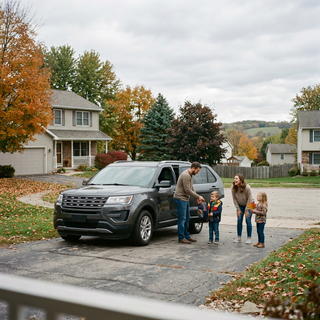
What Is the Best Overall Used SUV Under $20,000? The best overall used SUV under $20,000 is a 2015 to 2018 compact crossover such as the Toyota RAV4, Honda CR-V, or pre-owned Ford Escape equipped with all-wheel drive and under 100,000 miles. These models deliver the ideal combination of crash-test protection, practical cabin utility, and manageable routine maintenance costs, keeping total cost of ownership low over years of daily driving. Shopping for a dependable pre-owned vehicle requires balancing initial purchase price against expected ownership expense. In the sub-$20,000 price band, compact and midsize crossovers represent the sweet spot for budget-conscious buyers. Vehicles in this range frequently feature modern amenities including backup cameras, Bluetooth connectivity, and advanced safety equipment, providing high value without forcing buyers into high-mileage risks. When evaluating pre-owned crossover options, overall condition and detailed maintenance documentation matter just as much as the badge on the grille. Modern engine engineering allows well-maintained crossovers to easily pass 150,000 miles without major component failure. Selecting a vehicle with documented oil changes, fresh brake pads, and clean structural history ensures long-term driving confidence. At Tri State Ford, our pre-owned inventory is selected to provide reliable transportation options across all budget levels. If you want to experience pre-owned models in person, you can visit our showroom on Pennsylvania Avenue or give our sales team a call to check current vehicle availability and set up a test drive. Table of Contents Which Used SUVs Under $20,000 Offer the Highest Reliability Scores? How Many Miles Is Too Much for a Used SUV Under $20,000? Is a Used Toyota RAV4 or Honda CR-V Better Under $20,000? Which Used 3-Row SUVs and Hybrids Can You Buy Under $20,000? Is a Used Lexus RX 350 Reliable Compared to German Luxury SUVs? Common Questions About Buying a Used SUV Under $20,000 Which Used SUVs Under $20,000 Offer the Highest Reliability Scores? Model years between 2015 and 2019 for the Toyota RAV4, Honda CR-V, Mazda CX-5, and Ford Escape consistently earn high marks for mechanical longevity while fitting comfortably under a $20,000 cap. These vehicles utilize proven naturally aspirated or efficient turbocharged engines paired with durable multi-speed or continuously variable transmissions. Among compact entries, the 2015-2017 Toyota RAV4 features a simple 2.5L four-cylinder engine paired with a traditional 6-speed automatic transmission, avoiding complex mechanical systems that increase long-term service costs. Similarly, the 2015-2016 Honda CR-V relies on a robust 2.4L engine known for mechanical durability. For drivers navigating the gently rolling hills and suburban commutes along State Route 170 in Calcutta, choosing a model equipped with all-wheel drive ensures surefooted traction during wet spring rains and icy winter mornings. American options offer strong competitive value in this pricing tier. Pre-owned Ford Escape models from the 2017-2019 model years feature refined EcoBoost engine options, tight handling, and available intelligent AWD. A pre-owned Ford Escape with a 1.5L engine delivers an EPA-rated 26 city / 32 hwy mpg, offering excellent efficiency for daily driving. Toyota RAV4 (2015–2017): Known for low repair frequency and standard Toyota Safety Sense P on 2017 models. Honda CR-V (2015–2016): Strong engine reliability with up to 31 hwy mpg in front-wheel drive configurations. Ford Escape (2017–2019): Modern interior tech, available Sync 3 smartphone integration, and sharp exterior design. Mazda CX-5 (2016–2018): Premium interior appointments paired with an energetic 2.5L SkyActiv-G powertrain. To streamline your purchase, you can explore our Carfax 1-owner pre-owned vehicles or look into certified pre-owned Ford inventory that includes factory-backed inspection coverage. If you are replacing an existing car, our instant cash offer online tool provides a quick valuation to apply directly toward your down payment. How Many Miles Is Too Much for a Used SUV Under $20,000? For a pre-owned SUV listed under $20,000, 100,000 miles serves as a practical target threshold, while models with up to 120,000 miles remain sound purchases if supported by clear maintenance records. Modern crossovers engineered with precision tolerances routinely operate beyond 200,000 miles when serviced according to factory intervals. Mileage should always be evaluated in context with the vehicle's age and service history. A five-year-old vehicle with 90,000 highway miles often exhibits less mechanical component wear than an eight-year-old vehicle with 60,000 short-trip stop-and-go miles. Highway driving keeps engine temperatures stable and reduces strain on transmission clutches, suspension bushings, and brake rotors. Buyers examining pre-owned vehicles with 80,000 to 110,000 miles should inspect major wear items rather than focusing strictly on the odometer number. Crucial maintenance check items at this mileage tier include: Timing Belt or Chain Condition: Verifying whether engine designs require periodic timing belt replacement or utilize lifetime timing chains. Suspension Components: Checking struts, shocks, and ball joints for fluid leaks or excessive play over rough pavement. Brake System Wear: Measuring remaining pad thickness and checking brake rotors for heat scoring or corrosion. Fluid Service History: Ensuring transmission fluid, differential fluid, and engine coolant have been refreshed near the 60,000 to 90,000-mile mark. Planning your purchase budget involves understanding the value of your current ride. You can estimate your trade-in value online to see how much equity you can put toward securing a lower-mileage vehicle. Is a Used Toyota RAV4 or Honda CR-V Better Under $20,000? The 2015–2018 Honda CR-V is the better choice for buyers who prioritize total interior cargo volume and rear-seat legroom, while the 2015–2017 Toyota RAV4 holds the advantage in standard driver-assist safety technology on 2017+ trims and higher long-term resale value retention. Comparing these two segment leaders reveals distinct engineering priorities. The 2017 Honda CR-V LX introduced a 1.5L turbocharged engine producing 190 hp, paired with a continuously variable transmission that achieves an EPA-rated 28 city / 34 hwy mpg. Its interior provides 39 cubic feet of cargo space behind the second row, which expands to 76 cubic feet with the rear seats folded flat. The lower load floor makes loading heavy gear or dog crates straightforward. The 2017 Toyota RAV4 utilizes a 2.5L naturally aspirated engine delivering 176 hp and 172 lb-ft of torque, delivering an EPA rating of 23 city / 30 hwy mpg in front-wheel drive. While offering slightly less overall cargo volume at 38 cubic feet behind the rear seats, Toyota made its safety package standard across all trims for the 2017 model year. This package includes Pre-Collision System with Pedestrian Detection, Lane Departure Alert, and Dynamic Radar Cruise Control. Feature / Spec Axis 2017 Toyota RAV4 LE AWD 2017 Honda CR-V EX FWD Engine Type 2.5L 4-Cylinder 1.5L Turbo 4-Cylinder Horsepower 176 hp 190 hp EPA Fuel Economy 22 city / 28 hwy mpg 28 city / 34 hwy mpg Cargo Volume (Seats Up) 38 cubic feet 39 cubic feet Standard Safety Package Toyota Safety Sense P Optional on LX / Standard on EX Our sales team observes that shoppers comparing these two pre-owned models on our lot frequently inspect the rear-seat folding mechanisms and tailgate opening heights before taking a test drive. Both vehicles represent top-tier pre-owned investments, so selecting between them comes down to whether you value the CR-V's fuel economy advantage or the RAV4's standard safety feature suite. Which Used 3-Row SUVs and Hybrids Can You Buy Under $20,000? Under $20,000, buyers seeking three rows of seating can find 2016–2019 Ford Explorer, 2014–2017 Toyota Highlander, and 2015–2018 Honda Pilot models, while hybrid shoppers can access 2016–2018 Toyota RAV4 Hybrid and pre-owned Ford Escape Hybrid models that deliver up to 40 combined mpg. Growing families needing third-row seating find excellent practical capability in the 2016–2019 Ford Explorer. Powered by a standard 3.5L V6 engine producing 290 hp, the Explorer comfortably accommodates up to seven passengers while offering a max towing capacity of 5,000 lbs when properly equipped. For commuters driving through the Market Street retail corridor in Boardman, a three-row crossover provides the flexibility to haul kids, sports gear, or hardware store materials in a single trip. For drivers prioritizing reduced fuel bills, hybrid pre-owned crossovers are increasingly available in the sub-$20,000 inventory pool. The 2016 Toyota RAV4 Hybrid combines a 2.5L engine with electric motors to produce 194 hp while achieving an EPA-rated 34 city / 30 hwy mpg. Standard electronic all-wheel drive on the RAV4 Hybrid uses a dedicated rear electric motor to supply instant traction without mechanical driveshaft losses. Ford Explorer (2016–2019): Spacious 3-row layout, bold exterior styling, and strong 5,000 lb tow rating. Toyota Highlander (2014–2016): Smooth 3.5L V6 powertrain with refined cabin quietness. Honda Pilot (2015–2017): Excellent passenger room across all three rows and intelligent traction management. Toyota RAV4 Hybrid (2016–2018): Impressive 33 combined mpg with standard all-weather AWD capability. If you are exploring your buying options, you can explore our new Ford inventory to compare new features against pre-owned pricing, or fill out our secure online credit application to get pre-approved for competitive auto financing terms before visiting us. Is a Used Lexus RX 350 Reliable Compared to German Luxury SUVs? A pre-owned 2010–2015 Lexus RX 350 is significantly more reliable and costs far less to maintain long-term than competing German luxury crossovers like the BMW X5, Audi Q5, or Mercedes-Benz GLE-Class. The long-term ownership advantage of the Lexus RX 350 lies in its underlying mechanical architecture. The 2010–2015 RX 350 relies on Toyota's proven 3.5L 2GR-FE V6 engine paired with a heavy-duty 6-speed automatic transmission. This naturally aspirated engine avoids complex twin-turbochargers, high-pressure direct-injection failure points, and delicate air suspensions that frequently require expensive repairs on aging European luxury vehicles. European luxury crossovers often require specialized diagnostic tools, expensive synthetic fluids, and imported replacement components. In contrast, the Lexus RX 350 shares many core mechanical, filter, and braking components with high-volume Toyota models. This component sharing means routine replacement parts are widely available at reasonable price points, keeping annual service expenses manageable even past 100,000 miles. Furthermore, the 2012 model year RX 350 was recalibrated to operate efficiently on standard unleaded gasoline rather than premium fuel, providing continuous savings at the gas pump. Combined with standard luxury features such as real leather upholstery, 10 airbags, heated and ventilated front seats, and available power liftgates, a pre-owned Lexus RX 350 delivers true luxury comfort backed by reliable Japanese engineering. Common Questions About Buying a Used SUV Under $20,000 Q: What is the single most important document to check when buying a used SUV under $20,000? The single most important document to review is a comprehensive vehicle history report, such as a Carfax, paired with detailed service records. A clear history report confirms title status, verifies that the odometer reading is accurate, and reveals whether the crossover was involved in reported accidents or structural frame damage. Service records verify that the previous owner performed regular oil changes and addressed factory recall notices on time. Q: Are all-wheel drive used SUVs more expensive to maintain than front-wheel drive models? All-wheel drive models incur slightly higher long-term maintenance needs because they feature additional mechanical components, including a transfer case, rear differential, and extra drive shafts. These components require periodic fluid drain and fill services, typically every 30,000 to 60,000 miles. Additionally, all-wheel drive systems require replacing all four tires simultaneously when tread wears down to prevent strain on the center differential. Q: Can I finance a used SUV under $20,000 with an older model year or over 100,000 miles? Yes, financing is widely available for pre-owned crossovers that are ten model years old or newer with up to 120,000 miles. National auto lenders and local credit unions regularly finance pre-owned vehicles in this price bracket. Bringing a structured down payment, proof of steady income, and current driver's license documentation helps secure favorable loan terms and competitive interest rates regardless of vehicle mileage. Q: Should I buy an extended protection plan for a pre-owned SUV with 80,000 miles? Purchasing an extended protection plan provides financial protection against unexpected mechanical failures in major components like air conditioning compressors, steering racks, or infotainment screens. While durable powertrains rarely fail, modern electronic driver-assist sensors and climate control modules can be costly to replace out of pocket. Reviewing coverage exclusions and deductible terms helps determine if a protection plan fits your vehicle budget. Q: What key features should I test during a pre-owned SUV test drive? During a test drive, test all climate control settings, power windows, touchscreen functions, and backup camera clarity before setting off. On the road, accelerate smoothly to feel for hesitation in the transmission, apply firm braking pressure on a straight road to check for steering wheel vibration, and drive over rough surfaces to listen for suspension clunks or rattles. Finding the right pre-owned crossover requires comparing clear specs, mechanical condition, and total ownership costs. At Tri State Ford, our team is ready to walk you through our pre-owned selection, answer vehicle history questions, and help you secure auto financing that fits your budget. To take the next step, you can get directions to our dealership or call our team directly at (330) 462-7578 to set up a test drive today. Keep Your Vehicle Running Strong Keep your vehicle performing at its best with our service team: Order Parts Schedule Service Appt © 2026 Tri State Ford. All rights reserved. Vehicle specification data © JATO Dynamics Limited. Used SUVs Under 20k in East Liverpool OH | Tri State Ford
d

Is Buying a Certified Pre-Owned Ford Worth It?

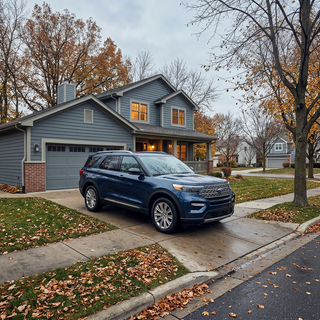
Is Buying a Certified Pre-Owned Ford Worth It? Buying a Certified Pre-Owned Ford is worth it for drivers seeking factory-backed warranty protection, verified vehicle history, and thorough mechanical reconditioning without paying new-car depreciation. Certified models include up to a 7-year/100,000-mile powertrain limited warranty, 24/7 roadside assistance, and a 14-day/1,000-mile money-back guarantee, delivering near-new ownership confidence at a used-car price point [INDEX]. When evaluating pre-owned vehicles, peace of mind depends on what happens behind the scenes before a vehicle ever reaches the sales lot [INDEX]. A standard used vehicle is often sold as-is with only minimal safety checks, leaving future repair risks on the buyer [INDEX]. In contrast, a Ford Blue Advantage vehicle undergoes a comprehensive multi-point inspection performed by factory-trained technicians [INDEX]. Any component that fails to meet strict factory standards is repaired or replaced using genuine OEM parts [INDEX]. The value proposition comes down to long-term ownership security and predictable maintenance costs [INDEX]. A certified pre-owned model bridges the financial gap between new and used [INDEX]. You avoid the initial steep depreciation hit that occurs during the first two years of new vehicle ownership while securing comprehensive coverage across major mechanical assemblies, including the engine, transmission, and drive systems [INDEX]. For commuters traveling along State Route 170 around Calcutta, having reliable transportation backed by a manufacturer warranty offers daily practical security during harsh winter weather. Additionally, certified buyers receive 22,000 Ford Rewards points upon purchase, which can be applied toward early scheduled maintenance visits at the dealership [INDEX]. To explore financing rates tailored to your budget, complete our simple online credit application before visiting [INDEX]. You can also call our sales team directly at (330) 462-7578 or visit our East Liverpool showroom to compare our current pre-owned inventory in person [INDEX]. Table of Contents What Is the Difference Between Ford Gold Certified and Blue Certified? What Warranty Coverage Is Included with a Ford Certified Pre-Owned Vehicle? How Does Ford Gold CPO Powertrain Warranty Compare to Chevy CPO? How Much More Expensive Is a Ford CPO Vehicle Than Non-Certified Used? How Much Room for Negotiation Is There on a CPO Ford Vehicle? Common Questions Buyers Ask Before Choosing a Certified Pre-Owned Ford Find Your Next Certified Pre-Owned Ford at Tri State Ford What Is the Difference Between Ford Gold Certified and Blue Certified? The primary difference between Ford Gold Certified and Blue Certified lies in vehicle eligibility, inspection rigor, and warranty duration [INDEX]. Gold Certified is reserved exclusively for Ford vehicles up to 6 model years old with under 80,000 miles, requiring a 172-point inspection and offering a 7-year/100,000-mile powertrain warranty [INDEX]. Blue Certified covers vehicles of any make up to 10 model years old with under 150,000 miles, passing a 139-point inspection with a 90-day/4,000-mile comprehensive warranty [INDEX]. Certification Tier Vehicle Make & Age Limit Maximum Mileage Inspection Points Comprehensive Warranty Powertrain Warranty Ford Gold Certified Ford models up to 6 years old Under 80,000 miles 172-point inspection 12-month/12,000-mile 7-year/100,000-mile Ford EV Certified Electric Ford models up to 6 years old Under 80,000 miles 127-point inspection 12-month/12,000-mile 8-year/100,000-mile (BaseCARE EV) Ford Blue Certified Any make up to 10 years old Under 150,000 miles 139-point inspection 90-day/4,000-mile Remaining factory coverage (if applicable) Ford also features a dedicated EV Certified tier for all-electric Ford models like the Mustang Mach-E and F-150 Lightning [INDEX]. This tier requires a specialized 127-point inspection focusing on high-voltage battery health, electric drive motors, and software diagnostic checks, backed by an 8-year/100,000-mile BaseCARE EV component warranty [INDEX]. Both Gold and Blue tier vehicles feature complimentary 24/7 roadside assistance, a CARFAX Vehicle History Report, and a 14-day/1,000-mile money-back guarantee [INDEX]. Gold Certified purchases grant 22,000 Ford Rewards points, while Blue Certified buyers earn 11,000 Ford Rewards points [INDEX]. If you plan on upgrading your current vehicle, you can easily estimate your trade-in value online to see how much equity you can apply toward a Gold or Blue Certified model [INDEX]. What Warranty Coverage Is Included with a Ford Certified Pre-Owned Vehicle? A Ford Gold Certified pre-owned vehicle includes a 12-month/12,000-mile Comprehensive Limited Warranty alongside a 7-year/100,000-mile Powertrain Limited Warranty measured from the original factory in-service date [INDEX]. Coverage protects over 1,000 engine, transmission, steering, electrical, suspension, and braking components against mechanical breakdown [INDEX]. The 12-month/12,000-mile Comprehensive Limited Warranty begins when the original factory bumper-to-bumper warranty expires or on the date of your certified pre-owned purchase [INDEX]. It covers critical cabin and chassis technologies, including: Engine components, turbochargers, and fuel injection systems Transmission assemblies, torque converters, and transfer cases Front and rear-wheel drive axles, differentials, and drive shafts Steering gear, power steering pumps, and suspension control arms Air conditioning compressors, evaporators, and heater cores Electrical systems, alternator units, starter motors, and SYNC 4 infotainment electronics Ford Co-Pilot360 driver-assist sensors, radar modules, and backing cameras The 7-year/100,000-mile Powertrain Limited Warranty extends protection for major internal lubricated parts within the engine and drivetrain [INDEX]. If a covered mechanical issue occurs while traveling across state lines or taking a family road trip, Ford roadside assistance provides towing, flat tire changes, battery jump-starts, fuel delivery, and lockout services 24 hours a day [INDEX]. If emergency breakdown repairs occur far from home, warranty benefits include travel expense reimbursement and rental car coverage while service is completed [INDEX]. Buyers cross-shopping available options can view our new Ford inventory alongside our verified certified pre-owned Ford inventory to compare feature packages, warranty timelines, and overall price points [INDEX]. How Does Ford Gold CPO Powertrain Warranty Compare to Chevy CPO? The Ford Gold Certified powertrain warranty delivers up to 7 years or 100,000 miles of coverage from the original in-service date, whereas Chevrolet's CPO program provides powertrain coverage for up to 6 years or 100,000 miles [INDEX]. Ford Gold CPO provides 7 years or 100,000 miles of powertrain coverage compared to Chevrolet's 6 years or 100,000 miles [INDEX]. Warranty Feature Ford Gold CPO Chevrolet CPO Powertrain Warranty Length 7 years / 100,000 miles 6 years / 100,000 miles Comprehensive / Bumper-to-Bumper Warranty 12 months / 12,000 miles 12 months / 12,000 miles Inspection Standards 172-point inspection 172-point inspection Money-Back Guarantee 14 days / 1,000 miles 3 days / 150 miles Roadside Assistance Coverage 7 years / 100,000 miles 6 years / 100,000 miles That additional year of powertrain coverage represents a distinct advantage for drivers who keep their vehicles over several years [INDEX]. Internal engine components, transmission gear assemblies, transfer cases, and drive axles are among the most expensive automotive parts to repair [INDEX]. Securing an extra 12 months of manufacturer protection eliminates unexpected mechanical repair expenses during a critical period of vehicle ownership [INDEX]. Ford's program structure also provides superior buyer protection at delivery [INDEX]. While Chevy CPO offers a 3-day or 150-mile exchange policy, Ford Blue Advantage includes a true 14-day/1,000-mile money-back guarantee [INDEX]. If you decide the vehicle does not fit your garage setup or daily routine within two weeks, you can return it to the selling dealership for a full refund [INDEX]. How Much More Expensive Is a Ford CPO Vehicle Than Non-Certified Used? A Certified Pre-Owned Ford typically costs between 3% and 7% more than an uncertified used Ford of the same year, trim, and mileage [INDEX]. On a pre-owned SUV or truck priced around $30,000, this certification premium equals roughly $900 to $2,100, directly funding the 172-point inspection, reconditioning process, and extended factory warranties [INDEX]. To understand where that price difference goes, compare what a non-certified used car purchase entails versus a Ford Blue Advantage model: Detailed Mechanical Reconditioning: Uncertified cars on typical used lots receive basic safety checks and oil service. Gold Certified vehicles must pass a thorough 172-point inspection. Technicians recondition or replace worn brake pads, tires, wiper blades, filters, and mechanical fluids that fall below strict factory thickness and performance thresholds. Factory-Backed Warranty Value: Aftermarket extended service contracts from third-party warranty companies often cost between $1,500 and $3,000 while requiring high deductibles and restricted repair shop networks. The Ford Gold warranty is backed directly by Ford Motor Company and honored at any Ford dealership nationwide with standard $100 deductible terms. Vehicle Eligibility Limits: Non-certified used inventories often include vehicles with obscure maintenance histories or minor accidents. Ford Gold certification strictly excludes vehicles over 6 model years old or with more than 80,000 miles, ensuring only lower-mileage, well-maintained vehicles enter the program. For buyers comparing pre-owned ownership choices, browsing pre-owned single-owner vehicles highlights cars with clear maintenance documentation [INDEX]. If you prefer a factory-fresh vehicle built specifically to your feature requirements, you can also explore our custom factory order process [INDEX]. How Much Room for Negotiation Is There on a CPO Ford Vehicle? Price negotiation margins on a Certified Pre-Owned Ford generally range between 3% and 6% off the listed asking price [INDEX]. Because certified vehicles require upfront dealership investment for inspection fees, official certification enrollment, and reconditioning parts, pricing is grounded tightly in actual market value [INDEX]. Our sales advisors see that informed shoppers achieve the best purchasing outcomes by focusing on overall deal value rather than asking price alone [INDEX]. Potential negotiation strategies include: Trade-In Valuation: Leveraging trade-in equity often yields significant flexibility. Dealerships needing quality pre-owned trade inventory may offer higher appraisals for clean trade-in vehicles. Financing Terms and Rates: Ford Credit periodically offers competitive promotional APR rates on Gold and Blue Certified inventory, such as current financing offers terms for qualified buyers, which lowers total interest costs far more than a minor reduction in sale price. Days on Lot and Market Supply: Vehicles that have been listed in inventory longer may have slightly more pricing flexibility than newly arrived models. To check available manufacturer financing promotions and monthly dealer price adjustments, explore our current Ford manufacturer specials alongside our updated featured new vehicle incentives before completing your purchase agreement [INDEX]. Common Questions Buyers Ask Before Choosing a Certified Pre-Owned Ford Q: What happens if I am not satisfied with my Ford CPO vehicle after purchase? Ford Blue Advantage vehicles include a 14-day/1,000-mile money-back guarantee [INDEX]. If you decide the vehicle does not meet your expectations within 14 days or 1,000 miles of delivery (whichever comes first), you can return it to the participating dealership in its original condition for a full refund [INDEX]. Q: Is the Ford Gold Certified warranty transferable if I sell the vehicle later? Yes, both the 12-month/12,000-mile comprehensive warranty and the 7-year/100,000-mile powertrain limited warranty transfer to subsequent private buyers at no extra cost [INDEX]. This factory coverage retention helps CPO vehicles maintain higher market resale and trade-in values compared to non-certified pre-owned cars [INDEX]. Q: Does Ford CPO cover routine wear-and-tear items like brakes and oil changes? No, CPO limited warranties cover mechanical breakdowns and component failures rather than normal maintenance or wear items [INDEX]. Brake pads, tires, windshield wipers, spark plugs, and routine oil changes remain the owner's responsibility [INDEX]. However, Gold Certified purchases include 22,000 Ford Rewards points, which may be used toward eligible service and maintenance items, subject to program rules [INDEX]. Q: Can I take a Ford CPO vehicle to any dealership for warranty repairs? Yes, all Ford Certified Pre-Owned warranty repairs can be performed at any authorized Ford dealership across the United States and Canada [INDEX]. Technicians use genuine Ford OEM replacement parts, ensuring your vehicle maintains factory performance standards wherever you travel [INDEX]. Q: Are competitive non-Ford vehicles eligible for Ford certification? Non-Ford vehicles up to 10 model years old with fewer than 150,000 miles qualify for the Ford Blue Certified tier [INDEX]. These vehicles undergo a 139-point inspection and include a 90-day/4,000-mile comprehensive limited warranty along with 24/7 roadside assistance [INDEX]. Find Your Next Certified Pre-Owned Ford at Tri State Ford Choosing a Certified Pre-Owned Ford delivers the ideal balance of modern vehicle technology, dependable capability, and long-term financial value [INDEX]. Whether you need a spacious 2026 Ford Explorer for family trips, an efficient 2026 Ford Escape for daily commutes around Boardman, or a rugged 2026 Ford F-150 equipped with a 3.5L engine and 10,400-lb towing capacity, the Ford Blue Advantage program ensures every vehicle meets high standards of mechanical excellence [INDEX]. Our team at Tri State Ford is dedicated to helping you find the right vehicle for your daily lifestyle and budget [INDEX]. We offer transparent pricing, straightforward trade-in evaluations, and flexible Ford Credit financing terms [INDEX]. Explore your vehicle search options [INDEX]. You can browse our current pre-owned inventory online, submit a quick pre-approval form, or visit our showroom directions to test-drive a Gold Certified Ford [INDEX]. Have questions about a specific model? Give our sales advisors a call at (330) 462-7578 to get complete details and schedule your visit [INDEX]. Keep Your Vehicle Running Strong Keep your vehicle performing at its best with our service team: Order Parts Schedule Service Appt © 2026 Tri State Ford. All rights reserved. Vehicle specification data © JATO Dynamics Limited. Certified Pre-Owned Ford Deals in East Liverpool OH | Tri State Ford