Blog / Maintenance & Service, Warranty & Recalls, Repair & Diagnostics, Parts & Accessories, Vehicle

When Recurring Vehicle Issues Require More Than a Basic Repair

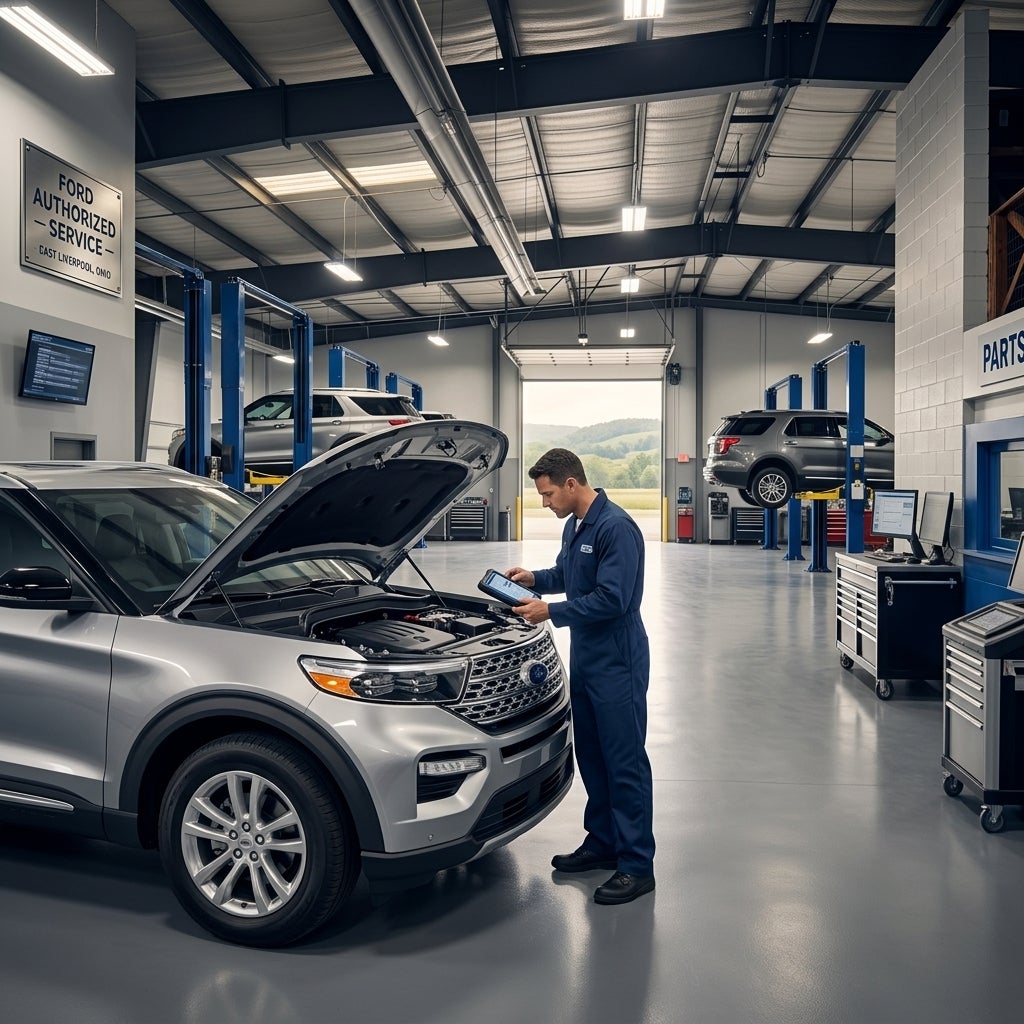
Cinematic commercial photography of a sleek silver Ford Explorer inside a pristine, high-tech automotive service center in East Liverpool, Ohio. A professional technician in a navy blue uniform meticulously uses a modern handheld diagnostic tablet to inspect the engine bay, looking for complex mecha

When Recurring Vehicle Issues Require More Than a Basic Repair

Owning a dependable vehicle is a priority for families across the tri-state, but sometimes a standard oil change or tire rotation isn't enough to solve a deep-seated mechanical problem. When a specific defect keeps returning despite multiple visits to a service center, it often signals that your vehicle requires more than just a routine fix; it might need a comprehensive component upgrade or a specialized diagnostic approach. For residents in East Liverpool, the frustration of a recurring transmission shudder or a persistent electrical glitch can disrupt daily commutes and weekend plans alike.

Our team understands that your time is valuable, which is why we focus on high-quality diagnostics and the use of Genuine Ford Parts to ensure repairs stick the first time. If you are experiencing a stubborn issue, you can schedule a service appointment with our factory-trained technicians who have the specialized tools to look beyond the surface symptoms. In some cases, a recurring problem is best addressed by moving into a vehicle built with the latest engineering advancements. If you find yourself constantly in the shop, you might consider a new vehicle custom order to get a fresh start with a full factory warranty.

We strive to make the transition to a more reliable vehicle as smooth as possible for our neighbors. You can explore our current new vehicle offers or browse our used vehicle specials to find a dependable car, truck, or SUV that fits your family's budget. If you're looking for professional advice on whether to keep repairing or to upgrade, give us a quick call at (330) 462-7578. You can also visit our team at 1503 Pennsylvania Ave to discuss your service history in person. For those who prefer to handle their own minor upgrades, you can order parts directly through our website to ensure you’re getting the right fit for your specific model.

Table of Contents

What exactly happens when a manufacturer cannot fix a substantial defect in a brand-new vehicle? This is where lemon laws and federal warranty protections come into play. A "reasonable number of repair attempts" is a legal standard used to determine if a vehicle is truly a "lemon." While specific rules vary, it generally applies if a vehicle has been in the shop three or four times for the exact same significant problem without a resolution. For families in Calcutta, where a reliable vehicle is essential for navigating the rolling hills and local commutes, being without a car for 30 cumulative days due to repairs is often enough to trigger these protections.

Substantial defects are those that significantly impair the use, value, or safety of the vehicle. This doesn't usually include minor rattles or cosmetic issues, but rather major systems like the engine, transmission, or AdvanceTrac with Roll Stability Control. If your vehicle is frequently sidelined, it is vital to keep meticulous records of every service visit, including the dates, the specific complaints you reported, and the work performed. Having this documentation ready is the first step toward seeking a buyback or a replacement from the manufacturer.

If you find that your current vehicle is no longer serving your needs due to these recurring issues, our finance department can help you understand how a potential settlement or trade-in might work toward a more dependable option. We also support local businesses that cannot afford downtime; if your work fleet is struggling, you can view our Transit work vans to find a reliable replacement. Finding a Ford dealership near you that prioritizes transparent communication is key to navigating these complex warranty situations.
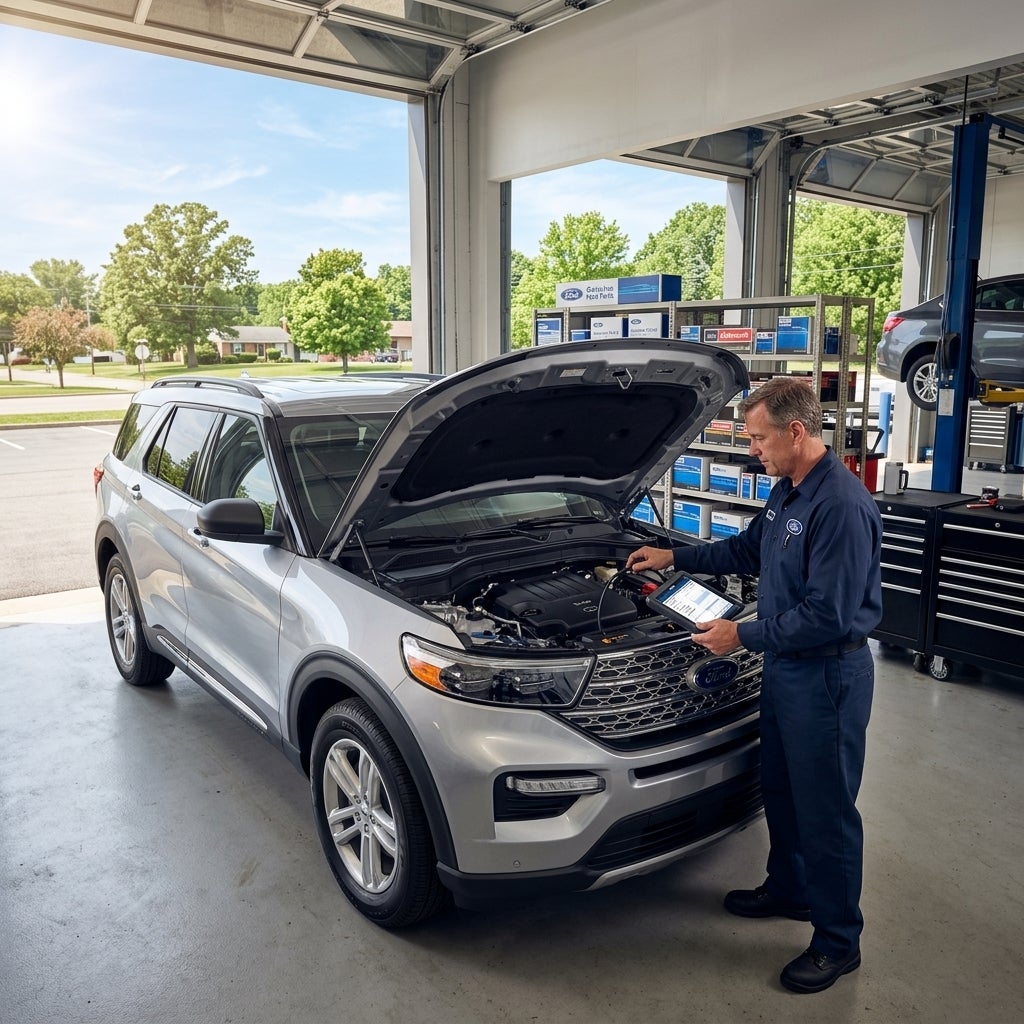
​Wide-angle shot, exterior, professional service bay at a local Ford dealership in East Liverpool, Ohio, late morning, Friday, June 19, 2026, warm early summer sunlight, bright blue sky with light wispy clouds, a silver Ford Explorer with its hood propped open is the focal point, a factory-trained te

Warranty Rights and Manufacturer Recourse for Unresolved Defects

When a recurring defect persists, you have specific rights under your New Vehicle Limited Warranty. Federal law, specifically the Magnuson-Moss Warranty Act, ensures that manufacturers must honor their promises to repair defects in materials or workmanship. If a dealership service center is unable to resolve a major issue after several attempts, you may be entitled to a replacement vehicle or a refund of the purchase price. This protection is designed to give you peace of mind, knowing that your investment is backed by the manufacturer’s commitment to quality.

In many cases, the first step toward a resolution involves requesting a review by a regional manufacturer representative. This brings a higher level of technical expertise to the problem and can often lead to a specialized repair plan or an authorized component upgrade that a standard service visit might miss. We recommend checking our manufacturer monthly service specials to see if there are authorized updates or maintenance programs that could address known issues with your specific model year.

If the situation reaches a point where the vehicle is deemed unfixable, many owners choose to move into a rugged and reliable alternative. For those who need a vehicle built for hard work, our F-Series work inventory offers the durability required for the industrial heritage of the Ohio River valley. To help you transition out of a problem vehicle, you can use our KBB instant cash offer tool to get a fair valuation for your current car, which can be applied toward a new, dependable Ford.

How Performance Upgrades and Aftermarket Parts Impact Your Active Warranty

A common question we hear from truck enthusiasts is whether adding aftermarket equipment will void their factory warranty. The short answer is no, but there are important caveats. Under federal law, a manufacturer cannot void your entire warranty just because you installed an aftermarket part, such as a lift kit or a performance exhaust. However, if that specific part causes a failure in a related system—for instance, if an aftermarket tuner causes an engine fault—the manufacturer can legally deny a warranty claim for that specific repair.

For drivers who want to customize their vehicles without risking their protection, we recommend using Ford Performance Parts or OEM-approved accessories. These are engineered to work seamlessly with your vehicle's existing systems, such as the 10-speed SelectShift automatic transmission. When you choose to upgrade, it’s also a great time to ensure your foundational components are in top shape. You can order tires by year, make, and model to ensure your vehicle maintains its original handling and safety characteristics.

If you’re planning a significant modification, it’s always a good idea to talk with our service advisors first. We can help you understand which upgrades are compatible with your warranty and which might lead to complications down the road. You can find our hours and directions online to stop by and discuss your plans. If you decide that a fresh canvas is better for your project, you can browse our new truck inventory to find a model that already includes the heavy-duty features you need.

The Financial Math of Choosing Vehicle Replacement Over Endless Repairs

At what point does it make more sense to stop paying for repairs and start looking for a replacement? A good rule of thumb is the "50% rule": if a single repair cost exceeds half the current market value of the vehicle, it is often time to move on. Additionally, if your annual repair bills are approaching the cost of a year's worth of monthly payments on a new vehicle, the financial prudence of keeping the old car becomes questionable. This is especially true for older vehicles that may lack modern safety features like Pre-Collision Assist with Automatic Emergency Braking.

Beyond the direct costs, you must also consider the "hidden" expenses of a problem car. This includes the cost of rental cars, missed work, and the stress of never knowing if your vehicle will start on a cold morning. For a resident in Chester, a reliable vehicle is a necessity for crossing the bridge and handling daily errands. When the math starts to favor a newer model, our dealership team is here to help you find a vehicle with a fresh warranty and lower long-term maintenance costs.

If you are ready to stop the cycle of endless repairs, we encourage you to schedule a test drive and experience the reliability of a new Ford firsthand. Whether you need a fuel-efficient commuter or a powerful workhorse, you can explore our current truck inventory to see the latest models. Investing in a newer vehicle often results in lower fuel costs and fewer trips to the service bay, providing better long-term value for your family.

Maintaining Your New Vehicle Warranty at Trusted Local Service Centers

You are not required to visit the dealership for every single oil change or tire rotation to keep your warranty active. Federal law allows you to have routine maintenance performed at any qualified independent shop without voiding your coverage. However, you must ensure that the work is done according to the manufacturer’s schedule and that the parts used meet the required specifications. For example, using the correct motor oil viscosity is essential for the longevity of EcoBoost engines.

While independent shops are fine for maintenance, warranty-covered repairs for defects must be performed at an authorized dealership. Our service center offers the benefit of technicians who specialize exclusively in Ford vehicles and have access to the latest technical service bulletins. We even offer Ford mobile service for certain maintenance tasks, bringing our expertise directly to your driveway. This makes it easier than ever to stay on top of essential care, like battery service and testing, which is critical for modern vehicles with complex electronics.

For those managing a business, keeping your fleet on the road is vital for your bottom line. You can check our new work truck inventory to find vehicles that come with the support of a nationwide network of service centers. By keeping detailed records of all maintenance—regardless of where it is performed—you protect your rights and ensure that your vehicle remains eligible for warranty support should a major issue arise.

Quick Answers Regarding Complex Service and Warranty Questions

Q: Can a dealership refuse to perform a repair under warranty?

A dealership can only deny a warranty claim if they can demonstrate that a failure was caused by owner negligence, lack of maintenance, or an improperly installed aftermarket part. They cannot refuse a repair simply because you had your oil changed at an independent shop. If a claim is denied, the manufacturer must provide a clear explanation of how the outside factor caused the specific mechanical failure.

Q: What should I do if my vehicle has been at the shop for over 30 days?

If a warrantied defect keeps your vehicle out of service for a cumulative total of 30 days or more, it may qualify under state lemon laws. You should contact the manufacturer's customer relationship center to open a formal case. Keeping a log of all communication and rental car receipts is important during this process to ensure you are fairly compensated for the loss of use of your vehicle.

Q: Does installing a remote start system void my warranty?

Installing a remote start system does not void your entire warranty. However, if the installation involves splicing into the factory wiring harness and causes an electrical short or a failure in the SYNC infotainment system, that specific repair would not be covered. To avoid these risks, we recommend having accessories installed by factory-authorized technicians using OEM-approved kits.

Q: How do I know if a recurring issue is a known defect or just bad luck?

Manufacturers often issue Technical Service Bulletins (TSBs) for recurring issues that don't quite reach the level of a safety recall but require a specific repair procedure. Our technicians can check your VIN against the latest TSBs to see if there is a specialized fix or a component upgrade available. Staying informed through our pickup and delivery service ensures your vehicle gets the expert attention it needs without disrupting your schedule.

Q: Is it better to trade in a "problem car" or pursue a lemon law claim?

Pursuing a lemon law claim can result in a full refund or a replacement, but it can be a lengthy legal process. Trading in the vehicle is often faster and allows you to move into a new car immediately, though you may not recover the full original value. Our team can help you weigh these options by providing a clear trade-in valuation and discussing the current market for your specific model.

Your Partner for Reliable Vehicle Care

Whether you are looking to resolve a persistent mechanical issue or are ready to upgrade to a more dependable ride, our team is here to support you. We believe in transparent communication and honest service, ensuring you have the information needed to make the best decision for your family's safety and financial well-being. If you're tired of the cycle of repairs, visit us to see how a new Ford can fit your lifestyle and provide the peace of mind you deserve.

For a personal consultation on your vehicle's service history or to explore our latest models, you can find directions to our showroom online. If you have questions about a specific recurring problem, give us a quick call today at (330) 462-7578. We are proud to serve the hardworking families of our community and look forward to keeping you on the road safely for years to come.
© 2026 Tri State Ford. All rights reserved.

Posted in:

Related Posts

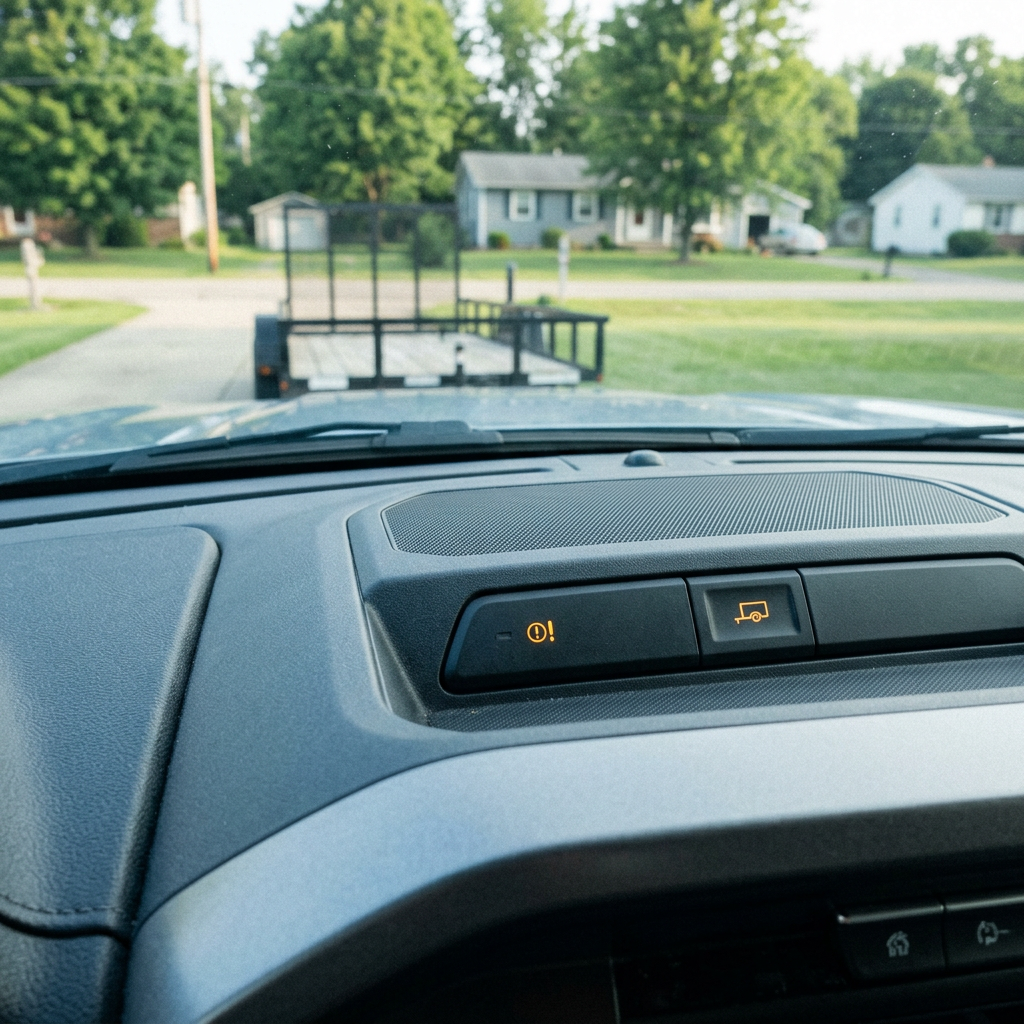
A truck's dashboard showing trailer connection indicators, with an empty flatbed utility trailer hitched in the driveway. (Representative image for illustration purposes only. Actual vehicle may vary based on trim and configuration.)

Understanding the 2026 Ford F-150 Integrated Trailer Brake Control Safety Recall

Ford Motor Company has announced a major safety recall affecting certain 2021-2026 Ford F-150 models equipped with an Integrated Trailer Module (ITRM). This recall addresses a critical software anomaly that can cause a complete communication breakdown between the truck and an attached trailer. Because this issue compromises trailer lighting and electronic braking, it has been filed under National Highway Traffic Safety Administration (NHTSA) Campaign Number 26V104000. For truck owners who regularly tow equipment, understanding this safety alert is the first step toward securing your vehicle and ensuring your trailer remains fully responsive on the road. The underlying issue stems from a software "race condition" that occurs during the vehicle's initial startup sequence. When the ignition is turned on, a timing conflict can prevent the trailer module from properly establishing a connection with the vehicle's Controller Area Network (CAN). While the module itself powers up, it remains isolated from the truck's central computer. As a result, the trailer's stop lamps and turn signals may fail to illuminate when you press the brake pedal or activate a turn signal. Furthermore, on F-150 models equipped with a "High series" trailer module, this communication failure can disable the trailer's electric brakes entirely. Operating a trailer without functioning brake lights or auxiliary brakes significantly reduces your control and makes the trailer less visible to other drivers, increasing the risk of a rear-end collision. If this communication loss occurs, the truck's diagnostic system is designed to alert the driver immediately. You will see a Trailer Brake Module Fault warning message on the instrument panel, accompanied by a rapid flashing of the turn signal indicator. Some drivers may also observe a Blind Spot Assist System fault notification. If you see these warnings, you should safely pull over and avoid towing until the software is updated. To address this issue quickly and safely, we recommend scheduling an appointment at Tri State Ford. Our certified technicians can perform the necessary software updates to eliminate this vulnerability. You can easily schedule a service appointment online or give our service department a quick call to secure a timeslot. For maximum convenience, we also offer Ford pickup and delivery service to handle the repair without disrupting your workday, as well as Ford mobile service for qualifying software updates right in your driveway. If you are looking for a trusted Ford dealership near me to handle this recall or any other maintenance needs, you can find our East Liverpool service center easily online. Table of Contents How to Verify If Your 2026 F-150 Is Affected by This Brake Controller Recall Inside the Technology: How the Integrated Trailer Brake Controller Interface Works Step-by-Step Software Repair Procedure for the F-150 Trailer Brake Control Module NHTSA Safety Ratings and Towing Standards for the 2026 Ford F-150 Common Questions About the 2026 F-150 Trailer Brake Recall Schedule Your Free Certified Recall Service How to Verify If Your 2026 F-150 Is Affected by This Brake Controller Recall Not every truck on the road is included in this safety action, but because the 2021-2026 Ford F-150 accounts for a significant portion of the recalled vehicles, verification is highly recommended. The recall specifically targets trucks equipped with certain Integrated Trailer Module feature codes. If your truck was built with a factory towing package, it likely features either the "Low series" or "High series" module, both of which are susceptible to the software glitch. To verify if your specific truck requires this update, you will need your 17-digit Vehicle Identification Number (VIN). You can locate this alphanumeric code in a few common areas: Stamped on a metal plate on the driver’s side dashboard, viewable from outside the windshield. Printed on the safety certification label on the driver’s side doorjamb. Listed on your vehicle's registration card, insurance policy, or original purchase documents. Once you have your VIN, you can input it directly into the NHTSA recall lookup tool or the official Ford owner portal to check for active safety campaigns. If your truck is flagged for the 26C10 recall campaign, the required software update must be applied to ensure safe towing. Our team at Tri State Ford is fully equipped to look up your VIN and verify your vehicle's status for you. If you are considering upgrading your towing setup or need assistance with your current vehicle's specifications, our finance department can help you explore options for newer models. If you prefer a completely tailored truck, you can also start a new vehicle custom order to select the exact towing packages and features you need. For those looking at pre-owned trucks with reliable towing capabilities, we regularly update our used vehicle specials with certified options that have already had all safety recalls fully resolved. ​ Inside the Technology: How the Integrated Trailer Brake Controller Interface Works The trailer brake control system in the 2026 Ford F-150 is a highly integrated digital interface designed to make heavy hauling safer and more intuitive. At the core of this system is the Integrated Trailer Module, which acts as the translator between your truck's physical brake pedal and the trailer's electronic braking system. When functioning correctly, the system uses a dashboard-mounted control switch that allows the driver to manually apply the trailer brakes or adjust the "gain" setting. The gain setting determines the amount of braking force sent to the trailer, allowing you to calibrate the stopping power based on the weight of your load. The digital instrument cluster displays real-world feedback, showing you the exact gain level and confirming that the trailer is actively connected. Under normal operation, the truck's computer sends continuous signals through the CAN bus network to the trailer module. When you press the brake pedal, the module instantly calculates the required voltage and sends it to the trailer's electric magnets, ensuring smooth, synchronized stopping. However, when the software "race condition" bug occurs at startup, this entire communication loop is severed. The truck's central computer cannot send the braking or lighting commands to the trailer module, which is why the trailer's physical lights remain dark and the brakes do not engage. This highlights the absolute necessity of keeping your vehicle's software up to date, especially if you rely on your truck for commercial applications or heavy-duty work. If your business relies on dependable haulers, keeping your fleet serviced is critical. If you are looking to expand your commercial fleet with reliable vehicles, you can explore our new work truck inventory to see the latest configurations. For heavy-duty towing needs, we also maintain a dedicated selection of F-Series work inventory, as well as versatile Transit work vans to keep your business moving safely. ​ Step-by-Step Software Repair Procedure for the F-150 Trailer Brake Control Module Resolving the trailer brake controller recall does not require replacing physical hardware or tearing apart your dashboard. Because the issue is entirely rooted in the initialization software of the Integrated Trailer Module, the remedy is a straightforward software calibration update. Our certified Ford technicians perform this update using specialized diagnostic equipment connected directly to your truck's OBD-II port. The repair procedure follows a strict, factory-approved sequence: The technician connects the vehicle to the Ford diagnostic system to pull any stored fault codes related to the Trailer Brake Module Fault. The current software version of the Integrated Trailer Module is verified. The technician uploads the updated software patch, which permanently eliminates the startup "race condition" vulnerability. The system is rebooted, and a series of communication tests are run to ensure the module and the CAN bus network initialize in the correct sequence. A physical trailer simulator is connected to the bumper plug to verify that the stop lamps, turn signals, and electronic brakes respond perfectly to the truck's inputs. This software calibration is completely free of charge to the vehicle owner and typically takes less than an hour to complete. While some vehicles may eventually receive this update over-the-air, bringing your truck to our service department ensures the system is physically tested and verified by a professional. If your truck needs other maintenance items addressed at the same time, we can easily order genuine Ford parts for your vehicle, such as new cabin air filters or wiper blades. If you are considering trading in your current truck, you can get a KBB instant cash offer online to see what your vehicle is worth, or browse our new vehicle specials to find your next dependable hauler. ​ NHTSA Safety Ratings and Towing Standards for the 2026 Ford F-150 The 2026 Ford F-150 is built on a high-strength, military-grade aluminum-alloy body and a fully boxed steel frame, making it a benchmark for structural durability. In terms of overall crash protection, the F-150 consistently earns a 5-Star Overall Safety Rating from the National Highway Traffic Safety Administration (NHTSA), reflecting its robust engineering and advanced driver-assist systems. This trailer brake recall is a proactive measure designed to maintain those high safety standards during real-world towing operations. When properly configured, the 2026 Ford F-150 delivers exceptional capability to handle demanding jobs: Maximum Towing Capacity: Up to 12,800 lbs with the 3.5L EcoBoost V6 engine, allowing you to pull large campers, boats, or work trailers with ease. Drivetrain: Robust Rear-wheel drive or available four-wheel-drive configurations designed to maintain traction on challenging boat ramps or muddy job sites. Transmission: A smooth-shifting 10-speed automatic transmission that optimizes gear ratios for heavy loads. Cargo Volume: Generous approximately 53 cu ft of bed space to secure all your tools and gear. Fuel Economy: An EPA-estimated 17 city / 25 hwy mpg, balancing power with efficiency for your daily driving needs. To experience this capability firsthand or to speak with our service team about optimizing your truck's towing setup, we invite you to check out our latest manufacturer offers. You can view our current truck inventory online to see models equipped with the latest towing packages. For help finding us, visit our hours and directions page to plan your trip to our East Liverpool dealership. ​ Common Questions About the 2026 F-150 Trailer Brake Recall Q: Is it safe to tow my trailer before getting this recall service completed? A: It is highly recommended that you avoid towing any trailer equipped with electric brakes, turn signals, or stop lamps until this software update is applied. Because the glitch can disable both the trailer's lighting and its braking systems, towing presents a severe safety hazard on public roads. If you must drive your truck, do so without a trailer attached until our service team can verify and update the module. Q: How long does the software update take at the dealership? A: The actual software upload and diagnostic verification typically take about 30 to 45 minutes to complete. However, we recommend scheduling an appointment in advance so our service team can prepare the diagnostic tools and get your truck back on the road as quickly as possible. You can easily coordinate this service by contacting our dealership today. Q: Will this recall service cost me anything out of pocket? A: No, all safety recall repairs, including the Integrated Trailer Module software update, are performed completely free of charge. Ford covers the entire cost of the diagnostic work and the software installation. If you previously paid to have a trailer brake module issue diagnosed or repaired prior to the recall announcement, you may also be eligible for reimbursement. Q: Can I check my tires or other safety systems while my truck is in for the recall? A: Yes, our factory-trained technicians can perform a comprehensive multi-point inspection during your recall visit. We can inspect your brake pads, check your battery health, and help you order tires if your current set is showing uneven wear. Keeping your tires in top condition is especially important for maintaining traction and stability while towing heavy loads. Q: Does this recall affect the truck's standard braking system? A: No, this recall only impacts the software communication to the attached trailer's lighting and electronic brakes. Your F-150’s primary hydraulic braking system, anti-lock brakes (ABS), and stability control systems remain fully functional and unaffected by this software issue. ​ Schedule Your Free Certified Recall Service At Tri State Ford, we are committed to keeping your family safe and your truck running reliably. If your 2026 Ford F-150 is included in this safety campaign, our service department is fully prepared to apply the necessary software update quickly and efficiently. We understand that your time is valuable, which is why we offer flexible options to fit your schedule, including our convenient pickup and delivery services. While your vehicle is with us, our certified technicians can also handle any other routine maintenance your truck may need. From essential battery service to comprehensive multi-point inspections, we use only genuine OEM parts to preserve your vehicle's longevity and warranty coverage. Before you visit, be sure to check our manufacturer monthly service offers for current offers on routine maintenance items like oil changes, wheel alignments, and brake pad replacements. If you are interested in exploring our newest models while your vehicle is being serviced, you can easily schedule a test drive online to experience the latest Ford innovations firsthand. For prompt assistance, you can call our service team directly at (330) 462-7578 to verify your VIN and book your appointment. When you are ready to drop off your vehicle, you can get directions to our East Liverpool location and let our friendly team take care of the rest. © 2026 Tri State Ford. All rights reserved.

g

How Do You Prepare a Super Duty Diesel for Winter Starting?

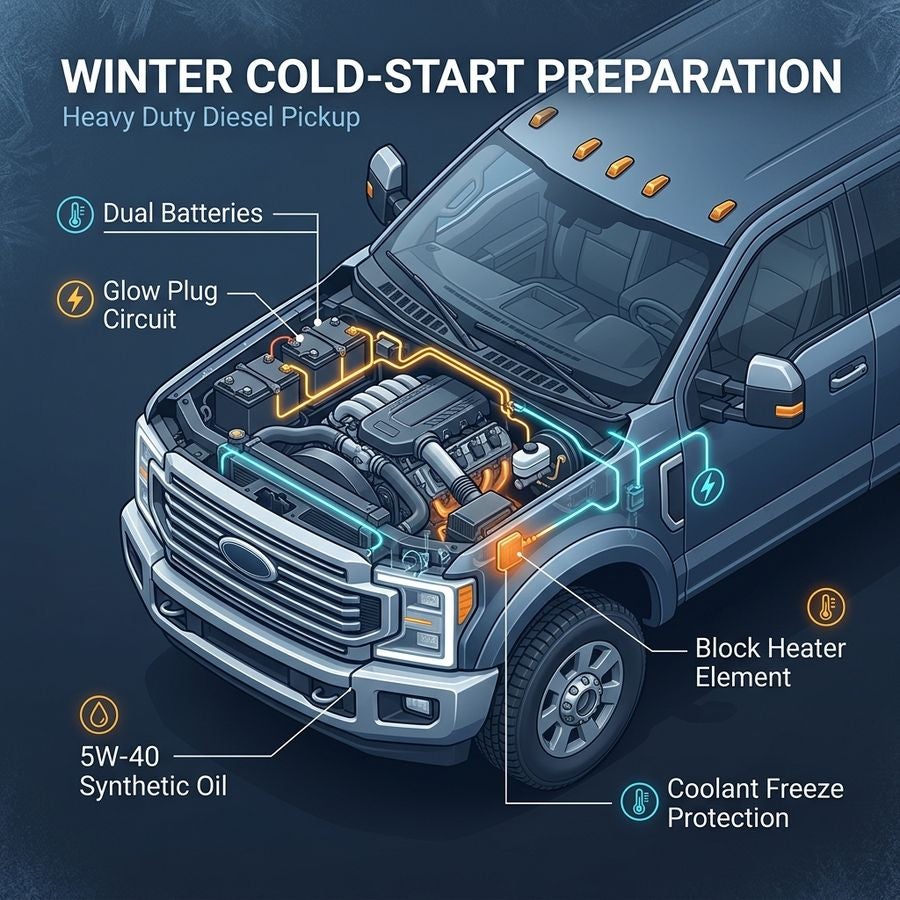
.hrizn-rte-content .e-rte-image { border: 0;max-width: 100%;height: auto } .hrizn-rte-content .e-rte-image.e-imginline { display: inline-block;float: none;margin-left: 5px;margin-right: 5px;max-width: calc(100% - 10px);vertical-align: bottom } .hrizn-rte-content .e-rte-image.e-imgbreak, .hrizn-rte-content .e-rte-image.e-imgcenter { display: block;float: none;margin: 5px auto;max-width: 100% } .hrizn-rte-content .e-rte-image.e-imgleft { float: left;margin: 0 12px 8px 0;max-width: 100% } .hrizn-rte-content .e-rte-image.e-imgright { float: right;margin: 0 0 8px 12px;max-width: 100% } .hrizn-rte-content figure.e-rte-image { margin: 8px auto;max-width: 100% } .hrizn-rte-content figure.e-imgleft { float: left;margin: 0 12px 8px 0 } .hrizn-rte-content figure.e-imgright { float: right;margin: 0 0 8px 12px } .hrizn-rte-content figure.e-imgcenter { display: block;margin: 8px auto;text-align: center } Preparing a Super Duty diesel for cold weather requires testing both dual Group 65 batteries with a digital conductance load tester, verifying glow plug circuit resistance, checking coolant freeze protection, and testing the engine block heater element. Maintaining strong resting battery voltage above 12 volts and ensuring high glow plug current draw prevents severe cold-weather cranking failures when ambient temperatures drop below freezing. To keep a 2026 Ford Super Duty F-250, 2026 Ford Super Duty F-350, or 2026 Ford Super Duty F-450 starting smoothly through freezing conditions, systematic service is essential before the first severe drop in temperature. Ford’s 6.7L Power Stroke V8 turbo diesel relies on rapid cylinder pre-heating and fast starter motor rotation to compress cold air enough to ignite diesel fuel. A comprehensive winter preparation routine addresses every component in the cold-starting system: Dual Battery Conductance Load Testing: Test both 12-volt batteries individually after disconnecting the parallel cable to identify isolated cell degradation before sub-zero mornings arrive. Glow Plug and Control Module Diagnostics: Check for active or pending diagnostic codes and measure electrical resistance across all glow plug heating elements. Engine Oil Viscosity Adjustment: Switch to an approved API CK-4 5W-40 full synthetic diesel engine oil to reduce internal drag during freezing cranking procedures. Coolant Freeze Protection Verification: Test engine coolant concentration using a refractometer to ensure protection down to at least -35°F. Block Heater System Inspection: Inspect the heating element resistance and inspect the power cord for cracking, corrosion, or physical damage. Truck owners managing heavy loads around Calcutta know how taxing morning starts on State Route 170 can be when frost coats the windshield. A weak electrical system struggles significantly as oil thickens in cold weather. Cleaning corrosion from terminal posts, applying protective dielectric grease, and verifying alternator output under full glow plug load ensures reliable starts all winter long. If you want our certified technicians to evaluate your truck before snow arrives, find our East Liverpool service facility or give our service desk a quick call to set up an inspection. Table of Contents What Are the Primary Symptoms of Failing Glow Plugs Versus a Weak Battery? What Battery Specs, CCA Ratings, and AGM Options Does a Powerstroke Need? How Do You Test Glow Plugs with a Multimeter and How Long Should They Pre-Heat? At What Temperature Should You Plug In a Super Duty Block Heater? Common Questions About Pre-Winter Super Duty Diesel Inspections Schedule Your Pre-Winter Super Duty Service W hat Are the Primary Symptoms of Failing Glow Plugs Versus a Weak Battery? Failing glow plugs cause extended engine cranking accompanied by unburned white exhaust smoke and specific diagnostic trouble codes while starter motor speed remains normal, whereas a weak battery results in noticeably slow engine turnover, rapid solenoid clicking, or instrument cluster gauge resets. Distinguishing between a glow plug issue and a battery fault saves diagnostic time and prevents unnecessary component replacement. On modern 6.7L Power Stroke engines, the glow plug system pre-heats the combustion chambers, while the dual batteries deliver electrical energy to spin the starter and energize high-pressure fuel injectors. When one system degrades, the engine exhibits distinctly different symptoms: Failing Glow Plug Indicators: The starter motor cranks the engine at a normal, vigorous speed, but the engine hesitates to catch. Raw, unburned diesel fuel passes into the exhaust system, creating dense white smoke upon startup. The engine may idle roughly for 10 to 30 seconds after firing up. Fault codes such as P0670 (glow plug control module circuit) or P0671–P0678 (individual cylinder glow plug circuits) typically illuminate the check engine light. Warm starts later in the day usually remain completely normal. Weak Battery Indicators: The engine turns over sluggishly, sounding strained or slow. You may hear rapid clicking noises from the starter relay under the hood. During cranking, the heavy electrical draw causes interior lights to dim significantly and instrument cluster needles to sweep completely across the dials upon reset. If battery voltage drops below 10.5 volts while cranking, the powertrain control module cannot properly energize the fuel injectors, resulting in a continuous crank-no-start condition. Truck owners bringing their diesel trucks into our service bay before winter usually ask whether to replace both batteries at once when only one fails. Because the dual batteries operate in parallel, an old battery will constantly pull down a new one, making dual replacement the safest practice. If your truck shows signs of slow cranking or check engine lights, review our routine battery service advice or order OEM replacement parts directly from our dealership. What Battery Specs, CCA Ratings, and AGM Options Does a Powerstroke Need? A 6.7L Power Stroke diesel requires two matched Group 65 12-volt batteries connected in parallel, delivering a minimum rating of 750 CCA each, though ratings between 800 CCA and 850 CCA per battery are ideal for heavy winter use. Cold Cranking Amps ( CCA) measure a battery's capacity to deliver peak electrical current at 0°F for 30 seconds while maintaining terminal voltage above 7.2 volts. This rating differs from standard Cranking Amps (CA), which is measured at a milder 32°F and overstates low-temperature performance. Diesel engines require exceptionally high CCA ratings because cold engine oil creates massive mechanical drag against the pistons, while the glow plug system simultaneously draws high amperage from the circuit before the starter even engages. Selecting between standard flooded lead-acid and Absorbed Glass Mat ( AGM) batteries comes down to durability and recharge efficiency: Flooded Lead-Acid Batteries: Standard factory-spec option providing reliable starting power at an economical price point. They require clean terminals and periodic case cleaning to prevent self-discharge across surface debris. AGM Batteries: Superior choice for cold winter conditions. AGM technology immobilizes electrolyte fluid inside fiberglass mat separators. This design delivers higher cold cranking power, recharges faster under high alternator output, resists severe diesel engine vibration, and handles deep discharge cycles without permanent plate damage. Replacing dual batteries as a matched pair ensures balanced internal resistance. Mixing an aged battery with a fresh one causes the newer unit to discharge into the weaker unit while parked, leading to premature failure of both batteries during extreme cold spells. How Do You Test Glow Plugs with a Multimeter and How Long Should They Pre-Heat? Test a diesel glow plug by disconnecting its electrical harness, setting a digital multimeter to measure resistance in Ohms, and touching one lead to the top terminal tip while grounding the other lead to the engine block—a functional plug measures between 0.5 Ohms and 2.0 Ohms. Testing glow plugs without removing them from the cylinder head is a straightforward process that pinpoints dead heating elements quickly: Turn off the ignition and allow the engine bay to cool down completely. Locate the glow plug wiring harness along the valve cover area and carefully disconnect the individual connector from the target glow plug. Set your digital multimeter to the lowest Ohms scale (resistance setting). Place the red positive probe on the threaded top terminal of the glow plug. Place the black negative probe on a clean, unpainted metal surface on the cylinder head or engine block to ensure a solid ground. Evaluate the reading: a healthy glow plug displays between 0.5 Ohms and 2.0 Ohms. A reading of infinite resistance indicates an internal open circuit, while a reading near 0 Ohms indicates a shorted plug. Both defective conditions require replacement. Pre-heating time depends directly on ambient temperatures. When you switch the ignition key to the ON position, the glow plug control module energizes the plugs and illuminates the wait-to-start coil light on the dash. In freezing weather, allow this light to remain illuminated for the full 3 to 15 seconds until it turns off automatically. On modern 2026 Ford Super Duty models, glow plugs can continue operating in a post-heating phase for up to two minutes after the engine starts to stabilize combustion and reduce cold idling emissions. Allow the engine to idle for roughly 15 seconds immediately after firing up to build proper engine oil pressure before putting the truck in gear. Heavy hauling along riverfront bluffs in East Liverpool places high demand on cold engine components, making proper pre-heating vital to longevity. Drivers looking to upgrade to a newer diesel tow rig can schedule a test drive in a heavy-duty truck to experience modern quick-heating glow plug systems firsthand. At What Temperature Should You Plug In a Super Duty Block Heater? Ford recommends connecting the engine block heater on 6.7L Power Stroke Super Duty diesels when ambient outdoor temperatures fall to 15°F or lower, and usage becomes mandatory at -9°F to ensure engine protection and starting capability. An engine block heater uses an electric heating element submerged in the engine coolant jacket to warm the block and motor oil. Heating the engine core reduces fluid viscosity, eases internal starter resistance, and helps the cylinders reach compression ignition temperature almost immediately. Timer Efficiency: You do not need to leave the block heater plugged in all night. Connecting the cord to an outdoor grounded timer set to turn on 2 to 3 hours before your scheduled morning commute warms the engine block completely while saving electricity. Cord Routing Safety: Ford owner manual guidelines explicitly state you must never fully close or drop the hood under its own weight when the block heater power cord is routed out of the engine bay. Pinching the cord can damage internal wiring insulation or interfere with the hood latch mechanism. Pre-Winter Inspection: Check the heater cord for frayed insulation, bent plug prongs, or road salt corrosion. Measure electrical continuity across the plug terminals using a multimeter to confirm the internal heating element has not burnt out. Common Questions About Pre-Winter Super Duty Diesel Inspections Q: Why does a diesel Super Duty require two batteries instead of one? Ford Super Duty diesel trucks require two heavy-duty 12-volt batteries wired in parallel to provide the high surge amperage needed during cold starts. Spinning a high-compression diesel engine demands substantial starter torque, while the glow plug system draws heavy current simultaneously. Dual batteries double the available cold cranking amps while maintaining the vehicle's 12-volt electrical system architecture. Q: What causes white smoke coming from the exhaust on a cold winter morning? White exhaust smoke immediately after a cold diesel start usually indicates unburned diesel fuel vapor exiting the tailpipe. When one or more glow plugs fail, the affected cylinder lacks the heat necessary to ignite injected fuel during initial cranking. Once the engine warms up from compression heat, the white smoke typically clears, but replacing the failed glow plug resolves the root cause. Q: Can a single bad glow plug cause a Power Stroke engine not to start? A single defective glow plug rarely prevents a 6.7L Power Stroke engine from starting entirely, but it causes rough idling, cylinder misfires, and noticeable white smoke upon startup. However, if multiple glow plugs or the central glow plug control module fail, the engine may experience extended cranking times or a total no-start condition in freezing ambient temperatures. Q: Is it necessary to switch engine oil viscosity before winter in a diesel truck? Switching to an approved API CK-4 5W-40 full synthetic diesel engine oil before winter improves cold-weather cranking performance substantially. Full synthetic 5W-40 flows much faster at low temperatures than conventional 15W-40 oil, reducing starter load during cold activation and ensuring rapid oil pressure delivery to critical turbocharger bearings and valve gear. Q: How long can you leave an engine block heater plugged in continuously? Leaving an engine block heater plugged in continuously will not melt internal engine components because coolant transfers heat away, but running it non-stop wastes electricity. The engine reaches its maximum temperature rise after 2 to 3 hours of operation. Using a heavy-duty outdoor timer to energize the block heater several hours before morning startup provides maximum warm-up benefits efficiently. To ensure your diesel truck receives a complete cold-weather system checkup, you can easily schedule a service appointment online with our certified technicians. Schedule Your Pre-Winter Super Duty Service A thorough pre-winter diesel inspection protects your truck against unexpected winter starting failures, battery strain, and glow plug faults. Checking dual battery conductance, glow plug circuit resistance, coolant freeze thresholds, and block heater operation before freezing weather sets in ensures your vehicle starts reliably every morning. Our service center provides expert diagnostic care tailored specifically to 6.7L Power Stroke diesel engines. Our factory-trained technicians utilize advanced diagnostic equipment, genuine OEM components, and thorough multi-point inspection procedures to keep your heavy-duty truck operating at peak performance. Visit our service center at 1503 Pennsylvania Ave, East Liverpool, OH 43920 for comprehensive winter maintenance. Speak directly with our service advisors by giving us a quick call to discuss battery testing or glow plug replacement. Take advantage of our convenient mobile service options to have routine maintenance performed directly at your home or work site. Reach out to our team today to prepare your Super Duty diesel for reliable winter performance. © 2026 Tri State Ford. All rights reserved. Title Tags Super Duty Diesel Winter Prep in East Liverpool OH | Tri State Ford Meta Description Keywords Open Graph Twitter Card Canonical Article Metadata Geographic Targeting { "@context": "https://schema.org", "@graph": [ { "@type": "NewsArticle", "@id": "#article", "headline": "How Do You Prepare a Super Duty Diesel for Winter Starting?", "datePublished": "2026-09-11T17:53:50.430Z", "dateModified": "2026-09-11T17:55:26.400Z", "author": { "@id": "#author" }, "publisher": { "@id": "#dealer" }, "wordCount": 2176, "description": "Prepare a Ford Super Duty diesel for winter by testing dual batteries, checking glow plugs, adjusting oil viscosity, and inspecting the block heater." }, { "@type": "AutoDealer", "@id": "#dealer", "name": "Tri State Ford", "url": "https://www.tristateford.net", "telephone": "+13304627578", "sameAs": [ "https://maps.google.com/?cid=1136336406351438323" ], "address": { "@type": "PostalAddress", "streetAddress": "1503 Pennsylvania Ave", "addressLocality": "East Liverpool", "addressRegion": "OH", "postalCode": "43920", "addressCountry": "US" }, "areaServed": { "@type": "GeoCircle", "geoMidpoint": { "@type": "GeoCoordinates", "latitude": "40.6367833", "longitude": "-80.5443033" }, "geoRadius": "48280" }, "geo": { "@type": "GeoCoordinates", "latitude": "40.6367833", "longitude": "-80.5443033" }, "openingHours": [ "Mo 09:00-20:00", "Tu 09:00-18:00", "We 09:00-18:00", "Th 09:00-20:00", "Fr 09:00-18:00", "Sa 09:00-15:00" ] }, { "@type": "FAQPage", "@id": "#faq", "mainEntity": [ { "@type": "Question", "name": "Why does a diesel Super Duty require two batteries instead of one?", "acceptedAnswer": { "@type": "Answer", "text": "Ford Super Duty diesel trucks require two heavy-duty 12-volt batteries wired in parallel to provide the high surge amperage needed during cold starts. Spinning a high-compression diesel engine demands substantial starter torque, while the glow plug system draws heavy current simultaneously. Dual batteries double the available cold cranking amps while maintaining the vehicle's 12-volt electrical system architecture." } }, { "@type": "Question", "name": "What causes white smoke coming from the exhaust on a cold winter morning?", "acceptedAnswer": { "@type": "Answer", "text": "White exhaust smoke immediately after a cold diesel start usually indicates unburned diesel fuel vapor exiting the tailpipe. When one or more glow plugs fail, the affected cylinder lacks the heat necessary to ignite injected fuel during initial cranking. Once the engine warms up from compression heat, the white smoke typically clears, but replacing the failed glow plug resolves the root cause." } }, { "@type": "Question", "name": "Can a single bad glow plug cause a Power Stroke engine not to start?", "acceptedAnswer": { "@type": "Answer", "text": "A single defective glow plug rarely prevents a 6.7L Power Stroke engine from starting entirely, but it causes rough idling, cylinder misfires, and noticeable white smoke upon startup. However, if multiple glow plugs or the central glow plug control module fail, the engine may experience extended cranking times or a total no-start condition in freezing ambient temperatures." } }, { "@type": "Question", "name": "Is it necessary to switch engine oil viscosity before winter in a diesel truck?", "acceptedAnswer": { "@type": "Answer", "text": "Switching to an approved API CK-4 5W-40 full synthetic diesel engine oil before winter improves cold-weather cranking performance substantially. Full synthetic 5W-40 flows much faster at low temperatures than conventional 15W-40 oil, reducing starter load during cold activation and ensuring rapid oil pressure delivery to critical turbocharger bearings and valve gear." } }, { "@type": "Question", "name": "How long can you leave an engine block heater plugged in continuously?", "acceptedAnswer": { "@type": "Answer", "text": "Leaving an engine block heater plugged in continuously will not melt internal engine components because coolant transfers heat away, but running it non-stop wastes electricity. The engine reaches its maximum temperature rise after 2 to 3 hours of operation. Using a heavy-duty outdoor timer to energize the block heater several hours before morning startup provides maximum warm-up benefits efficiently. To ensure your diesel truck receives a complete cold-weather system checkup, you can easily schedule a service appointment online with our certified technicians." } } ] } ] }

;

What Should You Do When You Receive a Vehicle Recall Notice?

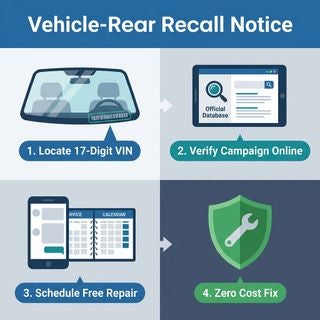
.hrizn-rte-content .e-rte-image{border:0;max-width:100%;height:auto} .hrizn-rte-content .e-rte-image.e-imginline{display:inline-block;float:none;margin-left:5px;margin-right:5px;max-width:calc(100% - 10px);vertical-align:bottom} .hrizn-rte-content .e-rte-image.e-imgbreak,.hrizn-rte-content .e-rte-image.e-imgcenter{display:block;float:none;margin:5px auto;max-width:100%} .hrizn-rte-content .e-rte-image.e-imgleft{float:left;margin:0 12px 8px 0;max-width:100%} .hrizn-rte-content .e-rte-image.e-imgright{float:right;margin:0 0 8px 12px;max-width:100%} .hrizn-rte-content figure.e-rte-image{margin:8px auto;max-width:100%} .hrizn-rte-content figure.e-imgleft{float:left;margin:0 12px 8px 0} .hrizn-rte-content figure.e-imgright{float:right;margin:0 0 8px 12px} .hrizn-rte-content figure.e-imgcenter{display:block;margin:8px auto;text-align:center} When you receive a vehicle recall notification, locate your 17-character VIN on your vehicle or registration card, verify the campaign status through official recall databases, and contact an authorized dealership to schedule a free repair. Federal law requires vehicle manufacturers to correct safety defects and noncompliance issues without charging owners for parts or labor, regardless of whether your vehicle is still under its original factory warranty. An official recall is issued when a manufacturer or federal safety regulators determine that a vehicle component fails to meet safety standards or creates an unreasonable safety risk on the road. These campaigns cover a wide range of issues, including mechanical steering linkages, fuel lines prone to leaks, software glitches in anti-lock braking systems, and sensor faults within driver-assist features like blind spot monitoring. When automakers file a campaign with federal regulators, each recall receives an official NHTSA campaign number to track remedy completion rates across every registered vehicle. Checking your vehicle for active campaigns requires verifying your vehicle identification number rather than relying strictly on the model year or trim name. You can find this 17-digit code stamped on the lower driver-side corner of the windshield, visible from outside the vehicle, as well as on the driver-side door jamb sticker, state registration card, and insurance documentation. Entering this sequence into official online databases or tracking software like the Ford App reveals any uncompleted safety repairs assigned to your exact vehicle. When a notification arrives in your mailbox, review the documentation carefully for specific operational details. The notice explains the underlying technical defect, describes potential safety hazards, outlines the official repair remedy, and states whether replacement parts are currently available at service departments. To confirm open campaign status or arrange an appointment, you can reach our service team at (330) 462-7578 or visit our East Liverpool facility location for professional assistance. Table of Contents Is It Safe to Drive Your Vehicle After Receiving a Recall Notice or Do Not Drive Warning? What Should You Do If Recall Parts Are Backordered or Not Yet Available? How Long Do Recall Repairs Take, and Are Towing or Rental Expenses Covered? How Do You Claim Pre-Recall Repair Reimbursements and Resolve Dealership Refusals? Questions Drivers Ask Most About Recall Repairs and Service Logistics Schedule Your Free Recall Inspection and Service Is It Safe to Drive Your Vehicle After Receiving a Recall Notice or Do Not Drive Warning? You can typically continue driving your vehicle after receiving a standard recall notice unless the manufacturer or safety regulators issue an explicit "Do Not Drive" or "Park Outside" advisory. Standard recalls involve minor mechanical adjustments or routine control module updates that allow normal operation while replacement components are being manufactured and routed to your local service center. Understanding the severity level listed on your recall notice determines whether continued driving poses an immediate risk to your family: Standard Safety Recall: Permits regular vehicle operation while you schedule a convenient service appointment. Components are replaced during a standard shop visit without immediate hazard under typical driving conditions. Park Outside Advisory: Indicates an electrical or fuel system defect that could trigger a vehicle fire even when the engine is turned off and the ignition key is removed. Vehicles subject to this warning should be parked in open driveways away from garages, carports, and residential structures until the free repair is completed. Do Not Drive Warning: Signals an urgent, high-risk mechanical or structural defect that could cause sudden control loss, severe injury, or vehicle destruction. Critical examples include degraded Takata airbag inflators subject to rupture, fractured steering columns, and sudden hydraulic master cylinder failures. If your vehicle notice contains a "Do Not Drive" instruction, immediately pull off the road or leave the vehicle parked in a safe space. Do not attempt to drive the vehicle to the dealership for repair. Contact the manufacturer's emergency support line or your dealer's service lane right away to arrange flatbed transportation. Service advisors can log your 17-character VIN into the priority queue and explain alternative transportation arrangements available while your car is held for service. For drivers commuting along State Route 170 in Calcutta, keeping steering, braking, and occupant protection systems operating properly is vital for navigating local traffic safely. Drivers evaluating vehicle performance after a system update or inspection can coordinate with our staff when scheduling a vehicle evaluation session to ensure every safety component functions as intended. What Should You Do If Recall Parts Are Backordered or Not Yet Available? If a recall notification indicates that replacement parts are backordered or not yet available, review the interim safety guidance provided in the notice, confirm your contact details with the manufacturer, and monitor official recall portals for inventory updates. Dealerships cannot perform permanent remedies until factory-approved components arrive, but service advisors can document your vehicle in the national distribution queue. Automakers frequently issue safety recall announcements before replacement assemblies are fully manufactured in quantities sufficient to service millions of affected vehicles. During this initial phase, the manufacturer sends an interim notice informing owners of the safety issue while factories scale up production of redesigned components. When replacement parts arrive at regional distribution centers, a follow-up letter instructs owners to book an appointment for the free repair. While waiting for replacement parts to clear backorder status, follow these practical steps to protect your vehicle and stay informed: Read the interim notice thoroughly to identify any temporary operational adjustments, such as disabling a specific feature or avoiding heavy cargo loads. Contact your authorized dealer to register your 17-character VIN on the parts backorder list, ensuring components are reserved as soon as shipments arrive. Verify that your current mailing address and phone number are updated with the vehicle manufacturer to receive prompt notification when remedies become available. Check official recall lookup tools every few weeks to monitor campaign status updates for your vehicle. When owners bring a vehicle into the service lane after getting a notice, they usually ask whether the fix requires leaving the vehicle all day or if it can be completed while they wait in the lounge. Service advisors can review the specific technical service guidelines to explain expected timelines and component availability. If your vehicle requires routine maintenance while waiting for recall parts, ordering replacement components through our dedicated parts department ensures your vehicle stays in prime running condition. How Long Do Recall Repairs Take, and Are Towing or Rental Expenses Covered? Most recall repairs take between one and two hours for software flashes or simple component swaps, while complex mechanical work can require several days. If your recall notice specifies a "Do Not Drive" warning, manufacturers typically cover flatbed towing to the dealership, and many offer pre-approved rental car or loaner vehicle coverage during extended component delays. The time required to complete a recall depends entirely on the technical scope of the bulletin: Repair Category Typical Duration Repair Process Overview:--:--:-- Electronic Module Reprogramming 30 to 60 Minutes Technicians connect factory diagnostic tools to reflash control software for engine, transmission, or Ford Co-Pilot360 modules. Minor Hardware Replacement 1 to 2 Hours Involves swapping accessible components like door latches, wiring harnesses, tail lamp assemblies, or seatbelt anchors. Major Mechanical Overhaul 4 to 8+ Hours Requires significant disassembly, such as replacing fuel tanks, steering racks, brake master cylinders, or internal engine assemblies. When a severe recall involves a "Do Not Drive" or "Park Outside" directive, vehicle manufacturers arrange and pay for flatbed towing directly to an authorized service facility. Operating a vehicle under an active stop-drive order voids roadside assistance protections for driven miles, so utilizing manufacturer-funded flatbed transport protects both occupant safety and vehicle integrity. If replacement components are delayed or if a repair requires more than a single day in the service bay, automakers routinely reimburse out-of-pocket rental car expenses or provide complimentary loaner vehicles. To qualify for rental reimbursement, the rental must be pre-authorized through the dealership service department or manufacturer customer care team. Always retain itemized rental agency receipts, rental agreements, and official service work orders to submit with your reimbursement claim. How Do You Claim Pre-Recall Repair Reimbursements and Resolve Dealership Refusals? To claim reimbursement for repairs paid out-of-pocket before a recall was announced, submit your original itemized repair invoice, proof of payment, and work order directly to the manufacturer customer care department. If a dealership refuses to perform an open recall repair, request a written explanation from the service manager, contact the manufacturer national customer support line, and report the refusal directly to federal safety regulators. Under federal regulations, vehicle owners who paid for repairs to fix a defect prior to an official recall announcement are entitled to full financial reimbursement from the automaker. To process a successful refund claim, gather the following required documentation: An itemized repair invoice showing the vehicle identification number, date of service, specific parts installed, and labor performed. Proof of payment, such as a canceled check, credit card statement, or paid dealer receipt confirming out-of-pocket costs. Documentation demonstrating that the prior repair directly addressed the exact mechanical or electrical fault identified in the subsequent safety campaign. A copy of your official state vehicle registration proving ownership at the time the repair was completed. If an authorized dealer refuses to perform a free recall repair, understand that federal law mandates franchise dealerships complete open safety recalls on affected vehicles regardless of vehicle age, mileage, or warranty status. Refusals occasionally stem from miscommunications regarding part availability or regional dealer scope, but dealers cannot decline valid recall work. To resolve a refusal, ask to speak directly with the dealership service director to clarify campaign details. If the issue remains unresolved, contact the automaker's national customer assistance center to open a formal case file. You can also file an official complaint with the National Highway Traffic Safety Administration online or by calling the Vehicle Safety Hotline at 888-327-4236. Seeking authorized local Ford dealership support ensures your vehicle receives certified care backed by factory standards. Questions Drivers Ask Most About Recall Repairs and Service Logistics Q: How do I verify if my vehicle has an open recall? You can verify open recalls by entering your 17-character VIN into official safety lookup tools online or through mobile applications like the Ford App. Your VIN is located on the lower driver-side windshield and state registration card. The search results show any uncompleted safety campaigns associated with your specific vehicle. Q: Do safety recall repairs expire if I wait too long? Safety recall campaigns for mechanical components, structural assemblies, and software modules do not expire and remain active for the life of the vehicle. Federal law mandates free repairs regardless of vehicle age or mileage. The primary exception involves tire recalls, which must be claimed within 60 days of owner notification. Q: Will an open recall affect my vehicle history report or resale value? Open safety recalls appear on vehicle history reports as uncompleted safety campaigns until an authorized franchise dealership completes the repair. Having the free remedy performed updates official databases, clearing the record on future history checks and protecting vehicle safety and market value. Q: Can software-related recalls be updated without a physical shop visit? Certain module updates can be completed remotely through Over-The-Air software installations if your vehicle supports connected vehicle technology. However, recalls requiring hardware inspections, physical module recalibrations, or mechanical adjustments still require a dedicated appointment at an authorized service bay. Q: What should I do if I suspect a safety defect that has not been recalled yet? Document the specific failure symptoms and file a detailed safety complaint online with federal regulators or by calling the Vehicle Safety Hotline at 888-327-4236. Individual complaints are analyzed by safety engineers to investigate recurring technical patterns and determine whether a new safety recall is necessary. Schedule Your Free Recall Inspection and Service Resolving an open safety recall promptly protects your family on every journey, preserves mechanical reliability, and keeps your vehicle compliant with federal safety standards. Because all recall remedies are completely free of charge and performed by factory-certified technicians using genuine OEM parts, getting your vehicle updated is simple and stress-free. Commuters traveling toward the commercial hubs around Boardman rely on fully functioning safety systems during daily highway driving. If your vehicle requires routine electrical checks or module updates alongside recall work, routine battery maintenance guide details can help keep your electrical system operating smoothly in all weather conditions. Our dedicated team at Tri State Ford is ready to assist you with VIN verification, parts availability checks, and quick service scheduling. You can get started today by scheduling a service appointment online or by giving our service advisors a call at (330) 462-7578. You can also visit our service center to speak with our certified staff in person and ensure your vehicle stays safe on the road. © 2026 Tri State Ford. All rights reserved. Title Tags Vehicle Recall Assistance in East Liverpool, OH | Tri State Ford Meta Description Keywords Open Graph Twitter Card Canonical Article Metadata Geographic Targeting { "@context": "https://schema.org", "@graph": [ { "@type": "NewsArticle", "@id": "#article", "headline": "What Should You Do When You Receive a Vehicle Recall Notice?", "datePublished": "2026-09-09T20:26:21.245Z", "dateModified": "2026-09-09T20:28:20.578Z", "author": { "@id": "#author" }, "publisher": { "@id": "#dealer" }, "wordCount": 2174, "description": "This guide explains what to do after receiving a vehicle recall notice, including how to check your VIN and schedule a free safety repair." }, { "@type": "AutoDealer", "@id": "#dealer", "name": "Tri State Ford", "url": "https://www.tristateford.net", "telephone": "+13304627578", "sameAs": [ "https://maps.google.com/?cid=1136336406351438323" ], "address": { "@type": "PostalAddress", "streetAddress": "1503 Pennsylvania Ave", "addressLocality": "East Liverpool", "addressRegion": "OH", "postalCode": "43920", "addressCountry": "US" }, "areaServed": { "@type": "GeoCircle", "geoMidpoint": { "@type": "GeoCoordinates", "latitude": "40.6367833", "longitude": "-80.5443033" }, "geoRadius": "48280" }, "geo": { "@type": "GeoCoordinates", "latitude": "40.6367833", "longitude": "-80.5443033" }, "openingHours": [ "Mo 09:00-20:00", "Tu 09:00-18:00", "We 09:00-18:00", "Th 09:00-20:00", "Fr 09:00-18:00", "Sa 09:00-15:00" ] }, { "@type": "FAQPage", "@id": "#faq", "mainEntity": [ { "@type": "Question", "name": "How do I verify if my vehicle has an open recall?", "acceptedAnswer": { "@type": "Answer", "text": "You can verify open recalls by entering your 17-character VIN into official safety lookup tools online or through mobile applications like the SaferCar app . Your VIN is located on the lower driver-side windshield and state registration card. The search results show any uncompleted safety campaigns associated with your specific vehicle." } }, { "@type": "Question", "name": "Do safety recall repairs expire if I wait too long?", "acceptedAnswer": { "@type": "Answer", "text": "Safety recall campaigns for mechanical components, structural assemblies, and software modules do not expire and remain active for the life of the vehicle. Federal law mandates free repairs regardless of vehicle age or mileage. The primary exception involves tire recalls, which must be claimed within 60 days of owner notification." } }, { "@type": "Question", "name": "Will an open recall affect my vehicle history report or resale value?", "acceptedAnswer": { "@type": "Answer", "text": "Open safety recalls appear on vehicle history reports as uncompleted safety campaigns until an authorized franchise dealership completes the repair. Having the free remedy performed updates official databases, clearing the record on future history checks and protecting vehicle safety and market value." } }, { "@type": "Question", "name": "Can software-related recalls be updated without a physical shop visit?", "acceptedAnswer": { "@type": "Answer", "text": "Certain module updates can be completed remotely through Over-The-Air software installations if your vehicle supports connected vehicle technology. However, recalls requiring hardware inspections, physical module recalibrations, or mechanical adjustments still require a dedicated appointment at an authorized service bay." } }, { "@type": "Question", "name": "What should I do if I suspect a safety defect that has not been recalled yet?", "acceptedAnswer": { "@type": "Answer", "text": "Document the specific failure symptoms and file a detailed safety complaint online with federal regulators or by calling the Vehicle Safety Hotline at 888-327-4236 . Individual complaints are analyzed by safety engineers to investigate recurring technical patterns and determine whether a new safety recall is necessary." } } ] } ] }