
How to Recognize When Your Ford Needs Brake Service
I’m Matt Shaw, Service Manager here at Tri State Ford, and after a decade in the service department, I’ve seen firsthand how crucial timely brake maintenance is for your safety and vehicle’s longevity. Brakes aren’t just about stopping power—they’re a critical safety feature on the road. Knowing when your Ford needs brake work can save you from costly repairs and keep you safe around East Liverpool, Calcutta, and beyond.
One of the most obvious signs your brakes need attention is a persistent squealing or grinding noise when you press the pedal. That high-pitched squeal usually comes from a built-in wear indicator on your brake pads. It’s meant to alert you early, so you can get the pads inspected and replaced before they wear down too much. When you hear grinding, it means the pad material is gone, and the metal backing is rubbing directly against the rotor. Driving like that not only damages your rotors but can also increase repair bills significantly.
Another critical signal is how your brake pedal feels. If the pedal travels lower than usual before the brakes engage or feels soft and spongy, it often indicates worn brake pads or a possible brake fluid leak. With worn pads, the caliper pistons have to extend further to meet the rotor, increasing the pedal travel distance. Spongy brakes can also suggest air in the brake lines or damaged components that require immediate inspection. These symptoms are especially important to catch early if you’re commuting across Boardman Township or Poland, where regular highway driving is common.
You might also notice your vehicle pulling to one side when braking. Uneven brake force usually means a problem with one side of the braking system, such as a sticking caliper or uneven pad wear. This can cause dangerous situations, especially when navigating the rolling hills around Chester or Midland. If your Ford pulls during braking but drives straight otherwise, it’s a sign your brakes need professional evaluation.
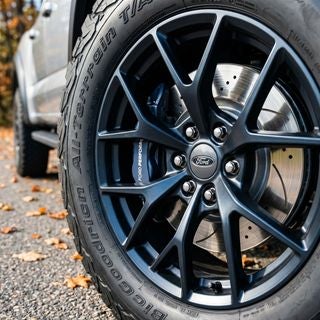
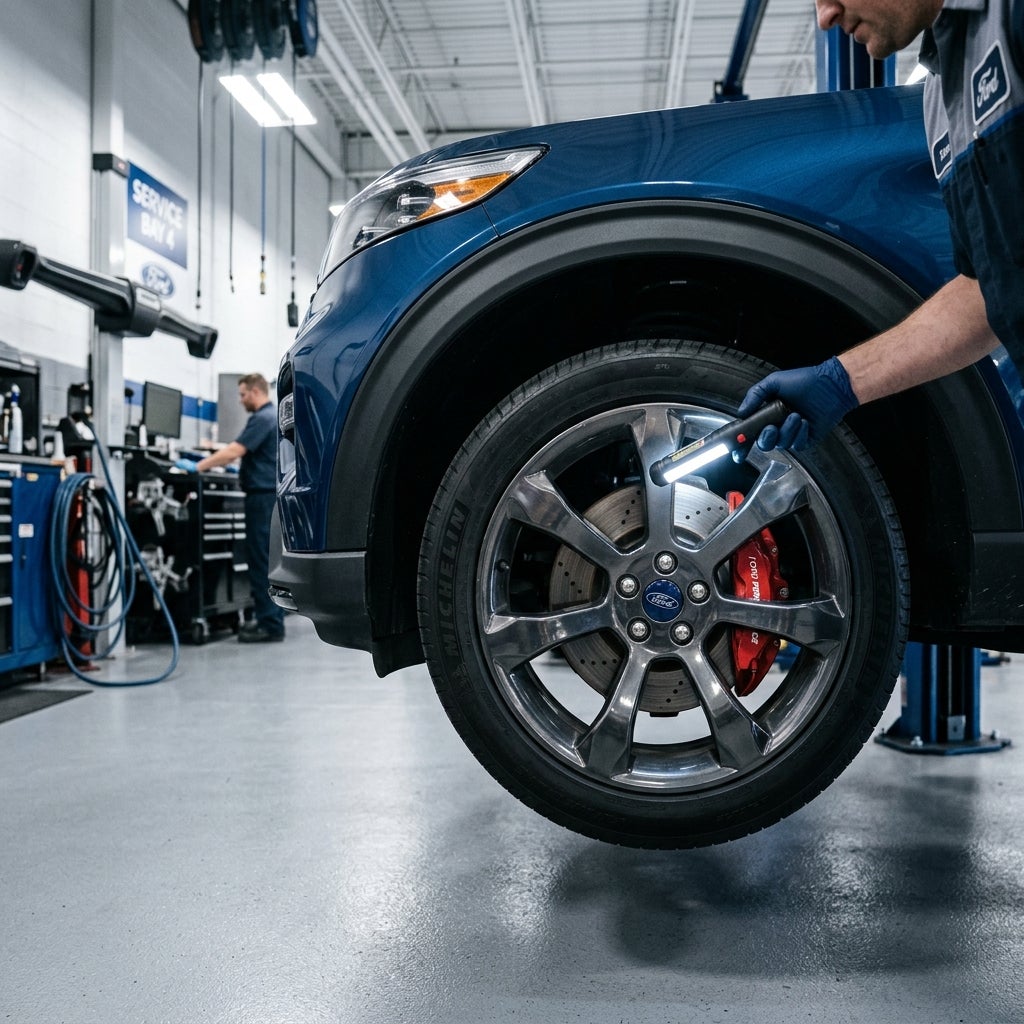
Visual inspection is a simple yet effective way to keep tabs on your brake condition. You can often see your brake pads through the spokes of your wheels. If the friction material looks thinner than a pencil—about 3 millimeters—it’s time for a replacement. For a thorough check, removing the wheel gives you a clear view of both the inner and outer pads. Our certified technicians recommend checking brake pads twice a year or during tire rotations to avoid surprises.
Finally, don’t overlook any warning lights on your dashboard related to the braking system. Modern Fords often have sensors that illuminate a brake warning light when pads reach a critical wear point or if brake fluid is low. This light shouldn’t be ignored—it’s your Ford telling you to get professional brake service promptly.
If any of these signs sound familiar, it’s wise to schedule a brake inspection with trained experts who know Ford vehicles inside and out. At Tri State Ford, we use only genuine Ford parts and provide transparent pricing to help you maintain your vehicle’s reliability. Whether you’re driving daily in East Liverpool or heading out from Calcutta, keeping your brakes in top condition means safer travels for you and your family.
For expert brake service you can trust, feel free to call us at (330) 462-7578 or visit our dealership to schedule your brake service today.
Table of Contents
- Understanding Steering Wheel Vibration and Brake Issues on Your Ford
- Identifying and Addressing Brake Caliper Problems with Expert Insight
- Common Causes of Brake Pulsation and What It Means for Your Safety
- The Impact of Regenerative Braking on Hybrid Ford Brake Maintenance
- Why Choosing Genuine Ford Parts and Service Matters for Your Brakes
Understanding Steering Wheel Vibration and Brake Issues on Your Ford
Steering wheel vibration when you brake is a common concern that often signals underlying brake system issues. In my experience as a Service Manager at Tri State Ford, this symptom usually points to problems with the brake rotors. When the rotors become warped or uneven, they cause the brake pads to make irregular contact, which creates that noticeable shaking or pulsation felt through the steering wheel.
Warping can occur from excessive heat buildup—common if you do a lot of stop-and-go driving around Boardman or haul heavy loads near Calcutta. Over time, the metal in the rotors expands and contracts unevenly, leading to surface irregularities. These imperfections prevent smooth braking and cause vibrations.
Another potential cause is uneven wear or deposits accumulating on the rotors. Rust spots or brake pad material stuck to the rotor surface create uneven friction, which again results in vibration during braking.
Sometimes, worn or damaged suspension components and misalignment can contribute to these sensations, but the brake system is usually the primary culprit when the vibration happens specifically as you press the brake pedal.
Addressing steering wheel vibration early on is important—it prevents further damage to your braking system and maintains stopping power. At Tri State Ford, we inspect rotors and brake components thoroughly and recommend resurfacing or replacement based on exact wear measurements. Using genuine Ford parts ensures the best fit and durability, keeping your driving experience smooth and safe.
If you drive a Ford truck frequently, such as the F-150, and notice this vibration, don’t ignore it. Regular brake inspections can catch problems early and save you from more costly repairs down the line. For maintenance that fits your lifestyle and vehicle needs, explore our Truck Inventory section to learn more about models designed for rugged, reliable performance.
Identifying and Addressing Brake Caliper Problems with Expert Insight
Brake calipers are essential for controlling your Ford’s stopping power by pressing the brake pads against the rotors. Over time, these components can develop issues that affect braking performance and vehicle safety. One common sign of caliper trouble is uneven brake pad wear. If you notice one pad is significantly thinner than the other, it often means the caliper isn’t releasing properly, which can cause the pad to stay pressed against the rotor longer than it should. This uneven wear risks damaging the rotor and reducing overall brake efficiency.
Another indication is when your vehicle pulls to one side during braking. This happens when one caliper applies more pressure than its counterpart, often due to a stuck piston or seized slide pins. You might also detect a burning smell coming from the wheel, usually a result of excessive friction from a caliper that remains partially engaged.
Leaks around the caliper or soft brake pedals can point to worn seals or brake fluid escaping, which compromises hydraulic pressure. If you experience any of these symptoms, it's crucial to have your brakes inspected promptly. While some caliper issues might be temporarily improved by cleaning and lubricating slide pins, most problems require professional repair or replacement to ensure safe and consistent braking. Regular inspections at our service center help catch these problems early, especially for drivers in areas like Calcutta or East Liverpool, where reliable brake performance is vital for daily driving and longer trips.
Common Causes of Brake Pulsation and What It Means for Your Safety
Brake pulsation is that unsettling vibration you might feel through the brake pedal or steering wheel when slowing your Ford. It’s more than just an annoyance—it signals an issue that impacts your vehicle's braking efficiency and overall safety. One of the primary causes of brake pulsation is an uneven or warped brake rotor. Rotors can warp due to excessive heat build-up, often from heavy braking on long downhill stretches or repeated hard stops, which causes the metal to lose its uniform thickness. When rotors aren't smooth, the brake pads don't make consistent contact, leading to the pulsing sensation.
Another common culprit is rotor surface contamination or buildup. Rust or debris on the rotor surface, especially if your Ford spends time in humid areas like Boardman or Calcutta, can cause uneven braking pressure. Even if the rotors aren't warped, deposits that build unevenly can cause vibrations.
Worn or uneven brake pads also contribute to pulsation. As pads wear, they might not engage the rotor evenly, which can cause a subtle but persistent pulse. Additionally, suspension or wheel alignment issues can sometimes mimic brake pulsation, but when the vibration appears only during braking, the brake components are usually the source.
Addressing brake pulsation early is crucial. Ignoring it can accelerate wear on rotors and pads, compromising your stopping power—especially important for drivers who navigate the hills and varying terrain of places like East Liverpool or Calcutta. Professional inspection and servicing ensure rotors are resurfaced or replaced when necessary, and pads are checked for even wear to maintain reliable, safe braking performance.
The Impact of Regenerative Braking on Hybrid Ford Brake Maintenance
Regenerative braking in Ford hybrid models, like the Escape Hybrid or Maverick Hybrid, changes how vehicle brakes wear over time. Instead of relying solely on traditional friction brakes, these systems recover energy during deceleration by using the electric motor to slow the vehicle. This reduces the need for frequent use of the brake pads and rotors, which typically leads to less wear and longer service intervals compared to conventional vehicles.
However, regenerative braking doesn’t eliminate the need for routine brake inspections. Pads and rotors still wear, just at a slower pace, so regular checks remain essential to catch any uneven wear or other issues early. Drivers in communities such as Calcutta or East Liverpool might notice their hybrid brakes feel different—often smoother or less noisy—thanks to regenerative braking reducing the load on mechanical components.
Still, hybrid brake systems include conventional parts that require genuine Ford parts and professional servicing to maintain safety and performance. Staying current with scheduled brake maintenance ensures the regenerative system and friction brakes work together seamlessly for reliable stopping power in all driving conditions.
Why Choosing Genuine Ford Parts and Service Matters for Your Brakes
Using authentic Ford brake parts and service ensures your vehicle maintains its original stopping power and safety standards. Our certified technicians at Tri State Ford rely on genuine components designed specifically for your Ford’s brake system, providing durability and consistent performance. Trusting genuine parts also helps avoid premature wear or costly repairs down the road. For expert brake care, don’t hesitate to call us at (330) 462-7578 or get directions to Tri State Ford and visit our service center for reliable brake inspections and repairs.