Blog / Maintenance & Service, Repair & Diagnostics, Parts & Components, Preventive Care & Tips, Warranty &

Common Ford Transmission Problems: Shuddering, Slipping, and Gear Lag

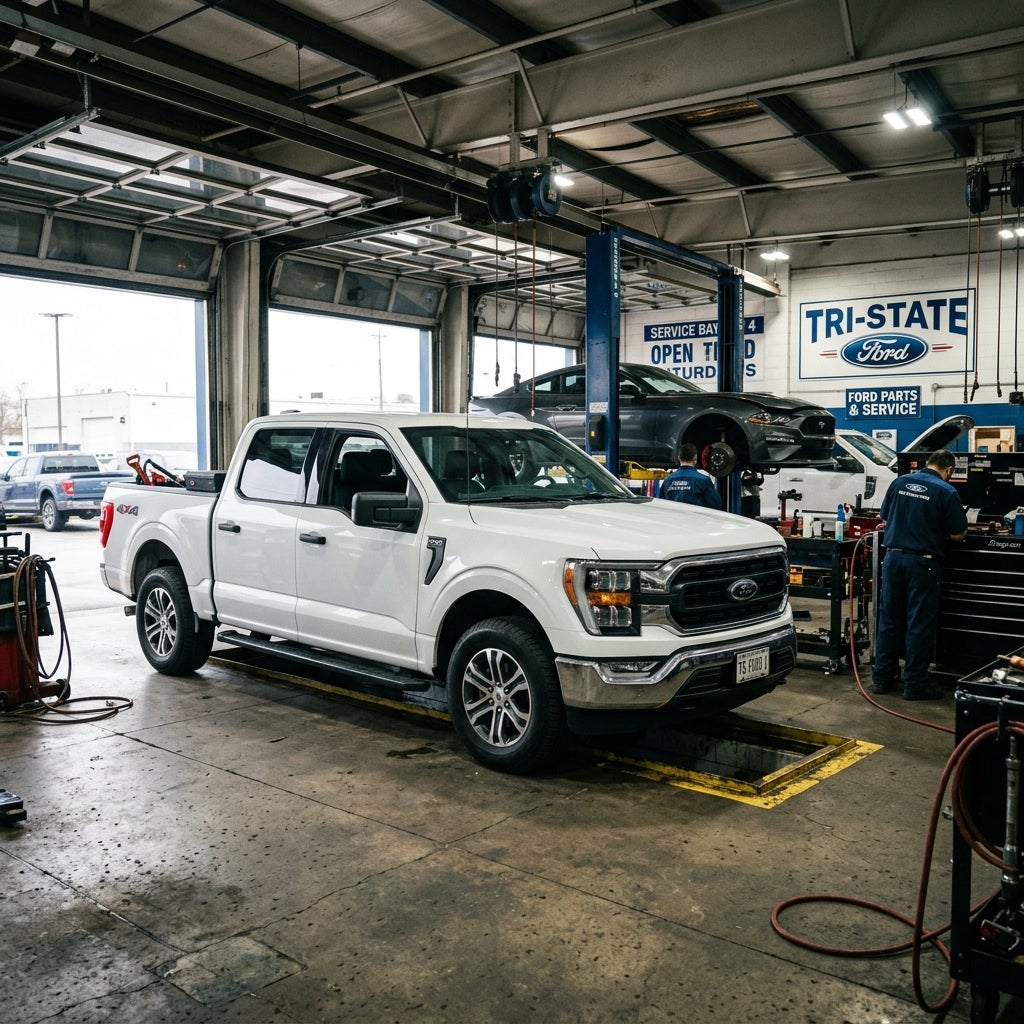
Cinematic automotive photography of a 2026 Ford F-150 XLT positioned inside a service bay at tristate ford

Common Ford Transmission Problems: Shuddering, Slipping, and Gear Lag

I am Matt Shaw, Service Manager at Tri State Ford, and I have spent over 10 years helping local drivers keep their vehicles on the road. One of the most frequent conversations I have with our customers involves the modern 10-speed automatic transmission. While these units provide excellent efficiency for your daily drive through East Liverpool, they can occasionally develop specific behaviors like shuddering, slipping, or a noticeable gear lag. Recognizing these warning signs early is the best way to prevent a minor sensor issue from turning into a major mechanical repair.

When I am helping a driver diagnose a potential transmission issue, I look for "RPM flare," which is when the engine revs up during a shift but the vehicle doesn't speed up accordingly. This often happens between the third and fourth gears on models like the 2026 Ford Escape or the 2026 Ford F-150 XLT. Other common red flags include a harsh "clunk" when shifting from Park into Drive or a hesitation when you press the accelerator to merge onto the highway. If you are noticing these symptoms, you can reach out to our team at (330) 462-7578 to discuss what your vehicle is doing.

We know that your schedule is busy, which is why we offer Ford Pick Up & Delivery for many maintenance needs, or you can even utilize Ford Mobile Service for certain software-related diagnostics. If you prefer to drop the vehicle off yourself, you can find easy directions to our service center located right here in town. For those who are simply curious about how a brand-new, perfectly calibrated 10-speed feels, you are always welcome to schedule a test drive to experience the latest SelectShift technology. Finding a trusted Ford dealership near me is the first step in ensuring your transmission's long-term health.

## Inside the 10R80: The CDF Clutch Drum and Technical Shifting Defects

The technical heart of many shifting complaints in the 10R80 transmission involves a specific component called the CDF clutch drum. In some earlier versions of this 10-speed unit, an internal bushing within the drum could actually slide out of its intended position. When this bushing moves, it allows Teflon seals to fail, which leads to a loss of internal hydraulic pressure. This pressure loss is exactly what causes the "slipping" or "jerking" sensation that many F-150 owners describe during low-speed acceleration.

In my experience, this isn't a problem that clears up on its own. If the bushing has migrated, the transmission can no longer maintain the precise timing required to manage ten different gear ratios. This is particularly relevant for those using their trucks for heavy-duty work around Calcutta, where constant stop-and-go driving puts more stress on the internal clutches. If you rely on your vehicle for your livelihood, you might want to look at our F-Series work truck inventory to see the latest mechanical revisions Ford has implemented to solve these early design hurdles.

Ford has since released a revised CDF drum with a redesigned flange that prevents the bushing from moving. When our technicians perform a heavy-duty repair or rebuild, we ensure these updated parts are used to provide a permanent fix. For those managing a fleet, keeping an eye on our current truck inventory can help you stay ahead of maintenance cycles. If you ever have questions about service-related protection plans, our finance department can explain the different extended service contracts available to cover these high-tech components.

Table of Contents

Shuddering and Vibrations: Torque Converter and Fluid Degradation Issues

Does your vehicle feel like you are driving over "rumble strips" when you are cruising at a steady speed between 40 and 60 mph? This sensation is almost always torque converter clutch shudder. The torque converter acts as a fluid coupling between the engine and the transmission, and it uses a lock-up clutch to improve fuel economy at highway speeds. If the transmission fluid has degraded or if the clutch is engaging inconsistently, you will feel a distinct vibration through the floorboards.

Heat is the primary enemy here. When you are towing a trailer through the hills of Chester, your transmission can reach temperatures over 200 degrees. High heat causes the fluid to break down, losing its ability to lubricate the torque converter clutch effectively. This is why we pay close attention to fluid color and smell during every inspection. If your fluid has turned dark brown or smells acrid, it is no longer protecting those sensitive internal surfaces.

For those who do a lot of hauling, I recommend checking out our new work truck options which often come equipped with enhanced cooling systems. We also frequently feature new vehicle specials on models like the 2026 Ford Explorer, which features a 2.3L I4 engine and a 10-speed transmission designed for smooth family commutes. If you are currently driving an older model and noticing these vibrations, browsing our available truck inventory might be a good way to see how the latest cooling and transmission tech has evolved.

Software Updates vs. Physical Repairs for Shifting Hesitation

One misconception I often encounter is the idea that every transmission jerk requires a full rebuild. In many cases, the fix is actually found in the Powertrain Control Module (PCM) or Transmission Control Module (TCM). Modern Ford transmissions are "adaptive," meaning they learn your driving habits over time. Sometimes, the computer's "adaptive learning table" can become corrupted or stuck in a logic loop, leading to gear lag or harsh shifting. A simple software reflash or an adaptive reset can often smooth out these electronic glitches.

However, it is important to be realistic: software cannot fix a broken CDF drum bushing or a warped valve body. If the hesitation is caused by a mechanical failure, the software update might temporarily mask the symptom, but the underlying issue will persist. When you schedule a service appointment, our team uses factory diagnostic tools to determine if the problem is digital or physical. This ensures we aren't just guessing with your vehicle's health.

If a physical repair is necessary, we always prioritize using genuine OEM Ford parts. You can even order specific components directly through our parts department if you are a DIY enthusiast. For those who want a vehicle built exactly to their specifications with the latest factory-installed software versions, you can use our new vehicle custom order tool. This allows you to get a fresh start with a powertrain that features all the most recent engineering updates from the assembly line.
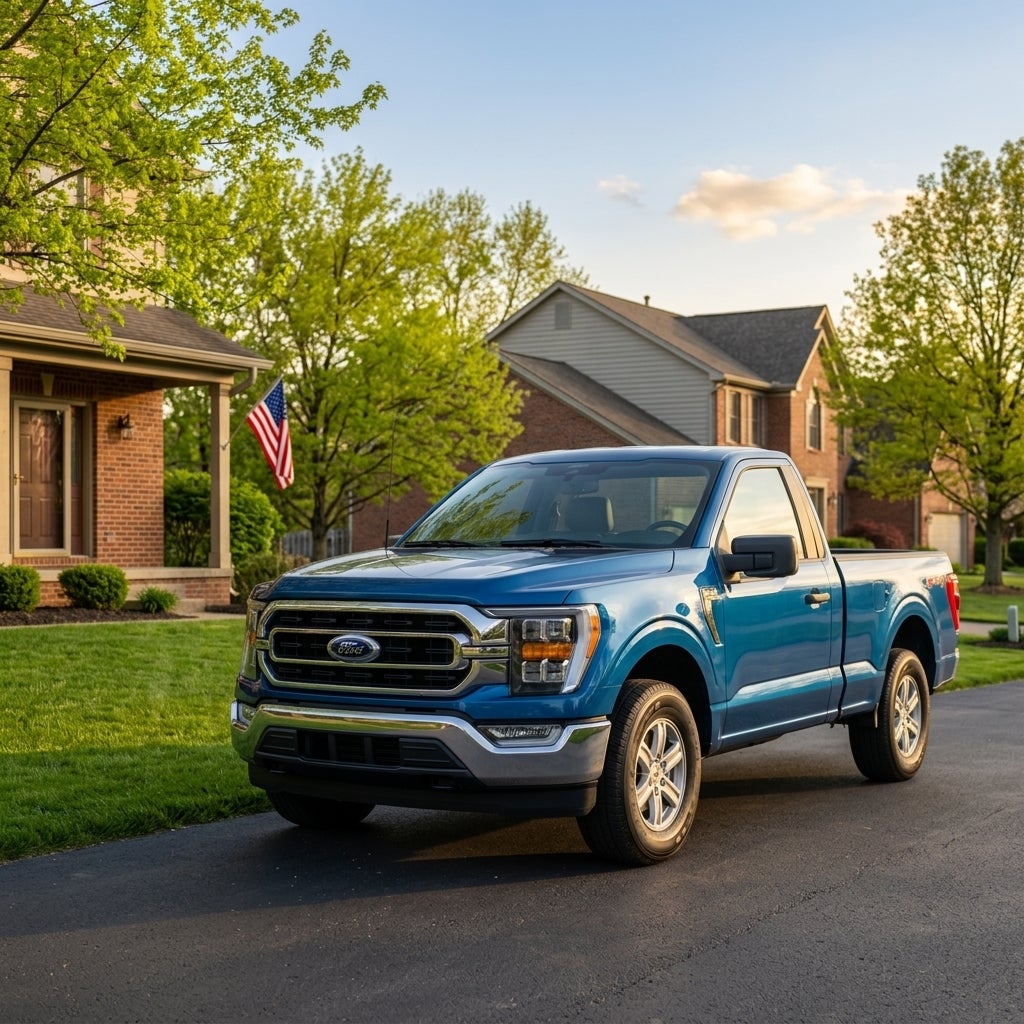
​Cinematic automotive photography of a brand-new metallic blue Ford F-150 parked in the driveway of a beautiful suburban home in the Ohio River Valley, low-angle three-quarter view highlighting the truck’s bold grille and polished chrome accents, late afternoon golden hour sunlight creating warm glow

Managing Repair Costs for Slipping and Gear Lag Symptoms

I know that transmission repairs can be a significant concern for any family's budget. The cost to address slipping or gear lag varies wildly depending on the root cause. A simple transmission fluid flush or a solenoid replacement might cost a few hundred dollars, whereas a complete 10R80 rebuild—including a new torque converter and valve body—can reach several thousand dollars. Catching the problem while it is still a "soft" symptom like a slight delay is the key to keeping those costs on the lower end of the spectrum.

For our commercial customers in East Liverpool who operate a fleet of Transit vans, we understand that downtime is just as expensive as the repair itself. We invite you to look through our Transit work van inventory if your current high-mileage vehicle is starting to show signs of internal wear. Sometimes, the most cost-effective path is trading in a vehicle before a major failure occurs. You can get a KBB Instant Cash Offer online to see exactly what your current vehicle is worth toward a newer, more reliable model.

Don't forget that other maintenance items can also impact how your vehicle feels on the road. For example, worn tires can sometimes mimic transmission vibrations. Our team can help you find the right tires for your Ford to ensure your ride is as smooth as possible. By staying on top of these smaller maintenance tasks, you protect the more expensive components like your transmission from unnecessary stress and vibration.

Ford is very proactive about addressing widespread issues through safety recalls and Customer Satisfaction Programs (CSPs). For instance, Recall 24V407 was issued for certain 2014 F-150 trucks to address an issue where the 6-speed transmission could suddenly downshift into first gear due to a faulty output speed sensor. More recently, Recall 25S19 affected some 2024–2025 F-150 models regarding a main control valve body that could cause unexpected vehicle movement.

If your vehicle is covered by a recall, the repair is performed at no cost to you. I always recommend that drivers check their 17-digit VIN on the official Ford website or give us a call so we can check our database for you. Beyond recalls, we also watch for Technical Service Bulletins (TSBs) that provide our technicians with the most recent "best practices" for fixing common complaints. We often have manufacturer monthly service specials that can help cover the cost of diagnostic inspections or related maintenance.

While we are checking your transmission, we can also perform a comprehensive multi-point inspection. This includes checking your powertrain 5 years / 60,000 miles warranty status and providing essential battery service to ensure your electronic control modules are receiving consistent voltage. If you are considering moving into a newer vehicle with full warranty coverage, we have a great selection of new work trucks that have been thoroughly inspected by our certified team.

Preventive Maintenance Strategies for Long-Term Transmission Health

The single best way to avoid the CDF drum issues and torque converter shudder I've described is to stick to a strict transmission fluid service schedule. Although some manuals suggest very long intervals, our local environment—with its steep hills and heavy winter road salt—is much harder on a vehicle. I personally recommend checking your fluid condition every 30,000 miles, especially if you use your F-150 or Explorer for towing or frequent short trips around Calcutta.

Keeping your transmission cool and your fluid clean will extend the life of your clutch packs and seals significantly. If you ever smell something burning or notice a red puddle on your driveway, don't wait. Give our team a quick call or get directions to our shop so we can take a look. We are committed to helping you get the most out of your Ford, whether that is through expert repair or helping you find manufacturer vehicle specials on a brand-new model.

Your 2026 Ford F-150 or Escape is a complex machine, but with the right care, it is built to last. From providing the latest specials to performing precision internal repairs, our service team is here to support you. We live and work in this community just like you do, and we take pride in keeping our neighbors' vehicles running smoothly. Stop by and see us anytime you have a question about your transmission's performance.

© 2026 Tri State Ford. All rights reserved.

Posted in:

Recommended Posts

f

Which Used Vehicle Under $10,000 Is Best to Buy Near East Liverpool?

Which Used Vehicle Under $10,000 Is Best to Buy Near East Liverpool? For value-focused shoppers, a third-generation Ford Escape stands out as the best overall purchase near East Liverpool because it combines roughly 8 inches of ground clearance, available all-wheel drive, and cargo capacity expanding up to 68 cubic feet without the mechanical complexity of high-mileage continuously variable transmissions. While a compact all-wheel-drive car like the Subaru Impreza delivers great road-holding, the Escape provides the elevated stance, cabin versatility, and durable traditional automatic transmission required for steep river valley hills and harsh winter road conditions. value-focused shoppers evaluating vehicles budget-friendly face distinct tradeoffs across popular crossovers and sport utility vehicles: Ford Escape (2013 to 2016): Balances nimble handling, roughly 8 inches of ground clearance, and an available 1.6L turbocharged four-cylinder or 2.0L EcoBoost engine paired with a durable 6-speed automatic transmission, achieving up to 23 mpg city / 32 mpg highway. Subaru Impreza (2012 to 2016): Provides standard Symmetrical All-Wheel Drive and strong efficiency near 27 mpg city / 36 mpg highway, but sits lower with roughly 5 to 6 inches of clearance and requires careful verification of continuously variable transmission fluid history. Nissan Rogue (2014 to 2017): Delivers a spacious cabin and 25 mpg city / 32 mpg highway from a 2.5L four-cylinder engine, though its belt-driven continuously variable transmission demands rigorous pre-purchase health checks at higher mileage. Jeep Cherokee (2014 to 2017): Offers rugged styling and an available 3.2L Pentastar V6 with authentic multi-mode four-wheel drive, offset by a heavier curb weight and lower city fuel economy near 19 mpg city. Ford Explorer (2011 to 2014): Supplies authentic three-row seating, up to 5,000 lbs towing capacity, and a robust 3.5L V6 engine, making it the premier choice for larger crews requiring heavy towing capability. At Tri State Ford, our team focuses on transparent vehicle evaluations to help you select the exact vehicle configuration that matches your budget and driving routine. If you are coming from a neighboring community, finding our showroom on Pennsylvania Avenue is straightforward, and our team grounds every purchase decision in clear mechanical facts. You can also give our staff a call at (330) 462-7578 to discuss incoming trade-ins and budget-friendly inventory options. Table of Contents How Does Ground Clearance Compare Between the Subaru Impreza and Ford Escape? How Reliable Are Older Ford Explorer, Nissan Rogue, and Subaru Impreza Models Past 100,000 Miles? What Pre-Purchase Checks, Sales Taxes, and Fees Should Budget Buyers Expect? Where Can You Find Pre-Owned SUVs budget-friendly and Financing? What Should You Know Before Buying a Used Vehicle budget-friendly? Test-Drive Reliable Budget-Friendly Vehicles at Tri State Ford How Does Ground Clearance Compare Between the Subaru Impreza and Ford Escape? A standard Subaru Impreza provides between 5 and 6 inches of ground clearance, whereas a third-generation Ford Escape sits significantly higher at roughly 8 inches. That difference of more than 2 inches represents the operational boundary between gliding over frozen snow ridges and plowing into them with your front bumper and underbody shields. Drivers navigating the rolling hills and elevated roads around Calcutta encounter steep driveways and winter ruts where ground clearance makes a noticeable difference. While the Impreza utilizes standard all-wheel drive to maintain tire traction, its low sedan or hatchback ride height leaves critical chassis components vulnerable to packed slush, frozen snowdrifts, and jagged gravel shoulders. A third-generation Ford Escape rides on a tall MacPherson strut front suspension and multi-link rear suspension, elevating the engine oil pan, exhaust system, and rocker panels well above roadway obstacles. Interior utility reinforces the clearance advantage of the Ford Escape. Behind the second row, the Escape provides about 34 cubic feet of dedicated cargo space, expanding to nearly 68 cubic feet when folding the split rear bench. A comparable Subaru Impreza hatchback offers roughly 22 cubic feet behind the second row and about 52 cubic feet with seats folded, limiting your capacity for hauling outdoor gear, tools, or bulk grocery supplies. Before deciding on a budget vehicle, shoppers often leverage our online trade appraisal tool to establish current equity in their existing car. Upgrading from a low-slung compact car to a higher-riding compact crossover gives drivers greater command of the road and superior obstacle clearance when winter weather strikes. How Reliable Are Older Ford Explorer, Nissan Rogue, and Subaru Impreza Models Past 100,000 Miles? A well-maintained Ford Explorer, Subaru Impreza, or Nissan Rogue can readily surpass 150,000 to 200,000 miles, but each model exhibits distinct mechanical wear points that buyers must evaluate past the 100,000-mile mark. Powertrain design and transmission architecture dictate long-term maintenance costs and durability on high-mileage vehicles priced budget-friendly. Early fifth-generation Ford Explorer models (2011 to 2014) commonly enter the sub-$10,000 market showing between 120,000 and 175,000 miles. Equipped with Ford’s naturally aspirated 3.5L Duratec V6 and a 6-speed automatic, this drivetrain avoids turbocharger wear while delivering dependable power. The primary mechanical checkpoint on the 3.5L engine involves the internal water pump; buyers should verify that coolant inspections and timing chain checks were performed regularly. With proper upkeep, these three-row utility vehicles easily maintain structural and mechanical integrity past 200,000 miles. Used Subaru Impreza models from the 2012 to 2016 model years feature the 2.0L FB20 boxer engine. While earlier generations struggled with head gasket deterioration, the FB-series utilizes improved multi-layer steel gaskets and a timing chain rather than a timing belt. Key longevity concerns past 100,000 miles center on oil consumption, front control arm bushings, and the Lineartronic continuously variable transmission. Scheduling routine fluid exchanges ensures the transmission valve body operates without shuddering under load. Second-generation Nissan Rogue models (2014 to 2017) feature a dependable 2.5L QR25DE four-cylinder engine producing 170 hp, but their Xtronic continuously variable transmission represents a documented failure risk at high mileage. Without strict 30,000-mile fluid service intervals, internal belt slip and cooling degradation can lead to acceleration lag and transmission overheating. Conversely, a Ford Escape equipped with a conventional planetary-gear automatic provides higher tolerance for towing and temperature variations over extended lifespans. What Pre-Purchase Checks, Sales Taxes, and Fees Should Budget Buyers Expect? Purchasing an under-$10,000 vehicle in eastern Ohio requires a thorough structural inspection for winter road-salt corrosion alongside precise accounting for state and county conveyance fees. In Columbiana County, a vehicle purchase incurs a combined state and local sales tax rate of 7.25%, which equals $725 on a $10,000 transaction, accompanied by a $15 title fee and standard passenger registration fees ranging between $31 and $45. Because highway maintenance crews use heavy road salt throughout prolonged freezing periods, inspecting the structural underside of any pre-owned vehicle is essential. When shoppers evaluate budget vehicles on our lot, our sales team regularly checks key underbody areas, including rocker panels, subframes, and brake lines for road-salt exposure before any test drive begins. Surface oxidation on heavy cast-iron components is standard, but structural flaking on suspension mounting points or unibody seams indicates excessive environmental fatigue. Key mechanical items to check prior to finalizing a purchase include: Frame rails and subframes: Inspect front and rear cradle assemblies for perforation or deep rust scaling. Brake and fuel lines: Verify that steel lines along the inner floor pan remain free of heavy corrosion pitting. Fluid conditions: Check automatic transmission fluid for discoloration or burnt aroma, and ensure engine coolant exhibits clean clarity without oil residue. Tire wear patterns: Uneven tread feathering frequently signals worn ball joints, tired tie-rod ends, or degraded strut mounts. Vehicle history documentation: Confirm clean title branding, odometer consistency, and past maintenance regularity. Factoring in purchase taxes and title fees prevents unexpected budgeting hurdles at signing. When buyers consider whether an older vehicle or a newer model fits their financial parameters, exploring our current new Ford inventory provides a clear baseline for modern safety equipment, factory warranty coverage, and current financing information. You can also get a jump start on your monthly planning by submitting an online credit application through our finance center. Where Can You Find Pre-Owned SUVs budget-friendly and Financing? Sub-$10,000 sport utility vehicles and sedans are located across local regional trade networks, reputable franchised dealerships, and select independent lots along regional state routes. Franchised dealerships provide clear advantages for budget shoppers by conducting professional safety check-ins, resolving open safety recalls, and offering structured lending partnerships that independent roadside lots cannot match. Securing financing on vehicles priced below $10,000 often presents challenges at conventional banks due to mileage limits and vehicle age caps. At Tri State Ford, our finance department works with regional lenders, credit unions, and national automotive financial institutions to arrange sensible payment terms tailored to your credit profile. Establishing manageable monthly terms with predictable fixed interest rates helps rebuild credit while keeping dependable transportation within reach. Shoppers seeking enhanced ownership reassurance beyond older budget models frequently review our Carfax single-owner pre-owned selection to locate vehicles featuring documented service records and lower overall mileage. Furthermore, exploring our certified pre-owned inventory opens access to factory-inspected vehicles backed by comprehensive limited warranty coverage and 24/7 roadside assistance. What Should You Know Before Buying a Used Vehicle budget-friendly? Q: What is the main mechanical advantage of a Ford Escape over a Nissan Rogue budget-friendly? The primary mechanical advantage is the transmission design. The Ford Escape utilizes a traditional 6-speed planetary automatic transmission with hydraulic torque converter, whereas the Nissan Rogue uses a belt-driven continuously variable transmission. In vehicles with over 100,000 miles, conventional geared automatics generally demonstrate higher durability under heavy acceleration, heat, and light towing demands. Q: Can a used Ford Explorer priced budget-friendly safely tow a family camper? A 2011 to 2014 Ford Explorer equipped with the factory Class III tow package and 3.5L V6 engine delivers a maximum towing rating of 5,000 lbs. That provides ample strength for lightweight travel trailers, pop-up campers, or utility trailers, provided you verify the hitch rating and transmission cooler condition prior to departure. Q: How do winter road conditions impact high-mileage Subaru all-wheel-drive systems? Subaru’s all-wheel-drive hardware is exceptionally durable in snow, but tire circumference differences can cause premature center differential strain. When purchasing an older Impreza, ensure all four tires match in brand, model, and tread depth within 2/32 of an inch to prevent excessive thermal stress on the all-wheel-drive transfer clutch pack. Q: Does buying a budget vehicle make more financial sense than financing a newer crossover? Purchasing an under-$10,000 vehicle lowers upfront investment and eliminates new-car depreciation. However, newer vehicles provide modern active safety features, significantly lower fuel consumption, and full factory warranty coverage. Shoppers frequently evaluate our current inventory and offers to compare the true monthly cost of an older car against a newer model with zero repair expenses. Q: What should you bring to the dealership when financing an older pre-owned vehicle? To ensure prompt loan approval on an older used vehicle, bring your current driver's license, recent pay stubs verifying employment, proof of residence such as a utility bill, and your current vehicle insurance card. Having these documents organized allows our finance team to submit your file to preferred lenders without administrative delays. For buyers exploring future vehicle purchases, our custom factory order tool also allows you to configure newer models directly from the assembly line. Test-Drive Reliable Budget-Friendly Vehicles at Tri State Ford Selecting the right vehicle budget-friendly comes down to verified mechanical condition, realistic ground clearance, and long-term drivetrain durability. Whether you require the snow-clearing height of a Ford Escape, the passenger volume of a Ford Explorer, or the nimble traction of an all-wheel-drive sedan, finding the proper balance ensures confident travel across all seasons. Our knowledgeable sales professionals at Tri State Ford take the guesswork out of pre-owned vehicle shopping by providing honest condition assessments and flexible financing avenues. To plan an in-person visit and see our latest pre-owned arrivals, enter our dealership address at 1503 Pennsylvania Ave in your navigation app. You can also reach our staff directly at (330) 462-7578 or schedule a test drive online today to get behind the wheel of a dependable vehicle that fits your household budget. Keep Your Vehicle Running Strong Keep your vehicle performing at its best with our service team: Order Parts Schedule Service Appt © 2026 Tri State Ford. All rights reserved. Vehicle specification data © JATO Dynamics Limited. Used SUVs Under $10K East Liverpool OH | Tri State Ford

d

How Do You Prepare Your Car for a Winter Road Trip?

How Do You Prepare Your Car for a Winter Road Trip? Preparing your car for a long winter road trip requires testing your battery under load, verifying that tire tread depth is at least 4/32 of an inch, adjusting cold tire pressure to match the door jamb placard, and checking that engine coolant provides freeze protection down to sub-zero temperatures. You must also replace worn wiper blades with winter-grade units, fill the reservoir with de-icing washer fluid rated to -20 degrees Fahrenheit or lower, confirm that all exterior lights and defrosters operate properly, and pack a winter emergency traction kit. Taking care of these mechanical systems before departure prevents cold-weather stalling, loss of steering control, and reduced visibility during severe winter storms. Long highway stretches and regional elevation changes put extra strain on mechanical components. Cold air contracts the air inside tires, thickens drivetrain lubricants, and weakens the chemical output of starting batteries. When temperatures drop below freezing, small maintenance oversights that go unnoticed during mild autumn commutes quickly become roadside emergencies. Salt-belt travel adds corrosive road grime that cakes onto windshields and undercarriage hardware, making visibility and braking components work harder than usual. Navigating the steep riverfront bluffs of East Liverpool during an icy cold snap demonstrates how quickly road grip changes when sleet coats pavement. Vehicles equipped with active safety systems, such as Ford Co-Pilot360 with Pre-Collision Assist, rely on clean sensors and reliable tire contact patches to assist drivers on slick roadways. Ensuring that cameras and radar sensors remain clear of road slush is just as vital as checking mechanical hardware. Our factory-trained technicians at Tri State Ford inspect every vital system to keep your vehicle running smoothly through the harshest conditions. If you want a complete multi-point inspection before traveling, you can find our service center by getting turn-by-turn directions to our facility, or you can give our dedicated advisors a quick call at (330) 462-7578 to ask about our pre-trip diagnostic checks. Table of Contents How Do You Test Antifreeze Concentration and Freeze Point for Sub-Zero Travel? What Are the Tread Depth, Cold Inflation, and 3PMSF Standards for Winter Tires? Which Cold-Weather Fluids, Wipers, and Battery Tests Prevent Winter Breakdowns? What Emergency Supplies and Packing Checks Keep Family Travel Safe? Winter Travel Preparation FAQs: Inspection Timing and Severe Weather Gear Schedule Your Pre-Trip Winter Inspection at Tri State Ford How Do You Test Antifreeze Concentration and Freeze Point for Sub-Zero Travel? You test antifreeze concentration and freeze point at home by drawing a sample of cool engine coolant into an optical refractometer or a calibrated hydrometer from the translucent expansion tank. A standard 50/50 ratio of ethylene glycol to distilled water protects an engine against freezing down to -34 degrees Fahrenheit, whereas a heavy-duty 60/40 mixture extends freeze protection down to -62 degrees Fahrenheit for severe sub-zero travel. Never remove the radiator cap or expansion tank pressure relief cap on an engine that is hot or running. Pressurized boiling coolant causes severe steam burns. Wait until the engine block has cooled completely to room temperature before loosening the cap. Using a clean hydrometer, squeeze the rubber bulb, insert the pick-up tube into the coolant overflow tank, and draw enough fluid to suspend the internal float or indicator needles. The float level indicates the freezing point on an easy-to-read scale. Alternatively, an optical refractometer requires placing just two drops of coolant onto the testing prism, closing the cover plate, and looking through the eyepiece toward a light source to read the sharp shadow line indicating the freeze point and glycol percentage. A basic visual check is not enough because worn antifreeze can retain its bright yellow, orange, or green color while losing its thermal resilience and corrosion inhibitors. Weak coolant allows ice crystals to form inside the narrow radiator cores and heater matrix. When slush forms inside the cooling circuit, the engine overheats rapidly because frozen fluid blocks the water pump from circulating liquid through the block. If prolonged exposure drops temperatures below the liquid's freeze threshold, expanding ice can split aluminum radiator tanks, blow out expansion plugs, or crack engine block castings. Maintaining an exact mixture protects water pump seals and aluminum cylinder heads from internal pitting. If testing reveals that your coolant freeze threshold is above -20 degrees Fahrenheit, the cooling system needs an immediate drain and refill with fresh antifreeze meeting Ford engineering specifications. If you are preparing for seasonal maintenance and need factory-approved fluids, you can order genuine Motorcraft antifreeze and cooling components directly from our parts counter. If you are evaluating a replacement sport utility vehicle with advanced all-weather capabilities for family journeys, you can also schedule a test drive in an all-wheel-drive model to experience its stability firsthand. What Are the Tread Depth, Cold Inflation, and 3PMSF Standards for Winter Tires? Winter driving requires a minimum tire tread depth of 4/32 of an inch to maintain basic bite on packed snow, though 5/32 to 6/32 of an inch is recommended to channel away slush and reduce highway hydroplaning. Tires must always be set to the exact cold inflation pressure printed on the driver door jamb placard, compensating for the standard drop of 1 to 2 PSI for every 10-degree Fahrenheit drop in ambient outside temperature. Checking remaining tread depth at home is simple using standard pocket change: Place a quarter head-first into the center tread grooves; if the top of George Washington's head is covered, your tires possess at least 4/32 of an inch of tread. Place a penny head-first into the tread grooves; if the top of Abraham Lincoln's head is visible, your tires are below the legal minimum of 2/32 of an inch and must be replaced immediately. Inspect outer and inner shoulders for uneven wear, cupping, cuts, or sidewall impact bulges that could trigger high-speed blowouts in freezing conditions. Tires stamped with the Three-Peak Mountain Snowflake ( 3PMSF) symbol have passed standardized testing measuring acceleration on medium-packed snow. While standard tires bearing only the Mud and Snow ( M+S) badge simply have specific tread pattern void ratios, tires with the 3PMSF rating incorporate cold-weather rubber polymers that remain flexible below 45 degrees Fahrenheit. This flexibility ensures the sipes continue opening and closing over ice. However, all-weather 3PMSF tires do not match dedicated winter tires when stopping or cornering on sheet ice. Our service team frequently hears travelers ask whether factory tires provide adequate grip on icy highways or if a trip across northern passes demands dedicated winter rubber. We examine tread depth across all four wheels and check the date codes to ensure rubber compounds have not hardened with age. If your tires show severe wear, you can use our online tire finder tool to select brand-specific winter or all-weather options, or you can book a service appointment to have our technicians perform high-speed balancing and a four-wheel alignment before you leave. Which Cold-Weather Fluids, Wipers, and Battery Tests Prevent Winter Breakdowns? Preventing winter breakdowns requires filling the washer reservoir with de-icing fluid rated to at least -20 degrees Fahrenheit, replacing cracked wiper blades with beam-style winter blades, and performing an electronic battery conductance test. Sub-freezing temperatures weaken an automotive battery by up to 50 percent while demanding nearly double the electrical current to crank an engine against cold, viscous motor oil. Summer bug-wash formulas contain minimal alcohol and freeze solid at 32 degrees Fahrenheit, which can crack the plastic washer fluid reservoir, burst under-hood fluid lines, and burn out the small electric washer pump motor. Winter-rated fluids blend methanol and specialized detergents that dissolve road salt crust without refreezing on cold glass. Upgrading to beam-style winter wiper blades eliminates exposed metal joints that pack with wet snow, allowing the silicone or rubber blade to maintain even pressure across the windshield. Automotive batteries lose chemical efficiency as temperatures plunge. A battery that starts an engine without hesitation in warm weather can fail completely after parking overnight in sub-zero air. A proper diagnostic test measures cold cranking amps under an applied electrical load, confirming whether the internal lead plates can deliver starting voltage without a steep internal voltage drop. Technicians also clean the lead terminals, inspect the heavy ground cables, and ensure the alternator delivers a steady 13.8 to 14.5 volts to replenish the battery during short daytime driving cycles. Vehicles such as the Ford Explorer and Ford Escape feature automated defroster sequences and heated mirrors that place significant electrical loads on the charging system during winter commutes. Reviewing our comprehensive battery maintenance and diagnostic guidance helps you spot warning signs like slow engine turnover, dimming interior lights, or corrosion around battery hold-down clamps before you head onto remote highways. What Emergency Supplies and Packing Checks Keep Family Travel Safe? A winter roadside emergency kit must contain heavy-duty jumper cables, a compact folding snow shovel, an ice scraper with a brass or composite edge, a bright LED flashlight with spare lithium batteries, and traction material like non-clumping clay kitty litter. In addition, pack heavy wool blankets, a compact first-aid kit, high-calorie non-perishable snacks, a portable USB power bank for phones, and drinking water stored in an insulated cooler so it resists freezing. Drivers traveling through suburban Calcutta along State Route 170 know that open fields can create sudden wind gusts and blowing snowdrifts that cut visibility and strand vehicles unexpectedly. Preparing an emergency kit ensures that you and your passengers stay warm and safe if forced to wait for roadside assistance during a heavy snowfall. When packing your vehicle, keep heavy gear placed low and centered over the rear axle to maintain predictable handling and steady brake balance. Avoid stacking heavy luggage higher than the rear seatbacks, where loose items could turn into dangerous projectiles during sudden highway braking maneuvers. A 2026 Ford Explorer provides about 16 cubic feet of dedicated luggage room behind the third row and up to 5,000 lbs of towing capacity when equipped with Intelligent 4WD, while a 2026 Ford Escape delivers about 38 cubic feet of rear cargo space, offering a spacious cargo area for all your family gear without crowding passenger seating. Packing your vehicle thoughtfully keeps emergency tools, warm jackets, and road flares easily accessible without unloading luggage on an icy shoulder. Winter Travel Preparation FAQs: Inspection Timing and Severe Weather Gear Q: How far in advance of a winter road trip should an inspection be scheduled? You should schedule a pre-trip inspection one to two weeks before departure. This time window provides ample room for certified technicians to diagnose potential mechanical issues, source any specialized replacement parts, and perform essential maintenance like brake pad replacement, cooling system flushes, or wheel alignments without disrupting your planned departure date. Q: What is the risk of lowering tire pressure to gain traction in winter conditions? Lowering tire pressure on modern radial tires reduces overall winter traction on public roads by causing the center of the tread to cup inward. This inward cupping lifts critical biting edges away from the pavement and prevents sipes from clearing slush, while simultaneously increasing the risk of rim damage and tire overheating at highway speeds. Q: Can summer windshield washer fluid damage wiper systems in freezing weather? Summer washer fluid contains water-based detergents that freeze solid inside the washer tank, lines, and spray nozzles when temperatures drop below freezing. This expansion can crack the reservoir, pop fluid line junctions apart behind the cowl, and burn out the electric washer pump motor if the driver repeatedly attempts to spray frozen jets. Q: What should you do if your vehicle breaks down in severe winter weather? If your vehicle stalls or leaves the roadway in freezing weather, stay inside the cabin to retain body warmth and avoid exposure to passing traffic. Keep the exhaust pipe clear of snowdrifts to avoid carbon monoxide buildup if running the engine intermittently for heat, activate your hazard flashers, and call Ford Roadside Assistance: 1-800-241-3673 for authorized emergency recovery. Q: Why does engine oil viscosity matter when traveling to sub-zero climates? Engine oil thickens in severe cold, which slows fluid circulation through the valve train and increases mechanical resistance against the starter motor during cold starts. Using the manufacturer-recommended winter viscosity grade, such as full synthetic 5W-20 or 5W-30, ensures immediate oil pressurization and protects critical internal engine components from metal-to-metal wear during frigid starts. Schedule Your Pre-Trip Winter Inspection at Tri State Ford A thorough mechanical inspection ensures your vehicle stays dependable, comfortable, and safe through freezing weather and long road trips. From verifying battery health and antifreeze freeze points to checking tire tread depth and brake rotor wear, taking care of these vital components ahead of time provides peace of mind on every snowy mile. Our certified Ford technicians understand the unique demands of cold-weather driving and use only genuine Motorcraft parts engineered for your vehicle. We help you prepare your car for any winter adventure, providing dependable performance for your family journeys. Get ready for your next getaway by checking driving directions to our service center at 1503 Pennsylvania Ave, or connect with our team directly by placing a call to our service advisors at (330) 462-7578 to book your pre-trip service appointment today. © 2026 Tri State Ford. All rights reserved. Vehicle specification data © JATO Dynamics Limited. Winter Car Prep in East Liverpool, OH | Tri State Ford

f

Can You Buy a Car Entirely From Home?

Can You Buy a Car Entirely From Home? You can purchase a vehicle entirely from home by selecting an inventory model, finalizing your trade-in appraisal, securing loan approval, and completing your sales contract through digital dealership tools. Digital automotive platforms allow buyers to complete every step of the transaction remotely without showroom visits, concluding with doorstep vehicle delivery or scheduled curbside pickup. Digital vehicle shopping has evolved from browsing photo listings into a complete remote transaction channel. Modern automotive retail platforms connect inventory databases, appraisal estimators, and digital finance portals directly to your home computer or mobile device. Buyers can research models, calculate real payment scenarios, verify vehicle history, and submit credit details securely. Completing the transaction remotely requires clear communication with the dealership staff. Once you locate a vehicle, sales consultants can provide detailed documentation, window stickers, and purchase agreements via email or secure customer portals. State titling and registration paperwork can either be completed via encrypted electronic signature systems or delivered alongside the vehicle for signature upon drop-off. If you prefer to finalize your purchase remotely but want the option to visit in person, our staff is readily accessible. Drivers can plan a trip using our dealership location on Pennsylvania Avenue or reach our sales advisors with (330) 462-7578 to guide every stage of the remote buying path. Table of Contents Online Retailers vs Traditional Dealership Websites: Pricing, Trade-Ins, and Return Policies How Do Virtual Vehicle Walkarounds and Digital Inspection Tools Work? How Do You Negotiate an Out-the-Door Price When Shopping for a Vehicle Online? Can You Secure Independent Auto Financing and Complete Paperwork Remotely? Key Questions Buyers Ask About Online Car Shopping Start Your Online Purchase Journey With Tri State Ford Online Retailers vs Traditional Dealership Websites: Pricing, Trade-Ins, and Return Policies Online-only catalog retailers utilize fixed, non-negotiable pricing algorithms and short return windows, whereas franchised dealership websites offer flexible negotiations, verified manufacturer incentives, and direct trade-in appraisals backed by physical facilities. Buying through a local dealer combines digital convenience with real vehicle accountability and local warranty support. National online platforms often advertise fixed pricing as a convenience, yet this model eliminates the opportunity to negotiate discounts or adjust trade-in numbers. When working through an authorized dealer portal, shoppers can communicate directly with sales teams to review current factory rebates, promotional interest rates, and tailored trade-in values. For families living in Calcutta who frequently commute along State Route 170, working with an established local dealership provides a reliable point of contact for long-term ownership needs rather than a remote call center located states away. Trade-in procedures also show major differences between platforms: Automated Algorithm Quotes: Online-only retailers rely on automated sight-unseen estimates that can be downgraded upon final collection if minor discrepancies are discovered. Accurate Dealership Appraisals: Local dealers allow you to value your trade-in online using verified market data, with actual appraisers available to account for maintenance history, installed accessories, and high-demand options. Return Guarantees vs Pre-Delivery Inspections: While digital platforms emphasize limited seven-day return periods to compensate for the inability to inspect the car before delivery, franchised dealerships provide verified inspection reports and certified guarantees before funds transfer. Shoppers looking for pre-owned quality can inspect verified history by reviewing our Carfax single-owner pre-owned inventory, which provides comprehensive service records and title verification. Choosing a reliable local Ford dealership ensures that your vehicle is backed by factory-trained technicians and established regional customer support. How Do Virtual Vehicle Walkarounds and Digital Inspection Tools Work? Virtual vehicle walkarounds utilize high-definition video calls and interactive digital imaging to provide prospective buyers with a live, bumper-to-bumper examination of a vehicle's mechanical and cosmetic condition. Dealership specialists use handheld mobile devices to highlight exterior body panels, paint condition, tire tread depth, undercarriage surfaces, and interior cabin features in real time. During a scheduled virtual demonstration, you direct the presentation from your living room. You can ask the sales representative to start the engine, cycle through infotainment menus, demonstrate seat folding sequences, or measure cargo volume. High-resolution digital inspection tools complement this process by providing close-up photo galleries of wheel rims, engine bays, glass surfaces, and interior seating wear, leaving no hidden flaws prior to purchase. Virtual inspections allow you to evaluate specific functional packages tailored to your lifestyle: Family Comfort and Space: Explore how the 2026 Ford Explorer accommodates passengers with seating for six, about 16 cubic feet of cargo room behind the third row, and a 5,000-pound towing capacity powered by its 2.3L engine and SelectShift® automatic transmission. Everyday Commuting Efficiency: Inspect the 2026 Ford Escape, which delivers an EPA-rated 26 city / 32 hwy mpg with its 1.5L engine and 8-speed automatic, offering about 38 cubic feet of cargo space behind the second row. Commercial and Fleet Configurations: Commercial buyers can inspect heavy-duty frames and commercial upfits through our dedicated F-Series work truck inventory online. Buyers seeking personalized vehicle configurations can also utilize our custom factory build and pricing tool to order a vehicle built to exact factory specifications. If you prefer verified late-model used vehicles, our team can guide you through our certified pre-owned Ford inventory, showing point-by-point digital inspections that meet strict factory certification standards. How Do You Negotiate an Out-the-Door Price When Shopping for a Vehicle Online? Negotiating an out-the-door price online requires requesting a complete, itemized purchase agreement that details the base vehicle price, applicable manufacturer rebates, dealership documentation fees, sales taxes, and state registration charges before committing to terms. Securing this full breakdown in writing via email or chat prevents unexpected add-ons from appearing at delivery. The out-the-door figure represents the absolute total amount required to take ownership of the vehicle. When shopping online, always focus negotiations on this bottom-line total rather than discussing target monthly payments. Monthly payment targets allow finance departments to adjust loan durations or interest terms to hide higher vehicle costs. Dealership advisors observe that remote shoppers who request an itemized worksheet upfront experience a smoother closing process, as every line item can be reviewed without time pressure. Online purchasing often proves more cost-effective than in-person shopping because it allows you to compare written itemized estimates side by side. When negotiating remotely: Request the Full Invoice Breakdown: Ask your sales representative to provide a formal quote showing the MSRP, dealer discount, factory rebates, document fees, and exact local taxes. Review Dealer Add-Ons: Identify whether optional charges such as exterior paint protection, interior fabric sealant, or window tinting have been added, and negotiate their inclusion or removal. Validate Regional Incentives: Verify that all eligible retail customer cash, trade-in assistance, or military and first-responder discounts are applied directly to the principal cost. Compare Across Equivalent Configurations: Use written quotes from other dealers to request a price match on an identical trim and powertrain. Drivers navigating the steep river bluffs and varied elevations of East Liverpool require vehicles with reliable all-weather capability and durable construction. Reviewing our online new Ford vehicle inventory allows you to evaluate models equipped with intelligent all-wheel drive, smart safety suites, and dependable powertrains, ensuring you secure competitive pricing on vehicles engineered to manage regional driving demands. Can You Secure Independent Auto Financing and Complete Paperwork Remotely? You can secure independent auto financing when buying online by obtaining a loan pre-approval letter from your bank or credit union and submitting the funding instructions directly to the dealership's business office. Dealership finance departments regularly collaborate with independent financial institutions to process loan disbursements alongside digital purchase contracts. Securing financing pre-approval establishes a clear budget and provides a competitive baseline for interest rates. Once your lender provides an approval letter with loan limits, terms, and interest figures, our finance managers can compare those numbers with Ford Credit promotional programs. Dealership finance portals often provide access to manufacturer APR incentives that independent lenders cannot offer, giving buyers multiple rate pathways to evaluate side by side. Remote document execution makes vehicle financing straightforward: Encrypted Electronic Signing: Loan contracts, retail installment agreements, and privacy disclosures can be executed through secure digital signature services on your smartphone or home computer. Remote Identity Verification: Buyers submit secure digital images of their driver's license, proof of current auto insurance, and residency documentation to satisfy state compliance standards. Physical Title and State Requirements: While most sales contracts are signed electronically, certain state motor vehicle titling forms may require physical ink signatures upon vehicle delivery. You can streamline your remote financing process by submitting our secure online credit application, allowing our finance team to assemble competitive loan options before you finalize your vehicle delivery. Key Questions Buyers Ask About Online Car Shopping Q: How does vehicle delivery work when purchasing a car online from home? Vehicle delivery occurs after all financing, trade-in documentation, and purchase agreements are finalized digitally. The dealership schedules a delivery window where a transport representative delivers the vehicle directly to your driveway or office. Upon arrival, you inspect the vehicle to verify its cosmetic and mechanical condition, verify the mileage, test the keys, and complete any remaining state-mandated physical registration paperwork before accepting the keys. Q: What documents must I submit to complete a remote vehicle purchase? Completing a digital car purchase requires a valid driver's license, proof of current automotive insurance covering the new vehicle, proof of physical residence such as a utility statement, and financing approval documentation. If trading in an existing car, you must also provide the vehicle title or current loan payoff statement, active registration card, and lien release forms prior to finalizing the transaction. Q: Can I add genuine factory accessories to an online order before home delivery? You can add genuine Ford accessories to an online vehicle order before finalizing your financing agreement. Items such as all-weather floor liners, heavy-duty trailer hitches, cargo management systems, splash guards, and bed covers can be rolled directly into the vehicle's total financing package and installed by certified dealership technicians before the vehicle leaves the lot. Q: How is negative equity handled during a remote online vehicle transaction? Negative equity occurs when your current auto loan balance exceeds the trade-in value of your vehicle. During an online purchase, our finance team calculates this difference and can roll the remaining balance into the new vehicle's financing agreement, subject to lender credit approval and loan-to-value limits, eliminating the need to pay off the balance upfront out of pocket. Q: What happens if a vehicle arrives with undisclosed cosmetic flaws? If a vehicle arrives at your home with damage or discrepancies not disclosed during the virtual walkaround, you note the conditions on the delivery bill of lading before signing acceptance paperwork. The dealership will either arrange to correct the flaws at no expense, provide compensation, or allow you to decline delivery before final title registration takes place. Start Your Online Purchase Journey With Tri State Ford Shopping for a vehicle online from the comfort of home gives you complete control over your purchase schedule, vehicle research, and price negotiations. Our digital retail tools let you compare trims, configure ideal options, discuss current payment options, and complete loan approvals without stepping away from your desk. Every vehicle listed on our platform includes transparent specifications and clear history reports so you can choose your next car with absolute confidence. Whether you are seeking a reliable daily commuter or a capable family hauler, our staff is available to provide live virtual demonstrations and answer every financing question. When you are ready to explore our lineup in person, plan your visit to our showroom at 1503 Pennsylvania Ave in East Liverpool, OH 43920. To start your virtual consultation or schedule a digital walkaround today, call our team directly at (330) 462-7578. Keep Your Vehicle Running Strong Keep your vehicle performing at its best with our service team: Order Parts Schedule Service Appt © 2026 Tri State Ford. All rights reserved. Vehicle specification data © JATO Dynamics Limited. Online Car Buying in East Liverpool OH | Tri State Ford