 Recognizing Common Ford Transmission Problems: Shuddering, Slipping, and Gear Lag
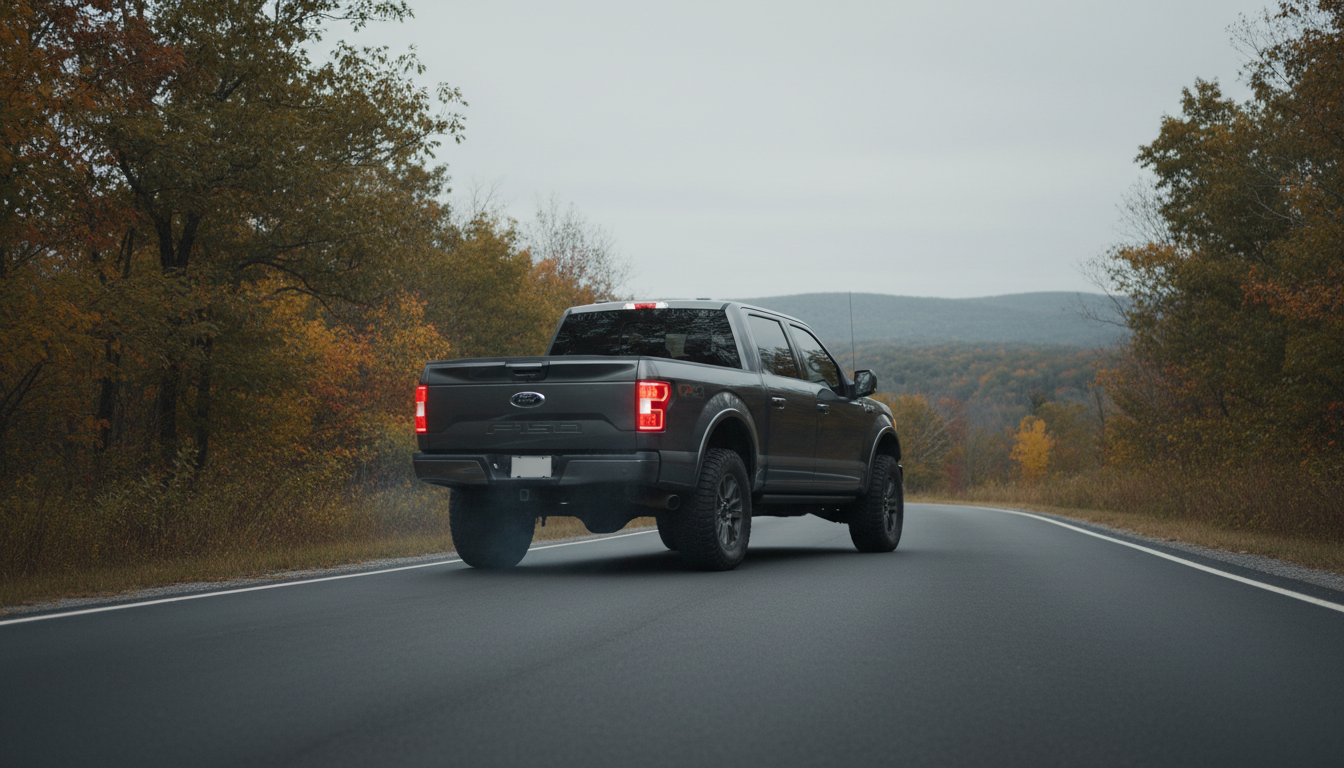
From my experience working at Tri State Ford’s service department, I know that transmission issues can be some of the most concerning problems for Ford owners, especially when it comes to the 10-speed transmissions found in many newer models like the F-150 and Edge. These transmissions are designed for durability and efficiency, but they can experience specific symptoms that signal potential problems requiring prompt attention.
One of the most common issues I see is shuddering during acceleration or while cruising at steady speeds. This usually feels like the vehicle is hesitating or jerking slightly. Shuddering often results from worn clutch packs or contaminated transmission fluid, which reduces the smooth engagement of gears. It’s a sign that your transmission fluid may need to be inspected or possibly replaced, or that the transmission itself is starting to wear internally. For drivers in places like East Liverpool or Calcutta, where seasonal temperature changes can affect fluid performance, keeping an eye on this symptom is crucial.
Another typical sign is slipping gears, where the transmission unexpectedly changes gears or revs rise without a corresponding acceleration. You might notice this as the engine suddenly seems to race or the vehicle feels like it’s losing power briefly. Slipping is often related to low or degraded transmission fluid, worn bands, or faulty solenoids. I’ve helped several customers from nearby Poland and Boardman who came in because their trucks were slipping out of gear on hills or during towing, which is both frustrating and potentially dangerous.
Finally, gear lag or delayed engagement is a symptom where there’s a noticeable pause between pressing the accelerator and the transmission shifting into the appropriate gear. This lag can point to electronic control issues, problems with the transmission range sensor, or low fluid levels. It’s particularly problematic in stop-and-go traffic or when merging on highways around communities like Canfield or Chester, where quick response is essential for safety.
Addressing these problems early with regular transmission inspections and fluid maintenance can prevent costly repairs. When you notice any of these symptoms, don’t hesitate to have your Ford checked by certified technicians. At Tri State Ford, we specialize in Ford transmissions and use genuine parts to ensure your vehicle runs smoothly and safely. If you’re near East Liverpool, feel free to call us at (330) 462-7578 or get directions to Tri State Ford for expert transmission service.
Understanding these common transmission issues helps you keep your Ford dependable and ready for work or family trips. Early detection and proper care go a long way in extending the life of your transmission.
Table of Contents
- Identifying Symptoms of 10-Speed Transmission Failure and When to Act
- Maintenance Tips for Your Ford 10-Speed Transmission: Fluid Changes and Inspections
- Is Repair or Replacement More Cost-Effective for a Failing Ford Transmission?
- How to Use Your VIN to Check for Transmission Recalls and Ensure Safety
Identifying Symptoms of 10-Speed Transmission Failure and When to Act
From my experience working with Ford vehicles, especially around East Liverpool and Calcutta, the Ford 10-speed transmission is generally solid, but it can develop specific issues that owners should watch for. Recognizing these symptoms early is key to avoiding more costly repairs and ensuring your vehicle stays reliable on local roads.
One of the first signs of trouble is shuddering during acceleration or at steady speeds. This feels like the transmission is hesitating or vibrating slightly, often caused by worn clutches or fluid problems inside the transmission. It’s especially noticeable when shifting between gears or driving uphill.
Another common symptom is slipping gears. You might notice the engine revving higher than usual without a corresponding increase in speed, or the vehicle unexpectedly dropping out of gear. This can be triggered by internal wear or electronic control issues. It’s a warning not to ignore, as slipping can lead to complete transmission failure if left untreated.
You may also experience gear lag, where there’s a delay between pressing the accelerator and the transmission engaging the next gear. This lag can make driving feel unresponsive and unsafe, particularly in stop-and-go traffic or when merging on highways near Boardman and nearby towns.
If you spot any of these signs, it’s best to have your transmission checked by certified technicians who understand the Ford 10-speed system. Early diagnosis often means a simple fluid change or minor repairs can keep your transmission running smoothly. Ignoring these symptoms can lead to bigger, more expensive fixes down the line.
While dealing with transmission concerns, remember that regular maintenance is your best defense. Scheduling fluid inspections and service can prevent many issues before they start. For those driving tough jobs around here, a dependable transmission is essential—schedule service promptly when symptoms appear. For more information, you can explore our Truck Inventory to see Ford models built for durability and long-term reliability.
Maintenance Tips for Your Ford 10-Speed Transmission: Fluid Changes and Inspections
Keeping your Ford 10-speed transmission in good shape largely depends on regular maintenance, with fluid changes and inspections playing key roles. Transmission fluid acts as both a lubricant and a hydraulic fluid, essential for smooth gear changes and protecting internal components from wear. Over time, though, this fluid degrades and collects contaminants that reduce its effectiveness. For the 10R80 transmission commonly found in Ford trucks and SUVs, following the manufacturer’s fluid change intervals is critical to avoid premature wear and costly repairs.
Generally, Ford recommends changing the 10R80 transmission fluid around every 60,000 miles, but this can vary based on driving conditions. If you frequently drive in stop-and-go traffic, tow heavy loads, or navigate hilly terrain near Calcutta or East Liverpool, more frequent fluid checks may be needed. Dirty or low transmission fluid can lead to symptoms like gear lag or shuddering, so keeping an eye on fluid quality is a practical step to prevent issues.
Regular inspections by certified technicians at your local Ford service center help catch early signs of transmission wear. These professionals will inspect fluid levels, check for leaks, and use diagnostic tools to monitor transmission performance. Early detection of worn clutches or solenoids can save you from more extensive damage down the road.
Another maintenance tip is to avoid aggressive driving, which puts unnecessary strain on the transmission. Smooth acceleration and deceleration reduce heat buildup and mechanical stress, helping your 10-speed transmission last longer. If you notice any unusual noises or shifting problems, don’t delay getting your vehicle checked.
Routine maintenance focused on fluid changes and detailed inspections keeps your transmission running efficiently, ensuring your Ford performs reliably for years whether you’re commuting in Poland or hauling equipment near Boardman Township.
Is Repair or Replacement More Cost-Effective for a Failing Ford Transmission?
When a Ford transmission starts showing serious issues like slipping, shuddering, or gear lag, the natural question is whether repairing it or replacing it outright is the smarter choice. From my experience servicing vehicles in East Liverpool and Calcutta, the answer depends on several factors including the severity of the problem, the vehicle’s age, and mileage.
Minor transmission repairs, such as fixing solenoids or addressing fluid leaks, often cost significantly less and can restore proper function without needing a full replacement. These repairs typically range between $1,000 and $3,500. However, when internal components are severely damaged or worn, repair costs can quickly climb, and the reliability of the fix may be uncertain.
On the other hand, replacing the transmission guarantees a fresh start with a fully functioning component, but it comes with a higher upfront cost, often ranging from $3,000 to $7,000 including parts and labor. This option can be worthwhile if your Ford is relatively new or has been well cared for, as it may extend the vehicle’s lifespan by several years.
In communities like Boardman and Poland, where vehicles often endure tough daily use, preventive maintenance helps delay these major decisions. Still, when facing a failing transmission, consider the long-term reliability and your vehicle’s overall condition. Repair might be a cost-effective stopgap, but a replacement often saves money and headaches down the road.
At Tri State Ford, we recommend consulting with certified technicians who can thoroughly diagnose your transmission’s condition and help you weigh the best option tailored to your Ford’s needs and your budget.
How to Use Your VIN to Check for Transmission Recalls and Ensure Safety
Your vehicle identification number, or VIN, is a unique 17-character code that holds important details about your Ford, including whether it has any outstanding recalls. Checking your VIN for transmission recalls is a straightforward way to stay informed and keep your vehicle safe on the roads around East Liverpool and nearby areas like Calcutta or Boardman.
To start, locate your VIN on the driver’s side dashboard or inside the driver’s door jamb. Once you have it, you can use it on official government sites or the Ford website to see if your vehicle is affected by any recalls—like the recent recall involving certain F-150 models due to unintended downshifts. These recalls often involve software updates or parts replacements covered at no cost.
If you find a recall, it’s critical to have your vehicle serviced promptly by certified technicians who understand Ford transmissions. At Tri State Ford, our team can assist you with recall repairs and ensure your transmission is running safely and smoothly. For directions to our service center, use this link: Get Directions to Tri State Ford. You can also call us at (330) 462-7578.
Connect with us


- Automotive News, New Vehicle Reviews, Buying Guides, Financing & Insurance, Seasonal Driving Tips
- Buying Guides, Financing & Insurance, New Vehicle Reviews, Model Comparisons, Sales & Promotions
- Buying Guides, Financing & Insurance, New Vehicle Reviews, Model Comparisons, Technology & Innovation
- Buying Guides, Financing & Insurance, Vehicle Inventory & Offers, Dealership Visit Preparation, Trade-In & Valuation
- Commercial Leasing Options, Business Fleet Solutions, Financing & Leasing Programs, Commercial Vehicle Inventory, Business Vehicle Acquisition
- Commercial Truck Sales, Fleet Purchasing Guides, Financing & Lease Options, Work Truck Customization, New Vehicle Inventory
- Commercial Vehicle Sales, Financing & Leasing, Small Business Vehicle Incentives, Fleet Purchasing Guides, Tax Benefits for Vehicle Buyers
- Commercial Vehicle Sales, Fleet Leasing & Management, Commercial Financing & Tax Incentives, Upfitting & Customization Solutions, Trade & Lease Programs
- Community Engagement & Events, New Vehicle Promotions, Financing & Trade-In Options, Maintenance & Service, Used Vehicle Offers
- Community Events & Customer Appreciation, New Vehicle Reviews, Financing & Trade-In Guides, Maintenance & Service Specials, Commercial & Work Truck Solutions
- Community Events & Dealership News, New Vehicle Promotions & Incentives, Maintenance & Service Specials, Financing & Trade-In Guidance, Family-Friendly Dealership Experiences
- Community Events & Dealership News, New Vehicle Reviews, Financing & Insurance, Maintenance & Service, Work Trucks & Commercial Vehicles
- Community Events, New Vehicle Buying Guides, Financing & Insurance, Maintenance & Service, Local Dealership News
- Compare Cars
- Dealership Events & Promotions, Financing & Trade-In Options, Maintenance & Service Specials, Community Involvement & Charity, New & Used Vehicle Buying Guides
- East Liverpool, OH Ford Dealer
- East Liverpool, OH Used Cars
- Financing & Insurance, Buying Guides, Commercial Vehicle Solutions, Fleet Management, Inventory and Availability
- Financing & Insurance, Buying Guides, New Vehicle Reviews, Used Vehicle Guides, Automotive Sales & Inventory
- Financing & Insurance, Buying Guides, New Vehicle Reviews, Used Vehicle Guides, Automotive Sales Strategies
- Financing & Insurance, Buying Guides, New Vehicle Reviews, Used Vehicle Guides, Model Comparisons
- Financing & Insurance, Buying Guides, Used Vehicle Guides, Trade-In Tips, New Vehicle Sales
- Financing & Insurance, Buying Guides, Vehicle Trade-In Tips, Dealership Sales Process, New Vehicle Promotions
- Financing & Insurance, Leasing Benefits, Model Comparisons, Technology & Innovation, Buying Guides
- Leasing & Financing Options, Buying Guides, Model Comparisons, Negotiation Tips, Inventory & Specials
- Leasing & Financing Options, Buying Guides, New Vehicle Reviews, Model Comparisons, Technology & Innovation
- Leasing & Financing Options, New Vehicle Leasing Guides, Buying Guides, Inventory Spotlight, Trade
- Leasing & Lease Deals, Financing & Insurance, New Vehicle Sales, Commercial Vehicle Leasing, Vehicle Trade-In & Purchase Options
- Leasing Options, Financing & Insurance, New Vehicle Reviews, Buying Guides, Technology & Innovation
- Leasing Options, Financing & Insurance, New Vehicle Sales, Buying Guides, Vehicle Inventory
- Maintenance & Service, Air Conditioning Repair, Genuine Parts & Accessories, Dealer-Authorized Service, Vehicle Ownership Care
- Maintenance & Service, Automotive Air Conditioning Repair, Vehicle Cooling System Care, Diagnostic & Leak Detection, Seasonal Vehicle Maintenance
- Maintenance & Service, Automotive Detailing & Cleaning, Seasonal Vehicle Care, Vehicle Protection & Preservation, Service Center Expertise
- Maintenance & Service, Automotive Detailing & Paint Care, Vehicle Exterior Protection, Paint Repair & Restoration, Parts & Accessories Installation
- Maintenance & Service, Automotive Detailing & Protection, Corrosion & Rust Prevention, Paint & Exterior Care, Professional Vehicle Care
- Maintenance & Service, Automotive Detailing, Paint Protection & Care, Seasonal Vehicle Care, Professional Vehicle Servicing
- Maintenance & Service, Automotive Electrical Systems, Battery Care & Replacement, Diagnostics & Repairs, Electric Vehicle Maintenance
- Maintenance & Service, Automotive Electrical Systems, Battery Care & Replacement, Vehicle Lighting & Electrical Issues, Roadside Assistance & Emergency Services
- Maintenance & Service, Automotive Fluids & Lubricants, Vehicle Care & Ownership, Dealership Service & Repairs, Preventive Maintenance
- Maintenance & Service, Automotive Lighting & Electrical, Vehicle Safety & Visibility, DIY Vehicle Care, Parts & Accessories
- Maintenance & Service, Automotive Parts & Accessories, Seasonal Vehicle Care, Vehicle Safety & Visibility, Professional Auto Service
- Maintenance & Service, Automotive Parts & Accessories, Vehicle Air Quality & HVAC Care, Preventive Vehicle Maintenance, Service Tips & FAQs
- Maintenance & Service, Automotive Parts & Accessories, Vehicle Ownership Care, Engine Care & Protection, Warranty & Service Contracts
- Maintenance & Service, Automotive Parts & Accessories, Vehicle Safety & Repair, Warranty & Coverage, Service Specials & Offers
- Maintenance & Service, Automotive Parts & Components, Vehicle Safety & Repair, Warranty & Service Coverage, Preventative Vehicle Care
- Maintenance & Service, Automotive Parts & Repairs, Vehicle Warranty & Protection, Service Center Tips, Cost-Effective Vehicle Care
- Maintenance & Service, Automotive Repair, Mobile & Remote Vehicle Service, Warranty & Roadside Assistance, OEM Parts & Service Specials
- Maintenance & Service, Automotive Repair, Parts & Accessories, Vehicle Ownership Care, Technology & Innovation in Service
- Maintenance & Service, Automotive Technology & Diagnostics, Vehicle Electronics & Sensors, Seasonal Vehicle Care, Parts & Repairs
- Maintenance & Service, Automotive Technology & Software Updates, Warranty & Recall Service, Mobile Vehicle Repair & Convenience, Customer Service & Transparency
- Maintenance & Service, Battery Care & Diagnostics, Electric Vehicle (EV) Maintenance, Seasonal Vehicle Care, Automotive Electrical Systems
- Maintenance & Service, Battery Care & Replacement, Vehicle Electrical Systems, Seasonal Vehicle Maintenance, Professional Automotive Repairs
- Maintenance & Service, Brake System Care, OEM Parts & Replacement, Vehicle Safety & Inspections, Expert Technician Services
- Maintenance & Service, Brake System Care, Vehicle Safety & Inspection, Automotive Repair Tips, Service Financing & Convenience
- Maintenance & Service, Brake System Care, Vehicle Safety & Inspection, Parts Quality & Replacement, Heavy Duty Vehicle Maintenance
- Maintenance & Service, Brake System Care, Vehicle Safety & Inspections, Parts & Components, Professional Automotive Services
- Maintenance & Service, Brake System Care, Vehicle Safety & Inspections, Parts & Repairs, Expert Tips & Advice
- Maintenance & Service, Brake Systems & Repair, Vehicle Parts & Accessories, Towing & Load Management, Seasonal Driving Tips
- Maintenance & Service, Certified Technician Insights, Warranty & Service Coverage, Genuine OEM Parts, Service Center Selection Guidance
- Maintenance & Service, Cooling System Repairs, Vehicle Ownership Care, Diagnostic & Troubleshooting, Automotive Parts & Components
- Maintenance & Service, Diagnostic Services, Vehicle Health & Diagnostics, Service Tips & Advice, Check Engine Light Solutions
- Maintenance & Service, Engine Care & Performance, Parts & Accessories, Genuine vs. After
- Maintenance & Service, Essential Vehicle Care, Preventive Maintenance Tips, Vehicle Longevity Strategies, Truck Maintenance Essentials
- Maintenance & Service, Expert Repairs & Diagnostics, Genuine Parts & Accessories, Engine Care & Performance, Vehicle Ownership & Care
- Maintenance & Service, Mobile Vehicle Services, Vehicle Care & Ownership, Genuine Parts & Repairs, Seasonal Maintenance Tips
- Maintenance & Service, Parts & Accessories, Engine Care & Repair, Vehicle Longevity Tips, OEM Parts Benefits
- Maintenance & Service, Parts & Accessories, Vehicle HVAC Care, Seasonal Vehicle Maintenance, DIY Vehicle Maintenance
- Maintenance & Service, Parts & Replacements, Vehicle Care Tips, Seasonal Maintenance, DIY Vehicle Maintenance
- Maintenance & Service, Recall Information, Safety & Reliability, Vehicle Ownership Care, Parts & Repairs
- Maintenance & Service, Recall Updates & Safety Notices, Genuine Parts & Accessories, Truck Care & Maintenance Tips
- Maintenance & Service, Repair & Diagnostics, OEM Parts & Accessories, Warranty & Recall Information, Vehicle Care & Ownership Tips
- Maintenance & Service, Repair & Diagnostics, Parts & Accessories, Vehicle Ownership Care, Service Plans & Extended Warranty
- Maintenance & Service, Repair & Diagnostics, Parts & Components, Preventive Care & Tips, Warranty & Recalls
- Maintenance & Service, Repair & Parts, Vehicle Ownership Care, Safety Features, Technology & Innovation
- Maintenance & Service, Repair & Parts, Vehicle Ownership Care, Transmission
- Maintenance & Service, Repair Solutions, Vehicle Ownership Care, Parts & Accessories, Diagnostic Tips
- Maintenance & Service, Repair Tips & Techniques, Vehicle Care & Ownership
- Maintenance & Service, Safety Features, Parts & Repairs, Vehicle Ownership Care, Automotive Service Tips
- Maintenance & Service, Safety Features, Recall & Repair Updates, Parts & Repairs, Vehicle Ownership Care
- Maintenance & Service, Safety Features, Recall & Safety Campaigns, Vehicle Inspection & Repairs, Vehicle Ownership Care
- Maintenance & Service, Safety Features, Recall & Warranty Information, Vehicle Diagnostics & Repair, Certified Service & Genuine Parts
- Maintenance & Service, Safety Features, Recall Repairs & Safety Campaigns, Parts & Genuine Components, Vehicle Ownership Care
- Maintenance & Service, Safety Features, Recalls & Repairs, Parts & Accessories, Vehicle Ownership Care
- Maintenance & Service, Safety Features, Repair & Recall Updates, Parts & Components, Vehicle Ownership Care
- Maintenance & Service, Safety Features, Repair & Replacement, Vehicle Care & Inspection, Parts & Accessories
- Maintenance & Service, Safety Features, Technology & Innovation, Automotive Parts & Accessories, Seasonal Driving Tips
- Maintenance & Service, Safety Features, Technology & Innovation, Automotive Recalls, Parts & Repairs
- Maintenance & Service, Safety Features, Technology & Innovation, Automotive Recalls, Vehicle Ownership Care
- Maintenance & Service, Safety Features, Technology & Innovation, Automotive Service Tips, Recall & Repair Updates
- Maintenance & Service, Safety Features, Technology & Innovation, Parts & Repairs, Seasonal Driving Tips
- Maintenance & Service, Safety Features, Technology & Innovation, Parts & Repairs, Vehicle Ownership Care
- Maintenance & Service, Safety Features, Technology & Innovation, Repair & Recall Information, Parts & Vehicle Care
- Maintenance & Service, Safety Features, Technology & Innovation, Seasonal Driving Tips, Parts & Repairs
- Maintenance & Service, Safety Features, Technology & Innovation, Tire Care & Replacement, Diagnostic & Repair Services
- Maintenance & Service, Safety Recalls & Repairs, Vehicle Safety & Compliance, Powertrain & Drivetrain Maintenance, Towing & Hauling Maintenance
- Maintenance & Service, Seasonal Driving Tips, Model Comparisons, Technology & Innovation, Safety Features
- Maintenance & Service, Seasonal Driving Tips, Safety Features, Technology & Innovation, Parts & Repairs
- Maintenance & Service, Seasonal Driving Tips, Vehicle Care & Ownership, Brake System Maintenance, Tire & Wheel Care
- Maintenance & Service, Seasonal Driving Tips, Vehicle Care & Ownership, Parts & Accessories, Safety Features
- Maintenance & Service, Seasonal Driving Tips, Vehicle Care & Ownership, Safety Features, Professional Repair & Service Techniques
- Maintenance & Service, Seasonal Driving Tips, Vehicle Care & Protection, Brake Maintenance, Tire Care & Safety
- Maintenance & Service, Seasonal Driving Tips, Vehicle Cooling Systems, Automotive Safety Features, Parts & Repairs
- Maintenance & Service, Service Scheduling & Convenience, Vehicle Repair & Diagnostics, Parts & Accessories, Fleet & Commercial Vehicle Service
- Maintenance & Service, Technology & Innovation, Automotive Service Transparency, Digital Vehicle Inspections, Vehicle Ownership Care
- Maintenance & Service, Technology & Innovation, Safety Features, Parts & Warranty, Vehicle Ownership Care
- Maintenance & Service, Technology & Innovation, Vehicle Diagnostics & Telematics, Fleet Management Solutions, Parts & Accessories
- Maintenance & Service, Tire Care & Repair, Roadside Assistance, Vehicle Safety & Inspections, Automotive Parts & Replacements
- Maintenance & Service, Tire Care & Repair, Wheel Alignment & Balancing, Suspension Maintenance, Vehicle Performance Optimization
- Maintenance & Service, Tire Care & Replacement, Seasonal Vehicle Care, Safety Features, Automotive Service Tips
- Maintenance & Service, Tire Care & Replacement, Vehicle Safety & Handling, Seasonal Vehicle Preparation, Drivetrain & Tire Maintenance
- Maintenance & Service, Tire Care & Replacement, Vehicle Safety & Inspections, Seasonal Vehicle Maintenance, Automotive Parts & Accessories
- Maintenance & Service, Transmission Care & Repair, Vehicle Fluid Services, Automotive Diagnostics, Warranty & Resale Value Maintenance
- Maintenance & Service, Transmission Care, Repair & Parts, Vehicle Ownership Care, Common Vehicle Issues
- Maintenance & Service, Vehicle Care & Longevity, Scheduled Service Packages, Oil Changes & Fluid Top-offs, Tire & Brake Maintenance
- Maintenance & Service, Vehicle Care Tips, Parts & Accessories, Seasonal Vehicle Maintenance, Service Specials & Packages
- Maintenance & Service, Vehicle Detailing & Care, Parts & Accessories, Seasonal Vehicle Preparation, Service Scheduling & Convenience
- Maintenance & Service, Vehicle Detailing & Cosmetic Care, Service Scheduling & Convenience, Seasonal Vehicle Care, Vehicle Ownership Tips
- Maintenance & Service, Vehicle Detailing & Protection, Vehicle Care Tips, Seasonal Vehicle Maintenance, Dealership Service Benefits
- Maintenance & Service, Vehicle Diagnostics & Repair, Engine Performance & Troubleshooting, Fuel System Care, Preventative Maintenance Strategies
- Maintenance & Service, Vehicle Fluids & Lubrication, Engine Care & Repair, Parts & Accessories, Professional Vehicle Care
- Maintenance & Service, Vehicle Inspection & Diagnostics, Parts & Repairs, Warranty & Resale Value, Service Specials & Convenience
- Maintenance & Service, Vehicle Ownership Care, Mobile Repair Services, Genuine Parts & Certified Technicians, Electric Vehicle Maintenance
- Maintenance & Service, Vehicle Ownership Care, Parts & Accessories, Repair & Diagnostics, Certified Technician Insights
- Maintenance & Service, Vehicle Repair & Diagnostics, Parts & Accessories, DIY Vehicle Care, Safety & Reliability Tips
- Maintenance & Service, Vehicle Repair & Diagnostics, Parts & Accessories, Hybrid & Electric Vehicle Care, Seasonal Vehicle Care
- Maintenance & Service, Vehicle Repair & Diagnostics, Parts & Accessories, Seasonal Driving Tips, Battery Care & Replacement
- Maintenance & Service, Vehicle Repair & Diagnostics, Parts & Accessories, Service Lane Tips & Insights, Vehicle Ownership Care
- Maintenance & Service, Vehicle Repair & Diagnostics, Parts & Accessories, Towing & Performance Care, Mobile & Convenient Service Options
- Maintenance & Service, Vehicle Repair & Parts, Service Convenience & Customer Care, Roadside Assistance & Support, Vehicle Ownership Tips
- Maintenance & Service, Vehicle Service Warranties, Repair & Coverage Plans, Ownership & Vehicle Care, Automotive Service Tips
- Maintenance & Service, Vehicle Software Updates, Safety Features, Technology & Innovation, Recall & Warranty Information
- Maintenance & Service, Warranty & Recalls, Repair & Diagnostics, Parts & Accessories, Vehicle Ownership & Care
- Model Comparisons, Buying Guides, New Vehicle Reviews, Financing & Insurance, Inventory Updates
- Model Comparisons, Buying Guides, Technology & Innovation, Safety Features, Maintenance & Service
- Model Comparisons, New Vehicle Reviews, Safety Features, Technology & Innovation, Seasonal Driving Tips
- Model Comparisons, New Vehicle Reviews, Technology & Innovation, Buying Guides, Maintenance & Service
- Model Comparisons, New Vehicle Reviews, Technology & Innovation, Safety Features, Buying Guides
- Model Comparisons, Towing & Hauling Guides, Maintenance & Service, Technology & Innovation, New Vehicle Reviews
- New Vehicle Promotions, Buying Guides, Financing & Insurance, New Vehicle Reviews, Inventory Highlights
- New Vehicle Reviews, Buying Guides, Financing & Insurance, Model Comparisons, Automotive News
- New Vehicle Reviews, Buying Guides, Financing & Insurance, Model Comparisons, Automotive Sales Strategies
- New Vehicle Reviews, Buying Guides, Financing & Insurance, Model Comparisons, Automotive Technology & Innovation
- New Vehicle Reviews, Buying Guides, Financing & Insurance, Model Comparisons, Commercial & Work Truck Sales
- New Vehicle Reviews, Buying Guides, Financing & Insurance, Model Comparisons, Inventory Highlights
- New Vehicle Reviews, Buying Guides, Financing & Insurance, Model Comparisons, Used Vehicle Guides
- New Vehicle Reviews, Buying Guides, Financing & Insurance, Model Comparisons, Vehicle Inventory Updates
- New Vehicle Reviews, Buying Guides, Financing & Insurance, New Vehicle Specials, Trade-In & Value Estimation
- New Vehicle Reviews, Buying Guides, Financing & Insurance, Used Vehicle Guides, Model Comparisons
- New Vehicle Reviews, Buying Guides, Financing & Insurance, Vehicle Inventory, Model Comparisons
- New Vehicle Reviews, Buying Guides, Model Comparisons, Financing &
- New Vehicle Reviews, Buying Guides, Model Comparisons, Financing & Insurance, Inventory & Sales
- New Vehicle Reviews, Buying Guides, Model Comparisons, Maintenance & Service, Technology & Innovation
- New Vehicle Reviews, Buying Guides, Safety Features, Technology & Innovation, Model Comparisons
- New Vehicle Reviews, Buying Guides, Technology & Innovation, Safety Features, Seasonal Driving Tips
- New Vehicle Reviews, Financing & Insurance, Buying Guides, New Vehicle Specials, Model Comparisons
- New Vehicle Reviews, Financing & Insurance, Buying Guides, Technology & Innovation, Automotive Inventory Updates
- New Vehicle Reviews, Financing & Insurance, Buying Guides, Used Vehicle Guides, Model Comparisons
- New Vehicle Reviews, Model Comparisons, Buying Guides, Technology & Innovation, Safety Features
- New Vehicle Reviews, Model Comparisons, Financing & Insurance, Technology & Innovation, Safety Features
- New Vehicle Reviews, Model Comparisons, Off-Road Adventures, Technology & Innovation, Maintenance & Service
- New Vehicle Reviews, Model Comparisons, Safety Features, Technology & Innovation, Buying Guides
- New Vehicle Reviews, Model Comparisons, Technology & Innovation, Financing & Insurance, Maintenance & Service
- New Vehicle Reviews, Model Comparisons, Technology & Innovation, Safety Features, Buying Guides
- New Vehicle Reviews, Model Comparisons, Technology & Innovation, Safety Features, Maintenance & Service
- New Vehicle Reviews, Off-Road Capabilities, Outdoor Adventure Vehicles, Technology & Innovation, Local Driving Destinations
- New Vehicle Reviews, Technology & Innovation, Buying Guides, Safety Features, Model Comparisons
- New Vehicle Reviews, Technology & Innovation, Safety Features, Maintenance & Service, Buying Guides
- New Vehicle Sales, Financing & Incentives, Trade-In & Appraisal, Special Sales Events, Electric Vehicle Purchasing
- New Vehicle Sales, Financing & Incentives, Trade-In & Value Guides, Manufacturer Promotions, Commercial Vehicle Sales
- New Vehicle Sales, Financing & Insurance, Buying Guides, Manufacturer Incentives & Discounts, Trade-In & Vehicle Valuation
- New Vehicle Sales, Vehicle Delivery & Logistics, Financing & Credit Applications, Trade-In & Vehicle Valuation, Commercial Vehicle Sales
- Tips
- Trucks
- Uncategorized
- Used Vehicle Guides, Buying Guides, Financing & Insurance, Model Comparisons, Selling Your Car
- Used Vehicle Guides, Financing & Insurance, Buying Guides, Model Comparisons, Local Dealership Highlights
- Used Vehicle Guides, Financing & Insurance, Buying Guides, New Vehicle Reviews, Commercial Vehicle Sales
- Used Vehicle Guides, Financing & Insurance, Buying Guides, Vehicle Warranty Information, Pre-Owned Vehicle Sales
- Vehicle Sales Events, Financing & Leasing, Trade-In & Trade-Up Guides, New Vehicle Inventory Highlights, Dealership Buying Experience
- Vehicle Sales Events, New Vehicle Buying Guides, Financing & Incentives, Dealership Inventory Highlights, Commercial Vehicle Sales
- Vehicle Sales Events, New Vehicle Pricing & Incentives, Financing & Lease Options, Trade-In & Appraisal Guides, Dealership Buying Experience
- Vehicle Sales Events, New Vehicle Pricing, Financing & Credit Applications, Trade-In & Loyalty Programs, Leasing vs Buying Guides
- Vehicle Sales Events, New Vehicle Purchasing, Incentives & Discounts, Financing & Pre-Approval, Trade-In & Appraisal Guidance
- Vehicle Sales Process, Financing & Credit Applications, New and Used Vehicle Inventory, Pickup and Delivery Services, Online Vehicle Purchasing
- Vehicle Sales Promotions, New Vehicle Buying Guides, Financing & Credit Applications, Dealership Inventory Highlights, Model Pricing Comparisons
- Vehicle Sales Promotions, New Vehicle Buying Guides, Financing & Incentives, Trade-In & Valuation, Dealership Sales Events
- Vehicle Sales, Online Car Buying, Financing & Incentives, Trade-In Guides, New Vehicle Delivery Services, Youngstown Dealership
- Vehicle Trade-In Tips, Financing & Insurance, Buying Guides, Dealership Sales Strategies, Inventory & Specials