
Blog / Maintenance & Service, Vehicle Inspections, Oil Change & Fluid Services, Tire Care & Battery

Is Ford's The Works Service Package Worth the Cost for a 2024 Ford?

Ford's The Works Package is exceptionally worth the cost for a 2024 Ford because bundling essential preventative maintenance saves roughly half the price of scheduling those same services separately. Combining a Motorcraft synthetic blend oil change, tire rotation, brake inspection, battery test, and a comprehensive multi-point inspection into one visit protects engine longevity and ensures road-trip reliability before embarking on long late-summer travel. Long road trips put continuous stress on your vehicle's engine, cooling system, and tires. Scheduling routine maintenance prior to a major trip helps prevent roadside breakdowns caused by undetected fluid leaks, worn brake pads, or hidden battery degradation. For drivers commuting through Calcutta where gently rolling hills along State Route 170 demand reliable braking and engine performance, starting a travel season with fresh engine oil and verified tire pressures ensures optimal vehicle safety. Rather than paying individual retail rates for separate maintenance tasks, choosing a complete bundle delivers total peace of mind. Performing these routine maintenance items on schedule also keeps your factory warranty intact and protects your vehicle's long-term resale value. To prepare your vehicle for upcoming travel, stop by our dealership location on Pennsylvania Avenue or give our service team a call to check availability.

Table of Contents

What Services and Multi-Point Inspections Are Included in The Works Package?

The Works Package delivers a thorough multi-point inspection alongside essential maintenance services, including a Motorcraft synthetic blend oil change, oil filter replacement, tire rotation with pressure checks, a digital battery test, vital fluid top-offs, and detailed checks of engine air filters, belts, and hoses. Every service visit begins with fresh engine oil and a genuine Motorcraft oil filter designed to trap harmful engine contaminants. Technicians then rotate all four tires to promote even tread wear and set tire inflation pressures to manufacturer specifications listed on your vehicle's driver-side door jamb label. The comprehensive multi-point vehicle checkup covers vital components that keep your vehicle operating safely:
  • Brake System Inspection: Examination of brake pad thickness, rotor wear, calipers, brake lines, and parking brake operation.
  • Battery Health Diagnostics: A digital battery check measuring cold cranking amps and charging system performance to spot weak cells before failure.
  • Fluid Inspection and Top-Off: Checking and topping off engine coolant, windshield washer fluid, brake fluid, and automatic transmission or power steering fluids.
  • Belts and Hoses Check: Visual check of serpentine belts, radiator hoses, and heater lines for cracks, fraying, or soft spots caused by heat aging.
  • Filter and Safety Checks: Inspection of the engine air filter, cabin air filter, wiper blades, exterior lighting, and steering components.
When drivers stop in prior to late-summer road trips, our technicians often hear questions about whether battery tests and belt inspections are fully included in the multi-point check. Confirming that these vital systems are healthy gives you confidence before starting a long highway journey. You can quickly schedule a service appointment online or order OEM Motorcraft parts directly through our department. ​

Is The Works a Better Value Than Buying Services Individually, and Can You Upgrade to Full Synthetic Oil?

Upgrading to Motorcraft full synthetic oil within The Works Package enhances engine protection, especially under severe driving conditions, making it a smarter choice than buying services separately. Purchasing a standalone oil change, an individual tire rotation, a standalone battery test, and a professional brake inspection piecemeal at retail rates can cost more than the bundled package. Bundling these items into a single service visit saves both money and shop time while ensuring no critical safety item gets overlooked. While the standard service bundle includes premium Motorcraft synthetic blend oil, upgrading to full synthetic oil is highly recommended for specific driving demands:
  • Heavy Towing and Hauling: Models like the Ford F-150 towing trailers or campers benefit from full synthetic oil's superior resistance to thermal breakdown under heavy engine loads.
  • Extreme Late-Summer Heat: Full synthetic oil maintains stable viscosity and lubrication qualities during high ambient temperatures and extended highway driving.
  • Stop-and-Go Traffic: Enhanced oil formulations minimize engine wear and oil oxidation during slow-moving summer vacation traffic.
Upgrading your oil formulation during routine maintenance ensures max protection for modern EcoBoost engines and high-stress powertrains. For vehicles facing severe driving demands, getting expert battery service advice alongside your engine check ensures every system is primed for travel. ​

Why Are Late-Summer Road Trips Tough on Batteries and Tires?

Extreme summer heat accelerates battery fluid evaporation and internal cell corrosion, while scorching road surface temperatures cause tire inflation pressures to spike and accelerate rubber tread wear during long highway trips. Many drivers assume cold winter weather is the primary cause of battery failures, but high summer temperatures are the actual root cause of battery damage. Heat evaporates the liquid electrolyte inside the battery casing and speeds up internal grid corrosion. Once internal components degrade, the battery struggles to retain charge, often leading to a sudden failure when late-summer temperatures fluctuate. Tires experience similar stress on long road trips during late summer. Road surface temperatures can exceed ambient air temperatures by 30 to 50 degrees, causing air inside the tire to expand rapidly. For every 10-degree rise in air temperature, tire pressure increases by approximately 1 PSI. Driving on underinflated or overinflated tires on hot pavement increases friction, accelerates tread wear, and raises the risk of tire blowouts. The steep river bluffs around East Liverpool put extra stress on tires and brakes, making regular tread depth checks and pressure adjustments critical before taking off on long interstate trips. Combining engine oil replacement with routine tire management ensures your vehicle's tread wears evenly across all four corners, maximizing tire lifespan and protecting fuel economy on the highway. ​

Should You Compare The Works Maintenance Package with Ford Subscription Services?

The Works Package is a physical mechanical maintenance service designed to preserve engine, tire, and brake performance, whereas Ford connected subscription services provide software features like 5G Wi-Fi hotspots and streaming apps, meaning the two offerings serve completely distinct ownership needs. Owners occasionally confuse vehicle maintenance programs with connected technology packages available on late-model Ford vehicles. Ford connectivity packages deliver in-vehicle entertainment, unlimited data via an integrated 5G Wi-Fi hotspot, real-time navigation updates, and streaming application integration directly on the center touchscreen display. Mechanical care and digital software subscriptions work together to enhance your driving experience, but one cannot substitute for the other:
  • Mechanical Maintenance: Focuses on physical vehicle longevity through fluid changes, mechanical safety inspections, filter replacements, and brake upkeep.
  • Connected Subscriptions: Focuses on passenger convenience, navigation assistance, and digital connectivity during travel.
Ensuring your vehicle receives regular mechanical care guarantees that your vehicle remains safe and reliable, allowing you to fully enjoy your connected features on the open road. If busy schedules make visiting the service center difficult before your trip, exploring Ford mobile service options can bring certified routine maintenance directly to your driveway. ​

Frequently Asked Questions About Servicing Your Ford Before Late-Summer Travel

Q: Does Ford offer rebates or coupons for The Works vehicle service?

National Ford service rebates and promotional coupons are regularly updated throughout the year, allowing vehicle owners to save on bundled maintenance. Dealership service centers routinely honor regional service special offers and Ford Rewards point redemptions. You can apply accumulated Ford Rewards points directly toward your maintenance bill to lower out-of-pocket costs on oil changes, tire care, and multi-point vehicle checks.

Q: Can I schedule The Works package online at local dealerships?

Scheduling bundled vehicle maintenance online is simple and can be completed in just a few clicks through digital scheduling portals. You can select your specific vehicle year and model, choose preferred service options, select an available date and time slot, and assign a dedicated service advisor. Utilizing online scheduling ensures your appointment is locked in before busy holiday travel weekends.

Q: Does The Works package include a new engine air filter replacement?

The standard maintenance bundle includes a detailed visual check of your engine air filter and cabin air filter, but the replacement filter parts and installation carry an additional fee. If the technician discovers heavy dust, pollen, or debris buildup during the checkup, they will show you the filter condition and recommend a fresh Motorcraft replacement filter to restore proper engine airflow and cabin air quality. Combining engine oil service with routine tire care ensures both critical maintenance items are performed at the correct mileage intervals. Tire manufacturers recommend rotating tires every 5,000 to 7,500 miles to promote even tread wear across front and rear axles. Because this distance aligns with modern engine oil change intervals, completing both tasks during the same appointment saves time and maximizes tire lifespan.

Q: How does extreme heat affect coolant and brake fluid before a long road trip?

Extreme summer heat increases operating temperatures inside your engine bay, causing older coolant to degrade and lose its corrosion-inhibiting properties. Similarly, brake fluid is hygroscopic, meaning it absorbs moisture from the air over time; under heavy braking on hot roads, moisture in old brake fluid can boil, causing a spongy brake pedal feeling. Inspecting and topping off these vital fluids before travel prevents engine overheating and maintains crisp braking response. To make servicing even more convenient during busy work weeks, ask about Ford pickup and delivery service for complete door-to-door vehicle care. ​

Schedule Your Late-Summer Maintenance at Tri State Ford

Tri State Ford offers expert late-summer maintenance services that help prevent common travel issues like battery failure and tire wear. Skipping routine checkups before a long trip exposes your vehicle to preventable mechanical issues, from heat-worn belts and low fluid levels to sudden battery failures and uneven tire wear. Completing a comprehensive checkup gives you confidence that every major system is operating at peak efficiency. Our team of factory-trained technicians uses genuine Motorcraft parts and specialized diagnostic equipment designed specifically for your Ford vehicle. Whether you are driving a Ford F-150, Explorer, or Escape, we treat every vehicle with the care and attention it deserves. Get directions to our East Liverpool service center or lock in your appointment by calling our service counter directly today.
© 2026 Tri State Ford. All rights reserved.
Posted in:

Related Posts

l

How Do You Diagnose a Fluid Leak Under Your Car?

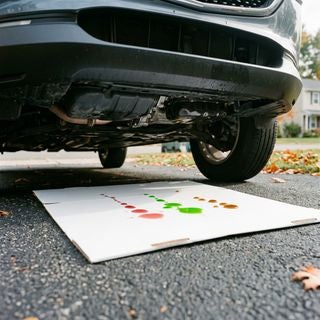
Diagnosing a vehicle fluid leak involves placing a clean sheet of light-colored cardboard under your engine bay overnight, examining the fluid's color, consistency, and odor, and matching its drip pattern to specific mechanical components beneath the chassis. Engine oil appears amber to black with a slippery feel, coolant is bright green or pink with a distinctly sweet aroma, and transmission fluid shows red or maroon. Identifying these characteristics narrows down whether the issue stems from the engine, cooling system, transmission, or braking components. When you notice wet spots or puddle marks on your driveway, performing a quick visual inspection helps prevent serious mechanical damage. Park your vehicle on a flat, level surface and allow the engine to cool down completely. Slide a clean piece of white cardboard or heavy paper directly beneath the engine and transmission area before leaving it overnight. In the morning, pull the cardboard out and evaluate the fluid using three key indicators: color, texture, and location relative to the front bumper and axles. Observing where the puddle sits on the cardboard gives immediate clues about its origin. Leaks dripping from the front-center usually point to the radiator, water pump, or oil pan. Fluid pooling near the middle of the vehicle closer to the front seats often traces back to the transmission pan or transfer case. Wetness concentrated near the wheels indicates potential issues with brake calipers, brake lines, or power steering rack boots. Drivers navigating the rolling hills around Calcutta frequently notice fluid seeps after parking on inclined driveways, which can cause settling fluids to run along underbody splash shields before dropping onto the pavement. If you notice persistent puddles or an unfamiliar fluid mark, you can check our East Liverpool service center address or give our certified technicians a quick call to discuss a professional inspection. Table of Contents How Do You Identify a Vehicle Fluid Leak by Its Color and Texture? Where Do the Most Common Vehicle Fluid Leaks Originate Under a Car? What Symptoms Indicate a Power Steering Fluid Leak? Can a Fluid Leak Cause a Vehicle Fire? How Much Does It Cost to Fix an Engine Oil Leak? Common Questions About Vehicle Fluid Leaks and Repairs How Do You Identify a Vehicle Fluid Leak by Its Color and Texture? You identify a vehicle fluid leak by matching its color, viscosity, and scent to the vehicle's essential operating fluids: slick amber or black liquid indicates engine oil, sweet-smelling bright green or orange fluid is coolant, thin red or maroon liquid is transmission fluid, and clear to light yellow slippery fluid near the wheels points to brake fluid. Every automotive fluid is engineered with specific colors, chemical additives, and weight profiles to perform designated tasks, making visual identification straightforward once you know what to look for: Engine Oil: Fresh engine oil ranges from translucent golden amber to light brown, while used oil turns dark brown or black with a thick, slippery consistency and a heavy petroleum smell. It drops under the front-center of the vehicle near the oil pan or engine block. Engine Coolant (Antifreeze): Coolant features vibrant fluorescent colors including bright green, orange, pink, yellow, blue, or purple. It has a watery, slightly slippery feel and a noticeable sweet, syrupy smell. Coolant pools near the front radiator area or lower hose connections and leaves a chalky white residue when dried on warm metal. Automatic Transmission Fluid: Fresh transmission fluid, such as MERCON LV, appears bright red or pink and has a smooth, oily feel. As it ages, it darkens to maroon or reddish-brown. Leaks drop under the center of the chassis beneath the transmission casing or cooler lines. Brake Fluid: Brake fluid, such as DOT 4 brake fluid, is clear to light yellow or pale amber. It feels slick and thin to the touch but requires immediate clean-up because it can strip exterior vehicle paint. Leaks gather near the wheels, along frame-mounted brake lines, or beneath the brake master cylinder at the firewall. Power Steering Fluid: Power steering fluid usually displays a clear, light amber, or pinkish color with an oily consistency similar to light hydraulic fluid. It seeps near the front bumper, power steering pump, or steering rack. Differential and Transfer Case Gear Oil: Gear oil is dark brown or black with a heavy, thick viscosity and a sharp, distinctive sulfur or rotten-egg odor. Leaks gather under the center transfer case or rear axle housing. Windshield Washer Fluid: Washer fluid appears bright blue, green, or orange with a watery consistency and a mild alcohol or window-cleaner scent. Leaks show up directly beneath the washer reservoir or front bumper assembly. Reviewing current maintenance information allows you to stay ahead of routine fluid flushes, gasket replacements, and filter changes before minor seeps become major repairs. Where Do the Most Common Vehicle Fluid Leaks Originate Under a Car? The most common vehicle fluid leaks originate beneath the engine oil pan, valve cover gaskets, radiator hose fittings, transmission oil pan, and wheel hydraulic components where heat and vibration degrade rubber seals over time. Understanding where fluid lines and component housings meet helps isolate seeps before they turn into costly mechanical breakdowns. The engine bay contains numerous gaskets and pressurized seals. Upper leaks often stem from a worn valve cover gasket, causing oil to seep down the side of the engine block. Lower engine leaks usually originate at the oil pan gasket, oil drain plug washer, or front and rear crankshaft seals. Cooling system leaks frequently start at upper and lower radiator hoses, water pump shaft seals, thermostat housings, or plastic radiator end tanks. Transmission fluid leaks generally come from the transmission pan gasket, cooler line quick-connect fittings, or output shaft seals where drive axles enter the transaxle assembly. One notable exception to vehicle leaks is clear water dripping beneath the front passenger side dash area. Commuters who bring their vehicles in after noticing puddles often ask whether clear water dripping on the passenger side requires immediate repair, but our service technicians quickly confirm when it is simply normal HVAC condensation. When you run your air conditioning or windshield defroster, the system extracts moisture from cabin air and drains clean water safely through a rubber tube onto the ground. If you are exploring custom equipment or planning routine maintenance additions, browsing custom vehicle configuration options provides insight into factory-installed heavy-duty cooling packages and protective skid plates. What Symptoms Indicate a Power Steering Fluid Leak? A power steering fluid leak is primarily indicated by a loud whining or groaning noise when turning the steering wheel, noticeably stiffer steering at low speeds, and clear to reddish oily spots dripping beneath the front axle area. Hydraulic power steering systems rely on pressurized fluid to assist steering movement. When a hose, reservoir seal, or steering rack boot begins to seep, fluid pressure drops and allows air into the system. This aeration causes the power steering pump to produce a high-pitched whining noise that grows louder when you turn the wheel toward full lock during parking maneuvers. Other noticeable symptoms of a power steering leak include: Jerky or uneven resistance in the steering wheel while navigating turns. Slow or sluggish return of the steering wheel to the center position after completing a curve. Wet, oily residue accumulating along hydraulic high-pressure hoses or power steering pump fittings. Low fluid levels inside the clear power steering reservoir under the hood. Ignoring low power steering fluid can cause the hydraulic pump to run dry, resulting in metal-on-metal friction that destroys the internal pump vanes. Promptly inspecting the fluid level and repairing damaged lines preserves steering responsiveness and prevents complete pump failure. Can a Fluid Leak Cause a Vehicle Fire? Yes, a fluid leak can cause a vehicle fire when flammable liquids like engine oil, transmission fluid, power steering fluid, or fuel drip onto extremely hot engine parts like exhaust manifolds or catalytic converters. Exhaust system components operate at extreme temperatures that frequently exceed 600°F and can reach over 1,000°F under heavy load or towing conditions. Petroleum-based lubricants and hydraulic fluids have auto-ignition temperatures within this operating range. When a pressurized power steering hose or leaking valve cover gasket sprays oil directly onto hot exhaust headers, the fluid can vaporize and instantly ignite into an engine bay fire. Crucial warning signs that require immediate action include: A strong, acrid smell of burning oil or fuel inside the passenger cabin. Wisps of white or blue smoke rising from beneath the hood or undercarriage while idling or stopped in traffic. An illuminated red brake warning light or specific display messages like BRAKE FLUID LEVEL LOW on the instrument cluster. Rapidly dropping fluid gauges or warning lights indicating loss of engine oil pressure. If you observe smoke or smell burning fluid while driving, safely pull off the road, turn off the ignition immediately to cut electrical power and fluid pressure, and move away from the vehicle. Exploring service and parts information helps you keep vital seals, fuel lines, and brake system components in optimal working condition. How Much Does It Cost to Fix an Engine Oil Leak? Fixing an engine oil leak typically costs between $50 and $150 for simple repairs like an oil filter or drain plug seal replacement, $200 to $600 for a valve cover gasket or oil pan gasket, and $1,200 or more for intensive repairs such as a rear main seal. The total repair cost depends primarily on labor time rather than parts cost. While replacement rubber gaskets or silicone seals are relatively inexpensive, accessing those seals often requires removing steering linkages, subframes, or engine covers: Drain Plug Washer or Oil Filter Seal: $50 to $150. Corrected easily during a routine oil and filter change. Valve Cover Gasket Replacement: $200 to $450. Requires removing upper intake components and spark plug coils to replace the rubber perimeter seal. Oil Pan Gasket Replacement: $300 to $650. May require lowering the front subframe or crossmember to drop the oil pan. Timing Cover Gasket Replacement: $500 to $900. Demands removing drive belts, pulleys, and front engine covers. Rear Main Seal Replacement: $1,200 to $1,800+. Requires separating the transmission from the engine block to reach the seal behind the flywheel or flexplate. Commuters traveling along Market Street in Boardman benefit from addressing minor engine oil seeps early during routinely scheduled oil changes, preventing engine bay smoke during heavy stop-and-go driving. Catching small oil seeps during routine multi-point inspections prevents severe oil loss that can cause internal engine damage. You can easily schedule a service appointment online to have certified technicians inspect your vehicle's engine seals. Common Questions About Vehicle Fluid Leaks and Repairs Q: How can you tell the difference between fresh engine oil and transmission fluid? Fresh engine oil features a translucent amber or golden appearance with a petroleum scent and a slick feel. Automatic transmission fluid displays a bright red or pink color with a smoother, lighter consistency. While aged engine oil turns dark brown or black, old transmission fluid darkens to maroon or dark reddish-brown, making them easy to differentiate when wiped onto a clean white paper towel. Q: Is it safe to drive with a minor power steering fluid leak? Driving short distances with a minor power steering leak is possible if fluid levels remain adequate, but running the system dry risks severe pump damage and sudden heavy steering resistance. As hydraulic fluid drops below the minimum reservoir mark, air enters the lines and accelerates pump wear. Checking the reservoir level before driving and addressing the leak promptly prevents complete steering system failure. Q: What should you do immediately if you suspect a flammable fluid leak under the hood? Safely pull off the roadway, turn off the ignition immediately to stop fluid pressure, and evacuate all passengers away from the vehicle. Avoid opening the hood if smoke or flames are visible, as introducing fresh oxygen can accelerate an engine bay fire. Contact emergency services or Ford Roadside Assistance at 1-800-241-3673 for towing support backed by factory warranty coverage and authorized service center care. Q: Why does an engine coolant leak leave a powdery residue when it dries? Engine coolant contains chemical anti-corrosion additives and organic compounds dissolved in water. When leaking coolant contacts warm engine components, the water content evaporates quickly, leaving behind a crusty white or colored mineral powder around hose clamps, water pump housings, or radiator seams. Spotting this residue helps technicians pinpoint slow cooling system leaks before engine overheating occurs. Q: How long does a certified technician take to diagnose a fluid leak? Most certified technicians complete a comprehensive fluid leak diagnosis within one hour using ultraviolet dye, pressure testing, and multi-point visual checks. Diagnostic dye is added to the suspected fluid system, the engine is run briefly, and an ultraviolet lamp reveals the precise origin of the seep behind heat shields or engine covers. Maintaining your vehicle's seals, hoses, and fluid levels protects mechanical performance and ensures family safety on every trip. Whether you need an engine oil leak diagnosed, a cooling system pressure test, or routine fluid maintenance, our factory-trained technicians use genuine OEM parts engineered specifically for your vehicle. Visit our dealership location, order genuine Ford parts for home maintenance, or give our service team a call to keep your car running safely and dependably. © 2026 Tri State Ford. All rights reserved. Diagnosing Fluid Leaks in East Liverpool OH | Tri State Ford