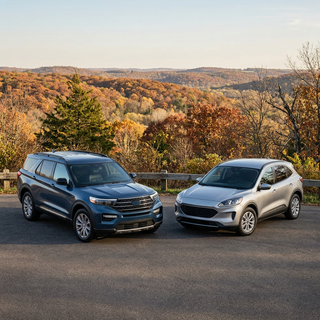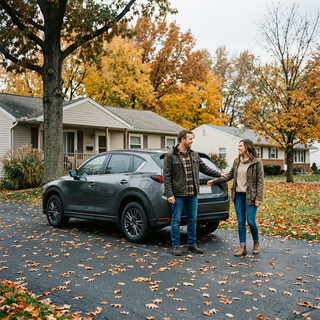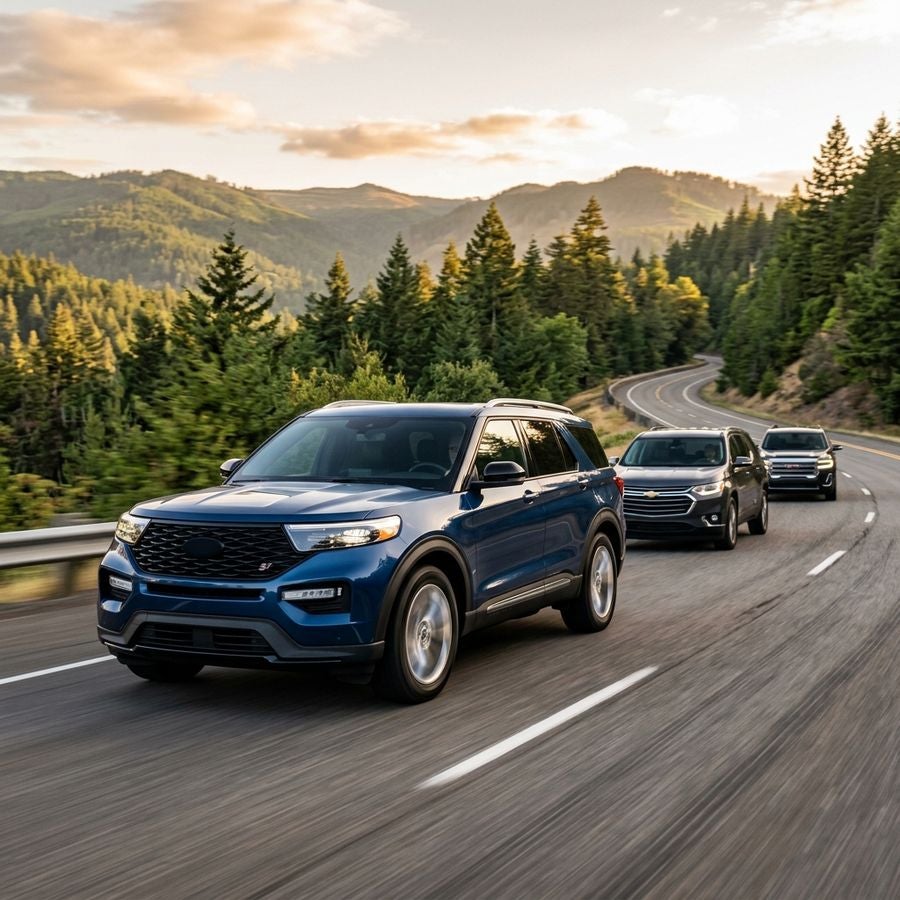

Buying a new car in 2026 is worth it if you prioritize full factory warranty protection, current financing information, maximum crash-safety technology, and tailored features. While new vehicles average higher transaction prices, their lower loan interest rates, complete absence of hidden repair histories, and minimal early maintenance costs make them a practical choice for buyers who intend to keep their vehicle for five years or longer.
Navigating the choice between new and pre-owned inventory requires weighing initial purchase prices against long-term ownership value. The average transaction price for a new vehicle in late 2026 stands near $50,562, reflecting updated vehicle engineering, driver-assist features, and cabin technologies. For drivers commuting along the Ohio River bluffs in East Liverpool, having comprehensive factory warranty coverage and modern active safety tech delivers daily peace of mind on steep river valley roads and variable seasonal pavement.
Buying new eliminates the guesswork surrounding previous vehicle maintenance, hidden accident history, or mechanical wear. Every component, from the powertrain to the infotainment screen, is covered by the manufacturer's bumper-to-bumper and powertrain warranties from day one. Additionally, new vehicle purchases often unlock manufacturer competitive financing rates that lower monthly interest charges compared to pre-owned auto loans.
If you are evaluating whether a brand-new model fits your household budget, our team at Tri State Ford is here to assist. You can explore our showroom at 1503 Pennsylvania Ave, East Liverpool, OH 43920 or speak with our sales advisors directly by calling (330) 462-7578 to discuss current availability.
Table of Contents
- How Do 2026 New Car Prices and Depreciation Compare to Used Vehicle Savings?
- What Is the Total Cost of Ownership and Financing Impact for New vs. Used Cars?
- How Do Safety Ratings and Driver-Assist Tech Compare Between New and Older Used Models?
- Who Inspects and Certifies CPO Vehicles, and Can You Get an Extended Warranty on Used Cars?
- How Can Buyers Verify Fair Market Pricing and Choose the Right Vehicle?
- Quick Answers to Common Questions About Buying New vs. Used in 2026
How Do 2026 New Car Prices and Depreciation Compare to Used Vehicle Savings?
In 2026, average used-car listing prices hover between $27,235 and $30,500, offering an upfront savings of approximately $20,000 to $23,500 compared to new vehicle averages. However, because new vehicles experience their steepest value drop during the first two years—losing roughly 15% to 20% of their value in year one and about 30% after two years—buying a late-model used vehicle allows shoppers to avoid that initial depreciation curve.
Market dynamics in late 2026 highlight a distinct contrast between new and pre-owned availability. While overall used vehicle inventory averages a 49-day supply across the country, budget-friendly pre-owned models priced under $15,000 remain scarce with only a 34-day supply. This tight market for lower-cost used cars has kept pre-owned prices elevated, narrowing the practical price gap between a four-year-old vehicle and a brand-new alternative.
Across the gently rolling suburban terrain of Calcutta, where family transport needs require generous cargo space and reliable towing capacity, weighing initial purchase prices against early depreciation helps buyers choose the right purchasing path. Shoppers looking for specific features, seating configurations, or color options can check our complete selection of new Ford vehicles to see what is currently arriving.
To maximize purchasing power on a new model, buyers can take advantage of current manufacturer vehicle specials that lower initial costs through current financing information or customer cash incentives. For those with precise preferences for vehicle packages or towing capabilities, custom ordering a new vehicle guarantees you pay only for the exact equipment your family requires.
| Metric | New Vehicle Average (2026) | Used Vehicle Average (2026) |
|---|---|---|
| Average Purchase / Listing Price | $50,562 - $52,744 | $27,235 - $30,500 |
| Estimated Year 1 Depreciation | 15% - 20% | Flatter / Slower Curve |
| Estimated Year 2 Depreciation | ~30% Cumulative | Flatter / Slower Curve |
| Market Inventory Supply | Expanding | 49 Days Overall (34 Days under $15k) |
| Average Financing APR Range | Lower (Promotional Available) | 1% to 3% Higher Than New |
What Is the Total Cost of Ownership and Financing Impact for New vs. Used Cars?
Evaluating the total cost of ownership over five years shows that while used vehicles require lower initial loan balances, higher auto loan interest rates and out-of-warranty maintenance expenses narrow the overall cost gap against new vehicles. Pre-owned vehicle financing rates typically run 1% to 3% higher than new-car interest rates, adding noticeable finance charges over a 60-month or 72-month loan term.
When calculating five-year ownership expenses, four primary factors dictate total expenditure:
- Financing Interest Charges: Lenders assign higher interest rates to used vehicle loans because pre-owned assets carry slightly higher risk profiles. Promotional APR offers on new vehicles frequently offset a significant portion of their higher initial price tag.
- Depreciation vs. Equity: New vehicles suffer sharper initial depreciation, but retain stable trade-in equity once the depreciation curve flattens after year three. Used vehicles depreciate more slowly from day one, helping buyers preserve equity sooner relative to their purchase price.
- Maintenance and Wearables: New vehicles under full factory warranty require only scheduled routine service, keeping unexpected repair costs at zero. Used vehicles out of factory coverage require dedicated budgeting for wearable components like brake pads, tires, battery replacements, and suspension components.
- Insurance Premiums: Insurance costs for new vehicles are slightly higher due to higher replacement values, though integrated safety technologies and driver-assist features can help lower rates with many insurance providers.
When buyers walk through options on our lot, the question that comes up most often is how much the extra two percentage points on a pre-owned auto loan offset initial sticker savings over a five-year loan.
Shoppers interested in well-maintained pre-owned options with documented service histories can explore our inventory of pre-owned CARFAX 1-Owner vehicles to find pre-owned quality. To establish a realistic budget before selecting a vehicle, buyers can use our online trade-in valuation tool to determine the exact equity in their current vehicle.
How Do Safety Ratings and Driver-Assist Tech Compare Between New and Older Used Models?
New 2026 models feature updated structural engineering and active driver-assist features that significantly outperform the safety technologies found in older used vehicles. Recent updates to crash-testing protocols by national safety evaluation organizations mean that newer vehicles are built with reinforced side-impact protection, advanced airbag deployments, and pedestrian detection capabilities designed for modern driving conditions.
Active driver-assist tech has evolved from luxury options into standard safety equipment on new vehicles. Systems like automatic emergency braking, blind-spot monitoring, lane-keeping assist, adaptive cruise control, and rear cross-traffic alert actively work to prevent collisions before they happen. Older used vehicles may feature basic cruise control or backup cameras, but lack the active radar and camera sensor suites built into newer models.
In addition to protection, modern cabin technology focuses on convenience and driver focus. Advanced infotainment displays featuring seamless smartphone integration allow drivers to handle navigation and audio controls hands-free. Staying connected on the go is simple and intuitive, letting families focus on the road during long family road trip drives or daily errands.
Ford engineering provides dependable handling and passenger comfort whether navigating suburban streets or unpaved rural roads. Space for the whole family. Safety you can trust. To review current promotional incentives on feature-packed new models, browse our new vehicle special offers before visiting our showroom.
Who Inspects and Certifies CPO Vehicles, and Can You Get an Extended Warranty on Used Cars?
Certified Pre-Owned (CPO) vehicles are thoroughly inspected, reconditioned, and certified directly by factory-trained technicians at authorized brand dealerships following strict manufacturer requirements. For non-certified pre-owned vehicles, buyers can purchase extended warranties or vehicle service contracts to protect major mechanical components after the original factory coverage expires.
Who Performs the CPO Inspection Process?
Factory-trained Ford technicians at authorized dealerships conduct rigorous multi-point inspections on candidate vehicles before they earn certified status. For example, Ford Blue Advantage Gold Certified vehicles must pass a comprehensive 172-point inspection, while Blue Certified models undergo a 139-point inspection.
Technicians examine:
- Engine performance, diagnostic trouble codes, and fluid conditions
- Transmission operation, clutch engagement, and differential performance
- Brake lining thickness, rotor condition, ABS systems, and line integrity
- Steering linkage, suspension shocks, struts, and wheel alignments
- Frame structural integrity and body panel alignment
- Heating, air conditioning, and full electrical system functionality
- Interior safety belt restraints, airbag modules, and infotainment interfaces
Any component that fails to meet manufacturer standards is repaired or replaced using genuine OEM parts before the vehicle is certified.
Can You Purchase an Extended Warranty on a Used Car?
Yes, buyers purchasing a pre-owned vehicle can add an extended warranty—such as Ford Protect Extended Service Plans—at the time of sale. These vehicle service contracts cover major mechanical systems, including the engine, transmission, front and rear-wheel drive assemblies, steering, electrical components, and high-tech infotainment equipment.
Coverage options allow buyers to select coverage lengths and mileage limits that match their driving habits, offering zero-deductible or low-deductible repair options at authorized service centers nationwide. Choosing a certified model provides an ideal balance of pre-owned pricing and factory-backed protection. You can explore our selection of Ford certified pre-owned vehicles to view inspected, warranty-backed options ready for immediate delivery.
How Can Buyers Verify Fair Market Pricing and Choose the Right Vehicle?
Buyers can verify whether a new or used vehicle’s asking price is fair by comparing regional transaction data, local inventory supply levels, and independent valuation guides that update market ranges weekly based on actual sales. Comparing a dealership’s quoted price against regional market ranges ensures shoppers receive transparent value on both new and pre-owned inventory.
Choosing between new, certified pre-owned, and traditional used inventory comes down to a structured decision process:
- Identify Core Utility Needs: Determine required seating capacity, cargo space, and maximum towing capacity needed for hauling trailers or recreational equipment.
- Calculate Total Budget: Factor in purchase price, expected auto loan interest rates, insurance costs, and estimated fuel consumption rather than looking solely at the purchase price.
- Evaluate Warranty Value: Determine how much value your household places on complete factory warranty coverage versus out-of-pocket repair risks.
- Assess Trade-In Value: Establish your current vehicle’s equity to lower the financed principal on your next purchase.
To streamline your purchase and lock in current financing options, completing an online credit application before visiting the dealership allows our finance team to structure tailored financing options for your budget.
Quick Answers to Common Questions About Buying New vs. Used in 2026
Q: What is the primary financial advantage of choosing a certified pre-owned vehicle over a brand-new car?
A certified pre-owned vehicle allows buyers to avoid the initial 15% to 20% first-year depreciation curve while retaining factory-backed warranty protection. Factory-trained technicians thoroughly inspect and recondition CPO vehicles to strict manufacturer standards, delivering a balance of lower purchase price, updated technology, and mechanical peace of mind.
Q: How do interest rates differ between new and used car loans in 2026?
Interest rates on used car loans generally run 1% to 3% higher than rates on new car loans because lenders view pre-owned assets as carrying slightly higher financial risk. Manufacturer-backed low APR promotional rates on new vehicles can further widen this financing gap, making new car monthly payments more competitive than raw purchase prices suggest.
Q: Can an extended warranty be added to any used vehicle at the time of purchase?
Yes, buyers can add an extended warranty or vehicle service contract to most used cars during the purchasing process. Options range from powertrain protection to comprehensive component coverage, allowing buyers to safeguard against unexpected mechanical repair costs after the original factory warranty period ends.
Q: How does fuel efficiency and driver-assist technology compare between 2026 new models and five-year-old used cars?
New 2026 vehicles feature refined powertrain engineering, improved smartphone integration, and advanced active driver-assist systems like automatic emergency braking and lane-keeping assist as standard equipment. Five-year-old models may offer basic safety tech, but newer vehicles benefit from updated crash-test structural standards and intuitive infotainment interface design.
Q: What paperwork should buyers prepare before applying for auto financing?
Buyers should gather recent pay stubs, proof of residence, a valid driver's license, current vehicle insurance documentation, and trade-in title documents before applying for auto financing. Having these materials ready streamlines the underwriter's approval process and helps secure competitive loan terms quickly.
Deciding whether to buy a new or pre-owned vehicle comes down to balancing your household budget, technology preferences, and long-term ownership goals. Our team at Tri State Ford is ready to walk you through current inventory, demonstrate driver-assist features during a test drive, and structure financing options tailored to your lifestyle. Stop by our showroom at 1503 Pennsylvania Ave, East Liverpool, OH 43920 or give our sales team a quick call at (330) 462-7578 to take the next step today.
Keep Your Vehicle Running Strong
Keep your vehicle performing at its best with our service team: