

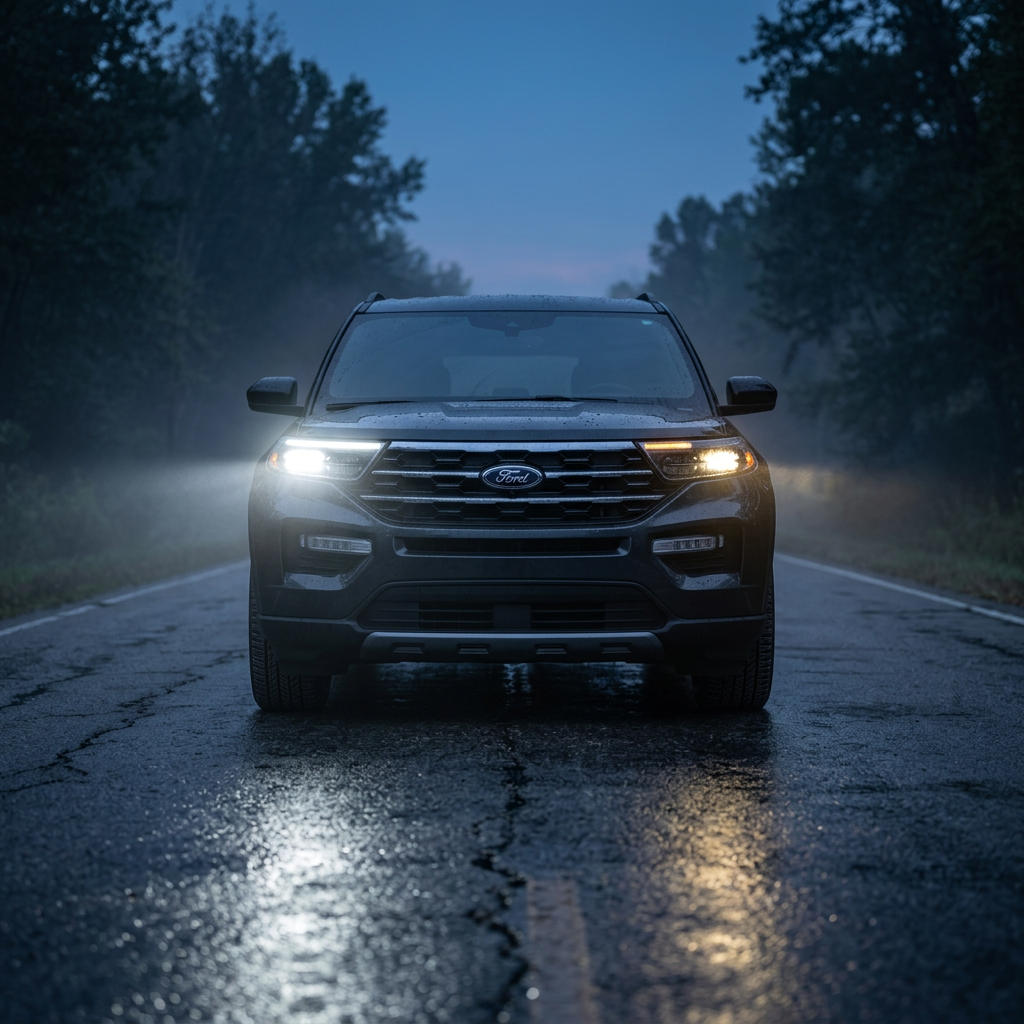
My name is Matt Shaw, and as the Service Manager at Tri State Ford with 10 years of experience, I have seen just about every automotive lighting issue imaginable. Complete headlight failure is rarely the first sign of trouble. The earliest indicators are usually much more subtle, presenting as a gradual loss of brightness, flickering beams, or an uneven cast of light between the left and right sides.
Recognizing these warning signs early is essential for staying safe on the road, especially during a late-night drive home along State Route 170 in Calcutta. A single failing bulb can quickly turn into a total blackout, leaving a vehicle with severely compromised visibility when it is least expected. A shrinking view of the road ahead is a clear signal that the electrical system needs an inspection.
Drivers experiencing these issues can find our service department easily by looking up directions to our service center. A quick call to our team at (330) 462-7578 is also a great way to describe the symptoms before driving in. Our technicians are always ready to help determine whether a simple bulb replacement or a deeper electrical diagnostic is required.
Table of Contents
- Understanding Why Headlights Dim and Flicker Gradually
- Do Modern LED Headlights Lose Brightness Before Failing
- Selecting the Best Headlight Bulb Type for Snow and Fog
- How to Use the Swap Test to Diagnose Headlight Electrical Issues
- The Truth About DIY Bulb Replacement and Restoring Cloudy Lenses
Understanding Why Headlights Dim and Flicker Gradually
Many of our customers wonder if it is normal for their headlights to lose brightness over time. The short answer is yes, particularly if your vehicle uses standard halogen bulbs. The tungsten filament inside a halogen bulb slowly degrades with every hour of use, releasing gas that deposits on the inside of the glass and causes a progressive reduction in light output.
Flickering, on the other hand, is a different beast and usually points to a failing filament, a loose connection, or a weak vehicle battery. In some cases, a fluctuating headlight beam is the first warning sign of an overcharging alternator or a faulty voltage regulator. When the voltage supplied to the lights spikes and drops, the bulbs will flicker, which can shorten their lifespan dramatically.
If you are driving an older vehicle and trying to decide whether to repair a complex electrical issue or explore our new vehicle specials for a model with modern lighting, our team is always here to help compare options. Booking an inspection is easy through our online portal to schedule a service appointment. Keeping the electrical system healthy is just as important for a daily commuter as it is for maintaining the utility of a heavy-duty model from our used work truck inventory.
Do Modern LED Headlights Lose Brightness Before Failing
Let’s talk about how modern light-emitting diode technology behaves compared to older systems. Unlike traditional bulbs, an LED headlight does not typically fade slowly over months or years. Instead, it relies on solid-state electronics and an internal LED driver to manage the electrical current, maintaining consistent brightness right up until the component fails.
When an LED system does start to go out, the failure is usually sudden or presents as rapid, intense flickering. This behavior is typically caused by a failing circuit board or heat buildup rather than a worn filament. Checking our manufacturer monthly service specials can help find savings on certified diagnostics.
For commercial drivers who rely on consistent visibility during early morning shifts, understanding this technology is crucial. We often see this with fleet vehicles, such as the heavy-duty haulers in our F-Series work inventory, where dependable lighting is a safety requirement. Upgrading to a newer model equipped with the latest factory-installed safety tech is another path forward, easily explored by browsing our manufacturer vehicle specials.
Selecting the Best Headlight Bulb Type for Snow and Fog
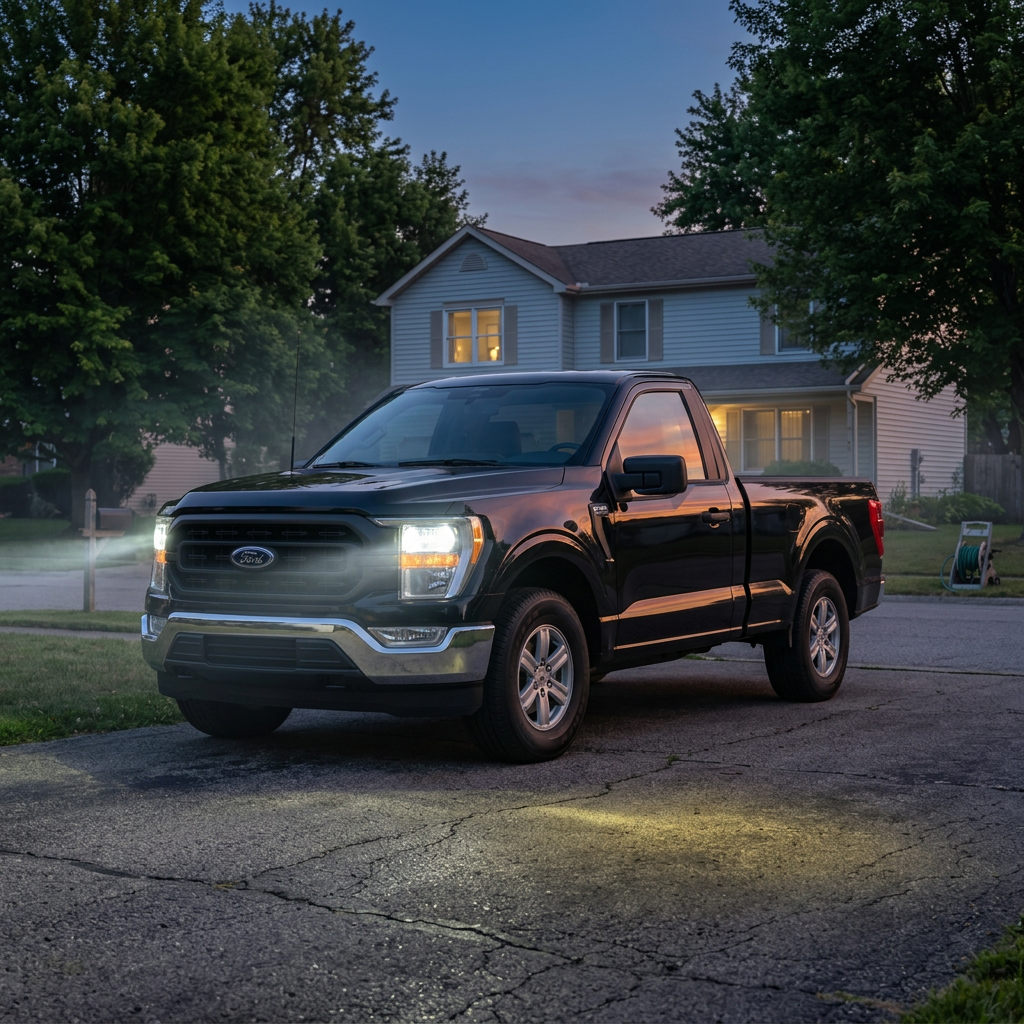
One thing I always tell customers about winter driving is that brighter is not always better when it comes to bad weather. While cool white LED lights with a color temperature of around 6000K look sharp and illuminate dry roads beautifully, they can actually reduce visibility in heavy snow or thick fog. The bright white light tends to reflect directly off the airborne moisture, creating a wall of glare that makes it harder to see the road ahead.
For challenging weather conditions, a warmer light with a color temperature closer to 3000K is often the superior choice. The yellow-tinted wavelengths of warmer light penetrate fog and falling snow much more effectively without bouncing harsh glare back into a driver’s eyes. Configuring a vehicle built to handle tough regional winters is simple using our new vehicle custom order tool to select lighting packages designed for maximum foul-weather safety.
Drivers looking for a capable winter vehicle often start by exploring our truck inventory to find models with advanced four-wheel-drive systems. Matching a vehicle’s lighting to the driving environment is key to staying safe, whether looking at passenger models or our new work truck inventory. Our service team can easily recommend and install specialized bulbs that offer the perfect balance of color temperature and raw output.
How to Use the Swap Test to Diagnose Headlight Electrical Issues
Here’s what you need to know about isolating a headlight problem before you spend money on replacement parts. When only one headlight stops working, the issue could be a dead bulb, a bad LED driver, or a fault in the vehicle’s wiring harness. Pinpointing the exact culprit without expensive diagnostic tools is often done using a simple process of elimination known as a swap test.
To perform this test, a driver carefully removes the suspected bulb or LED driver from the non-working side and installs it on the side that is functioning perfectly. If the problem follows the component to the working side, that specific part is defective and needs to be replaced. Conversely, if the issue stays on the original side, the fault lies within the vehicle’s wiring, a blown fuse, or a bad headlight relay.
Drivers who prefer to let professionals handle electrical diagnostics can visit our finance department to learn about service payment options that fit their budget. Experiencing the advanced lighting systems on our newest models firsthand is easy when choosing to schedule a test drive. If trading in a vehicle makes more sense than dealing with ongoing electrical gremlins, obtaining a quick valuation is simple with our KBB Instant Cash Offer tool.
The Truth About DIY Bulb Replacement and Restoring Cloudy Lenses
I often hear from drivers who want to know if they can save a few dollars by tackling headlight maintenance at home. For many older vehicles, swapping out a burnt-out bulb is a straightforward job that requires only basic hand tools and a little patience. However, many modern vehicles require the removal of the front bumper cover or inner fender liners just to access the headlight housing, making professional service a much safer and faster option.
Another common DIY project is trying to clean cloudy, yellowed lenses using household remedies like toothpaste. While toothpaste is a mild abrasive that can temporarily scrub away light surface oxidation, it lacks the necessary protective sealants. Without a proper UV-resistant clear coat, the plastic will oxidize again within a few weeks, especially when exposed to the road salt and moisture common along the Ohio River waterfront in East Liverpool.
A professional restoration involves wet-sanding the lens with progressively finer sandpaper, polishing it to optical clarity, and applying a durable UV-blocking sealant. If you need replacement bulbs or professional-grade restoration kits, our website makes it simple to order parts directly. Maintaining clear headlight lenses ensures maximum light output, keeping families safe on every night drive.

