Blog / Maintenance & Service, Safety Features, Technology & Innovation, Repair & Recall Information, Parts

Is Your Ford Bronco’s Safety at Risk? What Every Owner Must Know Now

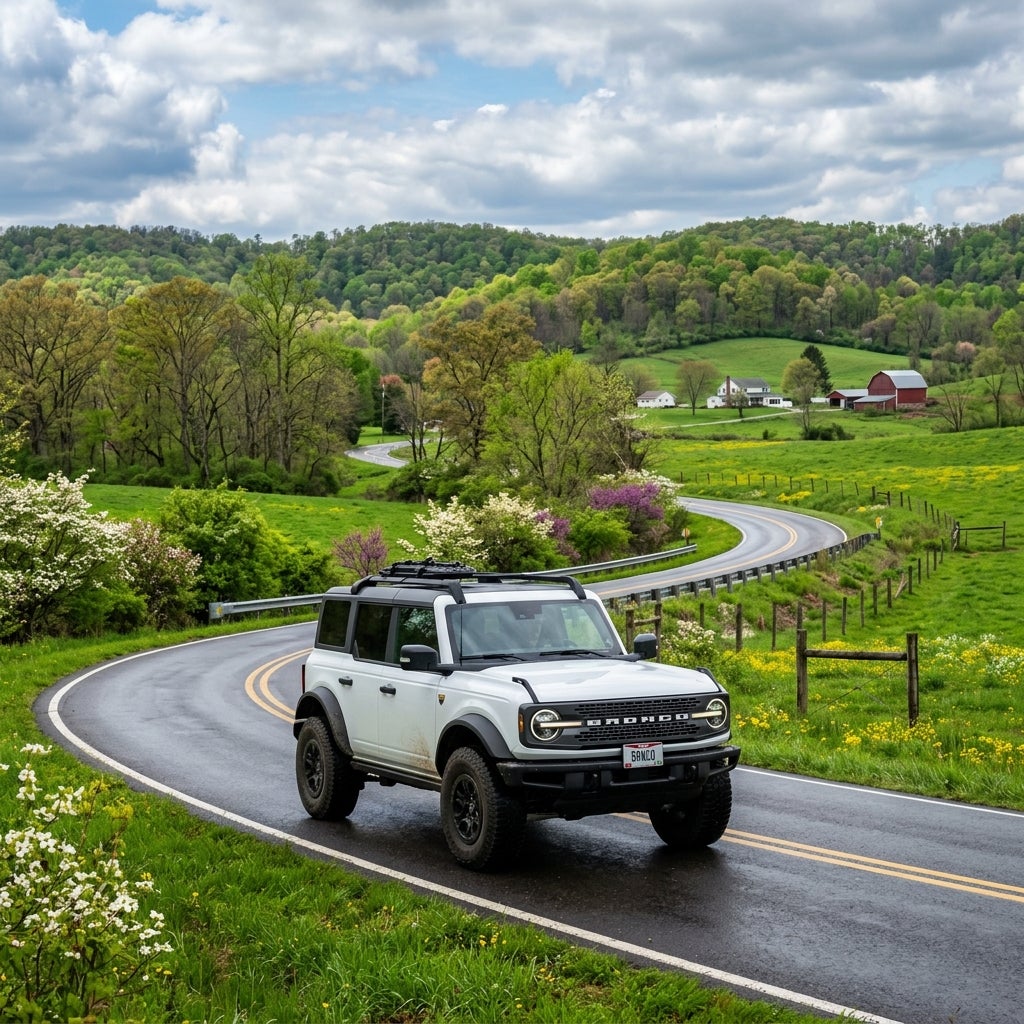
A high-detail, cinematic wide shot of a 2026 Ford Bronco in Ohio during the spring

Is Your Ford Bronco’s Safety at Risk? What Every Owner Must Know Now

Maintaining the safety and reliability of your vehicle is our top priority, and staying informed about manufacturer safety campaigns is a critical part of ownership. Recently, a significant safety recall, identified as NHTSA recall 24V-124, was issued affecting certain 2021-2024 Ford Bronco models. This specific campaign involves approximately 528,168 units manufactured between September 23, 2020 and February 10, 2024. The primary concern involves the rearview camera system, which is a vital safety feature for preventing back-over accidents and assisting with precise maneuvering in tight spaces.

When a manufacturer identifies a component that does not meet federal safety standards, they initiate a formal process to rectify the issue at no cost to the owner. For residents navigating the busy streets of East Liverpool, having a functional rearview camera is essential for safely backing out of driveways or navigating local parking areas. If your vehicle is part of this population, our team is prepared to assist you through the resolution process. We offer convenient options like Ford Pick Up & Delivery to ensure your vehicle receives the necessary attention without disrupting your daily routine.

We understand that your time is valuable, and managing vehicle maintenance should be as seamless as possible. For those who prefer service at their home or workplace, our Ford Mobile Service can handle many technical updates and inspections remotely. If you have questions about whether your specific vehicle is included in this or any other safety campaign, you can reach our service advisors with (330) 462-7578 for immediate clarification. As your dedicated Ford dealership near me, we are committed to providing transparent communication and expert care for every vehicle in our community. If you are nearby, you can also find our service center location easily to speak with a technician in person.

Table of Contents

Technical Analysis of the Accessory Protocol Interface Module and Rearview Safety

The technical root of the current rearview camera recall lies within the Accessory Protocol Interface Module (APIM). This module acts as the "brain" for your vehicle's infotainment system, managing everything from navigation to the display of the camera feed. Ford reported to safety regulators that the APIM in affected vehicles can overheat, reaching temperatures as high as 105°C. To protect its internal electronic components from permanent damage caused by this heat, the module is designed to shut down temporarily. Unfortunately, this shutdown can occur while the driver is in reverse, causing the screen to go blank and eliminating the rearview image.

Losing the camera feed while backing up significantly increases the risk of a crash, as it removes a primary source of visibility for the driver. Our expert technicians are specifically trained to handle these complex electronic systems using specialized diagnostic tools. While Ford is currently developing a software fix to manage the thermal properties of the APIM, owners can expect to receive official remedy notifications through the mail. This update is designed to ensure the module operates within safe temperature parameters without sacrificing the functionality of the 12.0-inch touchscreen or safety sensors.

While our focus remains on keeping your current vehicle in peak condition, we also support the local business community with specialized service for commercial fleets. If you manage a fleet of Transit work vans, keeping those vehicles on a strict maintenance schedule is vital for uptime and safety. Our finance department is also available to discuss service protection plans that can help manage long-term maintenance costs. Additionally, you can stay updated on current manufacturer vehicle specials that often include savings on essential diagnostic services and electronic system health checks.

Maintenance and Mechanical Reliability for High-Performance EcoBoost Engines

Beyond the electronic systems, many owners ask about the long-term mechanical reliability of the high-performance engines found in the 2021 and 2022 models. The 2.3-liter EcoBoost four-cylinder engine is a robust powerplant, delivering approximately 300 hp and 325 lb-ft of torque. For those needing more muscle for towing or heavy-duty tasks, the 2.7-liter EcoBoost V6 offers roughly 330 hp and 415 lb-ft of torque when using premium fuel. Both engines utilize advanced turbocharging and direct injection, which require consistent maintenance—specifically regular oil changes and cooling system inspections—to ensure longevity.

While there have been investigations into specific valve issues on some early 2.7L EcoBoost engines, it is important to note that this resulted in extended warranty coverage rather than a traditional safety recall for most units. This means that if your engine was produced within the affected window, you may have additional protection beyond the standard 5 years or 60,000 miles powertrain warranty. For families in Calcutta who use their SUVs for weekend adventures at Beaver Creek, ensuring the cooling system is purged of air and the oil is free of contaminants is the best way to prevent the heat-related stresses that high-output engines can face.

If you utilize your Ford for professional applications, such as those in our new work truck inventory, you know that a missed service appointment can mean a lost day of work. We recommend that all owners of turbocharged vehicles adhere strictly to the 10,000-mile service intervals or follow the Intelligent Oil-Life Monitor. You can easily schedule a service appointment online to have our team perform a multi-point inspection. Whether you are driving a versatile SUV or a vehicle from our truck inventory, our goal is to keep your powertrain running like new for years to come.

Step-by-Step Guide to Verifying VIN Status and Scheduling Safety Repairs

Determining if your vehicle has an open recall is a straightforward process that every owner should perform at least twice a year. The most accurate way to check is by using your 17-character Vehicle Identification Number (VIN), which can be found on the lower driver-side corner of your windshield or on your vehicle registration card. By entering this number into the official Ford or NHTSA recall portals, you will see a list of any incomplete safety campaigns specific to your vehicle. This is particularly important for used vehicle buyers, as it ensures all previous safety work has been performed before you take ownership.

Once you have confirmed an open recall, the next step is to coordinate the repair. Safety recall repairs are always performed free of charge by authorized dealerships, regardless of your warranty status. In some cases, such as the APIM issue, the fix may involve a software calibration that our technicians can perform quickly. In other instances, it may require the installation of new physical components. If you are planning a new vehicle custom order, we can walk you through the latest safety features and how Ford continuously monitors real-world data to improve vehicle software even after it leaves the factory.

For those who enjoy performing their own basic maintenance or want to enhance their vehicle's utility, you can order genuine parts directly through our department. Using OEM components ensures that every repair meets the exact specifications used during the manufacturing process. Whether you are maintaining a vehicle for personal use or managing a fleet from our truck inventory, using verified parts is the best way to maintain your vehicle's resale value and safety integrity. After the parts arrive, our service team is here to assist with professional installation to ensure everything is calibrated correctly.

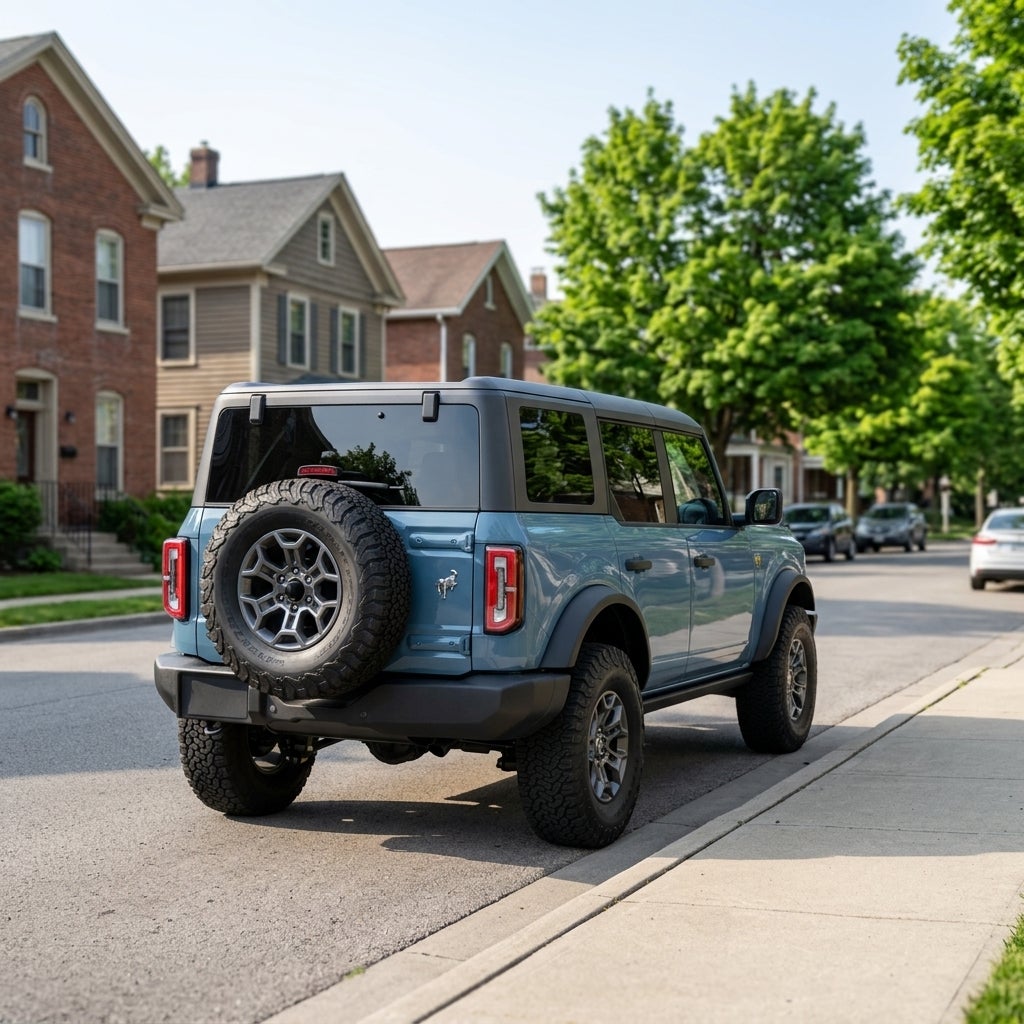
Cinematic automotive photography, rear three-quarter view of a modern 2022 Ford Bronco in Area 51 blue, parked on a clean residential street in a small American town, traditional brick and wood-frame houses in the background, sharp focus on the rear tailgate and spare tire assembly where the rearvie

Common Questions About Bronco Service and Safety Campaigns

Q: How do I know if my rearview camera issue is part of the recall or a different electrical problem? The specific recall for the APIM usually manifests as a temporary shutdown or a blank screen that returns after the module cools down. If your camera image is distorted, flickering, or permanently offline, it may be a hardware failure or a loose connection rather than the software-related overheating issue. Our technicians can perform a diagnostic test to identify if the module is overheating or if a different component requires attention.

Q: Are there any other major recalls I should be aware of for the 2021-2022 models? Other notable campaigns for these years have included inspections for loose steering gear fasteners and potential defects in the rear door child safety locks. While these do not affect every vehicle, they are critical safety items that should be addressed immediately if your VIN is flagged. Checking your status regularly ensures that even smaller technical service bulletins are handled before they become larger problems.

Q: Can I still drive my vehicle if it has an open recall for the rearview camera? While the vehicle remains drivable, you should exercise extreme caution when reversing. The loss of the camera image can happen unexpectedly, so it is vital to rely on your mirrors and physical over-the-shoulder checks. We recommend scheduling the repair as soon as the software fix becomes available to restore full safety functionality.

Q: Does the recall for fuel injector cracks on the 1.5L engine apply to my Bronco? No, that specific recall (25V467) applies to the Bronco Sport and Escape models equipped with the 1.5L engine. The full-size Bronco uses different engine architectures—the 2.3L and 2.7L EcoBoost—which are not part of that particular underhood fire safety campaign.

Before you visit us for your next maintenance milestone, be sure to check our manufacturer monthly service specials for current offers on oil changes, brake work, and more. If you've noticed your electronics acting sluggish during the cold winters in Chester, it might be time for a battery service or charging system test, as low voltage can sometimes mimic module errors. If you are considering a different vehicle, we can also help you get a KBB Instant Cash Offer for your current ride to see where you stand.

Preserving Your Bronco with Certified Ford Service and Genuine Parts

Choosing the right service partner is essential for maintaining the rugged reliability and high-tech features of your vehicle. At Tri State Ford, our team is dedicated to providing the specialized care that modern Ford vehicles require, from complex software updates to heavy-duty mechanical repairs. Because we live and work in the same community, we understand the local driving conditions—from the hilly terrain around Calcutta to the salted winter roads that can lead to undercarriage wear. We use only genuine Ford parts to ensure that every repair maintains the original engineering standards of your vehicle.

Whether you are visiting us for a routine tire rotation or a critical safety recall, we strive to make the process transparent and stress-free. Our technicians are factory-trained and stay current on all manufacturer communications, ensuring that your vehicle is always up to date with the latest safety and performance calibrations. If you are managing a fleet and need to browse our used work truck inventory for reliable additions to your business, we can provide the full service history for any vehicle on our lot.

We invite you to reach out to our service advisors today to discuss your vehicle's health or to verify any open recalls. You can give us a quick call to ask questions or get a status update on parts availability. If you are ready to drop off your vehicle, you can get directions to our service center here in East Liverpool. We are here to support your family's adventures and your business's productivity with trusted, professional vehicle care.


© 2026 Tri State Ford. All rights reserved.

Posted in:

Recommended Posts

k

Is Buying an Extended Warranty on a Used Car Worth It?

Buying an extended warranty on a used car is worth it if you plan to keep the vehicle past its original factory protection, drive high annual mileage, or purchase a pre-owned model loaded with complex electronics and turbocharged mechanicals. It acts as a direct financial cushion against major unexpected repair bills—such as a $5,900 transmission replacement or a $4,500 head gasket repair—by converting unpredictable mechanical risks into a fixed, manageable ownership expense. When evaluating a pre-owned vehicle, timing and vehicle complexity dictate the true financial return of extended coverage. Modern used cars carry sophisticated drivetrain components, interactive infotainment displays, and advanced safety sensors that require specialized repair techniques and high labor costs. A single primary mechanical or electronic component failure after factory coverage lapses can easily exceed the total upfront purchase price of a vehicle service contract. Every new Ford vehicle leaves the factory backed by a standard 3-year/36,000-mile bumper-to-bumper limited warranty alongside a 5-year/60,000-mile powertrain limited warranty, with coverage ending whichever threshold occurs first. Additionally, factory ownership includes 5-year/60,000-mile roadside assistance that provides 24/7 towing to authorized service facilities, flat-tire changes, battery jump-starts, fuel delivery, and lockout support. Once those factory milestones pass, the owner assumes complete financial responsibility for every mechanical failure, fluid leak, and sensor fault. Unexpected mechanical repairs on aging vehicles represent significant out-of-pocket costs: Transmission replacement: $5,900–$6,400 Head gasket replacement: $4,500+ Radiator repair or replacement: $700–$1,750 Catalytic converter replacement: $933 Securing an extended vehicle service contract before factory coverage ends ensures continuous peace of mind and guards against pre-existing condition exclusions. To explore protected pre-owned models or discuss coverage options in person, you can visit our showroom address at 1503 Pennsylvania Ave or give our sales team a quick call today. Table of Contents What Does a Used Car Extended Warranty Cover Across Exclusionary and Powertrain Plans? How Much Does an Extended Warranty Typically Cost for a Used Car? Is It Cheaper to Buy Used Car Warranty Coverage from a Dealer or Third-Party Provider? Which Used Vehicle Brands Benefit the Most from Extended Coverage? Do You Pay Upfront for Repairs and How Does the Free-Look Period Work for Cancellations? Quick Answers to Key Questions About Buying a Used Car Warranty Drive Home with Complete Pre-Owned Protection at Tri State Ford What Does a Used Car Extended Warranty Cover Across Exclusionary and Powertrain Plans? An exclusionary extended warranty covers every mechanical and electrical component on the vehicle except for a brief, explicit list of excluded routine maintenance and wear items, whereas a powertrain plan covers only the core engine, transmission, transfer case, and drive axle assemblies. Selecting the right coverage level requires understanding how different contract structures handle failure claims: Exclusionary Coverage: This represents the highest level of protection, functioning similarly to a factory bumper-to-bumper warranty. Instead of listing hundreds of covered parts, the contract covers all components except consumables like brake pads, windshield wiper blades, tires, cabin air filters, clutch linings, and cosmetic trim. Stated-Component Coverage: Often categorized as Essential or Premium contracts, these plans specifically itemize every protected component across the air conditioning, steering, suspension, electrical, and fuel systems. Anything not explicitly printed in the contract text remains uncovered. Powertrain Coverage: The baseline protection tier focuses strictly on the major lubricated mechanical systems that move the vehicle, including the engine block, cylinder heads, internal transmission gears, torque converter, differential, and drive shafts. Factory-backed certified pre-owned programs provide clearly defined tier structures that make pre-owned vehicle protection simple. A Ford Gold Certified pre-owned vehicle comes equipped with a 12-month/12,000-mile comprehensive limited warranty covering over 1,000 components, combined with a 7-year/100,000-mile powertrain limited warranty calculated from the original factory in-service date. For broader pre-owned choices, a Ford Blue Certified vehicle carries a 90-day/4,000-mile comprehensive limited warranty paired with complimentary 24/7 roadside assistance. For drivers managing daily commutes through the gently rolling terrain and suburban routes around Calcutta, robust coverage safeguards against the accelerated wear caused by stop-and-go driving and seasonal elevation changes. You can easily explore our single-owner pre-owned vehicles to find models with verifiable maintenance histories, or check your trade-in value online to plan your next upgrade. Engine & Performance Powertrain specs by trim Feature King Ranch 4x4 SuperCrew 5-1/2’ Box King Ranch 4x4 SuperCrew 6-1/2’ Box King Ranch SuperCrew 5-1/2’ Box Lariat 4x4 SuperCrew 5-1/2’ Box Lariat 4x4 SuperCrew 6-1/2’ Box Lariat SuperCrew 5-1/2’ Box Platinum 4x4 SuperCrew 5-1/2’ Box Platinum 4x4 SuperCrew 6-1/2’ Box Platinum SuperCrew 5-1/2’ Box Police Responder 4x4 SuperCrew 5-1/2’ Box Raptor 4x4 SuperCrew 5-1/2’ Box STX 4x4 SuperCab 6-1/2’ Box STX 4x4 SuperCrew 5-1/2’ Box STX SuperCab 6-1/2’ Box STX SuperCrew 5-1/2’ Box Tremor 4x4 SuperCrew 5-1/2’ Box XL 4x4 Regular Cab 6-1/2’ Box XL 4x4 Regular Cab 8’ Box XL 4x4 SuperCab 6-1/2’ Box XL 4x4 SuperCrew 5-1/2’ Box XL 4x4 SuperCrew 6-1/2’ Box XL Regular Cab 6-1/2’ Box XL Regular Cab 8’ Box XL SuperCab 6-1/2’ Box XL SuperCrew 5-1/2’ Box XLT 4x4 SuperCab 6-1/2’ Box XLT 4x4 SuperCrew 5-1/2’ Box XLT 4x4 SuperCrew 6-1/2’ Box XLT SuperCab 6-1/2’ Box XLT SuperCrew 5-1/2’ Box:--:--:--:--:--:--:--:--:--:--:--:--:--:--:--:--:--:--:--:--:--:--:--:--:--:--:--:--:--:--:-- Engine 3.5L 3.5L 3.5L 3.5L 3.5L 3.5L 3.5L 3.5L 3.5L 3.5L 3.5L 2.7L 2.7L 2.7L 2.7L 3.5L 5L 2.7L 2.7L 2.7L 3.5L 5L 2.7L 2.7L 2.7L 2.7L 2.7L 3.5L 2.7L 2.7L Horsepower 400 hp 400 hp 400 hp 400 hp 400 hp 400 hp 400 hp 400 hp 400 hp 400 hp 450 hp 325 hp 325 hp 325 hp 325 hp 400 hp 400 hp 325 hp 325 hp 325 hp 400 hp 400 hp 325 hp 325 hp 325 hp 325 hp 325 hp 400 hp 325 hp 325 hp Torque 500 lb-ft 500 lb-ft 500 lb-ft 500 lb-ft 500 lb-ft 500 lb-ft 500 lb-ft 500 lb-ft 500 lb-ft 500 lb-ft 510 lb-ft 400 lb-ft 400 lb-ft 400 lb-ft 400 lb-ft 500 lb-ft 410 lb-ft 400 lb-ft 400 lb-ft 400 lb-ft 500 lb-ft 410 lb-ft 400 lb-ft 400 lb-ft 400 lb-ft 400 lb-ft 400 lb-ft 500 lb-ft 400 lb-ft 400 lb-ft Transmission SelectShift® SelectShift® SelectShift® SelectShift® SelectShift® SelectShift® SelectShift® SelectShift® SelectShift® SelectShift® SelectShift® SelectShift® SelectShift® SelectShift® SelectShift® SelectShift® SelectShift® SelectShift® SelectShift® SelectShift® SelectShift® SelectShift® SelectShift® SelectShift® SelectShift® SelectShift® SelectShift® SelectShift® SelectShift® SelectShift® Drivetrain All-wheel drive All-wheel drive Rear-wheel drive All-wheel drive All-wheel drive Rear-wheel drive All-wheel drive All-wheel drive Rear-wheel drive All-wheel drive All-wheel drive All-wheel drive All-wheel drive Rear-wheel drive Rear-wheel drive All-wheel drive All-wheel drive All-wheel drive All-wheel drive All-wheel drive All-wheel drive Rear-wheel drive Rear-wheel drive Rear-wheel drive Rear-wheel drive All-wheel drive All-wheel drive All-wheel drive Rear-wheel drive Rear-wheel drive How Much Does an Extended Warranty Typically Cost for a Used Car? An extended warranty for a used car typically costs between $1,500 and $4,500 in total contract value, depending on the vehicle’s age, total odometer mileage, selected coverage tier, and deductible structure. Key factors influencing total contract pricing include: Vehicle Age and Odometer Reading: Higher-mileage pre-owned vehicles present greater mathematical risk for component wear, adjusting contract premiums accordingly. Coverage Scope: Baseline powertrain contracts sit at the lower end of the pricing spectrum, while comprehensive exclusionary coverage requires a higher investment to cover complex technology and high-tech electrical modules. Deductible Structure: Choosing a $100 or $200 per-visit deductible reduces the overall contract cost compared to a $0 deductible option. A per-visit deductible charges a single fee per service appointment regardless of how many covered repairs are performed at once. Pre-owned pickup trucks illustrate how extended protection aligns with long-term vehicle ownership. For example, a pre-owned Ford F-150 equipped with a 3.5L engine, SelectShift® automatic transmission, and All-wheel drive features advanced mechanical components built for heavy work and towing up to 10,400 lbs. With trim levels ranging from functional work configurations like the XL Regular Cab starting around $37,290 MSRP to feature-packed trims like the King Ranch SuperCrew at $69,625 MSRP, adding manufacturer-backed extended coverage preserves the long-term utility of your truck investment. Used truck shoppers evaluating a pre-owned F-150 usually ask whether complex electronics and turbos are included under standard plans before they examine the deductible structure. Drivers looking for factory-backed confidence can browse our certified pre-owned Ford inventory to find vehicles that meet rigorous multi-point inspection standards. Pricing Pricing by trim Feature King Ranch 4x4 SuperCrew 5-1/2’ Box King Ranch 4x4 SuperCrew 6-1/2’ Box King Ranch SuperCrew 5-1/2’ Box Lariat 4x4 SuperCrew 5-1/2’ Box Lariat 4x4 SuperCrew 6-1/2’ Box Lariat SuperCrew 5-1/2’ Box Platinum 4x4 SuperCrew 5-1/2’ Box Platinum 4x4 SuperCrew 6-1/2’ Box Platinum SuperCrew 5-1/2’ Box Police Responder 4x4 SuperCrw 5-1/2’ Box Raptor 4x4 SuperCrew 5-1/2’ Box STX 4x4 SuperCab 6-1/2’ Box STX 4x4 SuperCrew 5-1/2’ Box STX SuperCab 6-1/2’ Box STX SuperCrew 5-1/2’ Box Tremor 4x4 SuperCrew 5-1/2’ Box XL 4x4 Regular Cab 6-1/2’ Box XL 4x4 Regular Cab 8’ Box XL 4x4 SuperCab 6-1/2’ Box XL 4x4 SuperCrew 5-1/2’ Box XL 4x4 SuperCrew 6-1/2’ Box XL Regular Cab 6-1/2’ Box XL Regular Cab 8’ Box XL SuperCab 6-1/2’ Box XL SuperCrew 5-1/2’ Box XLT 4x4 SuperCab 6-1/2’ Box XLT 4x4 SuperCrew 5-1/2’ Box XLT 4x4 SuperCrew 6-1/2’ Box XLT SuperCab 6-1/2’ Box XLT SuperCrew 5-1/2’ Box:--:--:--:--:--:--:--:--:--:--:--:--:--:--:--:--:--:--:--:--:--:--:--:--:--:--:--:--:--:--:-- Base MSRP $69,625 $69,930 $65,825 $63,360 $63,965 $59,560 $72,600 $72,905 $68,800 $52,350 $79,005 $48,655 $51,070 $44,855 $47,190 $64,915 $44,600 $42,305 $45,400 $47,820 $50,475 $39,585 $37,290 $41,600 $43,935 $49,495 $51,915 $54,555 $45,695 $48,055 Destination charge $2,795 $2,795 $2,795 $2,795 $2,795 $2,795 $2,795 $2,795 $2,795 $2,595 $2,795 $2,795 $2,795 $2,795 $2,795 $2,795 $2,795 $2,795 $2,795 $2,795 $2,795 $2,795 $2,795 $2,795 $2,795 $2,795 $2,795 $2,795 $2,795 $2,795 Is It Cheaper to Buy Used Car Warranty Coverage from a Dealer or Third-Party Provider? Buying extended warranty coverage directly through an OEM-backed dealership is generally more cost-effective over time because it eliminates hidden claims restrictions, guarantees repairs with factory-trained technicians using original equipment parts, and avoids out-of-pocket reimbursement headaches. Independent third-party warranty companies often advertise low monthly payments over long terms to appear lower-cost. However, third-party agreements frequently incorporate fine-print limitations, including per-claim payout caps, strict aggregate payout limits, and mandatory approval delays from third-party field adjusters. Furthermore, independent contract administrators often require owners to pay repair facilities out-of-pocket up front and submit manual paperwork for reimbursement later. In contrast, dealership-arranged manufacturer plans like Ford Extended Service Plans (such as PowertrainCARE) offer seamless operational support: Direct shop payments handled over the phone or electronically, leaving you responsible only for your chosen deductible. Guaranteed repair work by factory-certified technicians using genuine OEM replacement parts designed for your vehicle. Nationwide coverage accepted across factory-authorized dealership service bays. Transparent contract terms without hidden claims administrative fees. For commuters working near the riverfront bluffs and industrial corridors of East Liverpool, dependable mechanical protection ensures daily travel remains uninterrupted by unexpected breakdown costs. If you prefer starting fresh with factory-new protection, you can browse our current new Ford inventory or submit an online credit application to secure competitive financing terms. Which Used Vehicle Brands Benefit the Most from Extended Coverage? Used vehicles featuring complex turbocharged engines, high-tech electronic safety systems, active air suspensions, and all-wheel-drive transfer cases benefit the most from extended warranty coverage due to higher labor rates and specialized component replacement costs. Luxury European import brands traditionally incur high repair costs due to specialized diagnostic requirements and expensive imported parts. However, domestic trucks and SUVs packed with modern driver-assist technologies, dynamic engine management, and interactive touchscreen displays also present significant financial exposure once factory coverage lapses. Key vehicle categories where extended coverage delivers clear financial utility include: Turbocharged Crossovers and SUVs: Models like the Ford Escape or Ford Explorer utilize precision-engineered EcoBoost engines and intelligent all-wheel drive, where components like turbocharger assemblies and electronic control modules carry substantial replacement costs. Work-Ready Pickup Trucks: Full-size trucks with heavy-duty towing packages and integrated trailer brake controllers feature high-use mechanical systems that experience continuous torque demands. Tech-Heavy Family Vehicles: Vehicles equipped with lane-keeping assist, adaptive cruise control radar sensors, blind-spot monitoring, and multi-zone climate control modules benefit enormously from exclusionary coverage that protects digital infrastructure. To review current incentive structures across our pre-owned and new lineups, shoppers can review current manufacturer incentives or learn how to start a custom factory order for a tailored build. Do You Pay Upfront for Repairs and How Does the Free-Look Period Work for Cancellations? With reputable dealership-backed coverage, you do not pay upfront for covered repairs because the contract administrator pays the repair facility directly, while a standard 30-day free-look period allows you to cancel the contract for a full 100% refund. Understanding how claims payments and contract cancellations function prevents post-purchase confusion: Direct Facility Payouts: When a covered component experiences a mechanical failure, the repair facility's service advisor submits diagnostic details directly to the coverage administrator. Once authorized, the administrator pays the facility via corporate credit card or direct transfer. The owner pays only the agreed-upon contract deductible. The 30-Day Free-Look Period: State regulations and factory-backed administrators provide a 30-day trial period from the date of purchase. If you review the full contract language and decide to cancel within those first 30 days—provided no claims have been paid—you receive a full refund of the purchase price. Prorated Cancellations After 30 Days: If you decide to cancel after the 30-day window expires, or if you sell the vehicle early, the administrator calculates a prorated refund based on the remaining time or mileage, minus a small administrative cancellation fee (typically $25 to $50). Business owners and fleet operators purchasing heavy-duty work vehicles rely heavily on predictable operational costs and direct payment terms. Business owners can check our heavy-duty work truck inventory to find dependable commercial vehicles backed by clear coverage terms. Fuel Economy Fuel economy and range by trim Feature King Ranch 4x4 SuperCrew 5-1/2’ Box King Ranch 4x4 SuperCrew 6-1/2’ Box King Ranch SuperCrew 5-1/2’ Box Lariat 4x4 SuperCrew 5-1/2’ Box Lariat 4x4 SuperCrew 6-1/2’ Box Lariat SuperCrew 5-1/2’ Box Platinum 4x4 SuperCrew 5-1/2’ Box Platinum 4x4 SuperCrew 6-1/2’ Box Platinum SuperCrew 5-1/2’ Box Police Responder 4x4 SuperCrw 5-1/2’ Box Raptor 4x4 SuperCrew 5-1/2’ Box STX 4x4 SuperCab 6-1/2’ Box STX 4x4 SuperCrew 5-1/2’ Box STX SuperCab 6-1/2’ Box STX SuperCrew 5-1/2’ Box Tremor 4x4 SuperCrew 5-1/2’ Box XL 4x4 Regular Cab 6-1/2’ Box XL 4x4 Regular Cab 8’ Box XL 4x4 SuperCab 6-1/2’ Box XL 4x4 SuperCrew 5-1/2’ Box XL 4x4 SuperCrew 6-1/2’ Box XL Regular Cab 6-1/2’ Box XL Regular Cab 8’ Box XL SuperCab 6-1/2’ Box XL SuperCrew 5-1/2’ Box XLT 4x4 SuperCab 6-1/2’ Box XLT 4x4 SuperCrew 5-1/2’ Box XLT 4x4 SuperCrew 6-1/2’ Box XLT SuperCab 6-1/2’ Box XLT SuperCrew 5-1/2’ Box:--:--:--:--:--:--:--:--:--:--:--:--:--:--:--:--:--:--:--:--:--:--:--:--:--:--:--:--:--:--:-- MPG 17 city / 23 hwy / 19 combined 17 city / 23 hwy / 19 combined 17 city / 25 hwy / 20 combined 17 city / 23 hwy / 19 combined 17 city / 23 hwy / 19 combined 17 city / 25 hwy / 20 combined 17 city / 23 hwy / 19 combined 17 city / 23 hwy / 19 combined 17 city / 25 hwy / 20 combined — 14 city / 18 hwy / 16 combined 18 city / 23 hwy / 20 combined 18 city / 23 hwy / 20 combined 19 city / 25 hwy / 21 combined 19 city / 25 hwy / 21 combined 16 city / 21 hwy / 18 combined 16 city / 24 hwy / 19 combined 18 city / 23 hwy / 20 combined 18 city / 23 hwy / 20 combined 18 city / 23 hwy / 20 combined 17 city / 23 hwy / 19 combined 16 city / 24 hwy / 19 combined 19 city / 25 hwy / 21 combined 19 city / 25 hwy / 21 combined 19 city / 25 hwy / 21 combined 18 city / 23 hwy / 20 combined 18 city / 23 hwy / 20 combined 17 city / 23 hwy / 19 combined 19 city / 25 hwy / 21 combined 19 city / 25 hwy / 21 combined Quick Answers to Key Questions About Buying a Used Car Warranty Q: What is a free-look period on a used car warranty contract? A free-look period is a mandatory 30-day window following contract purchase during which you can thoroughly review all contract terms, exclusions, and conditions. If you choose to cancel within this initial 30-day timeframe and have filed no claims, you receive a full 100% money-back refund without penalty. Q: What specific components are covered under a basic powertrain plan? A basic powertrain plan covers the core internal lubricated components responsible for propelling the vehicle. This includes the engine block, cylinder heads, water pump, oil pump, transmission torque converter, internal gear sets, transfer case assemblies, drive shafts, universal joints, and drive axle differentials. Q: Does an extended warranty on a pre-owned vehicle cover routine maintenance? No, vehicle service contracts do not cover routine wear-and-tear maintenance items. Expenses such as engine oil, oil filters, brake pads, brake rotors, tires, windshield wiper blades, spark plugs, and wheel alignments remain the owner's financial responsibility unless a separate prepaid maintenance plan is purchased. Q: Can the cost of an extended warranty be rolled into vehicle financing? Yes, when purchasing a pre-owned vehicle through a dealership, the cost of a manufacturer-backed or approved extended service contract can be combined into your overall vehicle financing package. This allows you to pay for extended protection through current monthly payment options. Q: Are factory-backed certified pre-owned warranties transferable to a new owner? Yes, manufacturer-backed certified pre-owned warranties and extended service plans are typically fully transferable to a subsequent private buyer if you sell the vehicle before coverage expires. Transferring coverage increases private party resale value and provides immediate buying confidence to the new owner. To discuss warranty terms or review current pre-owned options, shoppers can visit our dealership address or give our sales team a call. Drive Home with Complete Pre-Owned Protection at Tri State Ford Selecting the right extended warranty on a pre-owned truck, SUV, or sedan ensures long-term driving confidence and protects your personal budget against sudden mechanical expense. Whether you choose a factory-backed certified pre-owned vehicle backed by 7-year/100,000-mile powertrain limits or add comprehensive exclusionary coverage to a dependable pre-owned model, matching coverage to your driving habits guarantees total peace of mind on every journey. Our team at Tri State Ford is dedicated to providing transparent vehicle details, straightforward financing guidance, and comprehensive protection options customized to your household budget. Visit our showroom today to test drive our pre-owned vehicle inventory, explore flexible payment plans, and secure lasting protection for your vehicle investment. Keep Your Vehicle Running Strong Keep your vehicle performing at its best with our service team: Order Parts Schedule Service Appt © 2026 Tri State Ford. All rights reserved. Vehicle specification data © JATO Dynamics Limited. Title Tags Used Car Extended Warranty Options in East Liverpool OH | Tri State Ford Meta Description Keywords Open Graph Twitter Card Canonical Article Metadata Geographic Targeting { "@context": "https://schema.org", "@graph": [ { "@type": "NewsArticle", "@id": "#article", "headline": "Is Buying an Extended Warranty on a Used Car Worth It?", "datePublished": "2026-08-30T17:16:46.447Z", "dateModified": "2026-08-30T17:19:13.239Z", "author": { "@id": "#author" }, "publisher": { "@id": "#dealer" }, "wordCount": 3461, "description": "An extended warranty on a used car protects against costly unexpected repairs after factory coverage expires, turning unpredictable risks into fixed expenses." }, { "@type": "AutoDealer", "@id": "#dealer", "name": "Tri State Ford", "url": "https://www.tristateford.net", "telephone": "+13304627578", "sameAs": [ "https://maps.google.com/?cid=1136336406351438323" ], "address": { "@type": "PostalAddress", "streetAddress": "1503 Pennsylvania Ave", "addressLocality": "East Liverpool", "addressRegion": "OH", "postalCode": "43920", "addressCountry": "US" }, "areaServed": { "@type": "GeoCircle", "geoMidpoint": { "@type": "GeoCoordinates", "latitude": "40.6367833", "longitude": "-80.5443033" }, "geoRadius": "48280" }, "geo": { "@type": "GeoCoordinates", "latitude": "40.6367833", "longitude": "-80.5443033" }, "openingHours": [ "Mo 09:00-20:00", "Tu 09:00-18:00", "We 09:00-18:00", "Th 09:00-20:00", "Fr 09:00-18:00", "Sa 09:00-15:00" ] }, { "@type": "FAQPage", "@id": "#faq", "mainEntity": [ { "@type": "Question", "name": "What is a free-look period on a used car warranty contract?", "acceptedAnswer": { "@type": "Answer", "text": "A free-look period is a mandatory 30-day window following contract purchase during which you can thoroughly review all contract terms, exclusions, and conditions. If you choose to cancel within this initial 30-day timeframe and have filed no claims, you receive a full 100% money-back refund without penalty." } }, { "@type": "Question", "name": "What specific components are covered under a basic powertrain plan?", "acceptedAnswer": { "@type": "Answer", "text": "A basic powertrain plan covers the core internal lubricated components responsible for propelling the vehicle. This includes the engine block, cylinder heads, water pump, oil pump, transmission torque converter, internal gear sets, transfer case assemblies, drive shafts, universal joints, and drive axle differentials." } }, { "@type": "Question", "name": "Does an extended warranty on a pre-owned vehicle cover routine maintenance?", "acceptedAnswer": { "@type": "Answer", "text": "No, vehicle service contracts do not cover routine wear-and-tear maintenance items. Expenses such as engine oil, oil filters, brake pads, brake rotors, tires, windshield wiper blades, spark plugs, and wheel alignments remain the owner's financial responsibility unless a separate prepaid maintenance plan is purchased." } }, { "@type": "Question", "name": "Can the cost of an extended warranty be rolled into vehicle financing?", "acceptedAnswer": { "@type": "Answer", "text": "Yes, when purchasing a pre-owned vehicle through a dealership, the cost of a manufacturer-backed or approved extended service contract can be combined into your overall vehicle financing package. This allows you to pay for extended protection through regular, predictable monthly vehicle payments." } }, { "@type": "Question", "name": "Are factory-backed certified pre-owned warranties transferable to a new owner?", "acceptedAnswer": { "@type": "Answer", "text": "Yes, manufacturer-backed certified pre-owned warranties and extended service plans are typically fully transferable to a subsequent private buyer if you sell the vehicle before coverage expires. Transferring coverage increases private party resale value and provides immediate buying confidence to the new owner. To discuss warranty terms or review current pre-owned options, shoppers can visit our dealership address or give our sales team a call ." } } ] } ] }
c

How Do You Set Up a 2027 Super Duty for Heavy Gooseneck Towing?

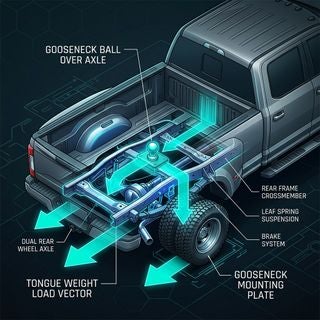
Setting up a 2027 Ford Super Duty for heavy gooseneck towing requires selecting a dual rear wheel configuration, securing a factory-installed gooseneck hitch structure, verifying ball torque, and calibrating tire inflation. A properly equipped dual-wheel model achieves a maximum gooseneck tow rating of up to 40,000 pounds by expanding the rear axle footprint and increasing payload stability for heavy grain carts and livestock trailers. Configuring a Ford Super Duty for demanding agricultural work starts with understanding rear-axle payload dynamics. A gooseneck hitch transfers trailer tongue weight directly over or slightly ahead of the truck's rear axle. When hauling heavy grain or machinery, that downward force can exceed several thousand pounds. Single rear wheel models provide strong performance, capping maximum gooseneck towing around 22,000 to 23,000 pounds depending on cab and axle setup. Choosing a dual rear wheel setup adds two additional tires to the rear axle, which significantly boosts the gross axle weight rating and elevates the maximum available gooseneck towing limit up to 40,000 pounds on properly configured trucks. The extra pair of rear tires dramatically reduces lateral sway and tire sidewall flexing when pulling tall, heavy agricultural loads. Hauling heavy grain loads down the riverfront bluffs near East Liverpool requires maximum control, where extra tire surface area prevents trailer sway on steep grades. The dual-wheel footprint distributes heavy tongue weights across four contact patches, maintaining vehicle balance and preventing rear suspension sag during transit. To prepare the truck bed for heavy towing, the factory 5th-Wheel/Gooseneck Hitch Prep Package integrates a structural cross-member directly into the high-strength steel frame. This setup provides five recessed attachment points in the bed floor, allowing quick installation of the hitch ball and safety chain anchors while preserving a flush bed floor when unhitched. If you need assistance inspecting or setting up your hitch kit, you can obtain driving routes to our East Liverpool facility location or speak directly with our team by giving us a quick call to consult with our heavy-duty truck specialists. Table of Contents Which Engine and Powertrain Options Handle Heavy Agricultural Hauling? What Pre-Season Safety Chain, Pin, and Tire Pressure Checks Are Required? How Do Factory Gooseneck Features, Tech, and Warranties Protect Your Truck? What Post-Harvest Maintenance Is Needed and Can Mobile Service Come to Your Farm? Common Questions About Super Duty Towing Prep and Maintenance Schedule Harvest Towing Prep and Service at Tri State Ford Which Engine and Powertrain Options Handle Heavy Agricultural Hauling? The recommended engine for pulling heavy grain carts and multi-animal livestock trailers is the 6.7L High-Output Power Stroke Turbo Diesel paired with the heavy-duty TorqShift 10-speed automatic transmission. Generating 1,200 lb-ft of torque and 500 horsepower, this powertrain produces massive low-rpm pulling power and incorporates an integrated engine brake to maintain complete control over heavy agricultural payloads. Ford equips the Super Duty lineup with engines tailored to specific agricultural workloads. The standard 6.8L gas V8 and available 7.3L Devictis gas V8 engines deliver reliable performance for medium-duty farm operations, utility equipment, and standard bumper-pull livestock trailers. For severe-duty seasonal work where trailer weights routinely exceed 20,000 pounds, diesel power becomes essential. The standard 6.7L Power Stroke Turbo Diesel provides robust torque, while the High-Output variant steps up output to 1,200 lb-ft of torque, ensuring effortless acceleration when pulling loaded hopper-bottom grain trailers out of soft field lanes. Transmitting that power to the ground requires a heavy-duty drivetrain architecture. The TorqShift 10-speed automatic transmission features selectable drive modes, including Tow/Haul mode, which optimizes gear selection and torque converter lockup under load. On downhill descents, the diesel engine's smart exhaust brake uses variable-geometry turbocharger technology to generate hold-back force, taking strain off the wheel brakes and preventing brake overheat. For operations using single-rear-wheel trucks, the available High-Capacity Trailer Tow Package on F-250 models upgrades the rear axle housing, axle shafts, and suspension springs. This package raises the Gross Combination Weight Rating (GCWR), enabling the F-250 to handle larger gooseneck payloads while maintaining manufacturer durability standards. When servicing your drivetrain or installing severe-duty towing upgrades, farm owners can easily order OEM heavy-duty towing components through our dedicated parts department. What Pre-Season Safety Chain, Pin, and Tire Pressure Checks Are Required? Pre-season agricultural towing inspections require checking safety chain links for distortion, verifying that gooseneck ball locking pins engage cleanly, and setting heavy-duty light truck (LT) rear tires to their maximum cold rating of 80 PSI under full load. Thorough component checks prevent hitch unlatching and reduce tire heat accumulation during long harvest workdays. Before hooking up to a gooseneck trailer for the fall harvest, a complete mechanical inspection of the hitching system is necessary. Examine the gooseneck coupler, safety chain attachment loops, and safety chain hooks for signs of metal fatigue, stress cracking, or severe rust. Safety chain hooks must retain operational spring latches to prevent accidental detachment from the bed tie-down points while in transit across uneven field paths. Inspecting the gooseneck ball and pin mechanism is equally critical: Remove the ball from the bed socket to clear out dirt, chaff, and dried grease from the locking mechanism. Check that internal retention ball bearings move freely and seat firmly when the top latch handle is turned down. Apply a clean layer of high-pressure lithium grease to the ball surface to minimize friction against the trailer coupler. Inspect the coupler pin and locking collar on the trailer to confirm positive mechanical lockup. When area farmers bring their trucks in for pre-harvest inspections, our service technicians prioritize checking the gooseneck ball latching pins for microscopic burrs or corrosion that could prevent full mechanical locking under heavy tongue weight. Tire maintenance directly affects towing stability and load-carrying capacity. Heavy agricultural tongue weight places substantial stress on the truck's rear axle. Heavy-duty light truck tires must be inflated to the cold maximum pressure specified on the driver's door B-pillar label, which is typically 80 PSI for loaded rear tires. Under-inflated rear tires flex excessively under heavy gooseneck tongue weight, causing rapid heat accumulation, irregular tread wear, and compromised vehicle handling. Check cold tire pressures every morning before driving to ensure optimal load capacity and tire longevity. How Do Factory Gooseneck Features, Tech, and Warranties Protect Your Truck? Ford factory gooseneck packages preserve your truck's warranty coverage while integrating specialized trailering technology like Pro Trailer Hitch Assist and a standardized 2-5/16-inch gooseneck ball system. Installing an aftermarket gooseneck hitch does not void your Ford factory warranty, though any component damage caused directly by improper aftermarket installation or vehicle modification will not be covered. The Ford factory gooseneck preparation kit features a high-strength subframe mounted directly to the boxed steel frame rails beneath the pickup bed. This system supports a standard 2-5/16-inch gooseneck ball, which accommodates the vast majority of agricultural, livestock, and commercial gooseneck trailers. For extra-heavy commercial applications, 3-inch ball assemblies are also compatible with specialized heavy-duty couplers. Because the factory hitch subframe is engineered alongside the truck frame, stress distribution is fully validated by Ford chassis engineers. Modern Super Duty models combine heavy iron with intelligent towing tech: Pro Trailer Hitch Assist uses rear tailgate camera vision and ultrasonic sensors to steer, accelerate, and brake the truck automatically into alignment with the trailer coupler socket. Tire Pressure Monitoring System capabilities extend to auxiliary sensors installed on the trailer, displaying real-time trailer tire pressures and temperatures inside the cabin. 360-Degree Camera Package provides digital bird's-eye views around the bed and trailer sides, helping drivers navigate tight farm gates and grain elevator drop zones. PowerScope trailer tow mirrors extend and fold electronically, offering clear views along wide livestock trailers. Questions frequently arise regarding aftermarket hitches and manufacturer warranty protections. Under federal warranty guidelines, adding an aftermarket hitch kit does not automatically void your Ford powertrain or bumper-to-bumper warranties. However, if an aftermarket installation requires cutting frame cross-members or tapping into wiring harnesses, any resulting structural failures or electrical shorts are excluded from warranty coverage. Choosing factory prep options or genuine Ford accessories installed by factory-trained technicians ensures your full manufacturer warranty protection remains completely undisturbed. What Post-Harvest Maintenance Is Needed and Can Mobile Service Come to Your Farm? Post-harvest Super Duty maintenance requires replacing air filters clogged with chaff, servicing diesel fuel filters, inspecting brake system wear, and thoroughly cleaning the undercarriage to prevent corrosion. To keep farm operations moving without logistical delays, certified Ford Commercial Vehicle Centers deploy mobile service vans to perform routine maintenance directly at your location. Working long hours in dusty crop fields and hauling heavy grain trailers subjects heavy-duty trucks to demanding operating conditions. Once the harvest concludes, a comprehensive post-harvest service schedule restores your truck to peak efficiency: Replace engine air filters and cabin air filters to remove accumulated field dust, crop chaff, and fine debris. Service primary and secondary fuel filters on Power Stroke diesel engines to remove water condensate and fuel contaminants gathered during heavy fuel consumption. Inspect front and rear brake pads, rotors, and caliper slides for excessive wear caused by heavy trailer deceleration. Perform comprehensive undercarriage washing to flush out dirt, mud, and corrosive agricultural chemical residue lodged in frame pockets. Inspect differential fluid and transfer case lubricant levels for thermal breakdown resulting from continuous high-load towing. For agricultural operations managing equipment near the rolling farmland around Calcutta, mobile service brings factory-trained technicians straight to the farm lane. Mobile service vans are fully outfitted with professional diagnostic equipment, fluid extraction tools, and OEM parts to complete oil changes, filter replacements, software updates, and routine battery testing and maintenance right on site. You can easily schedule a post-harvest service appointment online or explore our Ford Mobile Service capabilities to minimize farm fleet downtime. Common Questions About Super Duty Towing Prep and Maintenance Q: Does installing a gooseneck hitch myself affect my Ford bumper-to-bumper warranty? Installing a gooseneck hitch yourself does not automatically void your overall Ford factory warranty. Federal warranty regulations state that coverage remains intact unless an aftermarket part or installation directly causes a mechanical, structural, or electrical failure. If frame modifications or improper wiring lead to vehicle damage, those specific repairs will not be covered under warranty. Having factory prep installed or using genuine Ford accessories fitted by certified service technicians prevents potential warranty disputes. Q: What is the main difference between single rear wheel and dual rear wheel setups when hauling livestock trailers? Dual rear wheel configurations feature a wider rear axle track and four rear tires, which significantly reduces lateral vehicle sway when live animals shift weight inside a trailer. While single rear wheel trucks comfortably haul moderate gooseneck loads up to around 22,000 to 23,000 pounds, dual rear wheel models increase gross axle weight ratings and extend maximum gooseneck towing capacity up to 40,000 pounds, providing superior stability on rural roads. Q: How often should diesel fuel filters be replaced when hauling heavy agricultural loads? Fuel filters on Power Stroke diesel engines should generally be replaced every 15,000 to 22,500 miles under standard driving conditions, but heavy seasonal agricultural towing calls for shorter intervals. Operating in dusty field environments and burning larger quantities of fuel under load increases particulate accumulation and water separation in the fuel system. Replacing both primary and secondary fuel filters prior to and immediately following harvest prevents injector wear and maintains engine performance. Q: Why must rear tire pressure be adjusted specifically for fully loaded gooseneck trailers? Gooseneck trailers transfer high vertical tongue weights directly over the truck's rear axle. Setting rear light truck tires to their cold maximum rating of 80 PSI stiffens the tire sidewalls, preventing extreme tread squirm, excessive internal heat build-up, and handling instability under load. Running lower pressures while carrying maximum agricultural payloads accelerates tread breakdown and elevates the risk of tire failure during transport. Q: What is included in the F-250 High-Capacity Trailer Tow Package for heavy-duty pulling? The High-Capacity Trailer Tow Package upgrades select Ford F-250 configurations with a larger rear axle housing, reinforced axle shafts, and upgraded heavy-duty rear springs. These structural enhancements increase the truck's Gross Combination Weight Rating (GCWR), allowing the F-250 to pull heavier gooseneck and fifth-wheel agricultural loads safely while remaining fully within factory-engineered vehicle tolerances. Schedule Harvest Towing Prep and Service at Tri State Ford Preparing your Ford Super Duty for heavy agricultural towing requires precise mechanical inspections, proper tire maintenance, and certified technical care. Our service team at Tri State Ford provides factory-backed gooseneck maintenance, heavy-duty brake checks, diesel engine filter changes, and complete fluid services to ensure your truck delivers reliable performance all season long. Whether you manage a single truck or a full farm fleet, our certified technicians are equipped to support your agricultural operation. You can plan a route to visit our service center in East Liverpool, connect directly with our service desk at (330) 462-7578, or arrange convenient maintenance through our Ford Pick Up & Delivery service options today. © 2026 Tri State Ford. All rights reserved. Title Tags 2027 Ford Super Duty Towing Setup in East Liverpool OH | Tri State Ford Meta Description Keywords Open Graph Twitter Card Canonical Article Metadata Geographic Targeting { "@context": "https://schema.org", "@graph": [ { "@type": "NewsArticle", "@id": "#article", "headline": "How Do You Set Up a 2027 Super Duty for Heavy Gooseneck Towing?", "datePublished": "2026-08-30T16:50:47.620Z", "dateModified": "2026-08-30T16:52:29.341Z", "author": { "@id": "#author" }, "publisher": { "@id": "#dealer" }, "wordCount": 2168, "description": "Learn how to configure a 2027 Ford Super Duty for heavy gooseneck towing, including dual rear wheel selection and factory hitch prep packages to handle up to 40,000 pounds of capacity." }, { "@type": "AutoDealer", "@id": "#dealer", "name": "Tri State Ford", "url": "https://www.tristateford.net", "telephone": "+13304627578", "sameAs": [ "https://maps.google.com/?cid=1136336406351438323" ], "address": { "@type": "PostalAddress", "streetAddress": "1503 Pennsylvania Ave", "addressLocality": "East Liverpool", "addressRegion": "OH", "postalCode": "43920", "addressCountry": "US" }, "areaServed": { "@type": "GeoCircle", "geoMidpoint": { "@type": "GeoCoordinates", "latitude": "40.6367833", "longitude": "-80.5443033" }, "geoRadius": "48280" }, "geo": { "@type": "GeoCoordinates", "latitude": "40.6367833", "longitude": "-80.5443033" }, "openingHours": [ "Mo 09:00-20:00", "Tu 09:00-18:00", "We 09:00-18:00", "Th 09:00-20:00", "Fr 09:00-18:00", "Sa 09:00-15:00" ] }, { "@type": "FAQPage", "@id": "#faq", "mainEntity": [ { "@type": "Question", "name": "Does installing a gooseneck hitch myself affect my Ford bumper-to-bumper warranty?", "acceptedAnswer": { "@type": "Answer", "text": "Installing a gooseneck hitch yourself does not automatically void your overall Ford factory warranty. Federal warranty regulations state that coverage remains intact unless an aftermarket part or installation directly causes a mechanical, structural, or electrical failure. If frame modifications or improper wiring lead to vehicle damage, those specific repairs will not be covered under warranty. Having factory prep installed or using genuine Ford accessories fitted by certified service technicians prevents potential warranty disputes." } }, { "@type": "Question", "name": "What is the main difference between single rear wheel and dual rear wheel setups when hauling livestock trailers?", "acceptedAnswer": { "@type": "Answer", "text": "Dual rear wheel configurations feature a wider rear axle track and four rear tires, which significantly reduces lateral vehicle sway when live animals shift weight inside a trailer. While single rear wheel trucks comfortably haul moderate gooseneck loads up to around 22,000 to 23,000 pounds, dual rear wheel models increase gross axle weight ratings and extend maximum gooseneck towing capacity up to 40,000 pounds , providing superior stability on rural roads." } }, { "@type": "Question", "name": "How often should diesel fuel filters be replaced when hauling heavy agricultural loads?", "acceptedAnswer": { "@type": "Answer", "text": "Fuel filters on Power Stroke diesel engines should generally be replaced every 15,000 to 22,500 miles under standard driving conditions, but heavy seasonal agricultural towing calls for shorter intervals. Operating in dusty field environments and burning larger quantities of fuel under load increases particulate accumulation and water separation in the fuel system. Replacing both primary and secondary fuel filters prior to and immediately following harvest prevents injector wear and maintains engine performance." } }, { "@type": "Question", "name": "Why must rear tire pressure be adjusted specifically for fully loaded gooseneck trailers?", "acceptedAnswer": { "@type": "Answer", "text": "Gooseneck trailers transfer high vertical tongue weights directly over the truck's rear axle. Setting rear light truck tires to their cold maximum rating of 80 PSI stiffens the tire sidewalls, preventing extreme tread squirm, excessive internal heat build-up, and handling instability under load. Running lower pressures while carrying maximum agricultural payloads accelerates tread breakdown and elevates the risk of tire failure during transport." } }, { "@type": "Question", "name": "What is included in the F-250 High-Capacity Trailer Tow Package for heavy-duty pulling?", "acceptedAnswer": { "@type": "Answer", "text": "The High-Capacity Trailer Tow Package upgrades select Ford F-250 configurations with a larger rear axle housing, reinforced axle shafts, and upgraded heavy-duty rear springs. These structural enhancements increase the truck's Gross Combination Weight Rating (GCWR), allowing the F-250 to pull heavier gooseneck and fifth-wheel agricultural loads safely while remaining fully within factory-engineered vehicle tolerances." } } ] } ] }

h

How Often Should I Change My Oil

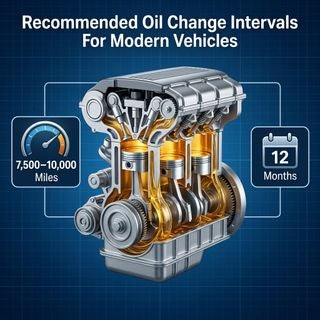
.hrizn-rte-content .e-rte-image{border:0;max-width:100%;height:auto} .hrizn-rte-content .e-rte-image.e-imginline{display:inline-block;float:none;margin-left:5px;margin-right:5px;max-width:calc(100% - 10px);vertical-align:bottom} .hrizn-rte-content .e-rte-image.e-imgbreak,.hrizn-rte-content .e-rte-image.e-imgcenter{display:block;float:none;margin:5px auto;max-width:100%} .hrizn-rte-content .e-rte-image.e-imgleft{float:left;margin:0 12px 8px 0;max-width:100%} .hrizn-rte-content .e-rte-image.e-imgright{float:right;margin:0 0 8px 12px;max-width:100%} .hrizn-rte-content figure.e-rte-image{margin:8px auto;max-width:100%} .hrizn-rte-content figure.e-imgleft{float:left;margin:0 12px 8px 0} .hrizn-rte-content figure.e-imgright{float:right;margin:0 0 8px 12px} .hrizn-rte-content figure.e-imgcenter{display:block;margin:8px auto;text-align:center} Most modern vehicles using full synthetic or synthetic-blend motor oil require an oil change every 7,500 to 10,000 miles or once every 12 months, whichever arrives first. Advances in engine manufacturing, precise internal tolerances, and modern lubricant chemistry have safely extended service intervals far beyond older maintenance habits for standard daily driving. Automotive engine technology has evolved significantly over the past two decades. Modern powertrains, such as the 2.3L EcoBoost engine in the Ford Explorer or the 1.5L engine in the Ford Escape Hybrid, operate with exceptional thermal efficiency and tight mechanical clearances. These engineering improvements reduce the rate at which combustion byproducts pollute the crankcase, allowing clean motor oil to protect moving parts over longer distances. Distance is only half of the maintenance equation. Engine oil breaks down over time due to exposure to oxygen, ambient moisture, and fuel vapors. A vehicle driven for only 3,000 miles in a calendar year still requires an annual oil and filter refresh. Low-mileage driving along suburban routes around Calcutta often involves short trips that prevent the engine from reaching full operating temperature. When an engine remains cool, condensed water vapor accumulates inside the oil pan rather than evaporating off, creating acidic compounds that harm internal seals over time. Following the exact maintenance schedule outlined by the vehicle manufacturer preserves long-term dependability and maintains factory warranty coverage. To review your specific maintenance schedule or speak with certified technicians, visit our service center on Pennsylvania Avenue or give our team a quick call to discuss your driving routine. Table of Contents Is the 3,000-Mile Oil Change Rule Still Valid for Modern Engines? Normal vs. Severe Service Schedules: What Driving Habits Shorten Oil Life? Conventional vs. Synthetic Oil: What Are Typical Service Intervals? How to Check Motor Oil Correctly and Spot Overdue Symptoms Common Questions About Engine Oil Care and Maintenance Intervals Schedule Reliable Engine Care and Routine Service Is the 3,000-Mile Oil Change Rule Still Valid for Modern Engines? The traditional 3,000-mile oil change rule is no longer necessary for modern vehicles operating under normal driving conditions. Contemporary engines feature advanced metallurgy and precise fuel injection systems that, when paired with high-quality synthetic lubricants, maintain protective viscosity well past 7,500 miles. The 3,000-mile guideline originated decades ago when carbureted engines and basic mineral oils were the industry standard. Older engine designs permitted higher rates of unburnt fuel to wash down cylinder walls into the oil pan. Older mineral oils also suffered from rapid thermal breakdown, losing their ability to lubricate critical components under sustained high heat. Modern synthetic lubricants contain advanced detergent packages, anti-wear additives, and shear-stable base stocks designed to withstand extreme pressure without thinning out prematurely. Changing your motor oil every 3,000 miles on a modern engine running under standard conditions results in unnecessary service expenses and wasted fluid. Automakers engineer modern maintenance schedules around real-world oil degradation rates. Adhering to a 7,500-mile to 10,000-mile service window provides complete engine protection while optimizing your maintenance schedule. Selecting the proper filter is just as critical as choosing the right oil viscosity. A high-efficiency oil filter removes microscopic metal particles and carbon deposits down to tiny micron levels. When performing routine maintenance at home, ordering genuine Ford oil filters and OEM fluids ensures proper bypass valve calibration and continuous oil flow to upper valvetrain components. Normal vs. Severe Service Schedules: What Driving Habits Shorten Oil Life? Severe service maintenance schedules require changing motor oil every 3,000 to 5,000 miles due to operational demands that accelerate fluid contamination and thermal breakdown. Driving patterns that involve frequent short trips, heavy payload hauling, extended idling, or extreme local weather classify a vehicle for severe-duty service intervals. Understanding what constitutes severe service helps protect your engine against premature wear. Automakers define severe driving conditions through several specific operational scenarios: Frequent short trips: Drives under 5 miles in ambient weather, or under 10 miles in freezing temperatures, prevent the engine from reaching steady-state heat, trapping moisture inside the crankcase. Heavy stop-and-go driving: Navigating urban traffic or idling for extended periods increases engine operating hours without accumulating odometer miles. Towing and heavy loads: Hauling trailers or maximum cargo with a truck like the Ford F-150 equipped with the 3.5L EcoBoost engine subjects the motor oil to elevated thermal loads and shearing forces. Harsh terrain and dust: Driving on unpaved gravel roads or navigating steep inclines, such as the riverfront bluffs in East Liverpool, forces the engine to work harder while exposing intake systems to elevated dust levels. During routine service check-ins, drivers frequently ask whether short winter commuting requires earlier oil changes than highway driving. Operating a vehicle during freezing weather without reaching full operating heat creates sludge buildup faster than high-speed turnpike cruising. Reviewing your daily drive pattern with a technician clarifies whether your vehicle benefits from a severe-service maintenance window. Maintaining proper underlying systems also prevents oil degradation; monitoring routine vehicle maintenance and battery health guidelines ensures strong starter engagement during cold-weather startups. Conventional vs. Synthetic Oil: What Are Typical Service Intervals? Full synthetic motor oil typically delivers 7,500 to 10,000 miles of engine protection between changes, whereas conventional mineral oil requires replacement every 3,000 to 5,000 miles. Synthetic blend formulations offer a middle ground, providing reliable wear protection for 5,000 to 7,500 miles under normal driving conditions. Full synthetic oil undergoes a comprehensive chemical refining process that uniformizes molecular structures. This uniformity allows synthetic fluid to flow instantly during freezing cold startups while resisting high-temperature oxidation during summer operation. Conventional oil consists of refined crude mineral fluid with irregular molecular sizes, making it more vulnerable to thermal breakdown, evaporation, and sludge accumulation under heavy engine strain. Modern Ford vehicles utilize an onboard Intelligent Oil-Life Monitor system that removes guesswork from scheduling fluid changes. Rather than relying solely on static mileage tracking, the system continuously analyzes sensor inputs including: Engine operating temperatures and cold-start frequency Total engine revolutions and load factors Extended idling duration and towing hours When the system calculates that fluid life has reached approximately 5%, it displays a "Change Engine Oil Soon" message on the instrument cluster, followed by an "Oil Change Required" alert at 0%. Following these digital prompts guarantees that you replace fluid precisely when required. For drivers managing busy weekly routines, taking advantage of Ford mobile service options allows certified technicians to complete routine oil and filter maintenance directly in your driveway or workplace parking lot. How to Check Motor Oil Correctly and Spot Overdue Symptoms To obtain an accurate motor oil reading, check the dipstick roughly 5 to 10 minutes after turning off a fully warmed-up engine while parked on a level surface. Waiting several minutes allows fluid circulating through the upper cylinder heads to drain back completely into the oil pan. Checking your oil level involves a straightforward step-by-step process: Park the vehicle on flat, level ground and turn off the ignition after the engine reaches normal operating temperature. Allow the engine to rest for 5 to 10 minutes so internal fluid settles into the sump. Open the hood, locate the dipstick handle, pull the dipstick out completely, and wipe it clean with a lint-free rag. Reinsert the dipstick fully into its tube, then pull it back out to inspect the oil level relative to the crosshatched indicators. Verify that the fluid line sits comfortably between the minimum and maximum fill marks. Recognizing early indicators of degraded motor oil prevents expensive internal mechanical damage. Postponing oil changes past recommended limits produces distinct warning signs: Dark, gritty fluid: Fresh oil displays a clear amber color; thick, black, or abrasive fluid indicates heavy carbon accumulation. Valvetrain ticking noises: Depleted oil loses hydraulic film strength, causing metallic tapping or ticking sounds from hydraulic lifters upon startup. Strong fuel odor: An oil level reading above the maximum mark accompanied by a sharp smell of gasoline points to fuel dilution inside the crankcase. Dashboard illuminated alerts: Low oil pressure light warnings or persistent oil maintenance messages signal immediate service requirements. Common Questions About Engine Oil Care and Maintenance Intervals Q: Should motor oil be changed by calendar time even if the vehicle is barely driven? Yes, motor oil must be replaced at least once every 12 months regardless of how few miles appear on the odometer. Over time, stationary oil inside the crankcase absorbs ambient moisture and unburnt fuel byproducts. This chemical reaction creates internal acids and harmful sludge that can corrode engine bearings and degrade internal seals even while the vehicle remains parked inside a garage. Q: Can synthetic motor oil be used in older engines or vehicles previously using conventional oil? Switching to full synthetic motor oil in older vehicles or engines that previously used conventional oil is completely safe and beneficial. Modern synthetic formulations meet rigorous API SP and ILSAC GF-6A performance standards, offering immediate oil pressure during cold engine starts and superior resistance against thermal breakdown without causing seal leaks or internal damage. Q: What does it mean if the oil level is overfull and smells strongly of gasoline? An oil level reading above the full mark paired with a strong gasoline odor indicates fuel dilution inside the crankcase. This condition commonly occurs when vehicles are driven exclusively on short, cold trips or when a fuel injector leaks. Unburnt fuel thins the motor oil, destroying its lubricating properties, and requires immediate fluid replacement to avoid bearing damage. Q: Is it necessary to replace the oil filter during every oil change? Replacing the engine oil filter during every service appointment is essential for long-term engine durability. The oil filter traps microscopic metal particles, dirt, and carbon debris generated during combustion. Leaving a saturated, dirty filter in place forces fresh motor oil through the filter's internal bypass valve, recirculating trapped contaminants directly back into critical engine components. Q: How does Ford’s Intelligent Oil-Life Monitor know when service is due? The Intelligent Oil-Life Monitor calculates fluid degradation by continuously analyzing operational data from the powertrain control module. It evaluates total engine revolutions, ambient operating temperatures, idling time, and towing duration. By calculating real-world engine stress rather than using simple mileage counting, it accurately alerts the driver when oil life reaches 5% remaining capacity. To keep your vehicle running smoothly, you can easily schedule a service appointment online with our certified maintenance team. Schedule Reliable Engine Care and Routine Service Adhering to correct oil change intervals is the single most effective action you can take to preserve engine performance, maximize fuel economy, and ensure long-term vehicle reliability. Whether your daily commute calls for standard 7,500-mile synthetic service or your towing habits require a 5,000-mile severe-duty schedule, maintaining fresh lubricants protects your investment mile after mile. Our factory-trained technicians at Tri State Ford utilize genuine OEM filters and manufacturer-recommended oil viscosities tailored specifically to your engine. Located at 1503 Pennsylvania Ave, East Liverpool, OH 43920, our service center provides complete vehicle maintenance, routine multi-point safety inspections, and transparent care for every driver. Take the next step in protecting your powertrain by exploring our available service slots today. You can get directions to Tri State Ford to plan your visit or give our service department a quick call to speak directly with an advisor about your vehicle's maintenance needs. © 2026 Tri State Ford. All rights reserved. Vehicle specification data © JATO Dynamics Limited. Title Tags Modern Vehicle Oil Change Intervals in East Liverpool OH | Tri State Ford Meta Description Keywords Open Graph Twitter Card Canonical Article Metadata Geographic Targeting { "@context": "https://schema.org", "@graph": [ { "@type": "NewsArticle", "@id": "#article", "headline": "How Often Does a Modern Vehicle Actually Need an Oil Change?", "datePublished": "2026-08-29T20:26:59.455Z", "dateModified": "2026-08-29T20:28:48.963Z", "author": { "@id": "#author" }, "publisher": { "@id": "#dealer" }, "wordCount": 1893, "description": "Modern vehicles using synthetic oil typically require oil changes every 7,500 to 10,000 miles or once a year, making the old 3,000-mile rule obsolete." }, { "@type": "AutoDealer", "@id": "#dealer", "name": "Tri State Ford", "url": "https://www.tristateford.net", "telephone": "+13304627578", "sameAs": [ "https://maps.google.com/?cid=1136336406351438323" ], "address": { "@type": "PostalAddress", "streetAddress": "1503 Pennsylvania Ave", "addressLocality": "East Liverpool", "addressRegion": "OH", "postalCode": "43920", "addressCountry": "US" }, "areaServed": { "@type": "GeoCircle", "geoMidpoint": { "@type": "GeoCoordinates", "latitude": "40.6367833", "longitude": "-80.5443033" }, "geoRadius": "48280" }, "geo": { "@type": "GeoCoordinates", "latitude": "40.6367833", "longitude": "-80.5443033" }, "openingHours": [ "Mo 09:00-20:00", "Tu 09:00-18:00", "We 09:00-18:00", "Th 09:00-20:00", "Fr 09:00-18:00", "Sa 09:00-15:00" ] }, { "@type": "FAQPage", "@id": "#faq", "mainEntity": [ { "@type": "Question", "name": "Should motor oil be changed by calendar time even if the vehicle is barely driven?", "acceptedAnswer": { "@type": "Answer", "text": "Yes, motor oil must be replaced at least once every 12 months regardless of how few miles appear on the odometer. Over time, stationary oil inside the crankcase absorbs ambient moisture and unburnt fuel byproducts. This chemical reaction creates internal acids and harmful sludge that can corrode engine bearings and degrade internal seals even while the vehicle remains parked inside a garage." } }, { "@type": "Question", "name": "Can synthetic motor oil be used in older engines or vehicles previously using conventional oil?", "acceptedAnswer": { "@type": "Answer", "text": "Switching to full synthetic motor oil in older vehicles or engines that previously used conventional oil is completely safe and beneficial. Modern synthetic formulations meet rigorous API SP and ILSAC GF-6A performance standards, offering immediate oil pressure during cold engine starts and superior resistance against thermal breakdown without causing seal leaks or internal damage." } }, { "@type": "Question", "name": "What does it mean if the oil level is overfull and smells strongly of gasoline?", "acceptedAnswer": { "@type": "Answer", "text": "An oil level reading above the full mark paired with a strong gasoline odor indicates fuel dilution inside the crankcase. This condition commonly occurs when vehicles are driven exclusively on short, cold trips or when a fuel injector leaks. Unburnt fuel thins the motor oil, destroying its lubricating properties, and requires immediate fluid replacement to avoid bearing damage." } }, { "@type": "Question", "name": "Is it necessary to replace the oil filter during every oil change?", "acceptedAnswer": { "@type": "Answer", "text": "Replacing the engine oil filter during every service appointment is essential for long-term engine durability. The oil filter traps microscopic metal particles, dirt, and carbon debris generated during combustion. Leaving a saturated, dirty filter in place forces fresh motor oil through the filter's internal bypass valve, recirculating trapped contaminants directly back into critical engine components." } }, { "@type": "Question", "name": "How does Ford’s Intelligent Oil-Life Monitor know when service is due?", "acceptedAnswer": { "@type": "Answer", "text": "The Intelligent Oil-Life Monitor calculates fluid degradation by continuously analyzing operational data from the powertrain control module. It evaluates total engine revolutions, ambient operating temperatures, idling time, and towing duration. By calculating real-world engine stress rather than using simple mileage counting, it accurately alerts the driver when oil life reaches 5% remaining capacity. To keep your vehicle running smoothly, you can easily schedule a service appointment online with our certified maintenance team." } } ] } ] }