
Seeing the temperature gauge spike or a warning light flash on your dashboard is a stressful moment for any driver. If the cooling system in your vehicle stops working while you are driving, taking prompt action can help reduce the chance of more serious engine damage. Continuing to drive an overheating vehicle can warp aluminum cylinder heads, destroy head gaskets, and lead to total engine seizure within minutes.
The very first step is to find a safe place to pull off the road promptly. Signal your intentions, steer your vehicle to the shoulder, and turn off the engine. Once you are safely parked, switch on your hazard lights. Avoid opening the hood right away. Under-hood temperatures can exceed several hundred degrees, and pressurized, boiling coolant can spray out, causing severe burns. Allow the vehicle to sit undisturbed for at least 30 minutes before attempting to inspect anything under the hood.
While you wait for the engine to cool down, you can check your vehicle’s physical status from a safe distance. Look under the front bumper to see if fluid is actively pooling on the pavement. If you see a bright, watery fluid dripping rapidly, you are likely dealing with a major coolant leak. For drivers facing this situation, continuing to drive is not an option. If you are stranded, you should contact professional roadside assistance to transport your vehicle safely to a certified service facility.
If your vehicle is safe to transport or you need professional guidance on the next steps, you can reach out to our service team by giving us (330) 462-7578 a quick call. Our certified technicians can help coordinate towing and prepare our service bay for your arrival. For those who need to locate our facility directly, you can get turn-by-point directions to our service center by using our Google Maps location, which will bring you straight to our dedicated repair facility.
Table of Contents
- Key Mechanical Components of Your Engine Cooling System
- The Physics of turning on Your Heater to Cool the Engine
- Understanding Coolant Colors and OEM Radiator Construction
- Cooling Systems in Electric Vehicles vs Traditional Engines
- Diagnostic Fees and Sweet Smells in the Cabin
- Common Questions About Vehicle Overheating and Cooling Repairs
- Trusted Cooling System Service and Maintenance
Key Mechanical Components of Your Engine Cooling System
An automotive cooling system is a complex, closed-loop network designed to manage intense thermal energy. When the system fails, it is typically because one of several highly specialized mechanical components has stopped performing its job. Understanding how these parts function helps demystify why your engine might suddenly run hot during a standard drive.
The heart of the system is the water pump, which physically circulates coolant through the engine block, cylinder heads, and radiator. If the water pump’s internal impeller slips or its bearing fails, coolant stalls, and heat builds up instantly. Another common failure point is the thermostat, a small temperature-sensitive valve that opens and closes to regulate coolant flow. If a thermostat gets stuck in the closed position, it acts as a physical barrier, preventing hot coolant from reaching the radiator to shed its heat.
The radiator itself, along with its cooling fans, is responsible for transferring heat from the liquid coolant into the passing air. Radiators can develop external blockages from road debris or internal clogs from degraded fluid. Additionally, the radiator cap plays a vital role by maintaining system pressure, typically rated between 12 to 16 PSI. This pressure raises the boiling point of the coolant, preventing it from boiling off under normal operating temperatures. If the cap fails to hold pressure, the system will boil over prematurely.
To prevent these failures, replacing worn components with high-quality parts is essential. If you need replacement hoses, a new thermostat, or a water pump, you can order genuine OEM parts directly through our website to ensure a perfect fit. Keeping up with routine maintenance is also easier on your wallet when you take advantage of our manufacturer service offers, which often feature offers on cooling system inspections and fluid exchanges. If your vehicle requires extensive engine repairs following an overheating event, our finance department can assist you with flexible payment options to help manage unexpected service bills.
The Physics of turning on Your Heater to Cool the Engine
It sounds counterintuitive to turn on your cabin’s heater when your engine is already running hot, especially on a warm summer day. However, this old-school driver’s trick is grounded in basic thermodynamic principles. Your vehicle’s cabin heating system is essentially a secondary, miniature cooling system that operates parallel to your primary radiator.
When you slide your temperature control to maximum heat and turn the cabin fan to its highest setting, you are opening a valve that allows hot coolant to flow into the heater core. The heater core is a small, radiator-like heat exchanger located behind your dashboard. The cabin fan blows air across the fins of this core, transferring heat away from the hot coolant and blowing it directly into the passenger cabin.
By pulling thermal energy out of the coolant and venting it into the passenger area, you are manually shedding heat from the engine block. While this will make the cabin temporary uncomfortable, it can drop the engine’s operating temperature by several crucial degrees. This technique is a temporary, emergency measure designed to buy you enough time to pull over safely—it is not a permanent fix for a damaged cooling system.
If your vehicle is suffering from chronic overheating issues, it may be time to consider whether your current vehicle still fits your daily driving demands. If you are thinking about upgrading to a highly reliable vehicle with a modern, heavy-duty cooling package, you can get a Kelley Blue Book Instant Cash Offer for your current car online. For local commercial operators and drivers hauling heavy loads, upgrading to a robust truck from our F-Series work truck inventory ensures you have the cooling capacity needed for demanding jobs. If you cannot safely drive your vehicle to our shop, we also offer a convenient pickup and delivery service where we will collect your vehicle, service it, and return it to you.
Understanding Coolant Colors and OEM Radiator Construction
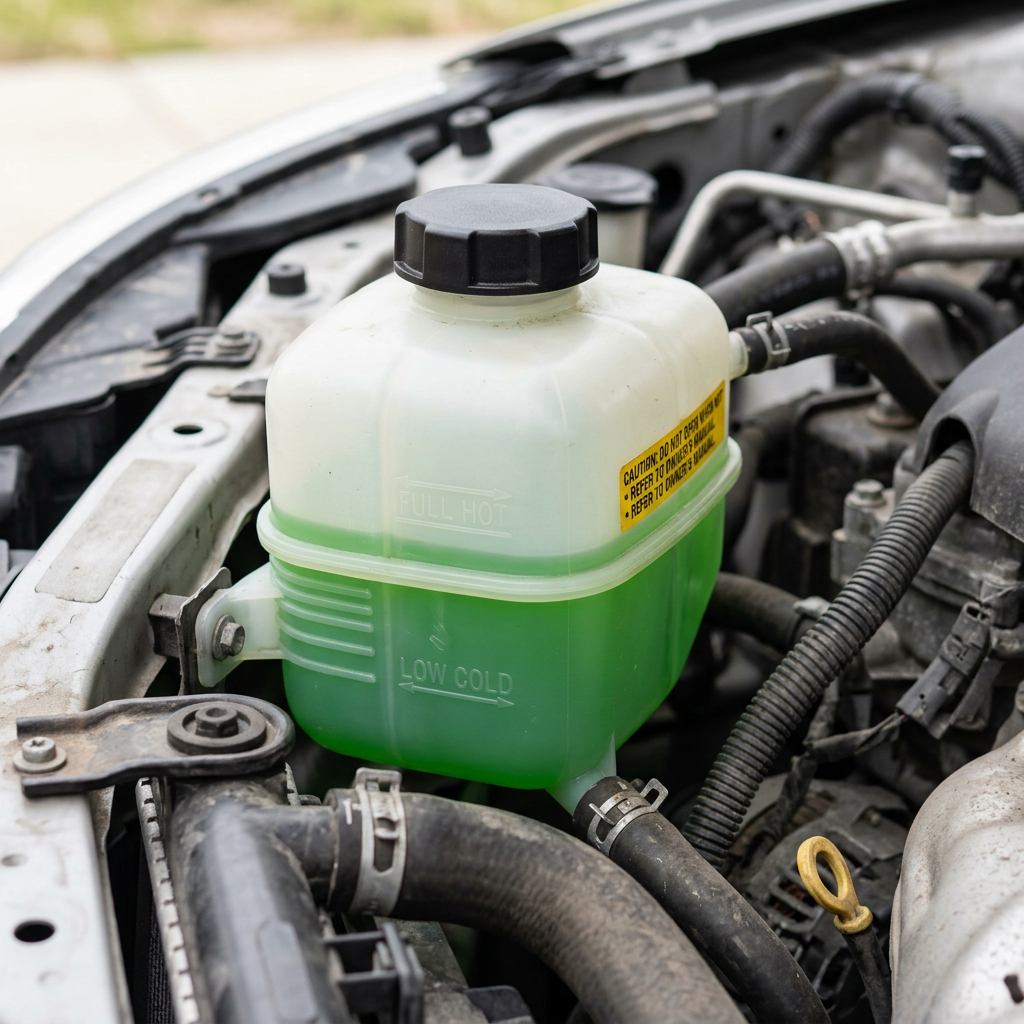
Automotive coolant is no longer a one-size-fits-all fluid. Modern vehicle manufacturers utilize different chemical formulations to protect specific metals and gasket materials inside their engines. Using the wrong coolant type can lead to rapid chemical reactions, resulting in a thick gel that clogs narrow radiator passages and causes severe overheating.
Traditionally, vehicles used green coolant, which relies on Inorganic Additive Technology ( IAT). This formula contains silicates and phosphates that provide excellent fast-acting protection for cast iron and aluminum, but it must be replaced every two years. Most modern vehicles utilize orange coolant, which is formulated with Organic Acid Technology ( OAT). This silicate-free formula is designed for long-term aluminum protection and can last up to five years or 150,000 miles. Many Asian manufacturers specify blue coolant, which is a Hybrid Organic Acid Technology ( HOAT) formulation that is phosphate-compatible and optimized for specific water pump seal designs.
Another common point of discussion among vehicle owners is radiator construction. Many drivers wonder why original equipment manufacturers use radiators with plastic end tanks crimped onto an aluminum core, given that plastic can eventually crack under constant heat cycling. The reasons are practical: plastic-tank radiators are lighter, allow for complex molded shapes that fit tight engine bays, and are highly cost-effective to manufacture while easily lasting through the vehicle’s standard warranty period.
For local drivers navigating the hills around Calcutta, ensuring your cooling system is filled with the exact OEM-specified fluid is critical to preventing premature component failure. If you utilize your vehicle for heavy towing or commercial work, choosing a model with a heavy-duty cooling package is highly recommended. You can browse our rugged new truck inventory to find models equipped with upgraded radiators and auxiliary coolers. We also offer specialized commercial options, which you can view in our used work truck inventory or our new work truck inventory online.
Cooling Systems in Electric Vehicles vs Traditional Engines
While electric vehicles do not have an internal combustion engine generating thousands of explosions per minute, they still require highly sophisticated thermal management systems. In fact, electric vehicles often feature more complex cooling networks than traditional gasoline vehicles because their batteries, power electronics, and electric motors must be kept within very narrow, optimal temperature ranges.
Unlike gasoline vehicles that use standard glycol-based mixtures, most electric vehicles utilize specialized low-conductivity coolants. These fluids are formulated to minimize the risk of electrical shorts or fires in the rare event of an internal battery pack leak. The cooling system in an electric vehicle must also work in reverse; during freezing weather, it must actively warm the battery pack to maintain charging efficiency and prevent permanent cell damage.
For drivers in our region, cold winter temperatures can impact electric vehicle performance. In our cold-winter climate zone, local owners typically see an EV winter range loss of between 15% and 30% on the coldest days. This range loss occurs because energy must be diverted from the battery to heat both the cabin and the battery pack itself. Ensuring your vehicle’s thermal management system is functioning perfectly is key to minimizing this winter range reduction.
If you are interested in ordering a new vehicle with the latest thermal management technology, you can configure your ideal model using our new vehicle custom order tool. We also encourage you to check our rotating manufacturer vehicle offers to see current factory incentives. For additional savings, you can browse our curated list of new vehicle offers as well as our quality used vehicle offers to find a model that fits your budget and lifestyle.
Diagnostic Fees and Sweet Smells in the Cabin
When you bring an overheating vehicle to a professional repair shop, the process begins with a dedicated diagnostic inspection. This fee typically ranges between $100 and $150 at most professional facilities. This charge covers the technician’s time to perform pressure tests, check for combustion gases in the coolant reservoir, and utilize electronic scan tools to monitor live temperature data from various engine sensors. At many shops, this diagnostic fee is applied directly toward the cost of the repair if you choose to have them perform the work.
One distinct warning sign of a cooling system issue is a sweet, syrup-like smell inside the passenger cabin. This scent is the unmistakable smell of warm ethylene glycol. If you notice this aroma, it almost always indicates a leaking heater core. Because the heater core is located behind the dashboard, a leak will often vent sweet-smelling vapor through your HVAC vents or drip physical coolant onto the passenger-side footwell carpet.
Ignoring a sweet smell or a small coolant leak can quickly lead to a major breakdown. Over time, low coolant levels can cause your engine to run hot, which may damage critical components. It is always best to address these minor warning signs before they turn into expensive, inconvenient repairs on your daily commute.
If your vehicle’s cooling issues are accompanied by starting difficulties, it is also wise to check your electrical system. You can read our professional battery service and testing advice to learn how to identify a failing battery. For those looking for a versatile vehicle with a highly reliable climate control system, you can explore our spacious new truck inventory. If you run a business and need a dependable commercial vehicle with rear climate controls, we also carry a wide selection of Transit work vans designed to keep your cargo and crew comfortable.
Common Questions About Vehicle Overheating and Cooling Repairs
Understanding how to maintain your vehicle’s cooling system can save you from unexpected breakdowns and costly engine repairs down the road. Below are answers to some of the most common questions our service team receives from local drivers.
Q: How can I tell if my vehicle’s thermostat is stuck closed?
If your thermostat is stuck closed, it prevents coolant from flowing to the radiator. You will notice your dashboard temperature gauge rising rapidly into the red zone, but if you carefully feel the upper radiator hose (only when the engine is off and has cooled slightly), it will feel cold to the touch. This temperature difference indicates that hot coolant is trapped inside the engine block and cannot circulate.
Q: Is it safe to add water to my radiator in an emergency?
In an absolute emergency, you can use clean water to top off your cooling system to reach a safe location. However, water lowers the boiling point and raises the freezing point of your coolant, and it lacks the rust inhibitors found in proper coolant. You should have the system flushed and refilled with the correct 50/50 coolant mixture as soon as possible to prevent corrosion.
Q: How often should I have my vehicle’s coolant flushed?
Most manufacturers recommend exchanging your coolant every 5 years or 150,000 miles for modern orange or yellow OAT coolants, while older green IAT coolants require service every 2 years or 30,000 miles. Keeping up with this schedule prevents the fluid from becoming acidic, which can degrade water pump seals and eat away at aluminum components.
Q: What causes a radiator to crack or leak?
Radiators are subjected to extreme pressure and temperature changes every time you drive. Over time, the plastic end tanks can become brittle and crack along the seams where they are crimped to the aluminum core. Road debris can also puncture the delicate aluminum fins, and deferred maintenance can lead to internal corrosion that eats through the metal.
Q: Why is my car overheating even though the coolant level is full?
If your reservoir is full but the engine is still overheating, the issue is likely a lack of circulation or airflow. This can be caused by a failed water pump, a stuck thermostat, a collapsed radiator hose, or cooling fans that are not spinning. It can also be caused by a blocked radiator core that is preventing air from passing through the cooling fins.
Trusted Cooling System Service and Maintenance
For drivers navigating the steep riverfront bluffs and rolling hills of East Liverpool, a fully functioning cooling system is essential to tackle daily elevation changes without putting undue stress on your engine. At Tri State Ford, our team of factory-trained, certified technicians has the specialized diagnostic equipment and genuine OEM parts required to keep your vehicle’s cooling system operating at peak efficiency.
We believe in transparent pricing and honest communication, ensuring you always know exactly what your vehicle needs to stay safe on the road. Whether you need a simple coolant fluid exchange, a thermostat replacement, or a complete radiator installation, we are here to provide dependable, high-quality care you can trust.
Do not wait for a minor leak to turn into a major breakdown on your daily commute. You can easily book your next maintenance appointment online using our convenient online service scheduling tool. If you prefer to speak with our service advisors directly to discuss your vehicle’s symptoms, feel free to give our team a quick call. You can also find our hours of operation and get step-by-step directions to our service center by visiting our showroom and service department location on Pennsylvania Avenue. Let us help you keep your vehicle running smoothly and safely through every season.
© 2026 Tri State Ford. All rights reserved.
Connect with us


- Automotive News, New Vehicle Reviews, Buying Guides, Financing & Insurance, Seasonal Driving Tips
- Buying Guides, Financing & Insurance, New Vehicle Reviews, Commercial Fleet Sales, Custom Orders & Factory Builds
- Buying Guides, Financing & Insurance, New Vehicle Reviews, Model Comparisons, Sales & Promotions
- Buying Guides, Financing & Insurance, New Vehicle Reviews, Model Comparisons, Technology & Innovation
- Buying Guides, Financing & Insurance, Used Vehicle Guides, New Vehicle Reviews, Cross-Border Purchasing
- Buying Guides, Financing & Insurance, Vehicle Inventory & Offers, Dealership Visit Preparation, Trade-In & Valuation
- Buying Guides, New Vehicle Reviews, Financing & Insurance, Commercial Vehicle Sales, Model Comparisons
- Commercial Leasing Options, Business Fleet Solutions, Financing & Leasing Programs, Commercial Vehicle Inventory, Business Vehicle Acquisition
- Commercial Truck Sales, Fleet Purchasing Guides, Financing & Lease Options, Work Truck Customization, New Vehicle Inventory
- Commercial Truck Sales, Fleet Vehicle Financing, Custom Work Truck Upfits, Commercial Vehicle Buying Guides, Used Commercial Truck Inventory
- Commercial Vehicle Sales, Financing & Leasing, Small Business Vehicle Incentives, Fleet Purchasing Guides, Tax Benefits for Vehicle Buyers
- Commercial Vehicle Sales, Fleet Leasing & Management, Commercial Financing & Tax Incentives, Upfitting & Customization Solutions, Trade & Lease Programs
- Commercial Vehicle Sales, Fleet Purchasing & Management, Financing & Leasing for Businesses, New & Used Work Truck Inventory, Commercial Truck Ordering Process
- Community Engagement & Events, New Vehicle Promotions, Financing & Trade-In Options, Maintenance & Service, Used Vehicle Offers
- Community Events & Customer Appreciation, New Vehicle Reviews, Financing & Trade-In Guides, Maintenance & Service Specials, Commercial & Work Truck Solutions
- Community Events & Dealership News, New Vehicle Promotions & Incentives, Maintenance & Service Specials, Financing & Trade-In Guidance, Family-Friendly Dealership Experiences
- Community Events & Dealership News, New Vehicle Reviews, Financing & Insurance, Maintenance & Service, Work Trucks & Commercial Vehicles
- Community Events, New Vehicle Buying Guides, Financing & Insurance, Maintenance & Service, Local Dealership News
- Compare Cars
- Custom Ordering & Build Process, New Vehicle Inventory & Offers, Financing & Trade-In Guidance, Manufacturer Incentives & Rebates, Vehicle Purchase & Order Tracking
- Dealership Events & Promotions, Financing & Trade-In Options, Maintenance & Service Specials, Community Involvement & Charity, New & Used Vehicle Buying Guides
- East Liverpool, OH Ford Dealer
- East Liverpool, OH Used Cars
- Financing & Insurance, Buying Guides, Commercial Vehicle Solutions, Fleet Management, Inventory and Availability
- Financing & Insurance, Buying Guides, New Vehicle Reviews, Used Vehicle Guides, Automotive Sales & Inventory
- Financing & Insurance, Buying Guides, New Vehicle Reviews, Used Vehicle Guides, Automotive Sales Strategies
- Financing & Insurance, Buying Guides, New Vehicle Reviews, Used Vehicle Guides, Model Comparisons
- Financing & Insurance, Buying Guides, Used Vehicle Guides, New Vehicle Reviews, Automotive Sales Strategies
- Financing & Insurance, Buying Guides, Used Vehicle Guides, Trade-In Tips, New Vehicle Sales
- Financing & Insurance, Buying Guides, Vehicle Inventory & Offers, Trade-In & Appraisal, Dealership Services
- Financing & Insurance, Buying Guides, Vehicle Trade-In Tips, Dealership Sales Process, New Vehicle Promotions
- Financing & Insurance, Leasing Benefits, Model Comparisons, Technology & Innovation, Buying Guides
- Leasing & Financing Options, Buying Guides, Model Comparisons, Negotiation Tips, Inventory & Specials
- Leasing & Financing Options, Buying Guides, New Vehicle Reviews, Model Comparisons, Technology & Innovation
- Leasing & Financing Options, New Vehicle Leasing Guides, Buying Guides, Inventory Spotlight, Trade
- Leasing & Lease Deals, Financing & Insurance, New Vehicle Sales, Commercial Vehicle Leasing, Vehicle Trade-In & Purchase Options
- Leasing Options, Financing & Insurance, New Vehicle Reviews, Buying Guides, Technology & Innovation
- Leasing Options, Financing & Insurance, New Vehicle Sales, Buying Guides, Vehicle Inventory
- Maintenance & Service, Air Conditioning Repair, Genuine Parts & Accessories, Dealer-Authorized Service, Vehicle Ownership Care
- Maintenance & Service, Automotive Air Conditioning Repair, Vehicle Cooling System Care, Diagnostic & Leak Detection, Seasonal Vehicle Maintenance
- Maintenance & Service, Automotive Detailing & Cleaning, Seasonal Vehicle Care, Vehicle Protection & Preservation, Service Center Expertise
- Maintenance & Service, Automotive Detailing & Paint Care, Vehicle Exterior Protection, Paint Repair & Restoration, Parts & Accessories Installation
- Maintenance & Service, Automotive Detailing & Protection, Corrosion & Rust Prevention, Paint & Exterior Care, Professional Vehicle Care
- Maintenance & Service, Automotive Detailing, Paint Protection & Care, Seasonal Vehicle Care, Professional Vehicle Servicing
- Maintenance & Service, Automotive Detailing, Vehicle Care & Protection, Off-Road Vehicle Maintenance, Parts & Repairs
- Maintenance & Service, Automotive Electrical Systems, Battery Care & Replacement, Diagnostics & Repairs, Electric Vehicle Maintenance
- Maintenance & Service, Automotive Electrical Systems, Battery Care & Replacement, Vehicle Lighting & Electrical Issues, Roadside Assistance & Emergency Services
- Maintenance & Service, Automotive Fluids & Lubricants, Vehicle Care & Ownership, Dealership Service & Repairs, Preventive Maintenance
- Maintenance & Service, Automotive Glass Repair, Safety Features, Technology & Innovation, Mobile & Convenient Service
- Maintenance & Service, Automotive Lighting & Electrical, Vehicle Safety & Visibility, DIY Vehicle Care, Parts & Accessories
- Maintenance & Service, Automotive Parts & Accessories, Seasonal Vehicle Care, Vehicle Safety & Visibility, Professional Auto Service
- Maintenance & Service, Automotive Parts & Accessories, Vehicle Air Quality & HVAC Care, Preventive Vehicle Maintenance, Service Tips & FAQs
- Maintenance & Service, Automotive Parts & Accessories, Vehicle Ownership Care, Engine Care & Protection, Warranty & Service Contracts
- Maintenance & Service, Automotive Parts & Accessories, Vehicle Safety & Repair, Warranty & Coverage, Service Specials & Offers
- Maintenance & Service, Automotive Parts & Components, Vehicle Safety & Repair, Warranty & Service Coverage, Preventative Vehicle Care
- Maintenance & Service, Automotive Parts & Repairs, Vehicle Warranty & Protection, Service Center Tips, Cost-Effective Vehicle Care
- Maintenance & Service, Automotive Repair Tips, Service Team Selection, Warranty & Service Policies, Vehicle Ownership Care
- Maintenance & Service, Automotive Repair, Mobile & Remote Vehicle Service, Warranty & Roadside Assistance, OEM Parts & Service Specials
- Maintenance & Service, Automotive Repair, Parts & Accessories, Vehicle Ownership Care, Technology & Innovation in Service
- Maintenance & Service, Automotive Repair, Parts & OEM Components, Vehicle Longevity & Care, Service Department Insights
- Maintenance & Service, Automotive Technology & Diagnostics, Vehicle Electronics & Sensors, Seasonal Vehicle Care, Parts & Repairs
- Maintenance & Service, Automotive Technology & Software Updates, Warranty & Recall Service, Mobile Vehicle Repair & Convenience, Customer Service & Transparency
- Maintenance & Service, Battery Care & Diagnostics, Electric Vehicle (EV) Maintenance, Seasonal Vehicle Care, Automotive Electrical Systems
- Maintenance & Service, Battery Care & Replacement, Vehicle Electrical Systems, Seasonal Vehicle Maintenance, Professional Automotive Repairs
- Maintenance & Service, Brake System Care, OEM Parts & Replacement, Vehicle Safety & Inspections, Expert Technician Services
- Maintenance & Service, Brake System Care, Vehicle Repair Tips, Automotive Parts & Components, Safety Features
- Maintenance & Service, Brake System Care, Vehicle Safety & Inspection, Automotive Repair Tips, Service Financing & Convenience
- Maintenance & Service, Brake System Care, Vehicle Safety & Inspection, Parts Quality & Replacement, Heavy Duty Vehicle Maintenance
- Maintenance & Service, Brake System Care, Vehicle Safety & Inspections, Parts & Components, Professional Automotive Services
- Maintenance & Service, Brake System Care, Vehicle Safety & Inspections, Parts & Repairs, Expert Tips & Advice
- Maintenance & Service, Brake System Care, Vehicle Safety Inspections, Automotive Repair Tips, OEM Parts & Service
- Maintenance & Service, Brake Systems & Repair, Vehicle Parts & Accessories, Towing & Load Management, Seasonal Driving Tips
- Maintenance & Service, Certified Technician Insights, Warranty & Service Coverage, Genuine OEM Parts, Service Center Selection Guidance
- Maintenance & Service, Cooling System Repairs, Vehicle Ownership Care, Diagnostic & Troubleshooting, Automotive Parts & Components
- Maintenance & Service, Diagnostic Services, Vehicle Health & Diagnostics, Service Tips & Advice, Check Engine Light Solutions
- Maintenance & Service, Engine Care & Performance, Parts & Accessories, Genuine vs. After
- Maintenance & Service, Essential Vehicle Care, Preventive Maintenance Tips, Vehicle Longevity Strategies, Truck Maintenance Essentials
- Maintenance & Service, Expert Repairs & Diagnostics, Genuine Parts & Accessories, Engine Care & Performance, Vehicle Ownership & Care
- Maintenance & Service, Mobile Vehicle Services, Vehicle Care & Ownership, Genuine Parts & Repairs, Seasonal Maintenance Tips
- Maintenance & Service, Paint Protection & Detailing, Vehicle Exterior Care, Seasonal Vehicle Maintenance, Professional Auto Detailing
- Maintenance & Service, Parts & Accessories, Engine Care & Repair, Vehicle Longevity Tips, OEM Parts Benefits
- Maintenance & Service, Parts & Accessories, Vehicle HVAC Care, Seasonal Vehicle Maintenance, DIY Vehicle Maintenance
- Maintenance & Service, Parts & Replacements, Vehicle Care Tips, Seasonal Maintenance, DIY Vehicle Maintenance
- Maintenance & Service, Recall Information, Safety & Reliability, Vehicle Ownership Care, Parts & Repairs
- Maintenance & Service, Recall Updates & Safety Notices, Genuine Parts & Accessories, Truck Care & Maintenance Tips
- Maintenance & Service, Repair & Diagnostics, OEM Parts & Accessories, Warranty & Recall Information, Vehicle Care & Ownership Tips
- Maintenance & Service, Repair & Diagnostics, Parts & Accessories, Vehicle Ownership Care, Service Plans & Extended Warranty
- Maintenance & Service, Repair & Diagnostics, Parts & Components, Preventive Care & Tips, Warranty & Recalls
- Maintenance & Service, Repair & Diagnostics, Tire & Wheel Care, Vehicle Safety & Inspection, Parts & Replacement Services
- Maintenance & Service, Repair & Diagnostics, Warranty & Service Coverage, Genuine OEM Parts & Repairs, Vehicle Ownership Care
- Maintenance & Service, Repair & Parts, Vehicle Ownership Care, Safety Features, Technology & Innovation
- Maintenance & Service, Repair & Parts, Vehicle Ownership Care, Transmission
- Maintenance & Service, Repair Solutions, Vehicle Ownership Care, Parts & Accessories, Diagnostic Tips
- Maintenance & Service, Repair Tips & Techniques, Vehicle Care & Ownership
- Maintenance & Service, Safety Features, Automotive Recalls & Repairs, Parts & Warranty Services, Vehicle Ownership Care
- Maintenance & Service, Safety Features, Automotive Recalls & Repairs, Technology & Innovation, Seasonal Driving Tips
- Maintenance & Service, Safety Features, Automotive Recalls, Vehicle Ownership Care, Parts & Repairs
- Maintenance & Service, Safety Features, Parts & Repairs, Vehicle Ownership Care, Automotive Service Tips
- Maintenance & Service, Safety Features, Recall & Repair Updates, Parts & Repairs, Vehicle Ownership Care
- Maintenance & Service, Safety Features, Recall & Safety Campaigns, Vehicle Inspection & Repairs, Vehicle Ownership Care
- Maintenance & Service, Safety Features, Recall & Warranty Information, Vehicle Diagnostics & Repair, Certified Service & Genuine Parts
- Maintenance & Service, Safety Features, Recall Repairs & Safety Campaigns, Parts & Genuine Components, Vehicle Ownership Care
- Maintenance & Service, Safety Features, Recalls & Repairs, Parts & Accessories, Vehicle Ownership Care
- Maintenance & Service, Safety Features, Repair & Recall Updates, Parts & Components, Vehicle Ownership Care
- Maintenance & Service, Safety Features, Repair & Replacement, Vehicle Care & Inspection, Parts & Accessories
- Maintenance & Service, Safety Features, Seasonal Driving Tips, Technology & Innovation, Parts & Repairs
- Maintenance & Service, Safety Features, Technology & Innovation, Automotive Electrical Systems, Parts & Repairs
- Maintenance & Service, Safety Features, Technology & Innovation, Automotive News, Parts & Repairs
- Maintenance & Service, Safety Features, Technology & Innovation, Automotive Parts & Accessories, Seasonal Driving Tips
- Maintenance & Service, Safety Features, Technology & Innovation, Automotive Recalls, Parts & Repairs
- Maintenance & Service, Safety Features, Technology & Innovation, Automotive Recalls, Vehicle Ownership Care
- Maintenance & Service, Safety Features, Technology & Innovation, Automotive Service Tips, Recall & Repair Updates
- Maintenance & Service, Safety Features, Technology & Innovation, Parts & Repairs, Seasonal Driving Tips
- Maintenance & Service, Safety Features, Technology & Innovation, Parts & Repairs, Vehicle Ownership Care
- Maintenance & Service, Safety Features, Technology & Innovation, Recall & Warranty Information, Vehicle Care & Repairs
- Maintenance & Service, Safety Features, Technology & Innovation, Repair & Recall Information, Parts & Vehicle Care
- Maintenance & Service, Safety Features, Technology & Innovation, Seasonal Driving Tips, Automotive Repair
- Maintenance & Service, Safety Features, Technology & Innovation, Seasonal Driving Tips, Parts & Accessories
- Maintenance & Service, Safety Features, Technology & Innovation, Seasonal Driving Tips, Parts & Repairs
- Maintenance & Service, Safety Features, Technology & Innovation, Tire Care & Replacement, Diagnostic & Repair Services
- Maintenance & Service, Safety Features, Vehicle Inspections, DIY Vehicle Care, Repair & Diagnostics
- Maintenance & Service, Safety Recalls & Repairs, Vehicle Safety & Compliance, Powertrain & Drivetrain Maintenance, Towing & Hauling Maintenance
- Maintenance & Service, Seasonal Driving Tips, Model Comparisons, Technology & Innovation, Safety Features
- Maintenance & Service, Seasonal Driving Tips, Safety Features, Technology & Innovation, Automotive News
- Maintenance & Service, Seasonal Driving Tips, Safety Features, Technology & Innovation, Parts & Repairs
- Maintenance & Service, Seasonal Driving Tips, Vehicle Care & Ownership, Brake System Maintenance, Tire & Wheel Care
- Maintenance & Service, Seasonal Driving Tips, Vehicle Care & Ownership, Parts & Accessories, Safety Features
- Maintenance & Service, Seasonal Driving Tips, Vehicle Care & Ownership, Safety Features, Professional Repair & Service Techniques
- Maintenance & Service, Seasonal Driving Tips, Vehicle Care & Protection, Brake Maintenance, Tire Care & Safety
- Maintenance & Service, Seasonal Driving Tips, Vehicle Care & Warranty, Service Specials & Packages, Automotive Repair Insights
- Maintenance & Service, Seasonal Driving Tips, Vehicle Cooling Systems, Automotive Safety Features, Parts & Repairs
- Maintenance & Service, Service Scheduling & Convenience, Vehicle Repair & Diagnostics, Parts & Accessories, Fleet & Commercial Vehicle Service
- Maintenance & Service, Technology & Innovation, Automotive Service Transparency, Digital Vehicle Inspections, Vehicle Ownership Care
- Maintenance & Service, Technology & Innovation, Safety Features, Parts & Warranty, Vehicle Ownership Care
- Maintenance & Service, Technology & Innovation, Vehicle Diagnostics & Telematics, Fleet Management Solutions, Parts & Accessories
- Maintenance & Service, Tire Care & Repair, Roadside Assistance, Vehicle Safety & Inspections, Automotive Parts & Replacements
- Maintenance & Service, Tire Care & Repair, Wheel Alignment & Balancing, Suspension Maintenance, Vehicle Performance Optimization
- Maintenance & Service, Tire Care & Replacement, Seasonal Vehicle Care, Safety Features, Automotive Service Tips
- Maintenance & Service, Tire Care & Replacement, Vehicle Safety & Handling, Seasonal Vehicle Preparation, Drivetrain & Tire Maintenance
- Maintenance & Service, Tire Care & Replacement, Vehicle Safety & Inspection, Emergency Roadside Assistance, Automotive Parts & Accessories
- Maintenance & Service, Tire Care & Replacement, Vehicle Safety & Inspections, Seasonal Vehicle Maintenance, Automotive Parts & Accessories
- Maintenance & Service, Transmission Care & Repair, Vehicle Fluid Services, Automotive Diagnostics, Warranty & Resale Value Maintenance
- Maintenance & Service, Transmission Care, Repair & Parts, Vehicle Ownership Care, Common Vehicle Issues
- Maintenance & Service, Vehicle Care & Longevity, Scheduled Service Packages, Oil Changes & Fluid Top-offs, Tire & Brake Maintenance
- Maintenance & Service, Vehicle Care Tips, Parts & Accessories, Seasonal Vehicle Maintenance, Service Specials & Packages
- Maintenance & Service, Vehicle Detailing & Care, Parts & Accessories, Seasonal Vehicle Preparation, Service Scheduling & Convenience
- Maintenance & Service, Vehicle Detailing & Cosmetic Care, Automotive Cleaning & Protection, Service Scheduling & Preparation, Vehicle Ownership Care
- Maintenance & Service, Vehicle Detailing & Cosmetic Care, Service Scheduling & Convenience, Seasonal Vehicle Care, Vehicle Ownership Tips
- Maintenance & Service, Vehicle Detailing & Protection, Repair & Inspection, Parts & Accessories, Vehicle Care & Warranty
- Maintenance & Service, Vehicle Detailing & Protection, Vehicle Care Tips, Seasonal Vehicle Maintenance, Dealership Service Benefits
- Maintenance & Service, Vehicle Diagnostics & Repair, Engine Performance & Troubleshooting, Fuel System Care, Preventative Maintenance Strategies
- Maintenance & Service, Vehicle Fluids & Lubrication, Engine Care & Repair, Parts & Accessories, Professional Vehicle Care
- Maintenance & Service, Vehicle Inspection & Diagnostics, Parts & Repairs, Warranty & Resale Value, Service Specials & Convenience
- Maintenance & Service, Vehicle Inspections, Oil Change & Fluid Services, Tire Care & Battery Maintenance, Seasonal Vehicle Preparation
- Maintenance & Service, Vehicle Interior Care, Technology & Innovation in Service, Professional Detailing, Seasonal Vehicle Care
- Maintenance & Service, Vehicle Lighting & Electrical Systems, Automotive Safety & Inspection, OEM Parts & Repairs, Seasonal Vehicle Care
- Maintenance & Service, Vehicle Ownership Care, Mobile Repair Services, Genuine Parts & Certified Technicians, Electric Vehicle Maintenance
- Maintenance & Service, Vehicle Ownership Care, Parts & Accessories, Repair & Diagnostics, Certified Technician Insights
- Maintenance & Service, Vehicle Pickup & Delivery, Mobile Service & On-Site Repairs, Oil Change & Fluid Care, Vehicle Care Technology & Apps
- Maintenance & Service, Vehicle Repair & Diagnostics, Parts & Accessories, DIY Vehicle Care, Safety & Reliability Tips
- Maintenance & Service, Vehicle Repair & Diagnostics, Parts & Accessories, Hybrid & Electric Vehicle Care, Seasonal Vehicle Care
- Maintenance & Service, Vehicle Repair & Diagnostics, Parts & Accessories, Seasonal Driving Tips, Battery Care & Replacement
- Maintenance & Service, Vehicle Repair & Diagnostics, Parts & Accessories, Service Lane Tips & Insights, Vehicle Ownership Care
- Maintenance & Service, Vehicle Repair & Diagnostics, Parts & Accessories, Towing & Performance Care, Mobile & Convenient Service Options
- Maintenance & Service, Vehicle Repair & Parts, Service Convenience & Customer Care, Roadside Assistance & Support, Vehicle Ownership Tips
- Maintenance & Service, Vehicle Repair Tips, Parts & Accessories, Safety Features, Technology & Innovation
- Maintenance & Service, Vehicle Service Warranties, Repair & Coverage Plans, Ownership & Vehicle Care, Automotive Service Tips
- Maintenance & Service, Vehicle Software Updates, Safety Features, Technology & Innovation, Recall & Warranty Information
- Maintenance & Service, Warranty & Recalls, Repair & Diagnostics, Parts & Accessories, Vehicle Ownership & Care
- Maintenance & Service, Warranty & Service Contracts, Repair & Diagnostics, Parts & Components Coverage, Vehicle Ownership Care
- Model Comparisons, Buying Guides, New Vehicle Reviews, Financing & Insurance, Inventory Updates
- Model Comparisons, Buying Guides, New Vehicle Reviews, Technology & Innovation, Safety Features
- Model Comparisons, Buying Guides, Technology & Innovation, Safety Features, Maintenance & Service
- Model Comparisons, New Vehicle Reviews, Buying Guides, Technology & Innovation, Financing & Insurance
- Model Comparisons, New Vehicle Reviews, Buying Guides, Technology & Innovation, Safety Features
- Model Comparisons, New Vehicle Reviews, Safety Features, Technology & Innovation, Seasonal Driving Tips
- Model Comparisons, New Vehicle Reviews, Technology & Innovation, Buying Guides, Maintenance & Service
- Model Comparisons, New Vehicle Reviews, Technology & Innovation, Maintenance & Service, Buying Guides
- Model Comparisons, New Vehicle Reviews, Technology & Innovation, Safety Features, Buying Guides
- Model Comparisons, Towing & Hauling Guides, Maintenance & Service, Technology & Innovation, New Vehicle Reviews
- New Vehicle Promotions, Buying Guides, Financing & Insurance, New Vehicle Reviews, Inventory Highlights
- New Vehicle Reviews, Buying Guides, Financing & Insurance, Model Comparisons, Automotive News
- New Vehicle Reviews, Buying Guides, Financing & Insurance, Model Comparisons, Automotive Sales Strategies
- New Vehicle Reviews, Buying Guides, Financing & Insurance, Model Comparisons, Automotive Technology & Innovation
- New Vehicle Reviews, Buying Guides, Financing & Insurance, Model Comparisons, Commercial & Work Truck Sales
- New Vehicle Reviews, Buying Guides, Financing & Insurance, Model Comparisons, Inventory Highlights
- New Vehicle Reviews, Buying Guides, Financing & Insurance, Model Comparisons, Inventory Updates
- New Vehicle Reviews, Buying Guides, Financing & Insurance, Model Comparisons, Used Vehicle Guides
- New Vehicle Reviews, Buying Guides, Financing & Insurance, Model Comparisons, Vehicle Customization & Accessories
- New Vehicle Reviews, Buying Guides, Financing & Insurance, Model Comparisons, Vehicle Inventory Updates
- New Vehicle Reviews, Buying Guides, Financing & Insurance, New Vehicle Specials, Trade-In & Value Estimation
- New Vehicle Reviews, Buying Guides, Financing & Insurance, Used Vehicle Guides, Inventory Updates
- New Vehicle Reviews, Buying Guides, Financing & Insurance, Used Vehicle Guides, Model Comparisons
- New Vehicle Reviews, Buying Guides, Financing & Insurance, Vehicle Inventory & Specials, Model Comparisons
- New Vehicle Reviews, Buying Guides, Financing & Insurance, Vehicle Inventory, Model Comparisons
- New Vehicle Reviews, Buying Guides, Model Comparisons, Financing &
- New Vehicle Reviews, Buying Guides, Model Comparisons, Financing & Insurance, Inventory & Sales
- New Vehicle Reviews, Buying Guides, Model Comparisons, Maintenance & Service, Technology & Innovation
- New Vehicle Reviews, Buying Guides, Safety Features, Technology & Innovation, Model Comparisons
- New Vehicle Reviews, Buying Guides, Technology & Innovation, Safety Features, Maintenance & Service
- New Vehicle Reviews, Buying Guides, Technology & Innovation, Safety Features, Seasonal Driving Tips
- New Vehicle Reviews, Financing & Insurance, Buying Guides, New Vehicle Specials, Model Comparisons
- New Vehicle Reviews, Financing & Insurance, Buying Guides, Technology & Innovation, Automotive Inventory Updates
- New Vehicle Reviews, Financing & Insurance, Buying Guides, Used Vehicle Guides, Model Comparisons
- New Vehicle Reviews, Model Comparisons, Buying Guides, Technology & Innovation, Maintenance & Service
- New Vehicle Reviews, Model Comparisons, Buying Guides, Technology & Innovation, Safety Features
- New Vehicle Reviews, Model Comparisons, Commercial Truck Guides, Technology & Innovation, Maintenance & Service
- New Vehicle Reviews, Model Comparisons, Financing & Insurance, Technology & Innovation, Safety Features
- New Vehicle Reviews, Model Comparisons, Off-Road Adventures, Technology & Innovation, Maintenance & Service
- New Vehicle Reviews, Model Comparisons, Safety Features, Technology & Innovation, Buying Guides
- New Vehicle Reviews, Model Comparisons, Technology & Innovation, Financing & Insurance, Maintenance & Service
- New Vehicle Reviews, Model Comparisons, Technology & Innovation, Safety Features, Buying Guides
- New Vehicle Reviews, Model Comparisons, Technology & Innovation, Safety Features, Maintenance & Service
- New Vehicle Reviews, Off-Road Capabilities, Outdoor Adventure Vehicles, Technology & Innovation, Local Driving Destinations
- New Vehicle Reviews, Technology & Innovation, Buying Guides, Maintenance & Service, Model Comparisons
- New Vehicle Reviews, Technology & Innovation, Buying Guides, Safety Features, Model Comparisons
- New Vehicle Reviews, Technology & Innovation, Safety Features, Maintenance & Service, Buying Guides
- New Vehicle Sales, Financing & Incentives, Trade-In & Appraisal, Special Sales Events, Electric Vehicle Purchasing
- New Vehicle Sales, Financing & Incentives, Trade-In & Value Guides, Manufacturer Promotions, Commercial Vehicle Sales
- New Vehicle Sales, Financing & Insurance, Buying Guides, Manufacturer Incentives & Discounts, Trade-In & Vehicle Valuation
- New Vehicle Sales, Vehicle Delivery & Logistics, Financing & Credit Applications, Trade-In & Vehicle Valuation, Commercial Vehicle Sales
- Tips
- Trucks
- Uncategorized
- Used Vehicle Guides, Buying Guides, Financing & Insurance, Model Comparisons, Selling Your Car
- Used Vehicle Guides, Financing & Insurance, Buying Guides, Model Comparisons, Local Dealership Highlights
- Used Vehicle Guides, Financing & Insurance, Buying Guides, New Vehicle Reviews, Commercial Vehicle Sales
- Used Vehicle Guides, Financing & Insurance, Buying Guides, Pre-Owned Vehicle Sales, Vehicle Trade-In & Appraisal
- Used Vehicle Guides, Financing & Insurance, Buying Guides, Trade-In & Appraisal Tips, Inventory & Sales Updates
- Used Vehicle Guides, Financing & Insurance, Buying Guides, Trade-In Advice, Certified Pre-Owned Programs
- Used Vehicle Guides, Financing & Insurance, Buying Guides, Vehicle Warranty Information, Pre-Owned Vehicle Sales
- Vehicle Sales Events, Financing & Leasing, Trade-In & Trade-Up Guides, New Vehicle Inventory Highlights, Dealership Buying Experience
- Vehicle Sales Events, New Vehicle Buying Guides, Financing & Incentives, Dealership Inventory Highlights, Commercial Vehicle Sales
- Vehicle Sales Events, New Vehicle Pricing & Incentives, Financing & Lease Options, Trade-In & Appraisal Guides, Dealership Buying Experience
- Vehicle Sales Events, New Vehicle Pricing, Financing & Credit Applications, Trade-In & Loyalty Programs, Leasing vs Buying Guides
- Vehicle Sales Events, New Vehicle Purchasing, Incentives & Discounts, Financing & Pre-Approval, Trade-In & Appraisal Guidance
- Vehicle Sales Process, Financing & Credit Applications, New and Used Vehicle Inventory, Pickup and Delivery Services, Online Vehicle Purchasing
- Vehicle Sales Process, Online Vehicle Purchasing, Financing & Loan Approval, Trade-In & Vehicle Valuation, Vehicle Delivery Services
- Vehicle Sales Promotions, New Vehicle Buying Guides, Financing & Credit Applications, Dealership Inventory Highlights, Model Pricing Comparisons
- Vehicle Sales Promotions, New Vehicle Buying Guides, Financing & Incentives, Trade-In & Valuation, Dealership Sales Events
- Vehicle Sales, Online Car Buying, Financing & Incentives, Trade-In Guides, New Vehicle Delivery Services, Youngstown Dealership
- Vehicle Trade-In Advice, Financing & Insurance, Buying Guides, Used Vehicle Guides, New Vehicle Sales
- Vehicle Trade-In Tips, Financing & Insurance, Buying Guides, Dealership Sales Strategies, Inventory & Specials