Blog / East Liverpool, OH Ford Dealer

Ford Edge vs Escape Comparison Guide

Ford Escape

When shopping for a Ford SUV, many people compare the Ford Edge and the Ford Escape. These two models share some similarities but offer different benefits depending on what you're looking for. Below, we’ll walk you through their main differences. This way, you can choose the SUV that works best for your lifestyle and budget.

Ford Edge vs Ford Escape Differences – Overview

Before we get into the full details, here’s a quick overview of their main differences:

  • Size: The Ford Edge is larger overall – roughly 8.7 inches longer and 2.3 inches taller than the Ford Escape, along with a bigger wheelbase, width, and interior space.
  • Engines: The Edge’s standard engine is a 2.0L EcoBoost® I-4 with 250 horsepower. The Escape’s standard engine is a 1.5L EcoBoost® three-cylinder which gives you 181 horsepower.
  • Performance: With the Edge’s most powerful engine (2.7L EcoBoost® V6), you can achieve up to 335 horsepower. With the Escape’s most powerful engine (2.0L EcoBoost® I-4), you can achieve up to 250 horsepower.
  • Variety: The Escape gives you two additional options – the hybrid and the plug-in hybrid powertrains, which give you better fuel efficiency than the gas-only Edge and Escape engine options.

Detailed Comparison – Edge vs Escape

Let’s take a closer look at the Ford Edge vs Ford Escape specific features. Below, we’ll break down their size, performance, fuel efficiency, and other key details to help you see exactly how these two SUVs compare side by side.

Size & Dimensions

A noticeable difference between these two models is their size. Being a midsize SUV, the Ford Edge is larger than the Ford Escape, which is a compact crossover SUV.  Here’s how their dimensions compare:

  • Ford Edge:
    • Length: 188.8 inches
    • Width (without mirrors): 75.9 inches
    • Height: 68.3 inches
    • Wheelbase: 112.2 inches
    • Cargo Space (Behind 2nd Row): 39.2 cubic feet
    • Passenger Volume: 113.9 cubic feet
  • Ford Escape:
    • Length: 180.1 inches
    • Width (without mirrors): 74.1 inches
    • Height: 66 inches
    • Wheelbase: 106.7 inches
    • Cargo Space (Behind 2nd Row): 37.5 cubic feet
    • Passenger Volume: 104 cubic feet

Ford Edge vs Escape Engine Performance Comparison

Another key difference between the Ford Edge and Ford Escape is what’s under the hood. As a midsize SUV, the Edge focuses more on power and performance, while the compact Escape offers a mix of efficiency and variety with its hybrid options. Here’s how their standard and optional engine options compare:

SpecificationFord EdgeFord Escape
Standard Engine2.0L EcoBoost® I-4Turbocharged 1.5L three-cylinder
Standard Horsepower250 hp181 hp
Standard Fuel Economy (City/Hwy)21/28 MPG27/33 MPG
Available Engine2.7L EcoBoost® V6Turbocharged 2.0L four-cylinder
Available Engine Horsepower335 hp250 hp
Available Engine Fuel Economy (City/Hwy)19/25 MPG23/31 MPG
Hybrid OptionNot available2.5L four-cylinder with two electric motors
Hybrid Horsepower (Combined)N/A192 hp
Hybrid Fuel Economy (City/Hwy)N/A42 / 36 MPG
Plug-In Hybrid OptionNot available2.5L four-cylinder with upgraded electric motor
Plug-In Hybrid Horsepower (Combined)N/A210 hp
Plug-In Hybrid Fuel EconomyN/A43 MPG combined / 105 MPGe (electric mode)

Final Thoughts Edge vs Escape – Which One Should You Choose?

The biggest difference comes down to size and capability:

  • The Ford Escape is a compact crossover SUV, great for daily driving, city commutes, and fuel efficiency. It’s a smart choice if you want an SUV that’s easy to handle and offers flexible hybrid options.
  • The Ford Edge is a midsize SUV, giving you more space, power, and a stronger driving experience. It’s a better fit if you need extra room for passengers and cargo, plus more horsepower under the hood.

Finance a New or Used Ford in Ohio

Getting behind the wheel of your dream Ford for sale in Ohio is easier than you might think. Our team will walk you through our flexible financing options, designed to fit your budget. You can use our online payment calculator to get a quick estimate and ask about our latest Ford specials to save even more. Whether you're leaning toward the spacious Edge or the efficient Escape, we make the buying process simple and stress-free.

Get a Closer Look at the Ford Edge and Escape in East Liverpool, OH

Choosing between the Ford Edge and Ford Escape is easier when you see them up close at Tri State Ford – your local Ford dealer in East Liverpool, OH. We have a variety of new and pre-owned Ford SUVs, including different trims and features to match your needs and budget.

Visit us at 1503 Pennsylvania Ave, East Liverpool, OH 43920, and let our team help you compare the Edge and Escape in person. Have questions? Call us at 234-895-4573 or use our online contact form to schedule a test drive, check availability, and much more. Your next Ford is waiting!

Posted in:

Recommended Posts

f

How Do You Protect Your Ford from Tri-State Winter Road Salt?

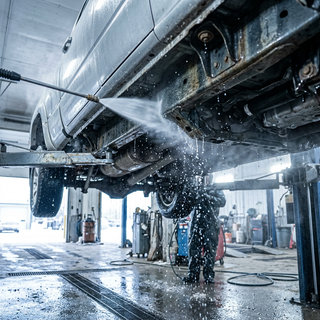
Protecting your Ford from winter road salt requires a combination of regular undercarriage rinses every 7 to 10 days, applying an oil-based penetrative undercoating before freezing temperatures arrive, and keeping body drain holes clear of debris. Washing with neutral-pH soap and lukewarm water removes active chemical deicers like liquid magnesium chloride, while annual inspections ensure protective factory coatings and chassis seals remain intact throughout salt season. Winter road management across Ohio, Pennsylvania, and West Virginia relies heavily on corrosive chemical deicers to clear snow and ice. While these treatments keep highways passable, they create an aggressive environment for vehicle chassis, suspension mounts, and mechanical linkages. Salt spray kicked up by tires coats hidden pockets beneath the vehicle, where trapped moisture and salt crystals work continuously to oxidize raw steel and vulnerable metals. Developing a proactive seasonal care routine is the most effective way to preserve the structural health, safety, and long-term value of your vehicle. A proper defense strategy begins with regular underbody maintenance during active salt months. Rinsing the underside of your vehicle removes accumulated salt crust before it chemically reacts with exposed chassis components. Drivers traveling through suburban neighborhoods in Calcutta along State Route 170 often encounter heavy brine applications before major snow events. Rinsing hard-to-reach areas, including behind wheel arch liners, along inner frame rails, and around fuel tank straps, prevents chemical residue from settling into tight crevices. Beyond routine washing, applying a high-quality rust inhibitor creates a durable barrier between metal surfaces and atmospheric moisture. Unlike factory paint or cosmetic clear coats, specialized underbody treatments shield raw steel components that endure constant gravel impacts and road splash. When winter weather arrives, drivers can reach our team directly at (330) 462-7578 or visit our East Liverpool facility for professional underbody care guidance and seasonal prep. Table of Contents How Does Ford Construct Modern Vehicles to Resist Rust and Corrosion? Why Is Liquid Magnesium Chloride More Corrosive Than Rock Salt? How Do Oil-Based Undercoatings Like Fluid Film and Krown Protect Your Vehicle? How Long Can a Vehicle Frame Last in the Rust Belt, and What Does Repair Cost? What Winter Inspection Should East Liverpool Ford Owners Request for Early Salt Defense? Common Questions About Ford Winter Care and Rust Prevention Protect Your Ford Chassis This Winter at Tri State Ford How Does Ford Construct Modern Vehicles to Resist Rust and Corrosion? Ford engineers modern vehicles with advanced metallurgy, electro-coat primer baths, specialized seam sealers, and targeted aluminum alloys to maximize long-term corrosion resistance. By combining high-strength steel structural components with corrosion-resistant body panels, Ford builds trucks and SUVs capable of enduring years of exposure to harsh winter road chemicals. The construction of the 2026 Ford F-150 demonstrates this multi-material engineering approach. The pickup features a military-grade, high-strength aluminum-alloy body, cab, and bed structure mounted on a fully boxed frame constructed of up to 78 percent high-strength steel. Because aluminum does not contain iron, it cannot form iron oxide, commonly known as rust. This material choice protects vulnerable exterior panels, rocker panels, and tailgate edges from the cosmetic rust holes that historically plagued older trucks. However, aluminum can still experience galvanic corrosion if exposed to salt and direct contact with dissimilar metals without proper isolation, which is why Ford utilizes specialized non-conductive fasteners and isolation barriers at connection points. To protect steel structural components, Ford subjects vehicle chassis to an intense dip process known as electro-coating, or E-coating. During manufacturing, frame assemblies and steel unibody structures are submerged in an electrically charged liquid primer tank. The electrical current draws corrosion-inhibiting primer into tiny crevices, inner box sections, and hidden seam welds that conventional sprayers cannot reach. Factory seam sealers and chip-resistant underbody coatings are then applied to high-impact zones, such as floor pans and wheel wells. Every new Ford vehicle comes backed by factory warranty protections against severe corrosion. The standard 5-year/unlimited-mileage Corrosion Perforation Warranty covers sheet metal panels against rusting through completely from the inside out. Drivers interested in exploring long-term chassis durability across the lineup can review factory service specials or learn more about building a tailored truck using custom vehicle order options. Why Is Liquid Magnesium Chloride More Corrosive Than Rock Salt? Liquid magnesium chloride is significantly more corrosive than traditional dry rock salt because it remains active at much lower temperatures, adheres tightly to metal surfaces, and continuously attracts moisture from the air. While standard rock salt (sodium chloride) loses its deicing effectiveness once temperatures drop below 15 degrees Fahrenheit, magnesium chloride remains an active liquid down to roughly minus 10 degrees Fahrenheit, allowing chemical oxidation to continue during extreme cold snaps. Highway maintenance crews frequently spray liquid magnesium chloride onto road surfaces as a anti-icing pre-treatment before winter storms hit. This liquid solution creates a sticky chemical layer on pavement that prevents snow and ice from bonding to the road. However, that same adhesive property causes liquid brine to cling aggressively to vehicle chassis components. When tires kick up liquid spray, the fine chemical mist penetrates deep into frame cavities, brake caliper slides, electrical connectors, and suspension bushings. Another factor contributing to magnesium chloride's destructive nature is its property of deliquescence. Magnesium chloride absorbs moisture directly from ambient air even in low-humidity environments. While dry rock salt stops reacting once road surfaces dry out, magnesium chloride residue on a vehicle underbody remains damp and chemically active long after winter roads have cleared. This continuous chemical reaction accelerates metal pitting and surface oxidation throughout the winter months. How Do Oil-Based Undercoatings Like Fluid Film and Krown Protect Your Vehicle? Oil-based undercoatings protect vehicle underbodies by creating a self-healing, moisture-displacing liquid barrier that blocks oxygen and road salt from contacting raw metal. Unlike traditional rubberized or hard black asphalt coatings that harden over time, oil- and lanolin-based rust inhibitors remain soft and active, allowing them to creep into tight metal seams, spot welds, and inner frame sections. Traditional hard rubberized undercoatings were once the standard for winter protection, but automotive technicians now recognize their potential drawbacks in severe salt zones. Over time, road gravel, frame flex, and temperature shifts cause hard rubberized coatings to crack or chip. Brine and salt water seep into those microscopic cracks and become trapped between the hard outer shell and the metal frame. Because the moisture cannot evaporate, severe corrosion forms undetected beneath the rubberized skin. In contrast, active penetrative treatments utilize distinct chemical formulations to deliver continuous protection: Fluid Film: A thick, lanolin-based coating derived from natural wool wax. It forms a dense, non-drying barrier that resists water wash-off in high-impact areas like wheel arches and lower frame rails. Krown: A lighter, petroleum-based fluid engineered for high capillary action. It actively creeps across metal surfaces, climbing upward into door cavities, tailgate seams, and boxed frame rails to displace trapped moisture. Applying penetrative oil treatments annually ensures that exposed chassis components, fuel line brackets, and suspension mounts remain coated. To keep your vehicle protected before the first freeze, drivers can schedule a service appointment online or check our latest new vehicle inventory for winter-ready models equipped with intelligent all-wheel drive systems. How Long Can a Vehicle Frame Last in the Rust Belt, and What Does Repair Cost? Without preventative maintenance or routine underbody washing, an untreated steel vehicle frame in heavy salt regions typically develops visible surface rust within 3 to 5 years and severe structural corrosion within 8 to 12 years. Constant exposure to road brine accelerates frame thinning, eventually weakening critical mounting points for control arms, leaf springs, and cab mounts. The progression of corrosion on an unprotected vehicle chassis generally follows three distinct stages: Surface Rust (Years 1–4): Light orange flaking forms on raw steel welds, exhaust hangers, and trailer hitch receivers. At this stage, structural integrity remains uncompromised, and treatment with oil-based rust converters or penetrative inhibitors can completely halt further degradation. Scale Rust (Years 5–8): Corrosion penetrates deeper into steel frame rails and crossmembers, causing outer layers of metal to bubble, pit, and flake off in thick sheets. Brake lines, fuel lines, and emergency brake cables often require replacement during this period. Structural Rot (Years 9+): Metal loss creates soft spots, holes, or cracks along frame rails, rocker panels, and spring shackles. Once structural steel loses its required thickness, the vehicle becomes unsafe to operate and will fail state safety inspections. Repairing advanced rust damage is labor-intensive and costly. Fixing rotted rocker panels or cab corners requires cutting away damaged metal, welding in repair panels, and refinishing paint, with costs frequently ranging between $1,000 and $2,500 per side. Structural frame repairs, such as welding safety reinforcement sleeves over rusted frame sections, can cost between $1,500 and $4,000. When frame rot affects steering linkages or main rails, total repair expenses often exceed the vehicle's market value. Investing in regular maintenance and replacing worn underbody hardware by ordering genuine Ford parts helps prevent costly structural repairs down the road. What Winter Inspection Should East Liverpool Ford Owners Request for Early Salt Defense? East Liverpool Ford owners should request a comprehensive winter underbody and chassis inspection focusing on structural frame rails, brake line integrity, suspension mounting points, and body drain passages. Vehicle operation along riverfront bluffs and steep inclines along the Ohio River exposes underbody components to heavy chemical deicer applications and constant road splash. Our service technicians routinely observe that salt spray collects in hidden pockets that drivers cannot see during standard car washes. During a dedicated winter care inspection, factory-trained technicians elevate the vehicle on a hoist to examine critical protection areas: Frame Box Sections and Crossmembers: Technicians inspect internal frame pockets, crossmember joints, and bumper mounts where road salt and mud accumulate and retain moisture. Brake and Fuel Lines: Metal hydraulic lines running along the frame rail are checked for pitting, flaking, or protective coating degradation to prevent fluid leaks. Rubber Boots and Steering Linkages: CV axle boots, tie-rod end dust boots, and ball joint seals are inspected for tears or dry rot that could allow salt water to destroy internal bearings. Body and Door Drain Holes: Technicians clear obstructed drain passages located at the bottom of doors, tailgate panels, and rocker sills to ensure melting snow drains freely. Shielding and Heat Guards: Exhaust heat shields and underbody splash pans are inspected to ensure hardware has not corroded, preventing loose panels from rattling or trapping brine. Catching minor surface oxidation during an autumn or early winter inspection allows technicians to clean, touch up, and protect vulnerable components before brine exposure turns light surface rust into severe structural damage. Common Questions About Ford Winter Care and Rust Prevention Q: Does an aluminum body on a Ford truck mean it will never suffer corrosion? An aluminum body will not form traditional iron oxide rust, but it can still experience galvanic corrosion if exposed to road salt and trapped moisture in contact with steel hardware. Ford isolates aluminum panels with specialized non-conductive fasteners and coatings. Keeping wheel wells clean and maintaining underbody cleanliness prevents chemical accumulation around body mounts and steel frame connection points. Q: How often should I wash the underbody of my Ford during the winter months? During active salt season, rinsing the underbody every 7 to 10 days is a practical routine for drivers navigating treated highways. Rinsing after major winter storms removes wet brine before it dries into a concentrated salt crust. Always use cool or lukewarm water rather than hot water, as hot water can accelerate chemical reactions between salt and exposed metal. Q: Will applying an aftermarket oil undercoating void my Ford factory warranty? Applying a penetrative oil-based undercoating does not automatically void your Ford factory warranty. However, care must be taken during application to avoid coating hot exhaust pipes, catalytic converters, brake rotors, rubber serpentine belts, and electrical sensors. Using professional application techniques ensures critical mechanical components remain clean while frame rails and floor pans receive thorough protective coverage. Q: Can I use a high-pressure power washer wand to clean my Ford undercarriage? Ford owner guidance advises against using high-pressure power washer wands at close range on underbody components, wiring harnesses, or rubber axle boots. High-pressure water can force salt brine past rubber grease seals, damage delicate electrical connectors, and strip away factory seam sealers. A low-pressure, high-volume hose rinse or automated undercarriage spray is safer and more effective. Q: What is the primary difference between rubberized undercoating and oil-based rust inhibitors? Rubberized undercoating forms a hard, dry barrier over metal surfaces, whereas oil-based inhibitors stay soft, fluid, and self-healing. Over time, hard rubberized coatings can develop hairline cracks that trap salt water against the frame, accelerating hidden rot. Oil-based treatments continuously creep into metal seams and spot welds, displacing moisture and blocking oxygen from reaching raw steel. For localized advice on preserving your vehicle through tri-state winters, stop by our service desk or give our team a call at (330) 462-7578 to speak with an advisor. Protect Your Ford Chassis This Winter at Tri State Ford Preventing winter road salt corrosion requires consistency, proper washing techniques, and targeted rust-prevention treatments. By understanding how road chemicals interact with frame steel and aluminum body panels, you can take proactive steps to safeguard your truck or SUV throughout the cold weather season. Regular underbody rinses and professional inspections remain your best defense against premature wear and expensive frame repairs. Our factory-trained service team at Tri State Ford understands the specific winter driving challenges faced by local vehicle owners. Whether your vehicle needs a seasonal multi-point inspection, underbody cleaning guidance, or genuine replacement parts, our technicians provide complete service support to keep your Ford running safely year after year. Contact our service counter today to prepare your vehicle for winter weather, review maintenance schedules, or schedule your seasonal chassis inspection with our expert technical team. © 2026 Tri State Ford. All rights reserved. Vehicle specification data © JATO Dynamics Limited. Ford Winter Salt Protection in East Liverpool OH | Tri State Ford

f

How Do You Choose the Right Used Truck?

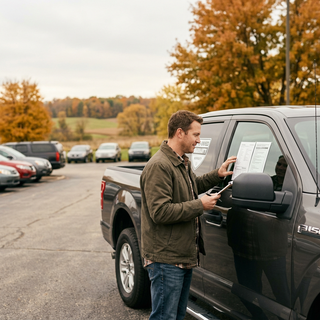
Choosing the right used truck requires matching cab configuration, drivetrain, and engine type to your daily payload and towing demands, then verifying frame condition and complete maintenance records. A half-ton gas pickup delivers the ideal balance of fuel efficiency and bed capacity for daily driving, while heavy-duty diesel models excel at sustained, high-tonnage hauling. Prioritizing documented service history over odometer mileage ensures long-term capability and purchase confidence. Selecting a pre-owned truck begins with determining how the vehicle will be used day to day. Cab sizes range from traditional Regular Cabs focused purely on bed length to spacious SuperCrew configurations that offer generous rear-seat legroom and cargo space for the whole family. If you frequently carry passengers or need secure interior room for tools and gear, a four-door cab style is essential. Bed lengths typically vary between 5.5-foot, 6.5-foot, and 8-foot layouts, making it important to balance overall vehicle length with your material hauling needs. Drivetrain selection plays an equally critical role in vehicle performance and safety. While rear-wheel-drive trucks offer solid capability for dry highway driving, choosing four-wheel drive or all-wheel drive provides crucial traction when navigating wet grass, mud, or winter weather. In areas around Calcutta, where moderately elevated rolling hills and wooded trails are common, a 4WD system with low-range gearing gives drivers the control necessary for steep gravel climbs and recreational boat launches. Before making a final choice, review the truck’s documented vehicle history and examine key structural areas. Assessing frame integrity, checking fluid levels, and evaluating tire wear help confirm that a pre-owned truck has been properly maintained. For buyers exploring vehicle options across the tri-state region, our team at Tri State Ford makes it easy to compare configurations side by side. You can stop by our East Liverpool showroom location or start your search by giving our sales team a call to discuss current inventory. Table of Contents Which Used Trucks Last the Longest Past 200,000 Miles? What Factors Cause Used Truck Prices to Vary? Is a Diesel Engine Better Than Gas for Heavy Towing and Hauling? What High-Mileage Inspection Points and Repairs Should Buyers Prepare For? Common Questions About Buying Used Trucks Where Can You Find CPO and Used Trucks Near Youngstown and East Liverpool? Which Used Trucks Last the Longest Past 200,000 Miles? Full-size trucks equipped with proven engine architectures, such as the Ford F-150 with a 5.0L V8 or 3.5L EcoBoost, regularly surpass 200,000 miles when supported by consistent maintenance schedules. Findings from the iSeeCars 2026 Longest Lasting Cars study indicate that heavy-duty pickups like the Ford Super Duty F-250 and F-350 achieve exceptional longevity due to commercial-grade transmissions, reinforced frame rails, and heavy-duty cooling systems. Reaching a quarter-million miles requires a vehicle well-equipped from the ground up. Engine engineering plays a primary role in long-term durability. Naturally aspirated V8 engines and high-output twin-turbo V6 platforms built with forged internal components resist wear under heavy thermal loads. Combined with modern 10-speed SelectShift automatic transmissions, these powertrains keep engine RPMs in an optimal range during highway cruising and heavy trailering, reducing internal component stress over time. Regular preventive service remains the single most important factor determining whether a truck reaches high-mileage milestones. Pickups that receive consistent engine oil changes, transmission fluid flushes, differential services, and coolant replacements routinely outlast vehicles driven hard with deferred care. High-mileage engine reliability relies on clean lubricants to protect internal bearings, timing chains, and turbocharger shafts. When searching for a long-lasting pre-owned truck, buyers benefit from targeting vehicles with detailed service records and verified ownership history. Choosing a pickup that spent its early life under single-owner care often means more consistent maintenance adherence. Buyers can browse our single-owner pre-owned truck inventory to find well-maintained models, explore overall available truck options, or get started by valuing your trade-in online before visiting the dealership. What Factors Cause Used Truck Prices to Vary? Used truck valuations vary based on overall mileage, drivetrain configuration, engine output, cab style, trim package level, and verified maintenance documentation. Four-wheel-drive crew cab models equipped with advanced driver-assist features and luxury cabin appointments command higher market value than basic two-wheel-drive work trucks due to broader buyer demand and higher initial equipment costs. Powertrain choices directly influence pre-owned pricing structure. On light-duty models like the Ford F-150, engine options create distinct price brackets based on performance and capability: 2.7L EcoBoost V6: Produces 325 hp and 400 lb-ft of torque, delivering an efficient balance of daily driving economy and capable light towing. 5.0L V8: Delivers 400 hp and 410 lb-ft of torque, favored for traditional naturally aspirated V8 power and heavy payload hauling. 3.5L EcoBoost V6: Generates 400 hp and 500 lb-ft of torque, providing maximum light-duty towing capacity up to 10,400 lbs on standard configurations. Trim levels also establish clear value tiers across used truck lineups. Base XL trims prioritize utilitarian functionality with durable vinyl or cloth seating, making them ideal for fleet operations and job site tasks. Moving up to STX and XLT trims adds popular convenience items such as power accessories, upgraded aluminum wheels, and modern driver-assist features. Premium trims like Lariat, King Ranch, and Platinum incorporate leather upholstery, heated and ventilated seating, advanced smartphone integration, and high-end audio systems, which preserve a higher resale value over time. Specialty off-road variants like Tremor and Raptor maintain strong market pricing due to upgraded suspension systems, locking differentials, and dedicated off-road hardware. Physical condition and regional equipment preferences further shape pre-owned truck values. Vehicles with clean body panels, rust-free undercarriages, and documented maintenance sell at a premium compared to trucks with cosmetic blemishes or missing service records. Commercial buyers searching for fleet-ready configurations can view specialized inventory through our commercial new work truck listings to compare heavy-duty capabilities and equipment packages. Pricing Pricing by trim Feature King Ranch 4x4 SuperCrew 5-1/2’ Box King Ranch 4x4 SuperCrew 6-1/2’ Box King Ranch SuperCrew 5-1/2’ Box Lariat 4x4 SuperCrew 5-1/2’ Box Base MSRP $69,625 $69,930 $65,825 $63,360 Destination charge $2,795 $2,795 $2,795 $2,795 Pricing (continued) Feature Lariat 4x4 SuperCrew 6-1/2’ Box Lariat SuperCrew 5-1/2’ Box Platinum 4x4 SuperCrew 5-1/2’ Box Platinum 4x4 SuperCrew 6-1/2’ Box Base MSRP $63,965 $59,560 $72,600 $72,905 Destination charge $2,795 $2,795 $2,795 $2,795 Pricing (continued) Feature Platinum SuperCrew 5-1/2’ Box Police Responder 4x4 SuperCrew 5-1/2’ Box Raptor 4x4 SuperCrew 5-1/2’ Box STX 4x4 SuperCab 6-1/2’ Box Base MSRP $68,800 $52,350 $79,005 $48,655 Destination charge $2,795 $2,595 $2,795 $2,795 Pricing (continued) Feature STX 4x4 SuperCrew 5-1/2’ Box STX SuperCab 6-1/2’ Box STX SuperCrew 5-1/2’ Box Tremor 4x4 SuperCrew 5-1/2’ Box Base MSRP $51,070 $44,855 $47,190 $64,915 Destination charge $2,795 $2,795 $2,795 $2,795 Pricing (continued) Feature XL 4x4 Regular Cab 6-1/2’ Box XL 4x4 Regular Cab 8’ Box XL 4x4 SuperCab 6-1/2’ Box XL 4x4 SuperCrew 5-1/2’ Box Base MSRP $44,600 $42,305 $45,400 $47,820 Destination charge $2,795 $2,795 $2,795 $2,795 Pricing (continued) Feature XL 4x4 SuperCrew 6-1/2’ Box XL Regular Cab 6-1/2’ Box XL Regular Cab 8’ Box XL SuperCab 6-1/2’ Box Base MSRP $50,475 $39,585 $37,290 $41,600 Destination charge $2,795 $2,795 $2,795 $2,795 Pricing (continued) Feature XL SuperCrew 5-1/2’ Box XLT 4x4 SuperCab 6-1/2’ Box XLT 4x4 SuperCrew 5-1/2’ Box XLT 4x4 SuperCrew 6-1/2’ Box Base MSRP $43,935 $49,495 $51,915 $54,555 Destination charge $2,795 $2,795 $2,795 $2,795 Pricing (continued) Feature XLT SuperCab 6-1/2’ Box XLT SuperCrew 5-1/2’ Box Base MSRP $45,695 $48,055 Destination charge $2,795 $2,795 Is a Diesel Engine Better Than Gas for Heavy Towing and Hauling? A diesel engine is superior to gas for heavy towing exceeding 10,000 pounds because it generates high torque at low engine RPMs, provides exhaust braking for mountain descents, and offers improved fuel efficiency under heavy loads. Gasoline V8 or EcoBoost engines are better suited for light to moderate towing up to 10,000 pounds due to lower upfront purchase costs and reduced routine maintenance expenses. Low-end torque defines the primary operational advantage of a diesel engine. Heavy-duty diesel powertrains, like those found in the Ford Super Duty F-250, generate massive torque under 2,000 RPM. This low-speed pulling power allows a loaded truck and trailer combination to accelerate smoothly from a complete stop without straining the engine. Furthermore, integrated diesel exhaust brakes use engine backpressure to control vehicle speed down steep grades, significantly reducing wear and thermal buildup on service brakes. Gasoline engines, including modern turbocharged V6 and large-displacement V8 platforms, excel in daily driving versatility and lighter towing applications. A gas engine warms up faster in freezing weather, costs less to service during routine oil and filter changes, and does not require Diesel Exhaust Fluid (DEF) replenishment. For drivers who tow a recreational boat, camper, or utility trailer a few times a month, a gasoline-powered half-ton truck provides plenty of capability without the higher maintenance overhead associated with diesel ownership. The decision between gas and diesel ultimately comes down to your frequency of towing and total load weight. If your trailering needs involve commercial equipment, multi-car haulers, or large livestock trailers pushing past 12,000 pounds, a diesel heavy-duty truck provides the stability and power required for long-distance hauling. For general contractors, outdoor enthusiasts, and everyday commuters, a gas-powered truck delivers rugged capability alongside smooth everyday performance. Engine & Performance Powertrain specs by trim Feature King Ranch 4x4 SuperCrew 5-1/2’ Box King Ranch 4x4 SuperCrew 6-1/2’ Box King Ranch SuperCrew 5-1/2’ Box Lariat 4x4 SuperCrew 5-1/2’ Box Engine 3.5L 3.5L 3.5L 3.5L Horsepower 400 hp 400 hp 400 hp 400 hp Torque 500 lb-ft 500 lb-ft 500 lb-ft 500 lb-ft Transmission SelectShift® SelectShift® SelectShift® SelectShift® Drivetrain All-wheel drive All-wheel drive Rear-wheel drive All-wheel drive Engine & Performance (continued) Feature Lariat 4x4 SuperCrew 6-1/2’ Box Lariat SuperCrew 5-1/2’ Box Platinum 4x4 SuperCrew 5-1/2’ Box Platinum 4x4 SuperCrew 6-1/2’ Box Engine 3.5L 3.5L 3.5L 3.5L Horsepower 400 hp 400 hp 400 hp 400 hp Torque 500 lb-ft 500 lb-ft 500 lb-ft 500 lb-ft Transmission SelectShift® SelectShift® SelectShift® SelectShift® Drivetrain All-wheel drive Rear-wheel drive All-wheel drive All-wheel drive Engine & Performance (continued) Feature Platinum SuperCrew 5-1/2’ Box Police Responder 4x4 SuperCrw 5-1/2’ Box Raptor 4x4 SuperCrew 5-1/2’ Box STX 4x4 SuperCab 6-1/2’ Box Engine 3.5L 3.5L 3.5L 2.7L Horsepower 400 hp 400 hp 450 hp 325 hp Torque 500 lb-ft 500 lb-ft 510 lb-ft 400 lb-ft Transmission SelectShift® SelectShift® SelectShift® SelectShift® Drivetrain Rear-wheel drive All-wheel drive All-wheel drive All-wheel drive Engine & Performance (continued) Feature STX 4x4 SuperCrew 5-1/2’ Box STX SuperCab 6-1/2’ Box STX SuperCrew 5-1/2’ Box Tremor 4x4 SuperCrew 5-1/2’ Box Engine 2.7L 2.7L 2.7L 3.5L Horsepower 325 hp 325 hp 325 hp 400 hp Torque 400 lb-ft 400 lb-ft 400 lb-ft 500 lb-ft Transmission SelectShift® SelectShift® SelectShift® SelectShift® Drivetrain All-wheel drive Rear-wheel drive Rear-wheel drive All-wheel drive Engine & Performance (continued) Feature XL 4x4 Regular Cab 6-1/2’ Box XL 4x4 Regular Cab 8’ Box XL 4x4 SuperCab 6-1/2’ Box XL 4x4 SuperCrew 5-1/2’ Box Engine 5L 2.7L 2.7L 2.7L Horsepower 400 hp 325 hp 325 hp 325 hp Torque 410 lb-ft 400 lb-ft 400 lb-ft 400 lb-ft Transmission SelectShift® SelectShift® SelectShift® SelectShift® Drivetrain All-wheel drive All-wheel drive All-wheel drive All-wheel drive Engine & Performance (continued) Feature XL 4x4 SuperCrew 6-1/2’ Box XL Regular Cab 6-1/2’ Box XL Regular Cab 8’ Box XL SuperCab 6-1/2’ Box Engine 3.5L 5L 2.7L 2.7L Horsepower 400 hp 400 hp 325 hp 325 hp Torque 500 lb-ft 410 lb-ft 400 lb-ft 400 lb-ft Transmission SelectShift® SelectShift® SelectShift® SelectShift® Drivetrain All-wheel drive Rear-wheel drive Rear-wheel drive Rear-wheel drive Engine & Performance (continued) Feature XL SuperCrew 5-1/2’ Box XLT 4x4 SuperCab 6-1/2’ Box XLT 4x4 SuperCrew 5-1/2’ Box XLT 4x4 SuperCrew 6-1/2’ Box Engine 2.7L 2.7L 2.7L 3.5L Horsepower 325 hp 325 hp 325 hp 400 hp Torque 400 lb-ft 400 lb-ft 400 lb-ft 500 lb-ft Transmission SelectShift® SelectShift® SelectShift® SelectShift® Drivetrain Rear-wheel drive All-wheel drive All-wheel drive All-wheel drive Engine & Performance (continued) Feature XLT SuperCab 6-1/2’ Box XLT SuperCrew 5-1/2’ Box Engine 2.7L 2.7L Horsepower 325 hp 325 hp Torque 400 lb-ft 400 lb-ft Transmission SelectShift® SelectShift® Drivetrain Rear-wheel drive Rear-wheel drive Fuel Economy Fuel economy and range by trim Feature King Ranch 4x4 SuperCrew 5-1/2’ Box King Ranch 4x4 SuperCrew 6-1/2’ Box King Ranch SuperCrew 5-1/2’ Box Lariat 4x4 SuperCrew 5-1/2’ Box MPG 17 city / 23 hwy / 19 combined 17 city / 23 hwy / 19 combined 17 city / 25 hwy / 20 combined 17 city / 23 hwy / 19 combined Fuel Economy (continued) Feature Lariat 4x4 SuperCrew 6-1/2’ Box Lariat SuperCrew 5-1/2’ Box Platinum 4x4 SuperCrew 5-1/2’ Box Platinum 4x4 SuperCrew 6-1/2’ Box MPG 17 city / 23 hwy / 19 combined 17 city / 25 hwy / 20 combined 17 city / 23 hwy / 19 combined 17 city / 23 hwy / 19 combined Fuel Economy (continued) Feature Platinum SuperCrew 5-1/2’ Box Police Responder 4x4 SuperCrw 5-1/2’ Box Raptor 4x4 SuperCrew 5-1/2’ Box STX 4x4 SuperCab 6-1/2’ Box MPG 17 city / 25 hwy / 20 combined — 14 city / 18 hwy / 16 combined 18 city / 23 hwy / 20 combined Fuel Economy (continued) Feature STX 4x4 SuperCrew 5-1/2’ Box STX SuperCab 6-1/2’ Box STX SuperCrew 5-1/2’ Box Tremor 4x4 SuperCrew 5-1/2’ Box MPG 18 city / 23 hwy / 20 combined 19 city / 25 hwy / 21 combined 19 city / 25 hwy / 21 combined 16 city / 21 hwy / 18 combined Fuel Economy (continued) Feature XL 4x4 Regular Cab 6-1/2’ Box XL 4x4 Regular Cab 8’ Box XL 4x4 SuperCab 6-1/2’ Box XL 4x4 SuperCrew 5-1/2’ Box MPG 16 city / 24 hwy / 19 combined 18 city / 23 hwy / 20 combined 18 city / 23 hwy / 20 combined 18 city / 23 hwy / 20 combined Fuel Economy (continued) Feature XL 4x4 SuperCrew 6-1/2’ Box XL Regular Cab 6-1/2’ Box XL Regular Cab 8’ Box XL SuperCab 6-1/2’ Box MPG 17 city / 23 hwy / 19 combined 16 city / 24 hwy / 19 combined 19 city / 25 hwy / 21 combined 19 city / 25 hwy / 21 combined Fuel Economy (continued) Feature XL SuperCrew 5-1/2’ Box XLT 4x4 SuperCab 6-1/2’ Box XLT 4x4 SuperCrew 5-1/2’ Box XLT 4x4 SuperCrew 6-1/2’ Box MPG 19 city / 25 hwy / 21 combined 18 city / 23 hwy / 20 combined 18 city / 23 hwy / 20 combined 17 city / 23 hwy / 19 combined Fuel Economy (continued) Feature XLT SuperCab 6-1/2’ Box XLT SuperCrew 5-1/2’ Box MPG 19 city / 25 hwy / 21 combined 19 city / 25 hwy / 21 combined What High-Mileage Inspection Points and Repairs Should Buyers Prepare For? Buyers inspecting high-mileage used trucks should examine suspension components, brake rotors, water pumps, spark plugs, 4WD transfer case operation, and frame condition for corrosion caused by winter road salt. Budgeting for shock absorber replacement, transmission fluid services, and cooling system flushes around or after 100,000 miles prevents unexpected repairs and maintains towing capability. A thorough pre-purchase inspection begins beneath the vehicle. In regions along the Ohio River valley, such as East Liverpool, winter road treatments can cause surface oxidation on steel frame rails, crossmembers, and brake lines. Inspecting the undercarriage for structural rust, checking cab corners and rocker panels, and verifying that fuel tank straps and exhaust hangers remain solid are critical steps before purchasing a higher-mileage pickup. A systematic inspection checklist should cover key mechanical and electrical systems: Steering and Suspension: Check shock absorbers for oil leaks, inspect ball joints and tie rod ends for play, and look for worn control arm bushings that cause uneven tire wear. Drivetrain and 4WD: Engage four-wheel-drive high and low ranges during a test drive to confirm smooth transfer case shifting and listen for front axle hub noise. Brake System: Examine brake rotor surfaces for heat scoring or rust lip, measure brake pad thickness, and verify firm pedal feel. Engine and Cooling: Inspect coolant hoses for softness or cracking, check the water pump housing for residue, and verify smooth engine idling without timing chain noise. Our experience with pre-owned trucks shows that buyers evaluating higher-mileage models usually check undercarriage condition and test four-wheel-drive engagement first before taking a highway test loop. Taking time to review digital vehicle history reports and testing all interior technology features ensures complete confidence in your purchase. Shoppers interested in comparing pre-owned reliability against factory-new models can explore our latest new vehicle inventory or start the buying process by submitting an online credit application. Common Questions About Buying Used Trucks Q: Is buying a certified pre-owned truck better than a standard used truck? A: Certified pre-owned (CPO) trucks offer extra purchase confidence because they undergo a multi-point inspection by factory-trained technicians and include manufacturer-backed warranty coverage. While standard used trucks may carry a lower price tag, a CPO vehicle includes extended powertrain protection and complimentary roadside assistance, making it an ideal choice for buyers wanting low-mileage reliability with warranty protection. Q: What documents should I bring when applying for pre-owned truck financing? A: To ensure a smooth financing process, bring a valid driver's license, your most recent pay stubs or proof of income, a current utility bill for proof of residence, and proof of auto insurance. If you plan to trade in your current vehicle, also bring the vehicle title or lien release paperwork along with all current registration documents. Q: How does cab size impact the payload and towing performance of a used truck? A: Cab size directly affects vehicle curb weight. Larger four-door crew cabs add weight to the chassis, which slightly reduces maximum payload capacity compared to a lighter regular cab truck with the same engine and axle ratio. However, crew cab models feature longer wheelbases that provide enhanced highway stability when towing heavy enclosed trailers. Q: Should I choose a short bed or a long bed for a daily-driver truck? A: Choosing between bed lengths depends on how you balance cargo needs with vehicle maneuverability. A 5.5-foot short bed on a crew cab truck fits easily into standard garages and suburban parking spaces, making it convenient for family driving. A 6.5-foot or 8-foot long bed provides maximum cargo length for hauling plywood, ATVs, or construction materials, but increases the vehicle's turning radius. Q: What impact does a lifted suspension or aftermarket modification have on used truck value? A: Aftermarket modifications like suspension lifts, oversized tires, or custom tuning can affect ride quality, speedometer calibration, and component longevity. While high-quality off-road accessories add appeal for specific buyers, factory-standard trucks with original suspension components generally retain more consistent resale value and prove easier to finance and insure. Where Can You Find CPO and Used Trucks Near Youngstown and East Liverpool? Drivers seeking dependable pre-owned and certified pre-owned trucks near Youngstown and East Liverpool can find a complete inventory of thoroughly inspected pickups at Tri State Ford. Located right on Pennsylvania Avenue, our dealership provides local buyers with access to single-owner trucks, powerful 4WD models, and flexible financing tailored to your monthly budget. Buying your next truck from our local team ensures you receive transparent vehicle history details and personalized customer service. Every pre-owned vehicle on our lot undergoes a comprehensive safety inspection to confirm that brakes, tires, steering, and engine components meet strict performance standards. Whether you need a fuel-efficient light-duty pickup for daily commutes across state lines or a heavy-duty Super Duty for job site trailering, our inventory offers configurations well-equipped for every application. Getting started is simple and convenient from home. You can explore our certified pre-owned Ford inventory online, evaluate your trade-in value, and get pre-approved for financing before visiting us in person. When you are ready for a test drive, open our interactive map and directions or reach our sales staff directly by calling (330) 462-7578 today. Keep Your Vehicle Running Strong Keep your vehicle performing at its best with our service team: Order Parts Schedule Service Appt © 2026 Tri State Ford. All rights reserved. Vehicle specification data © JATO Dynamics Limited. Used Trucks in East Liverpool OH | Tri State Ford
cx

Does Oil Filter Quality Actually Matter for Your Engine?

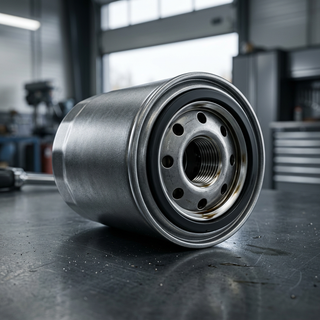
Oil filter quality directly impacts long-term engine survival because high-grade filters capture abrasive microscopic particles while preserving steady oil flow, whereas sub-standard filters restrict pressure, rupture under stress, or pass unfiltered debris through an open bypass valve. A vehicle engine depends on clean lubricant circulating at correct pressures across high-friction components such as camshafts, bearings, and cylinder walls. Choosing a precision-engineered filter keeps harmful metal shavings, carbon buildup, and dust away from internal components during everyday commutes and heavy towing. Modern engines operate under tight internal tolerances and higher oil pressures than older designs. A budget oil filter built with thin end caps or inconsistent filter media can collapse prematurely, allowing grit to circulate freely through the block. Over thousands of miles, unfiltered contaminants act like liquid sandpaper, gradually wearing down metal surfaces and creating costly mechanical play. The filter canister serves as the primary line of defense for the entire lubrication system. Motorcraft oil filters and quality OEM-specification alternatives are built to withstand high thermal strain and engine vibration without warping or leaking around the mounting base. Choosing the right filter during routine oil changes preserves proper oil circulation, protects factory powertrain warranties, and supports peak engine efficiency. Drivers looking for expert maintenance support can reach out to our service advisors by giving us a quick call or visiting our East Liverpool service center for complete vehicle inspections. Table of Contents What Technical Features and Micron Ratings Determine an Oil Filter's Efficiency? Synthetic vs. Cellulose Media: How Long Does Synthetic Filter Media Last? Internal Components: What Does an Anti-Drainback Valve Do and Why Is Dirty Oil Better Than No Oil? Are Cheap Oil Filters Prone to Leaking, Bursting, or Media Breakdown? How Do You Confirm an Aftermarket Oil Filter Meets OEM Specifications? Common Questions About Engine Oil Filter Performance and Maintenance Protect Your Engine with Professional Maintenance What Technical Features and Micron Ratings Determine an Oil Filter's Efficiency? An oil filter's efficiency is determined by its micron rating, structural housing integrity, filter media composition, and internal valve construction. The primary metric used to measure filtration capability is the micron rating, which identifies the smallest particle size the filter media can reliably trap during normal oil circulation. Human hair measures roughly 70 microns in diameter, while engine-damaging debris often ranges between 10 and 40 microns. Technical Feature Standard Filter Specification Premium / OEM Filter Specification Performance Impact Micron Capture Size 30 to 40 microns 10 to 20 microns Traps smaller abrasive particles before engine wear occurs Media Material Resin-impregnated cellulose paper Full synthetic glass-fiber blend Increases dirt-holding capacity and flow rates Anti-Drainback Valve Nitrile rubber High-temp silicone Prevents dry starts after overnight parking Canister Pressure Rating 200 to 250 psi burst threshold 300 to 350 psi burst threshold Prevents housing expansion during extreme cold starts A lower micron rating means the filter traps smaller specks of soot and metal dust. However, filtration efficiency must always be balanced against fluid resistance. If a filter media is engineered with pores that are too dense, it restricts oil flow and creates a pressure drop across the filter core. Our technicians frequently point out that restricting oil flow too severely can force the internal safety bypass valve open prematurely, sending unmanaged oil around the filter element. Premium filters solve this balance by using structured pleating and high-efficiency synthetic fibers, achieving fine particle capture down to 20 microns without compromising oil pressure. Synthetic vs. Cellulose Media: How Long Does Synthetic Filter Media Last? High-performance synthetic media operates effectively between 10,000 and 20,000 miles under normal driving conditions, outlasting traditional cellulose media, which typically breaks down after 3,000 to 5,000 miles. Synthetic filter media is woven from engineered glass and synthetic fibers that create a three-dimensional matrix for trapping debris, whereas cellulose filters rely on natural wood pulp paper. Cellulose fibers absorb moisture and weaken over time when exposed to hot engine oil and combustion byproducts. As cellulose media degrades, its pores expand or clog unevenly, leading to restricted oil flow and reduced dirt-holding capacity. Synthetic media offers several technical advantages for long-term engine protection: Synthetic fibers maintain consistent structural density when exposed to synthetic motor oils and elevated operating temperatures. Synthetic pleats feature lower flow resistance, allowing oil to circulate rapidly during freezing winter cold starts. The multi-layer synthetic design captures more total grams of contaminants before reaching fluid capacity limits. Drivers making frequent trips along State Route 170 around Calcutta benefit from synthetic filter media because short trips and stop-and-go driving generate elevated moisture and carbon condensation inside the oil pan. Using extended-life synthetic media ensures the oil filter maintains full filtering efficiency throughout modern multi-thousand-mile service intervals. Internal Components: What Does an Anti-Drainback Valve Do and Why Is Dirty Oil Better Than No Oil? An anti-drainback valve retains engine oil inside the filter canister and upper engine galleries when the ignition turns off, preventing severe dry-start friction when restarting the vehicle. Without a functional anti-drainback valve, gravity causes oil to drain back into the oil pan while the vehicle sits idle. Upon restarting, the engine operates for several critical seconds with empty oil passages while the pump refills the system. High-quality filters utilize a soft, heat-resistant silicone anti-drainback valve that stays pliable across thousands of thermal cycles. Lower-cost filters often use basic nitrile rubber valves, which harden, crack, and lose their sealing ability under continuous heat exposure. The filter's bypass valve serves as an essential mechanical safeguard when the main filter media becomes clogged or when cold oil is too thick to pass through the pleats quickly. When differential pressure across the media exceeds factory tolerances, the bypass valve opens to allow oil to flow directly to vital engine components without passing through the media core. Circulating dirty oil temporarily is far better than starving the engine of lubricant entirely, because complete oil starvation causes immediate metal-on-metal scoring, bearing failure, and total engine seizure within minutes. When replacing your filter during routine service, selecting genuine OEM replacement parts ensures the internal relief valves are calibrated to your engine's exact pressure requirements. Are Cheap Oil Filters Prone to Leaking, Bursting, or Media Breakdown? Economy oil filters are significantly more susceptible to gasket leaks, canister distortion, and media rupture because they utilize thinner steel housings, lower-grade rubber seals, and fragile paper end caps. Cold morning start-ups generate sudden oil pressure spikes as thick lubricant moves through narrow passages. High pressure can bow thin canister bases or blow out weak mounting gaskets on low-cost filters. Internal media failure presents an even greater risk than external leaks. When cheap cellulose paper breaks down under heat and chemical degradation, the pleats can tear or collapse inward under fluid pressure. Ruptured media sheds loose paper fibers into the oil stream and allows unfiltered contaminants to reach sensitive engine components: Variable valve timing solenoids can become clogged with shed fibers, leading to rough idling and loss of engine power. Crankshaft and camshaft bearings suffer accelerated surface abrasion from circulating metal fragments. Loose gasket material or collapsed end caps can block internal oil channels, causing localized oil starvation. Investing in a well-constructed oil filter protects your engine against sudden structural failures and long-term mechanical wear. How Do You Confirm an Aftermarket Oil Filter Meets OEM Specifications? Confirming an aftermarket oil filter meets original equipment manufacturer standards requires cross-referencing the filter maker's technical lookup guide to verify burst pressure tolerance, micron efficiency, and bypass valve pressure ratings. Vehicle manufacturers establish precise engineering limits for oil pressure, flow volume, and filtration efficiency to protect specific engine configurations. When evaluating an alternative filter brand, review the manufacturer's specification sheet to confirm the following criteria: Bypass Valve Calibration: Verify that the relief valve opening pressure matches your engine's factory rating, typically set between 8 and 18 psi depending on engine design. Thread and Sealing Gasket Dimensions: Ensure the mounting thread size, pitch, and rubber gasket diameter exactly match the engine filter adapter. Filter Efficiency Rating: Confirm the filter captures fine particles with a proven percentage rating at a specified micron size, such as 99% efficiency at 20 microns. Structural Burst Strength: Check that the steel canister is rated to withstand cold-start pressure spikes exceeding 300 psi. Choosing a factory-approved filter built specifically for your Ford vehicle eliminates compatibility guesswork and ensures every internal component performs to original specifications. Common Questions About Engine Oil Filter Performance and Maintenance Q: How much more expensive is a premium oil filter compared to a standard filter? Standard entry-level oil filters are generally less expensive than premium extended-life synthetic oil filters, so contact us for current pricing. Paying a small difference during an oil change delivers significantly higher dirt-holding capacity, stronger canister housing construction, and durable silicone valves that protect your engine over thousands of miles. Q: What happens when the Ford Intelligent Oil-Life Monitor displays a warning? The Intelligent Oil-Life Monitor evaluates vehicle usage, ambient operating temperatures, and engine hours to calculate fluid life accurately. When the system displays "Change Engine Oil Soon," approximately 5% oil life remains. When "Oil Change Required" appears, oil life has reached 0%, and replacing both the engine oil and oil filter is required immediately to maintain engine protection. Q: Can a clogged oil filter cause oil pressure warnings on the dashboard? Yes, a severely clogged filter can trigger an oil pressure warning light if the media becomes completely saturated and the internal bypass valve fails to open properly. Restricted oil flow drops overall pressure inside the engine galleries, activating the oil pressure sender unit. Drivers experiencing an oil pressure light should stop the vehicle safely and check fluid levels immediately. Q: Why isn't a lower micron rating always better for an oil filter? A full-flow oil filter must balance particle capture against continuous fluid volume. An extremely low micron rating can restrict oil flow too severely, causing an undesirable pressure drop across the filter core. If flow is overly restricted, the safety bypass valve opens and routes unfiltered oil straight to critical engine components. Q: How often should an oil filter be replaced on a Ford vehicle? The oil filter should be replaced at every single oil change interval. Following your owner's manual or vehicle message center ensures that fresh engine oil is never pushed through a dirty, saturated filter canister. Owners can easily schedule a service appointment online to have expert technicians inspect their vehicle and replace the filter with genuine OEM parts. Protect Your Engine with Professional Maintenance Your engine's health depends on consistent lubrication and reliable filtration during every drive. Using high-quality oil filters ensures that harmful abrasives stay out of critical engine components, preserving horsepower, fuel efficiency, and long-term durability. Our factory-trained service technicians at Tri State Ford specialize in comprehensive vehicle maintenance, using genuine Motorcraft filters and recommended synthetic lubricants designed specifically for your vehicle. Whether you drive daily along the riverfront in East Liverpool or commute across the tri-state area, keeping up with routine maintenance protects your vehicle investment. Contact our team by calling (330) 462-7578 or get directions to our East Liverpool dealership to schedule your next oil and filter service today. © 2026 Tri State Ford. All rights reserved. Oil Filter Quality in East Liverpool OH | Tri State Ford