
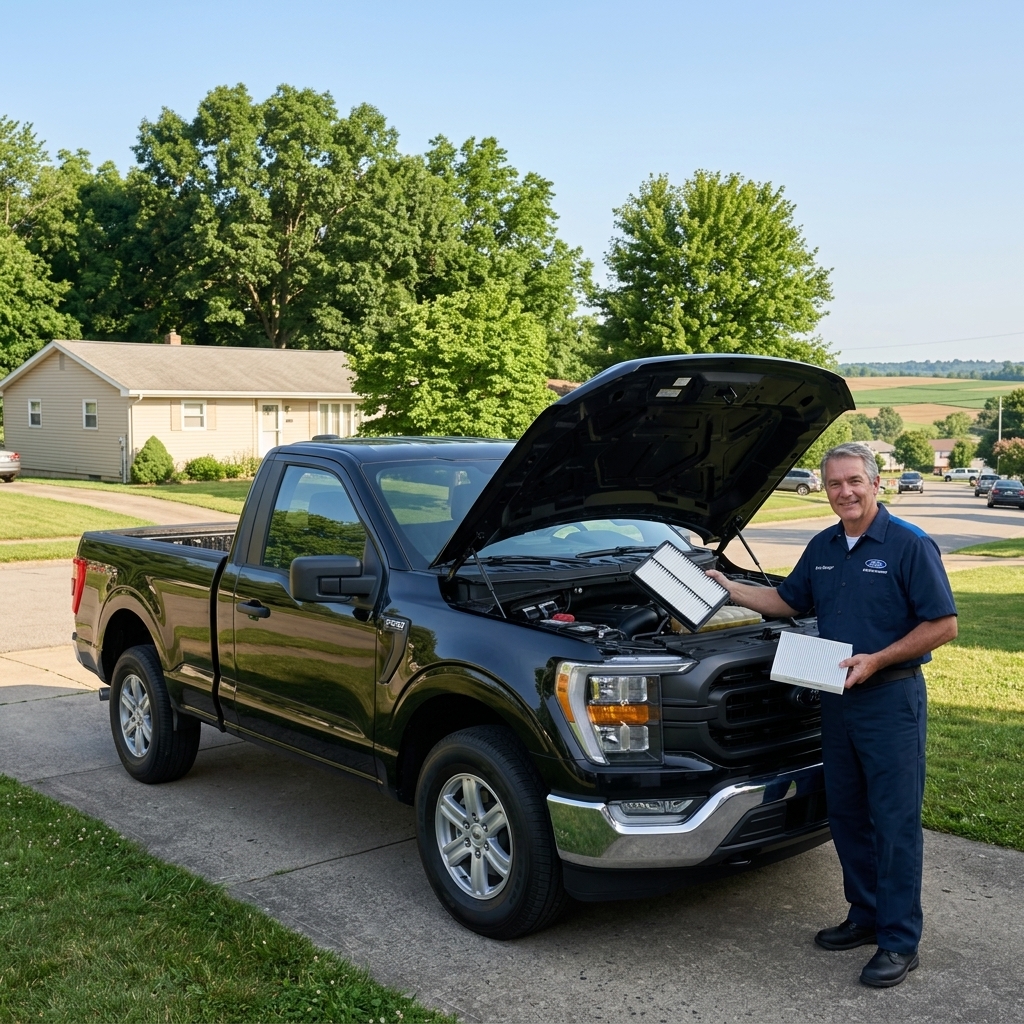
In my 44 years of experience as a Parts Manager, I have seen plenty of folks get confused when we mention it is time to swap out their air filters. Most drivers know their vehicle needs to breathe, but they do not always realize their Ford actually uses two distinct systems to keep things clean. One filter is dedicated entirely to the health of your engine, while the other is there specifically for your own comfort and health inside the cabin. Think of it like having a high-quality mask for your truck and a separate air purifier for your living room; both are essential, but they do completely different jobs.
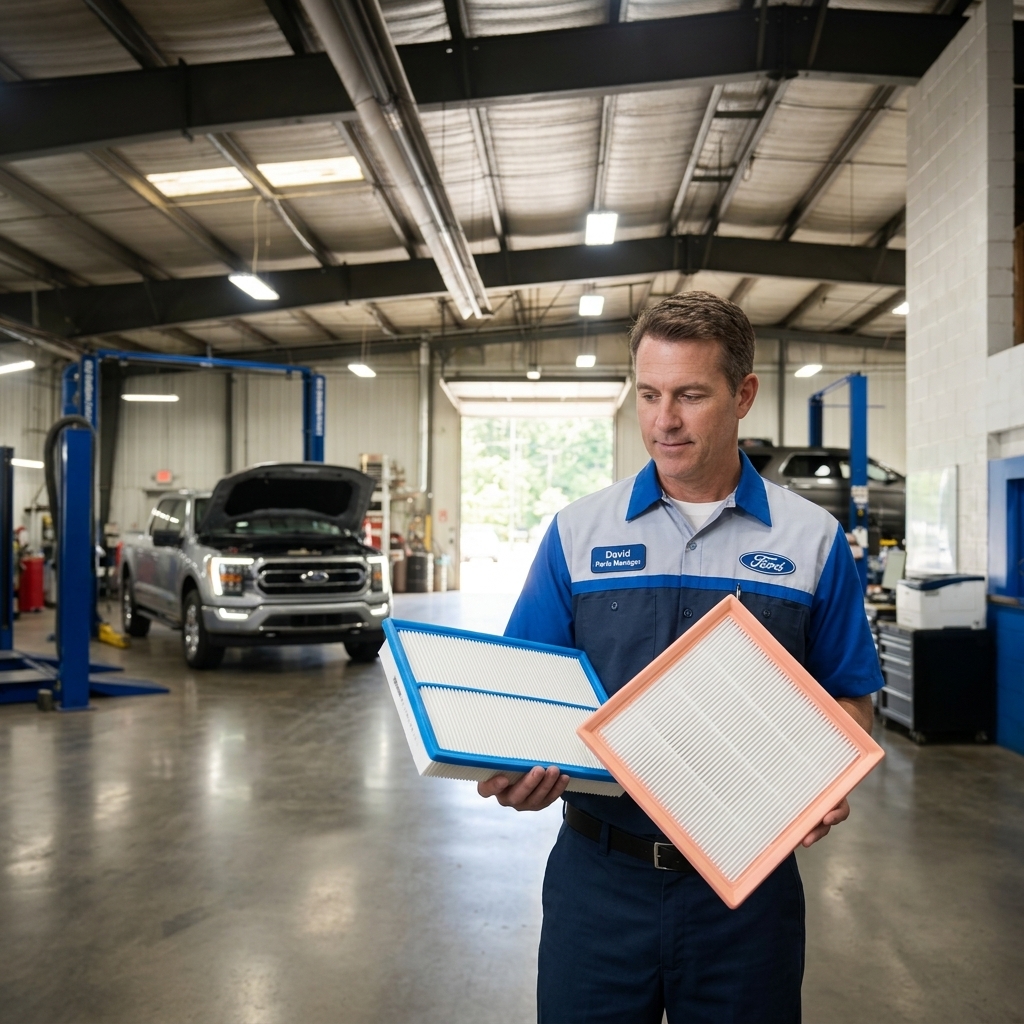
When you are looking for a Ford dealership near me to handle routine maintenance, it is important to understand that these two filters are not interchangeable. The engine air filter sits under the hood and prevents dirt from entering the combustion chamber, while the cabin air filter is part of your HVAC system, cleaning the air that comes through your vents. Neglecting either one can lead to a drop in performance or a less-than-pleasant ride through the tri-state area. If you are busy, we even offer Ford pick up and delivery to make these essential maintenance stops easier on your schedule.
I always tell my customers that staying ahead of these small parts is the best way to avoid big headaches later. Our team is always ready to help you identify which filters your specific model requires, and you can always give us (330) 462-7578 a quick call to check our current stock. For those who cannot make it into the shop, our Ford mobile service can often handle these basic replacements right in your driveway. If you would rather stop by and see us in person, you can find the best route to our front door by checking our East Liverpool location.
## The Engine Air Filter: Protecting Your Ford’s Heart and Performance
The engine air filter is the first line of defense for your vehicle’s “heart.” Its primary job is to trap dust, sand, and road debris before they can reach the cylinders and valves. If these particles get inside, they can act like sandpaper, wearing down internal components like pistons and cylinder liners. For those driving a heavy-duty F-Series or any vehicle from our truck inventory, keeping this filter clean is vital for maintaining the horsepower and towing capacity you rely on for work around Calcutta.
A clean filter ensures the proper mix of air and fuel for combustion. When the filter becomes clogged, your engine has to work harder to “inhale,” which often results in sluggish acceleration and a noticeable drop in fuel economy. Over time, a dirty filter can even lead to increased emissions or damage to sensitive parts like turbochargers. We see this often with high-mileage vehicles; a simple filter swap can sometimes make a truck feel like it has found its second wind. It is a small investment that protects the long-term value of your vehicle, which is something to keep in mind if you ever plan to use a KBB instant cash offer down the road.
In our experience, using OEM Ford filters is the only way to guarantee the exact airflow specifications your engine was designed for. While aftermarket options exist, they do not always provide the same tight seal or filtration efficiency. Keeping your engine healthy through proper maintenance also helps avoid unexpected repair bills that might send you to a finance department for help with major engine overhauls. We recommend a visual inspection at every oil change to ensure your engine is breathing as clearly as possible.
Table of Contents
- The Cabin Air Filter: Safeguarding the Air You and Your Family Breathe
- Recognizing the Warning Signs of Clogged and Failing Filters
- Dusty Roads and Tri-State Commutes: When to Change Your Filters
- DIY Replacement vs. Professional Care at Tri State Ford
The Cabin Air Filter: Safeguarding the Air You and Your Family Breathe
While the engine filter is about performance, the cabin air filter is all about the people inside. This filter is usually tucked away behind the glove box or under the dashboard, and it cleans the air that enters the passenger compartment through the HVAC system. It is responsible for trapping pollen, mold spores, and dust before they reach your lungs. For local business owners utilizing our new work truck inventory, a fresh cabin filter can make a long day on the road much more comfortable, especially during allergy season.
If you have ever noticed a musty odor when you turn on your air conditioning, that is a classic sign that your cabin filter has reached the end of its life. Moisture can get trapped in the filter fibers, leading to mold growth that then blows directly into the cabin. Beyond just smells, a clogged filter restricts airflow, meaning your defroster will take longer to clear the windshield and your AC will not cool the cabin as quickly. This puts extra strain on the blower motor, which can lead to more expensive repairs if the motor burns out from overwork.
For those who spend a lot of time in their vehicles, like those driving our Transit work vans, we often suggest activated carbon filters. These specialized filters do more than just trap dust; the carbon layer actually absorbs exhaust gases and odors from other vehicles on the road. Whether you are hauling gear in a vehicle from our used work truck inventory or taking the family out for the weekend, breathing clean air should never be an afterthought.
Recognizing the Warning Signs of Clogged and Failing Filters
Many of our customers ask how they can tell when a filter is actually bad without pulling the whole car apart. For the engine air filter, the most common symptom is a “heavy” feeling when you step on the gas. If your Ford feels less responsive than usual or you notice the fuel gauge dropping faster than normal, the filter is a prime suspect. In some cases, a very dirty filter can even cause the service engine soon light to trigger because the air-to-fuel ratio is off. This is particularly important for those who rely on their F-Series work inventory for heavy hauling; a clogged intake can significantly hamper your torque output.
On the other hand, cabin air filter issues are usually felt or smelled rather than seen on a gauge. If you turn your fan to the highest setting and it sounds loud but very little air is coming out of the vents, the filter is likely choked with debris. You might also notice a fine layer of dust accumulating on the dashboard shortly after you’ve cleaned it. We often run manufacturer monthly service specials that include filter inspections, so it is always worth checking for a deal when you notice these symptoms. Catching these signs early prevents the HVAC system from working overtime and failing prematurely.
I always suggest that drivers keep an eye on their maintenance schedule, but also trust their senses. If the air feels stale or the engine sounds a bit rougher than usual, do not wait for the next milestone. We also keep a variety of manufacturer vehicle specials updated that can help with the cost of routine maintenance and parts. A quick visual check by a certified technician can confirm if a replacement is needed, ensuring your Ford remains as reliable as the day you drove it home.
Dusty Roads and Tri-State Commutes: When to Change Your Filters
Working with families in East Liverpool, I have noticed that the standard 15,000 to 30,000-mile recommendation for filter changes is often just a starting point. Our local geography plays a huge role in how fast these parts wear out. If your daily commute involves the rolling hills or gravel back roads around Chester, your filters are going to trap a lot more grit than someone driving in a cleaner environment. Dust is the natural enemy of any filter, and “severe duty” cycles—like frequent idling or driving in dusty conditions—usually mean you should be checking those filters every 10,000 miles instead.
For those who have placed a new vehicle custom order, starting off with a strict maintenance habit is the best way to ensure that new car smell and performance last for years. We often see that trucks from our truck inventory that work on construction sites or farms need filter swaps twice as often as a standard commuter vehicle. The fine particulate matter from work sites can plug an engine air filter surprisingly fast, leading to engine strain that is completely avoidable with a simple twenty-dollar part.
It is also worth considering the change of seasons here in the tri-state area. After a long winter of salt and road grime, or a heavy spring pollen season, your cabin air filter has likely worked overtime. We recommend checking both filters at the start of summer and winter to ensure your HVAC and engine are ready for the temperature extremes. You can often find savings on these seasonal checks by looking at our new vehicle specials and service coupons. A little bit of proactive care goes a long way in keeping your Ford running strong through every season.
DIY Replacement vs. Professional Care at Tri State Ford
One of the first things I tell folks is that air filters are one of the few maintenance items that are relatively DIY-friendly. Most engine air filters are housed in a simple plastic box under the hood held by a few clips or screws. If you are comfortable opening the hood, you can usually order parts directly from us and swap it out in your own driveway in about ten minutes. However, cabin air filters can be a bit trickier; while many are behind the glove box, some newer models require removing interior trim pieces or working in very tight spaces under the dashboard.
If the idea of contorting yourself under the dash does not sound appealing, our certified technicians are here to handle it quickly and correctly. When we perform the service, we do more than just swap the part; we inspect the airbox for any signs of rodents or debris that could cause future issues. We also ensure the filter is seated perfectly to prevent “blow-by,” where unfiltered air leaks around the edges. If you would like us to take care of it, you can easily schedule a service appointment online at a time that works for you. Our team is trained to handle every Ford model with precision, ensuring your warranty remains fully protected.
Whether you choose to do it yourself or let us help, the most important thing is that it gets done. Using the right OEM filters ensures your Ford’s systems operate exactly as the engineers intended. If you need help finding the right part number or just want a professional opinion on your filter’s condition, feel free to stop by our service center or give our parts counter (330) 462-7578 a quick call. We are here to make sure you and your Ford are breathing easy for many miles to come.

