

The Vital Role of Sensors in Modern Vehicle Quality and Longevity
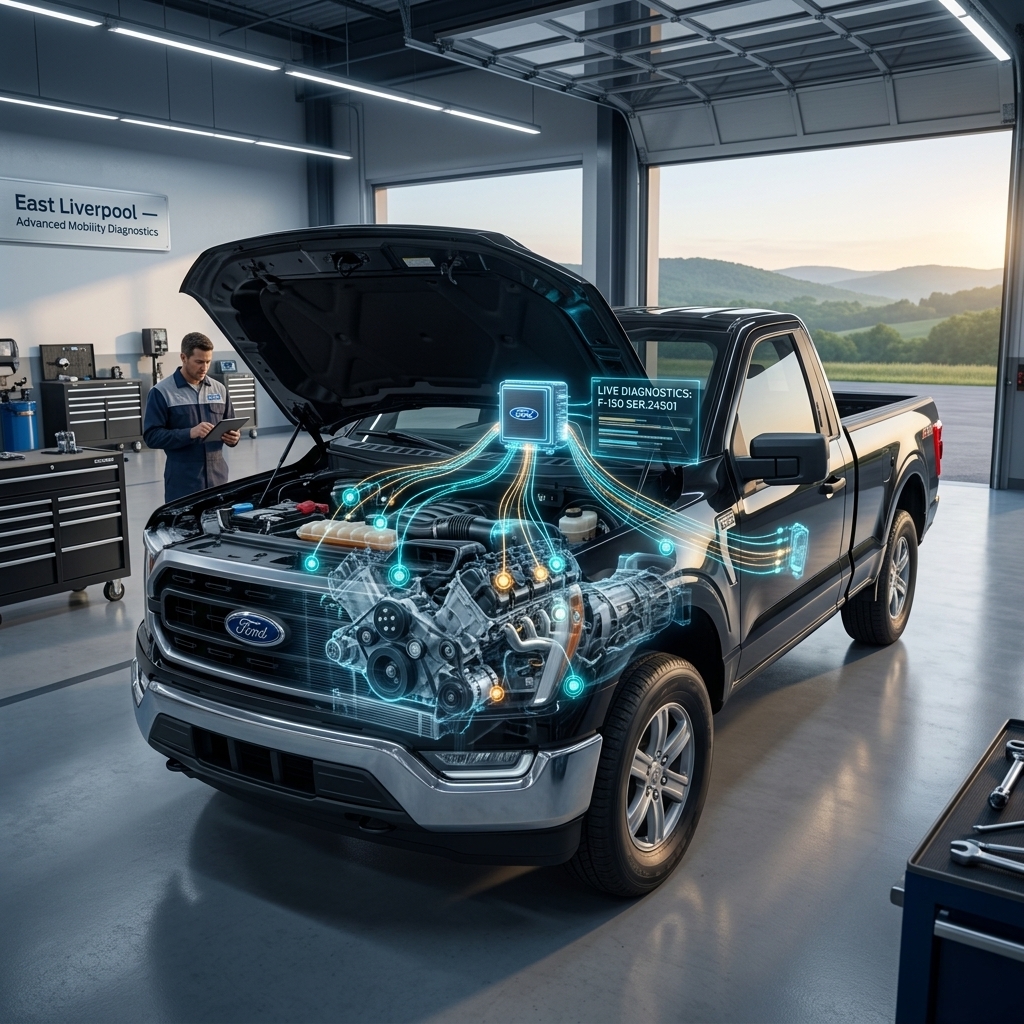
Modern vehicles are far more than just mechanical assemblies; they are sophisticated mobile networks relying on dozens to over one hundred sensors to function correctly. These components act as the eyes and ears of the Electronic Control Unit (ECU), monitoring everything from exhaust chemistry to tire rotation. When these sensors operate at peak performance, they ensure your vehicle maintains the rugged reliability our community expects. However, a single broken sensor can compromise vehicle quality, leading to a cascade of performance issues that affect safety and long-term durability.
Precision data is the foundation of a high-quality driving experience. Sensors track parameters such as temperature, pressure, and speed in real-time, allowing the vehicle to make micro-adjustments every second. For families in Calcutta who rely on their vehicles for daily school runs and errands, this means the engine stays efficient and the safety systems remain vigilant. When a sensor fails, the ECU loses its primary data source and often reverts to “limp home” mode or default settings, which can significantly degrade the driving experience and increase wear on mechanical parts.
Maintaining these high-tech components is essential for keeping your car on the road for years to come. At Tri State Ford, our team emphasizes that proactive care for these electronics is just as important as regular oil changes. If you are noticing unusual behavior or a warning light, you can find our East Liverpool location easily to get a professional diagnostic. We also offer current service and parts specials and manufacturer-backed incentives to help local owners manage the cost of essential sensor repairs. For those who prefer a personalized touch in their next vehicle’s build, we can assist with a new vehicle custom order to ensure you have the latest safety and performance technology from day one. If you have questions about a specific warning light, give our service department a quick call for expert guidance.
Table of Contents
- Critical Powertrain Sensors That Manage Engine Efficiency and Performance
- Recognizing Common Symptoms of Failing Engine Sensors and Diagnostic Warnings
- How Seasonal Weather and Cold Temperatures Impact Electrical Sensor Integrity
- Standard Replacement vs Performance Sensors and Warranty Coverage Basics
- Proactive Maintenance Strategies to Extend the Life of Your Vehicle Sensors
- Quick Answers for Local Drivers Regarding Sensor Repairs and Maintenance
- Experience Reliable Service at Tri State Ford
Critical Powertrain Sensors That Manage Engine Efficiency and Performance
The powertrain is the heart of your vehicle, and its efficiency is dictated by a handful of critical sensors that manage the combustion process. One of the most important is the Oxygen (O2) sensor, which sits in the exhaust system. It measures the amount of unburned oxygen to help the ECU maintain the ideal air-fuel ratio. If this sensor fails, your engine may run “rich,” wasting fuel and potentially damaging the catalytic converter, or “lean,” which can cause engine overheating and poor acceleration.
Another vital component is the Mass Air Flow (MAF) sensor. This device measures the volume and density of air entering the engine so the computer can inject the precise amount of fuel needed for efficient power. Drivers often notice a failing MAF sensor through symptoms like hesitation during acceleration or a rough idle. Similarly, the Crankshaft Position Sensor and Camshaft Position Sensor work in tandem to synchronize ignition timing and fuel injection. A failure in these position sensors can result in a vehicle that refuses to start or stalls unexpectedly while driving, which is a significant safety concern.
For those operating heavy-duty equipment or a new Ford truck, powertrain sensors are even more critical for managing towing loads and transmission shifts. These sensors ensure that the engine produces the necessary torque without overstressing internal components. Beyond the engine, even your tires rely on electronics; keeping an eye on your TPMS sensors is vital for safety and fuel economy. If your sensors indicate it is time for a fresh set of rubber, you can use our online tool to find the right tires for your specific model. Our service financing options can also help spread out the cost of major powertrain repairs, ensuring your vehicle remains dependable without straining your family budget.
Recognizing Common Symptoms of Failing Engine Sensors and Diagnostic Warnings
Identifying a failing sensor early can prevent a small electronic glitch from turning into a major mechanical breakdown. The most obvious sign is an illuminated Check Engine Light (CEL) or a specific system warning, such as an ABS or Tire Pressure Monitoring System (TPMS) light. However, sensors don’t always trigger a light immediately. You might notice subtle changes in how the vehicle handles, such as a sudden drop in fuel economy, engine surging, or a noticeable loss of power when merging onto the highway.
In many cases, signal integrity problems—such as electrical noise or a loose connector—can cause the ECU to receive “plausible” but incorrect data. This means the computer thinks the sensor is fine, but the engine is actually struggling. Common symptoms of sensor failure include:
- Engine Stalling or Misfiring: Often linked to faulty crankshaft or camshaft position sensors.
- Rough Idling: Frequently caused by a dirty or failing MAF sensor.
- Poor Fuel Economy: Usually the result of a degraded Oxygen sensor or Coolant Temperature Sensor.
- Disabled Safety Features: A failed Wheel Speed Sensor will typically deactivate your traction control and anti-lock braking systems.
For local businesses relying on a new work truck to stay on schedule, these symptoms can lead to costly downtime. If you are noticing these red flags in your F-Series pickup, it is best to have a certified technician perform a diagnostic scan. To make maintenance more convenient for busy schedules, we provide mobile service options where our technicians can come to your location to handle many common electronic and maintenance needs, keeping your fleet moving without a trip to the shop.
How Seasonal Weather and Cold Temperatures Impact Electrical Sensor Integrity
Winter weather in the tri-state area presents unique challenges for automotive electronics. Extreme cold can increase electrical resistance in circuits and cause plastic sensor housings or copper wiring to become brittle. When temperatures drop, the chemical reactions inside your battery slow down, leading to voltage drops. These fluctuations in power can cause sensitive sensors to send erratic signals to the ECU, sometimes triggering “ghost” warning lights that disappear once the vehicle warms up.
Moisture and road salt are equally damaging to sensor health. Condensation can form inside connectors or behind infotainment screens, leading to corrosion over time. For vehicles equipped with Advanced Driver Assistance Systems (ADAS), snow and ice accumulation on the front bumper or grille can physically block the radar and camera sensors. This often disables features like adaptive cruise control or emergency braking until the sensors are cleared. Furthermore, hitting an icy pothole in Chester can misalign these sensitive modules, requiring a professional recalibration to restore full safety functionality.
To help you prepare for the changing seasons, we offer monthly service specials that often include battery and electrical system health checks. If you are looking for a trusted Ford service center to handle winter prep, our team is equipped with the specialized diagnostic tools needed to test sensor resistance and circuit integrity. For added convenience during the snowy months, you can take advantage of valet pick-up and delivery service, allowing us to maintain your vehicle’s electronics while you stay warm at home.
Standard Replacement vs Performance Sensors and Warranty Coverage Basics
When it comes time to replace a faulty sensor, owners often have to choose between standard OEM replacements and performance-oriented options. Performance sensors are typically designed for high-heat or high-vibration environments, offering faster response times that are beneficial for tuned engines or heavy-duty towing. However, for the vast majority of daily drivers, a standard genuine part is the best choice. These parts are engineered to match the exact voltage and resistance requirements of your vehicle’s ECU, ensuring long-term compatibility and reliability.
Understanding your coverage can also save you money on these repairs. Most automotive sensors are covered under the standard 3-year/36,000-mile bumper-to-bumper warranty. Additionally, certain emissions-related components, like the Oxygen sensor, may carry extended coverage for up to 8 years/80,000 miles under federal emissions warranties. If your vehicle is outside of its factory warranty, investing in quality parts is still the best way to prevent recurring issues.
When you need to source a specific component, you can order genuine parts directly through our website to ensure you are getting the correct fit for your model. If you are considering upgrading your current vehicle, you might want to start by getting a market-value offer for your trade-in to see how much equity you have. This is especially helpful for local businesses looking to transition into more modern, sensor-rich Transit work vans that offer improved efficiency and driver-assist technology.
Proactive Maintenance Strategies to Extend the Life of Your Vehicle Sensors
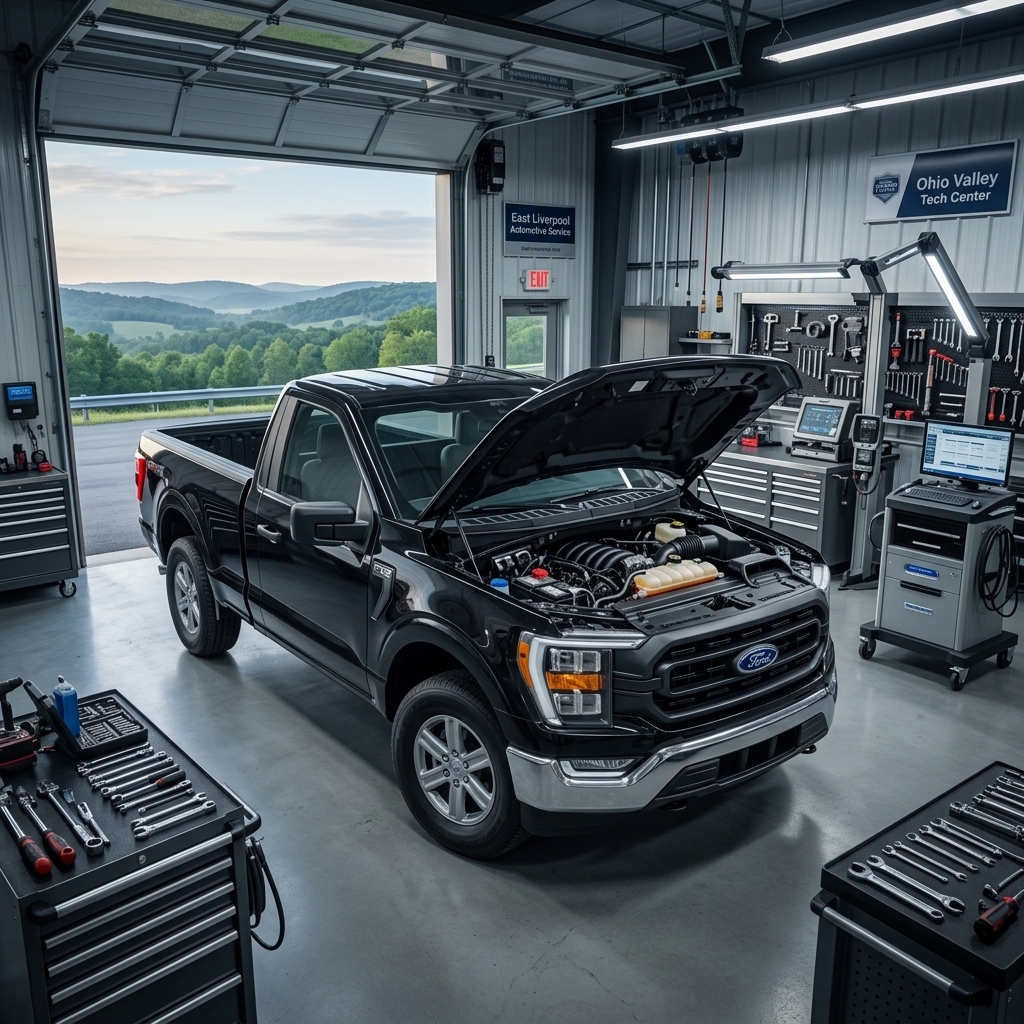
While sensors are designed to be durable, they are not entirely “set and forget” components. One of the best ways to extend the life of your vehicle’s electronics is to keep the engine bay clean and dry. Oil or coolant leaks can contaminate sensors like the Crankshaft Position Sensor, leading to premature failure. Similarly, replacing your air filter on schedule prevents debris from coating the delicate wire inside the Mass Air Flow sensor, which is a common cause of poor engine performance.
Protecting the electrical harnesses from rubbing or heat damage is also vital. During a multi-point inspection, technicians look for frayed wires or loose connectors that could lead to signal interference. For those driving a Ford F-Series on gravel back roads or through wooded areas, it is especially important to ensure that underside sensors—like those for the ABS—are free from mud and debris.
Regular professional check-ups are the most effective strategy for long-term sensor health. You can schedule a service appointment online to have our technicians perform a full diagnostic health report on your vehicle’s computer system. Whether you are maintaining a fleet of used work trucks or the family SUV, keeping your sensors clean and your electrical system healthy will ensure your vehicle stays built tough for the long haul.
Quick Answers for Local Drivers Regarding Sensor Repairs and Maintenance
Q: Does a bad sensor always cause the Check Engine Light to turn on?
Most critical powertrain sensors will trigger a diagnostic code, but it isn’t always immediate. Intermittent failures or sensors that send data that is “barely” within the acceptable range might cause performance issues like rough idling or poor fuel economy for a while before the computer finally decides something is wrong and flips the light on.
Q: Can I clean a sensor instead of replacing it?
Some sensors, like the Mass Air Flow (MAF) sensor, can sometimes be cleaned with specialized electronic cleaners if they are just dusty. However, most sensors are sealed units with internal circuitry that cannot be repaired once it fails. In those cases, a full replacement with a genuine part is the only way to ensure the vehicle runs correctly.
Q: How long does it take to replace a typical engine sensor?
The time required varies significantly depending on the sensor’s location. An Oxygen sensor or MAF sensor can often be replaced in under an hour. However, sensors located deep within the engine block or transmission may require several hours of labor to access. Our service team can provide a specific time estimate once we diagnose the exact part needed.
Q: Will a broken sensor prevent my car from passing an emissions test?
Yes, in most cases. If a sensor related to the fuel mixture or exhaust—such as the O2 sensor—is faulty, the vehicle will likely fail an emissions test. Even if the tailpipe emissions are technically okay, an active Check Engine Light is usually an automatic failure in many jurisdictions.
Q: Are sensors affected by high-mileage engine wear?
While the sensors themselves don’t “wear out” like brake pads, they can be affected by the conditions inside an older engine. For example, an aging engine that burns a small amount of oil can coat the Oxygen sensor in soot, causing it to respond more slowly. Regular maintenance helps mitigate these environmental impacts on your electronics.
Experience Reliable Service at Tri State Ford
Keeping your vehicle’s sensors in top shape is the key to maintaining the safety and efficiency your family depends on. Whether you are dealing with a stubborn warning light or just want a seasonal health check, our expert technicians are here to help. We invite you to book a test drive in a newer model to see how the latest sensor technology can improve your daily commute, or simply stop by for trusted vehicle care. If you need immediate assistance, feel free to give us a quick call or get directions to our showroom to speak with a service advisor in person.
Connect with us


- Automotive News, New Vehicle Reviews, Buying Guides, Financing & Insurance, Seasonal Driving Tips
- Buying Guides, Financing & Insurance, New Vehicle Reviews, Model Comparisons, Sales & Promotions
- Buying Guides, Financing & Insurance, New Vehicle Reviews, Model Comparisons, Technology & Innovation
- Buying Guides, Financing & Insurance, Vehicle Inventory & Offers, Dealership Visit Preparation, Trade-In & Valuation
- Commercial Leasing Options, Business Fleet Solutions, Financing & Leasing Programs, Commercial Vehicle Inventory, Business Vehicle Acquisition
- Commercial Truck Sales, Fleet Purchasing Guides, Financing & Lease Options, Work Truck Customization, New Vehicle Inventory
- Commercial Vehicle Sales, Financing & Leasing, Small Business Vehicle Incentives, Fleet Purchasing Guides, Tax Benefits for Vehicle Buyers
- Commercial Vehicle Sales, Fleet Leasing & Management, Commercial Financing & Tax Incentives, Upfitting & Customization Solutions, Trade & Lease Programs
- Community Engagement & Events, New Vehicle Promotions, Financing & Trade-In Options, Maintenance & Service, Used Vehicle Offers
- Community Events & Customer Appreciation, New Vehicle Reviews, Financing & Trade-In Guides, Maintenance & Service Specials, Commercial & Work Truck Solutions
- Community Events & Dealership News, New Vehicle Promotions & Incentives, Maintenance & Service Specials, Financing & Trade-In Guidance, Family-Friendly Dealership Experiences
- Community Events & Dealership News, New Vehicle Reviews, Financing & Insurance, Maintenance & Service, Work Trucks & Commercial Vehicles
- Community Events, New Vehicle Buying Guides, Financing & Insurance, Maintenance & Service, Local Dealership News
- Compare Cars
- Dealership Events & Promotions, Financing & Trade-In Options, Maintenance & Service Specials, Community Involvement & Charity, New & Used Vehicle Buying Guides
- East Liverpool, OH Ford Dealer
- East Liverpool, OH Used Cars
- Financing & Insurance, Buying Guides, Commercial Vehicle Solutions, Fleet Management, Inventory and Availability
- Financing & Insurance, Buying Guides, New Vehicle Reviews, Used Vehicle Guides, Automotive Sales & Inventory
- Financing & Insurance, Buying Guides, New Vehicle Reviews, Used Vehicle Guides, Automotive Sales Strategies
- Financing & Insurance, Buying Guides, New Vehicle Reviews, Used Vehicle Guides, Model Comparisons
- Financing & Insurance, Buying Guides, Used Vehicle Guides, Trade-In Tips, New Vehicle Sales
- Financing & Insurance, Buying Guides, Vehicle Trade-In Tips, Dealership Sales Process, New Vehicle Promotions
- Financing & Insurance, Leasing Benefits, Model Comparisons, Technology & Innovation, Buying Guides
- Leasing & Financing Options, Buying Guides, Model Comparisons, Negotiation Tips, Inventory & Specials
- Leasing & Financing Options, Buying Guides, New Vehicle Reviews, Model Comparisons, Technology & Innovation
- Leasing & Financing Options, New Vehicle Leasing Guides, Buying Guides, Inventory Spotlight, Trade
- Leasing & Lease Deals, Financing & Insurance, New Vehicle Sales, Commercial Vehicle Leasing, Vehicle Trade-In & Purchase Options
- Leasing Options, Financing & Insurance, New Vehicle Reviews, Buying Guides, Technology & Innovation
- Leasing Options, Financing & Insurance, New Vehicle Sales, Buying Guides, Vehicle Inventory
- Maintenance & Service, Air Conditioning Repair, Genuine Parts & Accessories, Dealer-Authorized Service, Vehicle Ownership Care
- Maintenance & Service, Automotive Air Conditioning Repair, Vehicle Cooling System Care, Diagnostic & Leak Detection, Seasonal Vehicle Maintenance
- Maintenance & Service, Automotive Detailing & Cleaning, Seasonal Vehicle Care, Vehicle Protection & Preservation, Service Center Expertise
- Maintenance & Service, Automotive Detailing & Protection, Corrosion & Rust Prevention, Paint & Exterior Care, Professional Vehicle Care
- Maintenance & Service, Automotive Detailing, Paint Protection & Care, Seasonal Vehicle Care, Professional Vehicle Servicing
- Maintenance & Service, Automotive Electrical Systems, Battery Care & Replacement, Diagnostics & Repairs, Electric Vehicle Maintenance
- Maintenance & Service, Automotive Electrical Systems, Battery Care & Replacement, Vehicle Lighting & Electrical Issues, Roadside Assistance & Emergency Services
- Maintenance & Service, Automotive Fluids & Lubricants, Vehicle Care & Ownership, Dealership Service & Repairs, Preventive Maintenance
- Maintenance & Service, Automotive Lighting & Electrical, Vehicle Safety & Visibility, DIY Vehicle Care, Parts & Accessories
- Maintenance & Service, Automotive Parts & Accessories, Seasonal Vehicle Care, Vehicle Safety & Visibility, Professional Auto Service
- Maintenance & Service, Automotive Parts & Accessories, Vehicle Air Quality & HVAC Care, Preventive Vehicle Maintenance, Service Tips & FAQs
- Maintenance & Service, Automotive Parts & Accessories, Vehicle Ownership Care, Engine Care & Protection, Warranty & Service Contracts
- Maintenance & Service, Automotive Parts & Accessories, Vehicle Safety & Repair, Warranty & Coverage, Service Specials & Offers
- Maintenance & Service, Automotive Parts & Components, Vehicle Safety & Repair, Warranty & Service Coverage, Preventative Vehicle Care
- Maintenance & Service, Automotive Parts & Repairs, Vehicle Warranty & Protection, Service Center Tips, Cost-Effective Vehicle Care
- Maintenance & Service, Automotive Repair, Mobile & Remote Vehicle Service, Warranty & Roadside Assistance, OEM Parts & Service Specials
- Maintenance & Service, Automotive Repair, Parts & Accessories, Vehicle Ownership Care, Technology & Innovation in Service
- Maintenance & Service, Automotive Technology & Diagnostics, Vehicle Electronics & Sensors, Seasonal Vehicle Care, Parts & Repairs
- Maintenance & Service, Automotive Technology & Software Updates, Warranty & Recall Service, Mobile Vehicle Repair & Convenience, Customer Service & Transparency
- Maintenance & Service, Battery Care & Diagnostics, Electric Vehicle (EV) Maintenance, Seasonal Vehicle Care, Automotive Electrical Systems
- Maintenance & Service, Battery Care & Replacement, Vehicle Electrical Systems, Seasonal Vehicle Maintenance, Professional Automotive Repairs
- Maintenance & Service, Brake System Care, OEM Parts & Replacement, Vehicle Safety & Inspections, Expert Technician Services
- Maintenance & Service, Brake System Care, Vehicle Safety & Inspection, Automotive Repair Tips, Service Financing & Convenience
- Maintenance & Service, Brake System Care, Vehicle Safety & Inspection, Parts Quality & Replacement, Heavy Duty Vehicle Maintenance
- Maintenance & Service, Brake System Care, Vehicle Safety & Inspections, Parts & Components, Professional Automotive Services
- Maintenance & Service, Brake System Care, Vehicle Safety & Inspections, Parts & Repairs, Expert Tips & Advice
- Maintenance & Service, Brake Systems & Repair, Vehicle Parts & Accessories, Towing & Load Management, Seasonal Driving Tips
- Maintenance & Service, Certified Technician Insights, Warranty & Service Coverage, Genuine OEM Parts, Service Center Selection Guidance
- Maintenance & Service, Cooling System Repairs, Vehicle Ownership Care, Diagnostic & Troubleshooting, Automotive Parts & Components
- Maintenance & Service, Diagnostic Services, Vehicle Health & Diagnostics, Service Tips & Advice, Check Engine Light Solutions
- Maintenance & Service, Engine Care & Performance, Parts & Accessories, Genuine vs. After
- Maintenance & Service, Essential Vehicle Care, Preventive Maintenance Tips, Vehicle Longevity Strategies, Truck Maintenance Essentials
- Maintenance & Service, Expert Repairs & Diagnostics, Genuine Parts & Accessories, Engine Care & Performance, Vehicle Ownership & Care
- Maintenance & Service, Mobile Vehicle Services, Vehicle Care & Ownership, Genuine Parts & Repairs, Seasonal Maintenance Tips
- Maintenance & Service, Parts & Accessories, Engine Care & Repair, Vehicle Longevity Tips, OEM Parts Benefits
- Maintenance & Service, Parts & Accessories, Vehicle HVAC Care, Seasonal Vehicle Maintenance, DIY Vehicle Maintenance
- Maintenance & Service, Parts & Replacements, Vehicle Care Tips, Seasonal Maintenance, DIY Vehicle Maintenance
- Maintenance & Service, Recall Information, Safety & Reliability, Vehicle Ownership Care, Parts & Repairs
- Maintenance & Service, Recall Updates & Safety Notices, Genuine Parts & Accessories, Truck Care & Maintenance Tips
- Maintenance & Service, Repair & Diagnostics, OEM Parts & Accessories, Warranty & Recall Information, Vehicle Care & Ownership Tips
- Maintenance & Service, Repair & Diagnostics, Parts & Accessories, Vehicle Ownership Care, Service Plans & Extended Warranty
- Maintenance & Service, Repair & Diagnostics, Parts & Components, Preventive Care & Tips, Warranty & Recalls
- Maintenance & Service, Repair & Parts, Vehicle Ownership Care, Safety Features, Technology & Innovation
- Maintenance & Service, Repair & Parts, Vehicle Ownership Care, Transmission
- Maintenance & Service, Repair Solutions, Vehicle Ownership Care, Parts & Accessories, Diagnostic Tips
- Maintenance & Service, Repair Tips & Techniques, Vehicle Care & Ownership
- Maintenance & Service, Safety Features, Parts & Repairs, Vehicle Ownership Care, Automotive Service Tips
- Maintenance & Service, Safety Features, Recall & Repair Updates, Parts & Repairs, Vehicle Ownership Care
- Maintenance & Service, Safety Features, Recall & Safety Campaigns, Vehicle Inspection & Repairs, Vehicle Ownership Care
- Maintenance & Service, Safety Features, Recall & Warranty Information, Vehicle Diagnostics & Repair, Certified Service & Genuine Parts
- Maintenance & Service, Safety Features, Recall Repairs & Safety Campaigns, Parts & Genuine Components, Vehicle Ownership Care
- Maintenance & Service, Safety Features, Recalls & Repairs, Parts & Accessories, Vehicle Ownership Care
- Maintenance & Service, Safety Features, Repair & Recall Updates, Parts & Components, Vehicle Ownership Care
- Maintenance & Service, Safety Features, Repair & Replacement, Vehicle Care & Inspection, Parts & Accessories
- Maintenance & Service, Safety Features, Technology & Innovation, Automotive Parts & Accessories, Seasonal Driving Tips
- Maintenance & Service, Safety Features, Technology & Innovation, Automotive Recalls, Parts & Repairs
- Maintenance & Service, Safety Features, Technology & Innovation, Automotive Recalls, Vehicle Ownership Care
- Maintenance & Service, Safety Features, Technology & Innovation, Automotive Service Tips, Recall & Repair Updates
- Maintenance & Service, Safety Features, Technology & Innovation, Parts & Repairs, Vehicle Ownership Care
- Maintenance & Service, Safety Features, Technology & Innovation, Repair & Recall Information, Parts & Vehicle Care
- Maintenance & Service, Safety Features, Technology & Innovation, Seasonal Driving Tips, Parts & Repairs
- Maintenance & Service, Safety Features, Technology & Innovation, Tire Care & Replacement, Diagnostic & Repair Services
- Maintenance & Service, Safety Recalls & Repairs, Vehicle Safety & Compliance, Powertrain & Drivetrain Maintenance, Towing & Hauling Maintenance
- Maintenance & Service, Seasonal Driving Tips, Model Comparisons, Technology & Innovation, Safety Features
- Maintenance & Service, Seasonal Driving Tips, Safety Features, Technology & Innovation, Parts & Repairs
- Maintenance & Service, Seasonal Driving Tips, Vehicle Care & Ownership, Brake System Maintenance, Tire & Wheel Care
- Maintenance & Service, Seasonal Driving Tips, Vehicle Care & Ownership, Parts & Accessories, Safety Features
- Maintenance & Service, Seasonal Driving Tips, Vehicle Care & Ownership, Safety Features, Professional Repair & Service Techniques
- Maintenance & Service, Seasonal Driving Tips, Vehicle Care & Protection, Brake Maintenance, Tire Care & Safety
- Maintenance & Service, Seasonal Driving Tips, Vehicle Cooling Systems, Automotive Safety Features, Parts & Repairs
- Maintenance & Service, Service Scheduling & Convenience, Vehicle Repair & Diagnostics, Parts & Accessories, Fleet & Commercial Vehicle Service
- Maintenance & Service, Technology & Innovation, Automotive Service Transparency, Digital Vehicle Inspections, Vehicle Ownership Care
- Maintenance & Service, Technology & Innovation, Safety Features, Parts & Warranty, Vehicle Ownership Care
- Maintenance & Service, Technology & Innovation, Vehicle Diagnostics & Telematics, Fleet Management Solutions, Parts & Accessories
- Maintenance & Service, Tire Care & Repair, Roadside Assistance, Vehicle Safety & Inspections, Automotive Parts & Replacements
- Maintenance & Service, Tire Care & Repair, Wheel Alignment & Balancing, Suspension Maintenance, Vehicle Performance Optimization
- Maintenance & Service, Tire Care & Replacement, Seasonal Vehicle Care, Safety Features, Automotive Service Tips
- Maintenance & Service, Tire Care & Replacement, Vehicle Safety & Handling, Seasonal Vehicle Preparation, Drivetrain & Tire Maintenance
- Maintenance & Service, Tire Care & Replacement, Vehicle Safety & Inspections, Seasonal Vehicle Maintenance, Automotive Parts & Accessories
- Maintenance & Service, Transmission Care & Repair, Vehicle Fluid Services, Automotive Diagnostics, Warranty & Resale Value Maintenance
- Maintenance & Service, Transmission Care, Repair & Parts, Vehicle Ownership Care, Common Vehicle Issues
- Maintenance & Service, Vehicle Care & Longevity, Scheduled Service Packages, Oil Changes & Fluid Top-offs, Tire & Brake Maintenance
- Maintenance & Service, Vehicle Care Tips, Parts & Accessories, Seasonal Vehicle Maintenance, Service Specials & Packages
- Maintenance & Service, Vehicle Detailing & Care, Parts & Accessories, Seasonal Vehicle Preparation, Service Scheduling & Convenience
- Maintenance & Service, Vehicle Detailing & Cosmetic Care, Service Scheduling & Convenience, Seasonal Vehicle Care, Vehicle Ownership Tips
- Maintenance & Service, Vehicle Detailing & Protection, Vehicle Care Tips, Seasonal Vehicle Maintenance, Dealership Service Benefits
- Maintenance & Service, Vehicle Diagnostics & Repair, Engine Performance & Troubleshooting, Fuel System Care, Preventative Maintenance Strategies
- Maintenance & Service, Vehicle Fluids & Lubrication, Engine Care & Repair, Parts & Accessories, Professional Vehicle Care
- Maintenance & Service, Vehicle Inspection & Diagnostics, Parts & Repairs, Warranty & Resale Value, Service Specials & Convenience
- Maintenance & Service, Vehicle Ownership Care, Mobile Repair Services, Genuine Parts & Certified Technicians, Electric Vehicle Maintenance
- Maintenance & Service, Vehicle Ownership Care, Parts & Accessories, Repair & Diagnostics, Certified Technician Insights
- Maintenance & Service, Vehicle Repair & Diagnostics, Parts & Accessories, DIY Vehicle Care, Safety & Reliability Tips
- Maintenance & Service, Vehicle Repair & Diagnostics, Parts & Accessories, Hybrid & Electric Vehicle Care, Seasonal Vehicle Care
- Maintenance & Service, Vehicle Repair & Diagnostics, Parts & Accessories, Seasonal Driving Tips, Battery Care & Replacement
- Maintenance & Service, Vehicle Repair & Diagnostics, Parts & Accessories, Service Lane Tips & Insights, Vehicle Ownership Care
- Maintenance & Service, Vehicle Repair & Diagnostics, Parts & Accessories, Towing & Performance Care, Mobile & Convenient Service Options
- Maintenance & Service, Vehicle Repair & Parts, Service Convenience & Customer Care, Roadside Assistance & Support, Vehicle Ownership Tips
- Maintenance & Service, Vehicle Service Warranties, Repair & Coverage Plans, Ownership & Vehicle Care, Automotive Service Tips
- Maintenance & Service, Vehicle Software Updates, Safety Features, Technology & Innovation, Recall & Warranty Information
- Maintenance & Service, Warranty & Recalls, Repair & Diagnostics, Parts & Accessories, Vehicle Ownership & Care
- Model Comparisons, Buying Guides, New Vehicle Reviews, Financing & Insurance, Inventory Updates
- Model Comparisons, Buying Guides, Technology & Innovation, Safety Features, Maintenance & Service
- Model Comparisons, New Vehicle Reviews, Safety Features, Technology & Innovation, Seasonal Driving Tips
- Model Comparisons, New Vehicle Reviews, Technology & Innovation, Buying Guides, Maintenance & Service
- Model Comparisons, New Vehicle Reviews, Technology & Innovation, Safety Features, Buying Guides
- Model Comparisons, Towing & Hauling Guides, Maintenance & Service, Technology & Innovation, New Vehicle Reviews
- New Vehicle Promotions, Buying Guides, Financing & Insurance, New Vehicle Reviews, Inventory Highlights
- New Vehicle Reviews, Buying Guides, Financing & Insurance, Model Comparisons, Automotive News
- New Vehicle Reviews, Buying Guides, Financing & Insurance, Model Comparisons, Automotive Sales Strategies
- New Vehicle Reviews, Buying Guides, Financing & Insurance, Model Comparisons, Automotive Technology & Innovation
- New Vehicle Reviews, Buying Guides, Financing & Insurance, Model Comparisons, Commercial & Work Truck Sales
- New Vehicle Reviews, Buying Guides, Financing & Insurance, Model Comparisons, Inventory Highlights
- New Vehicle Reviews, Buying Guides, Financing & Insurance, Model Comparisons, Used Vehicle Guides
- New Vehicle Reviews, Buying Guides, Financing & Insurance, Model Comparisons, Vehicle Inventory Updates
- New Vehicle Reviews, Buying Guides, Financing & Insurance, New Vehicle Specials, Trade-In & Value Estimation
- New Vehicle Reviews, Buying Guides, Financing & Insurance, Used Vehicle Guides, Model Comparisons
- New Vehicle Reviews, Buying Guides, Financing & Insurance, Vehicle Inventory, Model Comparisons
- New Vehicle Reviews, Buying Guides, Model Comparisons, Financing &
- New Vehicle Reviews, Buying Guides, Model Comparisons, Financing & Insurance, Inventory & Sales
- New Vehicle Reviews, Buying Guides, Model Comparisons, Maintenance & Service, Technology & Innovation
- New Vehicle Reviews, Buying Guides, Safety Features, Technology & Innovation, Model Comparisons
- New Vehicle Reviews, Buying Guides, Technology & Innovation, Safety Features, Seasonal Driving Tips
- New Vehicle Reviews, Financing & Insurance, Buying Guides, New Vehicle Specials, Model Comparisons
- New Vehicle Reviews, Financing & Insurance, Buying Guides, Technology & Innovation, Automotive Inventory Updates
- New Vehicle Reviews, Financing & Insurance, Buying Guides, Used Vehicle Guides, Model Comparisons
- New Vehicle Reviews, Model Comparisons, Buying Guides, Technology & Innovation, Safety Features
- New Vehicle Reviews, Model Comparisons, Financing & Insurance, Technology & Innovation, Safety Features
- New Vehicle Reviews, Model Comparisons, Off-Road Adventures, Technology & Innovation, Maintenance & Service
- New Vehicle Reviews, Model Comparisons, Safety Features, Technology & Innovation, Buying Guides
- New Vehicle Reviews, Model Comparisons, Technology & Innovation, Financing & Insurance, Maintenance & Service
- New Vehicle Reviews, Model Comparisons, Technology & Innovation, Safety Features, Buying Guides
- New Vehicle Reviews, Model Comparisons, Technology & Innovation, Safety Features, Maintenance & Service
- New Vehicle Reviews, Off-Road Capabilities, Outdoor Adventure Vehicles, Technology & Innovation, Local Driving Destinations
- New Vehicle Reviews, Technology & Innovation, Buying Guides, Safety Features, Model Comparisons
- New Vehicle Reviews, Technology & Innovation, Safety Features, Maintenance & Service, Buying Guides
- New Vehicle Sales, Financing & Incentives, Trade-In & Appraisal, Special Sales Events, Electric Vehicle Purchasing
- New Vehicle Sales, Financing & Incentives, Trade-In & Value Guides, Manufacturer Promotions, Commercial Vehicle Sales
- New Vehicle Sales, Financing & Insurance, Buying Guides, Manufacturer Incentives & Discounts, Trade-In & Vehicle Valuation
- New Vehicle Sales, Vehicle Delivery & Logistics, Financing & Credit Applications, Trade-In & Vehicle Valuation, Commercial Vehicle Sales
- Tips
- Trucks
- Uncategorized
- Used Vehicle Guides, Buying Guides, Financing & Insurance, Model Comparisons, Selling Your Car
- Used Vehicle Guides, Financing & Insurance, Buying Guides, Model Comparisons, Local Dealership Highlights
- Used Vehicle Guides, Financing & Insurance, Buying Guides, New Vehicle Reviews, Commercial Vehicle Sales
- Used Vehicle Guides, Financing & Insurance, Buying Guides, Vehicle Warranty Information, Pre-Owned Vehicle Sales
- Vehicle Sales Events, Financing & Leasing, Trade-In & Trade-Up Guides, New Vehicle Inventory Highlights, Dealership Buying Experience
- Vehicle Sales Events, New Vehicle Buying Guides, Financing & Incentives, Dealership Inventory Highlights, Commercial Vehicle Sales
- Vehicle Sales Events, New Vehicle Pricing & Incentives, Financing & Lease Options, Trade-In & Appraisal Guides, Dealership Buying Experience
- Vehicle Sales Events, New Vehicle Pricing, Financing & Credit Applications, Trade-In & Loyalty Programs, Leasing vs Buying Guides
- Vehicle Sales Events, New Vehicle Purchasing, Incentives & Discounts, Financing & Pre-Approval, Trade-In & Appraisal Guidance
- Vehicle Sales Process, Financing & Credit Applications, New and Used Vehicle Inventory, Pickup and Delivery Services, Online Vehicle Purchasing
- Vehicle Sales Promotions, New Vehicle Buying Guides, Financing & Credit Applications, Dealership Inventory Highlights, Model Pricing Comparisons
- Vehicle Sales Promotions, New Vehicle Buying Guides, Financing & Incentives, Trade-In & Valuation, Dealership Sales Events
- Vehicle Sales, Online Car Buying, Financing & Incentives, Trade-In Guides, New Vehicle Delivery Services, Youngstown Dealership
- Vehicle Trade-In Tips, Financing & Insurance, Buying Guides, Dealership Sales Strategies, Inventory & Specials