Blog / Maintenance & Service, Automotive Fluids & Lubricants, Vehicle Care & Ownership, Dealership Service

Why Frequent Off-Road Adventures Require a Stricter Maintenance Schedule

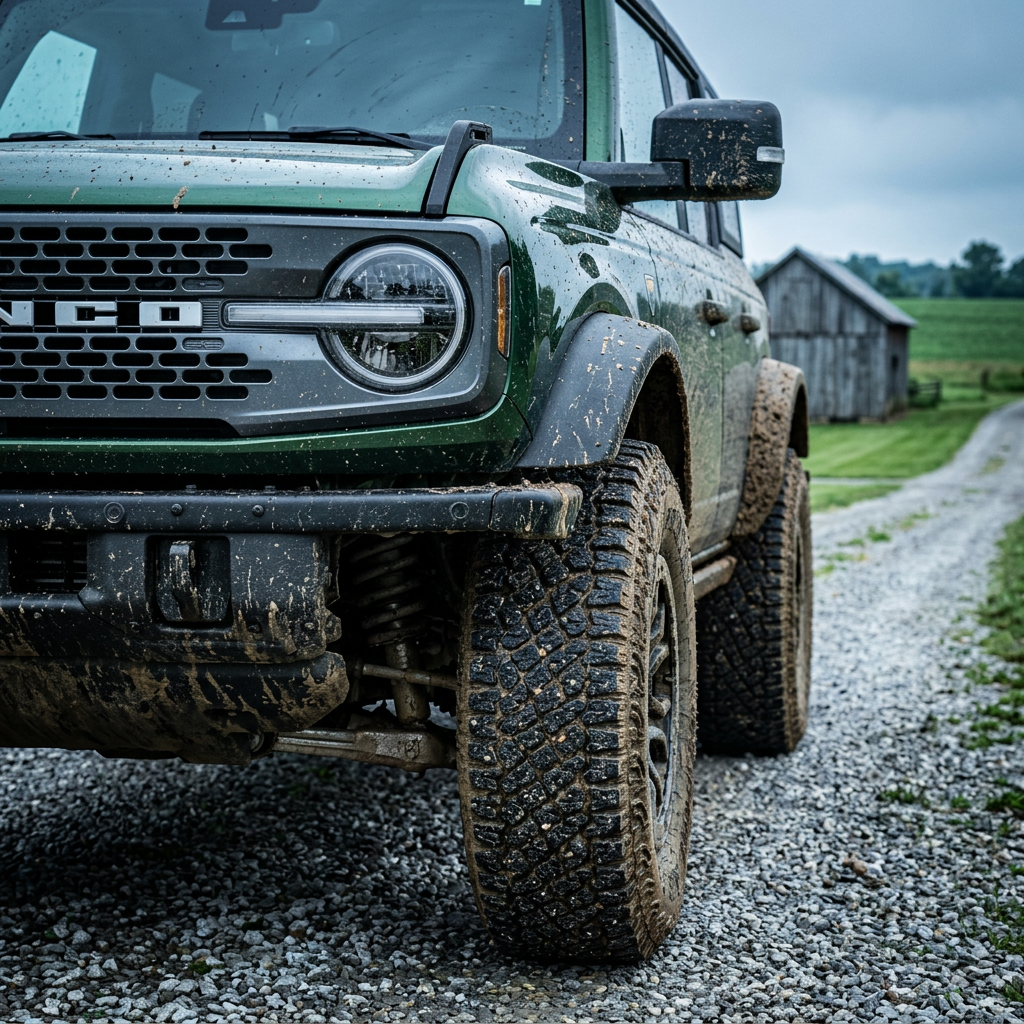
Front angle view of a muddy green Ford Bronco parked on a gravel path near a barn. (Representative image for illustration purposes only. Actual vehicle may vary based on trim and configuration.)
Taking your vehicle off the paved road introduces a completely different set of operating conditions than a standard daily commute. When you drive on dirt trails, rocky paths, or muddy tracks, your vehicle is subjected to constant vibrations, extreme suspension articulation, and high thermal stress. Automotive manufacturers classify these environments as severe operating conditions. This classification means that the standard maintenance intervals listed in your owner's manual for normal highway driving no longer apply. To prevent premature wear and unexpected mechanical breakdowns, a more frequent maintenance schedule is required. Consistent off-road travel forces vital mechanical components to work much harder. For example, a 2026 Ford Bronco equipped with a 2.3L engine and a 7-speed manual transmission experiences significantly higher operating temperatures when crawling over obstacles in low gear than it would while cruising on the highway. This prolonged thermal stress accelerates the breakdown of engine oil and other vital lubricants. Additionally, the constant physical jarring of trail driving can slowly loosen chassis hardware, compromise steering linkages, and stress rubber bushings. To keep your rugged 4x4 operating safely, you should expect to cut your standard service intervals roughly in half. While highway-driven vehicles might only need an oil change every 7,500 to 10,000 miles, an off-road vehicle frequently requires fresh oil and a comprehensive safety check every 3,000 to 5,000 miles. Keeping up with this accelerated schedule ensures that minor issues, such as a slightly loose steering joint or a torn CV boot, are caught before they turn into expensive trailside failures. If you are preparing for your next rugged trip, you can easily schedule a service appointment online with our experienced team. For those who want to discuss their vehicle's specific maintenance needs in person, you can easily locate our physical service center or give us a quick call to speak directly with a service advisor.
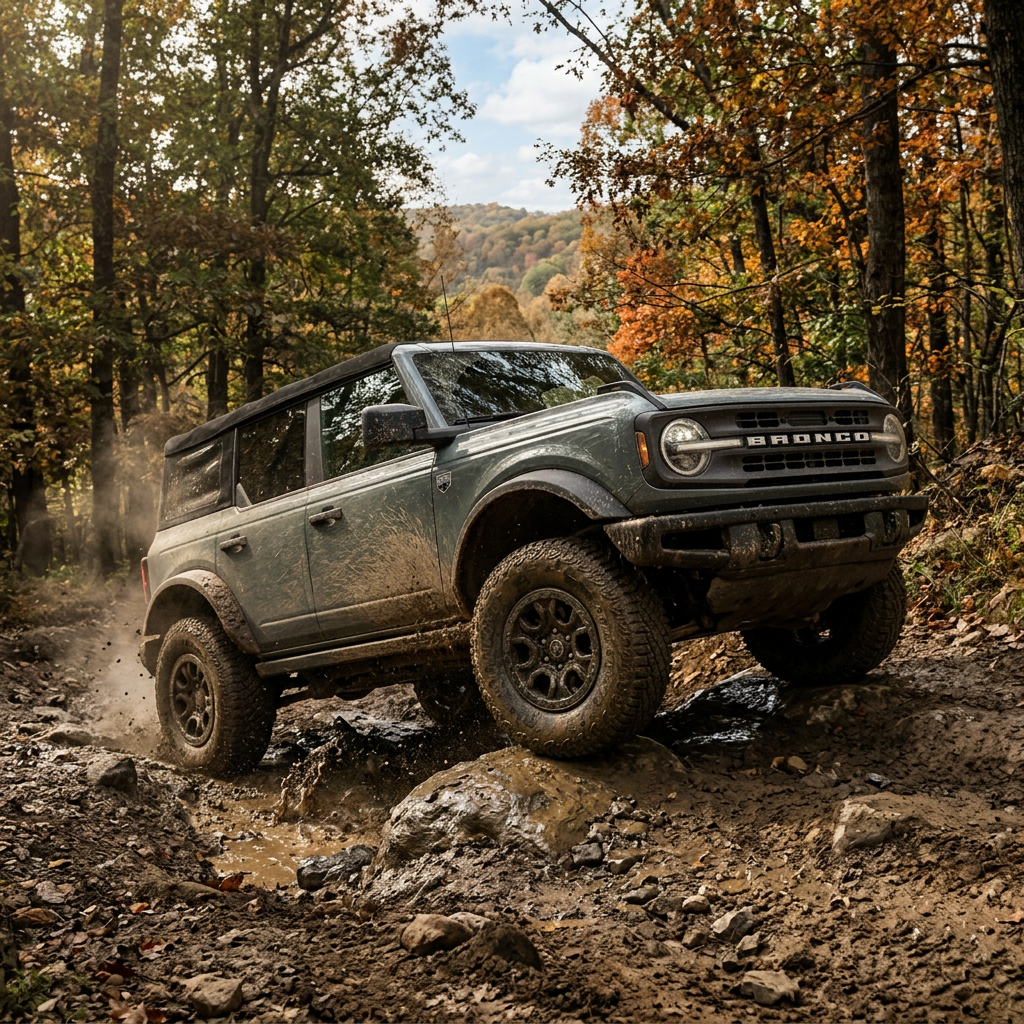
Table of Contents

How Trail Dust and Fine Mud Degrade Your Engine and Cabin Air Filters

Dust is one of the most abrasive elements your vehicle can encounter. When you follow other vehicles on dry dirt trails, a thick cloud of fine particulate matter hangs in the air. This airborne dust is drawn directly into your vehicle's air intake system. The engine air filter is your powertrain's first line of defense, trapping these abrasive particles before they can enter the combustion chambers. However, off-road dust can clog the pleats of a standard filter in a fraction of the time it takes during normal highway driving. When an engine air filter becomes heavily restricted by dust, it starves the engine of oxygen. This restriction forces the engine to work harder, directly reducing fuel efficiency and throttle response. In extreme cases, a completely choked filter can allow microscopic dust particles to bypass the sealing edges. Once inside the engine, these hard silica particles act like sand polishing the cylinder walls, piston rings, and valves, leading to severe internal engine wear. A similar process occurs within your cabin air filter, which cleans the air entering your heating and ventilation system. A clogged cabin filter restricts HVAC airflow and allows fine dust to settle over your interior surfaces, degrading air quality inside the vehicle. Regularly inspecting and replacing these filters is a simple yet critical part of off-road maintenance. After driving through dusty environments, you should remove the filters to check their condition. If they are packed with dirt, they must be replaced rather than simply blown out with compressed air, which can tear the delicate filter media. For those who prefer to handle quick replacements at home, you can easily order genuine OEM filters directly from our parts department to ensure a perfect, airtight fit. Keeping these filters fresh is especially important for hard-working utility vehicles like highly capable transit work vans that frequently visit dusty construction sites or remote rural projects. ​

Protecting Your Powertrain: Critical Fluid Changes for Off-Road Drivers

Your vehicle's engine oil is not the only fluid that suffers under the strain of off-road driving. The entire drivetrain—including the front and rear differentials, the transfer case, and the transmission—is subjected to extreme heat and high torque loads. When climbing steep inclines or navigating deep mud, these components generate immense friction. This heat degrades the chemical additives in gear oils and transmission fluids, reducing their ability to lubricate and protect moving parts. Water contamination is another major threat to your drivetrain's health. When you drive through deep puddles or cross shallow streams, your hot differentials and transfer case are suddenly submerged in cold water. This rapid cooling creates a vacuum inside the component housings, which can draw water in through the vent breathers or worn seals. If water mixes with your gear oil, it creates a milky, cloudy emulsion that cannot properly lubricate bearings and gears. Left unchecked, contaminated fluid will cause rapid gear wear, bearing whine, and eventual component failure. To protect your powertrain, you should inspect your differential and transfer case fluids after any deep water crossings. If the fluid looks milky, it must be drained and filled with fresh lubricant immediately. Even without water exposure, changing these gear oils every 15,000 to 30,000 miles is highly recommended for vehicles that see regular trail action. If you are driving a heavy-duty truck, such as a model from our rugged F-Series work truck lineup, maintaining fresh driveline fluids is essential to preserve its maximum towing and payload capacities. Additionally, off-road driving puts unique stress on your tires; you can use our online tool to find and order specialized all-terrain tires designed to handle the rocky terrain of the tri-state area. ​

The Essential Post-Trail Undercarriage Wash and Visual Inspection Checklist

One of the most important maintenance tasks you can perform after a weekend on the trail is a thorough undercarriage wash. Packed mud, clay, and road grime do more than just look dirty; they trap moisture directly against your vehicle's steel frame, skid plates, and suspension components. In our local cold-winter climate, this trapped moisture accelerates rust and structural corrosion, especially when mixed with winter road salt. Furthermore, dried mud can hide physical damage, clog mechanical linkages, and unbalance rotating parts like driveshafts. Once the undercarriage is completely clean, you can perform a reliable visual inspection. Getting underneath the vehicle with a flashlight allows you to spot issues before they cause a breakdown on your next trip. Use this structured post-trail checklist to verify the integrity of your vehicle's underside:
  • Skid Plates and Frame: Inspect all protective plates for deep dents, cracks, or loose mounting bolts. Check the main frame rails for any signs of structural bending or impact.
  • Suspension and Shocks: Examine your shock absorbers for wetness, which indicates a blown seal and leaking hydraulic fluid. Inspect the coil springs and suspension arms for cracks or deep gouges.
  • Steering Linkages: Check the tie rods, drag links, and ball joints for physical bends. Wiggle the linkages to ensure there is no excessive play or loose hardware.
  • Rubber Boots and Hoses: Inspect the rubber CV boots, steering rack boots, and brake lines. A torn boot will let dirt in and grease out, leading to rapid joint failure.
  • Tires and Wheels: Check the inner tire sidewalls for cuts, bulges, or embedded rocks. Inspect the wheels for bends or cracks along the rim flanges.
If you use your vehicle for demanding commercial tasks or remote job sites, keeping the underbody clean and inspected is vital to maintaining operational uptime. For businesses managing a fleet of utility vehicles, keeping up with these inspections ensures your machinery remains safe and dependable. You can browse our specialized new and used work truck inventory online to find vehicles built with the heavy-duty frames and factory skid plates necessary to withstand regular off-road abuse. ​A sage green Ford Bronco driving over rocky, muddy terrain in a dense autumn forest. (Representative image for illustration purposes only. Actual vehicle may vary based on trim and configuration.)

Professional Dealership Care vs. DIY Maintenance for Rugged 4x4 Vehicles

When it comes to maintaining an off-road vehicle, many owners enjoy handling basic tasks themselves. Performing your own engine oil changes, replacing air filters, and conducting basic visual inspections can be highly cost-effective and helps you become familiar with your vehicle's mechanical layout. However, modern 4x4 vehicles feature highly complex suspension geometries, electronic locking differentials, and advanced terrain management systems that require specialized diagnostic equipment and training to service correctly. While a DIY enthusiast can easily spot a torn rubber boot, a certified technician at a professional dealership has the specialized tools needed to check precise steering alignments, measure electronic sensor calibrations, and diagnose subtle driveline vibrations. Professional service also ensures that your vehicle's factory warranty remains fully protected. Dealership technicians use genuine OEM parts designed specifically for your model, guaranteeing the proper fit, durability, and performance under extreme off-road stress. At Tri State Ford, our factory-trained technicians understand the unique demands placed on vehicles driven off-road. We can perform comprehensive multi-point inspections, check for the latest software updates, and ensure your vehicle's complex 4x4 systems are operating flawlessly. If you are looking for a trusted partner to keep your vehicle in peak condition, you can learn more about our dealership service philosophy online. We also offer rotating manufacturer vehicle service specials to help keep your maintenance costs manageable and predictable. ​

Common Questions About Maintaining Your Off-Road Vehicle

Q: How often should I inspect my suspension if I drive off-road frequently? You should perform a basic visual inspection of your suspension and steering components after every major off-road trip, or at least every 3,000 miles. Look specifically for leaking shock absorbers, bent steering linkages, and torn rubber boots that protect vital joints from dirt and moisture. Q: Can water crossings damage my vehicle's differentials? Yes, hot differentials submerged in cold water can draw water past the seals or vent breathers as they rapidly cool. If water mixes with the gear oil, it ruins its lubricating properties, requiring an immediate fluid drain and refill to prevent severe gear damage. Q: Is it necessary to get a wheel alignment after off-roading? If you frequently travel over rough, rocky trails or experience hard impacts against obstacles, your steering geometry can slowly drift out of specification. You should have your alignment checked if you notice your vehicle pulling to one side, a crooked steering wheel, or uneven tire tread wear. Q: What is the difference between standard and heavy-duty replacement parts for off-road use? Heavy-duty OEM parts are designed with stronger materials, beefier seals, and enhanced heat dissipation to withstand the constant vibrations and high impact forces of trail driving. Using genuine parts ordered through a dedicated department ensures your vehicle retains its original rugged durability. ​

Keep Your Off-Road Vehicle Trail-Ready with Expert Ford Service

The gravel back roads and rolling hills around Calcutta are perfect examples of the diverse terrain that local drivers navigate. To keep your vehicle performing reliably on and off the road, regular professional maintenance is key. Our factory-certified technicians at Tri State Ford are equipped with the specialized training and diagnostic tools necessary to handle everything from routine fluid changes to complex 4x4 system repairs. We make keeping up with your vehicle's severe-duty maintenance schedule as convenient as possible. If you have a busy work schedule, we offer Ford Mobile Service to handle routine maintenance tasks right in your driveway, as well as Ford Pick Up & Delivery options to transport your vehicle to our facility and back without disrupting your day. Before you book your next appointment, be sure to check our current current service offers for excellent savings on essential maintenance. For trusted, transparent vehicle care, contact our service team today or stop by our service center in East Liverpool to keep your vehicle ready for your next outdoor adventure.
© 2026 Tri State Ford. All rights reserved.
Posted in:

Related Posts

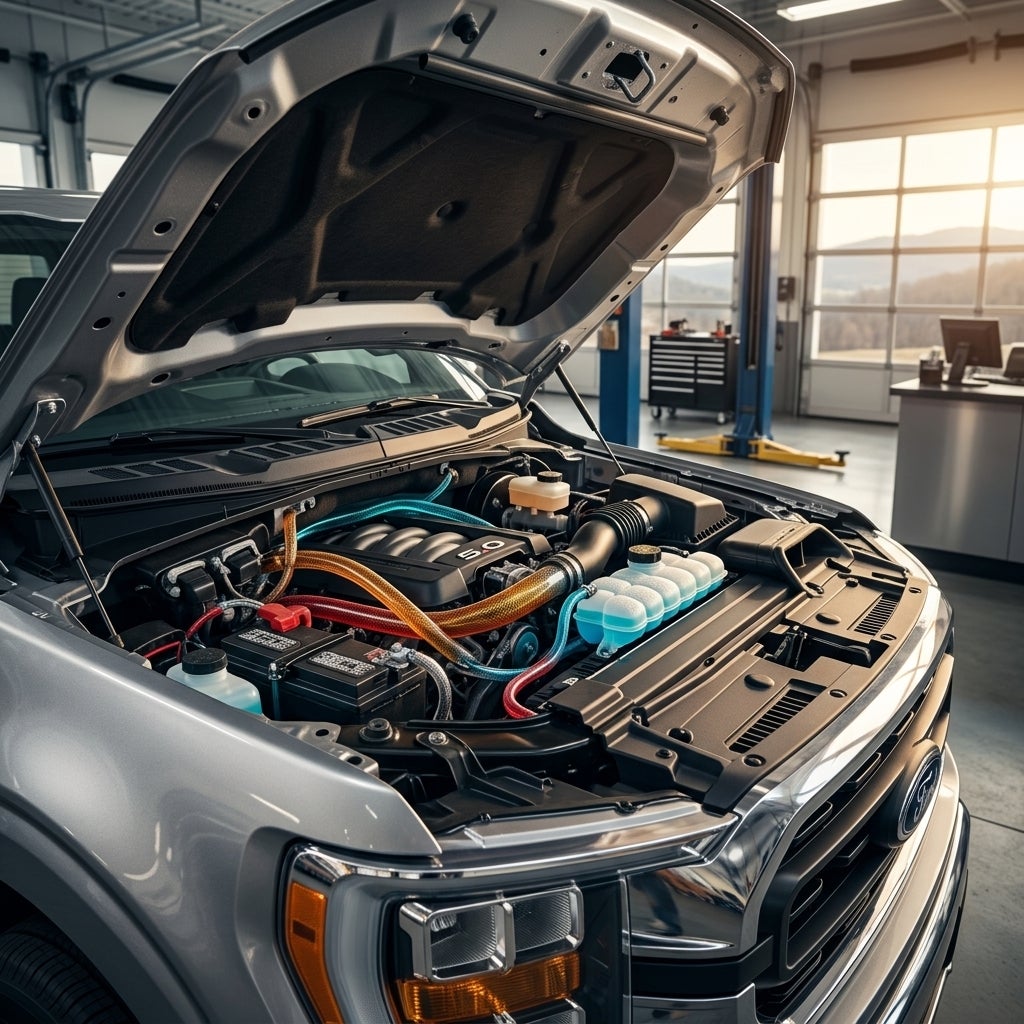
A cinematic, low-angle shot of a 2026 Ford F-150 XLT parked inside a modern, clean service bay in East Liverpool, Ohio, the hood is open to reveal a powerful 5.0L V8 engine, the focal point is the intricate network of reservoirs and translucent lines filled with vibrant, glowing automotive fluids, a

The Lifeline of Your Vehicle: Understanding Essential Automotive Fluids

The Lifeline of Your Vehicle: Understanding Essential Automotive Fluids Maintaining a vehicle involves much more than just keeping gas in the tank. The various liquids circulating through your engine, transmission, and braking systems act as the lifeblood of the machine, ensuring that metal components don't grind against each other and that heat is properly dissipated. For families in Calcutta, keeping these fluids at the correct levels is often the difference between a dependable morning school run and an unexpected breakdown on the side of the road. Every fluid in your vehicle has a specific chemical composition designed to handle extreme pressure and temperature. For example, the 2026 Ford F-150 XLT utilizes advanced synthetic blends to protect its 5.0L V8 engine during heavy towing or long highway hauls. Without these lubricants, the friction generated by thousands of internal explosions per minute would weld engine parts together in a matter of miles. Our team at Tri State Ford focuses on educating owners about these systems to ensure the longevity of their investment. Whether you are driving a high-mileage work truck or have recently used a new vehicle custom order to get the exact specs you need, the maintenance requirements remain the same. Fluids degrade over time due to heat cycles and contamination. If you are unsure when your last check-up was, you can find our service center address online to plan a visit. We also provide information on manufacturer vehicle offers that often include essential fluid services. If you have questions about the specific lubricants required for your model year, give us a quick call to speak with a service advisor. Staying proactive with your maintenance schedule, especially when taking advantage of new vehicle offers or used vehicle offers, helps maintain the safety and reliability that local drivers expect from the Ford brand. Table of Contents The Six Essential Fluids for Routine Vehicle Maintenance Checking and Monitoring Your Vehicle Fluid Levels at Home Modern Innovations: Specialized EV Coolants and Performance Brake Fluids The Cost of Neglect: How Low or Dirty Fluids Damage Major Systems Professional Fluid Care: Why Certified Dealership Maintenance Matters Quick Answers About Automotive Fluids Keep Your Vehicle Running Like New The Six Essential Fluids for Routine Vehicle Maintenance What exactly should you be looking for when you pop the hood? Most modern gasoline vehicles rely on six primary fluids to stay operational. Each plays a distinct role in either lubrication, cooling, or hydraulic pressure. Engine Oil: This is the most critical lubricant. It reduces friction between moving parts and carries contaminants to the oil filter. Ford recommends replacing engine oil every 7,500 to 10,000 miles for most modern models, such as the 2026 Ford Explorer XLT. Coolant (Antifreeze): This fluid regulates engine temperature. In the cold-winter climate of the tri-state area, coolant prevents the engine block from freezing while also stopping it from overheating during the summer. Brake Fluid: As a hydraulic fluid, it transmits the force of your foot on the pedal to the brake calipers. Because it is hygroscopic—meaning it absorbs moisture—it generally needs to be replaced every 2 years to prevent internal corrosion. Transmission Fluid: This lubricates the gears and bearings within the transmission. In a 2026 Ford Escape Active, the transmission fluid also acts as a hydraulic fluid to control gear changes. Power Steering Fluid: For vehicles with hydraulic steering, this fluid makes it easy to turn the wheel. If you hear a whining noise when turning, it’s often a sign that this level is low. Windshield Washer Fluid: While it doesn't keep the engine running, it is vital for safety. It clears dirt, salt, and grime to maintain visibility during messy winter drives. Neglecting these can lead to expensive repairs that might make you consider trading in your vehicle. If you've reached that point, you can use our online tool to get a KBB instant cash offer for your current car. However, most major issues are avoidable with a simple scheduled service appointment. Our technicians use the right specifications for every model, and you can even order genuine parts through our website if you prefer to handle minor top-offs yourself. ​ Checking and Monitoring Your Vehicle Fluid Levels at Home How often should you actually be checking these levels? While modern sensors are excellent, nothing beats a manual inspection. For engine oil, you should check the dipstick at least once a month. Make sure the vehicle is on level ground and the engine is off. Pull the dipstick, wipe it clean, reinsert it, and pull it again to see the actual level. If the oil looks like milky coffee or has a burnt smell, it’s time for a professional to take a look. For those managing a fleet or driving a heavy-duty model from our used work truck inventory, checking fluids is even more critical due to the increased stress of hauling. Coolant levels can usually be checked by looking at the markings on the translucent overflow reservoir. Never open a radiator cap when the engine is hot, as the pressurized steam can cause severe burns. If your schedule is packed, we offer Ford pick-up and delivery for various maintenance tasks, allowing you to keep your vehicle in top shape without leaving your house. For those who handle their own business finances and maintenance logs, our finance department can provide information on service contracts that help bundle these routine costs. Monitoring your fluids regularly ensures that your vehicle remains a dependable asset for your family or your business. Modern Innovations: Specialized EV Coolants and Performance Brake Fluids Does an electric vehicle still need fluid maintenance? This is a question we hear frequently in East Liverpool as more drivers transition to battery power. While EVs lack engine oil and transmission fluid, they still require specialized liquids. For example, 2026 EVs often use low-conductivity coolants. These are specifically designed to manage the thermal loads of the high-voltage battery pack while preventing electrical shorts—a critical safety feature that differs from standard internal combustion coolants. Performance and heavy-duty vehicles have also seen shifts in fluid standards. Many 2026 models now utilize DOT 4 or DOT 4 LV (Low Viscosity) brake fluid. This type of fluid offers better stability under the high-heat conditions often found when our new truck inventory is used for maximum towing. Whether you are operating transit work vans or a personal SUV, using the correct viscosity and heat rating is essential for maintaining the 3-year / 36,000-mile bumper-to-bumper warranty. Even specialized equipment found in our new work truck inventory requires specific gear oils for differentials and transfer cases. These fluids are often specified for replacement every 60,000 to 120,000 miles. Using the wrong fluid in these high-tech systems can lead to sensor errors or mechanical failure, so always consult your owner's manual or a certified technician before adding anything to your vehicle. The Cost of Neglect: How Low or Dirty Fluids Damage Major Systems What happens if you ignore that small leak or skip an oil change? The consequences are usually much more expensive than the service itself. Running out of engine coolant can lead to immediate overheating, which often results in a blown head gasket or a warped engine block. In a vehicle like the 2026 Ford F-150, which is built for rugged use, maintaining the cooling system is vital to protecting the powertrain 5-year / 60,000-mile warranty coverage. Dirty or low transmission fluid is another common culprit for major repairs. If the fluid can no longer lubricate the gears or provide hydraulic pressure, you may experience slipping, gear grinding, or a total loss of drive. For local business owners relying on our F-Series work inventory, this downtime can result in lost revenue and high repair bills. We recommend checking our manufacturer monthly service specials to find affordable ways to stay current on these needs. Whether you are driving a model from our truck inventory or a compact crossover, neglected brake fluid can lead to a "spongy" pedal feel and increased stopping distances. This happens because the moisture absorbed by the fluid can boil under heavy braking, creating air bubbles in the lines that don't compress like the fluid does. Professional Fluid Care: Why Certified Dealership Maintenance Matters When you bring your vehicle to a dealership, you are getting more than just a fluid top-off. Certified technicians have the specific training and diagnostic tools to identify small leaks before they become catastrophic failures. At Tri State Ford, we use genuine OEM fluids that are formulated specifically for your vehicle's seals and gaskets. This is particularly important for residents in Chester who deal with steep hills and riverfront humidity, which can accelerate the breakdown of lower-quality aftermarket fluids. Independent shops are an option, but dealership service ensures that every fluid exchange is performed to factory standards, protecting your warranty and resale value. We invite you to learn more about our dealership and our commitment to transparent service. If you are searching for a Ford dealership near me that prioritizes your safety and vehicle longevity, our team is ready to help. You can easily find directions to our East Liverpool location to speak with a technician in person. For quick questions about maintenance intervals or to verify the correct oil weight for your vehicle, give our service desk a quick call. We are here to ensure that your vehicle remains as rugged and reliable as the day you first drove it home. Quick Answers About Automotive Fluids Q: How can I tell if my brake fluid needs to be changed? A: Beyond the 2-year recommended interval, look for a dark, tea-like color in the reservoir. Fresh brake fluid is usually clear or a very light amber. If the pedal feels soft or you have to pump the brakes to get a firm stop, you should have the system inspected immediately to check for moisture or air in the lines. Q: Is it true that some transmissions are "sealed" and don't need fluid changes? A: Many modern vehicles do not have a traditional dipstick for the transmission, but "sealed" does not mean the fluid lasts forever. These systems still require professional checks using specialized tools to ensure the fluid hasn't broken down or leaked. We recommend a professional inspection every 30,000 miles to be safe. Q: What is the difference between synthetic and conventional oil? A: Synthetic oil is engineered to provide better protection at extreme temperatures and lasts longer before breaking down. While it costs more upfront, it allows for longer intervals—up to 10,000 miles in models like the 2026 Ford Explorer —and provides superior protection for turbocharged engines compared to traditional conventional oils. Q: Can I use water instead of coolant in an emergency? A: In a dire emergency, plain water can get you a short distance to a repair shop, but it should be flushed out as soon as possible. Water lacks the rust inhibitors and boiling-point elevators found in real coolant, and it will freeze in our local winter temperatures, which can crack your engine block. Q: Why does my power steering fluid look foamy? A: Foam in the power steering reservoir usually indicates that air is being sucked into the system through a leak in a hose or a failing pump. This will often be accompanied by a loud groaning or whining noise when you turn the steering wheel. It requires a prompt inspection to prevent damage to the steering rack. Keep Your Vehicle Running Like New Your vehicle is built to last, but it requires the right care to reach its full potential. From the rugged 2026 Ford F-150 to the family-friendly Ford Escape, staying on top of your fluid maintenance is the most effective way to avoid the stress of unexpected repairs. Our expert technicians use only genuine parts and fluids to keep your vehicle running in peak condition. If you are due for an oil change, a cooling system flush, or a brake fluid inspection, don't wait for a warning light to appear. We know your time is valuable, which is why we offer quick, transparent pricing and quality service you can trust. Schedule your next service appointment online today or visit us in East Liverpool to keep your vehicle on the road safely for years to come. © 2026 Tri State Ford. All rights reserved.