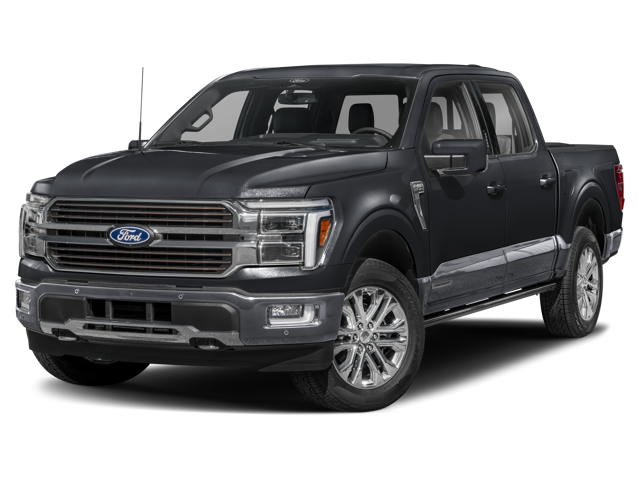
The Ford F-150 remains America's best-selling truck for good reason: it delivers unmatched versatility across eight distinct trim levels, from the $38,710 work-ready XL to the $80,000+ desert-dominating Raptor. With six engine options, three cab configurations, and capabilities ranging from daily driving to extreme off-roading, there's an F-150 engineered for every need. This guide breaks down what makes each F-150 trim unique, which engines deliver the best value, and how to match your requirements with the right configuration. Explore Our F-150 Inventory → 2025 Ford F-150 Trim Level Comparison at a Glance Trim Level Starting MSRP Standard Engine Max Towing Best For Standout Feature XL $38,710 2.7L EcoBoost V6 (325 HP) 8,200 lbs Fleet/work truck buyers Exceptional value, proven capability STX $44,910 2.7L EcoBoost V6 (325 HP) 8,200 lbs Style-conscious buyers Sport appearance upgrades XLT $47,590 2.7L EcoBoost V6 (325 HP) 8,200 lbs Daily drivers Best balance of features and price Lariat $65,155 2.7L EcoBoost V6 (325 HP) 8,200 lbs Comfort-focused buyers Leather, heated seats, premium tech King Ranch $76,700 3.5L EcoBoost V6 (400 HP) 13,500 lbs Luxury truck enthusiasts Western-inspired leather, max towing Platinum $76,700 3.5L EcoBoost V6 (400 HP) 13,500 lbs Premium buyers Sophisticated luxury without Western theme Tremor $73,000 5.0L V8 (400 HP) 12,900 lbs Off-road adventurers Trail-ready suspension, 33-inch tires Raptor $80,800 3.5L HO EcoBoost V6 (450 HP) 8,200 lbs Performance off-roaders Fox Racing shocks, 35-inch tires *Prices are approximate and vary by configuration. Towing capacity shown is for base engine; higher capacities available with optional powertrains and Max Trailer Tow Package. What's New for the 2025 Ford F-150 in East Liverpool, OH The 2025 F-150 receives meaningful updates focused on safety technology and content optimization: Standard Safety Enhancements: Evasive Steering Assist (now standard across all trims) Intersection Assist (standard on all trims) AEB Oncoming (enhanced pre-collision system) Blind Spot Assist (included with Lane-Keeping System) Road Edge Detection (works with Lane-Keeping System) Technology Updates: BlueCruise 1.4 with automatic lane changes (available XLT 302A and above) Connected Navigation with one-year trial (standard XLT 302A and above) Driver State Detection (monitors driver attention on Lariat and above) Ford Security Package with one-year trial (replaces Stolen Vehicle Services) Pricing Changes: XLT reduced by $2,235 (now $47,590) Lariat reduced by $2,235 (now $65,155) STX reduced by $1,185 (now $44,910) XL increased by $285 (now $38,710) Premium trims (King Ranch, Platinum, Tremor, Raptor) increased $365-$860 New Colors: Marsh Gray (replaces Darkened Bronze) Space White Metallic (replaces Avalanche) Important Note: Lower entry prices on STX, XLT, and Lariat come with base package de-contenting. Equipment groups (301A, 501A, etc.) restore features and add more functionality. Understanding F-150 Cab and Bed Configurations Before diving into trims, understand that F-150 versatility comes from mixing cab styles with bed lengths: Cab Styles: Regular Cab: Seats 3, available only on XL, single bench seat SuperCab: Seats 6, rear-hinged back doors, smaller rear seat SuperCrew: Seats 6, full four doors, spacious rear seat Bed Lengths: 5.5-foot bed: Standard on SuperCrew, best for daily driving and parking 6.5-foot bed: Available on SuperCab and SuperCrew, versatile choice 8-foot bed: Available on Regular Cab and SuperCab, max cargo volume Practical Reality: Most buyers choose SuperCrew (crew cab) for passenger space and resale value. The 5.5-foot bed handles 90% of typical truck tasks, while the 6.5-foot bed is ideal if you regularly haul plywood or drywall. XL: The Work Truck Foundation Starting at $38,710, the XL is Ford's entry-level F-150. Don't let "base model" fool you—this truck comes remarkably well-equipped for 2025. Standard Equipment: 2.7L EcoBoost V6 (325 HP, 400 lb-ft torque) 10-speed automatic transmission 12-inch SYNC 4 touchscreen 12-inch digital instrument cluster Ford Co-Pilot360 (Pre-Collision Assist, Lane-Keeping, Auto High Beams) Evasive Steering Assist (new for 2025) Intersection Assist (new for 2025) Wireless Apple CarPlay and Android Auto FordPass Connect with Wi-Fi hotspot LED headlamps 17-inch wheels Available in Regular Cab, SuperCab, or SuperCrew What You Get: The XL delivers genuine truck capability without unnecessary extras. The 2.7L EcoBoost provides adequate power for most tasks, the 12-inch touchscreen is the same system found on $70,000+ trucks, and safety tech is comprehensive. Fuel Economy: The 2.7L EcoBoost delivers approximately 20/26/23 MPG (city/highway/combined) in 2WD configuration, best-in-class for a gas-powered full-size truck. Available Packages: XL Chrome Appearance Package ($1,595): Chrome grille, chrome bumpers, 18-inch chrome-like wheels—makes it look like a higher trim XL Sport Appearance Package ($1,795): 20-inch wheels, body-color bumpers, sport cloth seats XL High Equipment Group 103A ($1,195): 17-inch silver aluminum wheels, LED fog lamps, rear privacy glass, interior work surface Towing and Payload: Max towing: 8,200 lbs (with 2.7L EcoBoost) Max payload: 2,080 lbs Upgradeable to 5.0L V8 for 12,900 lbs towing Available Max Trailer Tow Package for maximum capability Who It's For: Fleet buyers, contractors who need reliable transportation without luxury features, budget-conscious buyers wanting genuine Ford quality, and anyone prioritizing capability over comfort. Honest Assessment: The XL proves you don't need to spend $50,000 for a capable truck. It's basic but not crude. If you can live without heated seats and leather, you'll save $30,000 compared to premium trims with identical towing and hauling capability. Build Your XL F-150 → STX: Sport Styling Without Premium Prices At $44,910 (reduced $1,185 for 2025), the STX bridges the gap between the utilitarian XL and the feature-rich XLT. STX Adds Over XL: 18-inch Dark Carbonized Gray machined aluminum wheels Body-color front and rear bumpers Unique STX badging and graphics Sport cloth bucket seats Center flow-through console Carpeted floor covering Chrome grille surround New for 2025: F-150 Lobo Package Available exclusively on STX, this special edition package adds: Unique "LOBO" fender vent badges Distinctive styling elements Special interior appointments Standard Engine: Same 2.7L EcoBoost V6 (325 HP, 400 lb-ft) as XL Available Packages: STX Black Appearance Package ($1,800): Gloss black wheels, black grille, black bumpers, black interior accents Equipment Groups (301A, 302A, 303A): Progressive feature additions, including leather seats, advanced safety tech, and premium audio Who It's For: Buyers who want their truck to look good without stepping up to XLT pricing, younger buyers prioritizing style, and anyone who likes the XL's value but wants better visual presence. Value Note: The STX costs $6,200 more than the XL, primarily for appearance upgrades. If you need features rather than style, skip to XLT. However, if you're looking for a good-looking truck for under $45,000, STX delivers. Explore STX Models → XLT: The Sweet Spot for Most Buyers At $47,590 (reduced $2,235 for 2025), the XLT is Ford's volume leader. It offers the best balance of features, capability, and value in the F-150 lineup. XLT Adds Over STX: Chrome front and rear bumpers Chrome grille Cloth bucket seats with upgraded materials Power-adjustable driver seat Dual-zone automatic climate control Remote start Rear privacy glass Power windows and locks (all doors) SiriusXM with 360L (3-month trial) Standard Features: Same 12-inch SYNC 4 touchscreen 12-inch digital instrument cluster Ford Co-Pilot360 with all 2025 safety enhancements 2.7L EcoBoost V6 (325 HP, 400 lb-ft) LED headlamps FordPass Connect with Wi-Fi hotspot Equipment Groups Explained: 301A Equipment Group (Base XLT): Standard equipment listed above 302A Mid Equipment Group ($1,585): 20-inch machined aluminum wheels with painted pockets LED fog lamps Power-sliding rear window Automatic high-beam headlamps Pro Trailer Backup Assist Pro Trailer Hitch Assist 360-degree camera system Connected Navigation (one-year trial) BlueCruise capable (subscription required) 303A High Equipment Group ($4,515 over 301A): Everything in 302A, plus: Leather-trimmed 40/20/40 front bench or bucket seats Heated front seats Power-adjustable pedals Reverse Sensing System Upgraded 8-speaker audio system Wood-look interior accents Engine Options: Standard: 2.7L EcoBoost V6 (325 HP, 400 lb-ft) - 8,200 lbs towing Available: 5.0L V8 (400 HP, 410 lb-ft) - 12,900 lbs towing Available: 3.5L EcoBoost V6 (400 HP, 500 lb-ft) - 13,500 lbs max towing Available: 3.5L PowerBoost Hybrid (430 HP, 570 lb-ft) - 11,200 lbs towing The Hybrid Argument: The PowerBoost Hybrid costs approximately $3,000 but delivers better fuel economy (25 city/26 highway estimated), more power than the base engine, and includes Pro Power Onboard 7.2kW generator. If you keep the truck 5+ years, it pays for itself in fuel savings. Popular XLT Configurations: Best Value: XLT SuperCrew 4x4, 5.5-foot bed, 301A, 2.7L EcoBoost (~$50,000) Best Overall: XLT SuperCrew 4x4, 5.5-foot bed, 302A, PowerBoost Hybrid (~$56,000) Max Capability: XLT SuperCrew 4x4, 6.5-foot bed, 302A, 3.5L EcoBoost with Max Trailer Tow Package (~$58,000) Who It's For: The majority of F-150 buyers—it offers all essential features, genuine capability, and room to add desired options without premium trim pricing. Honest Assessment: The XLT with 302A equipment group represents the best value in the F-150 lineup. You get leather seats, heated seats, advanced towing tech, and 360-degree camera for substantially less than Lariat pricing. Most buyers should start here. Build Your XLT F-150 → Lariat: Where Luxury Meets Capability At $65,155 (reduced $2,235 for 2025), the Lariat transforms the F-150 from work truck to premium vehicle without sacrificing capability. Lariat Standard Features: Leather-trimmed bucket seats with 10-way power adjustment Heated and ventilated front seats Heated steering wheel Dual-zone automatic climate control Power-sliding rear window Remote tailgate release Universal garage door opener Auto-dimming rearview mirror Chrome 20-inch wheels LED fog lamps Bright chrome grille Power-adjustable pedals 360-degree camera system Reverse Sensing System Pro Trailer Backup Assist Standard Engine: 2.7L EcoBoost V6 (325 HP, 400 lb-ft) Equipment Groups: 500A Base Lariat Package: Standard features listed above 501A Mid Package ($2,670 additional): 20-inch chrome-like wheels (upgrade from standard) Power-sliding rear window with defroster Universal garage door opener SecuriCode keyless entry keypad (dealer-installed) Additional chrome exterior trim 502A High Package ($5,825 over 500A): Everything in 501A, plus: B&O Sound System by Bang & Olufsen (10 speakers) Navigation with SiriusXM Traffic and Travel Link Multicontour front seats with massage Wireless charging pad Head-Up Display Twin-panel moonroof Enhanced active park assist Available Technology: BlueCruise 1.4: Hands-free highway driving with one-year trial included Ford Co-Pilot360 Assist 2.0: Enhanced adaptive cruise control with stop-and-go Pro Power Onboard 7.2kW: Mobile generator (requires PowerBoost Hybrid) Engine Choices: All engine options available, including the PowerBoost Hybrid. The Lariat is the first trim where the 3.5L EcoBoost V6 and PowerBoost make compelling sense—the premium interior deserves premium power. Appearance Packages: Black Appearance Package ($1,995): Gloss black wheels, black grille, black exterior trim, Lariat Black sport seats Sport Appearance Package ($1,695): 22-inch wheels, body-color grille, unique badging Who It's For: Buyers who want truck capability with car-like luxury, executives who use trucks for business and personal use, and anyone willing to pay extra for daily driving comfort. Value Analysis: The jump from XLT 303A to Lariat 500A is approximately $8,000. For that money, you get better leather, heated/ventilated seats, nicer wheels, and premium trim. If those features matter for your 20,000+ miles per year, Lariat is worth it. If not, a loaded XLT serves you better. Explore Lariat Models → King Ranch: Western Luxury and Maximum Capability At $76,700, the King Ranch represents Ford's partnership with the legendary Texas ranch. This isn't just appearance—it's the first trim with standard upgraded power. King Ranch Standard Features: Powertrain: Standard 3.5L EcoBoost V6 (400 HP, 500 lb-ft torque) 13,500 lbs maximum towing capacity (with Max Trailer Tow Package) 2,440 lbs maximum payload Standard 4WD Exterior: Unique two-tone paint options 20-inch chrome-like PVD wheels King Ranch badging and unique grille Chrome bumpers and trim LED headlamps with signature lighting Power-deployable running boards Interior: Java leather-trimmed seats with King Ranch logo Heated and ventilated front seats Heated rear seats Leather-wrapped heated steering wheel Unique wood-look interior trim Premium floor mats with King Ranch logo Mesa Brown leather and wood accents Technology: 12-inch SYNC 4 touchscreen 12-inch digital instrument cluster 360-degree camera with split-view B&O Sound System by Bang & Olufsen Wireless charging pad BlueCruise 1.4 with one-year trial Connected Navigation Ford Co-Pilot360 Assist 2.0 Pro Trailer Backup Assist Pro Trailer Hitch Assist Capability: Max Trailer Tow Package available Integrated trailer brake controller Pro Power Onboard 2.4kW (standard) Pro Power Onboard 7.2kW (available with PowerBoost) Who It's For: Texas and Western state buyers who appreciate ranch heritage, executives wanting distinctive luxury, towing-focused buyers who need maximum capability with comfort, and anyone who wants the most capable engine without stepping into Raptor territory. Honest Assessment: The King Ranch costs $11,545 more than Lariat 500A. For that premium, you get the powerful 3.5L EcoBoost standard (a $1,500+ option on lower trims), distinctive styling that turns heads, and interior materials that rival luxury sedans. If you tow frequently or want maximum capability, the King Ranch justifies its cost. If you don't need the upgraded engine, it's harder to rationalize. Platinum: Sophisticated Luxury Without the Western Theme At $76,700 (same as King Ranch), the Platinum delivers equivalent luxury with modern, urban aesthetics. Platinum Distinctive Features: Exterior: Chrome-like PVD wheels (20-inch) Platinum-unique grille with satin chrome accents Body-color bumpers with chrome inserts Power-deployable running boards LED signature lighting Platinum badging Interior: Nirvana Leather-trimmed seats (not Western-themed) Heated and ventilated front seats Heated rear seats Unique aluminum interior trim (vs. King Ranch wood) Ambient lighting (seven colors) Premium carpeting Platinum floor mats Standard Engine: Same 3.5L EcoBoost V6 (400 HP, 500 lb-ft) as King Ranch Technology: Identical to King Ranch, full B&O audio, BlueCruise, 360-degree camera, wireless charging, etc. Key Difference: The Platinum offers identical capability and features to the King Ranch but with contemporary luxury styling instead of Western ranch aesthetics. It's Mercedes-Benz versus Jeep Grand Wagoneer. Available Packages: Platinum Plus Package (late availability): Additional luxury appointments Twin-Panel Moonroof ($1,995) Max Trailer Tow Package: Same 13,500 lbs capacity as King Ranch Who It's For: Urban buyers wanting luxury without Western branding, executives in coastal markets, buyers who prefer modern design over traditional ranch style, and anyone wanting top-tier F-150 luxury with sophisticated aesthetics. Value Note: Since King Ranch and Platinum cost the same, choose based purely on aesthetic preference. Both deliver identical capability; it's the interior theme that differentiates them. Explore Platinum Models → Tremor: Off-Road Ready Without Raptor Prices At approximately $73,000, the Tremor is Ford's answer to buyers wanting serious off-road capability without Raptor's extreme price tag. Tremor Off-Road Hardware: Suspension and Tires: Off-road tuned suspension with 1.7-inch twin-tube dampers Increased ride height 18-inch matte-finished aluminum wheels 33-inch Goodyear Wrangler all-terrain tires Improved approach and departure angles Increased ground clearance Drivetrain: Standard 4WD with electronic-shift transfer case Standard 5.0L V8 (400 HP, 410 lb-ft torque) Available electronic-locking rear differential Hill Descent Control Selectable drive modes including: Normal Eco Sport Tow/Haul Slippery Rock Crawl (exclusive to Tremor/Raptor) Ford Trail Control: One-pedal off-road cruise control for low-speed rock crawling and trail navigation Exterior: Unique Tremor grille with orange accents Tremor badging Front bash plate Underbody skid plates (engine, transfer case, fuel tank) Heavy-duty front springs Trail Turn Assist (tighter turning radius off-road) Interior: Leather-trimmed bucket seats with Tremor logo Unique orange accent stitching Tremor-branded floor mats All Lariat-level comfort features 12-inch SYNC 4 touchscreen 360-degree camera with off-road views Available Only: SuperCrew cab with 5.5-foot bed, 4WD Towing Capacity: 12,900 lbs with 5.0L V8 and Max Trailer Tow Package Who It's For: Weekend warriors who tackle unmaintained trails regularly, overlanders planning remote camping trips, buyers who want Raptor capability without Raptor cost, and anyone needing genuine off-road hardware while maintaining daily driving comfort. Tremor vs. Raptor: Tremor costs ~$8,000 less than Raptor, uses the proven 5.0L V8 instead of the Raptor's high-output twin-turbo, has slightly less suspension travel, and rides more comfortably on pavement. If you're not jumping dunes at high speed, Tremor delivers 90% of Raptor's capability for significantly less money. See Tremor Models → Raptor: Desert Racing Performance At $80,800, the F-150 Raptor is Ford's ultimate off-road performance machine, engineered for high-speed desert running. Raptor-Exclusive Hardware: Suspension: FOX Racing 3.0 Live Valve internal bypass shocks Custom-tuned front and rear suspension Massive suspension travel (13 inches front, 14.1 inches rear) Reinforced frame Cast-iron front control arms Powertrain: High-Output 3.5L EcoBoost V6 (450 HP, 510 lb-ft torque) 10-speed automatic with Raptor-specific tuning Standard 4WD with electronic-shift transfer case Torsen front differential Electronic-locking rear differential Wheels and Tires: 17-inch bead-lock capable wheels 35-inch BFGoodrich All-Terrain T/A KO2 tires Optional 37-inch tire package available Exterior: Aggressive Raptor-specific grille with amber lighting Functional hood vents Wider fender flares (+6 inches total width) Reinforced steel front bumper with integrated tow hooks Integrated LED lighting Unique rear bumper Drive Modes: Normal Sport Weather (Slippery/Tow/Haul/Deep Snow/Sand) Baja (high-speed desert mode) Rock Crawl Off-Road Cruise Control Interior: Raptor-branded Recaro front sport seats (available) Unique instrument cluster with off-road performance data Carbon fiber-look interior trim Suede-wrapped steering wheel Paddle shifters All Lariat-level comfort and tech features Technology: 12-inch SYNC 4 touchscreen 12-inch digital gauge cluster with Raptor-specific graphics 360-degree camera with off-road views Trail Turn Assist Trail Control Terrain Management System Towing: 8,200 lbs (reduced due to off-road suspension and gearing) Raptor R Option: For ultimate performance, the Raptor R upgrades to a supercharged 5.2L V8 (720 HP, 640 lb-ft) with standard 37-inch tires. Pricing starts around $109,000+. Who Needs It: Serious off-road enthusiasts who regularly drive at speed on desert trails, buyers who participate in off-road events, collectors wanting Ford's halo truck, and anyone who prioritizes ultimate performance over practicality. Honest Assessment: The Raptor is astonishing in its element—high-speed desert running and technical rock crawling—but it's compromised as a daily driver. The wide body makes parking difficult, the suspension is firm on pavement, fuel economy suffers (15-17 MPG combined), and towing is limited. If you actually use it off-road frequently, it's brilliant. If you want the image without the use case, you're spending $35,000+ more than a Lariat for bragging rights. Explore Raptor Inventory → Find Your Trim in Five Questions Question 1: What's your primary use? Work/fleet duty: XL or XLT Daily driving with weekend projects: XLT or Lariat Towing boats/trailers regularly: King Ranch or Platinum (for 3.5L EcoBoost) Off-road adventures: Tremor or Raptor Luxury daily driver: Lariat, King Ranch, or Platinum Question 2: How much towing do you actually need? Under 8,000 lbs: 2.7L EcoBoost (any trim) is adequate 8,000-11,000 lbs: 5.0L V8 or 3.5L PowerBoost Hybrid 11,000-13,500 lbs: 3.5L EcoBoost V6 with Max Trailer Tow Package (King Ranch/Platinum come with this engine standard) Rarely tow: Base engine saves money; upgrade only if you need it Question 3: What's your budget? Under $45,000: XL or STX $45,000-$55,000: XLT (best value range) $55,000-$70,000: XLT loaded or Lariat $70,000-$80,000: King Ranch, Platinum, or Tremor $80,000+: Raptor Question 4: How important is interior comfort? Basic is fine, prioritize capability: XL or STX Want some comfort for daily driving: XLT with 302A or 303A Need luxury features: Lariat, King Ranch, or Platinum Want distinctive style: King Ranch (Western) or Platinum (modern) Question 5: Off-road use? Pavement only: Any trim, 2WD saves $3,000+ Gravel roads and snow: Any trim with 4WD Maintained dirt roads and trails: XLT or Lariat with FX4 package Serious trail running: Tremor High-speed desert or technical rock crawling: Raptor Common Mistake: Don't buy the King Ranch or Platinum solely for luxury features—a loaded Lariat delivers similar comfort for $10,000+ less. Buy those trims if you need the standard 3.5L EcoBoost engine for towing or want distinctive styling. Understanding Engine Options The 2025 F-150 offers six engines across its trim lineup. Choosing the right one dramatically affects capability and long-term satisfaction. 2.7L EcoBoost V6 (Standard: XL, STX, XLT, Lariat) 325 HP / 400 lb-ft torque Max towing: 8,200 lbs Max payload: 2,080 lbs Best fuel economy: ~20/26/23 MPG (2WD) Verdict: Perfect for daily driving and light-duty work. Adequate for most buyers who don't tow heavy trailers regularly. Save money here unless you need more capability. 5.0L Ti-VCT V8 (Available: XL, STX, XLT, Lariat, Standard: Tremor) 400 HP / 410 lb-ft torque Max towing: 12,900 lbs Max payload: 2,225 lbs Fuel economy: ~17/23/19 MPG Verdict: Traditional V8 power for buyers who want naturally aspirated reliability. Best choice for towing 9,000-12,000 lbs regularly. Slightly worse fuel economy than EcoBoost engines but proven durability. 3.5L EcoBoost V6 (Available: XLT, Lariat, Standard: King Ranch, Platinum) 400 HP / 500 lb-ft torque Max towing: 13,500 lbs (with Max Trailer Tow Package) Max payload: 2,440 lbs Fuel economy: ~18/24/20 MPG Verdict: Best all-around engine. Maximum towing capability, excellent fuel economy, strong resale value. Worth the upgrade if you tow frequently or want effortless power. Standard on King Ranch/Platinum, which justifies part of their cost premium. 3.5L PowerBoost Full Hybrid V6 (Available: XLT, Lariat, King Ranch, Platinum) 430 HP / 570 lb-ft torque Max towing: 11,200 lbs Max payload: 2,120 lbs Fuel economy: ~25/26/25 MPG (best in class) Includes Pro Power Onboard 7.2kW generator (can power a house during outages) Verdict: Best engine for buyers keeping their truck long-term. Fuel savings offset the ~$3,000 premium over three years. Generator functionality is invaluable for contractors, campers, or emergency home backup power. Slightly reduced towing vs. non-hybrid 3.5L EcoBoost. 3.5L High-Output EcoBoost V6 (Standard: Raptor only) 450 HP / 510 lb-ft torque Max towing: 8,200 lbs Raptor-specific tuning for performance Verdict: Performance-focused engine not available on other trims. Engineered for high-speed off-road use rather than maximum towing. 5.2L Supercharged V8 (Raptor R only) 720 HP / 640 lb-ft torque Ultimate performance, premium fuel required Raptor R specific (~$109,000+ pricing) Verdict: Halo engine for collectors and extreme performance enthusiasts. Not practical for daily use. Engine Recommendation by Use Case: Best for most buyers: 2.7L EcoBoost (adequate power, best value) Best for towing 9,000+ lbs: 3.5L EcoBoost V6 Best for fuel economy and versatility: 3.5L PowerBoost Hybrid Best for traditional truck buyers: 5.0L V8 Best for long-term ownership: 3.5L PowerBoost Hybrid Best for off-road performance: 3.5L High-Output EcoBoost (Raptor) Making Your Decision For Budget-Conscious Buyers: The XL with 2.7L EcoBoost offers exceptional value. Add the Chrome Appearance Package ($1,595) to improve looks without jumping to STX pricing. Total investment around $40,500 gets you a capable, modern truck. For Most Buyers: XLT SuperCrew 4x4 with 302A Equipment Group and PowerBoost Hybrid engine (~$56,000) represents the sweet spot—comfortable, capable, efficient, and equipped with advanced towing technology and 360-degree camera. For Towing-Focused Buyers: The XLT or Lariat with a 3.5L EcoBoost V6 and Max Trailer Tow Package delivers a 13,500-lb towing capacity for substantially less than the King Ranch/Platinum. Only upgrade to those premium trims if you also want luxury features. For Luxury Buyers: The Lariat with the 502A High Package (~$70,000) offers massage seats, B&O audio, a head-up display, and a moonroof—comparable to King Ranch/Platinum luxury without the premium of over $ 6,000. Choose King Ranch or Platinum if you specifically want the 3.5L EcoBoost standard and distinctive styling. For Off-Road Enthusiasts: The Tremor offers 90% of the Raptor's capability for $8,000 less, with better daily driving manners and superior towing capacity. Choose Raptor only if you regularly drive high-speed desert trails or engage in technical rock crawling. For Daily Drivers: XLT 303A or Lariat 500A with PowerBoost Hybrid maximizes fuel economy and daily comfort. The 2WD configuration saves additional money if you don't need off-road capability. Capability Across All Trims Maximum Towing: 13,500 lbs (with 3.5L EcoBoost V6, SuperCrew 4x4, 6.5-foot bed, Max Trailer Tow Package) Maximum Payload: 2,440 lbs (with 3.5L EcoBoost V6, Regular Cab 2WD, 8-foot bed) Cab Configurations: Regular Cab (seats 3): XL only SuperCab (seats 6): XL, STX, XLT, Lariat SuperCrew (seats 6): All trims Bed Lengths: 5.5-foot: All trims (SuperCrew only) 6.5-foot: All trims except Tremor/Raptor (SuperCab and SuperCrew) 8-foot: XL, STX, XLT, Lariat (Regular Cab and SuperCab only) Drive Configurations: 2WD: XL, STX, XLT, Lariat 4WD: All trims (standard on King Ranch, Platinum, Tremor, Raptor) Pro Power Onboard: Game-Changing Feature Available across most trims, Pro Power Onboard transforms your F-150 into a mobile generator: 2.4kW Standard (most trims): Powers tools, small appliances, camping equipment 7.2kW (requires PowerBoost Hybrid): Powers full-size refrigerators, power tools, medical equipment, or provides emergency home backup power during outages Real-World Uses: Contractors: Run saws, drills, and compressors without separate generator Campers: Power RV accessories, electric coolers, and lights Emergency: Backup power for home during storms (can run refrigerator, lights, internet router for days) Tailgating: Full entertainment systems without separate generator The 7.2kW system alone justifies the PowerBoost Hybrid upgrade for many buyers. Ready to Find Your F-150? The 2025 F-150 lineup offers unmatched versatility across eight trims and six engines. Whether you need a $39,000 work truck or an $80,000 desert racer, Ford engineers a configuration for your exact requirements. Best Values in the Lineup: XL 4x2 SuperCab: Work truck excellence at entry price XLT 302A with PowerBoost: Best all-around package Lariat 501A: Premium comfort without top-tier pricing Tremor: Serious off-road capability without Raptor cost Avoid These Mistakes: Buying King Ranch/Platinum for luxury alone (loaded Lariat is similar for less) Choosing STX for features (XLT is a better value; STX is for style) Over-buying engine (2.7L EcoBoost handles most tasks) Under-buying equipment group (302A on XLT adds essential towing tech) Browse Our Complete F-150 Lineup → Have questions about which F-150 trim and configuration best match your needs? Our team can walk you through real-world towing scenarios, compare equipment packages, and arrange test drives of multiple configurations. Visit Tri State Ford in East Liverpool, OH, or contact our F-150 Specialists to experience the 2025 lineup and discover which configuration delivers the capability, comfort, and value you need.