
Buying a vehicle is the smarter choice if you drive higher annual mileage, plan to hold your vehicle past loan payoff to build cash equity, and want complete ownership freedom. Leasing is the smarter choice if you prefer lower monthly payments, want to upgrade to a new model with updated active safety technology every three years, and want full factory warranty protection throughout your driving term without taking on long-term resale risk.
Deciding between buying and leasing comes down to how you plan to use your vehicle and what fits your monthly budget. When you finance a purchase, your payments work toward paying off the full vehicle price, leaving you with a valuable asset once the loan term concludes. This approach suits drivers who log heavy highway miles on daily commutes across state lines along State Route 170 from communities like Calcutta, where mileage flexibility and long-term ownership value are major priorities.
Leasing operates on a different structure. Instead of paying for the entire purchase price of a new vehicle, your lease payments cover only the estimated depreciation during the contract term, plus interest and administrative fees. That structure usually yields a noticeably lower monthly payment compared to traditional auto financing on the exact same model. For example, drivers looking at a 2026 Ford Explorer XLT starting at $42,585 MSRP can enjoy its standard SelectShift® automatic transmission, All-wheel drive, and 5,000 lbs towing capacity for a lower initial monthly commitment through a lease than through a standard auto loan.
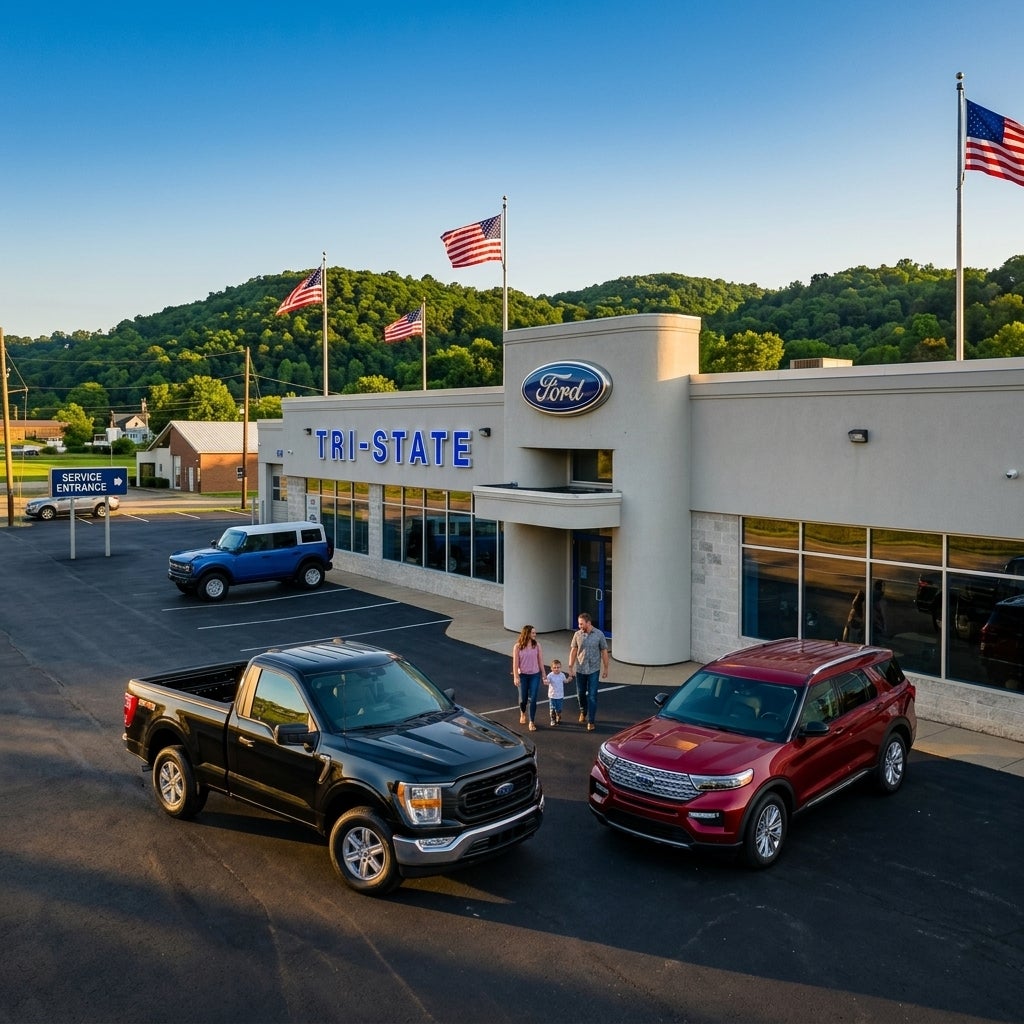
At Tri State Ford, our team helps you compare both payment paths side-by-side so you can make an informed choice. You can start exploring your options by completing an online credit application before visiting our showroom. If you prefer to speak directly with an F&I specialist, feel free to give us a call at (330) 462-7578 or stop by our East Liverpool showroom location to discuss current incentives.
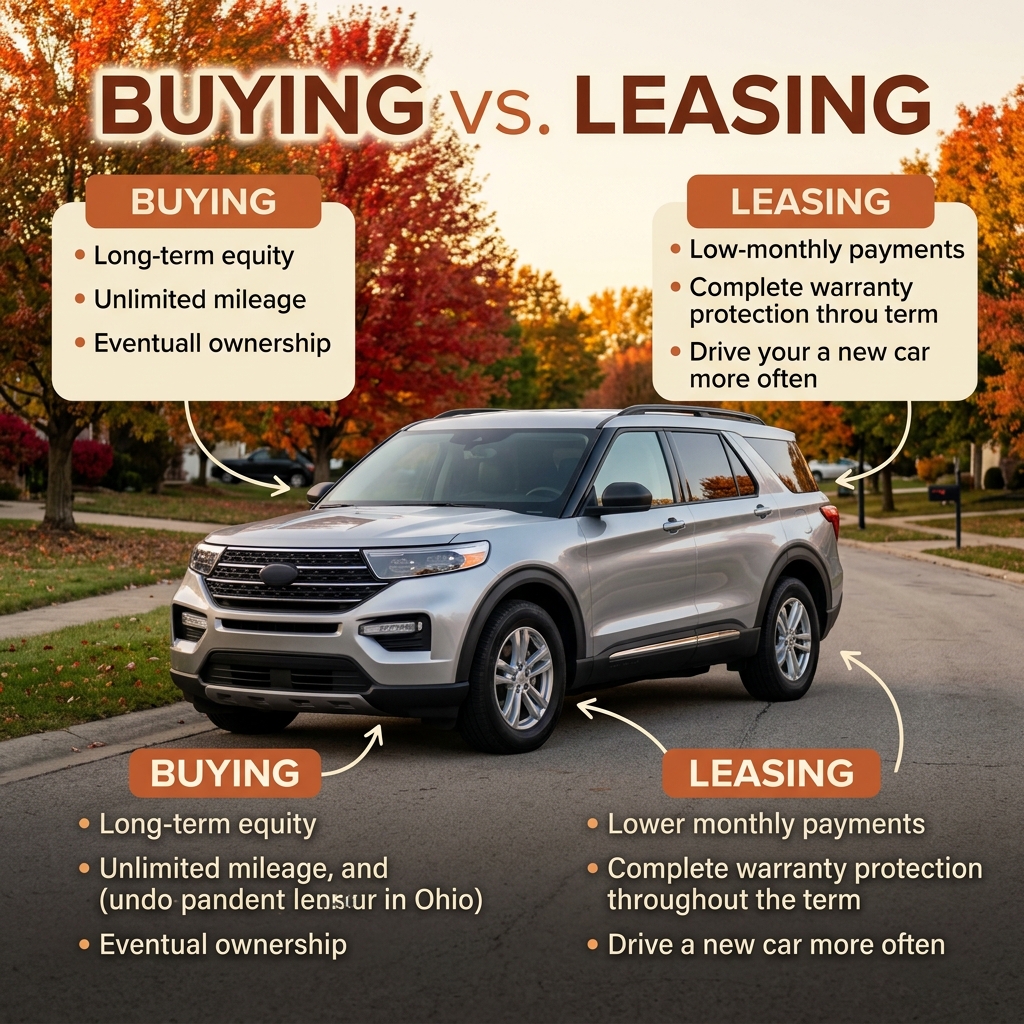
Table of Contents
- What Are the Main Financial Differences Between Buying and Leasing?
- What Are the Pros and Cons of Leasing vs Financing a Vehicle?
- How Do Residual Value and Depreciation Impact Monthly Payments and Equity?
- How Do Mileage Limits and Contract Terms Work on a Car Lease?
- Who Benefits Most From Leasing versus Buying a New Ford?
- Common Questions About Buying vs Leasing a Vehicle
What Are the Main Financial Differences Between Buying and Leasing?
Buying requires financing the total sales price of the vehicle, which builds clear ownership equity as monthly loan principal is paid down over time. Leasing charges only for the anticipated vehicle depreciation over a fixed contract period, resulting in lower monthly payments but zero accumulated equity at the end of the term.
The financial framework of each payment method differs across three core areas: upfront capital requirements, ongoing monthly obligation, and end-of-term financial position.
- Upfront Costs: Purchasing a vehicle through traditional financing typically involves a down payment, sales tax calculated on the total purchase price, title fees, and initial registration fees. In contrast, a lease usually requires a smaller initial out-of-pocket payment due at signing, which often consists of the first month's payment, an acquisition fee, taxes, and government fees.
- Monthly Payment Calculations: Financing payments are calculated using the vehicle's total sale price minus your down payment or trade-in value, spread across loan terms typically ranging from 48 to 72 months at an agreed annual percentage rate. Lease payments calculate the difference between the initial capitalized cost and the vehicle's future projected value at contract end, adding a finance charge known as the money factor.
- Tax and Equity Realization: Ohio state tax rules treat buying and leasing differently. When purchasing, sales tax applies to the full negotiated purchase price of the vehicle upfront or rolled into the loan. When leasing, sales tax is assessed on the monthly lease payment stream, lowering your initial tax obligation.
Drivers who prefer owning pre-owned vehicles to avoid initial depreciation often look into options like our pre-owned Carfax 1-Owner vehicles, which offer strong long-term equity potential for buyers focused on keeping total cost of ownership low.
What Are the Pros and Cons of Leasing vs Financing a Vehicle?
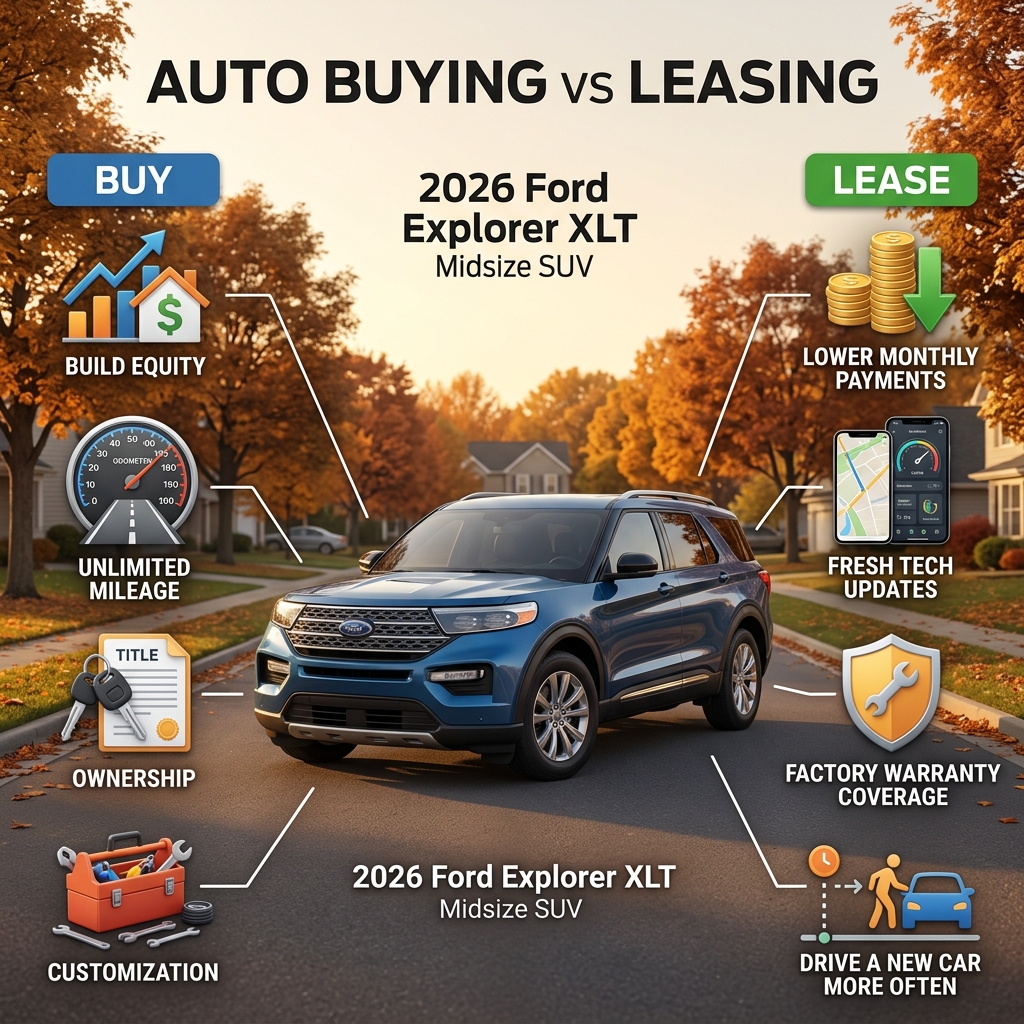
Financing provides unlimited driving mileage, freedom from physical wear charges, and eventual ownership free of monthly payments, but carries higher monthly installments and future repair responsibilities once factory coverage expires. Leasing offers lower monthly payments, continuous coverage under manufacturer warranties, and simple vehicle turn-in options, balanced against annual mileage caps, wear guidelines, and persistent monthly payments.
Understanding these trade-offs helps narrow down which structure aligns best with your driving lifestyle and financial strategy.
Financing Advantages
- Equity Accumulation: Every payment reduces your loan balance, building trade-in or cash value for future purchases.
- Unlimited Mileage: You can drive as many miles as you want without worrying about excess mileage penalties.
- Customization Rights: You are free to add genuine Ford accessories, bedliners, tow hitches, or custom equipment.
- Long-Term Savings: Once the loan is paid off, you enjoy years of payment-free ownership.
Financing Disadvantages
- Higher Monthly Cost: Monthly loan payments are higher because you pay for the entire vehicle price.
- Post-Warranty Repairs: Once the standard 3-year/36,000-mile bumper-to-bumper warranty and 5-year/60,000-mile powertrain warranty expire, you are responsible for maintenance and mechanical repairs.
Leasing Advantages
- Lower Monthly Payments: Monthly lease payments are generally lower than financing payments for the same model.
- Continuous Factory Protection: A standard 36-month lease keeps your vehicle under factory warranty coverage for the entire term.
- Latest Technology: You get regular access to new infotainment systems, driver-assist features, and cabin comforts every few years.
Leasing Disadvantages
- No Ownership Equity: You do not build equity in the vehicle during the lease term.
- Contract Restrictions: Exceeding annual mileage limits or incurring excess wear-and-tear leads to charges at lease end.
To lower monthly costs on either path, check out our latest manufacturer vehicle specials or evaluate our certified pre-owned Ford inventory for additional value options.
How Do Residual Value and Depreciation Impact Monthly Payments and Equity?
Residual value is the estimated future market value of a vehicle at the conclusion of a lease, set by the lender at contract signing. A higher residual value percentage means the vehicle is projected to retain more of its worth, which directly lowers your monthly lease payment because you pay for less total depreciation.
Depreciation measures how much value a vehicle loses over time due to age, mileage, and normal usage. New vehicles experience their steepest rate of depreciation during the first three years. Leasing shields you from unpredictable market drops because the residual value is fixed upfront in your contract. If the market value of the vehicle drops sharply during your lease term, the leasing company absorbs that loss—you simply turn the keys in at lease end.
When you finance a purchase, depreciation directly impacts your cash equity. Vehicles that hold high resale value, such as the Ford F-150, help buyers build positive equity faster during an auto loan. Families test-driving the 2026 Ford Explorer XLT usually ask whether a high residual value makes a lease more affordable than financing before we run the formal payment numbers. Because the Explorer retains strong market value, its high residual percentage keeps monthly lease payments surprisingly competitive against longer-term financing options.
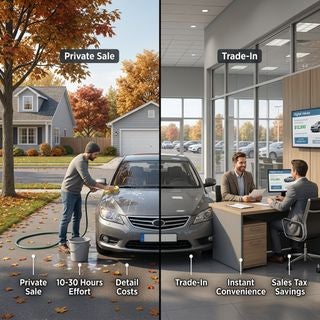
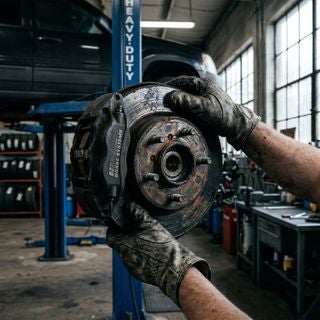
Knowing what your current car is worth can significantly impact both finance and lease calculations. You can value your trade-in online to see how much equity you can apply as a down payment toward your next vehicle. Proper upkeep also preserves trade-in value, which is why monitoring our factory service specials helps keep your vehicle in prime operational condition.
How Do Mileage Limits and Contract Terms Work on a Car Lease?
A Ford Credit Red Carpet Lease specifies a structured annual mileage allowance—typically 10,000 miles, 12,000 miles, or 15,000 miles per year—spread across standard term lengths like 36-month contracts. Exceeding your total contractual mileage limit triggers an excess mileage charge at turn-in, typically billed at $0.25 per mile.
Choosing the correct mileage allowance at the start of your lease is essential for managing overall costs. Ford Credit allows lessees to purchase additional miles upfront at a lower rate if higher driving needs are anticipated.
| Annual Mileage Tier | Total 36-Month Mileage Limit | Ideal Driving Profile |
|---|---|---|
| 10,000 miles / year | 30,000 total miles | Short local commutes, remote workers, retirees |
| 12,000 miles / year | 36,000 total miles | Average suburban commuting, weekly errands, light weekend driving |
| 15,000 miles / year | 45,000 total miles | Long daily state-line commutes, frequent road trips, multi-county driving |
For drivers in East Liverpool who commute along riverfront routes or navigate hilly Appalachian Plateau terrain every day, tracking annual mileage ensures you stay within your agreed contract boundaries.
Commercial buyers and heavy-duty truck users who haul gear and log heavy commercial mileage usually benefit more from direct purchasing or commercial line-of-credit financing. If you require a truck built for demanding job sites without mileage restrictions, check out our specialized Ford F-Series work truck inventory.
Who Benefits Most From Leasing versus Buying a New Ford?
Leasing benefits drivers who value driving a new vehicle with current technology every two to three years, prefer lower predictable monthly payments, and keep annual driving under 15,000 miles. Buying benefits drivers who want complete asset ownership, drive high annual mileage, plan to keep their vehicle for five or more years, or require full freedom to customize their truck or SUV.
Matching your personal priorities to the right acquisition method ensures you get the maximum value out of your vehicle choice.
Best Candidates for Leasing
- Tech-Focused Commuters: Drivers who want the latest intuitive smartphone integration, advanced driver-assist features, and modern cabin conveniences.
- Budget-Conscious Monthly Buyers: Shoppers looking to minimize monthly cash outlay while driving a well-equipped trim level like the 2026 Ford Escape ST-Line, featuring All-wheel drive, a 1.5L engine, and EPA estimates of 26 city / 32 hwy mpg.
- Low-to-Moderate Mileage Drivers: Suburban commuters whose predictable daily routes fall neatly within standard annual mileage allowances.
Best Candidates for Buying
- High-Mileage Drivers: Commuters who regularly exceed 15,000 miles per year traveling across state lines.
- Long-Term Owners: Families who want to pay off their auto loan and enjoy years of zero monthly vehicle payments.
- Utility & Towing Users: Truck owners who use their vehicles for heavy towing, off-road recreation, or work site hauling where minor scratches and heavy wear can occur.
Take the next step in finding your ideal model by browsing our full new Ford vehicle inventory to compare current trim levels and features.
Common Questions About Buying vs Leasing a Vehicle
Q: Can I buy my Ford vehicle at the end of a Red Carpet Lease term?
Yes, Ford Credit lease contracts include a contractual purchase option. You can purchase your leased vehicle at the end of the term for the pre-determined residual value stated in your original lease agreement, plus any applicable state taxes and administrative fees. Buying your leased vehicle lets you keep a car whose history and maintenance you already know, completely avoiding any excess mileage or wear-and-tear charges.
Q: What happens if I want to end my vehicle lease earlier than scheduled?
Ending a lease early typically incurs early termination fees, which can equal the difference between your remaining lease balance and the current wholesale value of the vehicle. However, options exist to manage early exit, such as trading the vehicle in early if market equity permits, or rolling remaining lease balances into a new purchase. Our finance team can review your current payoff balance to determine the cleanest transition path.
Q: Do promotional Ford Credit interest rates apply to both buying and leasing?
Ford Credit offers specialized promotional incentives for both paths, but they operate through different financial mechanisms. Purchases often feature low APR financing, such as 0% APR promotional rates for 36-month terms on select core models for well-qualified buyers. Lease promotions utilize reduced money factors and direct factory lease cash incentives to lower your monthly payment.
Q: Are routine maintenance and tire replacements included in a vehicle lease?
Standard lease contracts cover mechanical breakdown protection under the factory warranty but leave routine wear items—such as tires, brake pads, oil changes, and windshield wipers—as the driver's responsibility. Because lease terms are short, you will rarely need major maintenance beyond standard oil changes and tire rotations, keeping ongoing operational costs very predictable.
Q: How does trading in my current vehicle work when starting a new lease?
You can apply trade-in equity toward a new lease contract just as you would with a vehicle purchase. Equity from your trade-in acts as a capital reduction (down payment), which directly lowers the total capitalized cost of the lease and reduces your monthly payments. Alternatively, you can elect to take a portion of your trade equity as a cash payout rather than putting it all toward the lease down payment.
If you are ready to evaluate your payment options or take a test drive, give our team a call at (330) 462-7578 or get directions to our dealership to visit our team today. We look forward to helping you drive home in the right vehicle for your budget.
Keep Your Vehicle Running Strong
Keep your vehicle performing at its best with our service team:
© 2026 Tri State Ford. All rights reserved.