Blog / New Vehicle Reviews, Buying Guides, Financing & Insurance, Model Comparisons, Automotive News

How Does Buying a 2027 Ford Out of State Work?

l


Buying a Ford out of state works by letting the selling dealership collect your home state’s sales tax and handle registration paperwork directly. When you purchase in Ohio as a Pennsylvania or West Virginia resident, the dealer provides a 45-day temporary tag and submits your home state titling documents, allowing you to legally drive home and receive your permanent plates without paying duplicate tax.

Crossing state lines to purchase a truck or SUV is a seamless process when working with an experienced multi-state dealer. Under Ohio sales regulations, out-of-state buyers sign an STEC-NR non-resident affidavit at purchase. This legal document verifies that the vehicle is being purchased in Ohio but will be driven to and registered in another home state. The dealership issues a temporary 45-day registration tag, giving you ample time to complete home-state administrative steps while driving legally.

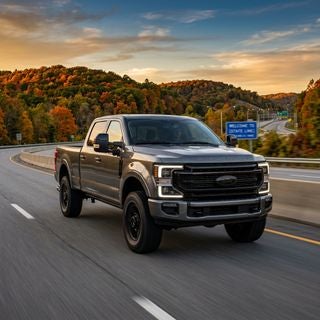
For truck shoppers living in nearby communities like Calcutta who routinely haul trailers and equipment across state lines, completing a cross-border deal eliminates administrative friction. Looking ahead to upcoming model releases, Ford has confirmed that retail order banks for the 2027 Ford Super Duty open in May 2026. For 2027, the heavy-duty lineup eliminates the 6.8-liter V8, making the robust 7.3-liter "Godzilla" V8 the standard gasoline engine across most F-250 and F-350 configurations alongside the high-output 6.7-liter Power Stroke diesel. Whether you are reserving an upcoming commercial vehicle or choosing from current lot inventory, the cross-border titling framework ensures your purchase is registered accurately in your home county.

To plan your visit or inquire about out-of-state document preparation, you can get turn-by-turn directions to our East Liverpool showroom location, give our sales team a call, or explore our commercial Ford F-Series work truck inventory online.

Table of Contents

Should You Prioritize Dealerships That Handle Out-of-State Registration and Sales Tax?

Prioritizing a dealership that handles out-of-state titling and tax collection is essential because it eliminates the hassle of manually calculating county tax rates, filing out-of-state reciprocity forms, and managing DMV submission deadlines yourself. Multi-state certified dealers calculate your exact local sales tax rate at purchase, incorporate it into your vehicle financing, and submit registration directly to your home state's licensing bureau.

Vehicle sales tax is strictly governed by where the vehicle is titled and registered, not by the physical location of the showroom where you sign the contract. Ohio sales tax and related fees vary based on location and transaction details. However, as a non-resident purchasing a vehicle to title in Pennsylvania or West Virginia, you do not pay Ohio's local tax rates. Instead, the dealer calculates your home state’s motor vehicle sales tax rate based on your residential address and submits those funds directly to your home state's revenue department.

When buyers from across the state line visit us, the question I get most often is whether they will have to pay Ohio tax and home state tax. I clarify that vehicle sales tax is tied strictly to where the truck is registered, so you pay only your local tax rate once.

By letting the dealer coordinate reciprocal tax transfers and title submissions, you avoid paying out-of-pocket tax bills when your home state title arrives. This streamlined process applies equally whether you are financing a new pickup or selecting from our selection of single-owner pre-owned vehicles.
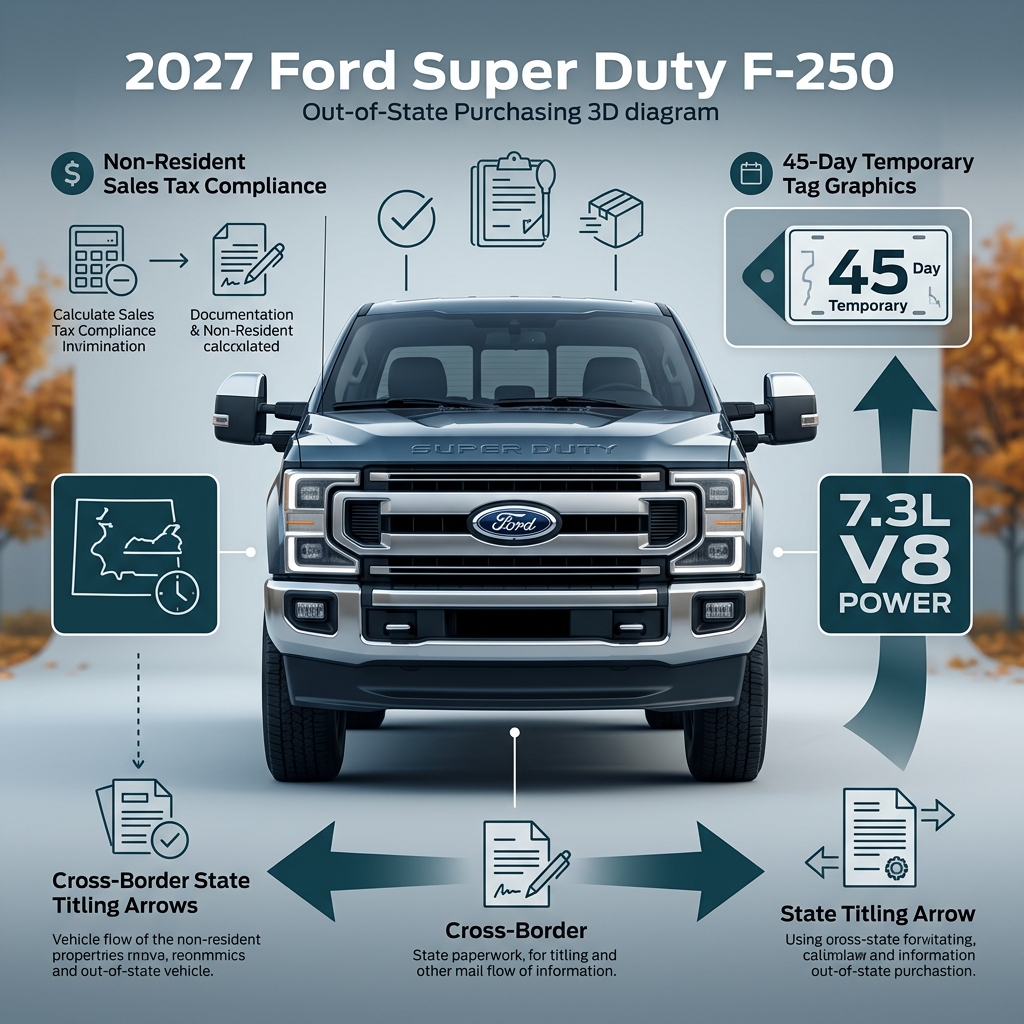
Infographic showing out-of-state purchasing process for a 2027 Ford Super Duty F-250 truck with tax and title icons. (Representative image for illustration purposes only. Actual vehicle may vary based on trim and configuration.)

What Is the Deadline and Process to Transfer Vehicle Registration Across State Lines?

Residents in Ohio, Pennsylvania, and West Virginia have 30 days from the purchase date to complete their vehicle title transfer and obtain permanent state registration plates. The process requires submitting a properly assigned title or Certificate of Origin, proof of active state liability insurance, a physical Vehicle Identification Number inspection, and valid state identification to your home licensing agency.

Navigating the 30-day transfer window requires bringing specific documentation to your local licensing office or Deputy Registrar. If you are registering an out-of-state vehicle purchase in Ohio, state law mandates a physical VIN verification inspection conducted by an authorized Deputy Registrar or licensed inspection station to confirm the vehicle numbers match the title document. Pennsylvania residents receiving a 30-day in-transit plate must submit their title application, proof of Pennsylvania insurance, and applicable county fees to a PennDOT agent within the designated window.

Staying on top of these deadlines ensures uninterrupted driving privileges, especially if you are placing a factory order for future releases. Ford has announced new OEM-backed configurations for the 2027 Super Duty lineup, including an available Carhartt edition on XLT Crew Cab single-rear-wheel 4x4 models, an expanded Tremor Off-Road Package, and a new XL Off-Road 35-inch Tire Package. Securing your paperwork early keeps your buying experience organized from the day of delivery onward.

You can get started today by browsing our current inventory of new Ford trucks and SUVs, reviewing current Ford vehicle incentives and specials, or custom building your new Ford truck to your exact specifications.

What Is the Towing and Payload Capacity of the 2026 Ford F-150 Compared to Class Rivals?

The 2026 Ford F-150 achieves a class-leading maximum towing capacity of up to 13,500 pounds and a maximum payload capacity of up to 2,440 pounds when properly equipped. These figures outpace key light-duty competitors, providing greater hauling margin for work supplies, livestock trailers, and recreational boats.

Comparing these figures against segment rivals highlights the practical advantages of Ford's high-strength, military-grade aluminum-alloy body design. The Chevrolet Silverado 1500 offers a maximum towing capacity of 13,300 pounds and a maximum payload capacity of 2,260 pounds. Meanwhile, the Ram 1500 maxes out around 11,580 pounds of trailering capacity and roughly 2,300 pounds of payload capacity. The F-150 truck’s additional payload and towing margins mean you can haul heavy tools, equipment, or weekend cargo with greater confidence and reduced mechanical strain.

Pickup Model Maximum Towing Capacity Maximum Payload Capacity
2026 Ford F-150 13,500 lbs 2,440 lbs
Chevrolet Silverado 1500 13,300 lbs 2,260 lbs
Ram 1500 11,580 lbs 2,300 lbs

For working residents in East Liverpool where hauling riverfront gear, trade tools, or heavy utility loads is part of daily life, having segment-leading bed capacity matters. Whether you require a light-duty workhorse or are considering our certified pre-owned Ford lineup, the F-150 pickup delivers proven towing capability.

What Standard Tech, Screen Sizes, and BlueCruise Features Come on the 2026 Ford F-150?

Standard technology on the 2026 Ford F-150 includes a 12-inch capacitive touchscreen featuring the SYNC 4 infotainment system and the Ford Co-Pilot360 suite of driver-assist safety features. Hands-free highway driving capability via Ford BlueCruise is available on higher trim tiers including Lariat, King Ranch, and Platinum.

The standard 12-inch display running SYNC 4 features wireless Apple CarPlay and Android Auto compatibility, allowing seamless smartphone integration without cluttering the center console with cables. Enhanced voice recognition and cloud-connected navigation keep drivers connected during daily commutes or highway travel. On the safety front, standard Ford Co-Pilot360 technology includes Pre-Collision Assist with Automatic Emergency Braking, Lane-Keeping System, and Auto High-Beam Headlamps to protect your family on every journey.

For long highway trips across state lines, available Ford BlueCruise enables true hands-free highway driving on pre-qualified sections of divided highways. The system controls steering, acceleration, and braking while monitoring driver alertness via an infrared camera. Upgrading to a modern truck packed with intelligent safety tech increases daily driving comfort and enhances trade-in value down the road. You can start exploring your upgrade options by evaluating your trade-in value online today.
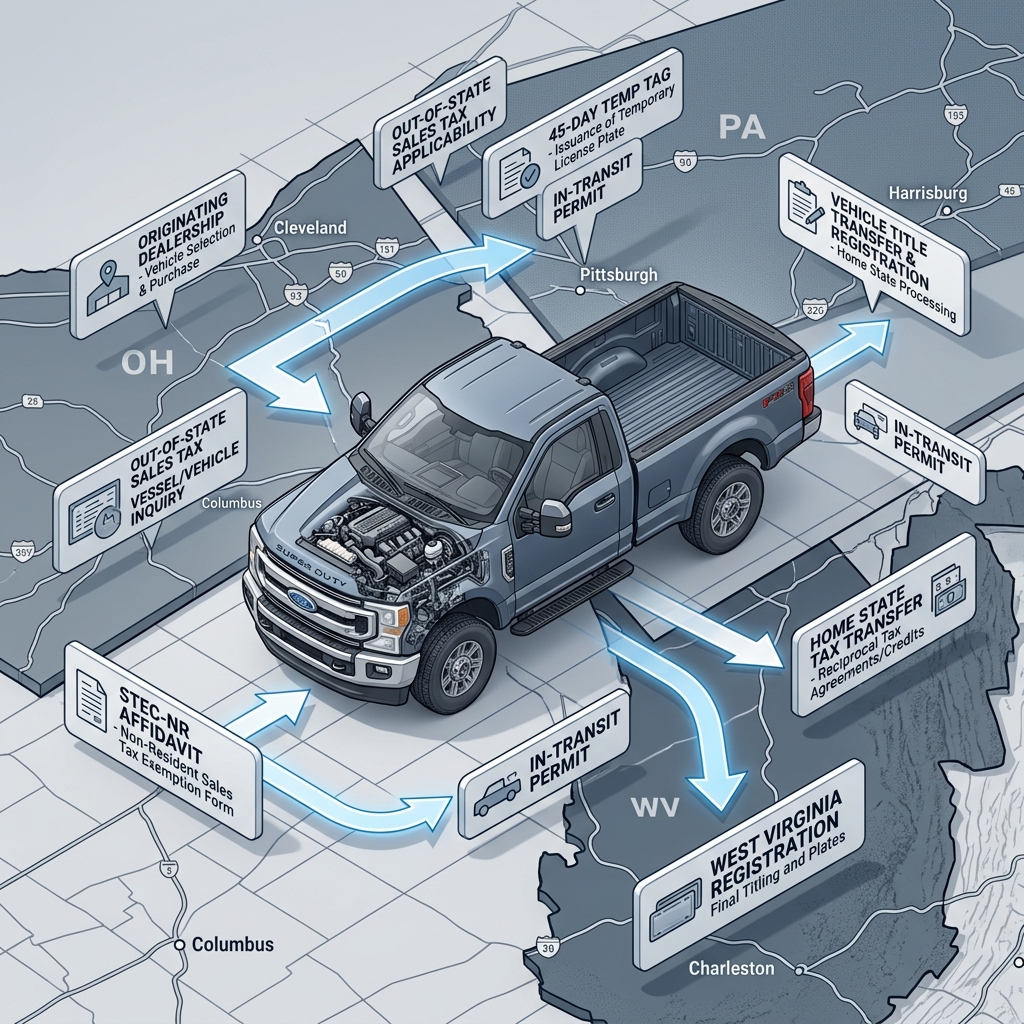
Infographic showing out-of-state vehicle buying, tax forms, and registration across Ohio, Pennsylvania, and West Virginia. (Representative image for illustration purposes only. Actual vehicle may vary based on trim and configuration.)

Common Questions About Registering a Ford Purchase Across Ohio, Pennsylvania, and West Virginia

Q: Will an out-of-state Ford dealership collect my home state's sales tax at purchase?

Dealerships in the Ohio-Pennsylvania-West Virginia tri-state area typically handle precise sales tax calculations and collections for your home county. The tax amount is included in your vehicle financing or purchase total and remitted directly to your state taxing authority, ensuring you do not pay duplicate taxes.

Q: What is the sales tax rate when registering a new Ford purchase in Ohio?

Ohio imposes a base state sales tax rate of 5.75%, plus additional local county transit taxes ranging between 0.75% and 2.25%. Your total tax rate is determined by the specific Ohio county where you reside and title the vehicle, not where the dealership is located.

Q: How long do I have to complete title and registration after buying a car out of state?

Buyers in Ohio, Pennsylvania, and West Virginia generally have a 30-day window from the date of purchase to finalize titling, transfer existing plates, or register their vehicle with permanent state license plates. Dealership-issued temporary tags provide valid driving coverage while these state documents are processed.

Q: How can I avoid title and VIN verification issues when registering a Ford out of state?

To prevent registration delays, confirm that the Vehicle Identification Number on the physical vehicle matches the manufacturer's Certificate of Origin or title paperwork exactly. When bringing an out-of-state vehicle into Ohio, complete the required physical VIN inspection at an authorized Deputy Registrar or inspection station before submitting your title application.

Q: Do I need active auto insurance in my home state before driving off the lot?

Yes, state law in Ohio, Pennsylvania, and West Virginia requires active auto liability insurance that complies with your home state’s minimum coverage limits before you drive a newly purchased vehicle off the lot. Your sales representative can assist with providing your insurer with the vehicle details to issue an updated binder.

To streamline your purchase experience and discuss current pricing and financing options before visiting, consider completing our secure online credit application.

How to Take the Next Step on Your Cross-Border Ford Purchase

Buying a Ford across state lines does not have to be complicated when you work with a knowledgeable, community-focused dealership team. From calculating exact home-state tax rates to issuing temporary driving tags and submitting title transfers, we handle the administrative heavy lifting so you can enjoy your new vehicle with complete confidence.

Whether you are shopping for a powerful light-duty truck, exploring commercial F-Series options, or preparing for upcoming 2027 model releases, our team is ready to guide you through every step of the process. You can get started today by visiting our showroom on Pennsylvania Avenue or calling our team directly at (330) 462-7578 to schedule a test drive.

Keep Your Vehicle Running Strong

Keep your vehicle performing at its best with our service team:


© 2026 Tri State Ford. All rights reserved.
2027 Ford Out-of-State Purchase Guide | East Liverpool OH | Tri State Ford
Posted in:

Related Posts

J

Which 2027 Ford Bronco Trim Should You Buy for Your Off-Road and Daily Driving Needs?

.hrizn-rte-content .e-rte-image{border:0;max-width:100%;height:auto} .hrizn-rte-content .e-rte-image.e-imginline{display:inline-block;float:none;margin-left:5px;margin-right:5px;max-width:calc(100% - 10px);vertical-align:bottom} .hrizn-rte-content .e-rte-image.e-imgbreak,.hrizn-rte-content .e-rte-image.e-imgcenter{display:block;float:none;margin:5px auto;max-width:100%} .hrizn-rte-content .e-rte-image.e-imgleft{float:left;margin:0 12px 8px 0;max-width:100%} .hrizn-rte-content .e-rte-image.e-imgright{float:right;margin:0 0 8px 12px;max-width:100%} .hrizn-rte-content figure.e-rte-image{margin:8px auto;max-width:100%} .hrizn-rte-content figure.e-imgleft{float:left;margin:0 12px 8px 0} .hrizn-rte-content figure.e-imgright{float:right;margin:0 0 8px 12px} .hrizn-rte-content figure.e-imgcenter{display:block;margin:8px auto;text-align:center} The Big Bend equipped with the Sasquatch Package offers a strong balance of features and capability for drivers who split time between daily highway commutes and serious off-road trails. For commuters seeking premium comfort, the Outer Banks delivers refined interior touches and painted exterior trim, while dedicated trail drivers benefit most from the Badlands with its standard hydraulic front sway-bar disconnect. Selecting the right configuration requires balancing daily driving comfort against the specific hardware needed for off-road terrain. Industry previews place starting pricing for entry models around $43,000, with specialized releases such as the Filson edition arriving in early 2027 and the performance-tuned RTR anticipated under $60,000. Every trim features standard four-wheel drive, body-on-frame construction, and removable doors and roof panels. For local drivers, trail requirements vary significantly based on where you plan to spend your weekends. The steep, gravel access roads around Beaver Creek near Calcutta make high-ground clearance and all-terrain traction an immediate asset when hauling camping gear or kayaks. Pairing the base engine with functional off-road upgrades gives you trail capability without paying for luxury features you might not need. At Tri State Ford, we walk buyers through every configuration to ensure your SUV matches your lifestyle and budget. You can explore our current new Ford inventory online, visit our showroom location to see these models in person, or give our sales team a call directly at (330) 462-7578 to discuss incoming availability. Table of Contents What Are the Main Ford Bronco Trim Levels and Special Editions Available? How Do the Bronco Big Bend, Outer Banks, and Badlands Trims Differ in Performance and Features? What Comes Included in the Ford Bronco Sasquatch Package Across Trims? How Do Ford Bronco Trims Compare in Price and Off-Road Features to Jeep Wrangler Trims? Frequently Asked Questions About Ford Bronco Trims and Configurations Take the Next Step Toward Driving Your Ideal Ford Bronco What Are the Main Ford Bronco Trim Levels and Special Editions Available? The core Ford Bronco lineup includes seven distinct models: Big Bend, Heritage Edition, Outer Banks, Badlands, Wildtrak, Stroppe Special Edition, and Raptor. Beyond the core lineup, Ford expands the offering with wilderness and performance special editions, including the upcoming Filson edition and the RTR. Base power comes from a 2.3-liter EcoBoost turbo-four engine producing 300 hp and 325 lb-ft of torque, paired with either a 7-speed manual or a 10-speed automatic. Buyers seeking additional pass-through power can opt for the 2.7-liter EcoBoost twin-turbo V6, which generates 330 hp and 415 lb-ft of torque. The high-performance Raptor tops the lineup with an exclusive 3.0-liter EcoBoost V6 delivering 418 hp. Shoppers comparing trim levels on our lot frequently ask whether the two-door configuration limits rear legroom or cargo space before making a final selection. While the two-door model offers classic proportions and a tighter turning radius, the four-door configuration extends wheelbase length, increases rear legroom, and expands rear cargo space to hold all four removed doors inside the vehicle. Special editions bring unique aesthetic and functional enhancements: Heritage Edition: Highlights classic styling with Oxford White roof panels, a vintage-inspired grille, and retro body graphics. Stroppe Special Edition: Honors Ford's off-road racing legacy with custom exterior accents and factory performance hardware. Filson edition: Features heavy-duty canvas, premium leather appointments, and wilderness-oriented gear integration. RTR: Incorporates tactical exterior styling, upgraded suspension components, and custom wheel packages. Buyers researching pre-owned options will find that earlier model years maintain strong capability across these same core configurations. You can browse pre-owned single-owner vehicles to compare feature availability across recent model years. How Do the Bronco Big Bend, Outer Banks, and Badlands Trims Differ in Performance and Features? The Big Bend serves as the practical entry point focused on core utility, the Outer Banks emphasizes urban style and cabin comfort, and the Badlands delivers maximum off-road mechanical capability. Understanding the mechanical and interior distinctions between these three popular trims ensures you select the right vehicle for your daily routine. Inside the cabin, materials are engineered to match each trim's intended use. The Badlands features washable rubberized flooring with integrated drain plugs and marine-grade vinyl seats, allowing you to hose out dirt and mud after a day on the trails. In contrast, the Outer Banks upgrades the interior with cloth or optional leather-trimmed seats, ambient lighting, and additional sound-dampening insulation to quiet cabin wind noise during highway travel. Suspension systems also separate these models. While the Big Bend utilizes a standard High-Performance Off-Road Stability Suspension ( HOSS) setup tuned for general road and trail use, the Badlands upgrades to the HOSS 2.0 system featuring Bilstein position-sensitive dampers. The Badlands also includes an electronic hydraulic front sway-bar disconnect that uncouples at the press of a button to maximize front wheel articulation over large rocks and uneven terrain. Commuters navigating Market Street in Boardman who want heated vinyl seats and smooth highway manners usually lean toward the Outer Banks for its balance of comfort and style. Those planning frequent trail excursions prioritize the mechanical locking differentials standard on the Badlands. If you are evaluating factory-backed durability, exploring our certified pre-owned Ford lineup provides access to thoroughly inspected models backed by extended powertrain protection. What Comes Included in the Ford Bronco Sasquatch Package Across Trims? The Sasquatch Package is Ford's comprehensive factory off-road upgrade, adding 35-inch mud-terrain tires wrapped around 17-inch beadlock-capable wheels, position-sensitive Bilstein dampers, and electronic-locking front and rear axles. It transforms any compatible Bronco into an extreme trail vehicle directly from the factory. Key components included in the Sasquatch Package: 35-inch mud-terrain tires: Provides maximum ground clearance and aggressive tread grip. 17-inch beadlock-capable wheels: Allows tire pressure reduction for enhanced sand and rock traction. Electronic-locking front and rear differentials: Locks left and right wheels together to maintain momentum when tires lose contact. 4.7 final drive ratio: Delivers optimal low-end crawl torque for controlled climbing. High-clearance fender flares and suspension lift: Accommodates larger tires while maximizing approach, breakover, and departure angles. Adding the package to a Big Bend or Outer Banks gives buyers the exact off-road running gear found on higher trims without forcing them to buy top-tier luxury options. Towing capacity remains steady at 3,500 pounds, making it easy to haul lightweight utility trailers or recreational equipment to weekend destinations. If you are considering upgrading from your current truck or SUV to a package-equipped model, our team can assist by estimating your trade-in value online to establish your buying power before visiting the dealership. How Do Ford Bronco Trims Compare in Price and Off-Road Features to Jeep Wrangler Trims? The Ford Bronco is often compared with key Jeep Wrangler models across similar trim levels and feature sets. The Big Bend competes with the Wrangler Sport S, the Outer Banks aligns against the Wrangler Sahara, and the Badlands goes head-to-head with the Wrangler Rubicon. On pavement, the Bronco offers different ride characteristics due to its independent front suspension. While the Wrangler uses solid front and rear axles that can cause highway steering wander, the Bronco's steering remains stable and precise at freeway speeds. This makes long highway drives significantly less tiring for drivers who use their vehicle for daily transportation. Feature comparisons across equivalent trim levels: Infotainment: Bronco comes standard with a 12-inch Sync 4 touchscreen featuring wireless Apple CarPlay and Android Auto across all trims, whereas base Wrangler trims feature smaller display screens. Off-Road Technology: Bronco features up to seven GOAT Modes (Goes Over Any Type of Terrain) and Trail Turn Assist, which brakes the inside rear wheel to significantly tighten the vehicle's turning radius on narrow trails. Roof and Door Removal: Bronco side mirrors are mounted directly to the cowl rather than the doors, meaning you retain your side mirrors when driving with the doors removed. In terms of safety technology, both platforms offer driver-assist features like automated emergency braking and blind-spot monitoring. However, Bronco's wider track and independent front end deliver superior emergency braking stability on wet or dry pavement. Planning your purchase is simple with our finance center. You can complete our secure online credit application from home to review competitive financing rates tailored to your monthly budget. Frequently Asked Questions About Ford Bronco Trims and Configurations Q: Which Ford Bronco trim offers the best balance of price and off-road features? Among Bronco enthusiasts, the Big Bend with Sasquatch Package consistently ranks highest for balancing price and off-road capability. It provides 35-inch mud-terrain tires, electronic front and rear locking differentials, and high-clearance suspension while keeping the overall purchase price significantly lower than top-tier off-road trims. Q: Does the Ford Bronco offer a manual transmission on all engine options? The 7-speed manual transmission—which includes an ultra-low crawler gear for controlled trail descending—is available exclusively with the 2.3-liter EcoBoost turbo-four engine. Models equipped with the 2.7-liter EcoBoost twin-turbo V6 or 3.0-liter EcoBoost V6 come standard with the 10-speed automatic transmission. Q: What is the hydraulic front sway-bar disconnect and which trims have it? The hydraulic front sway-bar disconnect allows the front stabilizer bar to uncouple under load, dramatically increasing front wheel articulation over uneven rocks and deep ruts. This feature comes standard on the Badlands and Raptor trims, and can be engaged at the press of a dash-mounted button. Q: What is the maximum towing capacity for the Ford Bronco? Most Ford Bronco trims—including Big Bend, Outer Banks, and Badlands —feature a maximum towing capacity of 3,500 pounds when properly equipped with the factory towing package. The high-performance Raptor increases maximum towing capacity up to 4,500 pounds. Q: What warranty coverage comes standard with a new Ford Bronco? Every new Ford Bronco includes Ford's factory warranty suite, consisting of a 3-year/36,000-mile bumper-to-bumper warranty and a 5-year/60,000-mile powertrain warranty. Additional roadside assistance coverage is also provided for 5 years or 60,000 miles. Take the Next Step Toward Driving Your Ideal Ford Bronco Finding the right Ford Bronco comes down to identifying how you plan to use your vehicle every day. Whether you need a comfortable daily commuter with open-air freedom or a fully locked trail machine ready for severe terrain, our team at Tri State Ford is here to guide you through every trim, engine, and option package. We encourage you to visit our showroom, compare two-door and four-door seating layouts, and test drive different powertrain options to see which combination fits your driving style best. Our straightforward purchasing process ensures current pricing and flexible financing options with a helpful and transparent process. Stop by our dealership address today or reach out to our team at (330) 462-7578 to schedule your test drive and start your next adventure. Keep Your Vehicle Running Strong Keep your vehicle performing at its best with our service team: Order Parts Schedule Service Appt © 2026 Tri State Ford. All rights reserved. Title Tags 2027 Ford Bronco in East Liverpool OH | Tri State Ford Meta Description Keywords Open Graph Twitter Card Canonical Article Metadata Geographic Targeting { "@context": "https://schema.org", "@graph": [ { "@type": "NewsArticle", "@id": "#article", "headline": "Which 2027 Ford Bronco Trim Should You Buy for Your Off-Road and Daily Driving Needs?", "datePublished": "2026-09-04T20:46:33.836Z", "dateModified": "2026-09-04T20:48:35.736Z", "author": { "@id": "#author" }, "publisher": { "@id": "#dealer" }, "wordCount": 1838, "description": "Compare 2027 Ford Bronco trims, including the Big Bend, Outer Banks, and Badlands, to find the ideal balance between off-road capability and daily driving comfort." }, { "@type": "AutoDealer", "@id": "#dealer", "name": "Tri State Ford", "url": "https://www.tristateford.net", "telephone": "+13304627578", "sameAs": [ "https://maps.google.com/?cid=1136336406351438323" ], "address": { "@type": "PostalAddress", "streetAddress": "1503 Pennsylvania Ave", "addressLocality": "East Liverpool", "addressRegion": "OH", "postalCode": "43920", "addressCountry": "US" }, "areaServed": { "@type": "GeoCircle", "geoMidpoint": { "@type": "GeoCoordinates", "latitude": "40.6367833", "longitude": "-80.5443033" }, "geoRadius": "48280" }, "geo": { "@type": "GeoCoordinates", "latitude": "40.6367833", "longitude": "-80.5443033" }, "openingHours": [ "Mo 09:00-20:00", "Tu 09:00-18:00", "We 09:00-18:00", "Th 09:00-20:00", "Fr 09:00-18:00", "Sa 09:00-15:00" ] }, { "@type": "FAQPage", "@id": "#faq", "mainEntity": [ { "@type": "Question", "name": "Which Ford Bronco trim offers the best balance of price and off-road features?", "acceptedAnswer": { "@type": "Answer", "text": "Among Bronco enthusiasts, the Big Bend with Sasquatch Package consistently ranks highest for balancing price and off-road capability. It provides 35-inch mud-terrain tires, electronic front and rear locking differentials, and high-clearance suspension while keeping the overall purchase price significantly lower than top-tier off-road trims." } }, { "@type": "Question", "name": "Does the Ford Bronco offer a manual transmission on all engine options?", "acceptedAnswer": { "@type": "Answer", "text": "The 7-speed manual transmission—which includes an ultra-low crawler gear for controlled trail descending—is available exclusively with the 2.3-liter EcoBoost turbo-four engine. Models equipped with the 2.7-liter EcoBoost twin-turbo V6 or 3.0-liter EcoBoost V6 come standard with the 10-speed automatic transmission." } }, { "@type": "Question", "name": "What is the hydraulic front sway-bar disconnect and which trims have it?", "acceptedAnswer": { "@type": "Answer", "text": "The hydraulic front sway-bar disconnect allows the front stabilizer bar to uncouple under load, dramatically increasing front wheel articulation over uneven rocks and deep ruts. This feature comes standard on the Badlands and Raptor trims, and can be engaged at the press of a dash-mounted button." } }, { "@type": "Question", "name": "What is the maximum towing capacity for the Ford Bronco?", "acceptedAnswer": { "@type": "Answer", "text": "Most Ford Bronco trims—including Big Bend , Outer Banks , and Badlands —feature a maximum towing capacity of 3,500 pounds when properly equipped with the factory towing package. The high-performance Raptor increases maximum towing capacity up to 4,500 pounds ." } }, { "@type": "Question", "name": "What warranty coverage comes standard with a new Ford Bronco?", "acceptedAnswer": { "@type": "Answer", "text": "Every new Ford Bronco includes Ford's factory warranty suite, consisting of a 3-year/36,000-mile bumper-to-bumper warranty and a 5-year/60,000-mile powertrain warranty . Additional roadside assistance coverage is also provided for 5 years or 60,000 miles." } } ] } ] }
g

What Should You Know Before Buying a Vehicle From a Local Ford Dealer?

.hrizn-rte-content .e-rte-image{border:0;max-width:100%;height:auto} .hrizn-rte-content .e-rte-image.e-imginline{display:inline-block;float:none;margin-left:5px;margin-right:5px;max-width:calc(100% - 10px);vertical-align:bottom} .hrizn-rte-content .e-rte-image.e-imgbreak,.hrizn-rte-content .e-rte-image.e-imgcenter{display:block;float:none;margin:5px auto;max-width:100%} .hrizn-rte-content .e-rte-image.e-imgleft{float:left;margin:0 12px 8px 0;max-width:100%} .hrizn-rte-content .e-rte-image.e-imgright{float:right;margin:0 0 8px 12px;max-width:100%} .hrizn-rte-content figure.e-rte-image{margin:8px auto;max-width:100%} .hrizn-rte-content figure.e-imgleft{float:left;margin:0 12px 8px 0} .hrizn-rte-content figure.e-imgright{float:right;margin:0 0 8px 12px} .hrizn-rte-content figure.e-imgcenter{display:block;margin:8px auto;text-align:center} Before purchasing a vehicle from a local Ford dealer, buyers should know their exact towing and seating requirements, understand transparent trim pricing, verify available manufacturer incentives, and check factory warranty coverage. Working directly with a local dealership provides access to certified inventory, competitive trade-in valuations, straightforward cross-border registration support, and long-term service. Establishing these practical priorities early ensures a smooth buying experience and maximizes total ownership value. Navigating the vehicle buying process requires clear information regarding model availability and dealership operations. At Tri State Ford, our showroom opens at 9:00 AM six days a week, remaining open until 8:00 PM on Mondays and Thursdays to accommodate evening walk-arounds, and closing at 3:00 PM on Saturdays. That flexibility allows shoppers to evaluate vehicles on their own schedule. Whether you need a workhorse truck or a family crossover, reviewing key vehicle specifications before visiting saves time and simplifies decision-making. Every new Ford comes backed by a 3-year/36,000-mile bumper-to-bumper warranty and a 5-year/60,000-mile powertrain warranty, providing essential peace of mind on regional roads. To streamline your purchase, you can plan your route to our showroom address at 1503 Pennsylvania Ave or give our team a quick phone call to confirm current availability. If you prefer specific factory options, color choices, or trailering packages, you can also start a new Ford factory custom order directly through our team to configure a vehicle that matches your exact daily requirements. Table of Contents Where Should You Start Your Ford Shopping Research and Model Comparison? What Are the Typical Price Ranges Across Ford F-150 Trim Levels? How Can You Maximize Your Trade-In Value and Financing Terms? Can Out-of-State Buyers Easily Purchase a Ford? Why Choose Tri State Ford for Your Next New or Certified Pre-Owned Vehicle? Common Questions About Buying a Vehicle at Tri State Ford Take the Next Step Toward Your Ford at Tri State Ford Where Should You Start Your Ford Shopping Research and Model Comparison? Shoppers planning a vehicle purchase should start their research by comparing body styles, cabin dimensions, fuel economy ratings, and core performance specs on the dealership website before taking a physical test drive. Comparing models online helps narrow down whether a compact crossover, a three-row SUV, or a full-size pickup fits your daily commute and weekend projects. Ford offers a versatile lineup built for diverse driving demands. For daily commuting and efficient travel, the 2026 Ford Escape delivers an EPA-estimated 26 city / 32 hwy mpg with its standard 1.5L engine and 8-speed automatic transmission, while providing about 37.5 cu ft of rear cargo space and an available 2,000-lb towing capacity with starting MSRP at $31,750. Families needing extra passenger seating often point to the 2026 Ford Explorer, which seats six across three rows, offers a 5,000-lb towing capacity, and features a standard 2.3L engine paired with SelectShift technology, starting at $42,585. For demanding job sites and heavy trailering, the 2026 Ford F-150 stands out with a maximum 10,400-lb towing capacity on select builds, about 53 cu ft cargo bed volume, and a powerful 3.5L engine starting at $69,625. You can easily explore our complete selection of new Ford vehicles to compare trims side by side, or review factory-certified pre-owned Ford inventory that includes multi-point inspections and extended limited warranty coverage. Pricing Pricing by trim Feature Active AWD Active FWD Platinum AWD ST-Line AWD ST-Line Elite AWD 2.0L ST-Line FWD ST-Line Select AWD 2.0L:--:--:--:--:--:--:--:-- Base MSRP $31,750 $30,350 $37,940 $32,595 $38,935 $31,195 $35,015 Destination charge $1,495 $1,495 $1,495 $1,495 $1,495 $1,495 $1,495 What Are the Typical Price Ranges Across Ford F-150 Trim Levels? Typical price ranges for the Ford F-150 span from around $40,000 for work-ready base models up into the $80,000 to $85,000 range for high-end luxury and high-performance trims. Final pricing depends heavily on cab style, bed length, drivetrain selection, and functional options packages. Understanding the trim structure helps buyers select the right capability without overspending: XL and STX: Starting around $40,085 to $44,395, these entry-level configurations feature durable cloth seating, the SYNC 4 infotainment system on a 12-inch touchscreen, and essential driver aids, making them ideal workhorses for fleet and entry-level buyers. XLT: Positioned in the $46,730 to $52,000 range, the XLT adds practical mid-tier comfort, advanced towing tech like Pro Trailer Backup Assist, and optional appearance packages. Lariat: Starting near $65,271, the Lariat introduces leather-trimmed heated and ventilated seating, advanced digital displays, and available hands-free BlueCruise highway driving capabilities. Tremor: Priced around $74,652, the Tremor provides dedicated off-road suspension tuning, rugged running boards, and enhanced ground clearance for rough terrain. King Ranch and Platinum: Ranging from $79,568 to $85,358, these luxury trims deliver premium leather upholstery, multi-contour massaging seats, Bang & Olufsen audio, and standard high-output engine options. Raptor: Starting near $85,137, the Raptor features long-travel off-road shocks and specialized hardware designed for extreme trail performance. Choosing the right engine also shapes overall value. The standard 2.7L EcoBoost V6 yields 325 hp and 400 lb-ft of torque while delivering 21 mpg combined, while the 5.0L V8 provides 400 hp and 410 lb-ft of torque. For maximum towing power, the 3.5L EcoBoost V6 delivers 400 hp and 500 lb-ft of torque, while the PowerBoost hybrid combination generates 430 hp and 570 lb-ft of torque alongside an EPA-estimated 23 mpg combined. Buyers can check current manufacturer vehicle offers and incentives to find factory current incentives and financing information on their preferred trim level. Engine & Performance Powertrain specs by trim Feature Active AWD Active FWD Platinum AWD ST-Line AWD ST-Line Elite AWD 2.0L ST-Line FWD ST-Line Select AWD 2.0L:--:--:--:--:--:--:--:-- Engine 1.5L 1.5L 2L 1.5L 2L 1.5L 2L Horsepower 180 hp 180 hp 250 hp 180 hp 250 hp 180 hp 250 hp Torque 199 lb-ft 199 lb-ft 280 lb-ft 199 lb-ft 280 lb-ft 199 lb-ft 280 lb-ft Transmission automatic 8-speed automatic 8-speed SelectShift® automatic 8-speed SelectShift® automatic 8-speed SelectShift® Drivetrain All-wheel drive Front-wheel drive All-wheel drive All-wheel drive All-wheel drive Front-wheel drive All-wheel drive How Can You Maximize Your Trade-In Value and Financing Terms? To maximize trade-in value and secure optimal financing terms, vehicle owners should gather complete maintenance records, provide both key fobs, clean the vehicle thoroughly, and review current auto loan interest rates before visiting the dealership. Taking these steps verifies proper vehicle maintenance and helps appraisers offer a top-tier trade valuation. In Ohio, trading in a vehicle offers a distinct tax advantage. State law applies sales tax only to the difference between your new vehicle purchase price and your trade-in allowance. For example, if you select a new vehicle priced at $40,000 and receive $18,000 for your trade, you pay sales tax strictly on the remaining $22,000. That tax credit saves hundreds of dollars compared to selling a vehicle privately and making a separate purchase. If you still owe money on an existing car loan, our finance team contacts your lender to request a 10-day payoff quote. Positive equity acts directly as a down payment toward your next purchase, while negative equity can often be structured into your new loan agreement. You can quickly value your trade-in online using industry-standard market data, then browse our current new vehicle inventory to combine your trade equity with competitive retail financing terms. Can Out-of-State Buyers Easily Purchase a Ford? Out-of-state buyers can easily purchase a Ford from an Ohio dealership through coordinated cross-border sales tax exemptions, proper temporary transit tags, and complete title transfer documentation. Dealership finance departments regularly structure cross-border transactions so buyers pay sales tax only in their home state and county upon registration. To prevent double taxation, our team completes an official out-of-state tax exemption document at signing, certifying that the vehicle is being transported directly out of state for registration. We structure auto loans to include your home state's exact sales taxes and registration fees, rolling those costs into one transparent monthly payment. For shoppers commuting from Pennsylvania or West Virginia, our staff manages physical notary filings and coordinates required Vehicle Identification Number verifications. Pennsylvania residents should note that state safety inspections must be completed at a certified station within 10 days of receiving Pennsylvania registration tags. Before traveling to the dealership, out-of-state shoppers can start the buying process from home. Completing a secure online auto finance application allows our team to pre-approve your file and calculate home-state taxes before you arrive, ensuring a quick and seamless showroom visit. Why Choose Tri State Ford for Your Next New or Certified Pre-Owned Vehicle? Tri State Ford provides a transparent buying environment focused on personal service, transparent trade appraisals, and comprehensive vehicle selection. Our sales team takes time to understand how you plan to use your vehicle, ensuring you get the exact towing capacity, interior versatility, and technology features your family or job site requires. For drivers navigating the rolling hills and wooded stretches near Beaver Creek along State Route 170 in Calcutta, dependable all-wheel-drive or 4x4 capability is essential for unpredictable winter weather. Likewise, commuters traveling the riverfront bluffs and historic manufacturing corridors along the Ohio River in East Liverpool require rugged durability and comfortable cabins for daily travel. Our local dealership model connects buyers directly to factory-backed warranty support, local trade-in assistance, and long-term vehicle care close to home. If emergency roadside issues occur, new Ford vehicles include manufacturer coverage for 5 years or 60,000 miles. You can reach immediate assistance directly via Ford Roadside Assistance: (800) 241-3673 for flat tire assistance, battery jump-starts, lockout service, and towing support. To get started on your next vehicle, obtain directions to our East Liverpool showroom or give our team a direct phone call to speak with a sales advisor. You can also explore our inventory of single-owner pre-owned vehicles to find high-quality, low-mileage pre-owned options with verified vehicle history reports. Common Questions About Buying a Vehicle at Tri State Ford Q: What paperwork should I bring to the dealership to complete my vehicle purchase? Buyers should bring a valid government-issued driver's license, current proof of auto insurance, and payment for any intended down payment. If you plan to trade in a vehicle, bring the title, registration, all vehicle key fobs, and current loan payoff documentation if the car is currently financed. Q: Can I apply my trade-in value toward a factory custom order? Yes, trade-in equity can be locked in and applied directly as a down payment toward a factory custom build. Our team appraises your current vehicle and structures the trade credit into your final custom order purchasing agreement. Q: What is the main operational difference between all-wheel drive and four-wheel drive on Ford vehicles? All-wheel drive operates automatically, continuously monitoring tire grip and transferring power between front and rear wheels without driver input. Four-wheel drive uses a selectable transfer case, allowing the driver to manually lock front and rear axles for maximum low-speed traction in deep snow, mud, or off-road conditions. Q: How does the Ohio sales tax credit work on a leased or purchased trade-in? When purchasing a vehicle, Ohio law deducts your trade-in's agreed value from the sale price of the new vehicle before sales tax is calculated. This tax credit applies directly to retail purchases, significantly lowering the total state and county tax owed at signing. Q: What safety features come standard on modern Ford vehicles? Most new Ford models include the Ford Co-Pilot360 driver-assist suite as standard equipment. This technology package includes Pre-Collision Assist with Automatic Emergency Braking, pedestrian detection, lane-keeping systems, blind-spot monitoring, and a rearview camera. Take the Next Step Toward Your Ford at Tri State Ford Finding the right truck or SUV comes down to choosing a dependable vehicle backed by transparent local customer service. Whether you need a fuel-efficient crossover for daily commuting or a work-ready truck capable of heavy towing, our team is here to guide you through model selections, trade-in appraisals, and flexible payment plans. Explore our website to research current models, evaluate your trade, or apply for pre-approval. When you are ready for a test drive, visit our showroom at 1503 Pennsylvania Ave or call our sales desk to speak with our staff. We look forward to helping you drive home in a reliable Ford built for your daily life. Keep Your Vehicle Running Strong Keep your vehicle performing at its best with our service team: Order Parts Schedule Service Appt © 2026 Tri State Ford. All rights reserved. Vehicle specification data © JATO Dynamics Limited. Title Tags Buying a Ford in East Liverpool OH | Tri State Ford Meta Description Keywords Open Graph Twitter Card Canonical Article Metadata Geographic Targeting { "@context": "https://schema.org", "@graph": [ { "@type": "NewsArticle", "@id": "#article", "headline": "What Should You Know Before Buying a Vehicle From a Local Ford Dealer?", "datePublished": "2026-08-29T20:11:08.347Z", "dateModified": "2026-08-29T20:13:02.025Z", "author": { "@id": "#author" }, "publisher": { "@id": "#dealer" }, "wordCount": 2158, "description": "Learn essential tips for buying a vehicle from a local Ford dealer, including understanding warranty coverage, trim pricing, trade-in valuations, and custom orders." }, { "@type": "AutoDealer", "@id": "#dealer", "name": "Tri State Ford", "url": "https://www.tristateford.net", "telephone": "+13304627578", "sameAs": [ "https://maps.google.com/?cid=1136336406351438323" ], "address": { "@type": "PostalAddress", "streetAddress": "1503 Pennsylvania Ave", "addressLocality": "East Liverpool", "addressRegion": "OH", "postalCode": "43920", "addressCountry": "US" }, "areaServed": { "@type": "GeoCircle", "geoMidpoint": { "@type": "GeoCoordinates", "latitude": "40.6367833", "longitude": "-80.5443033" }, "geoRadius": "48280" }, "geo": { "@type": "GeoCoordinates", "latitude": "40.6367833", "longitude": "-80.5443033" }, "openingHours": [ "Mo 09:00-20:00", "Tu 09:00-18:00", "We 09:00-18:00", "Th 09:00-20:00", "Fr 09:00-18:00", "Sa 09:00-15:00" ] }, { "@type": "FAQPage", "@id": "#faq", "mainEntity": [ { "@type": "Question", "name": "What paperwork should I bring to the dealership to complete my vehicle purchase?", "acceptedAnswer": { "@type": "Answer", "text": "Buyers should bring a valid government-issued driver's license, current proof of auto insurance, and payment for any intended down payment. If you plan to trade in a vehicle, bring the title, registration, all vehicle key fobs, and current loan payoff documentation if the car is currently financed." } }, { "@type": "Question", "name": "Can I apply my trade-in value toward a factory custom order?", "acceptedAnswer": { "@type": "Answer", "text": "Yes, trade-in equity can be locked in and applied directly as a down payment toward a factory custom build. Our team appraises your current vehicle and structures the trade credit into your final custom order purchasing agreement." } }, { "@type": "Question", "name": "What is the main operational difference between all-wheel drive and four-wheel drive on Ford vehicles?", "acceptedAnswer": { "@type": "Answer", "text": "All-wheel drive operates automatically, continuously monitoring tire grip and transferring power between front and rear wheels without driver input. Four-wheel drive uses a selectable transfer case, allowing the driver to manually lock front and rear axles for maximum low-speed traction in deep snow, mud, or off-road conditions." } }, { "@type": "Question", "name": "How does the Ohio sales tax credit work on a leased or purchased trade-in?", "acceptedAnswer": { "@type": "Answer", "text": "When purchasing a vehicle, Ohio law deducts your trade-in's agreed value from the sale price of the new vehicle before sales tax is calculated. This tax credit applies directly to retail purchases, significantly lowering the total state and county tax owed at signing." } }, { "@type": "Question", "name": "What safety features come standard on modern Ford vehicles?", "acceptedAnswer": { "@type": "Answer", "text": "Most new Ford models include the Ford Co-Pilot360 driver-assist suite as standard equipment. This technology package includes Pre-Collision Assist with Automatic Emergency Braking , pedestrian detection, lane-keeping systems, blind-spot monitoring, and a rearview camera." } } ] } ] }
Is AWD or 4WD Better for Driving in Winter?

.hrizn-rte-content .e-rte-image{border:0;max-width:100%;height:auto} .hrizn-rte-content .e-rte-image.e-imginline{display:inline-block;float:none;margin-left:5px;margin-right:5px;max-width:calc(100% - 10px);vertical-align:bottom} .hrizn-rte-content .e-rte-image.e-imgbreak,.hrizn-rte-content .e-rte-image.e-imgcenter{display:block;float:none;margin:5px auto;max-width:100%} .hrizn-rte-content .e-rte-image.e-imgleft{float:left;margin:0 12px 8px 0;max-width:100%} .hrizn-rte-content .e-rte-image.e-imgright{float:right;margin:0 0 8px 12px;max-width:100%} .hrizn-rte-content figure.e-rte-image{margin:8px auto;max-width:100%} .hrizn-rte-content figure.e-imgleft{float:left;margin:0 12px 8px 0} .hrizn-rte-content figure.e-imgright{float:right;margin:0 0 8px 12px} .hrizn-rte-content figure.e-imgcenter{display:block;margin:8px auto;text-align:center} All-wheel drive (AWD) is better for most drivers facing typical winter conditions on plowed, mixed-traction roads because it automatically routes torque to all four wheels without driver intervention. Four-wheel drive (4WD) is better for navigating deep, unplowed snow, steep unpaved grades, or severe off-road conditions where a locked transfer case and low-range gearing provide maximum low-speed traction. For everyday winter commuting across variable pavement, AWD delivers superior continuous stability and efficiency. In East Liverpool, where steep riverfront bluffs and sudden elevation changes make winter commutes unpredictable, choosing between these two drivetrains comes down to how and where you drive. An AWD vehicle monitors wheel speed continuously, sending power to the axle with the most grip the instant road conditions deteriorate. This automated response makes AWD exceptionally convenient when transitioning from dry highways to slush-covered neighborhood streets. Drivers do not need to flip switches or predict traction loss before it happens. Traditional 4WD, by contrast, is engineered for heavy-duty utility and maximum mechanical grip. When engaged, a 4WD system locks the front and rear driveshafts together, forcing both axles to turn at the same speed regardless of individual tire traction. This brute force enables 4WD trucks and rugged SUVs to push through heavy snowdrifts and rutted mud that might bog down a lighter crossover. However, because part-time 4WD locks the axles, operating it on dry or merely damp pavement can cause severe drivetrain binding. For personalized guidance on selecting the right drivetrain for your daily route, feel free to give our sales team a quick call at (330) 462-7578 or stop by our showroom at 1503 Pennsylvania Ave to test-drive both configurations in person. Table of Contents How Do All-Wheel Drive and Four-Wheel Drive Differ in Technical Operation? How Do AWD and 4WD Compare in Daily Driving and Snow? Does AWD Help You Stop Faster or Handle Ice Better Than Winter Tires? Should You Choose an AWD Crossover or a 4WD Truck for Ohio Valley Terrain? Common Questions About Winter Drivetrains Which Ford SUV and Truck Models Offer AWD or 4WD? How Do All-Wheel Drive and Four-Wheel Drive Differ in Technical Operation? All-wheel drive uses electronic sensors, hydraulic clutch packs, or a center differential to automatically distribute engine torque between the front and rear axles as road conditions change. Four-wheel drive relies on a heavy-duty mechanical transfer case that locks the front and rear output shafts together, forcing both axles to rotate at identical speeds. Understanding these mechanical distinctions helps drivers select a system that matches their physical driving environment. An AWD system functions through active Electronic Control Units that monitor wheel rotation thousands of times per second. When a tire begins to slip on wet pavement or patch ice, the system commands an internal clutch pack to route engine torque away from the spinning wheel toward the axle with firm traction. Modern AWD setups react in less than 200 milliseconds, adjusting power delivery before the driver even notices a loss of control. Because a center differential allows the front and rear wheels to rotate at different speeds during turns, AWD can remain engaged continuously on dry asphalt without damaging mechanical components. Four-wheel drive operates through a physical transfer case located directly behind the transmission. When the driver selects a 4x4 mode via a dashboard dial or floor lever, a shift fork mechanically locks the front and rear driveshafts. Many traditional 4WD systems offer two distinct operating ranges: 4-High (4H): Delivers full mechanical traction at normal road speeds for driving through deep snow, loose gravel, or heavy slush. 4-Low (4L): Engages lower gear ratios inside the transfer case to multiply engine torque at low speeds, providing the climbing power necessary to navigate steep rocky trails or pull heavy loads out of deep mud. Because part-time 4WD lacks a center differential to absorb speed differences between the front and rear tires when turning, engaging 4x4 on dry roads forces the tires to scrub against the pavement, placing immense stress on axle U-joints and transfer case gears. When you are ready to evaluate how these systems perform on local roads, you can schedule a test drive with our team. If you prefer a pre-owned vehicle, you can browse our single-owner pre-owned selection, or speak with our service department to order genuine maintenance parts for your current vehicle. How Do AWD and 4WD Compare in Daily Driving and Snow? In daily winter driving on variable road surfaces like rain, slush, and light snow, AWD operates continuously in the background to deliver immediate stability and seamless acceleration. Traditional 4WD remains ideal for heavy-duty hauling and deep snowdrifts, but part-time 4WD systems cannot be driven safely on dry or merely wet pavement without risking severe drivetrain damage. Matching drivetrain capabilities to actual road conditions prevents unnecessary mechanical wear while keeping your family secure on every trip. AWD crossovers excel during routine winter commuting because their computer-controlled systems adapt to changing pavement instantly. On a typical morning drive featuring a mix of clear highway, icy bridges, and slushy exit ramps, an AWD system automatically shifts power between axles to maintain forward momentum. Drivers maintain full steering control without worrying about binding drivetrain components during tight parking maneuvers. Furthermore, modern AWD systems disengage the secondary axle when extra traction is unneeded, helping reduce internal friction and preserve overall fuel economy. Traditional 4WD shines when winter weather renders paved roads unrecognizable. In unplowed rural drifts or deep mud, the equal power distribution of a locked transfer case ensures that even if three tires lose traction entirely, the single wheel with grip receives half the engine power to pull the vehicle forward. However, this mechanical rigors comes with daily operating compromises: Driver Management: The operator must monitor road conditions constantly and manually disengage 4WD when returning to clear asphalt. Fuel Drag: Heavy solid axles, thick driveshafts, and robust transfer cases add hundreds of pounds to the vehicle, creating mechanical drag that typically reduces fuel efficiency by 1 to 3 mpg. Low-Speed Binding: Turning tightly in 4WD on high-traction surfaces causes steering wheel chatter and severe mechanical strain. Shoppers evaluating daily commuting needs against heavy winter demands can explore our certified pre-owned Ford inventory to compare versatile AWD crossovers and rugged 4x4 trucks side by side. Does AWD Help You Stop Faster or Handle Ice Better Than Winter Tires? All-wheel drive does not help a vehicle stop faster on icy roads because every modern passenger car, truck, and SUV already utilizes four-wheel braking regardless of its drivetrain configuration. Dedicated winter tires deliver far shorter stopping distances and superior cornering grip on ice because their specialized rubber compounds and engineered siping create physical friction against frozen surfaces. Drivetrains only distribute engine torque; tires create the actual grip between the vehicle and the road. A common driver misconception is assuming that rapid acceleration on a slippery surface equals overall braking and cornering traction. While an AWD system distributes acceleration torque across four contact patches to prevent wheelspin when pulling away from an intersection, it provides zero assistance when you apply the brakes. When stopping on ice, vehicle weight, anti-lock braking system calibration, and tire rubber flexibility dictate the stopping distance. Standard all-season tire compounds stiffen when ambient temperatures drop below 45 degrees Fahrenheit, turning hard and losing the ability to conform to microscopic road textures. Dedicated winter tires solve the fundamental physical limits of cold-weather traction through specialized tire engineering: Flexible Cold-Weather Compounds: Formulated with high silica content to remain soft and pliable in sub-freezing temperatures, maximizing rubber-to-ice contact. High-Density Siping: Cut with thousands of microscopic slits that open under load, creating biting edges that key into snow crystals and ice surfaces. Deep Slush Grooves: Designed with wide circumferential channels that pump slush and standing water away from the contact patch to prevent hydroplaning. Combining an AWD vehicle with dedicated winter tires offers the ultimate winter setup, giving you power delivery to move forward along with the physical grip needed to turn and stop safely. To prepare your vehicle for severe weather, you can schedule a service appointment, use our tire lookup tool to locate cold-weather tires, or check your KBB trade-in value if you are considering upgrading to an AWD model. Should You Choose an AWD Crossover or a 4WD Truck for Ohio Valley Terrain? Choose an AWD crossover if your daily routine consists of suburban commuting, highway travel, and variable winter weather where effortless automatic traction and fuel efficiency matter most. Select a 4WD truck if your work or lifestyle requires heavy towing, high payload capacity, or navigating unplowed back roads and rugged job sites. Aligning your vehicle choice with regional terrain features ensures dependable year-round utility. For suburban drivers navigating the rolling hills and local corridors around Calcutta, an AWD crossover delivers exceptional all-weather capability without sacrificing ride comfort or gas mileage. Vehicles equipped with intelligent AWD provide generous interior passenger room, flexible cargo space, and active driver-assist safety features designed to protect what matters most. The automatic drivetrain seamlessly manages unexpected snow patches on hilly neighborhood streets, allowing parents and commuters to travel with confidence while enjoying responsive highway handling. Conversely, a 4WD truck represents the ultimate workhorse for drivers who encounter severe terrain, haul heavy machinery, or demand extreme off-road clearance. Trucks built with traditional body-on-frame architecture offer superior frame rigidity, solid rear axles, and low-range transfer cases engineered to conquer steep unpaved grades and deep mud. Key considerations when comparing these body styles include: Towing and Cargo Needs: A 4WD truck delivers strong towing capacity and an open bed for hauling heavy equipment, gravel, or winter supplies. Ground Clearance: High-riding 4WD trucks clear deep snowdrifts and rutted trails that could high-center a lower crossover. Efficiency and Convenience: AWD crossovers offer smooth car-like ride quality, easier parking, and lower ownership costs for daily driving. To explore purchasing options that match your monthly budget, you can submit an online credit application to get pre-approved before visiting our showroom. Common Questions About Winter Drivetrains How does AWD work in snow compared to 4WD? Many drivers in snowy regions rely on AWD systems because they enhance traction by automatically adjusting power distribution based on road grip. A 4WD system uses a mechanical transfer case to lock power equally to both axles, providing maximum brute force for driving through deep, unplowed snowdrifts at lower speeds. Do I need winter tires if my SUV has all-wheel drive? Yes. AWD helps your vehicle accelerate by distributing engine power to all four wheels, but it does not improve braking distance or cornering grip on snow and ice. Dedicated winter tires feature soft rubber compounds and engineered siping that provide the physical traction needed to stop and steer safely in freezing weather. Can driving in 4WD on dry pavement cause mechanical damage? Operating a traditional part-time 4WD system on dry asphalt forces the front and rear axles to turn at the exact same speed during turns. Because the tires cannot slip on dry pavement to relieve rotational tension, this binds the drivetrain, which can overheat fluid and shatter axle joints or transfer case gears. Does 4WD hold better resale value than AWD in hilly winter regions? Full-size 4WD trucks and body-on-frame SUVs maintain exceptional resale value due to their heavy towing capacity and commercial utility. However, AWD crossovers maintain equally strong demand and trade-in value among suburban commuters who prioritize automatic winter traction and daily fuel efficiency. Will an AWD vehicle consume more fuel than a front-wheel-drive model? Yes. AWD systems add between 100 and 200 pounds of mechanical components and create slight internal parasitic drag, which typically reduces overall fuel efficiency by 1 to 2 mpg compared to an equivalent two-wheel-drive model. Modern systems minimize this penalty by disconnecting the secondary axle when extra traction is unneeded. Which Ford SUV and Truck Models Offer AWD or 4WD? Ford offers intelligent AWD across versatile crossovers like the Escape and Explorer, while providing rugged 4x4 systems on off-road legends like the Bronco and hard-working F-150 trucks. Matching the right Ford model to your winter driving demands ensures optimal capability, passenger comfort, and long-term durability. Exploring the Ford lineup reveals options tailored to every family size, work requirement, and budget. For compact versatility, the 2026 Ford Escape ST-Line features available intelligent AWD paired with a 1.5L engine and an automatic 8-speed transmission. Starting at an MSRP of $31,750, it achieves an EPA-estimated 26 city / 32 hwy mpg, offers seating for 5, provides about 38 cubic feet of rear cargo space, and delivers a 2,000 lbs towing capacity—making it an ideal, fuel-efficient option for daily winter commutes. Families needing expanded seating and towing capability will appreciate the 2026 Ford Explorer ST-Line. Starting at an MSRP of $42,585, this midsize SUV comes standard with intelligent AWD, a powerful 2.3L EcoBoost® engine, and a SelectShift® transmission. It delivers an EPA-estimated 20 city / 27 hwy mpg, seating for 6 across three rows, about 16 cubic feet of cargo room behind the third row, and a robust 5,000 lbs towing capacity to handle winter trailers with ease. Drivers seeking maximum off-road capability or truck utility have powerful options within the Ford lineup: 2026 Ford Bronco Badlands: Features an advanced 4x4 system with selectable G.O.A.T. Modes® ( Slippery, Off-Road) and up to 13.1 inches of available ground clearance to navigate deep snow drifts effortlessly. 2025 Ford Bronco Sport: Comes standard with 4x4 across all trims, providing 8.8 inches of ground clearance and dedicated terrain settings for dependable foul-weather control. Ford F-150: Offers proven 4x4 configurations with off-road variants like the Raptor providing 9.8 inches of ground clearance, strong towing power, and spacious bed capacity for demanding winter job sites. To experience these vehicles in person, feel free to visit our East Liverpool showroom, give us a quick call at (330) 462-7578, or explore our new Ford inventory online to find your ideal winter vehicle today. © 2026 Tri State Ford. All rights reserved. Vehicle specification data © JATO Dynamics Limited. Title Tags AWD vs 4WD Winter Driving in East Liverpool OH | Tri State Ford Meta Description Keywords Open Graph Twitter Card Canonical Article Metadata Geographic Targeting { "@context": "https://schema.org", "@graph": [ { "@type": "NewsArticle", "@id": "#article", "headline": "Is AWD or 4WD Better for Driving in Winter?", "datePublished": "2026-08-28T12:23:55.791Z", "dateModified": "2026-08-28T12:26:14.564Z", "author": { "@id": "#author" }, "publisher": { "@id": "#dealer" }, "wordCount": 2344, "description": "AWD provides automatic traction for everyday winter commuting on mixed roads, while 4WD offers maximum power for deep snow and off-road driving." }, { "@type": "AutoDealer", "@id": "#dealer", "name": "Tri State Ford", "url": "https://www.tristateford.net", "telephone": "+13304627578", "sameAs": [ "https://maps.google.com/?cid=1136336406351438323" ], "address": { "@type": "PostalAddress", "streetAddress": "1503 Pennsylvania Ave", "addressLocality": "East Liverpool", "addressRegion": "OH", "postalCode": "43920", "addressCountry": "US" }, "areaServed": { "@type": "GeoCircle", "geoMidpoint": { "@type": "GeoCoordinates", "latitude": "40.6367833", "longitude": "-80.5443033" }, "geoRadius": "48280" }, "geo": { "@type": "GeoCoordinates", "latitude": "40.6367833", "longitude": "-80.5443033" }, "openingHours": [ "Mo 09:00-20:00", "Tu 09:00-18:00", "We 09:00-18:00", "Th 09:00-20:00", "Fr 09:00-18:00", "Sa 09:00-15:00" ] }, { "@type": "FAQPage", "@id": "#faq", "mainEntity": [ { "@type": "Question", "name": "How does AWD work in snow compared to 4WD?", "acceptedAnswer": { "@type": "Answer", "text": "Many drivers in snowy regions rely on AWD systems because they enhance traction by automatically adjusting power distribution based on road grip. A 4WD system uses a mechanical transfer case to lock power equally to both axles, providing maximum brute force for driving through deep, unplowed snowdrifts at lower speeds." } }, { "@type": "Question", "name": "Do I need winter tires if my SUV has all-wheel drive?", "acceptedAnswer": { "@type": "Answer", "text": "Yes. AWD helps your vehicle accelerate by distributing engine power to all four wheels, but it does not improve braking distance or cornering grip on snow and ice. Dedicated winter tires feature soft rubber compounds and engineered siping that provide the physical traction needed to stop and steer safely in freezing weather." } }, { "@type": "Question", "name": "Can driving in 4WD on dry pavement cause mechanical damage?", "acceptedAnswer": { "@type": "Answer", "text": "Operating a traditional part-time 4WD system on dry asphalt forces the front and rear axles to turn at the exact same speed during turns. Because the tires cannot slip on dry pavement to relieve rotational tension, this binds the drivetrain, which can overheat fluid and shatter axle joints or transfer case gears." } }, { "@type": "Question", "name": "Does 4WD hold better resale value than AWD in hilly winter regions?", "acceptedAnswer": { "@type": "Answer", "text": "Full-size 4WD trucks and body-on-frame SUVs maintain exceptional resale value due to their heavy towing capacity and commercial utility. However, AWD crossovers maintain equally strong demand and trade-in value among suburban commuters who prioritize automatic winter traction and daily fuel efficiency." } }, { "@type": "Question", "name": "Will an AWD vehicle consume more fuel than a front-wheel-drive model?", "acceptedAnswer": { "@type": "Answer", "text": "Yes. AWD systems add between 100 and 200 pounds of mechanical components and create slight internal parasitic drag, which typically reduces overall fuel efficiency by 1 to 2 mpg compared to an equivalent two-wheel-drive model. Modern systems minimize this penalty by disconnecting the secondary axle when extra traction is unneeded." } } ] } ] }