
Effective Strategies to Shield Your Vehicle from Storm Damage

Storm season brings a variety of challenges for vehicle owners, especially in regions like East Liverpool, OH, where hail, heavy rain, and strong winds can cause significant harm. Protecting your vehicle from storm damage requires a proactive approach that combines smart parking choices, durable protective gear, and timely maintenance. By implementing effective strategies, you can minimize the risk of dents, broken windows, and costly repairs while preserving your v ehicle’s value and appearance.

One of the most reliable ways to safeguard your vehicle is through strategic parking. Whenever possible, park inside a garage, which offers the highest level of protection against hail, flying debris, and water damage. If a garage isn’t available, look for covered parking such as carports or multi-level parking structures with sturdy roofs. Avoid parking under large trees or unsecured structures that could collapse or shed branches during storms. In East Liverpool, residents often face sudden hailstorms, making covered parking an essential precaution.

Investing in specialized hail protection car covers is another effective defense. These covers are designed with thick padding or inflatable chambers that absorb the impact of hailstones, significantly reducing the likelihood of dents and scratches. Unlike standard fabric covers, hail protection covers offer a cushioned barrier that shields vulnerable surfaces like roofs, hoods, and trunks. For quick deployment during unexpected storms, inflatable covers can be especially useful, as they provide rapid cushioning and easy installation.

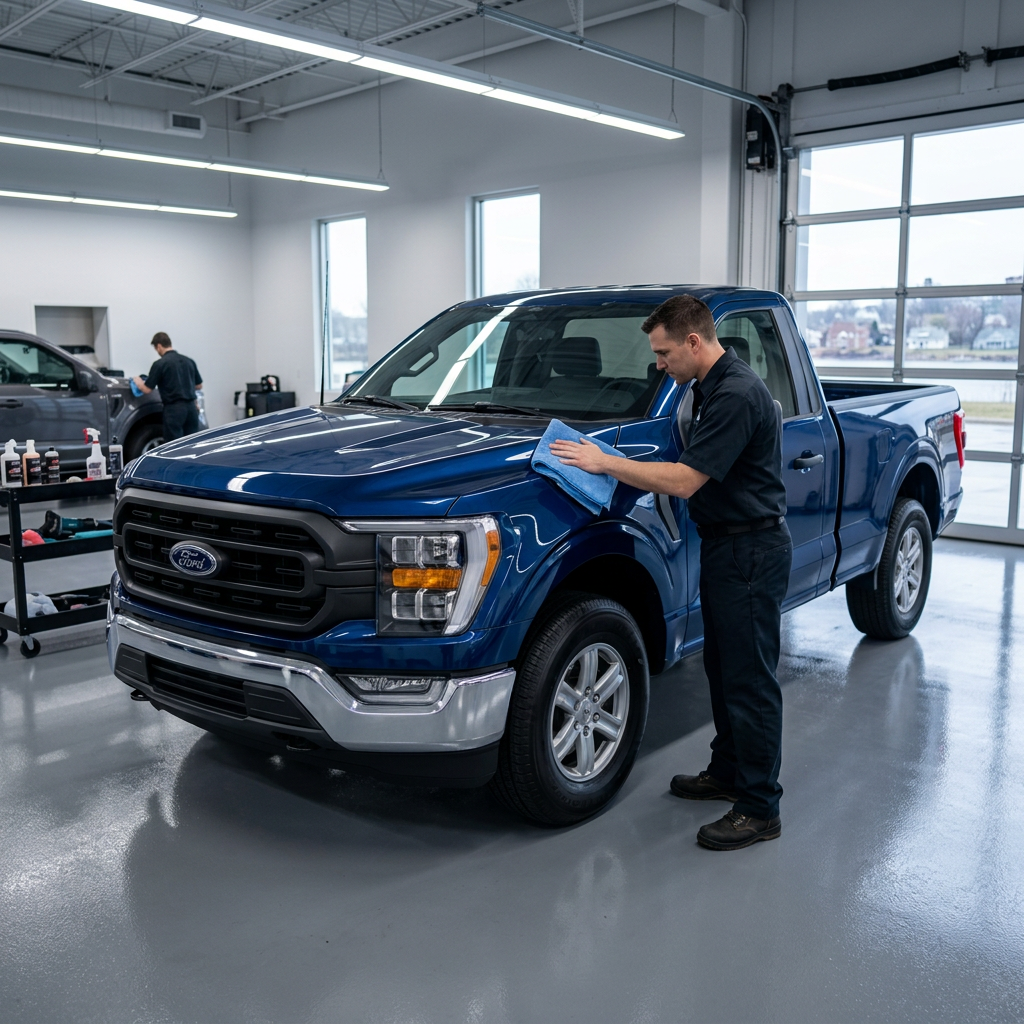
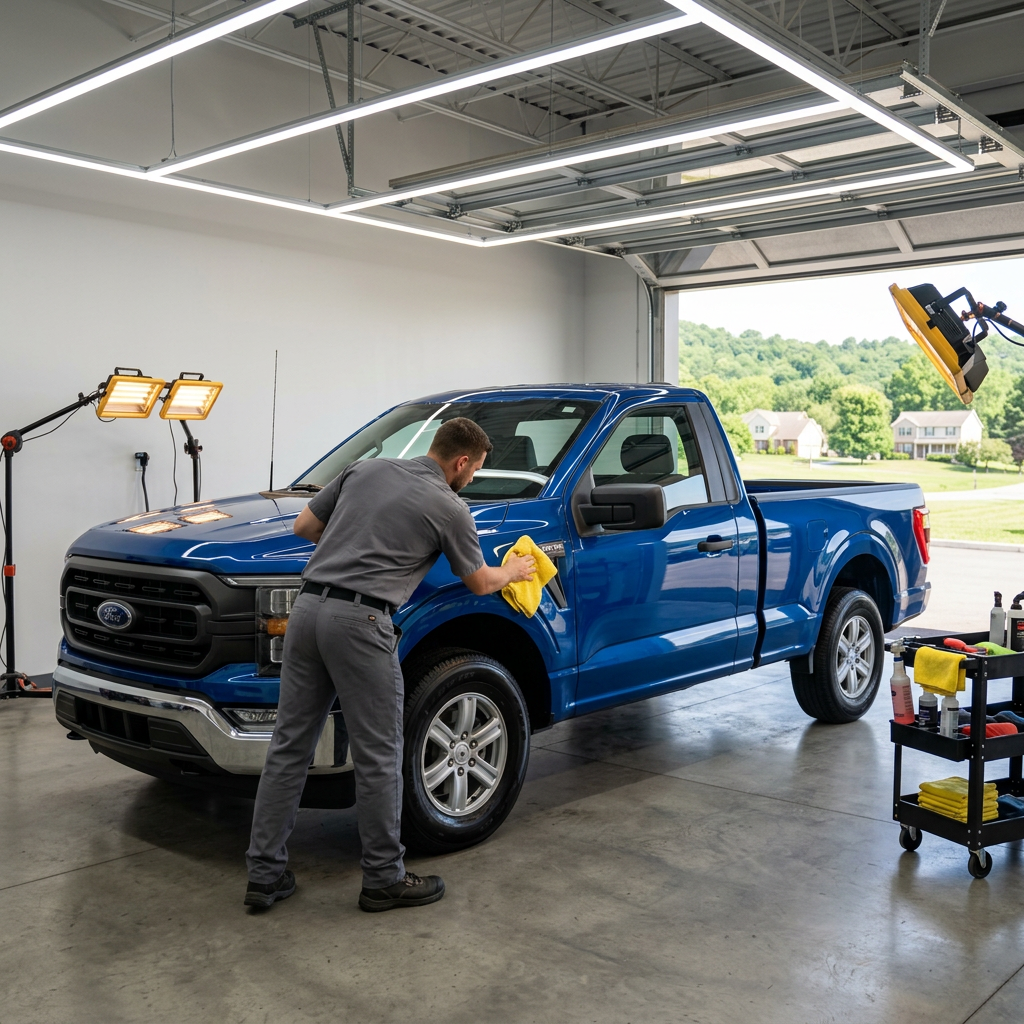
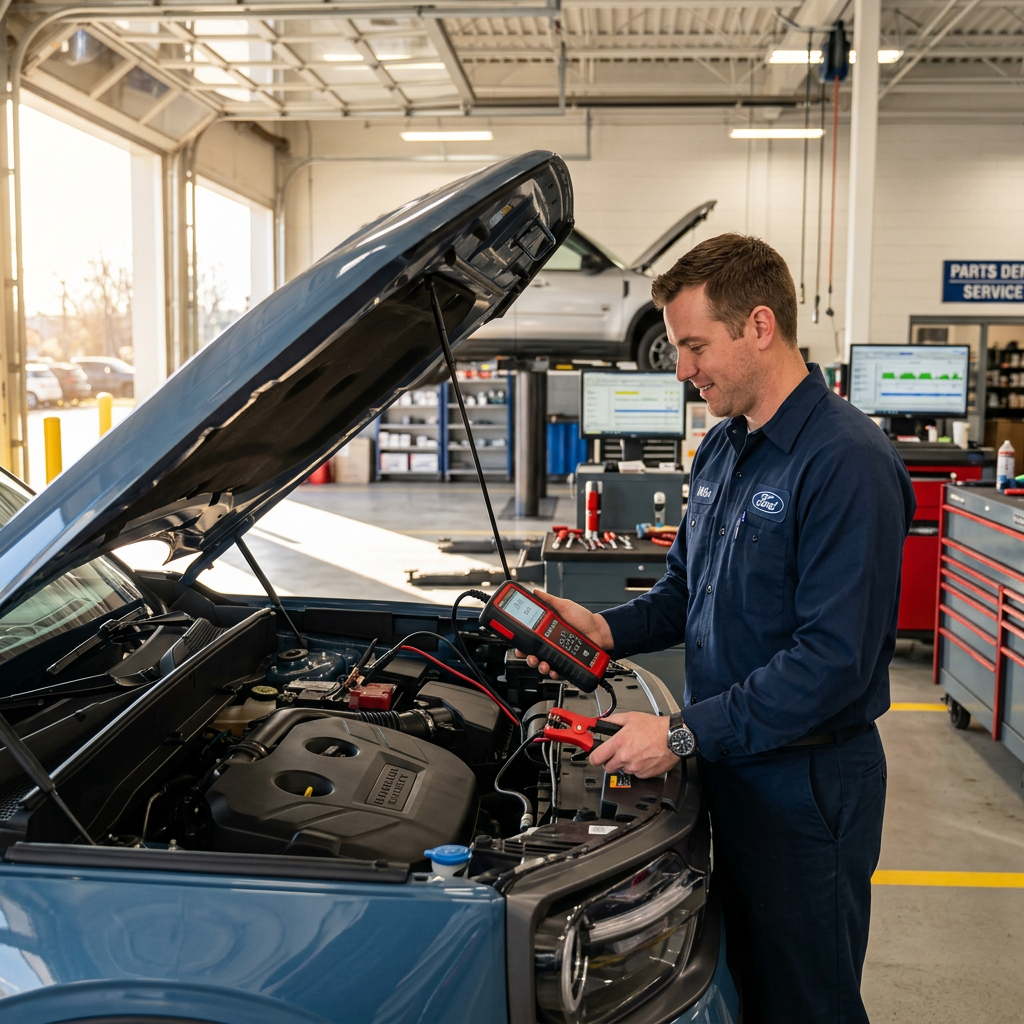
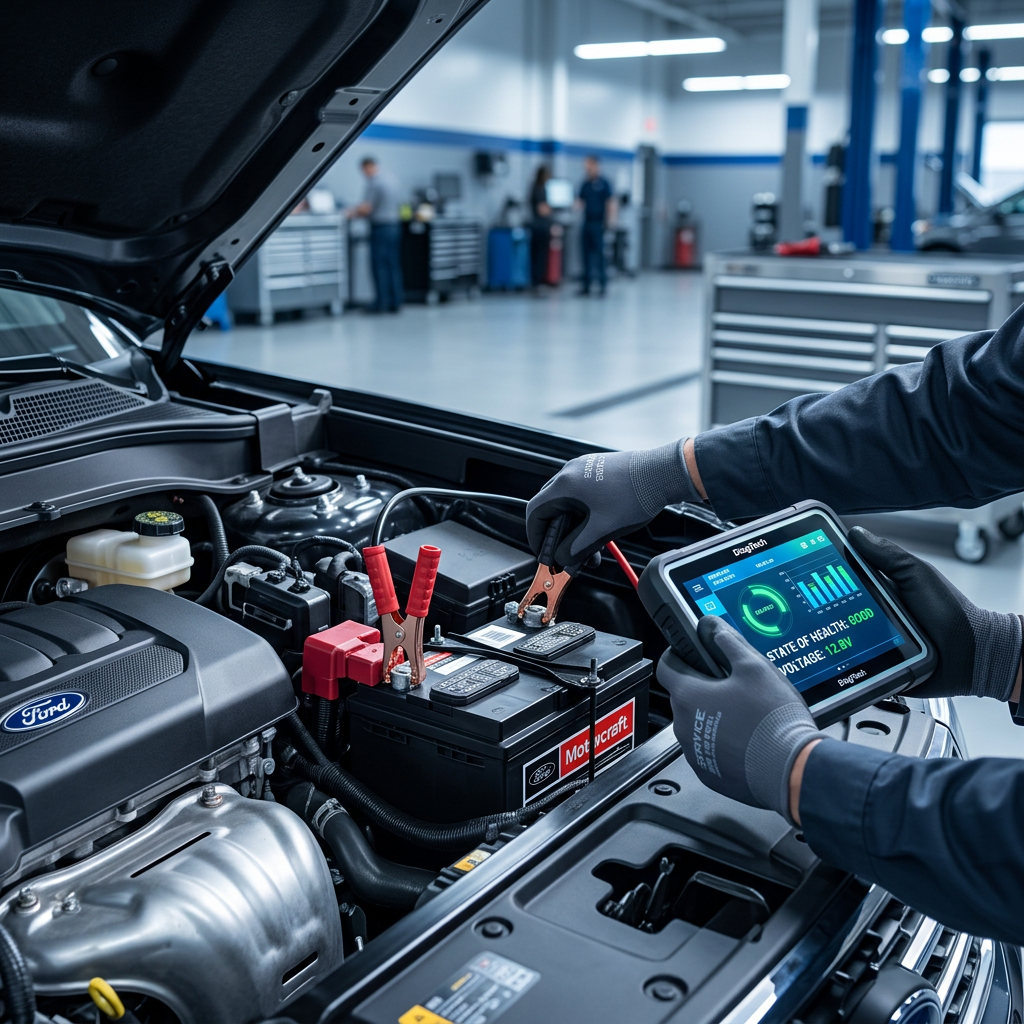
Regular vehicle maintenance plays a crucial role in storm preparedness. Ensuring your car’s paint is well-protected with waxing or ceramic coating can help prevent paint chips and corrosion from hail or acidic rain. Additionally, inspecting and maintaining windshield wipers, seals, and window glass integrity reduces the risk of water intrusion and glass breakage during heavy storms. Keeping tires properly inflated and checking fluid levels ensures your vehicle remains operational and resilient during adverse weather conditions.

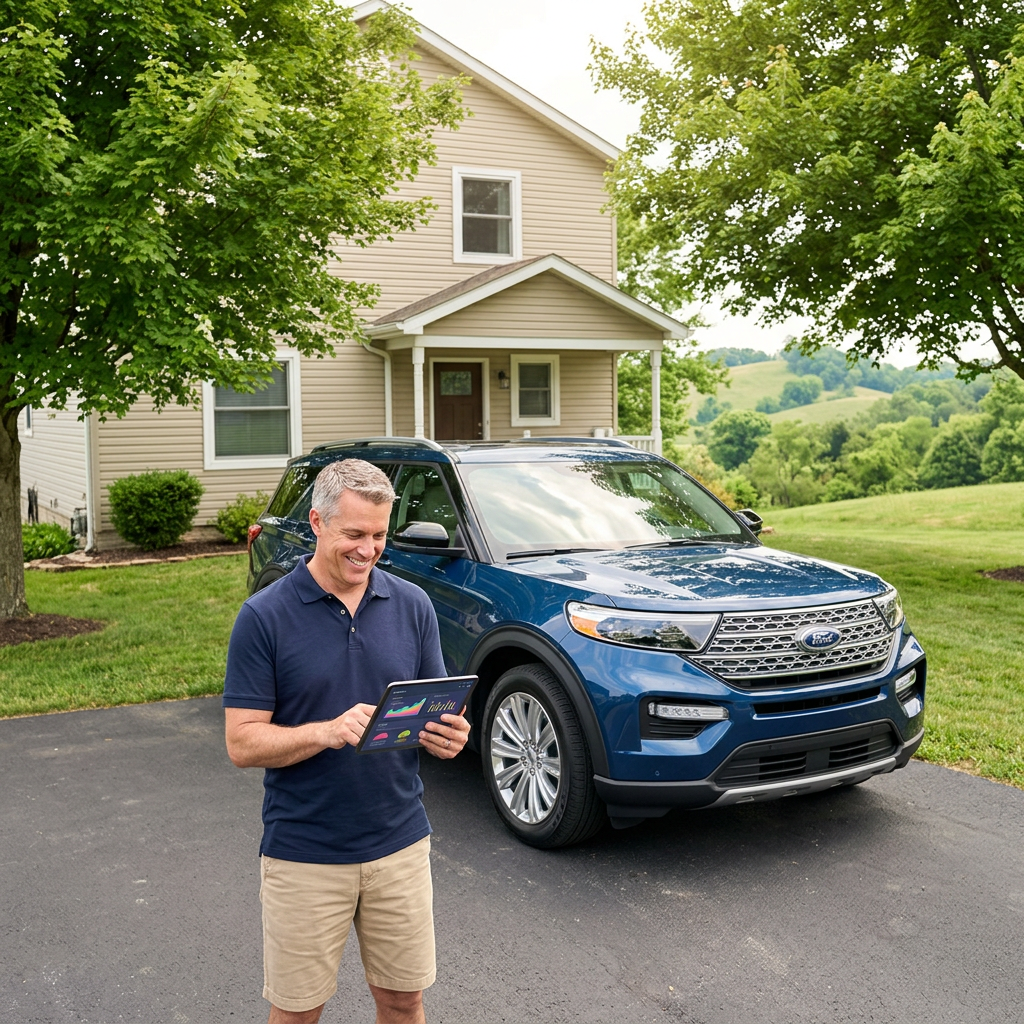
Staying informed about weather forecasts and alerts allows you to act swiftly when storms approach. Using reliable weather apps can provide early warnings for hail or severe thunderstorms, giving you time to move your vehicle to a safer location. Combining this awareness with physical protections maximizes your vehicle’s defense against storm-related damage.

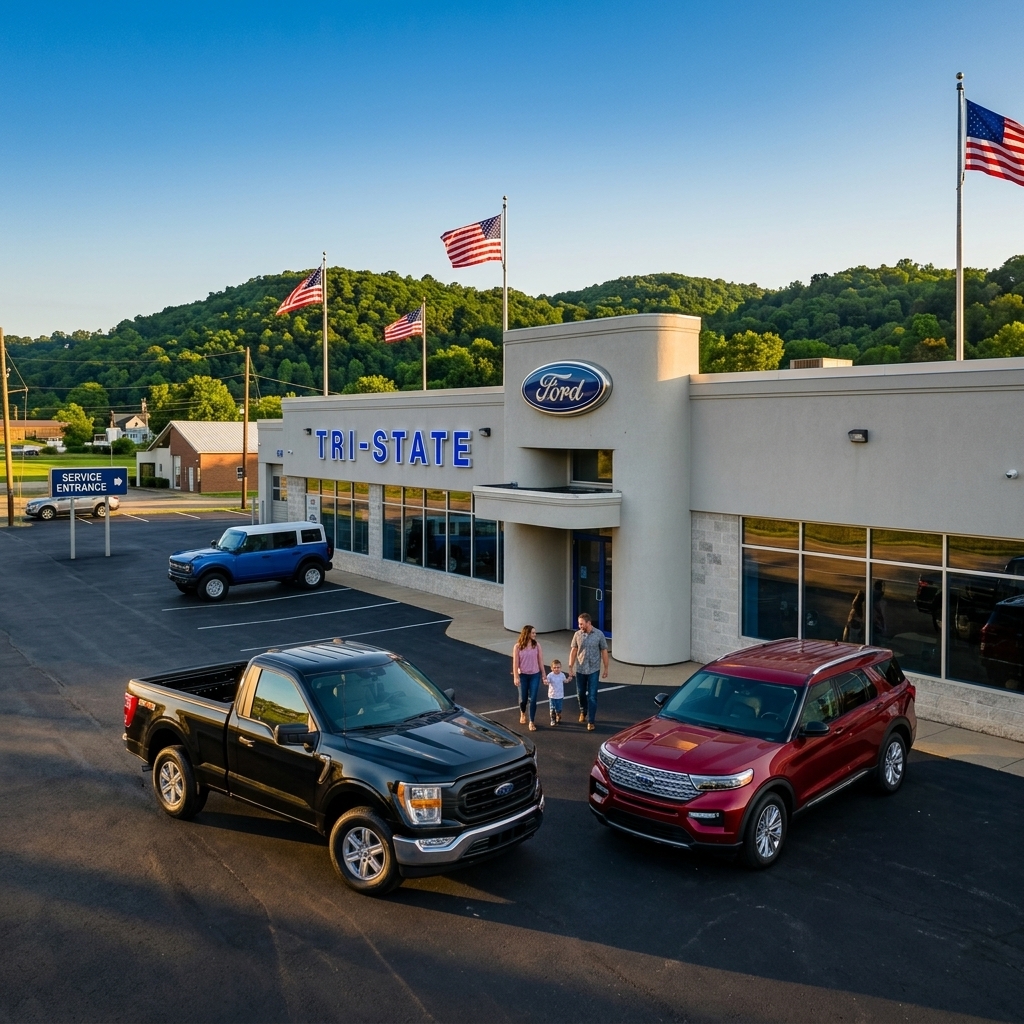
For residents in East Liverpool and surrounding areas, these strategies form a comprehensive approach to protecting Ford vehicles from storm impacts. If you’re considering upgrading your protection measures or need a reliable vehicle ready for storm season, browse our New Inventory to find the latest Ford models built for durability and performance. For personalized advice, feel free to call us at (330) 462-7578 or get directions to Tri State Ford and speak with our experts.

Implementing these effective storm protection strategies ensures your vehicle stays safe through the harshest weather, reducing repair costs and extending the life of your investment.

Table of Contents

Choosing the Right Car Covers and Hail Protection for Your Ford

Selecting an appropriate car cover is crucial for protecting your Ford from hail damage during storm season. Not all covers offer equal protection; specialized hail-resistant covers provide the necessary padding and impact absorption to shield your vehicle’s body and glass. These covers typically feature multiple foam layers or inflatable air pockets designed to dissipate the energy of hailstones, preventing dents and scratches.

Inflatable hail protectors have gained popularity due to their superior cushioning effect. By enveloping the vehicle in a fully inflated air barrier, they reduce the force transferred to the metal panels and windows. However, these systems require manual or powered inflation and must be carefully secured to avoid shifting during windy conditions. Alternatively, padded covers with thick foam layers offer a more straightforward, no-inflation-required solution. When choosing between inflatable and padded covers, consider your parking situation and how quickly you need to deploy protection.

Fit is another key factor. A cover tailored to your Ford model ensures comprehensive coverage of vulnerable areas such as the roof, hood, and trunk. Covers that are too loose may flap in the wind, causing abrasion, while too tight covers might be difficult to install quickly during sudden storms.

For truck owners, especially those driving Ford’s lineup, investing in durable, heavy-duty covers designed for larger vehicles is essential. Tri State Ford offers a robust Truck Inventory that pairs well with these protective accessories, ensuring your investment is shielded against hail and storm damage. Prioritizing the right cover will help maintain your Ford’s appearance and resale value through Ohio’s unpredictable storm seasons.

Installing and Maintaining Hail-Resistant Carports for Long-Term Protection

A well-constructed hail-resistant carport offers a reliable, long-term solution for protecting your vehicle from storm damage. When selecting a carport, prioritize materials such as galvanized steel or heavy-duty aluminum for the frame, as these metals provide durability against high winds and hail impact. The roofing material should be strong enough to absorb hailstones without denting or breaking—polycarbonate panels or reinforced metal sheets are excellent choices due to their resilience and light transmission.

Proper installation is crucial. Ensure the carport is anchored securely to the ground with concrete footings or heavy-duty anchors to withstand severe weather conditions common in Ohio. Additionally, a slight roof pitch directs hail and rainwater off the structure, minimizing accumulation and potential damage.

Maintenance involves regular inspections for loose bolts, damaged panels, and rust spots, particularly after storm events. Promptly replace any compromised components to maintain structural integrity. Cleaning debris from the roof and gutters prevents added weight and water damage.

For residents in East Liverpool and nearby areas, investing in a quality hail-resistant carport can significantly reduce repair costs and vehicle downtime caused by storms. Combining this protection with other measures like specialized car covers and ceramic coatings creates a comprehensive defense system for your Ford vehicle, ensuring it remains safeguarded throughout Ohio’s storm seasons.

Ceramic Coatings: Enhancing Your Vehicle’s Finish Against Storm Wear

Applying a ceramic coating to your Ford adds a durable, protective layer that bonds chemically with the vehicle’s clear coat. This semi-permanent shield is designed to repel water, resist UV rays, and prevent damage from acidic contaminants such as bird droppings and tree sap. Unlike traditional waxes, ceramic coatings create a glass-like surface that safeguards your paint from minor abrasions and chemical corrosion common during storm seasons.

Beyond protection, ceramic coatings make cleaning easier by reducing dirt and grime adhesion, helping maintain your vehicle’s glossy finish even after exposure to harsh weather. While ceramic coatings do not prevent dents or large physical impacts, they preserve the paint’s integrity, enabling more effective repairs and prolonging your Ford’s aesthetic appeal.

For drivers in storm-prone areas like Beaver Falls or Georgetown, ceramic coatings are a valuable investment that complements other protective measures, helping your vehicle withstand Ohio’s variable weather conditions while retaining its showroom shine.

Dealing with storm damage to your vehicle in Ohio can be stressful, but understanding the auto insurance claim process helps ease the burden. Most comprehensive insurance policies cover damage caused by hail, wind, flooding, and falling debris, so review your coverage details carefully. After a storm, promptly document all damage with clear photos, focusing on dents, broken glass, and paint chips. This evidence supports your claim and speeds up processing.

Contact your insurance provider immediately to report the damage and initiate the claim. Working with authorized repair shops ensures that your vehicle receives proper service that complies with warranty and insurer requirements. If you’re near East Liverpool, Tri State Ford can assist with repairs and guide you through the insurance process—feel free to call us at (330) 462-7578 or visit us for expert support.

Timely communication and thorough documentation are key to a smooth claims experience, helping you get your Ford back on the road quickly after storm damage.
Get Directions to Tri State Ford


© 2026 Tri State Ford. All rights reserved.

Preparing Your Ford F-150 for the Ohio River Boat Towing SeasonArticle image

The Ohio River boating season presents a unique set of demands for your Ford F-150, especially when it comes to towing heavy loads safely and efficiently. Preparing your truck for this task involves more than just hooking up a trailer; it requires proactive maintenance, understanding your truck’s capabilities, and ensuring all systems are optimized for the additional strain. Proper preparation will help safeguard your truck’s longevity and ensure smooth, hassle-free towing experiences whether you’re launching your boat near East Liverpool or navigating rural routes around Georgetown, PA.

One of the first steps in prepping your F-150 for boat towing involves verifying that your truck’s towing equipment and components are in top condition. This includes inspecting the trailer hitch, electrical connections, and brake systems, which all endure significant stress during towing. Trailer wiring harnesses should be checked for corrosion or loose connections to prevent lighting failures or brake malfunctions on the waterway access roads near Manchester, PA. Additionally, using genuine Ford trailer hitches and connectors is vital to maintain compatibility and durability, as these parts meet rigorous OEM standards designed specifically for your truck’s towing needs.

Equally important is ensuring your F-150’s mechanical systems are ready to handle the extra load. The cooling system, for instance, plays a critical role in preventing overheating during towing, particularly in warmer months when engine heat intensifies. Inspecting and maintaining the radiator, coolant levels, and hoses is essential to prevent breakdowns during long hauls to launch sites in Yellow Creek Township, OH. Upgrading the transmission cooler may be advisable if you frequently tow near the truck’s upper towing limits, as this helps manage transmission temperatures and extends component life.

A thorough review of your truck’s tires and suspension is also necessary before towing season begins. Tires should be inspected for proper tread depth, even wear, and correct inflation pressure to ensure maximum traction and stability under load. Since towing adds stress on tires and suspension components, replacing worn parts with OEM tires and shock absorbers designed for towing applications will improve safety and ride quality. For example, drivers from Lowellville, OH who regularly tow boats find that maintaining tire health directly impacts handling on winding rural roads and steep launch ramps.

Finally, regular oil changes and brake inspections tailored to towing conditions will keep your Ford F-150 running reliably throughout the boating season. Using manufacturer-recommended lubricants designed for heavy-duty use helps reduce engine wear caused by the extra workload. Brake pads and rotors should be checked more frequently, as towing increases brake system demands, making timely replacements crucial for maintaining stopping power and safety.

By following these detailed maintenance and inspection steps, Ford F-150 owners can confidently prepare their trucks for boat towing on the Ohio River. For expert assistance, scheduling service with certified technicians at Tri State Ford near East Liverpool, OH ensures your F-150 receives genuine parts and specialized care tailored to your towing needs. To arrange maintenance or parts service, you can call us at (330) 462-7578 or get directions to Tri State Ford. This proactive approach will help ensure every outing on the Ohio River is safe, enjoyable, and free from unexpected mechanical issues.

Table of Contents

Understanding Payload and Towing Capacities for Safe Boat Transport

When preparing your Ford F-150 for towing a boat on the Ohio River, understanding the truck’s payload and towing limits is essential for safety and vehicle longevity. Payload capacity refers to the maximum weight your truck can carry in its bed and cab, including passengers and cargo. Towing capacity indicates the maximum weight the vehicle can safely haul behind it, such as a boat and trailer combined.

The Ford F-150 offers impressive capabilities, but these vary depending on the engine, drivetrain, and configuration. For instance, certain models equipped with the 3.5L EcoBoost V6 engine can tow up to 14,000 pounds, while payload capacities can range from roughly 1,900 to over 3,000 pounds. It’s crucial to reference your truck’s specific payload and towing ratings found in the owner’s manual or on the vehicle’s door jamb label to avoid overloading.

Exceeding these capacities risks mechanical strain, brake failure, and compromised control—especially important when navigating the winding roads near Yellow Creek Township or the rural routes around Georgetown, PA. Overloading can accelerate wear on suspension components, overload the transmission, and increase tire degradation, all of which raise maintenance demands.

Properly distributing weight is another critical factor. The tongue weight of the trailer, typically 10-15% of the total trailer weight, should rest on the hitch to maintain stability. Regular inspections of the hitch assembly, brake controllers, and trailer lights ensure safe towing operations.

For Ford owners who frequently tow boats, maintaining the truck’s cooling system and brakes in peak condition is vital. Regular checks of fluid levels, brake pads, and tire tread depth help prevent breakdowns during busy boating seasons.

Tri State Ford’s certified technicians can assist with detailed inspections and maintenance tailored to your F-150’s towing needs. For owners seeking specific truck configurations suited for towing, browsing our Truck Inventory can provide options optimized for reliable boat transport. Understanding and respecting your F-150’s payload and towing limits will ensure safe, hassle-free trips to the Ohio River.

Expert Maintenance Tips for Ford F-150 Towing Reliability

Maintaining your Ford F-150 in prime condition is essential to guarantee dependable performance during boat towing activities, especially when preparing for outings along the Ohio River. Regular, thorough maintenance focused on critical towing components reduces the risk of breakdowns and extends the vehicle’s lifespan under heavy-duty use.

First, routinely inspect your truck’s cooling system. Towing generates significant engine and transmission heat, so ensuring the radiator, coolant levels, and hoses are in optimal condition prevents overheating. Checking for coolant leaks or worn hoses before the towing season begins is crucial, particularly in areas like Georgetown, PA, where summer temperatures can place extra strain on cooling systems.

Brake performance is another vital area. Towing a boat increases stopping distances and brake wear. Schedule frequent brake inspections to assess pad thickness, rotor condition, and brake fluid quality. Replacing worn components with Ford-approved brake parts maintains safety and braking efficiency, especially when hauling near river access points in Lowellville, OH.

Tire maintenance also plays a key role in towing reliability. Verify tire pressure matches the manufacturer’s specifications for towing loads, as underinflated or overinflated tires can lead to handling problems and premature wear. Inspect tire tread for uneven wear patterns that might indicate alignment or suspension issues, which are critical to address for stable towing on rural roads near Manchester, PA.

Transmission care cannot be overlooked. Heavy towing places extra stress on the transmission, so adhering to Ford’s recommended transmission fluid change intervals is important. Consider a transmission cooler upgrade if you frequently tow heavy boats, as it improves fluid temperature regulation and prevents overheating during extended trips.

Finally, regularly check the trailer hitch and electrical connections. Ensure the hitch assembly is securely mounted and free from corrosion. Confirm all trailer lights function correctly through the vehicle’s wiring harness to comply with safety standards and avoid roadside issues.

Consistent adherence to these maintenance practices ensures your Ford F-150 remains a reliable and safe partner for boat towing, ready to tackle the demands of the Ohio River’s recreational season.

Authorized Ford Service Near the Ohio River for Your F-150

Proper maintenance is essential to keep your Ford F-150 performing at its best, especially when preparing for boat towing along the Ohio River. Utilizing authorized Ford service centers ensures that your truck receives expert care from certified technicians who specialize in Ford vehicles. These professionals are trained to work specifically with F-150 models, employing factory-recommended procedures and genuine Ford parts, which are critical for maintaining vehicle reliability and safety.

Authorized service locations near the Ohio River area offer comprehensive inspections, including brake system evaluations, transmission fluid checks, and cooling system assessments—key areas that endure extra stress during towing. Access to advanced diagnostic tools enables precise identification and resolution of issues before they become costly repairs.

For drivers around Lowellville or Georgetown, relying on certified service providers means extended vehicle longevity and consistent performance. Regular maintenance performed by authorized technicians supports your F-150’s durability on demanding routes, ensuring it remains roadworthy throughout the towing season and beyond. Scheduling routine service at trusted Ford centers is a proactive step toward worry-free towing experiences.

Enhancing Daily Driving Comfort in Your Ford F-150 Around the Ohio Valley

Driving your Ford F-150 daily in the Ohio Valley, including areas like Manchester, PA, demands a balance between rugged capability and comfort. To maintain a smooth ride, regular inspections of suspension components such as shocks and struts are essential. Worn parts can degrade handling on the region’s uneven rural roads, so timely replacements preserve both comfort and safety. Additionally, keeping tires properly inflated and aligned improves ride quality and extends tire life, crucial for frequent trips around Yellow Creek Township’s varied terrain.

Cabin comfort plays a significant role in daily driving satisfaction. Ford’s advanced climate control systems require routine filter and refrigerant checks to ensure effective heating and cooling through seasonal changes. Periodic cabin air filter replacements help maintain air quality, especially when driving through dust-prone rural areas like Georgetown, PA.

For drivers seeking enhanced comfort, Tri State Ford offers professional servicing to optimize your F-150’s suspension, tire condition, and climate control systems. Scheduling regular maintenance at our East Liverpool service center ensures your truck remains comfortable and dependable throughout your daily drives.

For directions to our service facility, visit Get Directions to Tri State Ford, or Call us at (330) 462-7578.


© 2026 Tri State Ford. All rights reserved.

Comparing the 2026 Ford F-150 with Silverado 1500 and Ram 1500: Power and Performance

The 2026 Ford F-150 remains a dominant contender in the full-size pickup segment, offering a breadth of engine choices and performance capabilities that make it a versatile option for both work and daily driving. When compared to its main rivals, the Chevrolet Silverado 1500 and Ram 1500, the F-150 stands out for its combination of refined powertrains and advanced technology, making it a top choice for drivers around East Liverpool who demand both strength and efficiency.

Ford’s 2026 F-150 powertrain lineup includes several robust options tailored to different needs. The base engine is a twin-turbocharged 2.7-liter V6 delivering 325 horsepower, which balances fuel economy with respectable power. For those requiring more muscle, a 5.0-liter V8 with 400 horsepower and 410 lb-ft of torque offers traditional V8 performance. Additionally, Ford offers a twin-turbo 3.5-liter EcoBoost V6 producing 400 horsepower and 500 lb-ft of torque, well-known for its towing prowess. The standout is the hybrid powertrain that pairs the 3.5-liter V6 with an electric motor, generating a combined 430 horsepower and 570 lb-ft of torque, providing both power and efficiency with the added benefit of onboard electrical generation for work sites or camping.

By contrast, the Chevrolet Silverado 1500 offers a diverse engine roster, including a base TurboMax engine and two V8 options, as well as a diesel variant that appeals to those looking for torque and fuel savings during heavy towing. The Ram 1500, while also offering a V6 and a V8, does not provide a diesel or hybrid option for 2026, which narrows its appeal for those focused on maximum towing or fuel economy.

Transmission across these trucks is streamlined, with the F-150 and its competitors utilizing advanced automatic transmissions—Ford’s 10-speed automatic transmission is praised for smooth shifting and responsiveness, enhancing both efficiency and power delivery. Drivetrain options include rear-wheel drive and four-wheel drive configurations, allowing customization based on driving conditions and job requirements.

Performance testing reveals the F-150 hybrid trim can accelerate from 0 to 60 mph in about 5 seconds, showcasing its blend of power and efficiency. While the Ram 1500’s high-output 5.7-liter HEMI V8 achieves quicker acceleration, Ford’s hybrid powertrain provides a unique balance of performance and economy. The F-150’s Tremor off-road trim also features enhancements like 33-inch all-terrain tires and upgraded suspension components, making it capable for rugged terrains near rural and suburban areas like Calcutta and Boardman.

Handling is another area where the F-150 impresses, with precise steering and stable cornering, despite the traditional rear leaf spring suspension that some find less comfortable than Ram’s coil-spring setup. For drivers in and around East Liverpool, this means the F-150 offers reliable control both on highways and on rougher backroads.

Overall, the 2026 Ford F-150 delivers a compelling mix of engine variety, power output, and driving dynamics that match or surpass those of the Silverado 1500 and Ram 1500. Those interested in experiencing the full range of F-150 capabilities can visit Tri State Ford conveniently located in East Liverpool. For directions, you can click here for the dealership location.

Table of Contents

Key Towing Capabilities and Real-World Applications in East Liverpool

When evaluating towing performance for the 2026 Ford F-150, Silverado 1500, and Ram 1500, raw numbers only tell part of the story, especially for drivers in East Liverpool who often tow equipment, trailers, or recreational vehicles on varied terrain. The F-150 leads the half-ton segment with a maximum towing capacity of up to 13,500 pounds when equipped with the 3.5-liter EcoBoost V6 engine, Max Tow Axle, and the Tow/Haul package. This configuration surpasses the Silverado 1500’s peak towing rating of 13,300 pounds, which is achievable mainly with its 3.0-liter Duramax Turbo-Diesel engine and Max Trailering Package. The Ram 1500, while offering respectable towing capability up to 11,610 pounds with its 3.0-liter inline-six twin-turbo, falls slightly behind on maximum capacity.

For everyday towing in East Liverpool, these peak numbers may not always be the deciding factor. The region’s mix of suburban roads and nearby rural landscapes demands trucks that perform dependably under real conditions such as hauling boats, utility trailers, or work gear. The F-150’s powerful EcoBoost engine delivers robust torque at low RPMs, essential for hill climbs or navigating gradients common in the Ohio Valley. Additionally, its available hybrid variant combines strong towing with efficient fuel use, beneficial for longer trips to locations like Calcutta or Boardman.

Payload capacity also influences real-world utility. The F-150 can handle payloads up to 2,440 pounds, slightly edging both the Silverado and Ram models, which max out near 2,260 and 2,360 pounds respectively. This higher payload means the F-150 is better suited for carrying heavy loads in the bed while towing, a frequent requirement for contractors and outdoor enthusiasts in the area.

Furthermore, Ford equips the F-150 with advanced towing technologies, including trailer sway control, integrated trailer brake controller, and Pro Trailer Backup Assist. These features simplify maneuvers in tight spaces, such as loading docks or neighborhood driveways in Aliquippa or Midland, improving safety and control. The Silverado and Ram provide similar aids, but Ford’s suite is widely regarded for its intuitive operation and seamless integration.

For those towing frequently near East Liverpool, understanding how these specifications translate to performance on local roads is essential, and reliability is a key advantage, making the 2026 Ford F-150 a top choice for drivers who demand both power and precision in their towing experience.

Interior Technology and Infotainment: Screen Sizes and Connectivity Features

The 2026 Ford F-150 offers a modern and user-friendly interior technology package that balances functionality with advanced connectivity. Its standard infotainment system includes a sharp 12-inch touchscreen running Ford’s updated Sync 4 software, providing quick response times and a clear interface. This screen supports wireless Apple CarPlay and Android Auto, ensuring seamless smartphone integration without the clutter of cables. Additionally, the F-150 features an available Wi-Fi hotspot, over-the-air updates, and optional premium audio systems like the Bang & Olufsen stereo with up to 14 speakers, enhancing the cabin experience for drivers and passengers alike.

Comparatively, the Chevrolet Silverado 1500 provides a slightly larger 13.4-inch touchscreen on higher trims, offering expansive visuals and ease of use. It also supports wireless smartphone connectivity and features the Super Cruise hands-free driving technology, which is a competitive advantage for drivers prioritizing semi-autonomous capabilities.

The Ram 1500 stands out with an available 14.0-inch infotainment display, the largest among the trio, delivering a striking vertical layout that integrates navigation, media, and vehicle settings intuitively. While Ram’s screen size impresses, it lacks an advanced hands-free driving system comparable to Ford’s BlueCruise.

Each truck offers multiple trim options that influence the screen size and technology package, but the 2026 Ford F-150 strikes a balance between screen size, software sophistication, and connectivity features, making it a practical and technologically advanced choice for users in Calcutta or Aliquippa who prioritize in-cabin convenience and connectivity.

Pricing Insights and Value Considerations for 2026 Half-Ton Trucks

The 2026 Ford F-150 begins at a competitive starting price of around $40,085, positioning it attractively against the Chevrolet Silverado 1500, which starts slightly lower near $38,345, and the Ram 1500, which begins closer to $44,620. While the Silverado offers a marginally lower entry price, the F-150 balances cost with a broad range of powertrain options, advanced technology, and proven capability that justify its price point.

Ford’s strategy includes a flexible lineup with multiple cab sizes and bed lengths, allowing buyers from areas like Boardman, OH, to tailor their truck to specific needs without overspending on unnecessary features. The F-150’s extensive availability of trims—from the work-focused XL to the luxurious Limited—provides options that appeal to both budget-conscious buyers and those seeking premium features.

When evaluating value, the F-150’s standard inclusion of a 10-speed automatic transmission and its advanced engine options, including a hybrid powertrain, enhance its overall efficiency and long-term savings potential. Furthermore, Ford’s BlueCruise hands-free driving technology, available on select trims, adds cutting-edge convenience absent in many competitors.

Though the Silverado offers a diesel variant with fuel economy advantages, the F-150’s towing and payload capacities often surpass its rivals in similarly priced configurations, delivering stronger utility per dollar spent. Ram’s higher starting price reflects its focus on ride comfort and interior refinement, but for buyers prioritizing rugged performance and a versatile feature set, the Ford F-150 offers a compelling blend of value and capability.

Fuel Efficiency and Practicality: Which Truck Leads in Economy?

When comparing fuel efficiency among the 2026 Ford F-150, Chevrolet Silverado 1500, and Ram 1500, the Ford F-150 stands out for its balanced combination of power and economy. The F-150’s hybrid PowerBoost option, which pairs a twin-turbocharged 3.5-liter V6 with an electric motor, delivers up to an EPA-estimated 22 mpg city and 24 mpg highway, providing excellent efficiency for a full-size pickup. Its standard EcoBoost engines also achieve competitive fuel economy ratings, with the 2.7-liter V6 reaching up to 25 mpg on highways.

In contrast, the Silverado’s available 3.0-liter Duramax turbo-diesel offers outstanding torque and fuel economy, rated at approximately 28 mpg highway, making it a strong choice for those prioritizing diesel efficiency. However, its gasoline engines generally trail the F-150’s hybrid in combined economy. The Ram 1500 provides solid fuel ratings, particularly with its mild-hybrid eTorque V6, but it doesn’t match the F-150’s hybrid powertrain or the Silverado’s diesel in overall efficiency.

For drivers around East Liverpool, the F-150’s hybrid system offers a practical advantage, combining fuel savings with robust towing and payload capabilities. To explore the latest Ford F-150 models and their fuel-saving features, visit Tri State Ford for expert guidance and to schedule a test drive. You can also get directions to Tri State Ford or call us at (330) 462-7578 for more information.


© 2026 Tri State Ford. All rights reserved.

Essential Spring Maintenance Tasks to Prepare Your Vehicle for Warmer Weather

Spring is the ideal time to transition your vehicle from the harsh demands of winter to the challenges of warmer weather. After months of battling cold temperatures, road salt, and rough conditions, your car requires a thorough checkup to ensure safety, reliability, and optimal performance during the spring driving season. Performing key maintenance tasks now can prevent unexpected breakdowns, improve fuel efficiency, and extend your vehicle’s lifespan.

One of the first priorities in spring maintenance is a detailed tire inspection. Tires endure significant wear during winter, and uneven tread or low pressure can compromise traction on wet spring roads. Checking tire pressure and tread depth helps maintain proper handling and braking performance. If tires show signs of excessive wear or damage, scheduling a rotation or replacement at a trusted service center like Tri State Ford in East Liverpool, OH, ensures safe driving conditions.

Another critical area for spring attention is the vehicle’s fluid levels. Winter driving can deplete or contaminate essential fluids such as engine oil, coolant, brake fluid, and windshield washer fluid. Engine oil should be replaced if due, as fresh oil lubricates moving parts effectively, reducing engine wear. Coolant needs to be checked for proper concentration to prevent overheating during warmer months. Brake fluid inspection is vital because moisture absorption can reduce braking efficiency, and washer fluid topped off with an appropriate formula ensures clear visibility during spring rains.

The braking system itself demands a thorough evaluation in spring. Moisture, salt, and grime accumulated over winter can accelerate rotor and caliper corrosion, potentially diminishing braking responsiveness. Certified technicians at Tri State Ford recommend a professional brake inspection to assess pad thickness, rotor condition, and fluid integrity, addressing any issues before they affect safety.

Spring also marks the perfect opportunity to inspect belts and hoses, which can become brittle or cracked due to cold exposure and fluctuating temperatures. Any sign of wear warrants prompt replacement to avoid unexpected breakdowns. Similarly, the suspension system should be examined for damage caused by potholes and road debris common in winter and early spring. Faulty shocks or misalignment not only affect ride comfort but also lead to uneven tire wear and compromised control.

Finally, don’t overlook the importance of replacing worn wiper blades. After enduring ice, snow, and salt, blades may streak or tear, impairing visibility during spring showers. Installing new blades and refilling washer fluid ensures a clear windshield, essential for safe driving in the East Liverpool area’s variable spring weather.

Scheduling a comprehensive spring maintenance service at Tri State Ford is a smart step to address these critical areas with factory-trained technicians using genuine Ford parts. This service supports your vehicle’s longevity, safety, and performance as temperatures rise and driving conditions change. For convenience, you can get directions to Tri State Ford or call us at (330) 462-7578 to schedule your spring vehicle checkup today.

Taking these essential spring maintenance steps ensures your Ford or other vehicle is ready to meet the demands of the new season with confidence, reliability, and safety.

Table of Contents

DIY Spring Car Maintenance Projects That Save Time and Money

Spring car maintenance doesn’t always require a professional visit; several tasks can be tackled at home to save both time and money, while keeping your vehicle in excellent condition. One of the simplest yet most impactful projects is checking and adjusting tire pressure. Properly inflated tires improve fuel efficiency, extend tire life, and enhance handling, especially important for the variable weather conditions common in areas like Boardman, OH. Use a reliable tire pressure gauge and compare readings to the manufacturer’s recommended PSI, typically found on the driver’s door jamb.

Replacing windshield wiper blades is another straightforward DIY task. After enduring winter’s harsh conditions, worn blades may leave streaks or miss spots during spring rains, reducing visibility. Swapping out old blades for new ones designed for your vehicle model ensures clear vision and safer driving in wet conditions. Tri State Ford recommends inspecting wiper blades every season and replacing them at least annually.

Checking under-hood fluid levels—such as engine oil, coolant, brake fluid, and windshield washer fluid—is essential and easy to do. Topping off fluids or scheduling a fluid exchange at the first sign of degradation helps maintain system performance and prevents costly repairs. For example, degraded brake fluid can lead to reduced stopping power, a critical safety concern.

Lastly, inspecting belts and hoses for cracks or brittleness can prevent sudden breakdowns. These rubber components are vulnerable to winter’s freezing temperatures and can deteriorate silently. Early detection and replacement prolong engine reliability.

Performing these DIY projects helps maintain your vehicle’s reliability and safety during spring, while reducing the need for emergency repairs. For more complex service needs, Tri State Ford’s certified technicians are ready to assist with expert care and genuine Ford parts.

Ensuring Optimal Tire Performance: Tread Depth and Pressure Checks for Spring Driving

Proper tire maintenance is crucial for safe and efficient driving, especially as spring weather brings variable road conditions around Boardman, OH. After enduring winter’s harsh elements, including salt, ice, and potholes, your tires may experience uneven wear or pressure loss, both of which can compromise traction and fuel economy.

Start by measuring your tire tread depth to confirm sufficient grip. The industry standard minimum tread depth for safe driving is 2/32 of an inch, but for optimal springtime performance on wet roads, a tread depth of at least 4/32 inches is recommended. Insufficient tread increases the risk of hydroplaning during spring showers common in the Youngstown, OH area. You can check tread depth using a tread gauge or the penny test—insert a penny into the tread with Lincoln’s head upside down; if the top of his head is visible, it’s time for new tires.

Tire pressure is equally important to verify as temperature fluctuations in Pittsburgh, PA can cause pressure changes. Underinflated tires increase rolling resistance, leading to higher fuel consumption and accelerated tread wear, while overinflated tires reduce road contact, decreasing handling and comfort. Consult your vehicle’s placard or owner’s manual for the manufacturer’s recommended tire pressure, typically measured in pounds per square inch (PSI). Check pressure when tires are cold for the most accurate reading.

Maintaining correct tread depth and tire pressure improves braking performance, steering response, and overall vehicle stability. Tri State Ford’s service center offers professional tire inspections, balancing, and rotations to ensure your Ford maintains optimal tire condition for spring driving challenges. Regular tire care not only enhances safety but also prolongs tire lifespan, saving you money and stress on the roads of Calcutta, OH, and beyond.

Critical Fluid Inspections and Changes to Support Spring Vehicle Health

Spring is the ideal time to inspect and refresh your vehicle’s essential fluids to maintain smooth operation and prevent costly repairs. Engine oil should be checked for level and quality, as cold winter temperatures and short trips can degrade its effectiveness. Replacing old oil with the manufacturer-recommended grade ensures proper lubrication and engine protection.

Coolant levels and condition also require attention; spring’s warmer weather demands a properly functioning cooling system to prevent overheating. Inspect hoses for cracks or leaks, and consider a coolant flush if the fluid appears rusty or diluted. Brake fluid is another crucial element—moisture can accumulate over winter, reducing braking efficiency and increasing corrosion risk within the system. Flushing and replacing brake fluid helps maintain reliable stopping power.

Transmission fluid and power steering fluid should be examined as well, ensuring they meet specifications for clarity and level. Neglecting these fluids can lead to transmission slippage or steering difficulties, compromising safety and performance. Scheduling a comprehensive fluid inspection at Tri State Ford in Boardman, OH, guarantees your vehicle receives expert evaluation and high-quality fluid replacements using genuine Ford parts. This preventative service safeguards your vehicle’s longevity and readiness for spring driving conditions.

Post-Winter Undercarriage Care: Protecting Your Vehicle from Salt and Grime Damage

Winter roads in East Liverpool, OH, often involve salt and de-icing chemicals that can severely damage a vehicle’s undercarriage if not addressed. Salt accelerates corrosion on critical components like brake lines, exhaust systems, and the vehicle frame. After winter ends, a thorough underbody wash is essential to remove accumulated salt, grime, and moisture that can lead to rust and mechanical failures.

Using a high-pressure wash specifically targeting the undercarriage helps dislodge stubborn salt deposits hidden in hard-to-reach areas. Professional service centers like Tri State Ford employ advanced equipment to ensure complete removal, preventing premature deterioration. Additionally, applying rust inhibitors or protective coatings after cleaning can create a barrier against future corrosion, extending your vehicle’s lifespan.

Regular undercarriage maintenance not only protects structural integrity but also preserves brake performance and suspension components, critical for safe spring driving. Neglecting this step can lead to costly repairs down the road. Scheduling a detailed inspection and cleaning at a certified Ford service center ensures your vehicle remains reliable and safe for the changing seasons.

Spring Suspension and Alignment Inspections: Why They Matter for Safety and Tire Longevity

Spring is an ideal time to have your vehicle’s suspension and wheel alignment inspected, especially after enduring harsh winter conditions that can cause hidden damage. Potholes and rough roads common in areas like East Liverpool, OH, can misalign your wheels or wear suspension components prematurely, leading to uneven tire wear and compromised handling.

A misaligned vehicle may pull to one side, reduce fuel efficiency, and increase tire replacement costs. Thorough suspension checks identify worn shocks, struts, or bushings that affect ride comfort and control. Ensuring proper alignment and suspension health preserves tire life and enhances driving safety.

Schedule a professional inspection at Tri State Ford’s service center to maintain optimal vehicle performance and protect your investment. For expert care, call us at (330) 462-7578 or visit us at 1503 Pennsylvania Ave, East Liverpool, OH 43920 for service appointments.


© 2026 Tri State Ford. All rights reserved.

Ford Expedition

If you are shopping for a full-size SUV, the Ford Expedition vs Chevy Tahoe is one of the most common matchups. Both give you three rows, strong power, and the kind of space that makes family trips easier. The biggest differences usually come down to towing strength, cargo room, and how many people you need to carry. This guide uses 2026 specs to help you compare the two in a simple way.

2026 Expedition vs Tahoe by the numbers

Start here! These specs make it easier to compare the 2026 Ford Expedition vs Chevy Tahoe without digging through a bunch of trim details.

Spec2026 Ford Expedition2026 Chevy Tahoe
Base engine3.5L EcoBoost twin-turbo V65.3L V8
Horsepower400-440 hp @ 5200-5400 rpm355-420 hp
Torque480-510 lb-ft @ 3300 rpm383-495 lb-ft
Transmission10-speed automatic10-speed automatic
DrivetrainRWD or 4WDRWD or 4WD
Max towing (properly equipped)9,600 lbs8,400 lbs
Payload (properly equipped)1,700-1,800 lbs1,600 lbs
SeatingUp to 8Up to 9
Cargo behind 3rd row20.9-22.3 cu ft25.5 cu ft
Cargo behind 2nd row57.5-63.6 cu ft72.6 cu ft
Max cargo104.6 cu ft (121.5 MAX)122.9 cu ft
Fuel economy (city/hwy/combined)16/24/19 mpg (4×2 est.)15/20/17 mpg (est.)

What these numbers mean for real life

The spec chart is useful, but most drivers care about four things: towing, power feel, space, and MPG. Here is the short version for the 2026 Expedition vs Tahoe.

  • Towing and payload
    Expedition leads on max towing at 9,600 lbs vs the Tahoe at 8,400 lbs when properly equipped. Payload is also higher for Expedition at up to 1,800 lbs vs the Tahoe at 1,600 lbs, which matters when the SUV is full of passengers and gear.
  • Power feel
    Expedition lists 480 to 510 lb-ft of torque at 3,300 rpm, which can feel strong on hills and highway merges. Tahoe’s base 5.3L V8 lists 383 lb-ft of torque, with higher output available depending on engine choice.
  • Seating and cargo
    Tahoe can seat up to 9, Expedition up to 8. Tahoe also leads on cargo space in the provided figures, including 25.5 cu ft behind the third row and 122.9 cu ft max cargo. Expedition MAX is close on max cargo at 121.5 cu ft.
  • MPG
    Estimates are close, but Expedition shows the stronger highway number: 16/24/19 mpg (4×2 est.) vs Tahoe 15/20/17 mpg (est.).

Price snapshot and value

Price is more than the starting number. The trim level, drivetrain, and packages can change the total quickly, especially once towing gear and comfort features are added.

Price Item2026 Ford Expedition2026 Chevy Tahoe
Starting MSRP$62,000$60,400
Common family pick trimXLTLT
Typical must-have package for towingHeavy-Duty Trailer Tow PackageMax Trailering Package

How to compare vehicle price the right way

A fair comparison matches trims with similar equipment. A lower starting MSRP can disappear fast if one SUV needs extra packages to get the same features.

What usually impacts the price most

  • 4WD vs RWD
  • Tow package and related upgrades
  • Seat layout and interior upgrades
  • Tech and driver-assist features
  • Wheel and tire choices

Which one should you buy

Most drivers decide this matchup one of two ways: towing or space.

The Expedition is a strong fit when towing is part of the plan. With up to 9,600 lbs properly equipped, it leads on paper. It also shows a better estimated highway MPG in the numbers provided.

The Tahoe is a strong fit when space matters most. It lists 25.5 cu ft behind the third row, 72.6 cu ft behind the second row, and 122.9 cu ft max cargo, plus seating for up to 9.

If you are still torn, take a quick test drive, then pop the liftgate and see how much room you really have with the third row up.

Test drive at Tri State Ford

Reading specs helps, but nothing beats seeing how a full-size SUV fits real life. A short test drive can show ride comfort, visibility, and how easy it is to park. A quick walk-around can also settle the big question of cargo space, especially with the third row up.

Tri State Ford can help compare Expedition trims, explain towing equipment like the Heavy-Duty Trailer Tow Package, and point out the features that matter most for family driving. To check availability and set up a test drive, give us a call at 234-895-4573 or contact us online

FAQs

Which is bigger, Expedition or Tahoe?
Both are full-size SUVs with three rows. In the 2026 figures provided, the Tahoe shows more cargo space behind the third row at 25.5 cu ft. The Expedition offers the Expedition MAX option, which brings max cargo up to 121.5 cu ft.

Which tows more, Expedition or Tahoe?
Based on 2026 numbers provided, the Expedition leads with 9,600 lbs max towing when properly equipped, compared to the Tahoe at 8,400 lbs.

Which is better for a family?
It depends on what “family-friendly” means for your household. Tahoe stands out for up to 9 seats and larger cargo numbers. Expedition stands out for strong towing capability and higher estimated highway MPG in the figures provided.

Which has more cargo space?
In the 2026 chart, the Tahoe leads in cargo space, including 122.9 cu ft max cargo. The Expedition MAX is close on max cargo at 121.5 cu ft.Which gets better gas mileage?
In the 2026 figures provided, the Expedition shows a higher estimated highway and combined MPG: 16/24/19 mpg (4×2 est.) vs Tahoe 15/20/17 mpg (est.).

February best month sell your car

Most people assume spring or summer is the best time to sell a car, but February often brings the right mix of low competition and high demand. At Tri State Ford, we see smart sellers take advantage of this overlooked window every year. If you’re asking yourself when to sell your car, this might be the time to act.

Less Competition, More Serious Buyers

February tends to be a slower month for private sellers. Many drivers wait for warmer weather to list their vehicles, which means there is less competition in the market during this time. This gives your car a better chance to stand out.

At the same time, buyers are active. Early in the year, many have tax refunds or bonus income they’re ready to put toward a vehicle. They’re goal-oriented, looking to make smart financial decisions, and they often want to avoid the spring rush. Fewer listings paired with motivated buyers can lead to better, faster offers.

Timing Matters for Trade-In Value

As winter ends and spring approaches, more people begin trading in their cars and shopping for something new. That increase in supply can affect trade-in values across the board. Selling your car now gives you a chance to lock in a strong offer before the market shifts.

Even a few weeks can make a difference. By choosing to sell in February, you may avoid the dip in value that comes when dealerships receive a wave of new inventory. It’s a simple way to get ahead of the curve.

What to Expect at Tri State Ford

At Tri State Ford, we provide real-time, market-based trade-in values throughout the year. Our team takes the time to assess your vehicle fairly, explain the offer clearly, and answer any questions you may have.

You can start with our online trade-in form or stop by our dealership at 1503 Pennsylvania Avenue in East Liverpool, Ohio for a quick, in-person appraisal. If you’d rather speak with someone first, feel free to call us at (234) 895-4573 or connect with us online.

We’re here to make sure you get a fair deal, a simple process, and the kind of customer experience you expect from a dealership you can trust.

Frequently Asked Questions

Is February really a good time to sell my car?
Yes. Fewer sellers in the market and motivated buyers can lead to stronger offers and faster sales compared to busier seasons.

Does my car lose value in the spring?
It can. As more vehicles hit the market in spring, trade-in values may drop due to higher inventory and more competition.

How can I check my trade-in value?
Use the trade-in tool on our website for an estimate based on your vehicle’s make, model, and condition. For the most accurate value, visit us for an in-person appraisal.

Can I trade in a car that still has a loan on it?
Yes. Our team will help you understand your payoff amount and how it applies to your trade-in offer.

Do I need to buy another car to trade mine in?
No. You can trade in your vehicle even if you are not ready to buy right away.

Negotiating the best price for your Ford

Buying a car is a big decision, and getting the best price matters. With the right preparation, you can walk into the dealership feeling more confident and in control. At Tri State Ford, we believe that being informed is the first step toward driving away happy with both your car and your deal.

Start with the Right Research

Before you visit the dealership, take time to research the Ford model you’re interested in. Look up the average market price for that vehicle based on the trim, mileage, and features. You can compare listings online, see what similar vehicles are selling for locally, and use Ford’s official site to check if there are any current incentives.

If you plan to trade in your current car, use our convenient online tool to estimate its value. Having this information gives you a solid baseline, and it makes it easier to spot a great deal when you see one.

Secure Your Financing First

One of the strongest tools you can bring into a price discussion is a pre-approval from your bank or credit union. This tells you exactly how much you can spend and gives you more flexibility when discussing numbers. It also shows the dealership that you’re a serious buyer.

You can still discuss additional financing at the dealership, but walking in with your own approval puts you in a strong position from the start.

Be Confident at the Dealership

Negotiation is a normal part of buying a car. Don’t hesitate to ask how the price was determined or what promotions are available. Be sure you consider the total cost of the vehicle, not just the monthly payment.

It’s also important to know your budget and stick to it. If something doesn’t feel right, take a step back. A good dealership will work with you to find a price that makes sense for both sides.

Work with a Dealership You Trust

At Tri State Ford, we believe in open conversations and fair pricing. Our team is here to help you understand the numbers, explain your options, and guide you through the process with no pressure. From trade-in values to current Ford offers, we’re focused on helping you get the most for your money.

You can start by browsing our online inventory or visiting our showroom at 1503 Pennsylvania Avenue in East Liverpool, Ohio. If you have questions, call us at (234) 895-4573 or contact us online. We’re ready to help you shop smart and buy with confidence.

Frequently Asked Questions

What’s the best way to negotiate the price of a Ford?
Start by researching the vehicle’s market value, get pre-approved for financing, and focus on the total cost. Be prepared to ask questions and take your time during the process.

Should I negotiate the price or the monthly payment?
Always start with the vehicle’s total price. Monthly payments can be adjusted based on loan terms, but the overall cost matters most.

Can I still negotiate if I’m trading in my car?
Yes. Your trade-in and the price of the new vehicle are two separate discussions. Knowing the value of your current car helps you get a better overall deal.

Does Tri State Ford offer special pricing or incentives?
Yes. We regularly update our offers and promotions. Our team can walk you through what’s available and how it applies to your purchase.

Ford Expedition Max

If you’re trying to decide between the Ford Explorer and the Ford Expedition, you’re not alone. Both SUVs are popular options for drivers across the country, known for their superior features, advanced tech, and impressive performance. When it comes to choosing the right one for you, understanding what differentiates them can help you figure out which one fits your lifestyle better.

This guide breaks down everything from size and performance to towing, interior space, and pricing so you can choose the SUV that works best for your budget, your family, and your day-to-day driving.

What Are the Key Differences Between the Explorer and the Expedition?

The biggest difference comes down to size and strength.

The Ford Explorer is a midsize SUV. It’s easier to drive, more fuel-efficient, and works great for daily commutes or smaller families.

The Ford Expedition is a full-size SUV. It has more space, higher towing capacity, and stronger engine options, making it ideal for long trips, large families, or hauling heavy gear.

Explorer vs Expedition Dimensions

Here’s a quick side-by-side chart showing how the two SUVs stack up in terms of size.

SpecFord ExplorerFord Expedition
Overall Length198.8 inches210.0 to 221.9 inches
Overall Width (w/o mirrors)78.9 inches79.9 inches
Overall Height70.2 inches76.4 to 76.6 inches
Passenger CapacityUp to 7Up to 8
Max Cargo Volume87.8 cu. ft.104.6 cu. ft. (MAX trims)

The Explorer fits better in tighter spaces and standard garages. The Expedition has more room for passengers and cargo, which is helpful for families who travel often.

Performance and Engine Options

Both SUVs come with strong engine options, but the Expedition focuses more on power and towing while the Explorer aims to balance performance with efficiency.

Ford Explorer Engine Options:

  • 2.3L EcoBoost I-4
    Horsepower: 300 hp
    Torque: 310 lb-ft
    Fuel Economy: Up to 28 MPG highway
  • 3.0L EcoBoost V6 (ST trim)
    Horsepower: 400 hp
    Torque: 415 lb-ft
    Fuel Economy: Around 24 MPG highway

Ford Expedition Engine Options:

  • 3.5L EcoBoost V6 (standard)
    Horsepower: 375 to 440 hp (varies by trim)
    Torque: 470 to 510 lb-ft
    Fuel Economy: Up to 23 MPG highway

The Expedition gives you more power and torque, which is ideal for towing or driving with a full load of passengers. The Explorer provides solid everyday performance with better gas mileage.

Towing and Utility

Need to tow a trailer, camper, or boat? Here’s how the Explorer and Expedition compare in terms of capability.

CategoryFord ExplorerFord Expedition
Max TowingUp to 5,600 lbsUp to 9,300 lbs
DrivetrainRWD or AWDRWD or 4WD
Off-Road OptionTimberline trimTimberline trim with available FX4 package

For occasional towing or weekend trips, the Explorer has you covered. If towing is a regular part of your lifestyle, the Expedition is the stronger choice.

Interior Features and Space

Both SUVs offer modern interiors with smart tech, including Ford Co-Pilot360, Apple CarPlay, and optional 12-inch touchscreens. The key difference is space.

The Explorer is more compact but still fits seven passengers. It’s a good choice if you want versatility in a slightly smaller frame.

The Expedition is ranked high in the best large SUVs and gives you more room across all three rows, seating up to eight. It’s built for comfort on longer drives and bigger family outings.

Price and Trim Comparison

Here’s how pricing and trim levels compare for the Explorer and Expedition.

CategoryFord ExplorerFord Expedition
Starting MSRP (2025 est.)Around $38,000Around $55,000
Entry TrimsBase, XLTXL STX, XLT
Mid-Level TrimsST-Line, Limited, TimberlineLimited, Timberline
Top TrimsST, PlatinumKing Ranch, Platinum

The Explorer has more trim options under the $50K range. The Expedition starts higher but delivers more power, space, and premium options. If you’re watching your budget, the Explorer’s XLT or Limited trim gives you solid value. If you want advanced features, more capability, and extra space, the Expedition’s higher trims are worth exploring.

How to Choose Between the Explorer and Expedition

At Tri State Ford, we help East Liverpool drivers choose vehicles that match real needs. Whether you’re focused on saving fuel, carrying more passengers, or towing heavy equipment, we’ll help you find the right fit.

The Ford Explorer is a strong choice if you want better fuel economy, modern features, and a comfortable drive around town. It handles well and offers good value for those who want space without the added size of a full-size SUV.

If you regularly haul gear, tow trailers, or carry a full load of passengers, the Expedition gives you more power and interior space. It’s built to handle bigger tasks and longer trips without compromise.

See the Explorer and Expedition at Tri State Ford

Still comparing the Explorer and Expedition? Visit Tri State Ford in East Liverpool to see both SUVs in person. Our team can help you test drive each one, compare features side by side, and find the option that makes the most sense for your needs and budget.

Ready to learn more? Stop by our dealership at 1503 Pennsylvania, East Liverpool, OH 43920, contact us online or call us at (234) 895-4574. You can also check our current inventory online and schedule a test drive.

F-150 King Ranch

The Ford F-150 remains America’s best-selling truck for good reason: it delivers unmatched versatility across eight distinct trim levels, from the $38,710 work-ready XL to the $80,000+ desert-dominating Raptor. With six engine options, three cab configurations, and capabilities ranging from daily driving to extreme off-roading, there’s an F-150 engineered for every need.

This guide breaks down what makes each F-150 trim unique, which engines deliver the best value, and how to match your requirements with the right configuration.

2025 Ford F-150 Trim Level Comparison at a Glance

Trim LevelStarting MSRPStandard EngineMax TowingBest ForStandout Feature
XL$38,7102.7L EcoBoost V6 (325 HP)8,200 lbsFleet/work truck buyersExceptional value, proven capability
STX$44,9102.7L EcoBoost V6 (325 HP)8,200 lbsStyle-conscious buyersSport appearance upgrades
XLT$47,5902.7L EcoBoost V6 (325 HP)8,200 lbsDaily driversBest balance of features and price
Lariat$65,1552.7L EcoBoost V6 (325 HP)8,200 lbsComfort-focused buyersLeather, heated seats, premium tech
King Ranch$76,7003.5L EcoBoost V6 (400 HP)13,500 lbsLuxury truck enthusiastsWestern-inspired leather, max towing
Platinum$76,7003.5L EcoBoost V6 (400 HP)13,500 lbsPremium buyersSophisticated luxury without Western theme
Tremor$73,0005.0L V8 (400 HP)12,900 lbsOff-road adventurersTrail-ready suspension, 33-inch tires
Raptor$80,8003.5L HO EcoBoost V6 (450 HP)8,200 lbsPerformance off-roadersFox Racing shocks, 35-inch tires

*Prices are approximate and vary by configuration. Towing capacity shown is for base engine; higher capacities available with optional powertrains and Max Trailer Tow Package.

What’s New for the 2025 Ford F-150 in East Liverpool, OH

The 2025 F-150 receives meaningful updates focused on safety technology and content optimization:

Standard Safety Enhancements:

  • Evasive Steering Assist (now standard across all trims)
  • Intersection Assist (standard on all trims)
  • AEB Oncoming (enhanced pre-collision system)
  • Blind Spot Assist (included with Lane-Keeping System)
  • Road Edge Detection (works with Lane-Keeping System)

Technology Updates:

  • BlueCruise 1.4 with automatic lane changes (available XLT 302A and above)
  • Connected Navigation with one-year trial (standard XLT 302A and above)
  • Driver State Detection (monitors driver attention on Lariat and above)
  • Ford Security Package with one-year trial (replaces Stolen Vehicle Services)

Pricing Changes:

  • XLT reduced by $2,235 (now $47,590)
  • Lariat reduced by $2,235 (now $65,155)
  • STX reduced by $1,185 (now $44,910)
  • XL increased by $285 (now $38,710)
  • Premium trims (King Ranch, Platinum, Tremor, Raptor) increased $365-$860

New Colors:

  • Marsh Gray (replaces Darkened Bronze)
  • Space White Metallic (replaces Avalanche)

Important Note: Lower entry prices on STX, XLT, and Lariat come with base package de-contenting. Equipment groups (301A, 501A, etc.) restore features and add more functionality.

Understanding F-150 Cab and Bed Configurations

Before diving into trims, understand that F-150 versatility comes from mixing cab styles with bed lengths:

Cab Styles:

  • Regular Cab: Seats 3, available only on XL, single bench seat
  • SuperCab: Seats 6, rear-hinged back doors, smaller rear seat
  • SuperCrew: Seats 6, full four doors, spacious rear seat

Bed Lengths:

  • 5.5-foot bed: Standard on SuperCrew, best for daily driving and parking
  • 6.5-foot bed: Available on SuperCab and SuperCrew, versatile choice
  • 8-foot bed: Available on Regular Cab and SuperCab, max cargo volume

Practical Reality: Most buyers choose SuperCrew (crew cab) for passenger space and resale value. The 5.5-foot bed handles 90% of typical truck tasks, while the 6.5-foot bed is ideal if you regularly haul plywood or drywall.

XL: The Work Truck Foundation

Starting at $38,710, the XL is Ford’s entry-level F-150. Don’t let “base model” fool you—this truck comes remarkably well-equipped for 2025.

Standard Equipment:

  • 2.7L EcoBoost V6 (325 HP, 400 lb-ft torque)
  • 10-speed automatic transmission
  • 12-inch SYNC 4 touchscreen
  • 12-inch digital instrument cluster
  • Ford Co-Pilot360 (Pre-Collision Assist, Lane-Keeping, Auto High Beams)
  • Evasive Steering Assist (new for 2025)
  • Intersection Assist (new for 2025)
  • Wireless Apple CarPlay and Android Auto
  • FordPass Connect with Wi-Fi hotspot
  • LED headlamps
  • 17-inch wheels
  • Available in Regular Cab, SuperCab, or SuperCrew

What You Get: The XL delivers genuine truck capability without unnecessary extras. The 2.7L EcoBoost provides adequate power for most tasks, the 12-inch touchscreen is the same system found on $70,000+ trucks, and safety tech is comprehensive.

Fuel Economy: The 2.7L EcoBoost delivers approximately 20/26/23 MPG (city/highway/combined) in 2WD configuration, best-in-class for a gas-powered full-size truck.

Available Packages:

  • XL Chrome Appearance Package ($1,595): Chrome grille, chrome bumpers, 18-inch chrome-like wheels—makes it look like a higher trim
  • XL Sport Appearance Package ($1,795): 20-inch wheels, body-color bumpers, sport cloth seats
  • XL High Equipment Group 103A ($1,195): 17-inch silver aluminum wheels, LED fog lamps, rear privacy glass, interior work surface

Towing and Payload:

  • Max towing: 8,200 lbs (with 2.7L EcoBoost)
  • Max payload: 2,080 lbs
  • Upgradeable to 5.0L V8 for 12,900 lbs towing
  • Available Max Trailer Tow Package for maximum capability

Who It’s For: Fleet buyers, contractors who need reliable transportation without luxury features, budget-conscious buyers wanting genuine Ford quality, and anyone prioritizing capability over comfort.

Honest Assessment: The XL proves you don’t need to spend $50,000 for a capable truck. It’s basic but not crude. If you can live without heated seats and leather, you’ll save $30,000 compared to premium trims with identical towing and hauling capability.

STX: Sport Styling Without Premium Prices

XL F-150

At $44,910 (reduced $1,185 for 2025), the STX bridges the gap between the utilitarian XL and the feature-rich XLT.

STX Adds Over XL:

  • 18-inch Dark Carbonized Gray machined aluminum wheels
  • Body-color front and rear bumpers
  • Unique STX badging and graphics
  • Sport cloth bucket seats
  • Center flow-through console
  • Carpeted floor covering
  • Chrome grille surround

New for 2025: F-150 Lobo Package

Available exclusively on STX, this special edition package adds:

  • Unique “LOBO” fender vent badges
  • Distinctive styling elements
  • Special interior appointments

Standard Engine: Same 2.7L EcoBoost V6 (325 HP, 400 lb-ft) as XL

Available Packages:

  • STX Black Appearance Package ($1,800): Gloss black wheels, black grille, black bumpers, black interior accents
  • Equipment Groups (301A, 302A, 303A): Progressive feature additions, including leather seats, advanced safety tech, and premium audio

Who It’s For: Buyers who want their truck to look good without stepping up to XLT pricing, younger buyers prioritizing style, and anyone who likes the XL’s value but wants better visual presence.

Value Note: The STX costs $6,200 more than the XL, primarily for appearance upgrades. If you need features rather than style, skip to XLT. However, if you’re looking for a good-looking truck for under $45,000, STX delivers.

XLT: The Sweet Spot for Most Buyers

XLT F-150

At $47,590 (reduced $2,235 for 2025), the XLT is Ford’s volume leader. It offers the best balance of features, capability, and value in the F-150 lineup.

XLT Adds Over STX:

  • Chrome front and rear bumpers
  • Chrome grille
  • Cloth bucket seats with upgraded materials
  • Power-adjustable driver seat
  • Dual-zone automatic climate control
  • Remote start
  • Rear privacy glass
  • Power windows and locks (all doors)
  • SiriusXM with 360L (3-month trial)

Standard Features:

  • Same 12-inch SYNC 4 touchscreen
  • 12-inch digital instrument cluster
  • Ford Co-Pilot360 with all 2025 safety enhancements
  • 2.7L EcoBoost V6 (325 HP, 400 lb-ft)
  • LED headlamps
  • FordPass Connect with Wi-Fi hotspot

Equipment Groups Explained:

301A Equipment Group (Base XLT): Standard equipment listed above

302A Mid Equipment Group ($1,585):

  • 20-inch machined aluminum wheels with painted pockets
  • LED fog lamps
  • Power-sliding rear window
  • Automatic high-beam headlamps
  • Pro Trailer Backup Assist
  • Pro Trailer Hitch Assist
  • 360-degree camera system
  • Connected Navigation (one-year trial)
  • BlueCruise capable (subscription required)

303A High Equipment Group ($4,515 over 301A):

  • Everything in 302A, plus:
  • Leather-trimmed 40/20/40 front bench or bucket seats
  • Heated front seats
  • Power-adjustable pedals
  • Reverse Sensing System
  • Upgraded 8-speaker audio system
  • Wood-look interior accents

Engine Options:

  • Standard: 2.7L EcoBoost V6 (325 HP, 400 lb-ft) – 8,200 lbs towing
  • Available: 5.0L V8 (400 HP, 410 lb-ft) – 12,900 lbs towing
  • Available: 3.5L EcoBoost V6 (400 HP, 500 lb-ft) – 13,500 lbs max towing
  • Available: 3.5L PowerBoost Hybrid (430 HP, 570 lb-ft) – 11,200 lbs towing

The Hybrid Argument: The PowerBoost Hybrid costs approximately $3,000 but delivers better fuel economy (25 city/26 highway estimated), more power than the base engine, and includes Pro Power Onboard 7.2kW generator. If you keep the truck 5+ years, it pays for itself in fuel savings.

Popular XLT Configurations:

  • Best Value: XLT SuperCrew 4×4, 5.5-foot bed, 301A, 2.7L EcoBoost (~$50,000)
  • Best Overall: XLT SuperCrew 4×4, 5.5-foot bed, 302A, PowerBoost Hybrid (~$56,000)
  • Max Capability: XLT SuperCrew 4×4, 6.5-foot bed, 302A, 3.5L EcoBoost with Max Trailer Tow Package (~$58,000)

Who It’s For: The majority of F-150 buyers—it offers all essential features, genuine capability, and room to add desired options without premium trim pricing.

Honest Assessment: The XLT with 302A equipment group represents the best value in the F-150 lineup. You get leather seats, heated seats, advanced towing tech, and 360-degree camera for substantially less than Lariat pricing. Most buyers should start here.

Lariat: Where Luxury Meets Capability

Lariat F-150

At $65,155 (reduced $2,235 for 2025), the Lariat transforms the F-150 from work truck to premium vehicle without sacrificing capability.

Lariat Standard Features:

  • Leather-trimmed bucket seats with 10-way power adjustment
  • Heated and ventilated front seats
  • Heated steering wheel
  • Dual-zone automatic climate control
  • Power-sliding rear window
  • Remote tailgate release
  • Universal garage door opener
  • Auto-dimming rearview mirror
  • Chrome 20-inch wheels
  • LED fog lamps
  • Bright chrome grille
  • Power-adjustable pedals
  • 360-degree camera system
  • Reverse Sensing System
  • Pro Trailer Backup Assist

Standard Engine: 2.7L EcoBoost V6 (325 HP, 400 lb-ft)

Equipment Groups:

500A Base Lariat Package: Standard features listed above

501A Mid Package ($2,670 additional):

  • 20-inch chrome-like wheels (upgrade from standard)
  • Power-sliding rear window with defroster
  • Universal garage door opener
  • SecuriCode keyless entry keypad (dealer-installed)
  • Additional chrome exterior trim

502A High Package ($5,825 over 500A):

  • Everything in 501A, plus:
  • B&O Sound System by Bang & Olufsen (10 speakers)
  • Navigation with SiriusXM Traffic and Travel Link
  • Multicontour front seats with massage
  • Wireless charging pad
  • Head-Up Display
  • Twin-panel moonroof
  • Enhanced active park assist

Available Technology:

  • BlueCruise 1.4: Hands-free highway driving with one-year trial included
  • Ford Co-Pilot360 Assist 2.0: Enhanced adaptive cruise control with stop-and-go
  • Pro Power Onboard 7.2kW: Mobile generator (requires PowerBoost Hybrid)

Engine Choices: All engine options available, including the PowerBoost Hybrid. The Lariat is the first trim where the 3.5L EcoBoost V6 and PowerBoost make compelling sense—the premium interior deserves premium power.

Appearance Packages:

  • Black Appearance Package ($1,995): Gloss black wheels, black grille, black exterior trim, Lariat Black sport seats
  • Sport Appearance Package ($1,695): 22-inch wheels, body-color grille, unique badging

Who It’s For: Buyers who want truck capability with car-like luxury, executives who use trucks for business and personal use, and anyone willing to pay extra for daily driving comfort.

Value Analysis: The jump from XLT 303A to Lariat 500A is approximately $8,000. For that money, you get better leather, heated/ventilated seats, nicer wheels, and premium trim. If those features matter for your 20,000+ miles per year, Lariat is worth it. If not, a loaded XLT serves you better.

King Ranch: Western Luxury and Maximum Capability

White King Ranch F-150

At $76,700, the King Ranch represents Ford’s partnership with the legendary Texas ranch. This isn’t just appearance—it’s the first trim with standard upgraded power.

King Ranch Standard Features:

Powertrain:

  • Standard 3.5L EcoBoost V6 (400 HP, 500 lb-ft torque)
  • 13,500 lbs maximum towing capacity (with Max Trailer Tow Package)
  • 2,440 lbs maximum payload
  • Standard 4WD

Exterior:

  • Unique two-tone paint options
  • 20-inch chrome-like PVD wheels
  • King Ranch badging and unique grille
  • Chrome bumpers and trim
  • LED headlamps with signature lighting
  • Power-deployable running boards

Interior:

  • Java leather-trimmed seats with King Ranch logo
  • Heated and ventilated front seats
  • Heated rear seats
  • Leather-wrapped heated steering wheel
  • Unique wood-look interior trim
  • Premium floor mats with King Ranch logo
  • Mesa Brown leather and wood accents

Technology:

  • 12-inch SYNC 4 touchscreen
  • 12-inch digital instrument cluster
  • 360-degree camera with split-view
  • B&O Sound System by Bang & Olufsen
  • Wireless charging pad
  • BlueCruise 1.4 with one-year trial
  • Connected Navigation
  • Ford Co-Pilot360 Assist 2.0
  • Pro Trailer Backup Assist
  • Pro Trailer Hitch Assist

Capability:

  • Max Trailer Tow Package available
  • Integrated trailer brake controller
  • Pro Power Onboard 2.4kW (standard)
  • Pro Power Onboard 7.2kW (available with PowerBoost)

Who It’s For: Texas and Western state buyers who appreciate ranch heritage, executives wanting distinctive luxury, towing-focused buyers who need maximum capability with comfort, and anyone who wants the most capable engine without stepping into Raptor territory.

Honest Assessment: The King Ranch costs $11,545 more than Lariat 500A. For that premium, you get the powerful 3.5L EcoBoost standard (a $1,500+ option on lower trims), distinctive styling that turns heads, and interior materials that rival luxury sedans. If you tow frequently or want maximum capability, the King Ranch justifies its cost. If you don’t need the upgraded engine, it’s harder to rationalize.

Platinum: Sophisticated Luxury Without the Western Theme

At $76,700 (same as King Ranch), the Platinum delivers equivalent luxury with modern, urban aesthetics.

Platinum Distinctive Features:

Exterior:

  • Chrome-like PVD wheels (20-inch)
  • Platinum-unique grille with satin chrome accents
  • Body-color bumpers with chrome inserts
  • Power-deployable running boards
  • LED signature lighting
  • Platinum badging

Interior:

  • Nirvana Leather-trimmed seats (not Western-themed)
  • Heated and ventilated front seats
  • Heated rear seats
  • Unique aluminum interior trim (vs. King Ranch wood)
  • Ambient lighting (seven colors)
  • Premium carpeting
  • Platinum floor mats

Standard Engine: Same 3.5L EcoBoost V6 (400 HP, 500 lb-ft) as King Ranch

Technology: Identical to King Ranch, full B&O audio, BlueCruise, 360-degree camera, wireless charging, etc.

Key Difference: The Platinum offers identical capability and features to the King Ranch but with contemporary luxury styling instead of Western ranch aesthetics. It’s Mercedes-Benz versus Jeep Grand Wagoneer.

Available Packages:

  • Platinum Plus Package (late availability): Additional luxury appointments
  • Twin-Panel Moonroof ($1,995)
  • Max Trailer Tow Package: Same 13,500 lbs capacity as King Ranch

Who It’s For: Urban buyers wanting luxury without Western branding, executives in coastal markets, buyers who prefer modern design over traditional ranch style, and anyone wanting top-tier F-150 luxury with sophisticated aesthetics.

Value Note: Since King Ranch and Platinum cost the same, choose based purely on aesthetic preference. Both deliver identical capability; it’s the interior theme that differentiates them.

Tremor: Off-Road Ready Without Raptor Prices

Tremor F-150

At approximately $73,000, the Tremor is Ford’s answer to buyers wanting serious off-road capability without Raptor’s extreme price tag.

Tremor Off-Road Hardware:

Suspension and Tires:

  • Off-road tuned suspension with 1.7-inch twin-tube dampers
  • Increased ride height
  • 18-inch matte-finished aluminum wheels
  • 33-inch Goodyear Wrangler all-terrain tires
  • Improved approach and departure angles
  • Increased ground clearance

Drivetrain:

  • Standard 4WD with electronic-shift transfer case
  • Standard 5.0L V8 (400 HP, 410 lb-ft torque)
  • Available electronic-locking rear differential
  • Hill Descent Control
  • Selectable drive modes including:
    • Normal
    • Eco
    • Sport
    • Tow/Haul
    • Slippery
    • Rock Crawl (exclusive to Tremor/Raptor)

Ford Trail Control: One-pedal off-road cruise control for low-speed rock crawling and trail navigation

Exterior:

  • Unique Tremor grille with orange accents
  • Tremor badging
  • Front bash plate
  • Underbody skid plates (engine, transfer case, fuel tank)
  • Heavy-duty front springs
  • Trail Turn Assist (tighter turning radius off-road)

Interior:

  • Leather-trimmed bucket seats with Tremor logo
  • Unique orange accent stitching
  • Tremor-branded floor mats
  • All Lariat-level comfort features
  • 12-inch SYNC 4 touchscreen
  • 360-degree camera with off-road views

Available Only: SuperCrew cab with 5.5-foot bed, 4WD

Towing Capacity: 12,900 lbs with 5.0L V8 and Max Trailer Tow Package

Who It’s For: Weekend warriors who tackle unmaintained trails regularly, overlanders planning remote camping trips, buyers who want Raptor capability without Raptor cost, and anyone needing genuine off-road hardware while maintaining daily driving comfort.

Tremor vs. Raptor: Tremor costs ~$8,000 less than Raptor, uses the proven 5.0L V8 instead of the Raptor’s high-output twin-turbo, has slightly less suspension travel, and rides more comfortably on pavement. If you’re not jumping dunes at high speed, Tremor delivers 90% of Raptor’s capability for significantly less money.

Raptor: Desert Racing Performance

Raptor F-150

At $80,800, the F-150 Raptor is Ford’s ultimate off-road performance machine, engineered for high-speed desert running.

Raptor-Exclusive Hardware:

Suspension:

  • FOX Racing 3.0 Live Valve internal bypass shocks
  • Custom-tuned front and rear suspension
  • Massive suspension travel (13 inches front, 14.1 inches rear)
  • Reinforced frame
  • Cast-iron front control arms

Powertrain:

  • High-Output 3.5L EcoBoost V6 (450 HP, 510 lb-ft torque)
  • 10-speed automatic with Raptor-specific tuning
  • Standard 4WD with electronic-shift transfer case
  • Torsen front differential
  • Electronic-locking rear differential

Wheels and Tires:

  • 17-inch bead-lock capable wheels
  • 35-inch BFGoodrich All-Terrain T/A KO2 tires
  • Optional 37-inch tire package available

Exterior:

  • Aggressive Raptor-specific grille with amber lighting
  • Functional hood vents
  • Wider fender flares (+6 inches total width)
  • Reinforced steel front bumper with integrated tow hooks
  • Integrated LED lighting
  • Unique rear bumper

Drive Modes:

  • Normal
  • Sport
  • Weather (Slippery/Tow/Haul/Deep Snow/Sand)
  • Baja (high-speed desert mode)
  • Rock Crawl
  • Off-Road Cruise Control

Interior:

  • Raptor-branded Recaro front sport seats (available)
  • Unique instrument cluster with off-road performance data
  • Carbon fiber-look interior trim
  • Suede-wrapped steering wheel
  • Paddle shifters
  • All Lariat-level comfort and tech features

Technology:

  • 12-inch SYNC 4 touchscreen
  • 12-inch digital gauge cluster with Raptor-specific graphics
  • 360-degree camera with off-road views
  • Trail Turn Assist
  • Trail Control
  • Terrain Management System

Towing: 8,200 lbs (reduced due to off-road suspension and gearing)

Raptor R Option: For ultimate performance, the Raptor R upgrades to a supercharged 5.2L V8 (720 HP, 640 lb-ft) with standard 37-inch tires. Pricing starts around $109,000+.

Who Needs It: Serious off-road enthusiasts who regularly drive at speed on desert trails, buyers who participate in off-road events, collectors wanting Ford’s halo truck, and anyone who prioritizes ultimate performance over practicality.

Honest Assessment: The Raptor is astonishing in its element—high-speed desert running and technical rock crawling—but it’s compromised as a daily driver. The wide body makes parking difficult, the suspension is firm on pavement, fuel economy suffers (15-17 MPG combined), and towing is limited. If you actually use it off-road frequently, it’s brilliant. If you want the image without the use case, you’re spending $35,000+ more than a Lariat for bragging rights.

Find Your Trim in Five Questions

Question 1: What’s your primary use?

  • Work/fleet duty: XL or XLT
  • Daily driving with weekend projects: XLT or Lariat
  • Towing boats/trailers regularly: King Ranch or Platinum (for 3.5L EcoBoost)
  • Off-road adventures: Tremor or Raptor
  • Luxury daily driver: Lariat, King Ranch, or Platinum

Question 2: How much towing do you actually need?

  • Under 8,000 lbs: 2.7L EcoBoost (any trim) is adequate
  • 8,000-11,000 lbs: 5.0L V8 or 3.5L PowerBoost Hybrid
  • 11,000-13,500 lbs: 3.5L EcoBoost V6 with Max Trailer Tow Package (King Ranch/Platinum come with this engine standard)
  • Rarely tow: Base engine saves money; upgrade only if you need it

Question 3: What’s your budget?

  • Under $45,000: XL or STX
  • $45,000-$55,000: XLT (best value range)
  • $55,000-$70,000: XLT loaded or Lariat
  • $70,000-$80,000: King Ranch, Platinum, or Tremor
  • $80,000+: Raptor

Question 4: How important is interior comfort?

  • Basic is fine, prioritize capability: XL or STX
  • Want some comfort for daily driving: XLT with 302A or 303A
  • Need luxury features: Lariat, King Ranch, or Platinum
  • Want distinctive style: King Ranch (Western) or Platinum (modern)

Question 5: Off-road use?

  • Pavement only: Any trim, 2WD saves $3,000+
  • Gravel roads and snow: Any trim with 4WD
  • Maintained dirt roads and trails: XLT or Lariat with FX4 package
  • Serious trail running: Tremor
  • High-speed desert or technical rock crawling: Raptor

Common Mistake: Don’t buy the King Ranch or Platinum solely for luxury features—a loaded Lariat delivers similar comfort for $10,000+ less. Buy those trims if you need the standard 3.5L EcoBoost engine for towing or want distinctive styling.

Understanding Engine Options

The 2025 F-150 offers six engines across its trim lineup. Choosing the right one dramatically affects capability and long-term satisfaction.

2.7L EcoBoost V6 (Standard: XL, STX, XLT, Lariat)

  • 325 HP / 400 lb-ft torque
  • Max towing: 8,200 lbs
  • Max payload: 2,080 lbs
  • Best fuel economy: ~20/26/23 MPG (2WD)
  • Verdict: Perfect for daily driving and light-duty work. Adequate for most buyers who don’t tow heavy trailers regularly. Save money here unless you need more capability.

5.0L Ti-VCT V8 (Available: XL, STX, XLT, Lariat, Standard: Tremor)

  • 400 HP / 410 lb-ft torque
  • Max towing: 12,900 lbs
  • Max payload: 2,225 lbs
  • Fuel economy: ~17/23/19 MPG
  • Verdict: Traditional V8 power for buyers who want naturally aspirated reliability. Best choice for towing 9,000-12,000 lbs regularly. Slightly worse fuel economy than EcoBoost engines but proven durability.

3.5L EcoBoost V6 (Available: XLT, Lariat, Standard: King Ranch, Platinum)

  • 400 HP / 500 lb-ft torque
  • Max towing: 13,500 lbs (with Max Trailer Tow Package)
  • Max payload: 2,440 lbs
  • Fuel economy: ~18/24/20 MPG
  • Verdict: Best all-around engine. Maximum towing capability, excellent fuel economy, strong resale value. Worth the upgrade if you tow frequently or want effortless power. Standard on King Ranch/Platinum, which justifies part of their cost premium.

3.5L PowerBoost Full Hybrid V6 (Available: XLT, Lariat, King Ranch, Platinum)

  • 430 HP / 570 lb-ft torque
  • Max towing: 11,200 lbs
  • Max payload: 2,120 lbs
  • Fuel economy: ~25/26/25 MPG (best in class)
  • Includes Pro Power Onboard 7.2kW generator (can power a house during outages)
  • Verdict: Best engine for buyers keeping their truck long-term. Fuel savings offset the ~$3,000 premium over three years. Generator functionality is invaluable for contractors, campers, or emergency home backup power. Slightly reduced towing vs. non-hybrid 3.5L EcoBoost.

3.5L High-Output EcoBoost V6 (Standard: Raptor only)

  • 450 HP / 510 lb-ft torque
  • Max towing: 8,200 lbs
  • Raptor-specific tuning for performance
  • Verdict: Performance-focused engine not available on other trims. Engineered for high-speed off-road use rather than maximum towing.

5.2L Supercharged V8 (Raptor R only)

  • 720 HP / 640 lb-ft torque
  • Ultimate performance, premium fuel required
  • Raptor R specific (~$109,000+ pricing)
  • Verdict: Halo engine for collectors and extreme performance enthusiasts. Not practical for daily use.

Engine Recommendation by Use Case:

  • Best for most buyers: 2.7L EcoBoost (adequate power, best value)
  • Best for towing 9,000+ lbs: 3.5L EcoBoost V6
  • Best for fuel economy and versatility: 3.5L PowerBoost Hybrid
  • Best for traditional truck buyers: 5.0L V8
  • Best for long-term ownership: 3.5L PowerBoost Hybrid
  • Best for off-road performance: 3.5L High-Output EcoBoost (Raptor)

Making Your Decision

For Budget-Conscious Buyers: The XL with 2.7L EcoBoost offers exceptional value. Add the Chrome Appearance Package ($1,595) to improve looks without jumping to STX pricing. Total investment around $40,500 gets you a capable, modern truck.

For Most Buyers: XLT SuperCrew 4×4 with 302A Equipment Group and PowerBoost Hybrid engine (~$56,000) represents the sweet spot—comfortable, capable, efficient, and equipped with advanced towing technology and 360-degree camera.

For Towing-Focused Buyers: The XLT or Lariat with a 3.5L EcoBoost V6 and Max Trailer Tow Package delivers a 13,500-lb towing capacity for substantially less than the King Ranch/Platinum. Only upgrade to those premium trims if you also want luxury features.

For Luxury Buyers: The Lariat with the 502A High Package (~$70,000) offers massage seats, B&O audio, a head-up display, and a moonroof—comparable to King Ranch/Platinum luxury without the premium of over $ 6,000. Choose King Ranch or Platinum if you specifically want the 3.5L EcoBoost standard and distinctive styling.

For Off-Road Enthusiasts: The Tremor offers 90% of the Raptor’s capability for $8,000 less, with better daily driving manners and superior towing capacity. Choose Raptor only if you regularly drive high-speed desert trails or engage in technical rock crawling.

For Daily Drivers: XLT 303A or Lariat 500A with PowerBoost Hybrid maximizes fuel economy and daily comfort. The 2WD configuration saves additional money if you don’t need off-road capability.

Capability Across All Trims

Maximum Towing: 13,500 lbs (with 3.5L EcoBoost V6, SuperCrew 4×4, 6.5-foot bed, Max Trailer Tow Package)

Maximum Payload: 2,440 lbs (with 3.5L EcoBoost V6, Regular Cab 2WD, 8-foot bed)

Cab Configurations:

  • Regular Cab (seats 3): XL only
  • SuperCab (seats 6): XL, STX, XLT, Lariat
  • SuperCrew (seats 6): All trims

Bed Lengths:

  • 5.5-foot: All trims (SuperCrew only)
  • 6.5-foot: All trims except Tremor/Raptor (SuperCab and SuperCrew)
  • 8-foot: XL, STX, XLT, Lariat (Regular Cab and SuperCab only)

Drive Configurations:

  • 2WD: XL, STX, XLT, Lariat
  • 4WD: All trims (standard on King Ranch, Platinum, Tremor, Raptor)

Pro Power Onboard: Game-Changing Feature

Available across most trims, Pro Power Onboard transforms your F-150 into a mobile generator:

2.4kW Standard (most trims): Powers tools, small appliances, camping equipment 7.2kW (requires PowerBoost Hybrid): Powers full-size refrigerators, power tools, medical equipment, or provides emergency home backup power during outages

Real-World Uses:

  • Contractors: Run saws, drills, and compressors without separate generator
  • Campers: Power RV accessories, electric coolers, and lights
  • Emergency: Backup power for home during storms (can run refrigerator, lights, internet router for days)
  • Tailgating: Full entertainment systems without separate generator

The 7.2kW system alone justifies the PowerBoost Hybrid upgrade for many buyers.

Ready to Find Your F-150?

The 2025 F-150 lineup offers unmatched versatility across eight trims and six engines. Whether you need a $39,000 work truck or an $80,000 desert racer, Ford engineers a configuration for your exact requirements.

Best Values in the Lineup:

  1. XL 4×2 SuperCab: Work truck excellence at entry price
  2. XLT 302A with PowerBoost: Best all-around package
  3. Lariat 501A: Premium comfort without top-tier pricing
  4. Tremor: Serious off-road capability without Raptor cost

Avoid These Mistakes:

  • Buying King Ranch/Platinum for luxury alone (loaded Lariat is similar for less)
  • Choosing STX for features (XLT is a better value; STX is for style)
  • Over-buying engine (2.7L EcoBoost handles most tasks)
  • Under-buying equipment group (302A on XLT adds essential towing tech)

Have questions about which F-150 trim and configuration best match your needs? Our team can walk you through real-world towing scenarios, compare equipment packages, and arrange test drives of multiple configurations.

Visit Tri State Ford in East Liverpool, OH, or contact our F-150 Specialists to experience the 2025 lineup and discover which configuration delivers the capability, comfort, and value you need.

Person hands money to another person in exchange for car keys, with a contract agreement on the table

Trading in your vehicle is one of the easiest ways to upgrade to a newer model while putting the value of your current car to work. But if you want to get the most out of your trade, it may take more than just handing over the keys. With a little planning, you can increase your vehicle’s value and walk away with a better deal.

At Tri State Ford in East Liverpool, we’ve helped hundreds of drivers boost their trade-in offers using a few simple strategies. Here’s what you need to know before bringing your car to the dealership.

Time It Right and Do Some Prep

The condition and timing of your trade-in can make a noticeable difference. For example, values often go up in the spring and early summer when more people are in the market for cars. Waiting too long can hurt your offer as mileage and wear increase.

Before you visit the dealership, take time to clean and detail your car. Vacuum the interior, wash and wax the exterior, and remove personal items from the glovebox and trunk. First impressions count, and a clean, well-cared-for vehicle often gets a better response from appraisers.

It also helps to take care of small repairs. Replace worn-out wiper blades, top off fluids, and fix minor scratches or dents if it’s affordable. A vehicle that looks ready for resale can lead to stronger trade-in offers.

Know What Your Car Is Worth

Before you visit Tri State Ford, check online tools like Kelley Blue Book or Edmunds to get an idea of your vehicle’s trade-in range. These estimates are not final, but they give you a good starting point.

Value can vary depending on market demand, mileage, accident history, and condition. If your car has higher trim levels or added features, it may be worth more than the base model. Knowing what similar vehicles are selling for in the East Liverpool area can also help you set expectations.

Take Control of the Financial Side

If you still owe money on your current car, it’s important to know your payoff amount. Trading in a vehicle with a loan isn’t uncommon, but having a clear picture of your balance will help during negotiations. If possible, paying down the loan or reducing negative equity ahead of time can strengthen your trade-in value.

It’s also smart to treat your trade-in and your new purchase as two separate transactions. When you keep the deals separate, you can clearly see what you’re being offered for your car without it being rolled into the price of your next vehicle.

Work with a Dealership That Values Your Trade

Not all trade-in experiences are the same. At Tri State Ford, we take the time to give each vehicle a fair and honest appraisal. Our team uses real market data and considers the full condition of your car to give you the best possible offer.

You can even start the process online using our Value Your Trade tool. It only takes a few minutes and gives you a quick estimate before you come by the dealership. And if you’re not ready to trade just yet, there’s no pressure. We’re here to help when the time is right.

Ready to Trade In Your Car?

If you’re thinking about upgrading your ride, trading in your current vehicle is a smart way to save. And with a little prep, you can make the most of your car’s value.Visit our Tri State Ford dealership in East Liverpool, or call us at (234) 895-4574 to speak with our team. You can also contact us online for quick answers and personalized help. We’re here to help you trade in with confidence and move forward with a deal that works for you.

FAQs About Trading In Your Vehicle

What’s the best time to trade in your vehicle?
Trade-in values are often higher in spring and early summer when demand for used cars rises.

Should I pay off my loan before trading in my car?
Not always. You can still trade in a car with a loan, but knowing your payoff amount helps with accurate appraisals.

How can I increase my car’s trade-in value?
Clean your car, fix minor issues, and provide maintenance records. Small steps can lead to better offers.

Can I trade in my vehicle online with Tri State Ford?
Yes. Use our online Value Your Trade tool to get a quick estimate before visiting the dealership.

What do I need to bring to trade in my car?
Bring your title or loan info, vehicle registration, driver’s license, and any service records you have.