

Preparing Your Vehicle for Spring: Essential Maintenance Tasks
As the chill of winter fades and the days grow longer, preparing your vehicle for spring driving is crucial to ensure safety, reliability, and optimal performance throughout the season. The transition from harsh winter conditions to warmer weather brings unique challenges that, if overlooked, can lead to unexpected breakdowns or costly repairs. Taking the time to perform thorough spring maintenance is a practical step every vehicle owner in East Liverpool should prioritize.
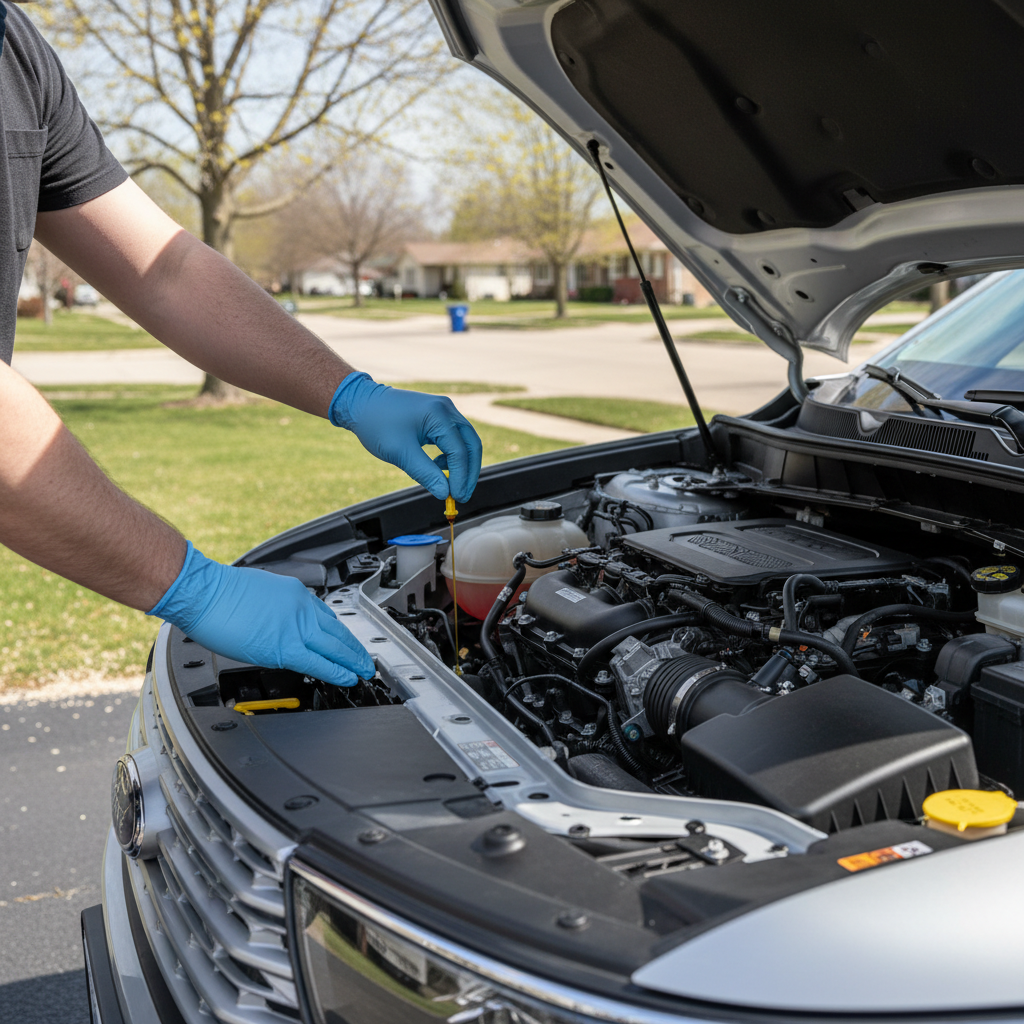
One of the first critical tasks is a comprehensive inspection of your vehicle’s fluid levels and quality. Winter roads often bring salt and grime that can accelerate corrosion and wear. Replacing engine oil and oil filters helps maintain engine health, while checking coolant levels and ensuring the antifreeze mixture is appropriate protects the engine from overheating as temperatures rise. Brake fluid inspection is equally important since moisture accumulation during colder months can degrade brake performance. For drivers in areas like Smith Township or Center Township, where road conditions vary, keeping fluids fresh and topped off supports dependable, smooth operation.
Tire care is another essential aspect of spring preparedness. After months of colder weather, tires may have suffered from uneven wear or reduced pressure. Inspecting tire tread depth and sidewalls for signs of cracking or damage can prevent blowouts or traction loss during spring rains. Rotating tires and checking alignment improve tire lifespan and fuel efficiency. For those frequently driving through Independence Township’s suburban and rural mix, well-maintained tires provide the necessary grip for both wet and dry roads. Additionally, consider swapping winter tires for all-season or summer tires to optimize handling and braking performance in warmer conditions.
Battery health should not be overlooked as spring arrives. Cold temperatures strain battery performance, and the gradual temperature increase may reveal weakened charging capacity. Testing the battery’s voltage and cleaning terminals can prevent sudden failures. Vehicles that have been sitting idle in rural areas like Raccoon Township might especially benefit from a battery check to avoid inconvenient breakdowns.
Inspecting the braking system is vital for your family’s safety. Pads, rotors, and calipers endure heavy use during winter, often absorbing moisture and debris. A professional brake inspection ensures that components are within manufacturer specifications and functioning properly. For East Liverpool residents commuting through mixed terrain, reliable brakes are non-negotiable.
Lastly, examine exterior elements such as windshield wipers, lights, and air filters. Wiper blades tend to degrade over winter due to ice and salt exposure, which can significantly impair visibility during spring showers. Replacing them with high-quality wipers designed for rain enhances safety. Checking all exterior lights and replacing any burnt-out bulbs ensures proper signaling and visibility during unpredictable weather. Cabin and engine air filters that have collected dust and allergens over winter should be replaced to maintain air quality and engine efficiency.
For tailored spring maintenance or assistance with specific needs, trust the certified technicians at Tri State Ford. Whether servicing vehicles in East Liverpool or nearby areas, our team offers reliable, honest care with genuine Ford parts to keep your vehicle running smoothly. Schedule your service or inquire about maintenance recommendations by calling us directly at (330) 462-7578. You can also find us easily by following directions to our dealership at 1503 Pennsylvania Ave, East Liverpool, OH.
Takingyour vehicle through seasonal changes ensures peace of mind and dependable performance for your daily drives and family outings.
Table of Contents
- Replacing Wiper Blades: How Often and Why It Matters in 2026
- Choosing the Right Windshield Wiper Blades for Spring Rain: Key Specifications
- Silicone vs. Natural Rubber Wiper Blades: What East Liverpool Drivers Should Know
- Advantages of Beam-Style Wiper Blades and Maintenance Tips
Replacing Wiper Blades: How Often and Why It Matters in 2026
Regular replacement of windshield wiper blades is a crucial part of maintaining your vehicle, especially in regions like East Liverpool where spring rain can affect visibility. According to 2026 maintenance standards, most wiper blades require replacement roughly every six to twelve months. This timeframe ensures optimal performance by preventing streaking, smearing, and squeaking that can compromise driver safety.
Environmental factors such as exposure to UV rays, ozone, and temperature fluctuations can accelerate the wear on wiper blades. Left unchecked, worn blades may not clear your windshield effectively, increasing the risk of accidents during sudden spring showers or heavy rains. For drivers in suburban areas like Center Township and Independence Township, maintaining clear visibility is essential for safe commuting on often unpredictable roadways.
It’s important to inspect your wiper blades regularly, looking for signs like cracked rubber, uneven wear, or persistent streaks. If you notice any of these issues, it’s time to replace the blades immediately. Additionally, using high-quality OEM wiper blades designed specifically for your Ford vehicle helps guarantee durability and performance. Beam-style silicone blades, for instance, tend to last longer and provide a smoother wipe than standard rubber blades.
At Tri State Ford, our certified technicians can inspect and replace your wiper blades with genuine parts, ensuring your vehicle is ready to handle spring weather conditions safely. Whether you drive a Ford F-150 or an SUV, maintaining your wiper blades supports overall vehicle reliability and protects your family on the road.
For trucks that see frequent use in variable weather, like those in our Truck Inventory, timely wiper maintenance is part of keeping your vehicle dependable season after season.
Choosing the Right Windshield Wiper Blades for Spring Rain: Key Specifications
Selecting the proper windshield wiper blades for spring conditions is crucial to maintaining clear visibility during frequent rain showers common in regions like East Liverpool and nearby Center Township. When evaluating wiper blades, several technical specifications demand attention to ensure reliable performance and lasting durability.
First, consider the wiper blade type. Beam-style blades offer a continuous, flexible frame that adapts closely to the windshield’s curvature, providing even pressure and uniform water removal. This design reduces streaking and wind lift, which is particularly beneficial in the often gusty spring weather around Independence Township. In contrast, traditional frame or branch-style blades have multiple pressure points that can cause uneven contact and reduced efficiency.
Material composition is another critical factor. Silicone blades are favored for their longevity and resistance to UV rays, ozone, and temperature fluctuations, making them ideal for spring’s unpredictable climate. They also deposit a water-repellent coating on the glass, enhancing visibility. Natural rubber blades, while typically less expensive, wear faster and can degrade when exposed to harsh sunlight and heat, which can be a concern for vehicles parked outdoors in Smith Township or nearby areas.
Pay attention to blade length and fitment as well. Using the manufacturer-recommended size ensures full windshield coverage without overextension or gaps. Proper mounting compatibility with your vehicle’s wiper arm type—most commonly J-hook, pinch tab, or bayonet—simplifies installation and guarantees secure attachment.
Finally, coatings such as Teflon or graphite on the blade surface can reduce friction, resulting in quieter operation and extending blade life. These features make a noticeable difference for drivers frequently navigating spring showers and wet roadways.
Choosing wiper blades with these specifications in mind supports safer driving, reduces maintenance frequency, and enhances the overall reliability of your vehicle’s weather response systems.
Silicone vs. Natural Rubber Wiper Blades: What East Liverpool Drivers Should Know
When it comes to maintaining clear visibility during the rainy spring months, understanding the differences between silicone and natural rubber wiper blades is essential for East Liverpool drivers. Both types serve the same purpose—clearing rain, dirt, and debris—but their materials affect durability, performance, and maintenance needs.
Natural rubber blades have long been the standard due to their effective water removal and affordability. However, they tend to degrade faster because exposure to sunlight, ozone, and temperature fluctuations causes the rubber to crack and harden over time. This deterioration leads to streaking and reduced wiping efficiency, making timely replacement critical to maintain safety.
Silicone wiper blades, conversely, offer enhanced longevity and resistance to environmental damage. Their material composition allows them to remain flexible and effective in extreme temperatures, UV exposure, and harsh weather conditions typical of East Liverpool’s spring climate. A key advantage of silicone blades is their ability to deposit a thin, water-repellent coating on the windshield during use, improving water beading and visibility between wipes.
From a maintenance perspective, silicone blades generally require less frequent replacement—often lasting up to twice as long as natural rubber counterparts. However, they usually come with a higher upfront cost. For vehicles driven frequently in wet conditions or rural areas near Smith Township where weather changes rapidly, investing in silicone wipers can reduce the hassle of premature blade wear and improve driving safety.
Ultimately, choosing between silicone and rubber depends on your vehicle’s usage patterns and local weather. Regular inspection for streaks, chatter, or noise will indicate when replacement is necessary, regardless of blade type. Proper maintenance, including cleaning blades and windshield regularly, extends their lifespan and ensures clear vision during East Liverpool’s spring showers.
Advantages of Beam-Style Wiper Blades and Maintenance Tips
Beam-style wiper blades provide several key benefits that make them a smart choice for seasonal maintenance, especially in areas like East Liverpool where spring rains can be heavy and persistent. Unlike traditional frame wipers, beam blades feature a one-piece, curved design that maintains consistent pressure along the entire length of the blade. This ensures a smoother, more thorough wipe, reducing streaks and improving visibility during wet weather.
The aerodynamic shape of beam blades also minimizes wind lift and noise, which is particularly helpful when driving on highways or through gusty conditions common in spring months. Their flexible design adapts to the windshield’s contours better than conventional wipers, ensuring reliable contact even on modern curved glass surfaces found in many Ford vehicles.
For maintenance, beam blades require less frequent adjustment or replacement because their design resists ice and debris buildup. However, routine care remains essential. Regularly cleaning the blades and windshield with a non-abrasive cloth removes dirt and grime that can cause premature wear. Inspect blades monthly for signs of cracking, splitting, or uneven wear, especially after winter exposure. Replacing beam-style wipers before they show significant wear helps maintain optimal performance and safety.
East Liverpool drivers who want expert advice or professional wiper blade replacement can get directions to Tri State Ford or call us at (330) 462-7578 to schedule a service appointment. Proper maintenance of beam-style wipers not only enhances safety but also extends the lifespan of your vehicle’s weather protection system.
Connect with us


- Buying Guides, Financing & Insurance, New Vehicle Reviews, Model Comparisons, Sales & Promotions
- Compare Cars
- East Liverpool, OH Ford Dealer
- East Liverpool, OH Used Cars
- Financing & Insurance, Leasing Benefits, Model Comparisons, Technology & Innovation, Buying Guides
- Leasing & Financing Options, Buying Guides, New Vehicle Reviews, Model Comparisons, Technology & Innovation
- Maintenance & Service, Brake System Care, OEM Parts & Replacement, Vehicle Safety & Inspections, Expert Technician Services
- Maintenance & Service, Brake System Care, Vehicle Safety & Inspections, Parts & Repairs, Expert Tips & Advice
- Maintenance & Service, Brake Systems & Repair, Vehicle Parts & Accessories, Towing & Load Management, Seasonal Driving Tips
- Maintenance & Service, Essential Vehicle Care, Preventive Maintenance Tips, Vehicle Longevity Strategies, Truck Maintenance Essentials
- Maintenance & Service, Safety Features, Recalls & Repairs, Parts & Accessories, Vehicle Ownership Care
- Maintenance & Service, Seasonal Driving Tips, Vehicle Care & Ownership, Parts & Accessories, Safety Features
- Maintenance & Service, Seasonal Driving Tips, Vehicle Care & Ownership, Safety Features, Professional Repair & Service Techniques
- Maintenance & Service, Seasonal Driving Tips, Vehicle Care & Protection, Brake Maintenance, Tire Care & Safety
- Maintenance & Service, Vehicle Ownership Care, Parts & Accessories, Repair & Diagnostics, Certified Technician Insights
- Model Comparisons, New Vehicle Reviews, Safety Features, Technology & Innovation, Seasonal Driving Tips
- Model Comparisons, Towing & Hauling Guides, Maintenance & Service, Technology & Innovation, New Vehicle Reviews
- New Vehicle Promotions, Buying Guides, Financing & Insurance, New Vehicle Reviews, Inventory Highlights
- New Vehicle Reviews, Buying Guides, Financing & Insurance, Model Comparisons, Automotive News
- New Vehicle Reviews, Buying Guides, Model Comparisons, Financing & Insurance, Inventory & Sales
- New Vehicle Reviews, Buying Guides, Technology & Innovation, Safety Features, Seasonal Driving Tips
- New Vehicle Reviews, Model Comparisons, Safety Features, Technology & Innovation, Buying Guides
- New Vehicle Reviews, Model Comparisons, Technology & Innovation, Safety Features, Buying Guides
- New Vehicle Reviews, Off-Road Capabilities, Outdoor Adventure Vehicles, Technology & Innovation, Local Driving Destinations
- Tips
- Trucks
- Uncategorized