Navigating Auto Insurance Levels When Buying Your Next Vehicle
Choosing the right insurance level is just as important as picking the right trim when you are shopping for a new vehicle. Before you drive off our lot, you need a policy that balances legal requirements with the protection your family needs for daily life. In Ohio, the law requires a baseline of liability insurance, but many buyers find that the state minimum is only the starting point for a secure financial plan.
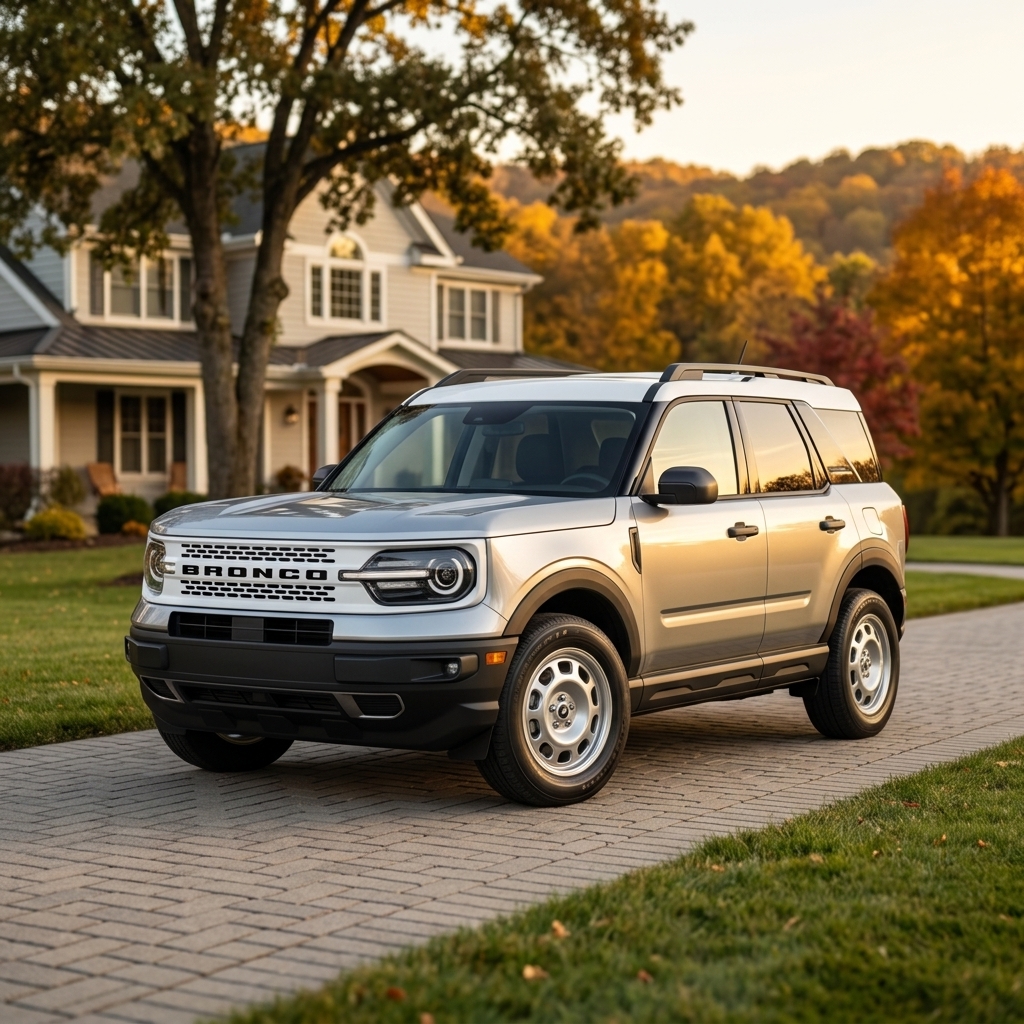
When you are ready to upgrade your ride, our team can help you browse our current new vehicle inventory to find a model that fits your lifestyle. For families living in the suburban neighborhoods around Calcutta, where the gently rolling hills and residential streets require a reliable daily driver, having the right coverage ensures that a minor mishap does not turn into a major hurdle. Whether you are interested in a spacious SUV or want to view our latest work trucks, understanding your insurance options is a key step in the purchase process.
We strive to make the buying experience transparent and straightforward. You can start the process from home by submitting a secure credit application or exploring our current new vehicle specials. If you have a specific configuration in mind, we also offer a new vehicle custom order service to get the exact features you want. For those looking for value, checking our used vehicle specials or manufacturer vehicle offers can help you stay within your budget. If you have questions about how a specific model affects your rates, give our team a quick call or visit our showroom at 1503 Pennsylvania Ave.
Table of Contents
- Comparing State Minimum Liability and Full Coverage Protection
- Tailoring Individual Coverage Levels Across a Multi-Vehicle Policy
- Why Auto Lenders and 2026 Leases Mandate Physical Damage Coverage
- How Vehicle Selection and Deductibles Impact Your Premium Costs
- Common Insurance and Financing Questions Answered
- Find Your Next Vehicle at Tri State Ford
Comparing State Minimum Liability and Full Coverage Protection
Ohio state law establishes a baseline for protection that every driver must meet before hitting the road. The current minimum requirements, often referred to as 25/50/25, include $25,000 for bodily injury per person, $50,000 for bodily injury per accident, and $25,000 for property damage. While this meets the legal standard, it only pays for the other driver’s expenses if you are at fault. It does not provide any funds to repair your own vehicle, which is a major risk if you are driving a newer model through the historic downtown or along the riverfront bluffs of East Liverpool.
Full coverage is a broader term that typically combines the state-required liability with collision coverage and comprehensive coverage. Collision coverage pays to repair or replace your car if you are in an accident with another vehicle or an object, regardless of who caused the crash. Comprehensive coverage protects you against non-collision events, such as theft, fire, vandalism, or damage from heavy storms and falling branches. For many residents in our working-class neighborhoods, the peace of mind that comes with knowing your investment is protected is worth the higher premium.
If you are considering a pre-owned vehicle to keep your total costs down, you can shop our Carfax 1-owner vehicles to find a well-maintained car with a clear history. We also make it easy to transition into a new car by allowing you to receive an instant cash offer for your current trade-in. To keep your life moving, we even offer valet pick up and delivery for your vehicle needs, ensuring you spend less time in a waiting room and more time on the road.
Tailoring Individual Coverage Levels Across a Multi-Vehicle Policy
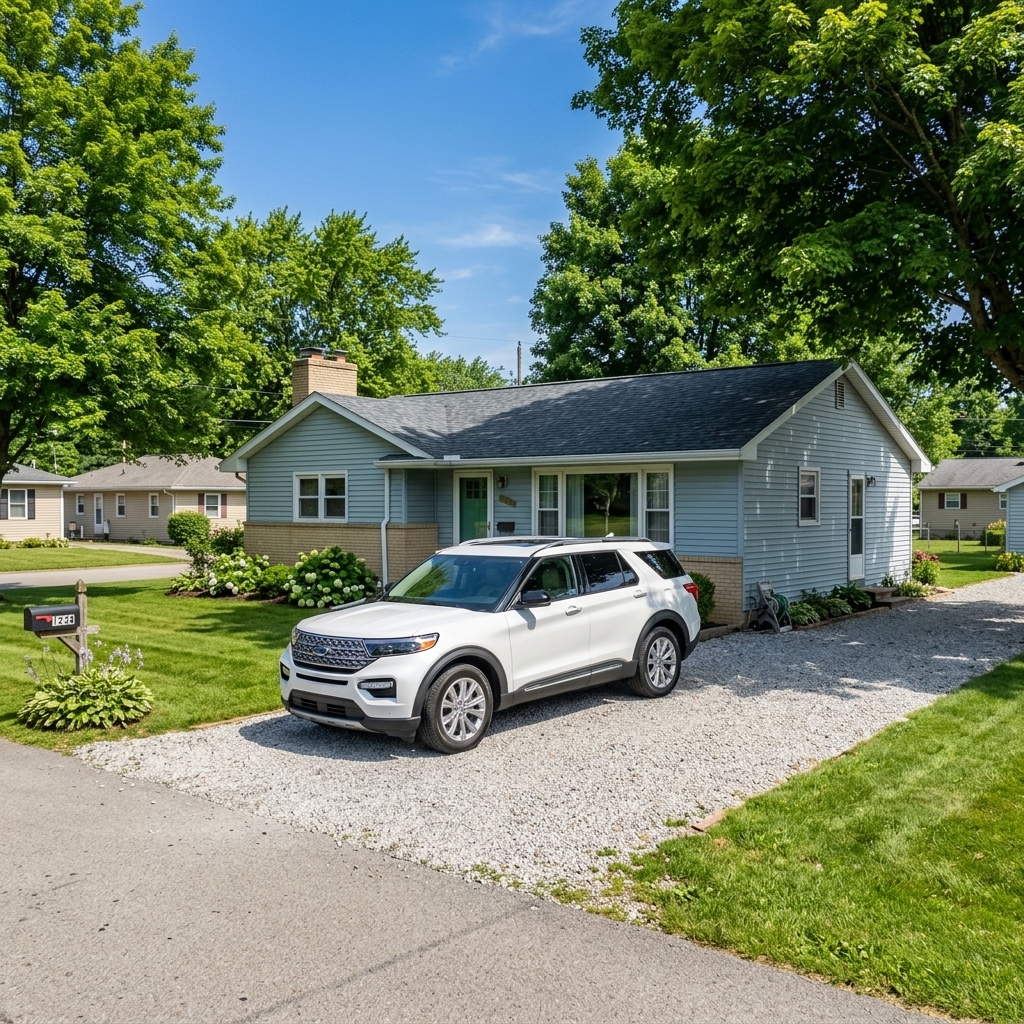
Does every vehicle in your driveway need the exact same level of protection? Most insurance carriers allow you to customize coverage types and limits for each individual vehicle on a single policy. This flexibility is perfect for households that have a mix of brand-new vehicles and older “beaters” used for quick errands. For example, you might choose full coverage for a primary family SUV while opting for liability-only on an older truck that is already paid off and has a lower market value.
Insuring multiple vehicles with the same company often triggers multi-car discounts, which can lower your premiums by 10% to 25% on average. Some carriers even report savings of up to 35% when multiple cars carry full coverage on one policy. This is a practical way to manage costs while ensuring the vehicles you rely on most have the highest level of protection. If you are managing a small business or a busy household, you might browse our used work truck inventory to find a durable addition to your fleet.
When you are ready to trade up, we recommend you value your trade-in online to see how much equity you can put toward your next purchase. For those needing specialized capability, our Transit work van selection offers the space and versatility required for professional use. By aligning your insurance levels with the actual value and use of each vehicle, you can keep your monthly budget stable without sacrificing essential safety.
Why Auto Lenders and 2026 Leases Mandate Physical Damage Coverage
Auto lenders have a specific financial interest in the vehicle you drive, which is why they set strict requirements for your policy. When you finance a vehicle, the bank technically owns a portion of that asset until the loan is satisfied. To protect that investment, almost all lenders require you to carry both collision coverage and comprehensive coverage with specific maximum deductibles. This ensures that if the vehicle is totaled in an accident, the insurance payout will cover the remaining balance of the loan.
For those looking at a 2026 lease, the requirements can be even more specific. Leasing companies often mandate higher liability limits, such as 100/300/100, to provide a larger safety net. When I walk families through the final paperwork for a lease, they often ask why the bank requires specific high levels of coverage even if they have a perfect driving record. The answer is simple: the lessor wants to ensure the vehicle can be fully repaired with genuine parts or paid off entirely if it is stolen.
Another essential level of protection for financed vehicles is gap insurance. This optional coverage pays the difference between what you owe on your loan and the vehicle’s actual cash value if it is declared a total loss. Because new vehicles depreciate the moment they leave the lot, a standard insurance check might not be enough to pay off your entire loan. Our finance department can help you understand how these requirements fit into your monthly payment. If you are in the market for a pickup, you can explore our new truck inventory or check our F-Series work inventory to find a truck built for the long haul.
How Vehicle Selection and Deductibles Impact Your Premium Costs
The specific make and model you choose significantly influences the quotes you receive from insurance carriers. Insurance companies look at a variety of data points, including safety ratings, theft rates, and the cost of parts and labor for repairs. A vehicle with high safety scores from the NHTSA may earn a lower premium because it is better at protecting its occupants. Conversely, a vehicle with advanced technology like specialized sensors and cameras in the bumpers may cost more to insure because those components are expensive to replace after a minor fender bender.
Adjusting your deductible is one of the most direct ways to manage your monthly premium. A deductible is the amount you pay out of pocket before your insurance coverage kicks in. By choosing a higher deductible, such as $1,000 instead of $500, you are taking on more of the initial financial risk, which usually results in a lower monthly bill. This is a practical strategy for experienced drivers with a solid emergency fund who want to keep their recurring costs as low as possible.
If your work requires a heavy-duty vehicle, you can check our new work trucks to find a Super Duty that matches your towing needs. We also have a wide truck inventory available for personal use. To keep your vehicle performing at its best and potentially avoid claims related to poor traction, you can find the right tires for your model using our online tool. Choosing a vehicle known for durability and safety is a smart way to set yourself up for lower insurance costs over the life of your loan.
Common Insurance and Financing Questions Answered
Q: Does the color of my car affect my insurance rates?
No, the color of your vehicle is not a factor used by insurance companies to determine your premium. Carriers focus on the make, model, engine size, and safety features of the car, along with your personal driving history and credit-based insurance score. Whether you choose a bright red or a subtle silver, your rate will remain the same for that specific model.
Q: What is a 100/300/100 policy, and do I need it?
A 100/300/100 policy provides $100,000 of bodily injury coverage per person, $300,000 per accident, and $100,000 for property damage. While this is significantly higher than the Ohio state minimum, it is often recommended for drivers with significant assets to protect or those who are leasing a new vehicle. In Ohio, this level of coverage typically costs between $1,100 and $1,400 annually depending on your driving record.
Q: Can I get a discount for taking a defensive driving course?
Yes, many insurance companies offer discounts for drivers who successfully complete an approved defensive driving or safety course. These discounts can sometimes be as high as 40% for practicing safe habits and staying below the speed limit. It is a great way for both teen drivers and seniors to lower their monthly premiums while improving their skills on the road.
Q: Does insurance pay for original manufacturer (OEM) parts during a repair?
This depends on your specific policy. Some standard policies may only cover the cost of “like kind and quality” parts, which can include aftermarket or used components. If you want to ensure your vehicle is repaired with genuine parts, you may need to add an OEM parts endorsement to your policy. This is often a concern for owners of newer vehicles who want to maintain the original factory specifications.
Q: What happens if I have a breakdown or a flat tire?
If you are driving a Ford, you often have access to manufacturer-backed support. Ford Roadside Assistance provides expert help for flat tires, dead batteries, and towing to the nearest authorized service center. You can reach Ford Roadside Assistance: 1-800-241-3673 for 24/7 support. This service is often included with your new vehicle warranty, providing an extra layer of protection beyond your standard insurance policy.
Find Your Next Vehicle at Tri State Ford
Our team is dedicated to helping you find a vehicle that fits your family’s needs and your budget. Whether you are looking for a rugged truck for weekend adventures or a fuel-efficient sedan for your daily commute, we have a wide selection of vehicles ready for a test drive. We understand that the financing and insurance process can feel overwhelming, which is why we offer transparent advice and a jargon-free approach to every deal.
Before you make your final decision, we invite you to view our monthly service specials to see how we can help you maintain your vehicle’s value over time. If you are ready to see our lineup in person, get directions to our showroom and speak with one of our friendly sales consultants. You can also give us a quick call to check availability or ask questions about our current offers. We look forward to welcoming you into our customer family and helping you drive home with confidence.
Keep Your Vehicle Running Strong
Keep your vehicle performing at its best with our service team:
Connect with us


- Automotive News, New Vehicle Reviews, Buying Guides, Financing & Insurance, Seasonal Driving Tips
- Buying Guides, Financing & Insurance, New Vehicle Reviews, Model Comparisons, Sales & Promotions
- Buying Guides, Financing & Insurance, New Vehicle Reviews, Model Comparisons, Technology & Innovation
- Buying Guides, Financing & Insurance, Vehicle Inventory & Offers, Dealership Visit Preparation, Trade-In & Valuation
- Commercial Leasing Options, Business Fleet Solutions, Financing & Leasing Programs, Commercial Vehicle Inventory, Business Vehicle Acquisition
- Commercial Truck Sales, Fleet Purchasing Guides, Financing & Lease Options, Work Truck Customization, New Vehicle Inventory
- Commercial Truck Sales, Fleet Vehicle Financing, Custom Work Truck Upfits, Commercial Vehicle Buying Guides, Used Commercial Truck Inventory
- Commercial Vehicle Sales, Financing & Leasing, Small Business Vehicle Incentives, Fleet Purchasing Guides, Tax Benefits for Vehicle Buyers
- Commercial Vehicle Sales, Fleet Leasing & Management, Commercial Financing & Tax Incentives, Upfitting & Customization Solutions, Trade & Lease Programs
- Commercial Vehicle Sales, Fleet Purchasing & Management, Financing & Leasing for Businesses, New & Used Work Truck Inventory, Commercial Truck Ordering Process
- Community Engagement & Events, New Vehicle Promotions, Financing & Trade-In Options, Maintenance & Service, Used Vehicle Offers
- Community Events & Customer Appreciation, New Vehicle Reviews, Financing & Trade-In Guides, Maintenance & Service Specials, Commercial & Work Truck Solutions
- Community Events & Dealership News, New Vehicle Promotions & Incentives, Maintenance & Service Specials, Financing & Trade-In Guidance, Family-Friendly Dealership Experiences
- Community Events & Dealership News, New Vehicle Reviews, Financing & Insurance, Maintenance & Service, Work Trucks & Commercial Vehicles
- Community Events, New Vehicle Buying Guides, Financing & Insurance, Maintenance & Service, Local Dealership News
- Compare Cars
- Dealership Events & Promotions, Financing & Trade-In Options, Maintenance & Service Specials, Community Involvement & Charity, New & Used Vehicle Buying Guides
- East Liverpool, OH Ford Dealer
- East Liverpool, OH Used Cars
- Financing & Insurance, Buying Guides, Commercial Vehicle Solutions, Fleet Management, Inventory and Availability
- Financing & Insurance, Buying Guides, New Vehicle Reviews, Used Vehicle Guides, Automotive Sales & Inventory
- Financing & Insurance, Buying Guides, New Vehicle Reviews, Used Vehicle Guides, Automotive Sales Strategies
- Financing & Insurance, Buying Guides, New Vehicle Reviews, Used Vehicle Guides, Model Comparisons
- Financing & Insurance, Buying Guides, Used Vehicle Guides, Trade-In Tips, New Vehicle Sales
- Financing & Insurance, Buying Guides, Vehicle Inventory & Offers, Trade-In & Appraisal, Dealership Services
- Financing & Insurance, Buying Guides, Vehicle Trade-In Tips, Dealership Sales Process, New Vehicle Promotions
- Financing & Insurance, Leasing Benefits, Model Comparisons, Technology & Innovation, Buying Guides
- Leasing & Financing Options, Buying Guides, Model Comparisons, Negotiation Tips, Inventory & Specials
- Leasing & Financing Options, Buying Guides, New Vehicle Reviews, Model Comparisons, Technology & Innovation
- Leasing & Financing Options, New Vehicle Leasing Guides, Buying Guides, Inventory Spotlight, Trade
- Leasing & Lease Deals, Financing & Insurance, New Vehicle Sales, Commercial Vehicle Leasing, Vehicle Trade-In & Purchase Options
- Leasing Options, Financing & Insurance, New Vehicle Reviews, Buying Guides, Technology & Innovation
- Leasing Options, Financing & Insurance, New Vehicle Sales, Buying Guides, Vehicle Inventory
- Maintenance & Service, Air Conditioning Repair, Genuine Parts & Accessories, Dealer-Authorized Service, Vehicle Ownership Care
- Maintenance & Service, Automotive Air Conditioning Repair, Vehicle Cooling System Care, Diagnostic & Leak Detection, Seasonal Vehicle Maintenance
- Maintenance & Service, Automotive Detailing & Cleaning, Seasonal Vehicle Care, Vehicle Protection & Preservation, Service Center Expertise
- Maintenance & Service, Automotive Detailing & Paint Care, Vehicle Exterior Protection, Paint Repair & Restoration, Parts & Accessories Installation
- Maintenance & Service, Automotive Detailing & Protection, Corrosion & Rust Prevention, Paint & Exterior Care, Professional Vehicle Care
- Maintenance & Service, Automotive Detailing, Paint Protection & Care, Seasonal Vehicle Care, Professional Vehicle Servicing
- Maintenance & Service, Automotive Detailing, Vehicle Care & Protection, Off-Road Vehicle Maintenance, Parts & Repairs
- Maintenance & Service, Automotive Electrical Systems, Battery Care & Replacement, Diagnostics & Repairs, Electric Vehicle Maintenance
- Maintenance & Service, Automotive Electrical Systems, Battery Care & Replacement, Vehicle Lighting & Electrical Issues, Roadside Assistance & Emergency Services
- Maintenance & Service, Automotive Fluids & Lubricants, Vehicle Care & Ownership, Dealership Service & Repairs, Preventive Maintenance
- Maintenance & Service, Automotive Glass Repair, Safety Features, Technology & Innovation, Mobile & Convenient Service
- Maintenance & Service, Automotive Lighting & Electrical, Vehicle Safety & Visibility, DIY Vehicle Care, Parts & Accessories
- Maintenance & Service, Automotive Parts & Accessories, Seasonal Vehicle Care, Vehicle Safety & Visibility, Professional Auto Service
- Maintenance & Service, Automotive Parts & Accessories, Vehicle Air Quality & HVAC Care, Preventive Vehicle Maintenance, Service Tips & FAQs
- Maintenance & Service, Automotive Parts & Accessories, Vehicle Ownership Care, Engine Care & Protection, Warranty & Service Contracts
- Maintenance & Service, Automotive Parts & Accessories, Vehicle Safety & Repair, Warranty & Coverage, Service Specials & Offers
- Maintenance & Service, Automotive Parts & Components, Vehicle Safety & Repair, Warranty & Service Coverage, Preventative Vehicle Care
- Maintenance & Service, Automotive Parts & Repairs, Vehicle Warranty & Protection, Service Center Tips, Cost-Effective Vehicle Care
- Maintenance & Service, Automotive Repair, Mobile & Remote Vehicle Service, Warranty & Roadside Assistance, OEM Parts & Service Specials
- Maintenance & Service, Automotive Repair, Parts & Accessories, Vehicle Ownership Care, Technology & Innovation in Service
- Maintenance & Service, Automotive Technology & Diagnostics, Vehicle Electronics & Sensors, Seasonal Vehicle Care, Parts & Repairs
- Maintenance & Service, Automotive Technology & Software Updates, Warranty & Recall Service, Mobile Vehicle Repair & Convenience, Customer Service & Transparency
- Maintenance & Service, Battery Care & Diagnostics, Electric Vehicle (EV) Maintenance, Seasonal Vehicle Care, Automotive Electrical Systems
- Maintenance & Service, Battery Care & Replacement, Vehicle Electrical Systems, Seasonal Vehicle Maintenance, Professional Automotive Repairs
- Maintenance & Service, Brake System Care, OEM Parts & Replacement, Vehicle Safety & Inspections, Expert Technician Services
- Maintenance & Service, Brake System Care, Vehicle Safety & Inspection, Automotive Repair Tips, Service Financing & Convenience
- Maintenance & Service, Brake System Care, Vehicle Safety & Inspection, Parts Quality & Replacement, Heavy Duty Vehicle Maintenance
- Maintenance & Service, Brake System Care, Vehicle Safety & Inspections, Parts & Components, Professional Automotive Services
- Maintenance & Service, Brake System Care, Vehicle Safety & Inspections, Parts & Repairs, Expert Tips & Advice
- Maintenance & Service, Brake Systems & Repair, Vehicle Parts & Accessories, Towing & Load Management, Seasonal Driving Tips
- Maintenance & Service, Certified Technician Insights, Warranty & Service Coverage, Genuine OEM Parts, Service Center Selection Guidance
- Maintenance & Service, Cooling System Repairs, Vehicle Ownership Care, Diagnostic & Troubleshooting, Automotive Parts & Components
- Maintenance & Service, Diagnostic Services, Vehicle Health & Diagnostics, Service Tips & Advice, Check Engine Light Solutions
- Maintenance & Service, Engine Care & Performance, Parts & Accessories, Genuine vs. After
- Maintenance & Service, Essential Vehicle Care, Preventive Maintenance Tips, Vehicle Longevity Strategies, Truck Maintenance Essentials
- Maintenance & Service, Expert Repairs & Diagnostics, Genuine Parts & Accessories, Engine Care & Performance, Vehicle Ownership & Care
- Maintenance & Service, Mobile Vehicle Services, Vehicle Care & Ownership, Genuine Parts & Repairs, Seasonal Maintenance Tips
- Maintenance & Service, Parts & Accessories, Engine Care & Repair, Vehicle Longevity Tips, OEM Parts Benefits
- Maintenance & Service, Parts & Accessories, Vehicle HVAC Care, Seasonal Vehicle Maintenance, DIY Vehicle Maintenance
- Maintenance & Service, Parts & Replacements, Vehicle Care Tips, Seasonal Maintenance, DIY Vehicle Maintenance
- Maintenance & Service, Recall Information, Safety & Reliability, Vehicle Ownership Care, Parts & Repairs
- Maintenance & Service, Recall Updates & Safety Notices, Genuine Parts & Accessories, Truck Care & Maintenance Tips
- Maintenance & Service, Repair & Diagnostics, OEM Parts & Accessories, Warranty & Recall Information, Vehicle Care & Ownership Tips
- Maintenance & Service, Repair & Diagnostics, Parts & Accessories, Vehicle Ownership Care, Service Plans & Extended Warranty
- Maintenance & Service, Repair & Diagnostics, Parts & Components, Preventive Care & Tips, Warranty & Recalls
- Maintenance & Service, Repair & Parts, Vehicle Ownership Care, Safety Features, Technology & Innovation
- Maintenance & Service, Repair & Parts, Vehicle Ownership Care, Transmission
- Maintenance & Service, Repair Solutions, Vehicle Ownership Care, Parts & Accessories, Diagnostic Tips
- Maintenance & Service, Repair Tips & Techniques, Vehicle Care & Ownership
- Maintenance & Service, Safety Features, Automotive Recalls & Repairs, Parts & Warranty Services, Vehicle Ownership Care
- Maintenance & Service, Safety Features, Parts & Repairs, Vehicle Ownership Care, Automotive Service Tips
- Maintenance & Service, Safety Features, Recall & Repair Updates, Parts & Repairs, Vehicle Ownership Care
- Maintenance & Service, Safety Features, Recall & Safety Campaigns, Vehicle Inspection & Repairs, Vehicle Ownership Care
- Maintenance & Service, Safety Features, Recall & Warranty Information, Vehicle Diagnostics & Repair, Certified Service & Genuine Parts
- Maintenance & Service, Safety Features, Recall Repairs & Safety Campaigns, Parts & Genuine Components, Vehicle Ownership Care
- Maintenance & Service, Safety Features, Recalls & Repairs, Parts & Accessories, Vehicle Ownership Care
- Maintenance & Service, Safety Features, Repair & Recall Updates, Parts & Components, Vehicle Ownership Care
- Maintenance & Service, Safety Features, Repair & Replacement, Vehicle Care & Inspection, Parts & Accessories
- Maintenance & Service, Safety Features, Technology & Innovation, Automotive Parts & Accessories, Seasonal Driving Tips
- Maintenance & Service, Safety Features, Technology & Innovation, Automotive Recalls, Parts & Repairs
- Maintenance & Service, Safety Features, Technology & Innovation, Automotive Recalls, Vehicle Ownership Care
- Maintenance & Service, Safety Features, Technology & Innovation, Automotive Service Tips, Recall & Repair Updates
- Maintenance & Service, Safety Features, Technology & Innovation, Parts & Repairs, Seasonal Driving Tips
- Maintenance & Service, Safety Features, Technology & Innovation, Parts & Repairs, Vehicle Ownership Care
- Maintenance & Service, Safety Features, Technology & Innovation, Recall & Warranty Information, Vehicle Care & Repairs
- Maintenance & Service, Safety Features, Technology & Innovation, Repair & Recall Information, Parts & Vehicle Care
- Maintenance & Service, Safety Features, Technology & Innovation, Seasonal Driving Tips, Parts & Repairs
- Maintenance & Service, Safety Features, Technology & Innovation, Tire Care & Replacement, Diagnostic & Repair Services
- Maintenance & Service, Safety Features, Vehicle Inspections, DIY Vehicle Care, Repair & Diagnostics
- Maintenance & Service, Safety Recalls & Repairs, Vehicle Safety & Compliance, Powertrain & Drivetrain Maintenance, Towing & Hauling Maintenance
- Maintenance & Service, Seasonal Driving Tips, Model Comparisons, Technology & Innovation, Safety Features
- Maintenance & Service, Seasonal Driving Tips, Safety Features, Technology & Innovation, Parts & Repairs
- Maintenance & Service, Seasonal Driving Tips, Vehicle Care & Ownership, Brake System Maintenance, Tire & Wheel Care
- Maintenance & Service, Seasonal Driving Tips, Vehicle Care & Ownership, Parts & Accessories, Safety Features
- Maintenance & Service, Seasonal Driving Tips, Vehicle Care & Ownership, Safety Features, Professional Repair & Service Techniques
- Maintenance & Service, Seasonal Driving Tips, Vehicle Care & Protection, Brake Maintenance, Tire Care & Safety
- Maintenance & Service, Seasonal Driving Tips, Vehicle Cooling Systems, Automotive Safety Features, Parts & Repairs
- Maintenance & Service, Service Scheduling & Convenience, Vehicle Repair & Diagnostics, Parts & Accessories, Fleet & Commercial Vehicle Service
- Maintenance & Service, Technology & Innovation, Automotive Service Transparency, Digital Vehicle Inspections, Vehicle Ownership Care
- Maintenance & Service, Technology & Innovation, Safety Features, Parts & Warranty, Vehicle Ownership Care
- Maintenance & Service, Technology & Innovation, Vehicle Diagnostics & Telematics, Fleet Management Solutions, Parts & Accessories
- Maintenance & Service, Tire Care & Repair, Roadside Assistance, Vehicle Safety & Inspections, Automotive Parts & Replacements
- Maintenance & Service, Tire Care & Repair, Wheel Alignment & Balancing, Suspension Maintenance, Vehicle Performance Optimization
- Maintenance & Service, Tire Care & Replacement, Seasonal Vehicle Care, Safety Features, Automotive Service Tips
- Maintenance & Service, Tire Care & Replacement, Vehicle Safety & Handling, Seasonal Vehicle Preparation, Drivetrain & Tire Maintenance
- Maintenance & Service, Tire Care & Replacement, Vehicle Safety & Inspection, Emergency Roadside Assistance, Automotive Parts & Accessories
- Maintenance & Service, Tire Care & Replacement, Vehicle Safety & Inspections, Seasonal Vehicle Maintenance, Automotive Parts & Accessories
- Maintenance & Service, Transmission Care & Repair, Vehicle Fluid Services, Automotive Diagnostics, Warranty & Resale Value Maintenance
- Maintenance & Service, Transmission Care, Repair & Parts, Vehicle Ownership Care, Common Vehicle Issues
- Maintenance & Service, Vehicle Care & Longevity, Scheduled Service Packages, Oil Changes & Fluid Top-offs, Tire & Brake Maintenance
- Maintenance & Service, Vehicle Care Tips, Parts & Accessories, Seasonal Vehicle Maintenance, Service Specials & Packages
- Maintenance & Service, Vehicle Detailing & Care, Parts & Accessories, Seasonal Vehicle Preparation, Service Scheduling & Convenience
- Maintenance & Service, Vehicle Detailing & Cosmetic Care, Automotive Cleaning & Protection, Service Scheduling & Preparation, Vehicle Ownership Care
- Maintenance & Service, Vehicle Detailing & Cosmetic Care, Service Scheduling & Convenience, Seasonal Vehicle Care, Vehicle Ownership Tips
- Maintenance & Service, Vehicle Detailing & Protection, Vehicle Care Tips, Seasonal Vehicle Maintenance, Dealership Service Benefits
- Maintenance & Service, Vehicle Diagnostics & Repair, Engine Performance & Troubleshooting, Fuel System Care, Preventative Maintenance Strategies
- Maintenance & Service, Vehicle Fluids & Lubrication, Engine Care & Repair, Parts & Accessories, Professional Vehicle Care
- Maintenance & Service, Vehicle Inspection & Diagnostics, Parts & Repairs, Warranty & Resale Value, Service Specials & Convenience
- Maintenance & Service, Vehicle Ownership Care, Mobile Repair Services, Genuine Parts & Certified Technicians, Electric Vehicle Maintenance
- Maintenance & Service, Vehicle Ownership Care, Parts & Accessories, Repair & Diagnostics, Certified Technician Insights
- Maintenance & Service, Vehicle Repair & Diagnostics, Parts & Accessories, DIY Vehicle Care, Safety & Reliability Tips
- Maintenance & Service, Vehicle Repair & Diagnostics, Parts & Accessories, Hybrid & Electric Vehicle Care, Seasonal Vehicle Care
- Maintenance & Service, Vehicle Repair & Diagnostics, Parts & Accessories, Seasonal Driving Tips, Battery Care & Replacement
- Maintenance & Service, Vehicle Repair & Diagnostics, Parts & Accessories, Service Lane Tips & Insights, Vehicle Ownership Care
- Maintenance & Service, Vehicle Repair & Diagnostics, Parts & Accessories, Towing & Performance Care, Mobile & Convenient Service Options
- Maintenance & Service, Vehicle Repair & Parts, Service Convenience & Customer Care, Roadside Assistance & Support, Vehicle Ownership Tips
- Maintenance & Service, Vehicle Repair Tips, Parts & Accessories, Safety Features, Technology & Innovation
- Maintenance & Service, Vehicle Service Warranties, Repair & Coverage Plans, Ownership & Vehicle Care, Automotive Service Tips
- Maintenance & Service, Vehicle Software Updates, Safety Features, Technology & Innovation, Recall & Warranty Information
- Maintenance & Service, Warranty & Recalls, Repair & Diagnostics, Parts & Accessories, Vehicle Ownership & Care
- Model Comparisons, Buying Guides, New Vehicle Reviews, Financing & Insurance, Inventory Updates
- Model Comparisons, Buying Guides, New Vehicle Reviews, Technology & Innovation, Safety Features
- Model Comparisons, Buying Guides, Technology & Innovation, Safety Features, Maintenance & Service
- Model Comparisons, New Vehicle Reviews, Safety Features, Technology & Innovation, Seasonal Driving Tips
- Model Comparisons, New Vehicle Reviews, Technology & Innovation, Buying Guides, Maintenance & Service
- Model Comparisons, New Vehicle Reviews, Technology & Innovation, Safety Features, Buying Guides
- Model Comparisons, Towing & Hauling Guides, Maintenance & Service, Technology & Innovation, New Vehicle Reviews
- New Vehicle Promotions, Buying Guides, Financing & Insurance, New Vehicle Reviews, Inventory Highlights
- New Vehicle Reviews, Buying Guides, Financing & Insurance, Model Comparisons, Automotive News
- New Vehicle Reviews, Buying Guides, Financing & Insurance, Model Comparisons, Automotive Sales Strategies
- New Vehicle Reviews, Buying Guides, Financing & Insurance, Model Comparisons, Automotive Technology & Innovation
- New Vehicle Reviews, Buying Guides, Financing & Insurance, Model Comparisons, Commercial & Work Truck Sales
- New Vehicle Reviews, Buying Guides, Financing & Insurance, Model Comparisons, Inventory Highlights
- New Vehicle Reviews, Buying Guides, Financing & Insurance, Model Comparisons, Used Vehicle Guides
- New Vehicle Reviews, Buying Guides, Financing & Insurance, Model Comparisons, Vehicle Inventory Updates
- New Vehicle Reviews, Buying Guides, Financing & Insurance, New Vehicle Specials, Trade-In & Value Estimation
- New Vehicle Reviews, Buying Guides, Financing & Insurance, Used Vehicle Guides, Model Comparisons
- New Vehicle Reviews, Buying Guides, Financing & Insurance, Vehicle Inventory & Specials, Model Comparisons
- New Vehicle Reviews, Buying Guides, Financing & Insurance, Vehicle Inventory, Model Comparisons
- New Vehicle Reviews, Buying Guides, Model Comparisons, Financing &
- New Vehicle Reviews, Buying Guides, Model Comparisons, Financing & Insurance, Inventory & Sales
- New Vehicle Reviews, Buying Guides, Model Comparisons, Maintenance & Service, Technology & Innovation
- New Vehicle Reviews, Buying Guides, Safety Features, Technology & Innovation, Model Comparisons
- New Vehicle Reviews, Buying Guides, Technology & Innovation, Safety Features, Seasonal Driving Tips
- New Vehicle Reviews, Financing & Insurance, Buying Guides, New Vehicle Specials, Model Comparisons
- New Vehicle Reviews, Financing & Insurance, Buying Guides, Technology & Innovation, Automotive Inventory Updates
- New Vehicle Reviews, Financing & Insurance, Buying Guides, Used Vehicle Guides, Model Comparisons
- New Vehicle Reviews, Model Comparisons, Buying Guides, Technology & Innovation, Safety Features
- New Vehicle Reviews, Model Comparisons, Financing & Insurance, Technology & Innovation, Safety Features
- New Vehicle Reviews, Model Comparisons, Off-Road Adventures, Technology & Innovation, Maintenance & Service
- New Vehicle Reviews, Model Comparisons, Safety Features, Technology & Innovation, Buying Guides
- New Vehicle Reviews, Model Comparisons, Technology & Innovation, Financing & Insurance, Maintenance & Service
- New Vehicle Reviews, Model Comparisons, Technology & Innovation, Safety Features, Buying Guides
- New Vehicle Reviews, Model Comparisons, Technology & Innovation, Safety Features, Maintenance & Service
- New Vehicle Reviews, Off-Road Capabilities, Outdoor Adventure Vehicles, Technology & Innovation, Local Driving Destinations
- New Vehicle Reviews, Technology & Innovation, Buying Guides, Safety Features, Model Comparisons
- New Vehicle Reviews, Technology & Innovation, Safety Features, Maintenance & Service, Buying Guides
- New Vehicle Sales, Financing & Incentives, Trade-In & Appraisal, Special Sales Events, Electric Vehicle Purchasing
- New Vehicle Sales, Financing & Incentives, Trade-In & Value Guides, Manufacturer Promotions, Commercial Vehicle Sales
- New Vehicle Sales, Financing & Insurance, Buying Guides, Manufacturer Incentives & Discounts, Trade-In & Vehicle Valuation
- New Vehicle Sales, Vehicle Delivery & Logistics, Financing & Credit Applications, Trade-In & Vehicle Valuation, Commercial Vehicle Sales
- Tips
- Trucks
- Uncategorized
- Used Vehicle Guides, Buying Guides, Financing & Insurance, Model Comparisons, Selling Your Car
- Used Vehicle Guides, Financing & Insurance, Buying Guides, Model Comparisons, Local Dealership Highlights
- Used Vehicle Guides, Financing & Insurance, Buying Guides, New Vehicle Reviews, Commercial Vehicle Sales
- Used Vehicle Guides, Financing & Insurance, Buying Guides, Pre-Owned Vehicle Sales, Vehicle Trade-In & Appraisal
- Used Vehicle Guides, Financing & Insurance, Buying Guides, Vehicle Warranty Information, Pre-Owned Vehicle Sales
- Vehicle Sales Events, Financing & Leasing, Trade-In & Trade-Up Guides, New Vehicle Inventory Highlights, Dealership Buying Experience
- Vehicle Sales Events, New Vehicle Buying Guides, Financing & Incentives, Dealership Inventory Highlights, Commercial Vehicle Sales
- Vehicle Sales Events, New Vehicle Pricing & Incentives, Financing & Lease Options, Trade-In & Appraisal Guides, Dealership Buying Experience
- Vehicle Sales Events, New Vehicle Pricing, Financing & Credit Applications, Trade-In & Loyalty Programs, Leasing vs Buying Guides
- Vehicle Sales Events, New Vehicle Purchasing, Incentives & Discounts, Financing & Pre-Approval, Trade-In & Appraisal Guidance
- Vehicle Sales Process, Financing & Credit Applications, New and Used Vehicle Inventory, Pickup and Delivery Services, Online Vehicle Purchasing
- Vehicle Sales Promotions, New Vehicle Buying Guides, Financing & Credit Applications, Dealership Inventory Highlights, Model Pricing Comparisons
- Vehicle Sales Promotions, New Vehicle Buying Guides, Financing & Incentives, Trade-In & Valuation, Dealership Sales Events
- Vehicle Sales, Online Car Buying, Financing & Incentives, Trade-In Guides, New Vehicle Delivery Services, Youngstown Dealership
- Vehicle Trade-In Advice, Financing & Insurance, Buying Guides, Used Vehicle Guides, New Vehicle Sales
- Vehicle Trade-In Tips, Financing & Insurance, Buying Guides, Dealership Sales Strategies, Inventory & Specials