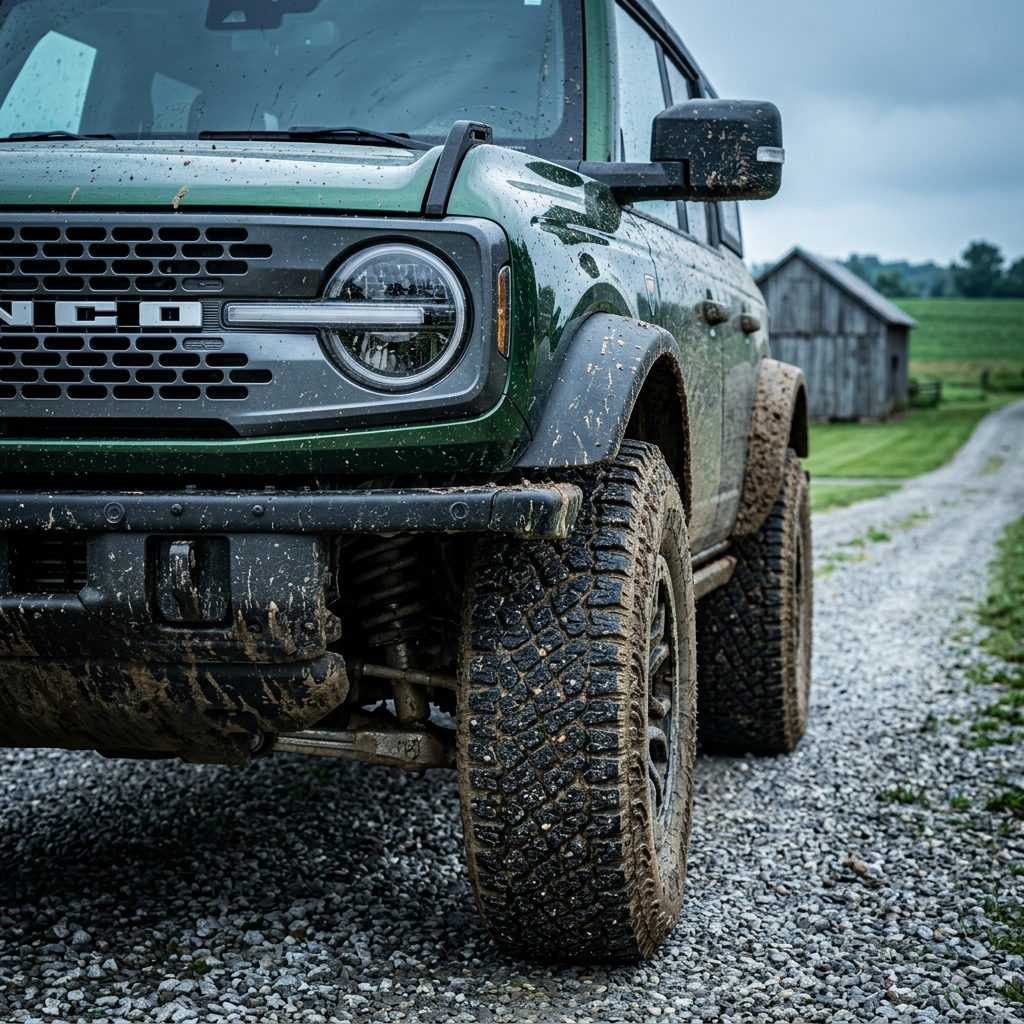
Taking your vehicle off the paved road introduces a completely different set of operating conditions than a standard daily commute. When you drive on dirt trails, rocky paths, or muddy tracks, your vehicle is subjected to constant vibrations, extreme suspension articulation, and high thermal stress. Automotive manufacturers classify these environments as severe operating conditions. This classification means that the standard maintenance intervals listed in your owner’s manual for normal highway driving no longer apply. To prevent premature wear and unexpected mechanical breakdowns, a more frequent maintenance schedule is required.
Consistent off-road travel forces vital mechanical components to work much harder. For example, a 2026 Ford Bronco equipped with a 2.3L engine and a 7-speed manual transmission experiences significantly higher operating temperatures when crawling over obstacles in low gear than it would while cruising on the highway. This prolonged thermal stress accelerates the breakdown of engine oil and other vital lubricants. Additionally, the constant physical jarring of trail driving can slowly loosen chassis hardware, compromise steering linkages, and stress rubber bushings.
To keep your rugged 4×4 operating safely, you should expect to cut your standard service intervals roughly in half. While highway-driven vehicles might only need an oil change every 7,500 to 10,000 miles, an off-road vehicle frequently requires fresh oil and a comprehensive safety check every 3,000 to 5,000 miles. Keeping up with this accelerated schedule ensures that minor issues, such as a slightly loose steering joint or a torn CV boot, are caught before they turn into expensive trailside failures. If you are preparing for your next rugged trip, you can easily schedule a service appointment online with our experienced team. For those who want to discuss their vehicle’s specific maintenance needs in person, you can easily locate our physical service center or give us a quick call to speak directly with a service advisor.
Table of Contents
- How Trail Dust and Fine Mud Degrade Your Engine and Cabin Air Filters
- Protecting Your Powertrain: Critical Fluid Changes for Off-Road Drivers
- The Essential Post-Trail Undercarriage Wash and Visual Inspection Checklist
- Professional Dealership Care vs. DIY Maintenance for Rugged 4×4 Vehicles
- Common Questions About Maintaining Your Off-Road Vehicle
- Keep Your Off-Road Vehicle Trail-Ready with Expert Ford Service
How Trail Dust and Fine Mud Degrade Your Engine and Cabin Air Filters
Dust is one of the most abrasive elements your vehicle can encounter. When you follow other vehicles on dry dirt trails, a thick cloud of fine particulate matter hangs in the air. This airborne dust is drawn directly into your vehicle’s air intake system. The engine air filter is your powertrain’s first line of defense, trapping these abrasive particles before they can enter the combustion chambers. However, off-road dust can clog the pleats of a standard filter in a fraction of the time it takes during normal highway driving.
When an engine air filter becomes heavily restricted by dust, it starves the engine of oxygen. This restriction forces the engine to work harder, directly reducing fuel efficiency and throttle response. In extreme cases, a completely choked filter can allow microscopic dust particles to bypass the sealing edges. Once inside the engine, these hard silica particles act like sand polishing the cylinder walls, piston rings, and valves, leading to severe internal engine wear. A similar process occurs within your cabin air filter, which cleans the air entering your heating and ventilation system. A clogged cabin filter restricts HVAC airflow and allows fine dust to settle over your interior surfaces, degrading air quality inside the vehicle.
Regularly inspecting and replacing these filters is a simple yet critical part of off-road maintenance. After driving through dusty environments, you should remove the filters to check their condition. If they are packed with dirt, they must be replaced rather than simply blown out with compressed air, which can tear the delicate filter media. For those who prefer to handle quick replacements at home, you can easily order genuine OEM filters directly from our parts department to ensure a perfect, airtight fit. Keeping these filters fresh is especially important for hard-working utility vehicles like highly capable transit work vans that frequently visit dusty construction sites or remote rural projects.
Protecting Your Powertrain: Critical Fluid Changes for Off-Road Drivers
Your vehicle’s engine oil is not the only fluid that suffers under the strain of off-road driving. The entire drivetrain—including the front and rear differentials, the transfer case, and the transmission—is subjected to extreme heat and high torque loads. When climbing steep inclines or navigating deep mud, these components generate immense friction. This heat degrades the chemical additives in gear oils and transmission fluids, reducing their ability to lubricate and protect moving parts.
Water contamination is another major threat to your drivetrain’s health. When you drive through deep puddles or cross shallow streams, your hot differentials and transfer case are suddenly submerged in cold water. This rapid cooling creates a vacuum inside the component housings, which can draw water in through the vent breathers or worn seals. If water mixes with your gear oil, it creates a milky, cloudy emulsion that cannot properly lubricate bearings and gears. Left unchecked, contaminated fluid will cause rapid gear wear, bearing whine, and eventual component failure.
To protect your powertrain, you should inspect your differential and transfer case fluids after any deep water crossings. If the fluid looks milky, it must be drained and filled with fresh lubricant immediately. Even without water exposure, changing these gear oils every 15,000 to 30,000 miles is highly recommended for vehicles that see regular trail action. If you are driving a heavy-duty truck, such as a model from our rugged F-Series work truck lineup, maintaining fresh driveline fluids is essential to preserve its maximum towing and payload capacities. Additionally, off-road driving puts unique stress on your tires; you can use our online tool to find and order specialized all-terrain tires designed to handle the rocky terrain of the tri-state area.
The Essential Post-Trail Undercarriage Wash and Visual Inspection Checklist
One of the most important maintenance tasks you can perform after a weekend on the trail is a thorough undercarriage wash. Packed mud, clay, and road grime do more than just look dirty; they trap moisture directly against your vehicle’s steel frame, skid plates, and suspension components. In our local cold-winter climate, this trapped moisture accelerates rust and structural corrosion, especially when mixed with winter road salt. Furthermore, dried mud can hide physical damage, clog mechanical linkages, and unbalance rotating parts like driveshafts.
Once the undercarriage is completely clean, you can perform a reliable visual inspection. Getting underneath the vehicle with a flashlight allows you to spot issues before they cause a breakdown on your next trip. Use this structured post-trail checklist to verify the integrity of your vehicle’s underside:
- Skid Plates and Frame: Inspect all protective plates for deep dents, cracks, or loose mounting bolts. Check the main frame rails for any signs of structural bending or impact.
- Suspension and Shocks: Examine your shock absorbers for wetness, which indicates a blown seal and leaking hydraulic fluid. Inspect the coil springs and suspension arms for cracks or deep gouges.
- Steering Linkages: Check the tie rods, drag links, and ball joints for physical bends. Wiggle the linkages to ensure there is no excessive play or loose hardware.
- Rubber Boots and Hoses: Inspect the rubber CV boots, steering rack boots, and brake lines. A torn boot will let dirt in and grease out, leading to rapid joint failure.
- Tires and Wheels: Check the inner tire sidewalls for cuts, bulges, or embedded rocks. Inspect the wheels for bends or cracks along the rim flanges.
If you use your vehicle for demanding commercial tasks or remote job sites, keeping the underbody clean and inspected is vital to maintaining operational uptime. For businesses managing a fleet of utility vehicles, keeping up with these inspections ensures your machinery remains safe and dependable. You can browse our specialized new and used work truck inventory online to find vehicles built with the heavy-duty frames and factory skid plates necessary to withstand regular off-road abuse.
Professional Dealership Care vs. DIY Maintenance for Rugged 4×4 Vehicles
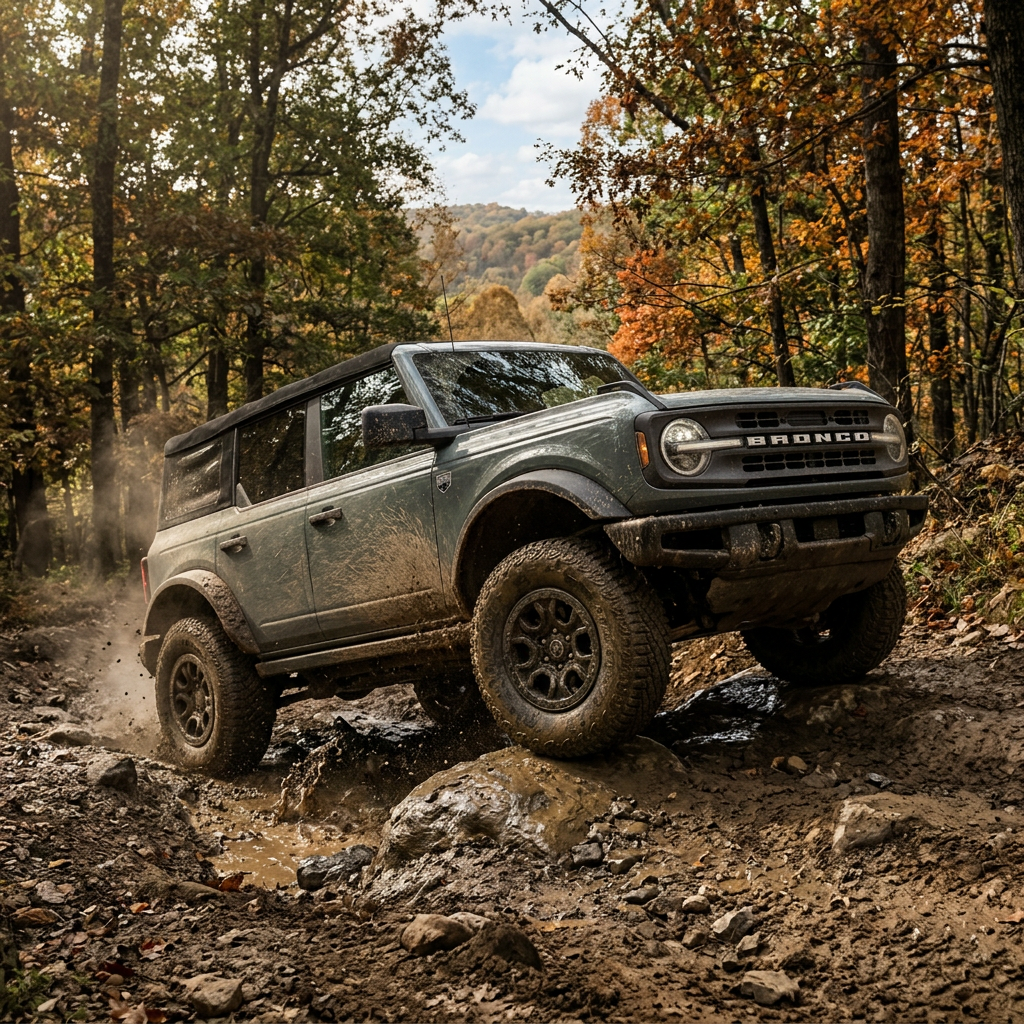
When it comes to maintaining an off-road vehicle, many owners enjoy handling basic tasks themselves. Performing your own engine oil changes, replacing air filters, and conducting basic visual inspections can be highly cost-effective and helps you become familiar with your vehicle’s mechanical layout. However, modern 4×4 vehicles feature highly complex suspension geometries, electronic locking differentials, and advanced terrain management systems that require specialized diagnostic equipment and training to service correctly.
While a DIY enthusiast can easily spot a torn rubber boot, a certified technician at a professional dealership has the specialized tools needed to check precise steering alignments, measure electronic sensor calibrations, and diagnose subtle driveline vibrations. Professional service also ensures that your vehicle’s factory warranty remains fully protected. Dealership technicians use genuine OEM parts designed specifically for your model, guaranteeing the proper fit, durability, and performance under extreme off-road stress.
At Tri State Ford, our factory-trained technicians understand the unique demands placed on vehicles driven off-road. We can perform comprehensive multi-point inspections, check for the latest software updates, and ensure your vehicle’s complex 4×4 systems are operating flawlessly. If you are looking for a trusted partner to keep your vehicle in peak condition, you can learn more about our dealership service philosophy online. We also offer rotating manufacturer vehicle service specials to help keep your maintenance costs manageable and predictable.
Common Questions About Maintaining Your Off-Road Vehicle
Q: How often should I inspect my suspension if I drive off-road frequently?
You should perform a basic visual inspection of your suspension and steering components after every major off-road trip, or at least every 3,000 miles. Look specifically for leaking shock absorbers, bent steering linkages, and torn rubber boots that protect vital joints from dirt and moisture.
Q: Can water crossings damage my vehicle’s differentials?
Yes, hot differentials submerged in cold water can draw water past the seals or vent breathers as they rapidly cool. If water mixes with the gear oil, it ruins its lubricating properties, requiring an immediate fluid drain and refill to prevent severe gear damage.
Q: Is it necessary to get a wheel alignment after off-roading?
If you frequently travel over rough, rocky trails or experience hard impacts against obstacles, your steering geometry can slowly drift out of specification. You should have your alignment checked if you notice your vehicle pulling to one side, a crooked steering wheel, or uneven tire tread wear.
Q: What is the difference between standard and heavy-duty replacement parts for off-road use?
Heavy-duty OEM parts are designed with stronger materials, beefier seals, and enhanced heat dissipation to withstand the constant vibrations and high impact forces of trail driving. Using genuine parts ordered through a dedicated department ensures your vehicle retains its original rugged durability.
Keep Your Off-Road Vehicle Trail-Ready with Expert Ford Service
The gravel back roads and rolling hills around Calcutta are perfect examples of the diverse terrain that local drivers navigate. To keep your vehicle performing reliably on and off the road, regular professional maintenance is key. Our factory-certified technicians at Tri State Ford are equipped with the specialized training and diagnostic tools necessary to handle everything from routine fluid changes to complex 4×4 system repairs.
We make keeping up with your vehicle’s severe-duty maintenance schedule as convenient as possible. If you have a busy work schedule, we offer Ford Mobile Service to handle routine maintenance tasks right in your driveway, as well as Ford Pick Up & Delivery options to transport your vehicle to our facility and back without disrupting your day. Before you book your next appointment, be sure to check our current current service offers for excellent savings on essential maintenance. For trusted, transparent vehicle care, contact our service team today or stop by our service center in East Liverpool to keep your vehicle ready for your next outdoor adventure.
© 2026 Tri State Ford. All rights reserved.
Connect with us


- Automotive News, New Vehicle Reviews, Buying Guides, Financing & Insurance, Seasonal Driving Tips
- Buying Guides, Financing & Insurance, New Vehicle Reviews, Model Comparisons, Sales & Promotions
- Buying Guides, Financing & Insurance, New Vehicle Reviews, Model Comparisons, Technology & Innovation
- Buying Guides, Financing & Insurance, Vehicle Inventory & Offers, Dealership Visit Preparation, Trade-In & Valuation
- Commercial Leasing Options, Business Fleet Solutions, Financing & Leasing Programs, Commercial Vehicle Inventory, Business Vehicle Acquisition
- Commercial Truck Sales, Fleet Purchasing Guides, Financing & Lease Options, Work Truck Customization, New Vehicle Inventory
- Commercial Vehicle Sales, Financing & Leasing, Small Business Vehicle Incentives, Fleet Purchasing Guides, Tax Benefits for Vehicle Buyers
- Commercial Vehicle Sales, Fleet Leasing & Management, Commercial Financing & Tax Incentives, Upfitting & Customization Solutions, Trade & Lease Programs
- Community Engagement & Events, New Vehicle Promotions, Financing & Trade-In Options, Maintenance & Service, Used Vehicle Offers
- Community Events & Customer Appreciation, New Vehicle Reviews, Financing & Trade-In Guides, Maintenance & Service Specials, Commercial & Work Truck Solutions
- Community Events & Dealership News, New Vehicle Promotions & Incentives, Maintenance & Service Specials, Financing & Trade-In Guidance, Family-Friendly Dealership Experiences
- Community Events & Dealership News, New Vehicle Reviews, Financing & Insurance, Maintenance & Service, Work Trucks & Commercial Vehicles
- Community Events, New Vehicle Buying Guides, Financing & Insurance, Maintenance & Service, Local Dealership News
- Compare Cars
- Dealership Events & Promotions, Financing & Trade-In Options, Maintenance & Service Specials, Community Involvement & Charity, New & Used Vehicle Buying Guides
- East Liverpool, OH Ford Dealer
- East Liverpool, OH Used Cars
- Financing & Insurance, Buying Guides, Commercial Vehicle Solutions, Fleet Management, Inventory and Availability
- Financing & Insurance, Buying Guides, New Vehicle Reviews, Used Vehicle Guides, Automotive Sales & Inventory
- Financing & Insurance, Buying Guides, New Vehicle Reviews, Used Vehicle Guides, Automotive Sales Strategies
- Financing & Insurance, Buying Guides, New Vehicle Reviews, Used Vehicle Guides, Model Comparisons
- Financing & Insurance, Buying Guides, Used Vehicle Guides, Trade-In Tips, New Vehicle Sales
- Financing & Insurance, Buying Guides, Vehicle Trade-In Tips, Dealership Sales Process, New Vehicle Promotions
- Financing & Insurance, Leasing Benefits, Model Comparisons, Technology & Innovation, Buying Guides
- Leasing & Financing Options, Buying Guides, Model Comparisons, Negotiation Tips, Inventory & Specials
- Leasing & Financing Options, Buying Guides, New Vehicle Reviews, Model Comparisons, Technology & Innovation
- Leasing & Financing Options, New Vehicle Leasing Guides, Buying Guides, Inventory Spotlight, Trade
- Leasing & Lease Deals, Financing & Insurance, New Vehicle Sales, Commercial Vehicle Leasing, Vehicle Trade-In & Purchase Options
- Leasing Options, Financing & Insurance, New Vehicle Reviews, Buying Guides, Technology & Innovation
- Leasing Options, Financing & Insurance, New Vehicle Sales, Buying Guides, Vehicle Inventory
- Maintenance & Service, Air Conditioning Repair, Genuine Parts & Accessories, Dealer-Authorized Service, Vehicle Ownership Care
- Maintenance & Service, Automotive Air Conditioning Repair, Vehicle Cooling System Care, Diagnostic & Leak Detection, Seasonal Vehicle Maintenance
- Maintenance & Service, Automotive Detailing & Cleaning, Seasonal Vehicle Care, Vehicle Protection & Preservation, Service Center Expertise
- Maintenance & Service, Automotive Detailing & Protection, Corrosion & Rust Prevention, Paint & Exterior Care, Professional Vehicle Care
- Maintenance & Service, Automotive Detailing, Paint Protection & Care, Seasonal Vehicle Care, Professional Vehicle Servicing
- Maintenance & Service, Automotive Electrical Systems, Battery Care & Replacement, Diagnostics & Repairs, Electric Vehicle Maintenance
- Maintenance & Service, Automotive Electrical Systems, Battery Care & Replacement, Vehicle Lighting & Electrical Issues, Roadside Assistance & Emergency Services
- Maintenance & Service, Automotive Fluids & Lubricants, Vehicle Care & Ownership, Dealership Service & Repairs, Preventive Maintenance
- Maintenance & Service, Automotive Lighting & Electrical, Vehicle Safety & Visibility, DIY Vehicle Care, Parts & Accessories
- Maintenance & Service, Automotive Parts & Accessories, Seasonal Vehicle Care, Vehicle Safety & Visibility, Professional Auto Service
- Maintenance & Service, Automotive Parts & Accessories, Vehicle Air Quality & HVAC Care, Preventive Vehicle Maintenance, Service Tips & FAQs
- Maintenance & Service, Automotive Parts & Accessories, Vehicle Ownership Care, Engine Care & Protection, Warranty & Service Contracts
- Maintenance & Service, Automotive Parts & Accessories, Vehicle Safety & Repair, Warranty & Coverage, Service Specials & Offers
- Maintenance & Service, Automotive Parts & Components, Vehicle Safety & Repair, Warranty & Service Coverage, Preventative Vehicle Care
- Maintenance & Service, Automotive Parts & Repairs, Vehicle Warranty & Protection, Service Center Tips, Cost-Effective Vehicle Care
- Maintenance & Service, Automotive Repair, Mobile & Remote Vehicle Service, Warranty & Roadside Assistance, OEM Parts & Service Specials
- Maintenance & Service, Automotive Repair, Parts & Accessories, Vehicle Ownership Care, Technology & Innovation in Service
- Maintenance & Service, Automotive Technology & Diagnostics, Vehicle Electronics & Sensors, Seasonal Vehicle Care, Parts & Repairs
- Maintenance & Service, Automotive Technology & Software Updates, Warranty & Recall Service, Mobile Vehicle Repair & Convenience, Customer Service & Transparency
- Maintenance & Service, Battery Care & Diagnostics, Electric Vehicle (EV) Maintenance, Seasonal Vehicle Care, Automotive Electrical Systems
- Maintenance & Service, Battery Care & Replacement, Vehicle Electrical Systems, Seasonal Vehicle Maintenance, Professional Automotive Repairs
- Maintenance & Service, Brake System Care, OEM Parts & Replacement, Vehicle Safety & Inspections, Expert Technician Services
- Maintenance & Service, Brake System Care, Vehicle Safety & Inspection, Automotive Repair Tips, Service Financing & Convenience
- Maintenance & Service, Brake System Care, Vehicle Safety & Inspection, Parts Quality & Replacement, Heavy Duty Vehicle Maintenance
- Maintenance & Service, Brake System Care, Vehicle Safety & Inspections, Parts & Components, Professional Automotive Services
- Maintenance & Service, Brake System Care, Vehicle Safety & Inspections, Parts & Repairs, Expert Tips & Advice
- Maintenance & Service, Brake Systems & Repair, Vehicle Parts & Accessories, Towing & Load Management, Seasonal Driving Tips
- Maintenance & Service, Certified Technician Insights, Warranty & Service Coverage, Genuine OEM Parts, Service Center Selection Guidance
- Maintenance & Service, Cooling System Repairs, Vehicle Ownership Care, Diagnostic & Troubleshooting, Automotive Parts & Components
- Maintenance & Service, Diagnostic Services, Vehicle Health & Diagnostics, Service Tips & Advice, Check Engine Light Solutions
- Maintenance & Service, Engine Care & Performance, Parts & Accessories, Genuine vs. After
- Maintenance & Service, Essential Vehicle Care, Preventive Maintenance Tips, Vehicle Longevity Strategies, Truck Maintenance Essentials
- Maintenance & Service, Expert Repairs & Diagnostics, Genuine Parts & Accessories, Engine Care & Performance, Vehicle Ownership & Care
- Maintenance & Service, Mobile Vehicle Services, Vehicle Care & Ownership, Genuine Parts & Repairs, Seasonal Maintenance Tips
- Maintenance & Service, Parts & Accessories, Engine Care & Repair, Vehicle Longevity Tips, OEM Parts Benefits
- Maintenance & Service, Parts & Accessories, Vehicle HVAC Care, Seasonal Vehicle Maintenance, DIY Vehicle Maintenance
- Maintenance & Service, Parts & Replacements, Vehicle Care Tips, Seasonal Maintenance, DIY Vehicle Maintenance
- Maintenance & Service, Recall Information, Safety & Reliability, Vehicle Ownership Care, Parts & Repairs
- Maintenance & Service, Recall Updates & Safety Notices, Genuine Parts & Accessories, Truck Care & Maintenance Tips
- Maintenance & Service, Repair & Diagnostics, OEM Parts & Accessories, Warranty & Recall Information, Vehicle Care & Ownership Tips
- Maintenance & Service, Repair & Diagnostics, Parts & Accessories, Vehicle Ownership Care, Service Plans & Extended Warranty
- Maintenance & Service, Repair & Diagnostics, Parts & Components, Preventive Care & Tips, Warranty & Recalls
- Maintenance & Service, Repair & Parts, Vehicle Ownership Care, Safety Features, Technology & Innovation
- Maintenance & Service, Repair & Parts, Vehicle Ownership Care, Transmission
- Maintenance & Service, Repair Solutions, Vehicle Ownership Care, Parts & Accessories, Diagnostic Tips
- Maintenance & Service, Repair Tips & Techniques, Vehicle Care & Ownership
- Maintenance & Service, Safety Features, Parts & Repairs, Vehicle Ownership Care, Automotive Service Tips
- Maintenance & Service, Safety Features, Recall & Repair Updates, Parts & Repairs, Vehicle Ownership Care
- Maintenance & Service, Safety Features, Recall & Safety Campaigns, Vehicle Inspection & Repairs, Vehicle Ownership Care
- Maintenance & Service, Safety Features, Recall & Warranty Information, Vehicle Diagnostics & Repair, Certified Service & Genuine Parts
- Maintenance & Service, Safety Features, Recall Repairs & Safety Campaigns, Parts & Genuine Components, Vehicle Ownership Care
- Maintenance & Service, Safety Features, Recalls & Repairs, Parts & Accessories, Vehicle Ownership Care
- Maintenance & Service, Safety Features, Repair & Recall Updates, Parts & Components, Vehicle Ownership Care
- Maintenance & Service, Safety Features, Repair & Replacement, Vehicle Care & Inspection, Parts & Accessories
- Maintenance & Service, Safety Features, Technology & Innovation, Automotive Parts & Accessories, Seasonal Driving Tips
- Maintenance & Service, Safety Features, Technology & Innovation, Automotive Recalls, Parts & Repairs
- Maintenance & Service, Safety Features, Technology & Innovation, Automotive Recalls, Vehicle Ownership Care
- Maintenance & Service, Safety Features, Technology & Innovation, Automotive Service Tips, Recall & Repair Updates
- Maintenance & Service, Safety Features, Technology & Innovation, Parts & Repairs, Vehicle Ownership Care
- Maintenance & Service, Safety Features, Technology & Innovation, Repair & Recall Information, Parts & Vehicle Care
- Maintenance & Service, Safety Features, Technology & Innovation, Seasonal Driving Tips, Parts & Repairs
- Maintenance & Service, Safety Features, Technology & Innovation, Tire Care & Replacement, Diagnostic & Repair Services
- Maintenance & Service, Safety Recalls & Repairs, Vehicle Safety & Compliance, Powertrain & Drivetrain Maintenance, Towing & Hauling Maintenance
- Maintenance & Service, Seasonal Driving Tips, Model Comparisons, Technology & Innovation, Safety Features
- Maintenance & Service, Seasonal Driving Tips, Safety Features, Technology & Innovation, Parts & Repairs
- Maintenance & Service, Seasonal Driving Tips, Vehicle Care & Ownership, Brake System Maintenance, Tire & Wheel Care
- Maintenance & Service, Seasonal Driving Tips, Vehicle Care & Ownership, Parts & Accessories, Safety Features
- Maintenance & Service, Seasonal Driving Tips, Vehicle Care & Ownership, Safety Features, Professional Repair & Service Techniques
- Maintenance & Service, Seasonal Driving Tips, Vehicle Care & Protection, Brake Maintenance, Tire Care & Safety
- Maintenance & Service, Seasonal Driving Tips, Vehicle Cooling Systems, Automotive Safety Features, Parts & Repairs
- Maintenance & Service, Service Scheduling & Convenience, Vehicle Repair & Diagnostics, Parts & Accessories, Fleet & Commercial Vehicle Service
- Maintenance & Service, Technology & Innovation, Automotive Service Transparency, Digital Vehicle Inspections, Vehicle Ownership Care
- Maintenance & Service, Technology & Innovation, Safety Features, Parts & Warranty, Vehicle Ownership Care
- Maintenance & Service, Technology & Innovation, Vehicle Diagnostics & Telematics, Fleet Management Solutions, Parts & Accessories
- Maintenance & Service, Tire Care & Repair, Roadside Assistance, Vehicle Safety & Inspections, Automotive Parts & Replacements
- Maintenance & Service, Tire Care & Repair, Wheel Alignment & Balancing, Suspension Maintenance, Vehicle Performance Optimization
- Maintenance & Service, Tire Care & Replacement, Seasonal Vehicle Care, Safety Features, Automotive Service Tips
- Maintenance & Service, Tire Care & Replacement, Vehicle Safety & Handling, Seasonal Vehicle Preparation, Drivetrain & Tire Maintenance
- Maintenance & Service, Tire Care & Replacement, Vehicle Safety & Inspections, Seasonal Vehicle Maintenance, Automotive Parts & Accessories
- Maintenance & Service, Transmission Care & Repair, Vehicle Fluid Services, Automotive Diagnostics, Warranty & Resale Value Maintenance
- Maintenance & Service, Transmission Care, Repair & Parts, Vehicle Ownership Care, Common Vehicle Issues
- Maintenance & Service, Vehicle Care & Longevity, Scheduled Service Packages, Oil Changes & Fluid Top-offs, Tire & Brake Maintenance
- Maintenance & Service, Vehicle Care Tips, Parts & Accessories, Seasonal Vehicle Maintenance, Service Specials & Packages
- Maintenance & Service, Vehicle Detailing & Care, Parts & Accessories, Seasonal Vehicle Preparation, Service Scheduling & Convenience
- Maintenance & Service, Vehicle Detailing & Cosmetic Care, Service Scheduling & Convenience, Seasonal Vehicle Care, Vehicle Ownership Tips
- Maintenance & Service, Vehicle Detailing & Protection, Vehicle Care Tips, Seasonal Vehicle Maintenance, Dealership Service Benefits
- Maintenance & Service, Vehicle Diagnostics & Repair, Engine Performance & Troubleshooting, Fuel System Care, Preventative Maintenance Strategies
- Maintenance & Service, Vehicle Fluids & Lubrication, Engine Care & Repair, Parts & Accessories, Professional Vehicle Care
- Maintenance & Service, Vehicle Inspection & Diagnostics, Parts & Repairs, Warranty & Resale Value, Service Specials & Convenience
- Maintenance & Service, Vehicle Ownership Care, Mobile Repair Services, Genuine Parts & Certified Technicians, Electric Vehicle Maintenance
- Maintenance & Service, Vehicle Ownership Care, Parts & Accessories, Repair & Diagnostics, Certified Technician Insights
- Maintenance & Service, Vehicle Repair & Diagnostics, Parts & Accessories, DIY Vehicle Care, Safety & Reliability Tips
- Maintenance & Service, Vehicle Repair & Diagnostics, Parts & Accessories, Hybrid & Electric Vehicle Care, Seasonal Vehicle Care
- Maintenance & Service, Vehicle Repair & Diagnostics, Parts & Accessories, Seasonal Driving Tips, Battery Care & Replacement
- Maintenance & Service, Vehicle Repair & Diagnostics, Parts & Accessories, Service Lane Tips & Insights, Vehicle Ownership Care
- Maintenance & Service, Vehicle Repair & Diagnostics, Parts & Accessories, Towing & Performance Care, Mobile & Convenient Service Options
- Maintenance & Service, Vehicle Repair & Parts, Service Convenience & Customer Care, Roadside Assistance & Support, Vehicle Ownership Tips
- Maintenance & Service, Vehicle Service Warranties, Repair & Coverage Plans, Ownership & Vehicle Care, Automotive Service Tips
- Maintenance & Service, Vehicle Software Updates, Safety Features, Technology & Innovation, Recall & Warranty Information
- Maintenance & Service, Warranty & Recalls, Repair & Diagnostics, Parts & Accessories, Vehicle Ownership & Care
- Model Comparisons, Buying Guides, New Vehicle Reviews, Financing & Insurance, Inventory Updates
- Model Comparisons, Buying Guides, Technology & Innovation, Safety Features, Maintenance & Service
- Model Comparisons, New Vehicle Reviews, Safety Features, Technology & Innovation, Seasonal Driving Tips
- Model Comparisons, New Vehicle Reviews, Technology & Innovation, Buying Guides, Maintenance & Service
- Model Comparisons, New Vehicle Reviews, Technology & Innovation, Safety Features, Buying Guides
- Model Comparisons, Towing & Hauling Guides, Maintenance & Service, Technology & Innovation, New Vehicle Reviews
- New Vehicle Promotions, Buying Guides, Financing & Insurance, New Vehicle Reviews, Inventory Highlights
- New Vehicle Reviews, Buying Guides, Financing & Insurance, Model Comparisons, Automotive News
- New Vehicle Reviews, Buying Guides, Financing & Insurance, Model Comparisons, Automotive Sales Strategies
- New Vehicle Reviews, Buying Guides, Financing & Insurance, Model Comparisons, Automotive Technology & Innovation
- New Vehicle Reviews, Buying Guides, Financing & Insurance, Model Comparisons, Commercial & Work Truck Sales
- New Vehicle Reviews, Buying Guides, Financing & Insurance, Model Comparisons, Inventory Highlights
- New Vehicle Reviews, Buying Guides, Financing & Insurance, Model Comparisons, Used Vehicle Guides
- New Vehicle Reviews, Buying Guides, Financing & Insurance, Model Comparisons, Vehicle Inventory Updates
- New Vehicle Reviews, Buying Guides, Financing & Insurance, New Vehicle Specials, Trade-In & Value Estimation
- New Vehicle Reviews, Buying Guides, Financing & Insurance, Used Vehicle Guides, Model Comparisons
- New Vehicle Reviews, Buying Guides, Financing & Insurance, Vehicle Inventory, Model Comparisons
- New Vehicle Reviews, Buying Guides, Model Comparisons, Financing &
- New Vehicle Reviews, Buying Guides, Model Comparisons, Financing & Insurance, Inventory & Sales
- New Vehicle Reviews, Buying Guides, Model Comparisons, Maintenance & Service, Technology & Innovation
- New Vehicle Reviews, Buying Guides, Safety Features, Technology & Innovation, Model Comparisons
- New Vehicle Reviews, Buying Guides, Technology & Innovation, Safety Features, Seasonal Driving Tips
- New Vehicle Reviews, Financing & Insurance, Buying Guides, New Vehicle Specials, Model Comparisons
- New Vehicle Reviews, Financing & Insurance, Buying Guides, Technology & Innovation, Automotive Inventory Updates
- New Vehicle Reviews, Financing & Insurance, Buying Guides, Used Vehicle Guides, Model Comparisons
- New Vehicle Reviews, Model Comparisons, Buying Guides, Technology & Innovation, Safety Features
- New Vehicle Reviews, Model Comparisons, Financing & Insurance, Technology & Innovation, Safety Features
- New Vehicle Reviews, Model Comparisons, Off-Road Adventures, Technology & Innovation, Maintenance & Service
- New Vehicle Reviews, Model Comparisons, Safety Features, Technology & Innovation, Buying Guides
- New Vehicle Reviews, Model Comparisons, Technology & Innovation, Financing & Insurance, Maintenance & Service
- New Vehicle Reviews, Model Comparisons, Technology & Innovation, Safety Features, Buying Guides
- New Vehicle Reviews, Model Comparisons, Technology & Innovation, Safety Features, Maintenance & Service
- New Vehicle Reviews, Off-Road Capabilities, Outdoor Adventure Vehicles, Technology & Innovation, Local Driving Destinations
- New Vehicle Reviews, Technology & Innovation, Buying Guides, Safety Features, Model Comparisons
- New Vehicle Reviews, Technology & Innovation, Safety Features, Maintenance & Service, Buying Guides
- New Vehicle Sales, Financing & Incentives, Trade-In & Appraisal, Special Sales Events, Electric Vehicle Purchasing
- New Vehicle Sales, Financing & Incentives, Trade-In & Value Guides, Manufacturer Promotions, Commercial Vehicle Sales
- New Vehicle Sales, Financing & Insurance, Buying Guides, Manufacturer Incentives & Discounts, Trade-In & Vehicle Valuation
- New Vehicle Sales, Vehicle Delivery & Logistics, Financing & Credit Applications, Trade-In & Vehicle Valuation, Commercial Vehicle Sales
- Tips
- Trucks
- Uncategorized
- Used Vehicle Guides, Buying Guides, Financing & Insurance, Model Comparisons, Selling Your Car
- Used Vehicle Guides, Financing & Insurance, Buying Guides, Model Comparisons, Local Dealership Highlights
- Used Vehicle Guides, Financing & Insurance, Buying Guides, New Vehicle Reviews, Commercial Vehicle Sales
- Used Vehicle Guides, Financing & Insurance, Buying Guides, Vehicle Warranty Information, Pre-Owned Vehicle Sales
- Vehicle Sales Events, Financing & Leasing, Trade-In & Trade-Up Guides, New Vehicle Inventory Highlights, Dealership Buying Experience
- Vehicle Sales Events, New Vehicle Buying Guides, Financing & Incentives, Dealership Inventory Highlights, Commercial Vehicle Sales
- Vehicle Sales Events, New Vehicle Pricing & Incentives, Financing & Lease Options, Trade-In & Appraisal Guides, Dealership Buying Experience
- Vehicle Sales Events, New Vehicle Pricing, Financing & Credit Applications, Trade-In & Loyalty Programs, Leasing vs Buying Guides
- Vehicle Sales Events, New Vehicle Purchasing, Incentives & Discounts, Financing & Pre-Approval, Trade-In & Appraisal Guidance
- Vehicle Sales Process, Financing & Credit Applications, New and Used Vehicle Inventory, Pickup and Delivery Services, Online Vehicle Purchasing
- Vehicle Sales Promotions, New Vehicle Buying Guides, Financing & Credit Applications, Dealership Inventory Highlights, Model Pricing Comparisons
- Vehicle Sales Promotions, New Vehicle Buying Guides, Financing & Incentives, Trade-In & Valuation, Dealership Sales Events
- Vehicle Sales, Online Car Buying, Financing & Incentives, Trade-In Guides, New Vehicle Delivery Services, Youngstown Dealership
- Vehicle Trade-In Tips, Financing & Insurance, Buying Guides, Dealership Sales Strategies, Inventory & Specials