

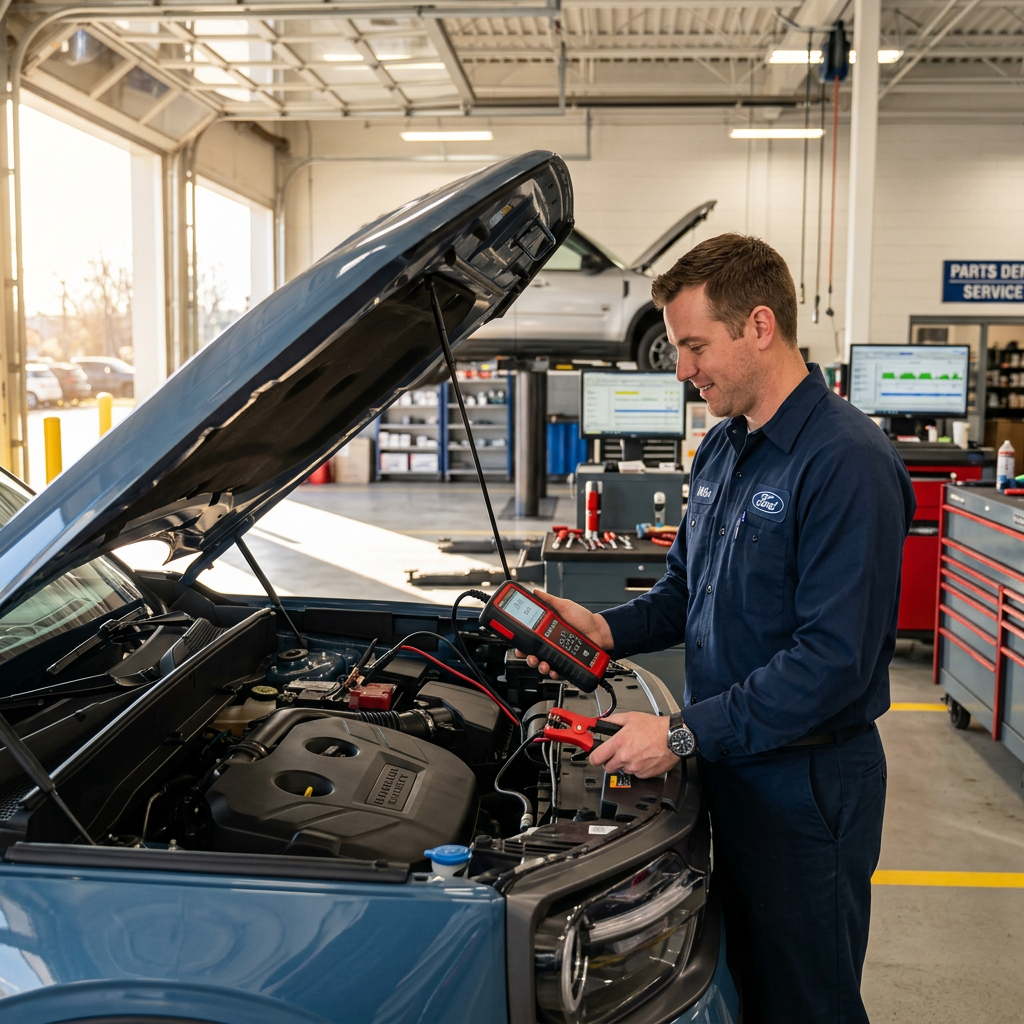
 What to Do When Your Car Battery Is Low and How to Recharge It
Understanding Low Car Batteries and When They Can Be Recharged
I have spent 10 years in the service department managing vehicle electrical systems, and I can tell you that a weak battery is one of the most common issues drivers face. Many people do not realize their battery is failing until they turn the key and hear nothing but a clicking sound. When a car battery drops below its optimal charge, it struggles to supply the 12.6 volts required to power your vehicle’s starter motor and onboard computers. If you catch the warning signs early, you can often save yourself from being stranded on the side of the road.
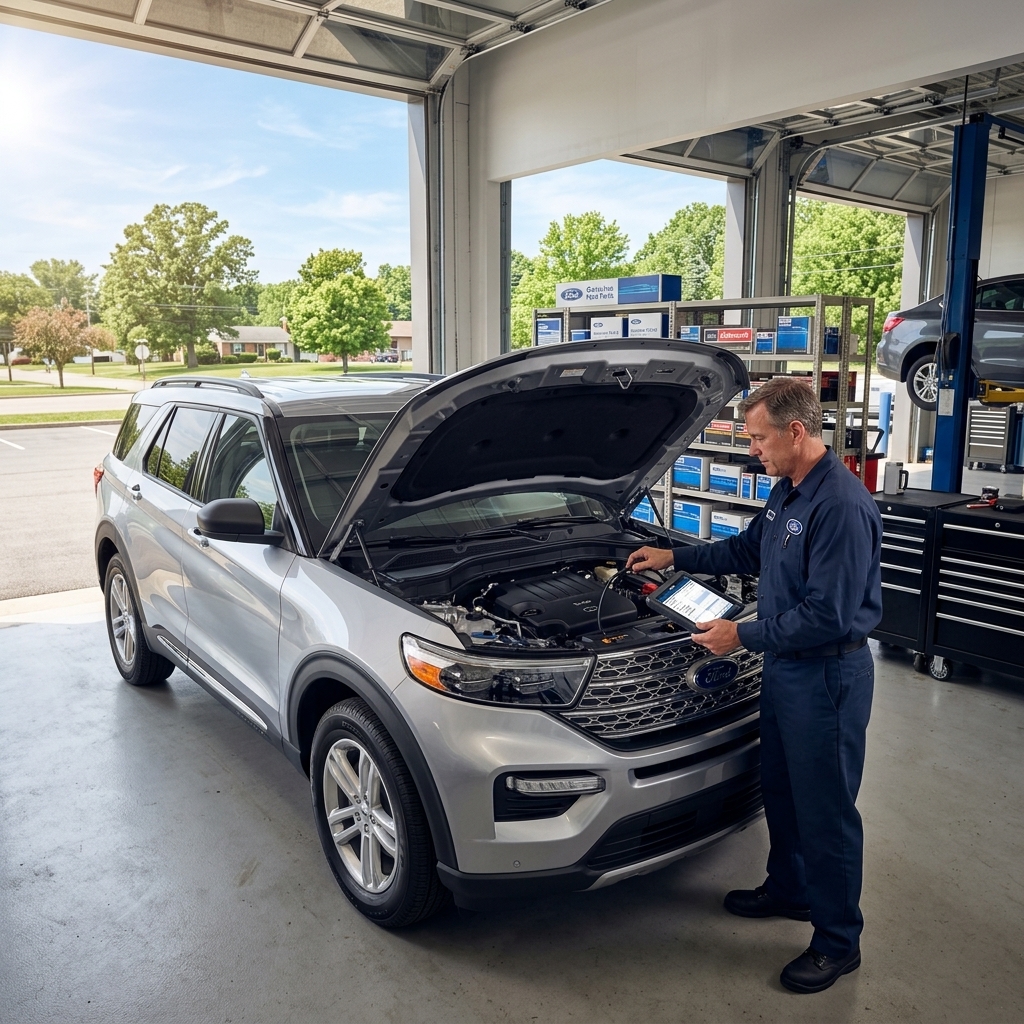
In my experience, a low battery can absolutely be recharged if the internal chemistry of the cells remains healthy. Lead-acid batteries rely on a chemical reaction between lead plates and sulfuric acid to store energy, and this process is reversible. However, if a battery is left in a deeply discharged state for too long, lead sulfate crystals build up on the plates in a process called sulfation, which permanently ruins its capacity. If you suspect your vehicle’s starting system is beginning to struggle, you can reach our service team at (330) 462-7578 to discuss your options. For drivers who prefer to have a certified technician run a full diagnostic check on their vehicle’s charging system, we recommend stopping by our service center at 1503 Pennsylvania Ave to get a definitive health report.
Now, when it comes to the daily commute, cold winter mornings can severely degrade battery performance. The chemical reactions inside the battery slow down dramatically when the temperature drops, while the engine oil thickens, requiring more power to crank. If your battery is already weak, a single freezing night can be enough to prevent your car from starting.
Table of Contents
- What Happens When a Car Battery is Low and Can It Be Recharged?
- What is a Parasitic Draw on a Vehicle Battery?
- How Do Battery Reserve Capacity Minutes Work?
- Can You Replace a Standard Flooded Battery with an AGM Battery?
- What is the Difference Between a Trickle Charger and a Smart Battery Charger?
- How Do You Safely Clean Corrosion Off Car Battery Terminals?
- How Much Does Professional Car Battery Installation Cost?
What Happens When a Car Battery is Low and Can It Be Recharged?
When your vehicle’s battery charge is depleted, you will notice several distinct warning signs before the vehicle dies completely. The most obvious indicator is a slow engine crank, where the starter motor sounds sluggish and takes much longer than usual to turn over. You might also notice that your headlights look unusually dim at idle but brighten slightly when you press the gas pedal and raise the engine RPMs. Inside the cabin, your dashboard lights may flicker, your power windows might roll up slowly, or your radio might reset itself unexpectedly.
Whether a low battery can be successfully recharged depends on its overall physical condition and age. If the battery is relatively new and was simply drained by leaving a dome light on overnight, an external charger can easily restore it to full strength. However, if the battery is more than three to five years old and has gone through multiple deep discharge cycles, the internal components have likely degraded to the point where it can no longer hold a charge. Relying on your vehicle’s alternator to recharge a completely flat battery is a mistake, as the alternator is designed to maintain a healthy battery, not pump high-amperage current into a dead one for hours. Overworking the alternator this way can overheat its internal diodes, leading to an expensive secondary repair.
If you are experiencing these starting issues, it is best to seek professional guidance rather than risking a breakdown. You can find detailed advice on maintaining your electrical system by checking out our dedicated battery service page. If we determine that your battery is past the point of recovery, you can easily browse and order parts directly through our website to secure a high-quality Motorcraft replacement built specifically for your vehicle.
What is a Parasitic Draw on a Vehicle Battery?
Another important thing to know about battery health is that your vehicle never completely shuts off. Even when the ignition is off and the keys are out, a small amount of electrical current is always being drawn to maintain the memory on your clock, radio, and engine control modules. This normal, continuous drain is minimal, usually measuring under 50 milliamps on modern vehicles. A parasitic draw occurs when a computer module fails to go to sleep, or an electrical component remains stuck in the “on” state, pulling a much higher current that can completely drain a healthy battery in a matter of days.
Common culprits of parasitic draw include glovebox or trunk lights that stay illuminated because of a misaligned switch, aftermarket car alarms, or corroded wiring harnesses that create a bridge to ground. Diagnosing a parasitic draw requires a digital multimeter hooked up in series with the negative battery terminal to measure the milliamp draw while pulling individual fuses one by one until the current drop is located. Our service technicians use advanced diagnostic equipment to pinpoint these hidden electrical leaks quickly, saving you from the frustration of a mystery dead battery every morning.
While keeping your current vehicle’s electrical system in top shape is vital, some drivers eventually decide it is time to transition into a newer model with advanced power-management systems. If you are considering an upgrade, you can design a vehicle with the exact features you want through our new vehicle custom order portal. To make your next vehicle service or upgrade more affordable, we always recommend looking over our current inventory or checking our used vehicle specials for excellent opportunities on dependable transportation.
How Do Battery Reserve Capacity Minutes Work?
Many customers wonder about the technical specifications printed on their battery labels and what they actually mean for daily driving. While most people are familiar with Cold Cranking Amps, another critical metric is the reserve capacity. This spec represents the number of minutes a fully charged battery can continuously discharge a 25-amp current at 80 degrees Fahrenheit before its terminal voltage drops down to a critical 10.5 volts. In simple terms, reserve capacity tells you how long your car can run on battery power alone if your alternator suddenly fails while you are driving.
For families navigating the rolling hills of Calcutta, having a healthy reserve capacity provides an invaluable safety net. If your charging system stops working while you are driving home in the evening, a battery with a high reserve capacity ensures you have enough electrical power to run your headlights, windshield wipers, and hazard lights long enough to pull over safely. A standard passenger car battery typically offers a reserve capacity of roughly 80 to 120 minutes, while heavy-duty commercial batteries can go much higher.
If you drive a larger commercial vehicle or work truck, managing your battery’s reserve capacity is even more critical due to the extra electrical demands of heavy equipment. For those managing a local fleet, you can explore our specialized used work truck inventory to find highly capable commercial vehicles. We also carry a robust selection of heavy-duty haulers in our F-Series work inventory, as well as versatile transport options in our Transit work vans lineup to keep your business moving reliably.
Can You Replace a Standard Flooded Battery with an AGM Battery?
One thing I always tell customers about battery replacement is that you have options when it comes to technology. Standard flooded lead-acid batteries have been the industry norm for decades, but Absorbent Glass Mat, or AGM, batteries represent a significant technological leap forward. AGM batteries utilize thin fiberglass mats saturated with electrolyte squeezed tightly between the lead plates. This design makes them highly spill-proof, exceptionally resistant to vibration, and capable of recharging up to five times faster than standard flooded options.
You can safely replace a standard flooded battery with an AGM battery to get better reliability and longer service life, but there is a catch. Modern vehicles use smart charging systems that adjust the alternator’s output based on the specific chemistry, age, and temperature of the battery. Because AGM batteries have lower internal resistance and different charging profiles than flooded batteries, you must have the vehicle’s engine control module reprogrammed to recognize the new battery type. Failing to register the new AGM battery can result in overcharging, which will quickly cook the expensive new unit and shorten its lifespan.
If you are ready to upgrade your vehicle’s starting reliability, our factory-trained technicians can handle both the physical installation and the computer reprogramming. To make this process as seamless as possible, you can easily schedule service online at a time that works for your family’s busy schedule. For local drivers who are short on time, we also offer our convenient Ford pick up and delivery service, allowing us to fetch your vehicle, perform the battery service, and return it directly to your driveway.
What is the Difference Between a Trickle Charger and a Smart Battery Charger?
Let me explain how different charging technologies affect your battery’s lifespan. If you have a vehicle that sits idle for long periods, using an external charger is the best way to prevent the battery from draining. However, the tool you choose matters. A traditional trickle charger applies a continuous, low-amperage current, typically around 1 to 2 amps, to the battery indefinitely. Because it does not monitor the battery’s state of charge, a trickle charger will keep pushing current even after the battery is full, which can boil away the electrolyte and ruin the internal cells if left connected too long.
In contrast, a smart battery charger utilizes microprocessor technology to monitor the battery’s voltage and adjust the charge rate dynamically. A smart charger typically operates in three distinct stages:
- Bulk Charge: Delivers a constant, maximum current to safely bring the battery up to roughly 80% capacity.
- Absorption Charge: Slowly lowers the current while holding the voltage steady to safely top off the remaining 20%.
- Float/Maintenance Mode: Drops the voltage to a safe level to maintain the charge without overcharging, allowing you to leave it connected all winter.
Using a smart charger is highly recommended for maintaining vehicles that are stored during the colder months in East Liverpool, where the riverfront dampness and freezing temperatures can accelerate battery self-discharge. If you are looking to keep your vehicle in peak operating condition, we invite you to browse our current manufacturer monthly service specials for great deals on maintenance. For those interested in a mobile solution, our Ford mobile service van can bring professional maintenance and diagnostics right to your home or office.
How Do You Safely Clean Corrosion Off Car Battery Terminals?
This is something we see a lot with vehicles that come into our service bays. Over time, sulfuric acid gas venting from inside the battery reacts with the metal terminals, creating a crusty, white, green, or blue deposit known as lead sulfate or copper sulfate. This corrosion acts as an electrical insulator, restricting the flow of current from the battery to the starter motor and preventing your alternator from properly recharging the battery while you drive.
Fortunately, cleaning this buildup is a straightforward process that you can safely do at home with a few simple steps:
- Safety First: Always wear safety glasses and protective gloves, as battery corrosion contains highly acidic compounds.
- Disconnect the Cables: Use a wrench to disconnect the negative terminal first, followed by the positive terminal, to prevent accidental short circuits.
- Apply Cleaning Solution: Mix one tablespoon of baking soda into a cup of hot water and pour it directly over the corroded terminals to neutralize the acid.
- Scrub and Dry: Use a stiff wire brush to scrub the terminals and cable clamps until the metal is clean and shiny, then rinse with clean water and dry thoroughly.
- Protect the Metal: Apply a thin layer of petroleum jelly or terminal protector spray to the clean metal to prevent future moisture and acid buildup before reconnecting the cables.
If your battery is constantly corroding around the terminals, it may be a sign of internal gases leaking past the terminal seals, which means the battery is reaching the end of its life. For drivers in Boardman who commute daily, ensuring a clean, reliable electrical connection is essential for hassle-free travel. If you are considering trading in your vehicle rather than dealing with ongoing maintenance, you can get a quick, fair estimate using our KBB instant cash offer tool. If you need help finding the right replacement parts, including batteries or tires, you can utilize our online tire finder to keep your vehicle riding smoothly on local roads.
How Much Does Professional Car Battery Installation Cost?
From my experience, many drivers prefer the peace of mind that comes with professional installation. While changing a battery might seem like a simple task, modern vehicles are packed with sensitive electronics that can easily be damaged by a sudden power loss or an accidental spark. If a battery is connected backward, even for a split second, it can blow expensive main fuses or fry delicate onboard computer modules. Professional installation at our service center ensures the job is done safely, with all terminal connections torqued to factory specifications and the charging system thoroughly tested.
The cost of professional installation typically ranges from $10 to $50 for labor, depending on the complexity of your vehicle’s engine bay layout. Some modern vehicles have batteries tucked away under the fender lining, inside the trunk, or beneath the passenger seat, which requires significantly more labor to access. When you have your battery replaced at Tri State Ford, our technicians also perform a starting and charging system test to verify that your alternator is producing the correct voltage and that there are no hidden parasitic draws draining your new battery.
If you suspect your battery is starting to fail, do not wait for a cold morning to leave you stranded. You can find our operating hours and get easy-to-follow directions to our service center by visiting our location and hours page. Our dedicated service team is always here to provide the professional vehicle care you deserve to keep your family moving safely on every journey.
© 2026 Tri State Ford. All rights reserved.
Connect with us


- Automotive News, New Vehicle Reviews, Buying Guides, Financing & Insurance, Seasonal Driving Tips
- Buying Guides, Financing & Insurance, New Vehicle Reviews, Model Comparisons, Sales & Promotions
- Buying Guides, Financing & Insurance, New Vehicle Reviews, Model Comparisons, Technology & Innovation
- Buying Guides, Financing & Insurance, Vehicle Inventory & Offers, Dealership Visit Preparation, Trade-In & Valuation
- Commercial Leasing Options, Business Fleet Solutions, Financing & Leasing Programs, Commercial Vehicle Inventory, Business Vehicle Acquisition
- Commercial Truck Sales, Fleet Purchasing Guides, Financing & Lease Options, Work Truck Customization, New Vehicle Inventory
- Commercial Vehicle Sales, Financing & Leasing, Small Business Vehicle Incentives, Fleet Purchasing Guides, Tax Benefits for Vehicle Buyers
- Commercial Vehicle Sales, Fleet Leasing & Management, Commercial Financing & Tax Incentives, Upfitting & Customization Solutions, Trade & Lease Programs
- Community Engagement & Events, New Vehicle Promotions, Financing & Trade-In Options, Maintenance & Service, Used Vehicle Offers
- Community Events & Customer Appreciation, New Vehicle Reviews, Financing & Trade-In Guides, Maintenance & Service Specials, Commercial & Work Truck Solutions
- Community Events & Dealership News, New Vehicle Promotions & Incentives, Maintenance & Service Specials, Financing & Trade-In Guidance, Family-Friendly Dealership Experiences
- Community Events & Dealership News, New Vehicle Reviews, Financing & Insurance, Maintenance & Service, Work Trucks & Commercial Vehicles
- Community Events, New Vehicle Buying Guides, Financing & Insurance, Maintenance & Service, Local Dealership News
- Compare Cars
- East Liverpool, OH Ford Dealer
- East Liverpool, OH Used Cars
- Financing & Insurance, Buying Guides, Commercial Vehicle Solutions, Fleet Management, Inventory and Availability
- Financing & Insurance, Buying Guides, New Vehicle Reviews, Used Vehicle Guides, Automotive Sales & Inventory
- Financing & Insurance, Buying Guides, New Vehicle Reviews, Used Vehicle Guides, Automotive Sales Strategies
- Financing & Insurance, Buying Guides, New Vehicle Reviews, Used Vehicle Guides, Model Comparisons
- Financing & Insurance, Buying Guides, Used Vehicle Guides, Trade-In Tips, New Vehicle Sales
- Financing & Insurance, Buying Guides, Vehicle Trade-In Tips, Dealership Sales Process, New Vehicle Promotions
- Financing & Insurance, Leasing Benefits, Model Comparisons, Technology & Innovation, Buying Guides
- Leasing & Financing Options, Buying Guides, Model Comparisons, Negotiation Tips, Inventory & Specials
- Leasing & Financing Options, Buying Guides, New Vehicle Reviews, Model Comparisons, Technology & Innovation
- Leasing & Financing Options, New Vehicle Leasing Guides, Buying Guides, Inventory Spotlight, Trade
- Leasing & Lease Deals, Financing & Insurance, New Vehicle Sales, Commercial Vehicle Leasing, Vehicle Trade-In & Purchase Options
- Leasing Options, Financing & Insurance, New Vehicle Reviews, Buying Guides, Technology & Innovation
- Leasing Options, Financing & Insurance, New Vehicle Sales, Buying Guides, Vehicle Inventory
- Maintenance & Service, Air Conditioning Repair, Genuine Parts & Accessories, Dealer-Authorized Service, Vehicle Ownership Care
- Maintenance & Service, Automotive Detailing & Cleaning, Seasonal Vehicle Care, Vehicle Protection & Preservation, Service Center Expertise
- Maintenance & Service, Automotive Detailing & Protection, Corrosion & Rust Prevention, Paint & Exterior Care, Professional Vehicle Care
- Maintenance & Service, Automotive Detailing, Paint Protection & Care, Seasonal Vehicle Care, Professional Vehicle Servicing
- Maintenance & Service, Automotive Electrical Systems, Battery Care & Replacement, Diagnostics & Repairs, Electric Vehicle Maintenance
- Maintenance & Service, Automotive Electrical Systems, Battery Care & Replacement, Vehicle Lighting & Electrical Issues, Roadside Assistance & Emergency Services
- Maintenance & Service, Automotive Fluids & Lubricants, Vehicle Care & Ownership, Dealership Service & Repairs, Preventive Maintenance
- Maintenance & Service, Automotive Lighting & Electrical, Vehicle Safety & Visibility, DIY Vehicle Care, Parts & Accessories
- Maintenance & Service, Automotive Parts & Accessories, Seasonal Vehicle Care, Vehicle Safety & Visibility, Professional Auto Service
- Maintenance & Service, Automotive Parts & Accessories, Vehicle Air Quality & HVAC Care, Preventive Vehicle Maintenance, Service Tips & FAQs
- Maintenance & Service, Automotive Parts & Accessories, Vehicle Ownership Care, Engine Care & Protection, Warranty & Service Contracts
- Maintenance & Service, Automotive Parts & Accessories, Vehicle Safety & Repair, Warranty & Coverage, Service Specials & Offers
- Maintenance & Service, Automotive Parts & Components, Vehicle Safety & Repair, Warranty & Service Coverage, Preventative Vehicle Care
- Maintenance & Service, Automotive Parts & Repairs, Vehicle Warranty & Protection, Service Center Tips, Cost-Effective Vehicle Care
- Maintenance & Service, Automotive Repair, Parts & Accessories, Vehicle Ownership Care, Technology & Innovation in Service
- Maintenance & Service, Automotive Technology & Diagnostics, Vehicle Electronics & Sensors, Seasonal Vehicle Care, Parts & Repairs
- Maintenance & Service, Automotive Technology & Software Updates, Warranty & Recall Service, Mobile Vehicle Repair & Convenience, Customer Service & Transparency
- Maintenance & Service, Battery Care & Diagnostics, Electric Vehicle (EV) Maintenance, Seasonal Vehicle Care, Automotive Electrical Systems
- Maintenance & Service, Battery Care & Replacement, Vehicle Electrical Systems, Seasonal Vehicle Maintenance, Professional Automotive Repairs
- Maintenance & Service, Brake System Care, OEM Parts & Replacement, Vehicle Safety & Inspections, Expert Technician Services
- Maintenance & Service, Brake System Care, Vehicle Safety & Inspection, Automotive Repair Tips, Service Financing & Convenience
- Maintenance & Service, Brake System Care, Vehicle Safety & Inspection, Parts Quality & Replacement, Heavy Duty Vehicle Maintenance
- Maintenance & Service, Brake System Care, Vehicle Safety & Inspections, Parts & Components, Professional Automotive Services
- Maintenance & Service, Brake System Care, Vehicle Safety & Inspections, Parts & Repairs, Expert Tips & Advice
- Maintenance & Service, Brake Systems & Repair, Vehicle Parts & Accessories, Towing & Load Management, Seasonal Driving Tips
- Maintenance & Service, Certified Technician Insights, Warranty & Service Coverage, Genuine OEM Parts, Service Center Selection Guidance
- Maintenance & Service, Diagnostic Services, Vehicle Health & Diagnostics, Service Tips & Advice, Check Engine Light Solutions
- Maintenance & Service, Engine Care & Performance, Parts & Accessories, Genuine vs. After
- Maintenance & Service, Essential Vehicle Care, Preventive Maintenance Tips, Vehicle Longevity Strategies, Truck Maintenance Essentials
- Maintenance & Service, Expert Repairs & Diagnostics, Genuine Parts & Accessories, Engine Care & Performance, Vehicle Ownership & Care
- Maintenance & Service, Mobile Vehicle Services, Vehicle Care & Ownership, Genuine Parts & Repairs, Seasonal Maintenance Tips
- Maintenance & Service, Parts & Accessories, Engine Care & Repair, Vehicle Longevity Tips, OEM Parts Benefits
- Maintenance & Service, Parts & Accessories, Vehicle HVAC Care, Seasonal Vehicle Maintenance, DIY Vehicle Maintenance
- Maintenance & Service, Parts & Replacements, Vehicle Care Tips, Seasonal Maintenance, DIY Vehicle Maintenance
- Maintenance & Service, Recall Information, Safety & Reliability, Vehicle Ownership Care, Parts & Repairs
- Maintenance & Service, Recall Updates & Safety Notices, Genuine Parts & Accessories, Truck Care & Maintenance Tips
- Maintenance & Service, Repair & Diagnostics, OEM Parts & Accessories, Warranty & Recall Information, Vehicle Care & Ownership Tips
- Maintenance & Service, Repair & Diagnostics, Parts & Accessories, Vehicle Ownership Care, Service Plans & Extended Warranty
- Maintenance & Service, Repair & Diagnostics, Parts & Components, Preventive Care & Tips, Warranty & Recalls
- Maintenance & Service, Repair & Parts, Vehicle Ownership Care, Safety Features, Technology & Innovation
- Maintenance & Service, Repair & Parts, Vehicle Ownership Care, Transmission
- Maintenance & Service, Repair Solutions, Vehicle Ownership Care, Parts & Accessories, Diagnostic Tips
- Maintenance & Service, Repair Tips & Techniques, Vehicle Care & Ownership
- Maintenance & Service, Safety Features, Parts & Repairs, Vehicle Ownership Care, Automotive Service Tips
- Maintenance & Service, Safety Features, Recall & Repair Updates, Parts & Repairs, Vehicle Ownership Care
- Maintenance & Service, Safety Features, Recall & Safety Campaigns, Vehicle Inspection & Repairs, Vehicle Ownership Care
- Maintenance & Service, Safety Features, Recall & Warranty Information, Vehicle Diagnostics & Repair, Certified Service & Genuine Parts
- Maintenance & Service, Safety Features, Recall Repairs & Safety Campaigns, Parts & Genuine Components, Vehicle Ownership Care
- Maintenance & Service, Safety Features, Recalls & Repairs, Parts & Accessories, Vehicle Ownership Care
- Maintenance & Service, Safety Features, Repair & Recall Updates, Parts & Components, Vehicle Ownership Care
- Maintenance & Service, Safety Features, Repair & Replacement, Vehicle Care & Inspection, Parts & Accessories
- Maintenance & Service, Safety Features, Technology & Innovation, Automotive Parts & Accessories, Seasonal Driving Tips
- Maintenance & Service, Safety Features, Technology & Innovation, Automotive Recalls, Parts & Repairs
- Maintenance & Service, Safety Features, Technology & Innovation, Automotive Recalls, Vehicle Ownership Care
- Maintenance & Service, Safety Features, Technology & Innovation, Automotive Service Tips, Recall & Repair Updates
- Maintenance & Service, Safety Features, Technology & Innovation, Parts & Repairs, Vehicle Ownership Care
- Maintenance & Service, Safety Features, Technology & Innovation, Repair & Recall Information, Parts & Vehicle Care
- Maintenance & Service, Safety Features, Technology & Innovation, Seasonal Driving Tips, Parts & Repairs
- Maintenance & Service, Safety Features, Technology & Innovation, Tire Care & Replacement, Diagnostic & Repair Services
- Maintenance & Service, Safety Recalls & Repairs, Vehicle Safety & Compliance, Powertrain & Drivetrain Maintenance, Towing & Hauling Maintenance
- Maintenance & Service, Seasonal Driving Tips, Model Comparisons, Technology & Innovation, Safety Features
- Maintenance & Service, Seasonal Driving Tips, Safety Features, Technology & Innovation, Parts & Repairs
- Maintenance & Service, Seasonal Driving Tips, Vehicle Care & Ownership, Brake System Maintenance, Tire & Wheel Care
- Maintenance & Service, Seasonal Driving Tips, Vehicle Care & Ownership, Parts & Accessories, Safety Features
- Maintenance & Service, Seasonal Driving Tips, Vehicle Care & Ownership, Safety Features, Professional Repair & Service Techniques
- Maintenance & Service, Seasonal Driving Tips, Vehicle Care & Protection, Brake Maintenance, Tire Care & Safety
- Maintenance & Service, Seasonal Driving Tips, Vehicle Cooling Systems, Automotive Safety Features, Parts & Repairs
- Maintenance & Service, Service Scheduling & Convenience, Vehicle Repair & Diagnostics, Parts & Accessories, Fleet & Commercial Vehicle Service
- Maintenance & Service, Technology & Innovation, Automotive Service Transparency, Digital Vehicle Inspections, Vehicle Ownership Care
- Maintenance & Service, Technology & Innovation, Safety Features, Parts & Warranty, Vehicle Ownership Care
- Maintenance & Service, Technology & Innovation, Vehicle Diagnostics & Telematics, Fleet Management Solutions, Parts & Accessories
- Maintenance & Service, Tire Care & Repair, Roadside Assistance, Vehicle Safety & Inspections, Automotive Parts & Replacements
- Maintenance & Service, Tire Care & Repair, Wheel Alignment & Balancing, Suspension Maintenance, Vehicle Performance Optimization
- Maintenance & Service, Tire Care & Replacement, Seasonal Vehicle Care, Safety Features, Automotive Service Tips
- Maintenance & Service, Tire Care & Replacement, Vehicle Safety & Handling, Seasonal Vehicle Preparation, Drivetrain & Tire Maintenance
- Maintenance & Service, Tire Care & Replacement, Vehicle Safety & Inspections, Seasonal Vehicle Maintenance, Automotive Parts & Accessories
- Maintenance & Service, Transmission Care & Repair, Vehicle Fluid Services, Automotive Diagnostics, Warranty & Resale Value Maintenance
- Maintenance & Service, Transmission Care, Repair & Parts, Vehicle Ownership Care, Common Vehicle Issues
- Maintenance & Service, Vehicle Care & Longevity, Scheduled Service Packages, Oil Changes & Fluid Top-offs, Tire & Brake Maintenance
- Maintenance & Service, Vehicle Care Tips, Parts & Accessories, Seasonal Vehicle Maintenance, Service Specials & Packages
- Maintenance & Service, Vehicle Detailing & Care, Parts & Accessories, Seasonal Vehicle Preparation, Service Scheduling & Convenience
- Maintenance & Service, Vehicle Detailing & Cosmetic Care, Service Scheduling & Convenience, Seasonal Vehicle Care, Vehicle Ownership Tips
- Maintenance & Service, Vehicle Detailing & Protection, Vehicle Care Tips, Seasonal Vehicle Maintenance, Dealership Service Benefits
- Maintenance & Service, Vehicle Diagnostics & Repair, Engine Performance & Troubleshooting, Fuel System Care, Preventative Maintenance Strategies
- Maintenance & Service, Vehicle Fluids & Lubrication, Engine Care & Repair, Parts & Accessories, Professional Vehicle Care
- Maintenance & Service, Vehicle Inspection & Diagnostics, Parts & Repairs, Warranty & Resale Value, Service Specials & Convenience
- Maintenance & Service, Vehicle Ownership Care, Mobile Repair Services, Genuine Parts & Certified Technicians, Electric Vehicle Maintenance
- Maintenance & Service, Vehicle Ownership Care, Parts & Accessories, Repair & Diagnostics, Certified Technician Insights
- Maintenance & Service, Vehicle Repair & Diagnostics, Parts & Accessories, DIY Vehicle Care, Safety & Reliability Tips
- Maintenance & Service, Vehicle Repair & Diagnostics, Parts & Accessories, Hybrid & Electric Vehicle Care, Seasonal Vehicle Care
- Maintenance & Service, Vehicle Repair & Diagnostics, Parts & Accessories, Seasonal Driving Tips, Battery Care & Replacement
- Maintenance & Service, Vehicle Repair & Diagnostics, Parts & Accessories, Service Lane Tips & Insights, Vehicle Ownership Care
- Maintenance & Service, Vehicle Repair & Diagnostics, Parts & Accessories, Towing & Performance Care, Mobile & Convenient Service Options
- Maintenance & Service, Vehicle Repair & Parts, Service Convenience & Customer Care, Roadside Assistance & Support, Vehicle Ownership Tips
- Maintenance & Service, Vehicle Service Warranties, Repair & Coverage Plans, Ownership & Vehicle Care, Automotive Service Tips
- Maintenance & Service, Vehicle Software Updates, Safety Features, Technology & Innovation, Recall & Warranty Information
- Maintenance & Service, Warranty & Recalls, Repair & Diagnostics, Parts & Accessories, Vehicle Ownership & Care
- Model Comparisons, Buying Guides, New Vehicle Reviews, Financing & Insurance, Inventory Updates
- Model Comparisons, Buying Guides, Technology & Innovation, Safety Features, Maintenance & Service
- Model Comparisons, New Vehicle Reviews, Safety Features, Technology & Innovation, Seasonal Driving Tips
- Model Comparisons, New Vehicle Reviews, Technology & Innovation, Safety Features, Buying Guides
- Model Comparisons, Towing & Hauling Guides, Maintenance & Service, Technology & Innovation, New Vehicle Reviews
- New Vehicle Promotions, Buying Guides, Financing & Insurance, New Vehicle Reviews, Inventory Highlights
- New Vehicle Reviews, Buying Guides, Financing & Insurance, Model Comparisons, Automotive News
- New Vehicle Reviews, Buying Guides, Financing & Insurance, Model Comparisons, Automotive Sales Strategies
- New Vehicle Reviews, Buying Guides, Financing & Insurance, Model Comparisons, Automotive Technology & Innovation
- New Vehicle Reviews, Buying Guides, Financing & Insurance, Model Comparisons, Commercial & Work Truck Sales
- New Vehicle Reviews, Buying Guides, Financing & Insurance, Model Comparisons, Inventory Highlights
- New Vehicle Reviews, Buying Guides, Financing & Insurance, Model Comparisons, Used Vehicle Guides
- New Vehicle Reviews, Buying Guides, Financing & Insurance, Model Comparisons, Vehicle Inventory Updates
- New Vehicle Reviews, Buying Guides, Financing & Insurance, New Vehicle Specials, Trade-In & Value Estimation
- New Vehicle Reviews, Buying Guides, Financing & Insurance, Used Vehicle Guides, Model Comparisons
- New Vehicle Reviews, Buying Guides, Financing & Insurance, Vehicle Inventory, Model Comparisons
- New Vehicle Reviews, Buying Guides, Model Comparisons, Financing &
- New Vehicle Reviews, Buying Guides, Model Comparisons, Financing & Insurance, Inventory & Sales
- New Vehicle Reviews, Buying Guides, Model Comparisons, Maintenance & Service, Technology & Innovation
- New Vehicle Reviews, Buying Guides, Safety Features, Technology & Innovation, Model Comparisons
- New Vehicle Reviews, Buying Guides, Technology & Innovation, Safety Features, Seasonal Driving Tips
- New Vehicle Reviews, Financing & Insurance, Buying Guides, New Vehicle Specials, Model Comparisons
- New Vehicle Reviews, Financing & Insurance, Buying Guides, Technology & Innovation, Automotive Inventory Updates
- New Vehicle Reviews, Financing & Insurance, Buying Guides, Used Vehicle Guides, Model Comparisons
- New Vehicle Reviews, Model Comparisons, Buying Guides, Technology & Innovation, Safety Features
- New Vehicle Reviews, Model Comparisons, Financing & Insurance, Technology & Innovation, Safety Features
- New Vehicle Reviews, Model Comparisons, Off-Road Adventures, Technology & Innovation, Maintenance & Service
- New Vehicle Reviews, Model Comparisons, Safety Features, Technology & Innovation, Buying Guides
- New Vehicle Reviews, Model Comparisons, Technology & Innovation, Financing & Insurance, Maintenance & Service
- New Vehicle Reviews, Model Comparisons, Technology & Innovation, Safety Features, Buying Guides
- New Vehicle Reviews, Model Comparisons, Technology & Innovation, Safety Features, Maintenance & Service
- New Vehicle Reviews, Off-Road Capabilities, Outdoor Adventure Vehicles, Technology & Innovation, Local Driving Destinations
- New Vehicle Reviews, Technology & Innovation, Buying Guides, Safety Features, Model Comparisons
- New Vehicle Reviews, Technology & Innovation, Safety Features, Maintenance & Service, Buying Guides
- New Vehicle Sales, Financing & Incentives, Trade-In & Appraisal, Special Sales Events, Electric Vehicle Purchasing
- New Vehicle Sales, Financing & Incentives, Trade-In & Value Guides, Manufacturer Promotions, Commercial Vehicle Sales
- New Vehicle Sales, Financing & Insurance, Buying Guides, Manufacturer Incentives & Discounts, Trade-In & Vehicle Valuation
- New Vehicle Sales, Vehicle Delivery & Logistics, Financing & Credit Applications, Trade-In & Vehicle Valuation, Commercial Vehicle Sales
- Tips
- Trucks
- Uncategorized
- Used Vehicle Guides, Buying Guides, Financing & Insurance, Model Comparisons, Selling Your Car
- Used Vehicle Guides, Financing & Insurance, Buying Guides, Model Comparisons, Local Dealership Highlights
- Used Vehicle Guides, Financing & Insurance, Buying Guides, New Vehicle Reviews, Commercial Vehicle Sales
- Used Vehicle Guides, Financing & Insurance, Buying Guides, Vehicle Warranty Information, Pre-Owned Vehicle Sales
- Vehicle Sales Events, Financing & Leasing, Trade-In & Trade-Up Guides, New Vehicle Inventory Highlights, Dealership Buying Experience
- Vehicle Sales Events, New Vehicle Buying Guides, Financing & Incentives, Dealership Inventory Highlights, Commercial Vehicle Sales
- Vehicle Sales Events, New Vehicle Pricing & Incentives, Financing & Lease Options, Trade-In & Appraisal Guides, Dealership Buying Experience
- Vehicle Sales Events, New Vehicle Pricing, Financing & Credit Applications, Trade-In & Loyalty Programs, Leasing vs Buying Guides
- Vehicle Sales Events, New Vehicle Purchasing, Incentives & Discounts, Financing & Pre-Approval, Trade-In & Appraisal Guidance
- Vehicle Sales Process, Financing & Credit Applications, New and Used Vehicle Inventory, Pickup and Delivery Services, Online Vehicle Purchasing
- Vehicle Sales Promotions, New Vehicle Buying Guides, Financing & Credit Applications, Dealership Inventory Highlights, Model Pricing Comparisons
- Vehicle Sales Promotions, New Vehicle Buying Guides, Financing & Incentives, Trade-In & Valuation, Dealership Sales Events
- Vehicle Sales, Online Car Buying, Financing & Incentives, Trade-In Guides, New Vehicle Delivery Services, Youngstown Dealership
- Vehicle Trade-In Tips, Financing & Insurance, Buying Guides, Dealership Sales Strategies, Inventory & Specials