The Truth About the Maintenance Services Drivers Decline the Most
## Why Fluid Services and Cabin Filters Are Frequently Declined in the Service Lane
The Cox Automotive 2025 Service Industry Study revealed that dealerships now handle 12% fewer service visits than they did in 2018, with only 54% of owners of vehicles two years old or newer returning to their selling dealer for maintenance [1]. When vehicles do come through the service lane, certain preventative recommendations are turned down far more than others [1]. According to industry service research, cabin air filters, tire care, brake work, and fluid exchanges represent the most frequently declined services during routine maintenance visits [1].
Drivers often decline these services because the components are hidden from view, making it difficult to visualize the wear and tear. For families navigating the rolling hills of Calcutta during daily school drop-offs or shopping trips along State Route 170, a fully functioning heating and cooling system is essential for cabin comfort. Yet, many drivers do not realize that Ford recommends replacing the cabin air filter every 20,000 miles on vehicles like the 2026 Ford Escape to prevent restricted airflow and musty odors [2]. When these services are recommended during an unexpected repair visit, personal budget considerations, time limitations, or simple skepticism about the necessity of the work can cause drivers to say “not today” [1].
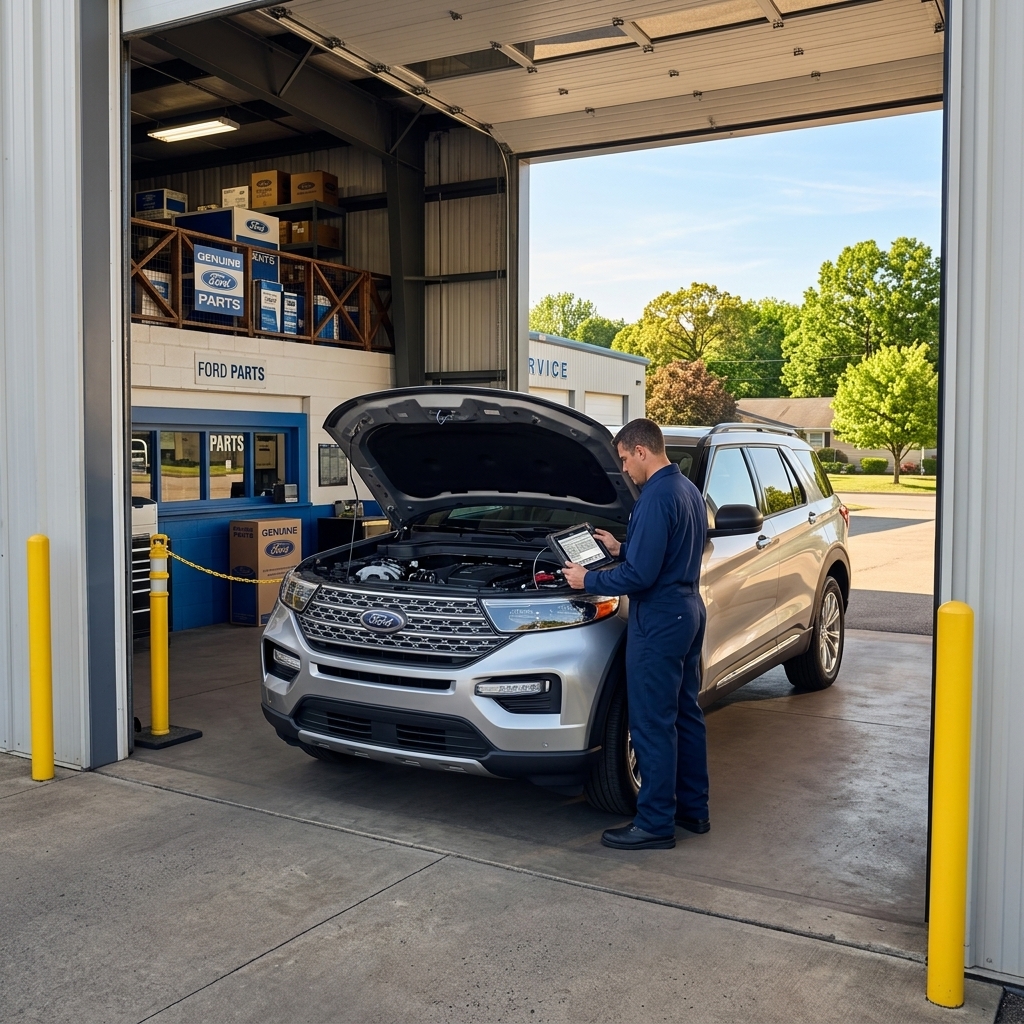
To help make these necessary maintenance items more manageable, we offer several convenient options for our customers. You can easily view our manufacturer service offers online to find current offers on routine maintenance. If you are short on time, our mobile service program can bring our certified technicians directly to your driveway for basic maintenance, or you can use our online portal to schedule a service appointment at our main facility. For those who prefer to drop by, you can find the best route to our service lane at 1503 Pennsylvania Ave, East Liverpool, OH 43920 by checking our dealership map and driving directions, or simply give us a quick call to speak with an advisor. We also provide specialized car battery testing and diagnostics to ensure your vehicle remains completely reliable through every season [4].
Table of Contents
- The True Mechanical Toll of Skipping Transmission Fluid and Coolant Exchanges
- Why Preventative Fluid Services Feel Overpriced and the Reality of Their Value
- Understanding Your Vehicle Inspection Report: What Red, Yellow, and Green Mean for Your Drive
- Signing a Service Waiver: What It Means When You Decline Safety-Related Repairs
- The Hidden Risks of Attempting Complex Coolant and Fluid Flushes at Home
- How Transparent Follow-Up Communication Keeps Your Vehicle Reliable
The True Mechanical Toll of Skipping Transmission Fluid and Coolant Exchanges
Modern automotive fluids are engineered to withstand extreme temperatures and high pressures, but they eventually break down and lose their protective qualities [3]. When automatic transmission fluid degrades, it can no longer lubricate the clutches and gears effectively, leading to increased friction, slipping, and eventual transmission failure [3]. Similarly, engine coolant contains vital anti-corrosive additives that deplete over time, which can lead to internal radiator blockages, water pump damage, and catastrophic engine overheating [3]. Ford scheduled maintenance guides emphasize that while these are long-life fluids, they must be exchanged at specified mileage intervals to protect major mechanical systems from premature wear [3].
Heavy-duty vehicles that handle demanding tasks are particularly vulnerable to the rapid breakdown of protective fluids. For instance, a 2026 Ford F-150 equipped with a 3.5L engine and a 10-speed automatic transmission can tow up to 12,800 lbs and carry a payload of 2,206 lbs, but pulling those heavy loads generates immense heat inside the transmission. If the transmission fluid is not exchanged according to the factory schedule, that thermal stress will degrade the fluid, leading to costly internal damage. Routine chassis maintenance is just as critical for overall safety, which is why the 2026 Ford Explorer requires a tire rotation every 7,500 miles and a professional alignment check whenever you notice uneven tread wear or steering wheel pull [3].
When major mechanical systems fail due to deferred maintenance, the cost of repairs can sometimes exceed the practical value of the vehicle. In those situations, drivers often choose to check their vehicle’s current market value using our online instant trade-in valuation tool to see if trading the vehicle is a more practical option. For commercial operators, upgrading to a model from our new commercial work trucks can be a more reliable business decision than investing in a rebuilt transmission. To keep your current vehicle driving safely and straight, you can also use our online portal to order replacement tires that are specifically matched to your model’s year and trim [3].
Why Preventative Fluid Services Feel Overpriced and the Reality of Their Value
Why do preventative fluid exchanges often feel like an unnecessary expense when you are standing at the service counter? The primary reason is that a vehicle usually runs perfectly fine immediately before and after a fluid flush, offering no instant physical feedback to the driver. This lack of immediate change, combined with the fact that modern owner’s manuals list very long service intervals for initial fluid changes, can make these recommendations seem like premature add-ons.
If you are making the daily highway commute from Boardman to Youngstown, the constant stop-and-go patterns can quietly accelerate wear on your transmission fluid. Under these severe operating conditions—which also include towing, idling, or driving in extreme temperatures—fluids break down much faster than the standard highway driving intervals listed in your manual. Postponing a coolant or transmission fluid exchange to save money in the short term often leads to major component failures that cost thousands of dollars to repair [3].
We understand that taking time out of your busy schedule for preventative maintenance can be challenging. To make the process completely seamless, we offer a specialized valet pickup and delivery service where we collect your vehicle, perform the necessary maintenance, and return it to your home or office. If you are looking for a trusted team to handle your vehicle’s long-term care, searching for a certified local service department will connect you with our factory-trained technicians who use only genuine parts. For business owners looking to expand their fleet with reliable, fully inspected pre-owned options, you can also browse our online selection of pre-owned commercial work vehicles to find a truck that fits your budget.
Understanding Your Vehicle Inspection Report: What Red, Yellow, and Green Mean for Your Drive
Imagine reviewing a simple, color-coded report that details the exact mechanical health of your vehicle after a routine oil change. The “red, yellow, green” multi-point inspection report is designed to provide clear, transparent communication about which areas of your vehicle require immediate attention and which are in perfect working order. A green rating indicates that the component is in good condition and requires no immediate action. A yellow rating serves as a proactive warning, indicating that a part is showing normal wear and will need to be addressed in the near future to prevent unexpected failure.
A red rating on your inspection report represents a critical safety hazard or an active mechanical failure that requires immediate repair before the vehicle is safe to drive. For example, our technicians routinely perform battery tests during these inspections because automotive batteries typically show declining cold-cranking performance after three years in service [4]. If a battery receives a red rating, it means there is a high risk of a sudden no-start condition without any prior warning signs [4].
If your current vehicle is frequently receiving red and yellow marks on its inspection reports, it may be time to consider upgrading to a more reliable ride. You can explore our incentives on new vehicles or check out our pre-owned vehicle selection to find a model that fits your family’s needs. For drivers who want to configure a vehicle to their exact specifications, our team can guide you through a custom vehicle order directly from the factory. We also recommend checking our updated national manufacturer offers before you schedule a test drive with our team to experience our latest models firsthand.
Signing a Service Waiver: What It Means When You Decline Safety-Related Repairs
Many drivers believe that declining a recommended repair simply means they can handle the issue later without any formal documentation. However, when a customer declines a critical, safety-related service—such as worn brake pads or a leaking steering component—professional repair shops will often ask them to sign a liability waiver. This document serves as formal written acknowledgment that the technician identified a safety hazard, explained the risks of driving with the defect, and the owner chose to operate the vehicle anyway. Signing this waiver protects the repair shop from legal liability in the event of a mechanical failure or an accident after the vehicle leaves the service bay.
Brake systems are the most common safety-critical components that trigger the need for a liability waiver. For example, the official maintenance schedule for the Ford F-150 requires a comprehensive brake system inspection at every single service visit, along with a complete brake fluid replacement every 3 years to prevent internal corrosion and maintain stopping power [3]. If a technician finds that your brake pads are worn past the safe limit of 2 millimeters and you choose to decline the replacement, signing the waiver confirms you understand the immediate danger of brake fade or complete system failure.
For experienced owners who prefer to perform their own basic maintenance, using high-quality components is essential for safety and reliability. You can easily order genuine OEM parts directly through our website to ensure a perfect fit and long-lasting performance. If you decide that maintaining your older vehicle is no longer practical, you can explore our extensive inventory of new Ford trucks to find a durable replacement built for your daily workload.
The Hidden Risks of Attempting Complex Coolant and Fluid Flushes at Home
While changing your engine oil in the driveway is a straightforward weekend project, attempting a complete coolant or transmission flush at home carries significant risks. Modern cooling systems are highly complex and require specialized equipment to completely purge air pockets from the engine block during a refill. If an air pocket remains trapped inside the cooling jacket, it can create localized hot spots that lead to warped cylinder heads, blown head gaskets, and severe engine damage. Furthermore, using the wrong type of coolant or mixing incompatible fluid formulations can cause chemical reactions that clog your radiator and ruin your water pump [3].
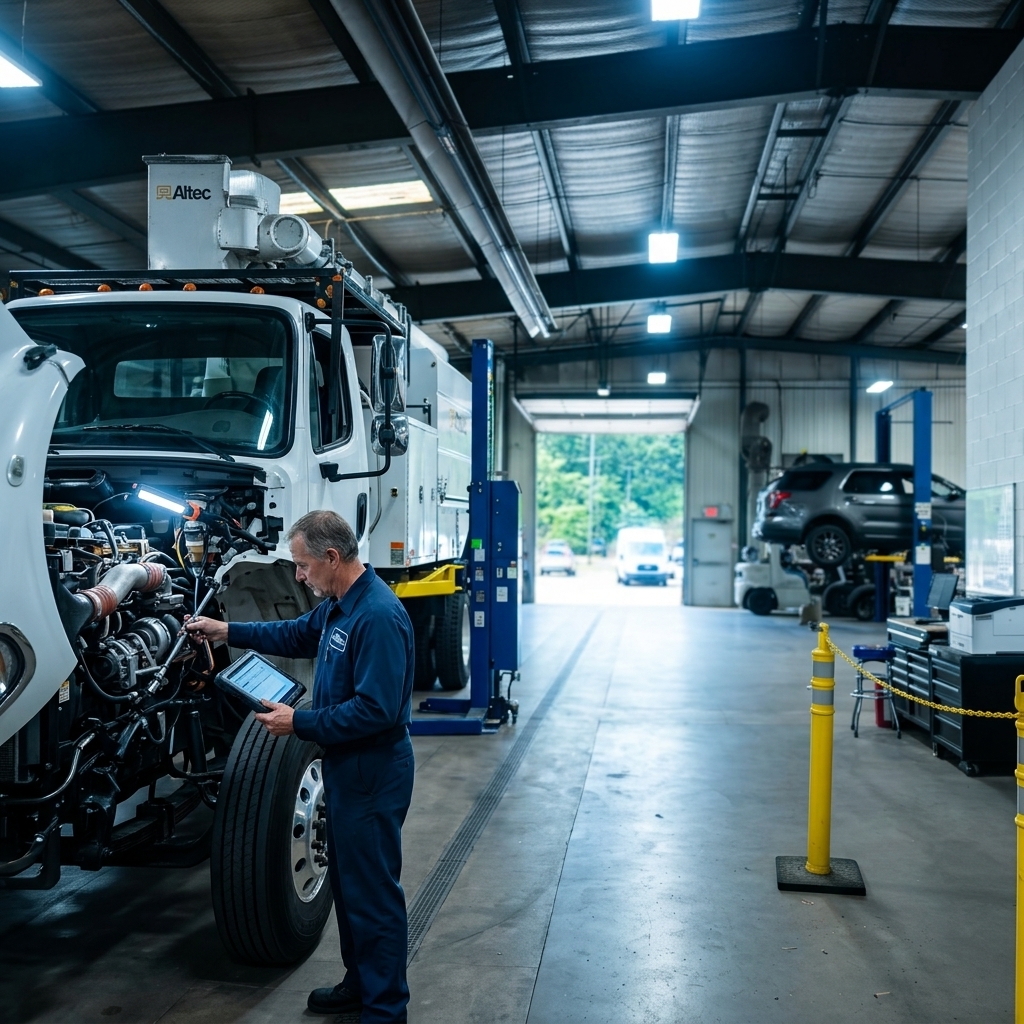
Professional technicians use specialized vacuum-fill machines that draw a complete vacuum on the cooling system, ensuring that every ounce of old fluid is extracted and replaced without introducing air. Additionally, proper disposal of old automotive fluids is a major environmental responsibility, as coolant is highly toxic and cannot simply be poured down a household drain. For commercial operators managing heavy-duty vehicles, ensuring these complex fluid services are performed correctly is critical to avoiding costly downtime.
If your commercial vehicle requires professional maintenance or you are looking to expand your fleet, you can browse our selection of new commercial transit vans designed to keep your business moving. For major, unexpected mechanical repairs that fall outside of your monthly budget, our finance department can help you explore current financing information to cover the cost of service. If you prefer to speak with our service team in person or drop off your vehicle, you can check our current business hours and directions to plan your next visit.
How Transparent Follow-Up Communication Keeps Your Vehicle Reliable
When a customer chooses to decline a recommended service, our team does not simply forget about it [1]. We document every declined item in our secure shop management system to maintain an accurate, long-term maintenance history for your vehicle [1]. This allows us to send transparent, helpful follow-up communications via text or email a few weeks after your visit, reminding you of the pending service and providing additional context or photos from your digital inspection [1]. These reminders are designed to help you plan and budget for necessary repairs at a time that is more convenient for you, without any high-pressure sales tactics [1].
Keeping your vehicle in peak mechanical condition is the best way to ensure its long-term reliability and protect its resale value. Whether you need to schedule a deferred fluid exchange or are interested in exploring our inventory of commercial F-Series trucks for your business, we are here to support you. You can easily find our service bays by getting driving directions to our dealership, or you can call us at (330) 462-7578 to speak directly with an advisor about your vehicle’s upcoming maintenance needs.
© 2026 Tri State Ford. All rights reserved.
Connect with us


- Automotive News, New Vehicle Reviews, Buying Guides, Financing & Insurance, Seasonal Driving Tips
- Buying Guides, Financing & Insurance, New Vehicle Reviews, Model Comparisons, Sales & Promotions
- Buying Guides, Financing & Insurance, New Vehicle Reviews, Model Comparisons, Technology & Innovation
- Buying Guides, Financing & Insurance, Used Vehicle Guides, New Vehicle Reviews, Cross-Border Purchasing
- Buying Guides, Financing & Insurance, Vehicle Inventory & Offers, Dealership Visit Preparation, Trade-In & Valuation
- Buying Guides, New Vehicle Reviews, Financing & Insurance, Commercial Vehicle Sales, Model Comparisons
- Commercial Leasing Options, Business Fleet Solutions, Financing & Leasing Programs, Commercial Vehicle Inventory, Business Vehicle Acquisition
- Commercial Truck Sales, Fleet Purchasing Guides, Financing & Lease Options, Work Truck Customization, New Vehicle Inventory
- Commercial Truck Sales, Fleet Vehicle Financing, Custom Work Truck Upfits, Commercial Vehicle Buying Guides, Used Commercial Truck Inventory
- Commercial Vehicle Sales, Financing & Leasing, Small Business Vehicle Incentives, Fleet Purchasing Guides, Tax Benefits for Vehicle Buyers
- Commercial Vehicle Sales, Fleet Leasing & Management, Commercial Financing & Tax Incentives, Upfitting & Customization Solutions, Trade & Lease Programs
- Commercial Vehicle Sales, Fleet Purchasing & Management, Financing & Leasing for Businesses, New & Used Work Truck Inventory, Commercial Truck Ordering Process
- Community Engagement & Events, New Vehicle Promotions, Financing & Trade-In Options, Maintenance & Service, Used Vehicle Offers
- Community Events & Customer Appreciation, New Vehicle Reviews, Financing & Trade-In Guides, Maintenance & Service Specials, Commercial & Work Truck Solutions
- Community Events & Dealership News, New Vehicle Promotions & Incentives, Maintenance & Service Specials, Financing & Trade-In Guidance, Family-Friendly Dealership Experiences
- Community Events & Dealership News, New Vehicle Reviews, Financing & Insurance, Maintenance & Service, Work Trucks & Commercial Vehicles
- Community Events, New Vehicle Buying Guides, Financing & Insurance, Maintenance & Service, Local Dealership News
- Compare Cars
- Custom Ordering & Build Process, New Vehicle Inventory & Offers, Financing & Trade-In Guidance, Manufacturer Incentives & Rebates, Vehicle Purchase & Order Tracking
- Dealership Events & Promotions, Financing & Trade-In Options, Maintenance & Service Specials, Community Involvement & Charity, New & Used Vehicle Buying Guides
- East Liverpool, OH Ford Dealer
- East Liverpool, OH Used Cars
- Financing & Insurance, Buying Guides, Commercial Vehicle Solutions, Fleet Management, Inventory and Availability
- Financing & Insurance, Buying Guides, New Vehicle Reviews, Used Vehicle Guides, Automotive Sales & Inventory
- Financing & Insurance, Buying Guides, New Vehicle Reviews, Used Vehicle Guides, Automotive Sales Strategies
- Financing & Insurance, Buying Guides, New Vehicle Reviews, Used Vehicle Guides, Model Comparisons
- Financing & Insurance, Buying Guides, Used Vehicle Guides, Trade-In Tips, New Vehicle Sales
- Financing & Insurance, Buying Guides, Vehicle Inventory & Offers, Trade-In & Appraisal, Dealership Services
- Financing & Insurance, Buying Guides, Vehicle Trade-In Tips, Dealership Sales Process, New Vehicle Promotions
- Financing & Insurance, Leasing Benefits, Model Comparisons, Technology & Innovation, Buying Guides
- Leasing & Financing Options, Buying Guides, Model Comparisons, Negotiation Tips, Inventory & Specials
- Leasing & Financing Options, Buying Guides, New Vehicle Reviews, Model Comparisons, Technology & Innovation
- Leasing & Financing Options, New Vehicle Leasing Guides, Buying Guides, Inventory Spotlight, Trade
- Leasing & Lease Deals, Financing & Insurance, New Vehicle Sales, Commercial Vehicle Leasing, Vehicle Trade-In & Purchase Options
- Leasing Options, Financing & Insurance, New Vehicle Reviews, Buying Guides, Technology & Innovation
- Leasing Options, Financing & Insurance, New Vehicle Sales, Buying Guides, Vehicle Inventory
- Maintenance & Service, Air Conditioning Repair, Genuine Parts & Accessories, Dealer-Authorized Service, Vehicle Ownership Care
- Maintenance & Service, Automotive Air Conditioning Repair, Vehicle Cooling System Care, Diagnostic & Leak Detection, Seasonal Vehicle Maintenance
- Maintenance & Service, Automotive Detailing & Cleaning, Seasonal Vehicle Care, Vehicle Protection & Preservation, Service Center Expertise
- Maintenance & Service, Automotive Detailing & Paint Care, Vehicle Exterior Protection, Paint Repair & Restoration, Parts & Accessories Installation
- Maintenance & Service, Automotive Detailing & Protection, Corrosion & Rust Prevention, Paint & Exterior Care, Professional Vehicle Care
- Maintenance & Service, Automotive Detailing, Paint Protection & Care, Seasonal Vehicle Care, Professional Vehicle Servicing
- Maintenance & Service, Automotive Detailing, Vehicle Care & Protection, Off-Road Vehicle Maintenance, Parts & Repairs
- Maintenance & Service, Automotive Electrical Systems, Battery Care & Replacement, Diagnostics & Repairs, Electric Vehicle Maintenance
- Maintenance & Service, Automotive Electrical Systems, Battery Care & Replacement, Vehicle Lighting & Electrical Issues, Roadside Assistance & Emergency Services
- Maintenance & Service, Automotive Fluids & Lubricants, Vehicle Care & Ownership, Dealership Service & Repairs, Preventive Maintenance
- Maintenance & Service, Automotive Glass Repair, Safety Features, Technology & Innovation, Mobile & Convenient Service
- Maintenance & Service, Automotive Lighting & Electrical, Vehicle Safety & Visibility, DIY Vehicle Care, Parts & Accessories
- Maintenance & Service, Automotive Parts & Accessories, Seasonal Vehicle Care, Vehicle Safety & Visibility, Professional Auto Service
- Maintenance & Service, Automotive Parts & Accessories, Vehicle Air Quality & HVAC Care, Preventive Vehicle Maintenance, Service Tips & FAQs
- Maintenance & Service, Automotive Parts & Accessories, Vehicle Ownership Care, Engine Care & Protection, Warranty & Service Contracts
- Maintenance & Service, Automotive Parts & Accessories, Vehicle Safety & Repair, Warranty & Coverage, Service Specials & Offers
- Maintenance & Service, Automotive Parts & Components, Vehicle Safety & Repair, Warranty & Service Coverage, Preventative Vehicle Care
- Maintenance & Service, Automotive Parts & Repairs, Vehicle Warranty & Protection, Service Center Tips, Cost-Effective Vehicle Care
- Maintenance & Service, Automotive Repair, Mobile & Remote Vehicle Service, Warranty & Roadside Assistance, OEM Parts & Service Specials
- Maintenance & Service, Automotive Repair, Parts & Accessories, Vehicle Ownership Care, Technology & Innovation in Service
- Maintenance & Service, Automotive Technology & Diagnostics, Vehicle Electronics & Sensors, Seasonal Vehicle Care, Parts & Repairs
- Maintenance & Service, Automotive Technology & Software Updates, Warranty & Recall Service, Mobile Vehicle Repair & Convenience, Customer Service & Transparency
- Maintenance & Service, Battery Care & Diagnostics, Electric Vehicle (EV) Maintenance, Seasonal Vehicle Care, Automotive Electrical Systems
- Maintenance & Service, Battery Care & Replacement, Vehicle Electrical Systems, Seasonal Vehicle Maintenance, Professional Automotive Repairs
- Maintenance & Service, Brake System Care, OEM Parts & Replacement, Vehicle Safety & Inspections, Expert Technician Services
- Maintenance & Service, Brake System Care, Vehicle Safety & Inspection, Automotive Repair Tips, Service Financing & Convenience
- Maintenance & Service, Brake System Care, Vehicle Safety & Inspection, Parts Quality & Replacement, Heavy Duty Vehicle Maintenance
- Maintenance & Service, Brake System Care, Vehicle Safety & Inspections, Parts & Components, Professional Automotive Services
- Maintenance & Service, Brake System Care, Vehicle Safety & Inspections, Parts & Repairs, Expert Tips & Advice
- Maintenance & Service, Brake Systems & Repair, Vehicle Parts & Accessories, Towing & Load Management, Seasonal Driving Tips
- Maintenance & Service, Certified Technician Insights, Warranty & Service Coverage, Genuine OEM Parts, Service Center Selection Guidance
- Maintenance & Service, Cooling System Repairs, Vehicle Ownership Care, Diagnostic & Troubleshooting, Automotive Parts & Components
- Maintenance & Service, Diagnostic Services, Vehicle Health & Diagnostics, Service Tips & Advice, Check Engine Light Solutions
- Maintenance & Service, Engine Care & Performance, Parts & Accessories, Genuine vs. After
- Maintenance & Service, Essential Vehicle Care, Preventive Maintenance Tips, Vehicle Longevity Strategies, Truck Maintenance Essentials
- Maintenance & Service, Expert Repairs & Diagnostics, Genuine Parts & Accessories, Engine Care & Performance, Vehicle Ownership & Care
- Maintenance & Service, Mobile Vehicle Services, Vehicle Care & Ownership, Genuine Parts & Repairs, Seasonal Maintenance Tips
- Maintenance & Service, Paint Protection & Detailing, Vehicle Exterior Care, Seasonal Vehicle Maintenance, Professional Auto Detailing
- Maintenance & Service, Parts & Accessories, Engine Care & Repair, Vehicle Longevity Tips, OEM Parts Benefits
- Maintenance & Service, Parts & Accessories, Vehicle HVAC Care, Seasonal Vehicle Maintenance, DIY Vehicle Maintenance
- Maintenance & Service, Parts & Replacements, Vehicle Care Tips, Seasonal Maintenance, DIY Vehicle Maintenance
- Maintenance & Service, Recall Information, Safety & Reliability, Vehicle Ownership Care, Parts & Repairs
- Maintenance & Service, Recall Updates & Safety Notices, Genuine Parts & Accessories, Truck Care & Maintenance Tips
- Maintenance & Service, Repair & Diagnostics, OEM Parts & Accessories, Warranty & Recall Information, Vehicle Care & Ownership Tips
- Maintenance & Service, Repair & Diagnostics, Parts & Accessories, Vehicle Ownership Care, Service Plans & Extended Warranty
- Maintenance & Service, Repair & Diagnostics, Parts & Components, Preventive Care & Tips, Warranty & Recalls
- Maintenance & Service, Repair & Parts, Vehicle Ownership Care, Safety Features, Technology & Innovation
- Maintenance & Service, Repair & Parts, Vehicle Ownership Care, Transmission
- Maintenance & Service, Repair Solutions, Vehicle Ownership Care, Parts & Accessories, Diagnostic Tips
- Maintenance & Service, Repair Tips & Techniques, Vehicle Care & Ownership
- Maintenance & Service, Safety Features, Automotive Recalls & Repairs, Parts & Warranty Services, Vehicle Ownership Care
- Maintenance & Service, Safety Features, Automotive Recalls & Repairs, Technology & Innovation, Seasonal Driving Tips
- Maintenance & Service, Safety Features, Automotive Recalls, Vehicle Ownership Care, Parts & Repairs
- Maintenance & Service, Safety Features, Parts & Repairs, Vehicle Ownership Care, Automotive Service Tips
- Maintenance & Service, Safety Features, Recall & Repair Updates, Parts & Repairs, Vehicle Ownership Care
- Maintenance & Service, Safety Features, Recall & Safety Campaigns, Vehicle Inspection & Repairs, Vehicle Ownership Care
- Maintenance & Service, Safety Features, Recall & Warranty Information, Vehicle Diagnostics & Repair, Certified Service & Genuine Parts
- Maintenance & Service, Safety Features, Recall Repairs & Safety Campaigns, Parts & Genuine Components, Vehicle Ownership Care
- Maintenance & Service, Safety Features, Recalls & Repairs, Parts & Accessories, Vehicle Ownership Care
- Maintenance & Service, Safety Features, Repair & Recall Updates, Parts & Components, Vehicle Ownership Care
- Maintenance & Service, Safety Features, Repair & Replacement, Vehicle Care & Inspection, Parts & Accessories
- Maintenance & Service, Safety Features, Seasonal Driving Tips, Technology & Innovation, Parts & Repairs
- Maintenance & Service, Safety Features, Technology & Innovation, Automotive Electrical Systems, Parts & Repairs
- Maintenance & Service, Safety Features, Technology & Innovation, Automotive Parts & Accessories, Seasonal Driving Tips
- Maintenance & Service, Safety Features, Technology & Innovation, Automotive Recalls, Parts & Repairs
- Maintenance & Service, Safety Features, Technology & Innovation, Automotive Recalls, Vehicle Ownership Care
- Maintenance & Service, Safety Features, Technology & Innovation, Automotive Service Tips, Recall & Repair Updates
- Maintenance & Service, Safety Features, Technology & Innovation, Parts & Repairs, Seasonal Driving Tips
- Maintenance & Service, Safety Features, Technology & Innovation, Parts & Repairs, Vehicle Ownership Care
- Maintenance & Service, Safety Features, Technology & Innovation, Recall & Warranty Information, Vehicle Care & Repairs
- Maintenance & Service, Safety Features, Technology & Innovation, Repair & Recall Information, Parts & Vehicle Care
- Maintenance & Service, Safety Features, Technology & Innovation, Seasonal Driving Tips, Parts & Repairs
- Maintenance & Service, Safety Features, Technology & Innovation, Tire Care & Replacement, Diagnostic & Repair Services
- Maintenance & Service, Safety Features, Vehicle Inspections, DIY Vehicle Care, Repair & Diagnostics
- Maintenance & Service, Safety Recalls & Repairs, Vehicle Safety & Compliance, Powertrain & Drivetrain Maintenance, Towing & Hauling Maintenance
- Maintenance & Service, Seasonal Driving Tips, Model Comparisons, Technology & Innovation, Safety Features
- Maintenance & Service, Seasonal Driving Tips, Safety Features, Technology & Innovation, Parts & Repairs
- Maintenance & Service, Seasonal Driving Tips, Vehicle Care & Ownership, Brake System Maintenance, Tire & Wheel Care
- Maintenance & Service, Seasonal Driving Tips, Vehicle Care & Ownership, Parts & Accessories, Safety Features
- Maintenance & Service, Seasonal Driving Tips, Vehicle Care & Ownership, Safety Features, Professional Repair & Service Techniques
- Maintenance & Service, Seasonal Driving Tips, Vehicle Care & Protection, Brake Maintenance, Tire Care & Safety
- Maintenance & Service, Seasonal Driving Tips, Vehicle Care & Warranty, Service Specials & Packages, Automotive Repair Insights
- Maintenance & Service, Seasonal Driving Tips, Vehicle Cooling Systems, Automotive Safety Features, Parts & Repairs
- Maintenance & Service, Service Scheduling & Convenience, Vehicle Repair & Diagnostics, Parts & Accessories, Fleet & Commercial Vehicle Service
- Maintenance & Service, Technology & Innovation, Automotive Service Transparency, Digital Vehicle Inspections, Vehicle Ownership Care
- Maintenance & Service, Technology & Innovation, Safety Features, Parts & Warranty, Vehicle Ownership Care
- Maintenance & Service, Technology & Innovation, Vehicle Diagnostics & Telematics, Fleet Management Solutions, Parts & Accessories
- Maintenance & Service, Tire Care & Repair, Roadside Assistance, Vehicle Safety & Inspections, Automotive Parts & Replacements
- Maintenance & Service, Tire Care & Repair, Wheel Alignment & Balancing, Suspension Maintenance, Vehicle Performance Optimization
- Maintenance & Service, Tire Care & Replacement, Seasonal Vehicle Care, Safety Features, Automotive Service Tips
- Maintenance & Service, Tire Care & Replacement, Vehicle Safety & Handling, Seasonal Vehicle Preparation, Drivetrain & Tire Maintenance
- Maintenance & Service, Tire Care & Replacement, Vehicle Safety & Inspection, Emergency Roadside Assistance, Automotive Parts & Accessories
- Maintenance & Service, Tire Care & Replacement, Vehicle Safety & Inspections, Seasonal Vehicle Maintenance, Automotive Parts & Accessories
- Maintenance & Service, Transmission Care & Repair, Vehicle Fluid Services, Automotive Diagnostics, Warranty & Resale Value Maintenance
- Maintenance & Service, Transmission Care, Repair & Parts, Vehicle Ownership Care, Common Vehicle Issues
- Maintenance & Service, Vehicle Care & Longevity, Scheduled Service Packages, Oil Changes & Fluid Top-offs, Tire & Brake Maintenance
- Maintenance & Service, Vehicle Care Tips, Parts & Accessories, Seasonal Vehicle Maintenance, Service Specials & Packages
- Maintenance & Service, Vehicle Detailing & Care, Parts & Accessories, Seasonal Vehicle Preparation, Service Scheduling & Convenience
- Maintenance & Service, Vehicle Detailing & Cosmetic Care, Automotive Cleaning & Protection, Service Scheduling & Preparation, Vehicle Ownership Care
- Maintenance & Service, Vehicle Detailing & Cosmetic Care, Service Scheduling & Convenience, Seasonal Vehicle Care, Vehicle Ownership Tips
- Maintenance & Service, Vehicle Detailing & Protection, Repair & Inspection, Parts & Accessories, Vehicle Care & Warranty
- Maintenance & Service, Vehicle Detailing & Protection, Vehicle Care Tips, Seasonal Vehicle Maintenance, Dealership Service Benefits
- Maintenance & Service, Vehicle Diagnostics & Repair, Engine Performance & Troubleshooting, Fuel System Care, Preventative Maintenance Strategies
- Maintenance & Service, Vehicle Fluids & Lubrication, Engine Care & Repair, Parts & Accessories, Professional Vehicle Care
- Maintenance & Service, Vehicle Inspection & Diagnostics, Parts & Repairs, Warranty & Resale Value, Service Specials & Convenience
- Maintenance & Service, Vehicle Interior Care, Technology & Innovation in Service, Professional Detailing, Seasonal Vehicle Care
- Maintenance & Service, Vehicle Ownership Care, Mobile Repair Services, Genuine Parts & Certified Technicians, Electric Vehicle Maintenance
- Maintenance & Service, Vehicle Ownership Care, Parts & Accessories, Repair & Diagnostics, Certified Technician Insights
- Maintenance & Service, Vehicle Pickup & Delivery, Mobile Service & On-Site Repairs, Oil Change & Fluid Care, Vehicle Care Technology & Apps
- Maintenance & Service, Vehicle Repair & Diagnostics, Parts & Accessories, DIY Vehicle Care, Safety & Reliability Tips
- Maintenance & Service, Vehicle Repair & Diagnostics, Parts & Accessories, Hybrid & Electric Vehicle Care, Seasonal Vehicle Care
- Maintenance & Service, Vehicle Repair & Diagnostics, Parts & Accessories, Seasonal Driving Tips, Battery Care & Replacement
- Maintenance & Service, Vehicle Repair & Diagnostics, Parts & Accessories, Service Lane Tips & Insights, Vehicle Ownership Care
- Maintenance & Service, Vehicle Repair & Diagnostics, Parts & Accessories, Towing & Performance Care, Mobile & Convenient Service Options
- Maintenance & Service, Vehicle Repair & Parts, Service Convenience & Customer Care, Roadside Assistance & Support, Vehicle Ownership Tips
- Maintenance & Service, Vehicle Repair Tips, Parts & Accessories, Safety Features, Technology & Innovation
- Maintenance & Service, Vehicle Service Warranties, Repair & Coverage Plans, Ownership & Vehicle Care, Automotive Service Tips
- Maintenance & Service, Vehicle Software Updates, Safety Features, Technology & Innovation, Recall & Warranty Information
- Maintenance & Service, Warranty & Recalls, Repair & Diagnostics, Parts & Accessories, Vehicle Ownership & Care
- Model Comparisons, Buying Guides, New Vehicle Reviews, Financing & Insurance, Inventory Updates
- Model Comparisons, Buying Guides, New Vehicle Reviews, Technology & Innovation, Safety Features
- Model Comparisons, Buying Guides, Technology & Innovation, Safety Features, Maintenance & Service
- Model Comparisons, New Vehicle Reviews, Buying Guides, Technology & Innovation, Safety Features
- Model Comparisons, New Vehicle Reviews, Safety Features, Technology & Innovation, Seasonal Driving Tips
- Model Comparisons, New Vehicle Reviews, Technology & Innovation, Buying Guides, Maintenance & Service
- Model Comparisons, New Vehicle Reviews, Technology & Innovation, Safety Features, Buying Guides
- Model Comparisons, Towing & Hauling Guides, Maintenance & Service, Technology & Innovation, New Vehicle Reviews
- New Vehicle Promotions, Buying Guides, Financing & Insurance, New Vehicle Reviews, Inventory Highlights
- New Vehicle Reviews, Buying Guides, Financing & Insurance, Model Comparisons, Automotive News
- New Vehicle Reviews, Buying Guides, Financing & Insurance, Model Comparisons, Automotive Sales Strategies
- New Vehicle Reviews, Buying Guides, Financing & Insurance, Model Comparisons, Automotive Technology & Innovation
- New Vehicle Reviews, Buying Guides, Financing & Insurance, Model Comparisons, Commercial & Work Truck Sales
- New Vehicle Reviews, Buying Guides, Financing & Insurance, Model Comparisons, Inventory Highlights
- New Vehicle Reviews, Buying Guides, Financing & Insurance, Model Comparisons, Inventory Updates
- New Vehicle Reviews, Buying Guides, Financing & Insurance, Model Comparisons, Used Vehicle Guides
- New Vehicle Reviews, Buying Guides, Financing & Insurance, Model Comparisons, Vehicle Inventory Updates
- New Vehicle Reviews, Buying Guides, Financing & Insurance, New Vehicle Specials, Trade-In & Value Estimation
- New Vehicle Reviews, Buying Guides, Financing & Insurance, Used Vehicle Guides, Model Comparisons
- New Vehicle Reviews, Buying Guides, Financing & Insurance, Vehicle Inventory & Specials, Model Comparisons
- New Vehicle Reviews, Buying Guides, Financing & Insurance, Vehicle Inventory, Model Comparisons
- New Vehicle Reviews, Buying Guides, Model Comparisons, Financing &
- New Vehicle Reviews, Buying Guides, Model Comparisons, Financing & Insurance, Inventory & Sales
- New Vehicle Reviews, Buying Guides, Model Comparisons, Maintenance & Service, Technology & Innovation
- New Vehicle Reviews, Buying Guides, Safety Features, Technology & Innovation, Model Comparisons
- New Vehicle Reviews, Buying Guides, Technology & Innovation, Safety Features, Maintenance & Service
- New Vehicle Reviews, Buying Guides, Technology & Innovation, Safety Features, Seasonal Driving Tips
- New Vehicle Reviews, Financing & Insurance, Buying Guides, New Vehicle Specials, Model Comparisons
- New Vehicle Reviews, Financing & Insurance, Buying Guides, Technology & Innovation, Automotive Inventory Updates
- New Vehicle Reviews, Financing & Insurance, Buying Guides, Used Vehicle Guides, Model Comparisons
- New Vehicle Reviews, Model Comparisons, Buying Guides, Technology & Innovation, Safety Features
- New Vehicle Reviews, Model Comparisons, Commercial Truck Guides, Technology & Innovation, Maintenance & Service
- New Vehicle Reviews, Model Comparisons, Financing & Insurance, Technology & Innovation, Safety Features
- New Vehicle Reviews, Model Comparisons, Off-Road Adventures, Technology & Innovation, Maintenance & Service
- New Vehicle Reviews, Model Comparisons, Safety Features, Technology & Innovation, Buying Guides
- New Vehicle Reviews, Model Comparisons, Technology & Innovation, Financing & Insurance, Maintenance & Service
- New Vehicle Reviews, Model Comparisons, Technology & Innovation, Safety Features, Buying Guides
- New Vehicle Reviews, Model Comparisons, Technology & Innovation, Safety Features, Maintenance & Service
- New Vehicle Reviews, Off-Road Capabilities, Outdoor Adventure Vehicles, Technology & Innovation, Local Driving Destinations
- New Vehicle Reviews, Technology & Innovation, Buying Guides, Safety Features, Model Comparisons
- New Vehicle Reviews, Technology & Innovation, Safety Features, Maintenance & Service, Buying Guides
- New Vehicle Sales, Financing & Incentives, Trade-In & Appraisal, Special Sales Events, Electric Vehicle Purchasing
- New Vehicle Sales, Financing & Incentives, Trade-In & Value Guides, Manufacturer Promotions, Commercial Vehicle Sales
- New Vehicle Sales, Financing & Insurance, Buying Guides, Manufacturer Incentives & Discounts, Trade-In & Vehicle Valuation
- New Vehicle Sales, Vehicle Delivery & Logistics, Financing & Credit Applications, Trade-In & Vehicle Valuation, Commercial Vehicle Sales
- Tips
- Trucks
- Uncategorized
- Used Vehicle Guides, Buying Guides, Financing & Insurance, Model Comparisons, Selling Your Car
- Used Vehicle Guides, Financing & Insurance, Buying Guides, Model Comparisons, Local Dealership Highlights
- Used Vehicle Guides, Financing & Insurance, Buying Guides, New Vehicle Reviews, Commercial Vehicle Sales
- Used Vehicle Guides, Financing & Insurance, Buying Guides, Pre-Owned Vehicle Sales, Vehicle Trade-In & Appraisal
- Used Vehicle Guides, Financing & Insurance, Buying Guides, Trade-In Advice, Certified Pre-Owned Programs
- Used Vehicle Guides, Financing & Insurance, Buying Guides, Vehicle Warranty Information, Pre-Owned Vehicle Sales
- Vehicle Sales Events, Financing & Leasing, Trade-In & Trade-Up Guides, New Vehicle Inventory Highlights, Dealership Buying Experience
- Vehicle Sales Events, New Vehicle Buying Guides, Financing & Incentives, Dealership Inventory Highlights, Commercial Vehicle Sales
- Vehicle Sales Events, New Vehicle Pricing & Incentives, Financing & Lease Options, Trade-In & Appraisal Guides, Dealership Buying Experience
- Vehicle Sales Events, New Vehicle Pricing, Financing & Credit Applications, Trade-In & Loyalty Programs, Leasing vs Buying Guides
- Vehicle Sales Events, New Vehicle Purchasing, Incentives & Discounts, Financing & Pre-Approval, Trade-In & Appraisal Guidance
- Vehicle Sales Process, Financing & Credit Applications, New and Used Vehicle Inventory, Pickup and Delivery Services, Online Vehicle Purchasing
- Vehicle Sales Process, Online Vehicle Purchasing, Financing & Loan Approval, Trade-In & Vehicle Valuation, Vehicle Delivery Services
- Vehicle Sales Promotions, New Vehicle Buying Guides, Financing & Credit Applications, Dealership Inventory Highlights, Model Pricing Comparisons
- Vehicle Sales Promotions, New Vehicle Buying Guides, Financing & Incentives, Trade-In & Valuation, Dealership Sales Events
- Vehicle Sales, Online Car Buying, Financing & Incentives, Trade-In Guides, New Vehicle Delivery Services, Youngstown Dealership
- Vehicle Trade-In Advice, Financing & Insurance, Buying Guides, Used Vehicle Guides, New Vehicle Sales
- Vehicle Trade-In Tips, Financing & Insurance, Buying Guides, Dealership Sales Strategies, Inventory & Specials